Will we see illegal CRISPR IVF clinics in the US? Experts weigh in

IVF Rex

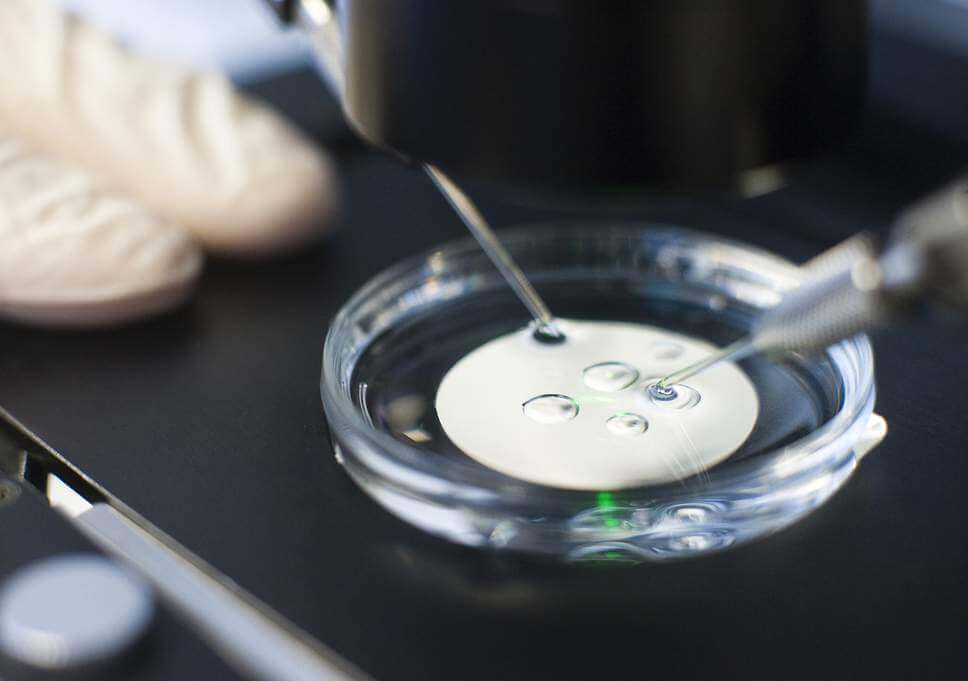
The possibility of “CRISPR babies” became real [November 25], when a Chinese scientist stunned the world by announcing he’d used the gene-editing technology to alter the embryos of two baby girls.

Meanwhile, another nagging question has lingered: Are there more scientists out there using CRISPR to tweak genes in embryos intended for pregnancy — and could clinics offering to CRISPR babies show up in the US any time soon?

In an article in Stat [December 3], the University of California Davis School of Medicine stem cell biologist Paul Knoepfler argued that we will see IVF clinics using CRISPR because we’ve already seen stem cell clinics offering non-FDA approved therapies proliferate.

Just because it’s illegal, however, doesn’t mean people won’t do it, Knoepfler argues. Hank Greely, a Stanford law professor who has been studying CRISPR, meanwhile takes the opposite view that we shouldn’t expect CRISPR babies in the US anytime soon.

There is no shortage of examples in medicine of people exploiting the desperation of patients, offering them unproven and risky treatments. According to Knoepfler, doing so with CRISPR isn’t all that far-fetched — while [professor Hank] Greely makes a strong case that it’s both politically and logistically infeasible.

Whatever side you fall on, it’s time for scientific groups and regulatory agencies to think about whether the laws, policies, and regulations we have in place are ready for this.

Read full, original post: How soon will CRISPR gene-edited babies come to the US?

Are we ‘meddling with creation’ by growing GMO crops?

sacto cant outsmart nature
[F]or some, it’s a stretch to reconcile faith with new developments in agriculture, especially when it involves (perceived) meddling with creation. For a case study, look no further than old faithful: GMOs.

Since their rollout over 20 years ago, I’m unaware of any technology that has received such a Jekyll and Hyde reception. Some proclaimed GMOs the game changing equivalent of a “killer app.” Others disapproved, portraying them as an untested menace.

[A]re GMOs the epitome of hubris — a presumption that we know “better” than the creator? When we redesign and patent the fabric of life with our figurative John Hancock, who then are we ultimately celebrating? Him, or us? …. I often imagine God (stereotypically) seated aloft on a billowing cloud peering down mercifully on creation. All ag products, of course, are monogrammed with the Almighty’s initials. That’s not to say that we can’t make changes. It’s like the homebrew scene, it pays homage to the originator.

Nothing we grow or consume is remotely natural. It’s all the result of some form of modification ….  We’ve been browbeaten with this idea that life is insufferably and immutably static. But we know that organisms laterally swap DNA (the signature of the creator) …. Sweet potato has bacterial gene leftovers …. The tools and precedent already exist in creation ….

Read full, original article: GMOs: Religion and biotech share a common cause

How autistic children overcome the challenge of understanding how others view the world

o

To understand another person’s point of view, children with autism need to actively suppress their own, a new study suggests.

People with autism struggle with theory of mind — the ability to guess others’ thoughts and feelings. This may contribute to their social difficulties. The new work hints at the brain processes that underlie their difficulty.

The researchers used magnetoencephalography (MEG) to monitor brain activity in autistic and typical children, aged 8 to 12 years, as they performed a version of a classic theory-of-mind test.

Typical children generally pass this test by the time they are 5. Most children with autism don’t pass until their teens, but those with high intelligence and strong language skills may figure it out sooner.

The autistic children in the new study perform the task as well as their typical peers do, but their brain activity differs: Unlike typical children, those with autism heavily recruit an area involved in inhibiting brain activity.

This finding suggests that they actively suppress their own belief about where the object is, says lead investigator Margot Taylor, director of functional neuroimaging at the Hospital for Sick Children in Toronto, Canada. This suppression may be an adaptive response. “They are smart kids, and they have to use some other strategies to perform these types of tasks,” she says.

Read full, original post: Autistic children may have to mute own perspective to grasp others’

Computer scientists turn to evolutionary biology for inspiration

dna Genetic Algorithm e

Creationists love to insist that evolution had to assemble upward of 300 amino acids in the right order to create just one medium-size human protein. With 20 possible amino acids to occupy each of those positions, there would seemingly have been more than 20300 possibilities to sift through, a quantity that renders the number of atoms in the observable universe inconsequential.

Computer scientists face similar challenges with problems that involve finding optimal solutions among astronomically huge sets of possibilities. Some have looked to biology for inspiration — even as biologists still try to figure out exactly how life does it, too.

Genetic algorithms, optimization methods that have been popular for decades, use the principles of natural selection to engineer new designs (for robots, drugs and transportation systems, among other things), train neural networks, or encrypt and decrypt data. The technique starts by treating random solutions to a problem as “organisms” that have certain features or elements “genetically” described in their code. These solutions aren’t particularly good, but they then undergo combinations of random mutations (and sometimes other changes that mimic gene-shuffling processes) to produce a second generation of organisms, which are in turn tested for their “fitness” at performing the desired task. Eventually, many repetitions of this process lead to a highly fit individual, or solution.

The idea of thinking about life as evolving software is fertile.

Read full, original post: Mathematical Simplicity May Drive Evolution’s Speed

Can AI-enhanced plant breeding deliver high yielding non-GMO crops?

file qn dhj

Hi Fidelity Genetics (HFG), a company that uses sensors, data science, and statistical genetics to create non-genetically modified crops, just raised $8.5 million …. It’s a sign of the growing importance of data science in agriculture, and it may signal an alternative path to sustainable farming without the use of genetic modification.

The appeal of GMOs is that scientists can select traits to suit a variety of needs, from drought tolerance or insect resistance to increased yields ….

But a new approach called computational crop breeding offers a compelling alternative. Utilizing field sensors to gauge local environments and predictive analytics to drive tailored crop breeding programs, computational breeding could help farmers and agronomists grow non-GMO crops that exhibit many of the same advantageous traits as commercial seed stock.

Not coincidentally, HFG has been focusing on the coverage crops like corn and soy that are currently dominated by genetically modified seeds.

Read full, original article: Computational breeding: Can AI offer an alternative to genetically modified crops?

Biotech could help Mexico’s bean farmers cope with climate change

black pinto canary mexican beans

Beans are the most important grain legume in human diets …. Indeed, bean production is central to the food security of Mexico, Latin America, and Africa ….

Climate-modelling predicts that higher temperatures will soon limit crop production in Mexico and beyond …. Despite an annual growth rate of 13% in Mexican bean production …. human population increases have resulted in greater demand and domestic consumption of Mexico’s beans [and] a 60% increase in Mexican bean prices.

Mexico’s President …. has stated that his government will not permit GMO technologies in Mexican agriculture. This means that we must seek alternative non-transgenic methods to develop drought and heat tolerant crops to combat the effects of climate change.

Our Newton Prize project, a collaboration involving molecular biologist Prof Julie Gray (Sheffield), legume nitrogen fixation expert Prof Georgina Hernández (CCG UNAM), and bioinformatics expert Dr Alejandro Sánchez (UUSMB, UNAM), aims to do just that.

How Can Plant Biotechnology Help?

[Researchers] will identify novel mutations and traits involved in plant gas exchange, water use, and nitrogen use …. then ‘climate-test’ key bean lines in the University of Sheffield’s Sir David Read Controlled Environment CO2 Facilities.

The best gene candidates can then be used to develop new drought resistant bean varieties, either through marker assisted breeding, or non-transgenic gene editing technologies. In this way, we hope that we can rapidly produce high yielding bean crops to withstand the coming heat waves and droughts ….

Read full, original article: Newton Prize Award for Biotech Drought-Tolerant Beans

Why the CDC’s opioid guidelines may be hurting patients in pain

pain

Since the Centers for Disease Control and Prevention published its guideline for prescribing opioids for chronic pain in March 2016, pain patients have experienced increasing difficulty getting needed opioid medication due to denials by pharmacists and insurance providers.

More troubling are recent press reportsblog posts, and journal articles that describe patients being refused necessary medication or those dismissed by their treating physicians, who practice in fear of regulatory reprisal.

The laudable goal of these laws and policies is to stem the tide of unprecedented overdose deaths and addiction in the U.S. But here are three interesting facts: Opioid prescribing is currently at an 18-year low. The rate of prescribing opioids has dropped every year since 2011. Yet drug overdose deaths have skyrocketed since then.

Recent data from the CDC suggests that illegally manufactured fentanyl, its analogs, and heroin are responsible for well over half of all overdose deaths. Stimulants like cocaine and methamphetamines are responsible for another third. Deaths related to prescription opioids come next in line, although many of those who died were not the intended recipient of the prescribed medication. In addition, most deaths involve multiple substances that are used in combination.

Conflating the misuse of opioids with their legitimate medical use, and treating all opioids — illegal or prescription — alike is stigmatizing patients for whom opioid painkillers are necessary and medically appropriate.

Read full, original post: Overzealous use of the CDC’s opioid prescribing guideline is harming pain patients

Gut-brain axis: How a high-salt diet could affect the brain

ThinkstockPhotos

It is well known that a high salt diet leads to high blood pressure, a risk factor for an array of health problems, including heart disease and stroke. But over the last decade, studies across human populations have reported the association between salt intake and stroke irrespective of high blood pressure and risk of heart disease, suggesting a missing link between salt intake and brain health.

Interestingly, there is a growing body of work showing that there is communication between the gut and brain, now commonly dubbed the gut–brain axis.

Five years ago, a couple of studies showed that high salt intake leads to profound immune changes in the gut, resulting in increased vulnerability of the brain to autoimmunity—when the immune system attacks its own healthy cells and tissues by mistake, suggesting that perhaps the gut can communicate with the brain via immune signaling.

Now, new research shows another connection: immune signals sent from the gut can compromise the brain’s blood vessels, leading to deteriorated brain heath and cognitive impairment.

The researchers used mice, and found that immune responses in the small intestines set off a cascade of chemical responses reaching the brain’s blood vessels, reducing blood flow to the cortex and hippocampus, two brain regions crucial for learning and memory. This, in turn, brought a decline in tests of cognitive performance.

Read full, original post: A New Connection between the Gut and the Brain

Capturing a glimpse of how CRISPR could help agriculture by removing allergens and boosting nutritional quality

article DE F E DC x

In a lab at George Washington University, painted lady butterflies flutter in mesh houses. This is where assistant professor Arnault Martin and his research group use the new gene-editing technique CRISPR to unlock secrets about the colors and spots on the butterflies’ wings.

CRISPR has allowed them to isolate a precise gene that controls wing appearance, and they can shut it off at will. “What we do with CRISPR is nothing fancy. We don’t do genome editing or detailed surgery, we just break genes,” Martin told a group of visiting science writers in October.

If used responsibly, Martin said, CRISPR could help solve many challenges …. “If you want to feed the planet, 9 billion people, I think we will benefit from accelerated domestication from engineering crops so they are less demanding in terms of resources, less vulnerable to pests or less waste, better use of land and so on,” he said.

CRISPR’s use in plant breeding is a bit less controversial than in humans or other animals as seeds can be manipulated so that genetic changes don’t persist into offspring. Agriculture companies already have their eyes on the technique.

[Bayer Crop Science president Liam Condon is] confident that CRISPR’s potential to remove food allergens or boost nutritional quality will appeal broadly.

Read full, original article: A Hands-On Look At Gene-Editing Technique CRISPR, Which Could Be A Game-Changer For Ag

Cooked wheat contains carcinogen. EU’s gene-editing rules block scientists from fixing it

jpeg

For nearly 15 years, Professor Nigel Halford has been trying to improve wheat. When wheat is cooked, it forms acrylamide, a carcinogenic chemical …. Professor Halford, a crop scientist at UK non-profit Rothamsted Research, believes wheat is in need of an upgrade and that means reducing the potential for acrylamide to form.

…. CRISPR is a pioneering gene-editing tool which enables scientists to make precise changes to an organism’s DNA. …. In wheat, it’s believed that high levels of acrylamide production can be linked to a specific gene. “We’re trying to knock that out,” says Professor Halford.

However, hopes that gene editing might herald a new dawn in the field of crop science were dealt a blow in July when the European Court of Justice ruled that gene-edited products should be …. subject to stringent regulation that predates the CRISPR technology …. [R]esearchers say the ruling will make it almost impossible for European companies to bring gene-edited foods to market.

EU ruling will hold Europe back from vital food innovation

Professor Halford believes he is close to producing an improved variety of wheat, but this achievement will be tarnished. “We won’t be able to do anything with it,” he says.

In the UK, the fate of gene-edited foods appears to have been decided before most consumers have even heard of the technology. “They won’t get the choice,” Professor Halford laments.

Read full, original article: EU ruling on gene-edited foods is holding us back

Plague genome offers clues about origins of Black Death pandemic

black death ala

Yersinia pestis, the subject of [Barbara Bramanti’s] research, is the bacterium responsible for three bubonic plague pandemics over human history.

The origin of the second Medieval epidemic and the routes by which it was transmitted are as yet unclear.

[Bramanti] and her group sequenced five new plague genomes from 14th century skeletons in Italy, France, Holland, and Norway. They also reanalyzed previously isolated plague samples so they could confidently compare the samples.

The bacteria they found in France and Norway was the same as that previously identified in London and Barcelona as responsible for the Black Death there (with the caveat that they didn’t sequence the entire genome; all of the DNA that was analyzed was identical). The Italian variant, taken from a mass grave, had sequences that dated it as a more recent strain than the others. Bramanti thinks that this strain came from overseas through the port of Pisa and acquired its new sequences as it scythed through Tuscany in 1348.

These genetic analyses, along with climatic studies done by Bramanti’s colleague Nils Stenseth, all argue that Yersinia pestis entered Western Europe from Asia repeatedly during the second plague pandemic rather than hanging out in Western European rodents the whole time.

Read full, original post: Medieval European plague genomes hint at Black Death’s travels

Talking Biotech: Environmentalist Erin Brockovich is wrong about Monsanto, glyphosate and cancer

Screen Shot at AM

On December 6, 2018 environmental advocate Erin Brockovich published a high-profile opinion piece in The Guardian.  The piece was laced with scientific inaccuracies and inflammatory rhetoric about glyphosate, indicating in no uncertain terms that it causes cancer and is present in just about all food. None of these claims are supported by peer-reviewed literature.  Further examination shows that Brockovich is a consultant for the law firm that is managing the class action against one company that manufactures the compound.

In this week’s podcast Robert Saik and Kevin Folta sit down and discuss the piece and the sad tale of a powerful voice for environment and consumer protection selling out to non-scientific interests.

Follow Robert Saik on Twitter  @RSaik

Like the podcast? Please subscribe and write a review!

 Stitcher    iTunes   Player FM  Pod Directory  TuneIn

Speaking a second language could help your aging brain

bllingual
[D]oes mastering a second language hone our multitasking skills or merely muddle us up?

In the Annual Review of Linguistics, psycholinguist Mark Antoniou of Western Sydney University in Australia outlines how bilingualism — as he defines it, using at least two languages in your daily life — might benefit our brains, especially as we age.

This conversation has been edited for length and clarity.

[Knowable:] What are the benefits of bilingualism?

[Antoniou:] The first main advantage involves what’s loosely referred to as executive function. This describes skills that allow you to control, direct and manage your attention, as well as your ability to plan. It also helps you ignore irrelevant information and focus on what’s important. Because a bilingual person has mastery of two languages, and the languages are activated automatically and subconsciously, the person is constantly managing the interference of the languages so that she or he doesn’t say the wrong word in the wrong language at the wrong time.

The brain areas responsible for that are also used when you’re trying to complete a task while there are distractions. The task could have nothing to do with language; it could be trying to listen to something in a noisy environment or doing some visual task. The muscle memory developed from using two languages also can apply to different skills.

Read full, original post: How a second language can boost the brain

Can GMO agave transform the tequila industry?

tequila shortage internal

Black frost is a meteorological phenomenon marked by temperatures that drop below 0 ° C for up to five hours – which puts tequila agave crops at risk. In March 2016, Jalisco Agaveros feared the worst as a snowstorm fell on his crops …. and recalled a black frost that hit the country almost 20 years ago.

[T]he phenomenon that occurred in December of 1997 stopped the production of 250 million liters of tequila and generated losses of 700 million dollars.

The tequilana Agave is the preferred species for the industry, because it has more sugar content than any other species, says June Simpson, researcher at the Genetics Engineering Center for Research and Advanced Studies (CINVESTAV) in Irapuato, Guanajuato.

Weather phenomena such as snowfall not only expose the plant to pests and diseases, they also force it to “invest time and nutrients” in recovery, instead of  growing and accumulating sugars.

These situations have motivated scientists, companies and organizations such as the Tequila Regulatory Council (CRT), to bet on research and development of technological solutions …. June Simpson is a specialist in plant molecular biology and is part of a group of scientists who, for four years, intensified research that aims to accelerate the maturation of an agave by manipulating its genes, without neglecting the sugar content in the species.

Read full, original article: Transgenic Tequila? Mexicans develop agave that accumulates more sugar in less time

Organic vs conventional farming: Which is worse for Earth’s climate?

earth

Organically farmed food has a bigger climate impact than conventionally farmed food, due to the greater areas of land required. This is the finding of a new international study involving Chalmers University of Technology, Sweden, published in the journal Nature.

The researchers developed a new method for assessing the climate impact from land-use …. The results show that organic food can result in much greater emissions.

The reason why organic food is so much worse for the climate is that the yields per hectare are much lower, primarily because fertilizers are not used. To produce the same amount of organic food, you therefore need a much bigger area of land.

The researchers used a new metric, which they call “Carbon Opportunity Cost,” to evaluate the effect of greater land-use contributing to higher carbon dioxide emissions from deforestation. This metric takes into account the amount of carbon that is stored in forests, and thus released as carbon dioxide as an effect of deforestation ….

“The fact that more land use leads to greater climate impact has not often been taken into account in earlier comparisons between organic and conventional food,” says Stefan Wirsenius [one of the study’s authors]. “This is a big oversight, because …. this effect can be many times bigger than the greenhouse gas effects, which are normally included ….

Read full, original article: Organic food worse for the climate

Viewpoint: The problem with personalized medicine is that ‘statistics are being misinterpreted’

personal

Personalized medicine aims to match individuals with the therapy that is best suited to them and their condition. Advocates proclaim the potential of this approach to improve treatment outcomes by pointing to statistics about how most drugs — for conditions ranging from arthritis to heartburn — do not work for most people. That might or might not be true, but the statistics are being misinterpreted. There is no reason to think that a drug that shows itself to be marginally effective in a general population is simply in want of an appropriate subpopulation in which it will perform spectacularly.

Consider an actual clinical trial in which 71 patients were treated with two doses. Twenty ‘responded’ to both doses, 29 to neither dose and 14 to the higher dose, but not the lower one. That is as expected. More surprising is that eight ‘responded’ to the lower dose and not the higher one, which is at odds with how drugs are known to work. The most likely explanation is that the ‘response’ is not a permanent characteristic of a person receiving the treatment; rather, it varies from occasion to occasion.

Realizing that the scope for personalized medicine might be smaller than we have assumed over the past 20 years will help us to concentrate our resources more carefully.

Read full, original post: Statistical pitfalls of personalized medicine

Why are farmers so eager to grow GMO crops?

corn combine

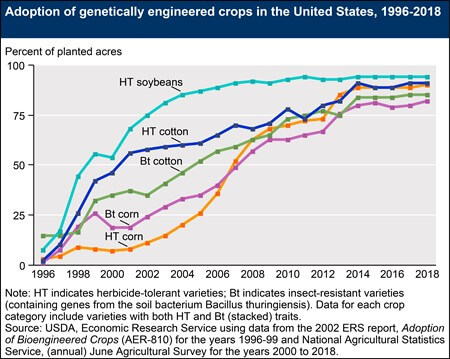
Genetically modified (GM) crops are produced using new genetic engineering methods. Since their development slightly over 20 years ago, they have become a significant portion of several high acreage crops in the U.S. and other countries. Once developed and approved for commercial production, many producers quickly implemented them. Why is that? What is it about GM crops that most producers find attractive?

GMcrops fig

The first answer for most is cost savings and ease of production. With U.S prices for most agricultural products steadily declining and grower costs steadily increasing, agricultural producers are always looking for production practices and technologies to help reduce costs. This includes new production techniques, higher yielding varieties and practices allowing them to reduce their expenditures, including pesticides and herbicides—this is what most GM crops do.

2018 article in Nature Scientific Reports is a review of the combined findings of 6,000 scientific articles from over a 21-year period. The authors report GM corn increased yield up to 10 percent, primarily due to a 60 percent reduction in loss due to insect damage.

Given the chance to produce a higher quality product with a 10 percent yield increase without additional costs, it is easy to see why farmers would choose GM corn. This is not only true for corn in the U.S., but in other countries and for other crops.

Read full, original article: Why many growers are quick to adopt genetic modification technology

Reversing OCD with intensive 4-day ‘head-on’ therapy

my ocd song x
[A]round nine years after [Katherine] Mydland-aas’s cleaning rituals began, a psychologist diagnosed her with obsessive-compulsive disorder (OCD) and referred her to a clinic at the Haukeland University Hospital in Bergen. There, a team was administering a behavioral therapy for the condition that, to Mydland-aas’s surprise, was only four days long. “I thought, what can they do in four days?” she says. “[But] it changed my life.”

Mydland-aas is one of more than 1,200 people who have received the Bergen four-day treatment for OCD, a concentrated form of exposure therapy designed by two Norwegian psychologists, Gerd Kvale and Bjarne Hansen. The four-day protocol has recently gained international attention for its effectiveness and efficiency.

The Bergen method works in three stages: On the first day, therapists provide patients with information about OCD and help them prepare for the exposure tasks they will engage in over the next two days. During the exposure part of the protocol, people face their fears head-on.

Participants set aside the last day for planning how to maintain the behavioral changes gained during therapy after leaving the clinic.

Kvale, Hansen and their colleagues reported findings from a long-term analysis of the treatment’s effects. The study, published August in Cognitive Behaviour Therapy, revealed that 56 of 77 patients remained in remission four years after treatment—and that 41 of the 56 had fully recovered.

Read full, original post: 4 Days of Intensive Therapy Can Reverse OCD for Years

DNA analysis shows ‘everyone had been wrong’ about mysterious Siberian unicorn

siberian rhino sh jef hpMain x

It didn’t look much like the dainty unicorns of myth and legend, but the extinct unicorn of Siberia is even more entrancing for palaeontologists.

Now, for the first time, scientists have analysed its DNA – and realised everyone had been wrong about the mysterious beast.

The ancient rhinoceros didn’t die off 200,000 years ago, before the last Ice Age – as we previously thought. The strange animals survived much, much longer, only disappearing as recently as 36,000 years ago. In fact, they could have lived alongside modern humans.

But humans likely had nothing to do with the animal’s disappearance.

“If we look at timing, it’s during a period of climate change, which wasn’t extreme, but it did cause a whole bunch of much colder winters that we think really altered the extent of the grassland in the area,” [said researcher] Alan Cooper.

At around the same time, other animals in the area that ate grass started to switch their diets to herbs, shrubs and whatever other vegetation they could sink their teeth into, but not the Siberian unicorn. It kept on munching on grass, even as, the researchers believe, encroaching permafrost killed it off.

“It looks like this unicorn thing was so specialised to eat grass it couldn’t survive,” Cooper said.

Read full, original post: DNA of The Mysterious ‘Siberian Unicorn’ Has Been Analysed For The First Time