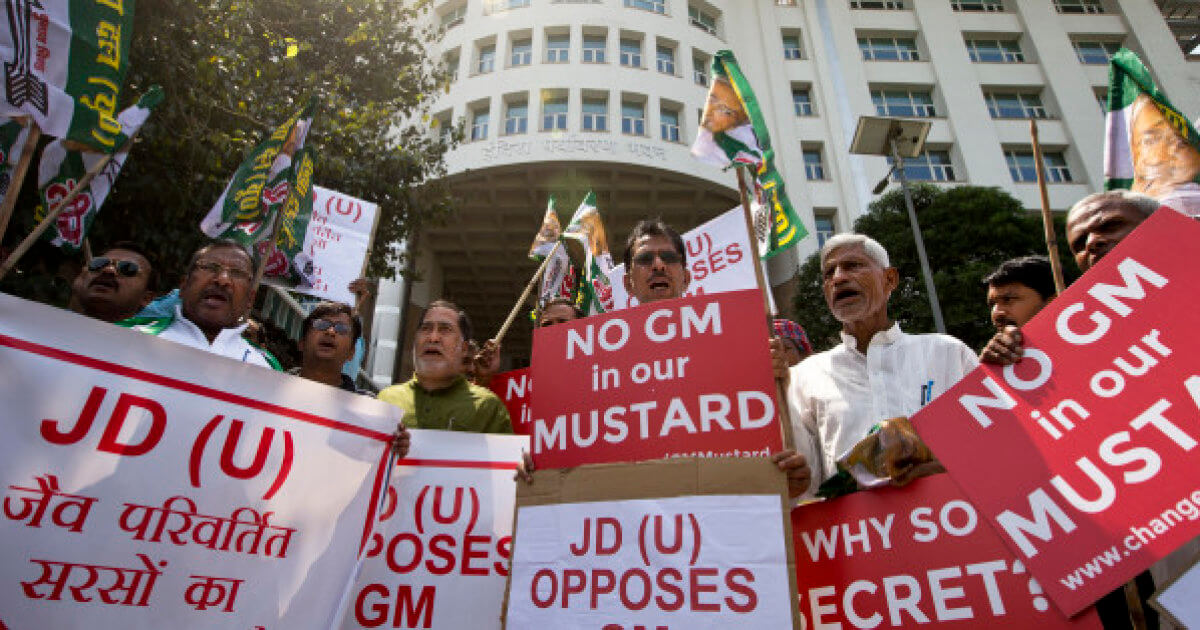
Political opposition stalling approval of GMO mustard in India, scientist says

no gmo

Delhi University scientist Deepak Pental, the inventor of genetically modified (GM) mustard, has said the Union government appeared interested in his product and was vetting transgenic farm technologies in general, but a “lot of noise” from the right and the left was stalling progress.

Pental, a plant-genetics professor and his team, developed India’s first public-sector driven GM crop, currently under regulatory evaluation …. Pental claims his product [offers] up to 25 times higher output.

The Genetic Engineering Appraisal Committee (GEAC), India’s biotech regulator, has asked Pental to conduct two more sets of tests to assess seed-production efficiency and impact on honey bees. The GEAC may then choose to approve or reject the product …. Pental said, “The very fact that the committees are meeting means that [the] government is interested… But the left and the right are opposed ….

Pental’s product was nearly approved in 2017. Fresh tests were ordered after the environment ministry intervened following objections based on scientific evidence, said Kavitha Kuruganti, a key anti-GM campaigner.

Read full, original article: Government eyeing GM options but facing resistance, says scientist

High-quality hybrid seeds could help feed Africa’s growing population

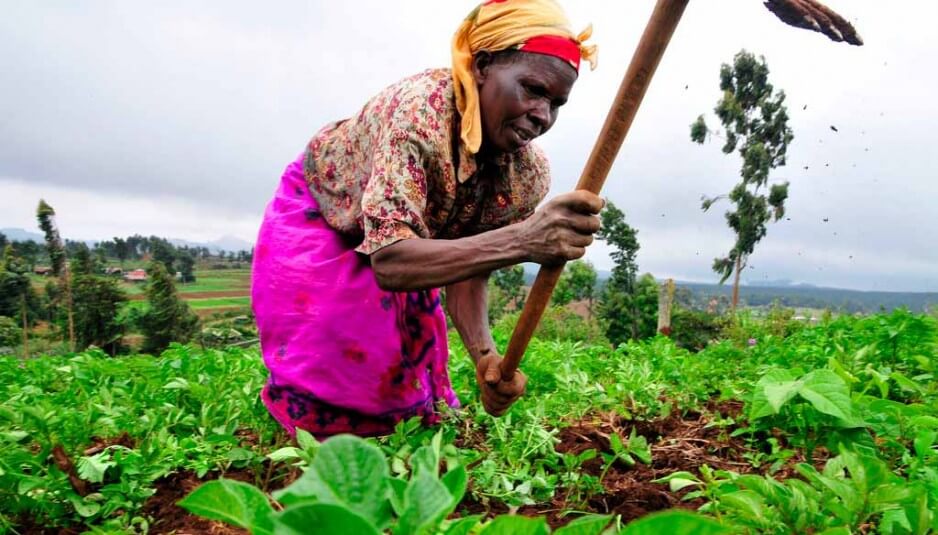
African farmer x

Africa’s demand for food will more than double by 2050, driven by population growth and rapid urbanization. A growing population is not the only challenge. Africa has to contend with new enemies such as climate change and the traditional ones such as pests, poor infrastructure and post-harvest losses.

Some years back, increased agricultural productivity in Africa was based on opening up new lands for farming. With population growth, the acreage of arable land will not increase, meaning that the same fields must produce more for consumption and trade.

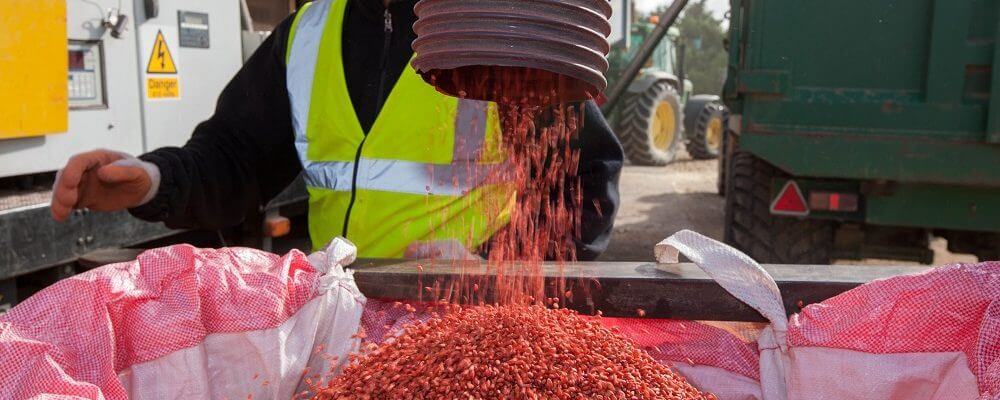
Providing farmers with new high-yielding and hybrid seed varieties is an important part of the solution to agricultural development. These seeds will help farmers generate higher crop yields and overcome the constant barrage of plant pests, drought and disease that are the enemies of agriculture everywhere in the continent.

At the moment, just about one-third of farmers in Africa have access to these good quality hybrid seeds, meaning that the continent is missing out on one factor that has revolutionized food production elsewhere in the world.

Agriculture presents the best pathway towards lifting the continent out of poverty, and one of the strategies must be investing in a steady supply of plant breeders who in turn continue to sustainably generate new varieties that [are] resistant to diseases, insects, droughts and floods.

Read full, original article: Sustainable hybrid seed sector key to Africa Green Revolution

‘Cheap and simple’ 10-minute blood test can detect traces of cancer

blood

Scientists have developed a universal cancer test that can detect traces of the disease in a patient’s bloodstream.

The cheap and simple test uses a colour-changing fluid to reveal the presence of malignant cells anywhere in the body and provides results in less than 10 minutes.

While the test is still in development, it draws on a radical new approach to cancer detection that could make routine screening for the disease a simple procedure for doctors.

“A major advantage of this technique is that it is very cheap and extremely simple to do, so it could be adopted in the clinic quite easily,” said [researcher] Laura Carrascosa.

The test has a sensitivity of about 90%, meaning it would detect about 90 in 100 cases of cancer. It would serve as an initial check for cancer, with doctors following up positive results with more focused investigations.

“Our technique could be a screening tool to inform clinicians that a patient may have a cancer, but they would require subsequent tests with other techniques to identify the cancer type and stage,” Carrascosa said.

The test was made possible by the Queensland team’s discovery that cancer DNA and normal DNA stick to metal surfaces in markedly different ways. This allowed them to develop a test that distinguishes between healthy cells and cancerous ones, even from the tiny traces of DNA that find their way into the bloodstream.

Read full, original post: Scientists develop 10-minute universal cancer test

Another study challenges controversial, retracted Séralini paper suggesting GMO corn causes cancer

Screen Shot at AM

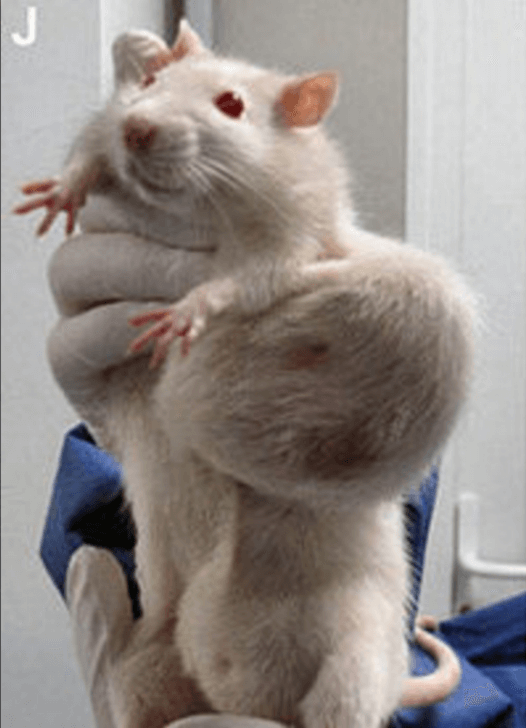
Do you remember those spectacular images of rats fed GMO corn with invasive cancers, so big that the tumors looked like balls under the animals’ hair? They were exhibited on television, in films and books in September 2012.

Yes, you remember. But do you know that on December 10, the journal Toxicology Sciences published a study showing that GMO corn has no “biologically meaningful effects” on rats? Probably not.

Let’s go back to September 2012 …. [T]he team of journalists …. mobilized to cover this event did not …. need other experts on the subject to judge the solidity of the thesis presented by Professor Gilles-Eric Séralini—that rats fed corn genetically engineered to tolerate glyphosate developed cancer—which contradicted many studies already published.

The information available all goes in the same direction: eating maize made tolerant to glyphosate, or containing the toxin Bt (from a common bacterium), or conventional corn, doesn’t impact the health of rats.

To translate this language into clearer terms: some participants in these dialogues are not willing to give up their original affirmations …. because their belief is actually rooted in  economic, social or even moral arguments, for which compromise is not envisaged.

[Editor’s note: This article was originally published in French. This summary was prepared with Google Translate and edited for clarity.]

Read full, original article: GMO-poisons? The true end of the Séralini affair

‘Stemness’ and the downside of limiting our definition of stem cells

stem cell resized

As more sophisticated technology has revealed just how plastic and heterogeneous cell populations can be, some researchers have transitioned from viewing “stemness” as the defining trait of a [stem cell] to viewing it as a function many types of cells can perform or contribute to.

[W]hen the stem cells in solid tissues are destroyed, more specialized cells in those tissues can often revert to a stemlike state to take over repair functions on their behalf.

That’s been shown in a slew of organs, including the kidney, lung, stomach and intestine. Perhaps most striking, some tissues (beyond the heart) don’t seem to have a stem cell population. The adult liver — the epitome of efficient organ regeneration — has no stem cells; instead, its differentiated cells can act like stem cells when needed. “In essence,” [researcher Hans] Clevers said, “every cell in the liver has the potential to behave like a stem cell.”

And so, “it’s more useful to find out how a particular tissue performs its stem cell function than to identify individual stem cells,” he said. The way various cells all contribute to maintaining a tissue constitutes stemness — not any one cell type or entity. Sticking to the more dogmatic definition of what a “true” stem cell should be, instead of considering that they fall along a more nebulous spectrum, has hindered progress.

Read full, original post: What Defines a Stem Cell? Scientists Rethink the Answer

Can we control our dreams through gene therapy?

A woman dreaming Shutterstock x

We are such stuff as dreams are made on, and our little life is rounded with a sleep.

—William Shakespeare, The Tempest, Act IV, Scene i

The film Total Recall features Arnold Schwarzenegger as a protagonist whose mind has been altered with uploaded memories and dreams concerning events on Mars. When the film was released in 1990, no one had any idea how any such dream manipulation could work.

Twenty-eight years later, we’re not any closer to understanding. That’s despite a fascinating new understanding of how genes seem to influence dream content, and the growing reality of genetic modification via gene therapy. Dream content modification is nowhere in sight, but not because of our inability to edit genes within the body. Instead, it’s because of the complex relationship between our genes and our dreams.

In the bible, Joseph interpreted pharaoh's dream.
In the bible, Joseph interpreted pharaoh’s dreams.

There are many factors influencing the content of dreams. For most of human history, people thought dreams were supernatural. Evidence of long-standing curiosity over dreams can be found in  centuries of literature—from the biblical story of Joseph using dreams to predict the future to the musings of William Shakespeare. In the late 19th century, however, Sigmund Freud, explained that dreams came from within a person’s own thoughts and memories. The Freudian idea placed an enormous emphasis on sexual feelings. Modern psychologists have backed away from this line of thought, somewhat, but the basic idea that we think up our own dreams hasn’t changed. The content is inside your brain. If you’re worried or excited about something, there’s a good chance that you’ll dream about it

But there are other factors—age and gender, for example—that influence dream content. In children up to age 7 or 8, the dreamer tends not to be an active character in the dream. It’s as if the child were watching a movie or cartoon. Furthermore, the ability to recall dreams improves after age 8 or
so, and both of these phenomena make sense with respect to the development of cognitive ability.

child-dreaming-globe

In the range of 11 to 15 years, perceived threats have a major impact on dream content. Threats might show up in a dream in which the young person is chased by a monster. Dreaming and its content also are affected by sleep quality, which is influenced in turn by whether or not one sleeps alone. Women, in particular, have better sleep quality when sleeping without a partner. Females also tend to report bright colors in their dreams, and there is some evidence that they tend to see things glowing and glittering in their dreams during the days of menstruation.

Psychiatric conditions can impact dreams. In people with obsessive-compulsive disorder, for example, there is evidence that obsessive themes can work their way into dreams. There’s a condition called REM sleep behavior disorder in which dream content tends to be more of an aggressive nature compared with dreams in people without the disorder. Breathing difficulty during sleep—along with body positions that may affect breathing—is associated with an elevated frequency of nightmares. Evidence also suggests that strong odors increase the emotional content of dreams.

Follow the latest news and policy debates on sustainable agriculture, biomedicine, and other ‘disruptive’ innovations. Subscribe to our newsletter.

A study published in the journal Nature describes genetic influences on the brain processes in mice that go along with dreaming in humans. Produced by researchers at the University of Tsukuba in Japan, the study has revealed complex molecular mechanisms affecting sleep and rapid eye movement, or REM, sleep (the part of sleep during which humans dream). But the researchers identified two key genes involved in the control of dreaming and the amount of REM and non-REM sleep.

The study, which included 8,000 mice, has been hyped for the possibility that it could lead to the end of nightmares. But is it really possible that we could learn to control dream content with some kind of gene therapy? It’s not likely, considering that sleep is affected by numerous genes. There are also the external factors discussed in the previous section. So don’t start making plans to purchase gene therapy for the hottest new dreams any time soon. You’re better off watching a good movie instead.

A version of this article originally appeared on the GLP on December 5, 2016. 

David Warmflash is an astrobiologist, physician and science writer. BIO. Follow him on Twitter @CosmicEvolution

Evaluating claims GMOs and modern agriculture have led to a 75% drop in crop diversity

ThinkstockPhotos
One of the central concepts that unifies those concerned with biodiversity is the belief that diversity is being lost, piece by piece, to a greater or lesser degree, globally.

The same goes for the biodiversity of what we eat. Scientists and activists have worried about the loss of crops and their many traditional varieties for at least a hundred years, since botanist N. I. Vavilov traveled the world in search of plants useful for cultivation in his Russian homeland. He noticed that diversity was disappearing in the cradles of agriculture – places where crops had been cultivated continuously for thousands of years. The alarm sounded even louder 50 years ago, during the Green Revolution, when farmers in some of the most diverse regions of the world largely replaced their many locally adapted wheat, rice, and other grain varieties with fewer, more uniform, higher yielding professionally bred varieties.

Economic development, human migration, urbanization, and globalization have further affected the diversity of food crops cultivated and consumed around the world. Most modern farmers seem to want uniform, mechanized production. Most eaters seem to want unblemished vegetables of known shapes and sizes, and inexpensive processed food products. In most of the decisions producers, food distributors, and consumers make, crop diversity inadvertently gets the short end of the stick.

This is ironic, since modern productive crop varieties are bred by wisely mixing and matching diverse genetic resources. The disappearance of old varieties thus reduces the options available to plant breeders, including those working to produce more nutritious and resilient crops. Genebank collections, such as the beans, cassava, and other staples conserved at CIAT, which were originally built to provide access for plant breeders to genetic resources, have therefore taken on increasingly important conservation roles.
Screen Shot at AM

In many regions of the world, the loss of crop diversity also has profound cultural and spiritual significance, with seeds no longer handed down through generations and no longer connecting people as closely to the places they call home. What people cultivate and what they eat are important to how they identify themselves, both as cultures and as individuals. “We are what we eat.”

Taking stock

Being a food biodiversity scientist, I grew up (in the professional sense) with the loss of crop diversity looming over my head, providing both a raison d’être and an urgency to my efforts. Somewhere along the line, I became interested in understanding its magnitude. That is, counting how many crops and how many varieties have been lost.

And that’s where it started to become complicated, and also more interesting. Because, when I went looking for signs of the loss of specific crops, I couldn’t find any. Instead, I found evidence of massive global changes in our food diversity that left me worried, but at the same time hopeful.

A bit of background. Most of the numbers seen in the news on how much crop diversity has been lost go back to a handful of reports and books that reference a few studies: for example, the changing number of vegetable varieties for sale in the U.S. over time. The results are estimations for a few crops at local to national levels, but they somehow have been inflated to generalized statements about the global state of crop diversity, the most common of which is some variation of “75% of the diversity in crops has been lost.”

Putting true numbers on diversity loss turns out to be a complicated and contested business, with no shortage of strong opinions. One big part of the problem is that there aren’t many good ways to count the diversity that existed before it disappeared. Researchers have done some work to assess the changes in diversity in crop varieties of Green Revolution cereals, and to some degree on the genetic diversity within those varieties. The results indicate that, although diversity on farms decreased when farmers first replaced traditional varieties with modern types, the more recent trends are not so simple to decipher.

Follow the latest news and policy debates on sustainable agriculture, biomedicine, and other ‘disruptive’ innovations. Subscribe to our newsletter.

Reviewing what had been researched, it was particularly surprising to me that very little work had been done to understand the changes in what is probably the simplest level to measure: the diversity of crop species in the human diet, that is, how successful is maize versus rice versus potato versus quinoa and so on. I realized that data on the contribution of crops to national food supplies were available for almost all countries worldwide via FAOSTAT, with information for every year since 1961. Perhaps these were the data that could show when a particular grain, or legume, or vegetable, fell off the world map, and just how diverse our global food supply is now compared to half a century ago.

Fast forward through a couple of years of investigation. To my surprise, I found that not a single crop was lost over the past 50 years! There was no evidence for extinction. What was going on? Was I missing something or was the loss of food biodiversity narrative wrong?

It turns out that my failure to see any loss of crops was due in large part to the lack of sufficient resolution in the FAO food supply data. Only 52 meaningful crop species-specific commodities are measured and a number of these are general groupings such as “cereals, other.” Because of this lack of specificity, the data couldn’t comprehensively assess the crops that have been most vulnerable to changes in the global food system over the past 50 years.

In FAO data, these plants are either thrown into the general categories or they aren’t measured at all, especially if they are produced only on a small scale, for local markets or in home gardens. This is, in itself, sign enough that they may be imperiled. We need better statistics about what people eat (and grow) around the world. But, enough is known to be confident that many locally relevant crops are in decline.

But that’s not to say that the data weren’t useful to the question at hand. With some further analysis, they eventually provided what I think is a powerful argument for further concern about the loss of crop diversity globally. Yet, at the same time, they also offer some hope.

Over the past 50 years, almost all countries’ diets actually became more diverse, not less, for the crops that FAO statistics do report. We found that traditional diets that were primarily based on singular staples a half century ago, for instance rice in Southeast Asia, had diversified over time to include other staples such as wheat and potatoes. The same was true for maize-based diets in Latin America, sorghum- and millet-based diets in sub-Saharan Africa, and so on. Diets around the world were balancing out with regard to the contribution of these foods.

Not that there weren’t plant winners and losers. Wheat, rice, and maize, the most dominant crops worldwide 50 years ago, became more important globally. Other crops emerged as widespread staples, particularly oilcrops such as soybean, palm oil, sunflower, and rapeseed oil. And, as the winners came to take more precedence in food supplies around the world, alternative staples such as sorghum, millets, rye, cassava, sweet potato, and yam were marginalized. They haven’t disappeared (at least not yet), but they have become less important to what is eaten every day.

As countries’ food supplies became more diverse in the winner crops reported by FAO, and the relative abundance of these crops within diets became more even, food supplies worldwide became much more similar. If we are what we eat, then it seems that we are quickly becoming very much the same type of human being ‒ modern people eating globalized food crops.

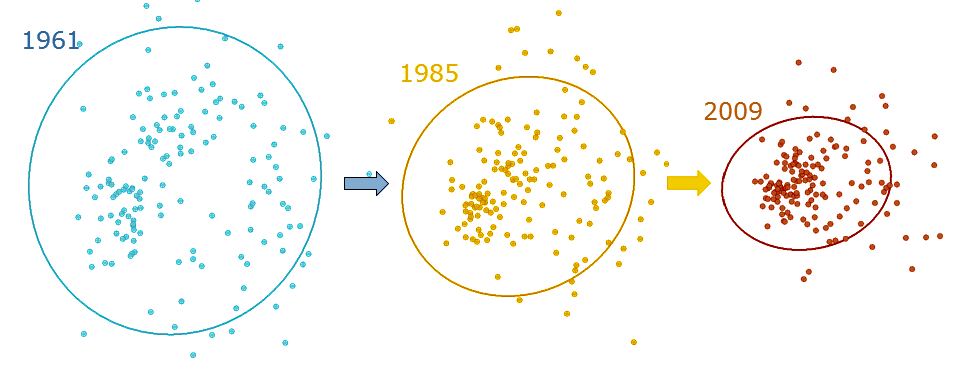
The publication of our findings of increasing homogeneity in global food supplies generated substantial scientific and public interest. This wasn’t, I think, because the main finding was a big shocker. It’s easy to see how pizza is now available in Tokyo, bread available in traditional maize and potato regions of Latin America, and McDonalds, Subway, and Starbucks available, well, almost everywhere. Rather, I think it’s because we were able to examine the food supplies of virtually all the countries of the world, over a relatively long time period, and put some real numbers to the change we saw. On average, for instance, the amount of variation between food supplies in different countries decreased by 68.8% from 1961 to 2009.

This is why, although we could see no absolute loss in crops consumed over the past 50 years, I am concerned. For even in the relatively small list of crops reported in the FAO national food supply data, . That doesn’t seem like a good thing for the long-term resilience of our agricultural areas, nor for human health, although it’s important to remember that such changes are the collateral damage resulting from the creation of highly productive mega-crop farming systems, which have increased the affordability of these foods worldwide, leading to less stunting and other effects of undernutrition worldwide. On the other hand, global dependence on a few select crops equates to expansive monocultures, with more lives riding on the outcome of the game of cat and mouse between pestilence and uniform varieties grown over large areas. Moreover, cheaply available macronutrients sourcing from these crops have contributed to the negative effects of the nutrition transition, including obesity, heart disease, and diabetes.

So why then am I hopeful? Because the data, and some literature, and my own direct experience also indicate that diets in recent years, in some countries, are beginning to move in different directions, reducing the excessive use of animal products and other energy-dense and environmentally expensive foods, and becoming more diverse, particularly with regard to fruits and vegetables, and even healthy grains. This seems good, both for human health and for the sustainability of agricultural production. Change is still occurring, and the future does not appear to be fixed. What better evidence than quinoa, which was relatively unknown outside the Andes a couple of decades ago, and is now cultivated in 100 countries and consumed in even more?

A version of this article originally on the GLP on May 22, 2017.  It first appeared on the International Center for Tropical Agriculture’s website as “How diverse is the global diet?” and was republished with permission from the author.

Colin Khoury studies diversity in the crops people grow and eat worldwide, and the implications of change in this diversity on human health and environmental sustainability. He is particularly interested in the wild relatives of crops. Colin is a research scientist at the International Center for Tropical Agriculture (CIAT), Colombia, and at the USDA National Laboratory for Genetic Resources Preservation in Fort Collins, Colorado. Follow him on Twitter @ColinKhoury

Alien limb syndrome: Understanding how brain injuries can rob the sense of free will

alien

When Ryan Darby was a neurology resident, he was familiar with something called alien limb syndrome, but that did not make his patients’ behavior any less puzzling. Individuals with this condition report that one of their extremities—often a hand—seems to act of its own volition.

They seem to have lost agency—that unmistakable feeling of ownership of one’s actions and an important component of free will.

[H]e and his colleagues compiled findings from brain-imaging studies of people with the syndrome.

Using a new technique, the researchers compared lesion locations against a template of brain networks—that is, groups of regions that often activate in tandem.

Lesions associated with alien limb syndrome all mapped onto a network of areas connecting to the precuneus, a region previously linked to self-awareness and agency. In patients with akinetic mutism, the lesions were part of another network centered on the anterior cingulate cortex, which is thought to be involved in voluntary actions. These two networks also include brain regions, which, when stimulated by electrodes in previous studies, altered subjects’ perceptions of free will.

The study suggests at least some components of free will—volition and agency for movements—are not localized in any one brain area but instead rely on a network of regions.

Read full, original post: How Brain Injuries Deprive People of a Sense of Free Will

UK farming minister says neonicotinoid ban has boosted pesticide use

Seed treating x
[UK] Farming Minister George Eustice has admitted the recent ban on neonicotinoids has actually increased overall pesticide use. Mr Eustice made the remarks at the [National Farmers’ Union’s] first conference on the farmed environment in London [December 11].

The UK Government’s decision to back planned EU restrictions on neonicotinoids was instrumental in getting the ban through in April this year. Ministers were repeatedly warned at the time that such restrictions would lead to greater use of other pesticides such as pyrethroids, and in August, a top insect specialist questioned the usefulness of the ban.

Mr Eustice said: “…. Sometimes you can get unintended consequences by withdrawing certain products …. having lost neonicotinoids to use on things like oilseed rape, we are seeing an increased use of foliar sprays.

The Minister went on to say he would rather see farmers encouraged to use pesticides more carefully and judiciously than for blanket bans to be introduced. He pointed out this was the approach put forward in the 25-Year Environment Plan, which focused heavily on Integrated Pest Management (IPM).

Read full, original article: Farming Minister admits neonics ban has increased pesticide use

Is evolution denial an attempt to ‘make humans special’?

evolisliesign

Evolutionary biology has always been controversial. Not controversial among biologists, but controversial among the general public. This is largely because Darwin’s theory directly contradicted the supernatural accounts of human origins rooted in religious tradition and replaced them with fully natural ones.

[T]he social justice stance on human evolution closely resembles that of the Catholic Church. The Catholic view of evolution generally accepts biological evolution for all organisms, yet holds that the human soul (however defined) had been specially created and thus has no evolutionary precursor. Similarly, the social justice view has no problem with evolutionary explanations for shaping the bodies and minds of all organisms both between and within a species regarding sex, yet insists that humans are special in that evolution has played no role in shaping observed sex-linked behavioral differences. Why the biological forces that shape all of life should be uniquely suspended for humans is unclear. What is clear is that both the Catholic Church and well-intentioned social justice activists are guilty of gerrymandering evolutionary biology to make humans special.

We need to acknowledge that trans issues and ideology are complex, and concern one of the most marginalized communities in the world. Because of this, we must give these issues the respect they deserve by approaching them with nuance and compassion instead of crudeness and cruelty. But we must not jettison truth in this process.

Read full, original post: The New Evolution Deniers

Revolutionary hybrid plant clones could cut costs for farmers

efa e iwate file e

Plant biologists at the University of California, Davis, have discovered a way to make crop plants replicate through seeds as clones. The discovery …. could make it easier to propagate high-yielding …. crops and make them available to the world’s farmers.

The ability to produce a clone …. of a plant from its seeds would be a major breakthrough for world agriculture. Instead of purchasing expensive hybrid seeds each year …. farmers could replant seeds from their own hybrid plants and derive the benefits of high yields year after year.

[The Researchers] discovered that the rice gene BBM1 …. is expressed in sperm cells but not in eggs. After fertilization, BBM1 is expressed in the fertilized cell but — at least initially — this expression comes from the male contribution to the genome. BBM1, they reasoned, switches on the ability of a fertilized egg to form an embryo.

The researchers first used gene editing to prevent the plants from going through meiosis, a type of cell division that results in four daughter cells each with half the number of chromosomes of the parent cell. Instead, the egg cells form by mitosis, inheriting a full set of chromosomes from the mother.

Then they caused these egg cells to express BBM1, which they would not normally do without fertilization …. The approach should work in …. other crop plants as well ….

Read full, original article: Rice Plants That Reproduce as Clones From Seed

Can gene therapy offer a cure for sickle-cell disease?

sickle
[I]n November, six months after [21-year-old Manny] Johnson became the first patient to receive an experimental therapy aimed at curing his [sickle cell] disease, the port that had become part of him — requiring special approval to play sports, used when he was excused from school for a day or two every month for treatments — was removed. Johnson hasn’t needed a transfusion or had any symptoms since May.

In the case of sickle cell, a one-letter typo buried in the 3 billion letters of DNA that spell out the genetic instruction manual for a human being causes people’s red blood cells to form a crescent-moon shape. Those misshapen blood cells can get stuck in blood vessels and cause inflammation, infections and organ damage.

[Hematologist Erica] Esrick and colleagues focused on trying to boost levels of a normally functioning fetal form of hemoglobin that is typically shut off after birth. They removed blood stem cells from Johnson and altered them in the laboratory, using a virus to insert a molecule that flips a genetic switch to turn fetal hemoglobin back on. They gave Johnson a form of chemotherapy and then reinfused him with the altered cells.

At six months out, they found no sickle cells in his blood, and he has not needed any more transfusions. They plan to give the therapy to the next patient in February.

Read full, original post: Gene therapies could transform the treatment of sickle cell disease

Fight against fall armyworm in Africa hindered by ‘anti-GMO sentiment’, scientist argues

bt corn

Though anti-GMO sentiment is restraining agricultural advancement in the developing world, an Iowa State University agronomist hopes his research will clarify the scientific consensus and spark wider acceptance of the technology in Africa.

A paper recently published in the academic journal Global Food Security analyzed dozens of previous scientific studies on the safety of Bt corn, a genetically modified (GM) crop capable of resisting pests. The study upheld the conclusion that the GM crop is safe for humans and the environment. Walter Suza, an adjunct assistant professor of agronomy at Iowa State and a co-author of the study, said Bt corn could help farmers in Africa to combat an emerging pest capable of devastating their crops, but fear of GM crops in Africa has slowed adoption of the technology.

“My hope is that policymakers in Africa will take hold of this paper and implement this technology that’s been tested for many years,” Suza said. “There’s a real need for this in Africa.”

Suza, who grew up in Tanzania and has worked on food security projects in Angola and Zimbabwe, said misunderstanding of GM technology, both globally and specifically in Africa, has held back progress for many African farmers. Suza said 13 African countries are testing GM crops, but only South Africa has approved Bt corn for commercial availability to farmers.

Read full, original article: Tanzanian scientist: Bt corn could help combat fall armyworm in Africa

Viewpoint: Arguments against crop gene editing rely on ‘cherry-picking half-truths’

Critics of the use of advanced biotechnologies in the agri-food sector (“New Breeding Techniques,” comprising CRISPR) demand a strict regulation of any such method, even more severe than rules applied to so-called “Genetically Modified Organisms” …. But their position is unwarranted, since it relies on faulty arguments.

The antagonists maintain that NBTs are inherently risky: this belief is exactly the opposite of a long-standing, overwhelming scientific consensus. NBTs involve unpredictable effects, but it is the same for the results of any other technique. The critics wrongly equate “unintended” with “harmful” and misunderstand two meanings of “risk:” the “risk” of not achieving satisfactory results does not automatically translate into health or environment “risks.”

These opponents place an exclusive, almost obsessive emphasis on (misunderstood) risks and dangers: such a totally negative attitude reveals a biased, unescapable anti-biotechnological mindset, which seems to influence the theoretical misapprehension of the matter.

One may wonder why anti-biotech groups present such fallacious arguments …. In our opinion, it is not (mostly) a matter of wrong-headed reasoning, but biases are passed off as scientifically grounded arguments in the pursuit of pushing a political agenda: science has a great appeal to the public and to decision-makers, but it is difficult for non-specialists …. to separate the wheat from the chaff. Cherry-picking half-truths or developing scientific-sounding pseudo-arguments and peddling them as sound evidence – or as indications of “risk” – is a winning strategy ….

Read full, original article: Scientific mistakes from the agri-food biotech critics

Searching for keys to cancer resistance in the genome of giant tortoise Lonesome George

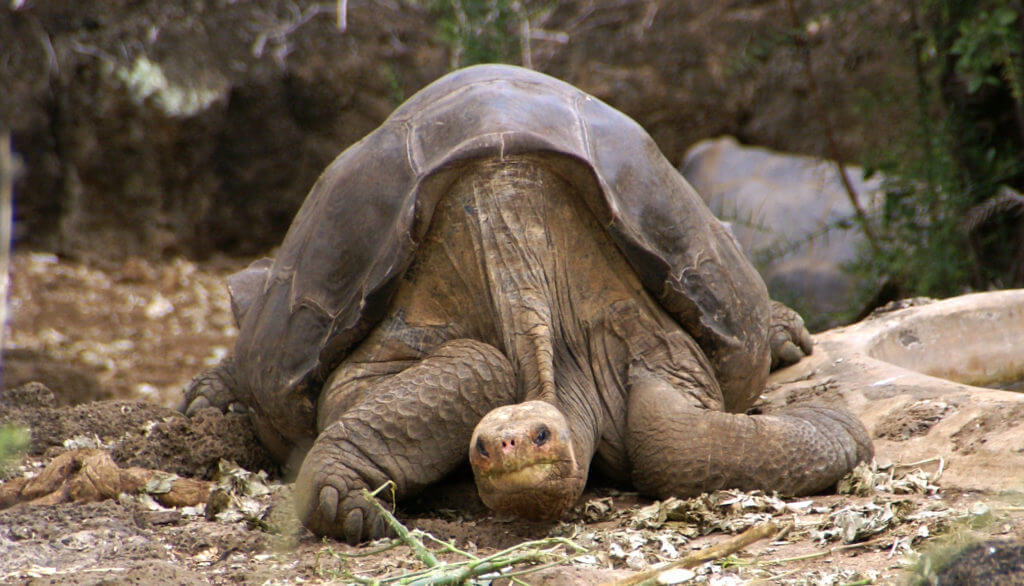
Lonesome George putneymark ccby x

An international research team has discovered several variants in tortoise genomes that potentially affect six of the nine hallmarks of ageing. None of the variants has been previously associated with the ageing process.

They also found that giant tortoises have several expanded tumour suppressor genes, as well as alterations in two genes which are known to contribute to cancer.

This was something of a celebrity-tinged genome sequencing, because one of the two tortoises studied was the legendary Lonesome George, the last member of the Galapagos giant tortoise species from Pinta Island (Chelonoidis abingdoni). The other was an Aldabrachelys gigantea from the island of Aldabra in the Seychelles.

They hope their findings, which are published in the journal Nature Ecology & Evolution, will open fresh research avenues that could lead to an improved understanding of the tortoises’ longevity and support conservation efforts.

“Giant tortoises are amongst the longest living animals and therefore must have evolved mechanisms for reducing their risk of developing cancer,” says co-author Luciano Beheregaray, from Flinders University in Australia. “Because of that they provide an excellent model to study longevity and age-related diseases.”

Lonesome George was discovered in 1971 and from then on lived under protection at the Tortoise Centre on Santa Cruz in the Galapagos. He died of natural causes in 2012.

Read full, original post: The genome of Lonesome George

Viewpoint: FDA’s plan to regulate gene-edited animals as drugs is a ‘failed policy’

Screen Shot at PM

Some bureaucrats in the Trump administration seem not to have gotten the memo about deregulation being good for innovation, the economy, and public health.  Far from deregulating, FDA Commissioner Dr. Scott Gottlieb has doubled down on his agency’s failed policy toward …. the production of genetically engineered animals.

In May, he publicly embraced the Obama administration’s proposed expansion of the agency’s ill-conceived 2009 policy for the regulation of such animals to include the use of …. gene editing techniques such as CRISPR-Cas9 ….

In a 2009 guidance document, FDA announced that the tiny snippet of introduced DNA used in the molecular genetic engineering of an animal would be considered a “new animal drug,” and therefore require the animal to be reviewed as such under the Federal Food, Drug, and Cosmetic (FD&C) Act — even if it was intended to be used neither as food nor as a source of a drug.

On this issue Gottlieb should take note of the analysis of his “senior science and regulatory advisor,” Randall Lutter, who while the FDA deputy commissioner in 2009 supported the “new animal drug” guidance, but in June of last year described it — as well as the substance of Gottlieb’s proposed expansion of its scope — as a failed policy ….

Read full, original article: FDA Doubles Down On Failed Animal Biotechnology Regulation

‘Interesting puzzle’ created by hand tools found near long-vanished Arabian rivers

kokiselei a c f b eba af dc

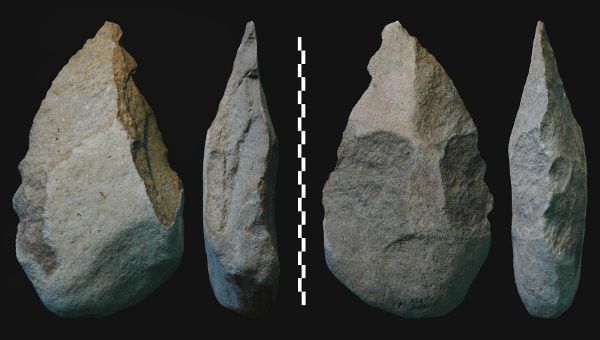
Nearly 200,000 years ago, at the confluence of two long-vanished river systems in the heart of Arabia, people climbed a jagged, rocky dyke rising nearly 200 feet above the surrounding plains. There they crafted hand axes and other edged tools from plentiful volcanic stone—and left thousands of them behind. Today, many millennia after the more temperate Arabia the toolmakers knew vanished, those stone tools endure as tantalizing clues to the mysteries of human evolution and migration in the ancient world.

In [November 29] Scientific Reports researchers describe an array of large flakes, hand axes and cleavers, and date them to some 190,000 years ago. The work presents the first secure dates for Acheulean technology in Arabia.

Comparing [these] stone tools with those from other times and locales presents an interesting puzzle. They bear a strong resemblance to those found in African Acheulean sites such as Ethiopia, suggesting a possible migration from the Horn of Africa by following the era’s African Summer Monsoon. The tools are also technologically similar to those found in other surface sites around Arabia, suggesting that the people who made them may have used the ancient river system corridors to travel widely across the area.

[Archaeologist Eleanor] Scerri’s group doesn’t have the answers, but she says their findings add to an emerging picture of a prehistoric region between Africa and Eurasia that appears increasingly diverse.

Read full, original post: Stone Tools at Arabian “Crossroads” Present Mysteries of Ancient Human Migration

Do GMO American chestnut trees pose a threat to the environment? Two new studies say no

ge novel

Two new studies on the environmental impact of transgenic American chestnut trees provide evidence that the trees have no harmful effects on germinating seeds, beneficial fungi, or larval frogs that are dependable indicators of environmental quality.

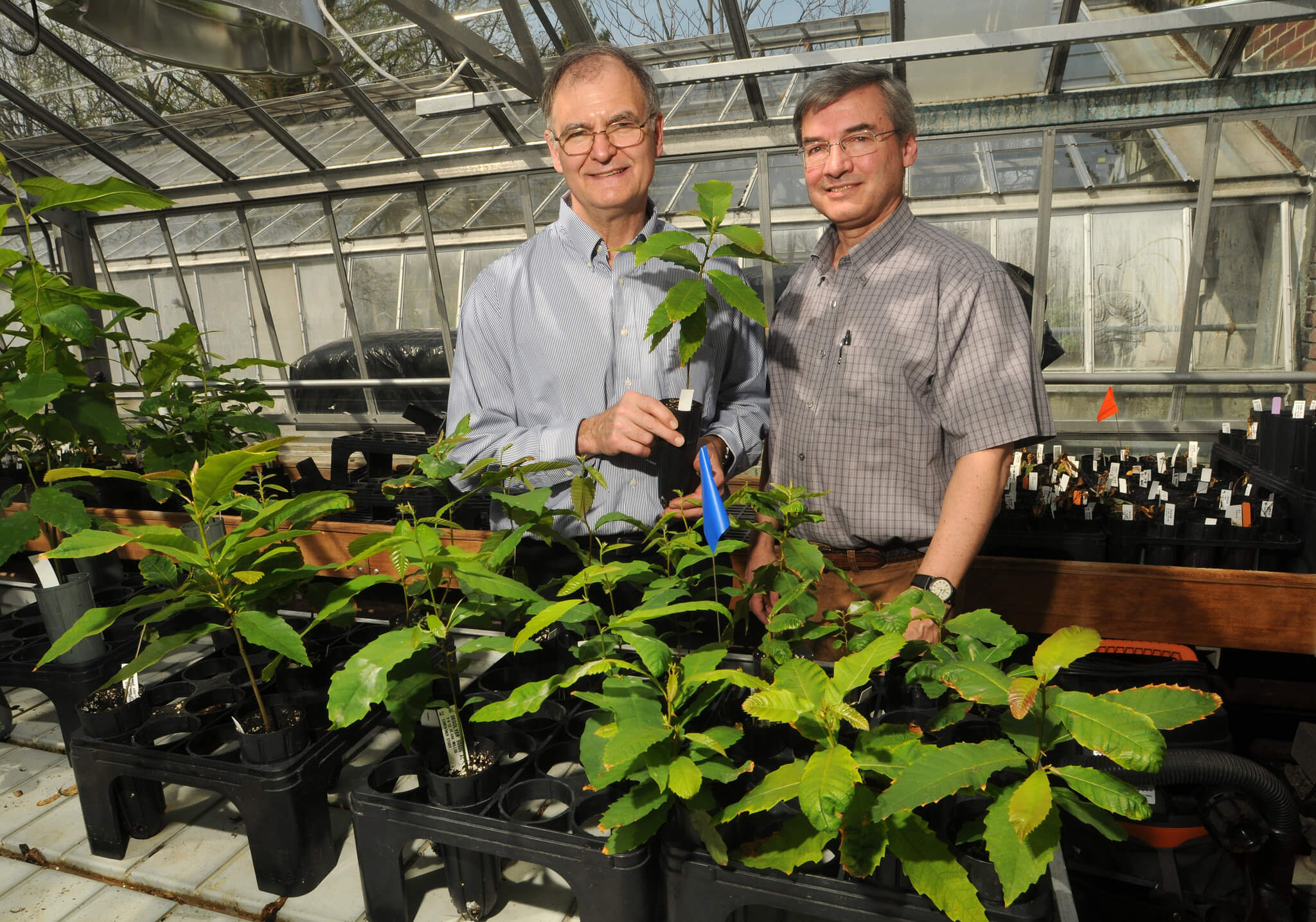
The findings were published by researchers at the New York College of Environmental Science and Forestry (ESF), where scientists have been working for 29 years to restore the valuable species after it was nearly wiped out by a pathogenic blight in the 20th century. Now that they have developed a process for growing blight-tolerant trees, ESF scientists have turned their attention to assessing how these trees could affect the environment.

“Since we were making an extremely small change to the tree as compared to other, more traditional breeding methods, we didn’t expect to see any differences between the wild, blight-susceptible trees and the blight-tolerant American chestnut trees other than now being able to coexist with the invasive pathogen. These and other experiments support these conclusions,” said Professor William Powell, a co-author on both studies and director of ESF’s American Chestnut Research and Restoration Project.

The ESF technique neutralizes the pathogen’s main weapon by using a common detoxifying enzyme found in many plants. When this single gene is added to the chestnut tree’s approximately 38,000-gene genome, the tree can withstand an attack by the blight.

Read full, original article: Studies: Transgenic American Chestnut Trees Show No Ill Effects on Seeds, Fungi or Larval Frogs

We’ve long neglected the human virome—now we need to figure out what all those viruses do

virome
If you think you don’t have viruses, think again.

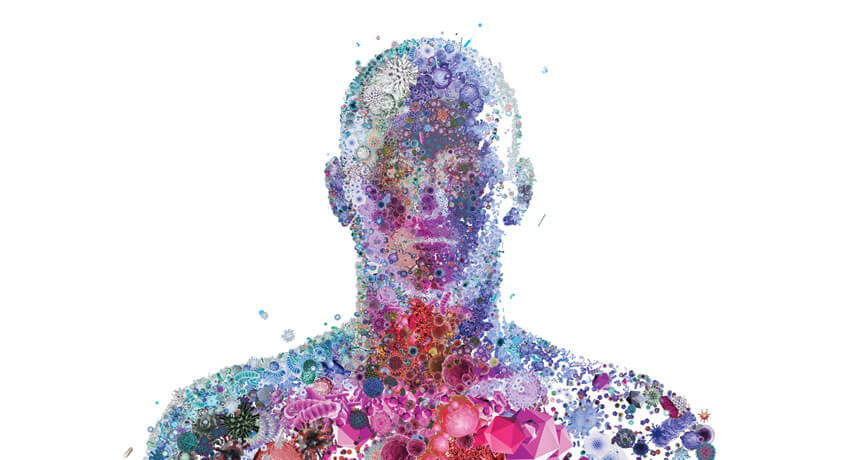
It may be hard to fathom, but the human body is occupied by large collections of microorganisms, commonly referred to as our microbiome, that have evolved with us since the early days of man. Scientists have only recently begun to quantify the microbiome, and discovered it is inhabited by at least 38 trillion bacteria. More intriguing, perhaps, is that bacteria are not the most abundant microbes that live in and on our bodies. That award goes to viruses.

10-14-2018 file-20181001-195256-6s5ayh
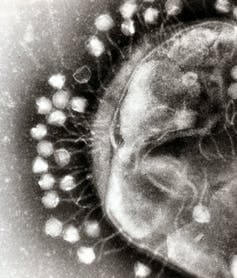
Transmission electron micrograph of multiple bacteriophages attached to a bacterial cell wall. Image credit: Dr. Graham Beards, CC BY-SA

It has been estimated that there are over 380 trillion viruses inhabiting us, a community collectively known as the human virome. But these viruses are not the dangerous ones you commonly hear about, like those that cause the flu or the common cold, or more sinister infections like Ebola or dengue. Many of these viruses infect the bacteria that live inside you and are known as bacteriophages, or phages for short. The human body is a breeding ground for phages, and despite their abundance, we have very little insight into what all they or any of the other viruses in the body are doing.

I am a physician-scientist studying the human microbiome by focusing on viruses, because I believe that harnessing the power of bacteria’s ultimate natural predators will teach us how to prevent and combat bacterial infections. One might rightly assume that if viruses are the most abundant microbes in the body, they would be the target of the majority of human microbiome studies. But that assumption would be horribly wrong. The study of the human virome lags so far behind the study of bacteria that we are only just now uncovering some of their most basic features. This lag is due to it having taken scientists much longer to recognize the presence of a human virome, and a lack of standardized and sophisticated tools to decipher what’s actually in your virome.

The 411 on the virome

Here’s a few of the things we have learned thus far. Bacteria in the human body are not in love with their many phages that live in and around them. In fact they developed CRISPR-Cas systems – which humans have now co-opted for editing genes – to rid themselves of phages or to prevent phage infections altogether. Why? Because phages kill bacteria. They take over the bacteria’s machinery and force them to make more phages rather than make more bacteria. When they are done, they burst out of the bacterium, destroying it. Finally, phages sit on our body surfaces just waiting to cross paths with vulnerable bacteria. They are basically bacteria stalkers.

It’s clear that there’s a war being fought on our body surfaces every minute of every day, and we haven’t a clue who’s winning or what the consequences of this war might be.

Follow the latest news and policy debates on sustainable agriculture, biomedicine, and other ‘disruptive’ innovations. Subscribe to our newsletter.

Viruses may inhabit all surfaces both inside and outside of the body. Everywhere researchers have looked in the human body, viruses have been found. Viruses in the blood? Check. Viruses on the skin? Check. Viruses in the lungs? Check. Viruses in the urine? Check. And so on. To put it simply, when it comes to where viruses live in the human body, figuring out where they don’t live is a far better question than asking where they do.

Viruses are contagious. But we often don’t think about bacterial viruses as being easily shared. Researchers have shown that just living with someone will lead to rapid sharing of the viruses in your body. If we don’t know what the consequences are of the constant battle between bacteria and viruses in our body, then it gets exponentially more complicated considering the battle between your bacteria and their viruses that are then shared with everyone including your spouse, your roommate, and even your dog.

Viruses keeping us healthy?

10-14-2018 file-20181001-195260-1d8xn0z
Viruses destroy the bacterium when they burst out of the cell. Here, the clear circles reveal where the bacteriophage have killed the bacteria. Image credit: Guido4/Shutterstock.com

Ultimately, we need to know what all these viruses in the human body are doing, and figure out whether we can take advantage of our virome to promote our health. But it’s probably not clear at this point why anyone would believe that our virome may be helpful.

It may seem counterintuitive, but harming our bacteria can be harmful to our health. For example, when our healthy bacterial communities are disturbed by antibiotic use, other microbial bad guys, also called pathogens, take advantage of the opportunity to invade our body and make us sick. Thus, in a number of human conditions, our healthy bacteria play important roles in preventing pathogen intrusion. Here’s where viruses come in. They’ve already figured out how to kill bacteria. It’s all they live for.

So the race is on to find those viruses in our viromes that have already figured out how to protect us from the bad guys, while leaving the good bacteria intact. Indeed, there are recent anecdotal examples utilizing phages successfully to treat life-threatening infections from bacteria resistant to most if not all available antibiotics – a treatment known as phage therapy. Unfortunately, these treatments are and will continue to be hampered by inadequate information on how phages behave in the human body and the unforeseen consequences their introduction may have on the human host. Thus, phage therapy remains heavily regulated. At the current pace of research, it may be many years before phages are used routinely as anti-infective treatments. But make no mistake about it; the viruses that have evolved with us for so many years are not only part of our past, but will play a significant role in the future of human health.

David Pride is an Associate Director of Microbiology at the University of California San Diego

Chandrabali Ghose is a Visiting Scientist at The Rockefeller University. Follow her on Twitter @bioharmonytrx

A version of this article was originally published on the Conversation’s website asMeet the trillions of viruses that make up your viromeand has been republished here with permission.