How can you identify a scientifically ignorant person? Ask him if he’s concerned about the health effects of GMOs. If the answer is yes, you’ve identified somebody who probably couldn’t pass an 8th grade science test.
Too harsh? Not according to Pew, which just released the results of a survey that showed that 49% of Americans said GMOs are bad for your health. Here’s the truly jaw-dropping finding (emphasis added):
The survey finds a 10-percentage-point increase in the share of adults who say foods with GM ingredients are worse for one’s health from a 2016 Pew Research Center survey, when the share was 39%. The uptick in concern has come primarily among those with low levels of science knowledge; there has been no shift in this belief among those with high levels of science knowledge (based on a nine-item index of factual knowledge across a range of topics).
There’s no nice way to put this. The scientifically ignorant are driving society’s science debates.
Follow the latest news and policy debates on sustainable agriculture, biomedicine, and other ‘disruptive’ innovations. Subscribe to our newsletter.
A few years ago, I reported on a study that found that people who were uninterested in science were the ones who were most fearful of it. I wrote that they “believe that science causes more problems than it solves, believe that humans should not tamper with nature, [and] feel that technology advances too quickly for them to understand.”
That paper’s finding was in complete agreement with the results of the new Pew study. And it adds to the growing narrative that one of the biggest threats to science comes from a society that remains willfully ignorant about it. How can we educate people about science if they don’t want to be educated?
Even worse, there are plenty of people who are willing to make a quick buck by cashing in on the public’s ignorance. That’s why products like gluten-free water and GMO-free salt are on store shelves. The makers of those products know fully well that they are deceiving a public that largely doesn’t know what gluten and GMOs actually are. And because junk science itself has become a profitable industry, there’s little financial incentive to properly educate Americans.
It’s simply a truth of human nature that we are far more motivated by fear than by gratitude. That’s why political campaigns are almost universally about how horrible the other candidate is. It’s much easier to get a person to vote against someone (out of fear) rather than for someone (out of gratitude).
The bottom line, then, is that science debates are actually a struggle against human nature. And that is one tough thing to overcome, but it can be done.
Dr. Alex Berezow is a Senior Fellow of Biomedical Science at the American Council on Science and Health. Follow him on Twitter @alexberezow
The production of food has environmental impacts, there is no way around this …. Nature is ruthless and weeds will limit the ability of the seeds to germinate and outcompete them for moisture and nutrients, while insects will feast upon those plants that do germinate. Domesticated food plants require routine care and attention to ensure that the plants yield in the way we expect them to.
…
The challenge food production faces from the environmental movement is what level of environmental impact is acceptable. Many environmental groups argue that the current impact of agriculture is too high to be sustainable. The question that the environmental movement has failed to answer is if agriculture is to remove, reduce or refrain from using specific technologies or inputs, how will the resulting loss in food security be dealt with?
…
The production of crops without innovative seeds, fertilizers and chemicals [is] why subsistence farmers have been subsistence farmers. There is abundant literature showing that innovative agricultural inputs contribute to raising yields …. These innovative investments have contributed to making agriculture more sustainable, reducing the impact on the environment. When, or will, environmental groups accept the vast amount of evidence that agricultural innovations reduce the environmental impact of food production and support efforts to …. reduce food insecurity?
Researchers at the National Institutes of Health have been ordered not to acquire new fetal tissue for their research since September, according to Science — the same month the Trump administration began an audit of research using the tissue funded by the NIH and other agencies.
The NIH confirmed the suspension on Friday [December 7] to Science, which reported it affected two NIH labs, including halting an HIV research project. …
Researchers use fetal tissue to create mice with human-like immune systems…
“Humanized mice have been available for a long time,” Dr. Warner Greene, the director and senior investigator at the Center for HIV Cure Research at the Gladstone Institute, told STAT. His NIH collaborator was told in September that fetal tissue could no longer be ordered. “To have them removed — to have experimental programs stopped — because of politics is really disturbing,” Greene said. “I believe it’s scientific censorship.”
…
Greene and [Kim Hasenkrug, of the National Institute of Allergy and Infectious Diseases’ Rocky Mountain Laboratories] research examines how HIV reservoirs get established. These reservoirs can linger for years and create a resurgence of the illness if someone stops taking medication. … If the scientists can establish what role this signal protein plays, then an antibody may stop new reservoirs from being established.
Over the last few decades, researchers tinkering with molecules that turn an immune cell on and off have created a revolutionary approach to fighting cancer. Instead of taking aim at the tumor directly, this new class of medicines harnesses the patient’s own immune cells to tackle the disease.
…
[A] few companies are venturing into a new frontier—glycobiology, the science of the sugars that stud the surface of cells. Sugars act like switches and knobs that control where and when a cell’s biological machines, proteins and lipids, do their jobs. Yet for all their fine-tuning finesse and power, sugars are highly complex molecules that have often eluded a deeper understanding of their workings because they are so hard to study in the lab.
Recently, though, the science has caught up and biotech companies have begun to build on these findings to develop anti-cancer drugs. [On November 26] at an American Association for Cancer Research meeting in Miami, Palleon Pharmaceuticals, a Massachusetts startup, unveiled new data from experiments in rodents on a profoundly different set of checkpoint blockers that target sugars.
These experimental drugs work by interfering with complex sugars called glycans that coat the surface of tumor cells and let them pass unnoticed by the otherwise vigilant immune system. It’s an “underappreciated mechanism of immune evasion,” says [researcher] Michael O’Dwyer.
The political elites who advocate bigger and more intrusive government habitually try to use scientific literacy as a rhetorical cudgel to beat down the uncomprehending masses. In doing so, all too often they display their own ignorance. We were dumbstruck, for example, by this announcement from the United Nations:
To celebrate the 15th anniversary of the entry into force of the Cartagena Protocol on Biosafety, the Secretariat of the Convention on Biodiversity (CBD), part of UN Environment, is seeking articles on key issues of the Protocol, an international agreement which aims to ensure the safe handling, transport and use of living modified organisms (LMOs) resulting from modern biotechnology that may have adverse effects on biodiversity.
…. During the early 2000s, delegates to the U.N.- sponsored Convention on Biological Diversity negotiated a “biosafety protocol” to regulate the international movement of organisms genetically modified with the newest, most precise techniques, which they dubbed “living modified organisms,” or LMOs. The protocol is based on the bogus “precautionary principle,” which dictates that every new product or technology – including, in this case, an improvement over less-precise technologies – must be proven completely safe before it can be used.
…
The U.N.’s precautionary principle-driven standards and regulations actually harm the environment and public health, stifling the development of environmentally friendly innovations that can increase agricultural productivity, help clean up toxic wastes, conserve water, supplant agricultural chemicals, and reduce the contamination of grain by fungal toxins …. But the regulatory regimes promoted by various U.N. agencies and programs deny less developed countries precisely the kinds of technologies they need.
…
Rather than creating a uniform, predictable, and scientifically sound framework for effectively managing legitimate risks, the U.N.’s biosafety protocol established an amorphous global regulatory process that encourages overly risk-averse, incompetent, or corrupt regulators to hide behind the precautionary principle in delaying or denying approvals. It has become a self-defeating impediment to the development of new and better products.
Is it possible to starve yourself of nutrients while simultaneously gaining weight? …. According to a growing body of research, rising carbon dioxide levels are making our food less nutritious, robbing key crops of vitamins essential to human development.
Studies have shown that crops as varied as wheat, maize, soybeans and field peas contain less protein, zinc, and iron when grown under levels of carbon dioxide expected by 2050. Many crops have already suffered losses in these nutrients; one study compared modern plants with historical herbarium specimens and found that levels of all minerals, including zinc, iron and calcium, closely tracked carbon dioxide levels through time.
…
In countries in which the majority of people rely on a few staple crops and do not eat diverse foods rich in minerals, nutrient collapse may pose serious threats to nutrition. For example, rice and wheat provide two out of every five calories that people consume. Rice alone provides 70 percent of calorie intake in Bangladesh …. where malnutrition is already an issue.
…
Can we mitigate the effects of nutrient collapse? Perhaps, but it won’t be easy …. Scientists have successfully genetically engineered crops with boosted nutrients. Golden rice, for example, provides people with more vitamin A than other varieties, but this process is lengthy, expensive and unlikely to compensate for the plethora of nutrients and vitamins declining as a result of rising atmospheric carbon dioxide.
Some autistic children don’t show traits of the condition until age 5 or later, new research suggests. Others show a few mild features at age 3 but only later meet the criteria for diagnosis.
The findings suggest that autism traits are not always apparent by 24 months, the typical age for screening.
…
[Researcher Sally] Ozonoff and her colleagues recruited 746 children — 483 baby sibs and 263 controls — from three sites.
The team assessed the children with a standard diagnostic tool at age 3. They also used standard scales to score the children’s daily living skills and social abilities, and they asked parents to report concerns about their children’s behavior. They evaluated the children at least once more from age 5 to 9.
Of the 746 children, 99 were diagnosed with autism at age 3 and 185 were diagnosed with related conditions. However, another 14 children, including 1 from the control group, received an autism diagnosis after age 5.
…
Half of the late-diagnosed children scored well below the cutoff for an autism diagnosis at age 3, but their scores increased significantly at ages 5 to 9. The other half scored just below the autism cutoff at age 3, and their scores bumped up slightly in that time.
The results suggest that autism traits in some children become significantly more pronounced over time.
In August, a San Francisco County Superior Court jury ordered Monsanto [now owned by Bayer] to pay former school groundskeeper Dewayne “Lee” Johnson $250 million in punitive damages and nearly $40 million in compensatory damages after finding he contracted non-Hodgkin’s lymphoma from using Roundup.
Johnson’s case was the first to go to trial among thousands brought nationwide against Monsanto by plaintiffs who claim they developed cancer or other serious illnesses from exposure to glyphosate, the main ingredient in Roundup.
…
Gary Baise, a principal attorney at OFW Law in Washington, D.C. – who specializes in Clean Water Act, Clean Air Act and National Environmental Policy Act litigation, as well as agricultural corporate governance issues – contends that Monsanto needs to overcome the “reptile theory” in order to succeed in court.
“What the plaintiff lawyers try to do is appeal to your basic feelings, gut feelings,” he said …. They appeal to basic fears, wants, needs, all based on research done on our brain.”
When Baise tries a case that is heavy in complex science, he said he works to pick jurors who have a high school or college education that was strong in biology or chemistry, and then plays to those people during trial.
“In trying a case like this, I would have tried to get every Ph.D.,” he said.
[A] new study out of the University of California, San Francisco, published [November 29] in Current Biology, seems to offer an intriguing step forward for [deep brain stimulation] as a therapy for depression. Their research suggests there’s another possible target for stimulation, one that might provide more reliable improvements in mood.
…
The patients had implants placed in various areas of the brain, including near the lateral portion of the orbitofrontal cortex (OFC), a region located right behind the eye. The OFC is known to play a role in decision making, emotion-processing, and mood regulation.
…
Over the course of several days, the volunteers had different brain regions stimulated via DBS, including the OFC. Sometimes, the patients were instead given a sham stimulation, which acted as a control. And after each stimulation session, they talked about how they were feeling and answered questionnaires meant to assess their mood.
…
Those who had no or little signs of depression didn’t experience mood changes afterwards, no matter where the stimulation occurred or if they received it at all. But people with moderate-to-severe depression symptoms did seem to have their mood boosted within minutes.
…
“Our findings are important because they provide a new potential target for treating mood symptoms via brain stimulation therapies,” [said] author Heather Dawes.
Lots of sites, including three scientific societies, have rejected the new Health and Human Services guidelines that provide a classification of a person’s sex into two categories. But these sites, and now an article in the prestigious journal Nature, conflate “sex”—which I take as biological sex recognized in humans by chromosomal constitution, which gametes you produce, and secondary sex characteristics—with “gender”, which I take as “the sex that an individual identifies with, whether or not it corresponds to their biological sex”.
…
Nature conflates gender and sex several times, to wit:
The proposal — on which HHS officials have refused to comment — is a terrible idea that should be killed off. It has no foundation in science and would undo decades of progress on understanding sex — a classification based on internal and external bodily characteristics — and gender, a social construct related to biological differences but also rooted in culture, societal norms and individual behaviour.
…
Yes, ideas of gender may be outdated—we now know well that someone’s self-identity may not correspond to their biological sex—but not of sex. Please, Nature, stop distorting biology in the service of ideology. It’s neither seemly nor necessary, as we can protect transgender and intersexual individuals without deep-sixing the sexual binary that has served biology so well.
Researchers [at the Centre for Research in Agricultural Genomics (CRAG) in Spain] have developed a biotechnological tool to produce …. antifungal proteins in the leaves of the plant Nicotiana benthamiana. These proteins are promising biomolecules that could be used to develop new antifungals …. which can be applied in diverse fields, including crop and post harvest protection and animal and human health.
Disease-causing fungi that infect plants, animals and humans pose a serious threat to human and animal health, food security and ecosystem resilience …. [F]ungi are a challenge to food security because they destroy major crops globally and contaminate food and feed with mycotoxins that are detrimental to animal and human health.
…
Through genetic engineering [researchers] managed to modify the tobacco mosaic virus (TMV) so that, instead of producing its own pathogenic proteins, it produced other proteins of interest. [T]he team …. implemented this tool to produce antifungal proteins in leaves of the Nicotiana benthamiana plant …. discovering that these leaves produced large quantities of these new antifungals.
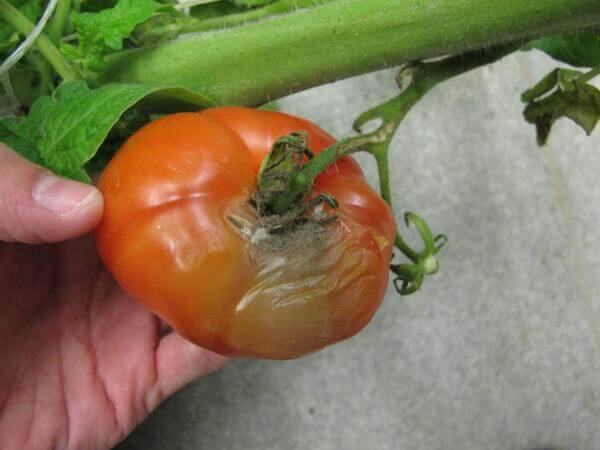
In addition, the researchers demonstrated that extracts recovered from the N. benthamiana plants are active against pathogenic fungi, being able to protect the tomato plant from the infection by the fungus Botrytis cinerea, better known as grey mold.
A review article, “Modern technologies for sustainable food and nutrition security,” which appeared in the November 25 issue of the peer-reviewed journal Current Science, is deeply worrying. The article was authored by geneticist P.C. Kesavan and leading agriculture scientist M.S. Swaminathan and describes Bt cotton as a “failure.” As the Principal Scientific Adviser to the Government of India, K. VijayRaghavan, rightly said, this paper is “deeply flawed.” It has the potential to mislead the public and the political system.
While the general public can be easily swayed by unauthenticated reports, the authors, as scientists, should have relied on hardcore scientific evidence before making such adverse comments.
…
Data from a large number of peer-reviewed publications have shown that, on average, GM technology adoption has reduced pesticide use by 37%, increased crop yield by 22%, and increased farmer profits by 68%. Yield gains and pesticide reductions are larger for insect-resistant crops than for herbicide-tolerant crops. Yield and profit gains are higher in developing countries than in developed countries.
Data from a billion animals fed on GM corn have not indicated any health hazards …. It is preposterous to think that governments would allow their people and animals to be fed “poisonous” food. Even reports based on faulty studies in experimental animals that stated that GMOs cause cancer were withdrawn. Major food safety authorities of the world have rejected these findings.
[T]ens of thousands of years ago, modern humans encountered Denisovans – and had sex with them. It is a startling discovery that raises many basic questions. Just who were the Denisovans? What did they look like? And what were their relations with the Neanderthals, their closest evolutionary cousins? Did they have tools and art like the Neanderthals?
At present, researchers have few answers to these questions, such is the paucity of the Denisovan fossil record. But a new project, Finder – Fossil Fingerprinting and Identification of New Denisovan Remains from Pleistocene Asia – [aims to put that right.]
…
[A] sample was taken to Svante Pääbo at the Max Planck Institute for Evolutionary Anthropology in Leipzig, whose team had sequenced the first Denisovan genome in 2010. Initial analysis showed that the bone was more than 50,000 years old and from a person who had been 13 or older when they died.
Then the Leipzig team – led by Pääbo’s student Viviane Slon – began more detailed genetic analysis and made a startling discovery. Exactly half the sample consisted of Neanderthal DNA. The other half was made up of Denisovan DNA.
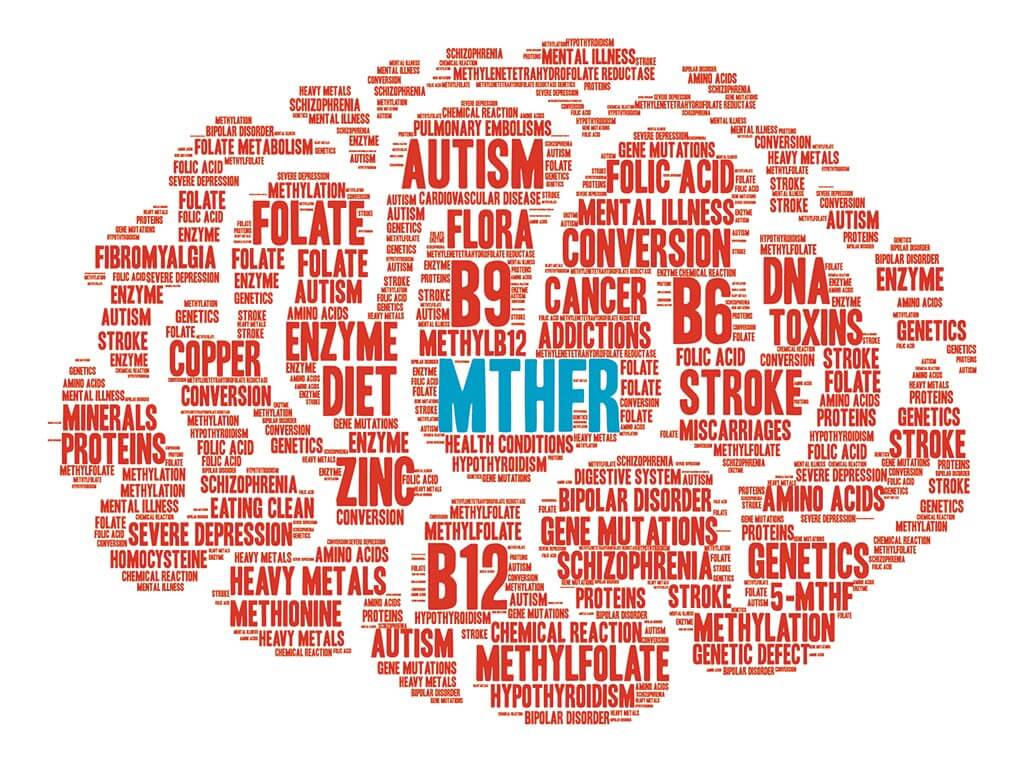
The MTHFR gene is getting a lot of attention these days for its role in our health and longevity. We’ve seen reports suggesting that malfunctions with this particular gene are responsible for everything from migraines and chronic fatigue to coronary artery disease, mental illness and substance use disorders. But the reality is more complicated, because genetics is a probabilistic science and MTHFR variants are complex.
The gene codes for creating the enzyme methylenetetrahydrofolate reductase. This enzyme converts 5,10-methylenetetrahydrofolate, the vitamin known as B9 or folate, to 5-methyltetrahydrofolate, the physiologically active form. This chemical reaction is a key step in making methionine out of homocysteine. Methionine is used for creating proteins and other compounds critical for human health.
Variations known as polymorphisms in the gene affect the function of the enzyme produced. If the enzyme is less efficient, then homocysteine levels in the blood may rise and folate levels may drop. This loss of efficiency has been blamed for a wide range of disorders. But according to 23andMe, “the existing scientific data doesn’t support the vast majority of claims that common MTHFR variants impact human health.”
Most variants have no particular real-world effects. But one may be important. Called C677T because it is located at position 677 on the gene, it should have a cysteine (C) but instead has a thymine (T). This change is known as a single nucleotide polymorphism (SNP).
Since the MTHFR gene comes in a matched set, a person can have two C’s, which is normal, or two T’s, known as homozygous, or one T and one C, known as heterozygous. In the homozygous version, people have around 30 percent of normal enzyme activity, and the heterozygous version, efficiency is around 65 percent of normal. There is also an extremely rare mutation affecting around 1 in 200,000 people that can cause homocystinuria, in which the body is unable to process certain building blocks of proteins.
But research continues to find intriguing links between the C677T polymorphism and an increased risk to some people for certain conditions.
For instance, a recent Hematology study looked at the CC, CT, and TT types in deep vein thrombosis (DVT) in legs, a potentially life-threatening form of blood clot. The results showed that “the frequency of MTHFR 677TT genotype may be correlated with the morbidity of DVT.”
Similarly, the Asian Journal of Biology published a study finding that the variant was more significantly associated with coronary artery disease patients.
And researchers have also looked at the role of this variant in migraine. A 2018 study in the Italian Journal of Pediatrics found that the TT version “was associated with an increased risk of any type of migraine” in children.
But MTHFR variants can cancel each other out, it seems. A study in Cancer Management Resources looked at the combination of C677T and A1298C, a separate polymorphism, for susceptibility to lung cancer among female Chinese. The results showed “the MTHFR C677T polymorphism may contribute to the development of lung cancer and lung adenocarcinoma.” However, A1298C was seen as possibly lowering risk.
In some cases, the C677T variant turns out to be less concerning than previously thought. A 2012 study in the Journal of Rheumatology suggested that it was associated with problems for people on methotrexate. But a 2016 study that looked at juvenile idiopathic arthritis concluded that it was “not found to be significantly more frequent in JIA patients” who were intolerant to methotrexate.
At a broader level there are intriguing possibilities. Genetics is only sometimes about a mutation in a single gene causing a catastrophic change. More often, a gene like MTHFR is part of a larger network whose overall function may be affected by variants.
Follow the latest news and policy debates on sustainable agriculture, biomedicine, and other ‘disruptive’ innovations. Subscribe to our newsletter.
For instance, the LifeKit Predict by Prescient Medicine for genetic testing of opioid addiction risk includes C677T among the variants thought to increase risk. The mechanism is unclear here, and Prescient only claims a statistical association.
It may also play a role in chronic fatigue syndrome and fibromyalgia. The Nova Southeastern University Institute for Neuro-Immune Medicine recently started a small-scale study on the association between this variant and CFS. The idea is that tweaking folate levels in some individuals may be useful.
These findings represent an increasing understanding that genetics is often probabilistic, and genes operate in a complex web of interconnections. C677T may confer increased risk, at least in specific groups of people for certain diseases or disorders. Since these disorders – in particular cancers and cardiovascular disease – are multifactorial, sorting out the effects of MTHFR is difficult.
This greatly complicates clinical recommendations. A person with the C677T variant may reduce risk of lung cancer through methylfolate supplementation, but other interventions like smoking avoidance are obviously far more important. But some people do report success with methylfolate supplementation for reducing migraine frequency and intensity or for addressing fatigue. At present, however, it is not clear what role supplementation plays or if others will benefit in the same way.
MTHFR is involved in a wide range of physiologic processes. This means that the C677T variant may play a role in the development of many diseases and disorders. But the effect, if any, is relatively small and better seen as probabilistic rather than deterministic. Further investigation will clarify these effects and the best ways to mitigate against them.
Roger Chriss is a technical consultant in Washington state, where he specializes in mathematics and research
Weed control ranks among the top challenges for farmers and the biggest pest control issue. Among different classes of pesticides, herbicide use dwarfs all others including insecticide use. Nobody wants to spray herbicides, but nobody wants to see weeds sucking up all the water and nutrients intended for the crops either. While herbicides come with some environmental trade offs, there is nothing sustainable about pouring irrigation, fertilizer, fuel and other inputs into a field — only to have them eaten up and wasted by weeds.
There are a dizzying number of projects and companies seeking to apply robotics, computer vision and artificial intelligence (or machine learning) to the task of weed control. For some, the dream is to take herbicides completely out of the equation. For others, the goal is to dramatically reduce their use. Let’s take a look at some of the technical strategies being pursued, interrogating the pros, cons, trade-offs and likelihood of success.
Pure robotics
There have been attempts at pure mechanical control through robotics. This has the virtue of requiring no herbicides, and the nice clean environmental narrative that comes with that. There is a lot of upside, from a marketing perspective in being able to make the claim of controlling weeds without herbicides, but the technical challenges are daunting.
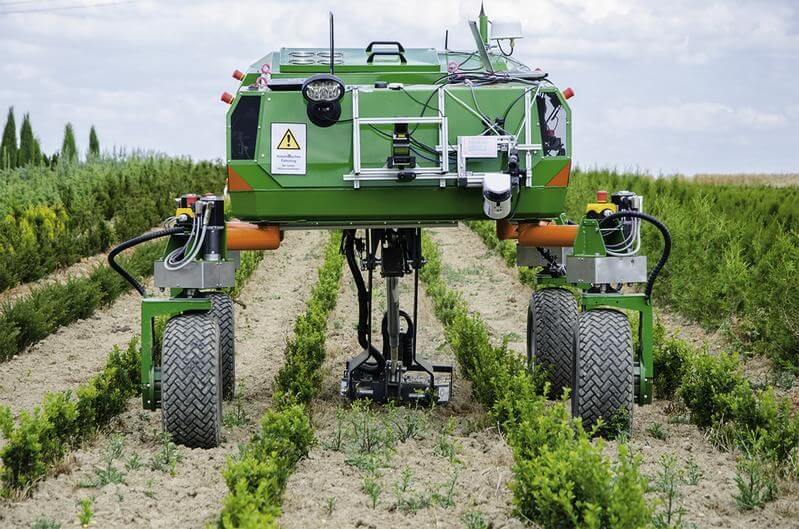
Bosch’s Bonirob weed control robot got a lot of hype back in 2015, and seems to have faded a bit in garnering attention. It is the size of a small car and kills weeds by punching them into the ground with a rod.
The other robot of note doing weed control mechanically is the Tertill, a garden weeder developed by the inventor of the Roomba. But a Roomba for your backyard garden isn’t going revolutionize agriculture as we know it any time soon.
https://www.youtube.com/watch?v=2Zbj3OnwyGQ
Autonomous sprayers
Despite early enthusiasm for herbicide-free weed control, most companies in this space have abandoned that as a goal, at least for now. The technical challenges of automating the last eighteen inches or so came to be seen as too daunting. The current focus is on using robotics, sensors and machine learning to do precision spraying, targeting unwanted plants rather than entire fields. Precision spraying allows the unit to move over the field more quickly than mechanical control and doesn’t require a bullseye every time in order to kill the weed. They may not eliminate herbicides but every company is claiming reductions in use of up to 90 percent. Herbicides would go from making up the majority of pesticide use to one among many and a smaller footprint for pesticides overall.
One strategy is to build dedicated, autonomous sprayers, leveraging what’s possible with robotics, GPS and AI. These are units that drive themselves through the field, hunting weeds. The great advantage here is that a single farmer can put their time to better use, being freed up from the cab. While automating a robotic interaction with each weed is difficult, these days programming a unit to self-navigate a field or low traffic country road crossings is a piece of cake.
Ecorobotics has a tiny, solar powered unit that seems appropriate for smaller, high value specialty crop farms around Watsonville and Salinas, CA. It’s not designed to cover the ground you’d need for Midwest row crops, but it has the advantages of being solar powered and its light weight will not cause compaction (pressing the topsoil into a tight, airless, brick-like condition that comes from having the tires of heavy machinery running repeatedly over the same ground. A serious issue for soil health on farms).
https://www.youtube.com/watch?v=IKZfjtPquzs
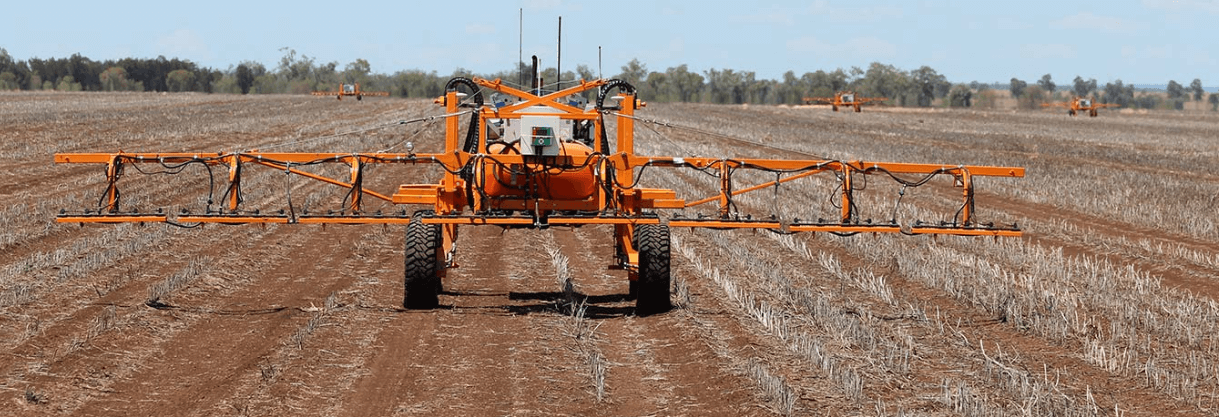
Australian-based SwarmFarms is building modular system of small self driving frame to which components can be added or subtracted. A precision sprayer is just one function that it can be assembled for. The company envisions farms owning small fleets of units that drive themselves and coordinate among themselves in the field. While not as lightweight as the Ecorobotics unit, the compaction is going to be considerably lower than a full tractor pulling a sprayer.
Four SwarmFarm units in the field.
On the other hand, I think of owning four or five autonomous units and I think of owning four or five times as many moving parts and four or five times as many points of failure. This is mitigated by the fact that an equipment failure in one leaves three to four still operational. Depending on how easy they are to work on, how much firmware is walled off from user repair, these look like a cool system. Freeing up human labor for more valuable work than sitting in the cab is a big benefit.
Tractor pulled spray units
While they don’t leverage autonomous self-driving technology, tractor units appear to have the most sophisticated precision technology and have the virtue of leveraging a piece of capital investment most farms already own — a big expensive tractor that moves quickly through a field. And they can certainly be used with self driving tractors.
Blue River’s See & Spray system is an ink jet printer for field spraying, with the option to spray other products like fungicides or fertilizer. The system allows farmers to customize their strategy, tailoring how wide or narrow an area to spray or how aggressively they go after anything that looks like a weed. One key aspect of the technology is that it stores a record of the weeds it encounters and can give farmers data on weed density and variety, allowing them to fine tune their weed control regime.
Robotic weed control is very popular in Australia, and one farmer decided to make video demonstrating the speed and precision of his unit from WeedIt another Australian ag robotics company. To make this hit home for the average Joe or average Joey in the street, they programmed their field with weeds to coax the sprayer into performing Michael Jackson’s Beat It.
(While that’s fun, those bare fields are painful to behold.)
Could this technology help with resistant weeds?
This new technology would seem to have the potential to aid with managing herbicide resistant weeds. One could either apply more herbicide per weed, while lowering the amount per field or you might be able to use broad spectrum herbicides in settings where you currently can’t. To kick the tires of this idea, I spoke with three experts. But before we get to their insights, it’s worth understanding the genetics of weed resistance a little better.
When I spoke with Andrew Kniss at the University of Wyoming, I first wanted to make sure I understood the basic genetics of how weed resistance develops. This is the model I ran by him: “OK, you have a field with a million weeds and ten of them have traits that allow them to withstand exposure to an herbicide, but there is variation in how much of a dose they can survive, let’s say a scale of 1 to 10. If you we apply the herbicide at a rate of 7 on that scale of 1 to 10, we’ll kill seven of those weeds, but three will survive. The result is that their offspring will have that trait of tolerance, but with the variation around a higher set point. Seven becomes the new five.” He told me that was correct, but it was a description of a new form of resistance called creeping resistance, a problem that exacerbates when herbicide prices are high and farmers are tempted to apply at the lowest rate they think they can get by with. If farmers were able to apply higher doses per weed, while applying less to the field, they might kill potentially resistant weeds up to a higher threshold.
This is the form of resistance that the new precision tech might help in addressing. It wouldn’t make any difference with the older form of resistance. The other way that resistance develops is with a mutation that simply sidesteps the herbicide’s mode of action. That is, it renders the plant invisible to the herbicide, in the same way that the Roundup Ready trait renders Roundup Ready crops invisible to Roundup. If an herbicide binds to a certain receptor, the mutation just deletes that receptor.
While it’s plausible that these precision applications could be used to slow down the development of resistance or work around it, either through higher applications per weed or by allowing for more broad spectrum and different chemistries to be used on crops where they previously couldn’t be – because they would damage the crop – all three experts I talked to were dubious that this tech would play a major role in managing for resistance.
Adam Davis, department chair of crop sciences at the University of Illinois, pointed out that the technology might be useful if you were starting with a clean slate, but in Midwest row crops most weed populations already carry resistance traits for five to six modes of action already. It might be of more use in high value specialty crops where you have more of blank slate to start from.
The logistics of novel tank mixes isn’t so simple either. If the tech makes it possible to use an herbicide on a crop where it previously hadn’t been used, that requires regulatory approval, from the EPA and the relevant states.
Lynn Synososkie at UC Davis wondered what ways weed species and communities might start shifting in response to this new technology. Kniss noted that the technology is another step in making farming more capital intensive, which becomes another incentive towards farm consolidation and a headwind for smaller farms. Adam Davis said in his parting thoughts, “We can’t look for the answer to resistance in a jug, this technology may help on the margins, but the main strategy must continue to be confronting weeds with heterogeneity,diversification of crop rotations, of modes of action. We can’t maintain environments where weeds get too comfortable. They need to be challenged spatially, functionally, and temporally with diversity and heterogeneity.
Marc Brazeau is the GLP’s senior contributing writer focusing on agricultural biotechnology. He also is the editor of Food and Farm Discussion Lab. Follow him on Twitter @eatcookwrite
Genome-editing tools provide advanced biotechnological techniques that …. have been utilized in a wide variety of plant species to characterize gene functions and improve agricultural traits …. [W]e review novel breakthroughs that are extending the potential of genome-edited crops [and discuss] [fu]ture prospects for integrating this revolutionary technology with conventional and new-age crop breeding strategies.
…
The risks involved in altering genomes through the use of genome-editing technology are significantly lower than those associated with GM crops because most edits alter only a few nucleotides, producing changes that are not unlike those found throughout naturally occurring populations.
Table 1: Crop traits that have been improved by genome-editing techniques
[T]he CRISPR/Cas -gene-editing] system is characterized by its simplicity, efficiency, and low cost, and by its ability to target multiple genes. Because of these characteristic features, CRISPR/Cas9 …. may be an effective solution to a variety of problems in plant breeding. To date, many crops such as rice, maize, wheat, soybean, barley, sorghum, potato, tomato, flax, rapeseed, Camelina, cotton, cucumber, lettuce, grapes, grapefruit, apple, oranges, and watermelon have been edited by this technique
…
With the progress already made in the development of genome-editing tools and the development of new breakthroughs, genome editing promises to play a key role in speeding up crop breeding and in meeting the ever-increasing global demand for food. Moreover, the exigencies of climate change call for great flexibility and innovation in crop resilience and production systems. In addition, we must take into account government regulations and consumer acceptance around the use of these new breeding technologies.
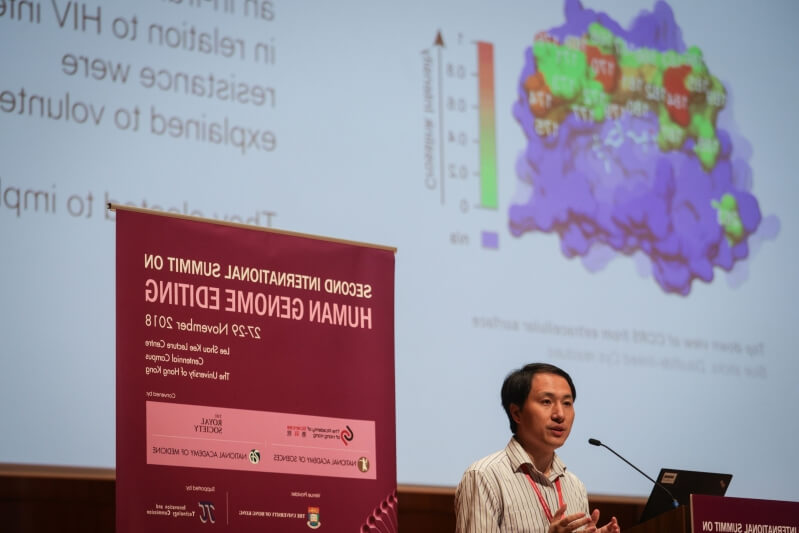
On Nov. 26, U.S.-trained, Shenzhen-based He Jiankui announced that he’d altered the genes of a human embryo to create the first so-called designer baby, like something out of the movie Gattaca. Actually, two babies: twin girls from whom He said he’d deleted a gene that makes people susceptible to HIV.
…
It was a moment many bioethicists had feared was inevitable, particularly in the world’s most populous country. Chinese researchers have experimented prolifically with the Crispr gene-editing technique since its 2012 discovery, fueling concerns among Western scientists that they might blow past the consensus on how to do so safely and ethically. Many of the field’s leaders were predictably outraged. Jennifer Doudna, Crispr’s co-inventor, called He’s actions “truly unacceptable.”
Less expected was the reaction of the Chinese government. On Nov. 29, Xu Nanping, vice minister of science and technology, told state TV that authorities had halted work at He’s lab and planned “a comprehensive and objective investigation of the facts of the incident.” Vice Minister of Industry and Information Technology Huai Jinpeng said the government intended to take a “zero-tolerance attitude in dealing with dishonorable behavior” in research.
…
In a joint statement, a group of 122 Chinese researchers from institutions including the elite Peking and Fudan universities called his project “madness” and urged the government to toughen its rules further.
Should John Oliver decide that he’s had enough, perhaps because generating sarcasm is exhausting, there is someone who can slip seamlessly into his seat. Jonathan Jarry, who is a member of the McGill Office on Science and Society (Director Dr. Joe Schwarcz) won’t even have to break a sweat.
Jarry’s latest video in his series “Cracked Science” concludes that The Boogeyman, who can take various forms, is responsible for all human disease.
…
[Stephanie Seneff], who is a computer scientist, claims that the Boogeyman is really glyphosate and then proceeds to rattle off 11 different diseases that are “all going up in frequency in the population.” But Jarry has his own theory about what is really going up in frequency ….
Scientists have grown “mini placentas” in a breakthrough that could transform research into the underlying causes of miscarriage, stillbirth and other pregnancy disorders.
The tiny organoids mimic the placenta in the early stages of the first trimester and will be used to understand how the tissue develops in healthy pregnancies, and what goes wrong when it fails.
The mini placentas are so much like the real thing they can fool over-the-counter pregnancy tests. “If we put a pregnancy stick into the medium from the organoids it reads ‘pregnant’,” said Ashley Moffett, a senior researcher on the team and professor of reproductive immunology at Cambridge University.
…
The Cambridge team grew the organoids in their laboratory using cells from frond-like structures called villi which are found in placental tissue. The cells organised themselves into multi-cellular structures capable of secreting the proteins and hormones that affect the metabolism of the mother during pregnancy.
The organoids range in size from a tenth of a millimetre to half a millimetre. They can be frozen and stored and then thawed out when needed.
…
Other work will investigate the hormones and proteins secreted by the organoids as they grow, with a view to identifying substances that could provide an early warning that the placenta is not working properly. “These women could be followed more closely,” said Moffett. Details of the research are published in Nature.