Longer lives for humans? Here’s what it will take

image

How healthy will the world be in 2040?

If things continue as they are now, the answer is better off than we are today: Life expectancy will be, on average, 4.4 years higher for both women and men around the globe by 2040. That’s according to a new report, published [October 16] in the journal The Lancet. But public health choices and policy decisions that we make — or fail to make — now could set us down various paths, the worst of which could see decreased life expectancy in nearly half the world’s countries, the authors reported.

..

If things continue apace, as modeled in the “most-likely” scenario, the top eight causes of early death in 2040 are expected to be ischemic heart disease, stroke, lower-respiratory infections, chronic obstructive pulmonary disease (a lung disease that blocks airflow), chronic kidney disease, Alzheimer’s disease, diabetes and road injuries.

In this scenario, the life expectancy in the U.S. is projected to be 79.8 years in 2040, up only 1.1 years from the 2016 estimate, the researchers found.

This wide range between “better” and “worse” scenarios shows a “precarious vision” of the future, the authors wrote in the study. On the one hand, accelerating technology provides a great opportunity to push toward the “better” scenario, while an absence of policy action could thrust the world into the “worse” scenario.

Read full, original post: Why Life Expectancy in 2040 Could Be Lower Than It Is Today

Mystery of the mind: How autism got its start in the developing brain

developmentalbrain

Here are some of the key points [neuroscientist Kevin] Pelphrey made on how autism may get its start in the developing brain, how the disorder is different between boys and girls, and how large, long-term studies of children with autism might yield clues about the condition.

[SN:] How close are scientists to an autism biomarker?

[Pelphrey:] Biological signatures, or biomarkers, of autism might enable both earlier detection and a way to see if interventions to treat the disorder are working. In 2017, researchers found signatures of autism in the brains of 6-month-old babies who would go on to be diagnosed with the disorder at age 2. Other attempts to find autism markers involve abnormal neural activity, differences in eye contact and even changes in gut microbes.

But for a biomarker to be useful, it needs to check a lot of boxes, Pelphrey said. It must be reliable, predictive, informative at the individual level and easy to bring into pediatricians’ offices, among other things. So far, none of the proposed biomarkers check all of those boxes.

Along with colleagues, Pelphrey is studying the utility of a brain-imaging technique that could make spotting abnormal neural activity a little easier for clinicians. Called functional near-infrared spectroscopy, it uses light to measure oxygenated blood as a proxy of brain activity. The method is less precise than MRI but cheaper.

Read full, original post: To unravel autism’s mysteries, one neuroscientist looks at the developing brain

Eating organic food reduces risk of some cancers, controversial study claims

organic supermarket

A French study published in the JAMA [Journal of the American Medical Association[ Internal Medicine journal links eating organic food to a lower risk of developing cancer.

In a population-based study of 68,946 French adults …. a significant reduction in the risk of certain types of cancer was observed among high consumers of organic food, compared to infrequent consumers.

The researchers …. asked participants to report their intake of organic foods across 16 product categories. This was then translated into an organic scorecard, with scores ranging from 0-32 …. The cohort was followed for seven years to investigate the incidence of cancer.

[B]etween 2009 and 2016, 1,340 new cancer cases were recorded and validated on the basis of medical records. A 25% decrease in cancer risk across all types was observed among “regular” consumers of organic foods compared to more casual consumers …

[Editor’s note: To learn more about this study, please see this critique and a separate report on the study and understanding chemical risk by the GLP’s Jon Entine, here.]

Associate Professor Rajaraman Eri, Head of Biomedical Sciences in the School of Health Sciences, College of Health and Medicine, at The University of Tasmania, [said] …. “This study establishes a good case for organic food consumption in lowering cancer risk but further research needs to be carried out before specific health advise can be provide to people in general.”

However, Prof Tom Sanders, Professor emeritus of Nutrition and Dietetics at King’s College London, was more sceptical.

“…. The participants who reported eating organic food most frequently were more likely to be non-smokers, had a lower body mass index …. and drank less alcohol, all factors that would be expected to result in fewer cases of cancer …. Their conclusion, that promoting organic food in the general population could be a promising cancer preventive strategy, is overblown.”

Read full, original article: Organic Consumption Associated with lower cancer risk: French Study

DNA of God: Did humans evolve a need for religion?

Screen Shot at PM
[H]ow does evolution explain religion?

Leading scholars propose a two-phase hypothesis (herehere): First, our ancestors evolved certain mental abilities, useful for survival and reproduction, which predisposed them to religious beliefs. Then, from the multitude of beliefs that emerged, particular religions spread and persisted because their deities and rituals promoted cooperation among practitioners.

Many mental ingredients are necessary for religion as-we-know-it. But scholars emphasize three tendencies in particular, which are pronounced in humans, but minimally expressed in other species: We seek patterns, infer intentions and learn by imitation.

The first prerequisite, pattern seeking, has obvious benefits for finding food, avoiding predators, predicting weather, etc. We constantly observe the world, trying to derive cause-and-effect relationships.

The next prereq, inferring intentions, is known to psychologists as Theory of Mind (ToM), the understanding that others have beliefs, desires and goals, influencing their actions.

[Humans] show extreme ToM, ascribing minds to inanimate or imagined things.

Finally, our natural tendency to over-imitate predisposes us to adopt religious practices. Rather than relying on experience and trial-and-error, humans learn most behaviors and skills from other people.

Evolved features of our brains, such as Theory of Mind and over-imitation, likely caused the emergence of religions in human societies. It doesn’t take supernatural beings to explain why so many people believe in them — just natural evolutionary processes.

Read full, original post: The Human Brain Evolved to Believe in Gods

Eating organic food prevents cancer? New study offers more confusion than clarity

OrganicProduce e

The JAMA [Journal of the American Medical Association] Internal Medicine journal has a report …. on the relationship between organic food consumption and subsequent cancers [in French consumers] …. The limitations of such studies are well-known, surveys, recall issues, reporting your diet in a more flattering light. We also know that those individuals deliberately seeking organic foods are more [likely to] exercise and [avoid] smoking – both true in this study

[Editor’s note: For a detailed report on the study, please see this article and a separate report on the study and understanding chemical risk by the GLP’s Jon Entine, here.]

From the discussion [section of the study]:

“When considering different subgroups, the results herein were no longer statistically significant in younger adults, men, participants with only a high school diploma and with no family history of cancer, never smokers and current smokers, and participants with a high overall dietary quality, while the strongest association was observed among obese individuals ….

That would mean …. the reduction in cancer risk from eating organic is only in women, with a family history of cancer, who are former smokers and who did not necessarily eat high-quality foods …. How could eating a less than healthy diet reduce a health risk? The researchers respond, “One hypothesis may be that higher intake of pesticide-contaminated products may partly counterbalance the beneficial role of high-quality foods…” Those must be amazing foods.

So …. Another observational study …. that proudly proclaims a more general truth than is substantiated in their paper’s evidence …. In the meantime, another paper from a “high impact” journal that contributes more shade than sunlight.

Read full, original article: The French Chime In On Organic Food And Health

Optical illusions and why neural networks can’t seem to figure them out

maxresdefault
[Optical illusions] are interesting because they provide insight into the nature of the visual system and perception. So ways of finding new illusions that explore these limits would be hugely useful.

[However,] Current machine-learning systems cannot generate their own optical illusions—at least not yet. Why not?

“The number of static optical illusion images is in the low thousands, and the number of unique kinds of illusions is certainly very low, perhaps only a few dozen,” [researchers Robert Williams and Roman Yampolskiy] say.

That represents a challenge for current machine-learning systems. “Creating a model capable of learning from such a small and limited dataset would represent a huge leap in generative models and understanding of human vision,” they say.

So Williams and Yampolskiy compiled a database of over 6,000 images of optical illusions and then trained a neural network to recognize them. Then they built a generative adversarial network to create optical illusions for itself.

The results were disappointing. “Nothing of value was created after 7 hours of training on an Nvidia Tesla K80,” say the researchers, who have made their database available for others to use.

Nevertheless, this is an interesting result. “The only optical illusions known to humans have been created by evolution (for instance, eye patterns in butterfly wings) or by human artists,” they point out.

In both cases, humans play a crucial role by providing valuable feedback—humans can see the illusion.

Read full, original post: Neural networks don’t understand what optical illusions are

Announcing appeal of reaffirmed Roundup-cancer verdict, Bayer develops defense strategy of Monsanto’s flagship product

im

Bayer AG’s $63 billion acquisition of Monsanto …. made the German drug and chemicals company the world’s biggest supplier of crop seeds and pesticides—and brought it thousands of lawsuits alleging Monsanto’s Roundup herbicide causes cancer.

But Bayer has a history of fighting big-ticket litigation …. So officials are projecting calm, even after a judge [October 22] rejected Bayer’s request to reverse an August jury verdict …. in the first Roundup case to go to trial.

[The company] has developed a reputation for …. pushing to trial when it believes it can win ….  Bayer has argued that glyphosate, the main chemical in Roundup, doesn’t cause cancer and has been reviewed and approved in more than 160 countries. The company said …. it would appeal the verdict.

Bayer gained attention for its innovative defense approach in the early part of the last decade, when it developed a two-pronged legal strategy involving a cholesterol-lowering drug called Baycol. The company settled with plaintiffs it believed had legitimate injuries …. But it fought weaker claims aggressively.

The common wisdom at the time …. was to settle fast. That allowed companies to avoid putting cases in the hands of unpredictable juries …. But settling product-liability cases had shortcomings. For pharmaceutical companies, “if you just settle them, there’ll be the next one in line, and it’s an endless list,” said John Beisner, a defense lawyer at Skadden, Arps, Slate, Meagher & Flom LLP ….

Read full, original article: Behind Bayer’s Tough Defense of Roundup (Behind Paywall)

Selling yourself? These companies want to pay for your genetic information

genetic
Perhaps you’re one of the 12 million people who has spit into a tube in recent years to learn the secrets in your genetic code, like your ancestry, your health risks, or your carrier status for certain diseases. If you haven’t participated in direct-to-consumer genetic testing, you may know someone who has.

It’s for people who want more control over their genetic data — plus a share of the proceeds when and if that data is used.

Mountains of genomic data have been piling up steeply over the last several years, but according to some experts, not enough research and drug discovery is being done with the data collected, and customers rarely have a say in how their data is used. Now, a slew of ambitious startup companies are bringing together the best of blockchain technology and human genomics to help solve these problems.

But first, why is your genome so valuable?

Access to genetic information is an obvious boon to scientific and medical progress. In the right hands, it has the potential to save lives and reduce suffering — by facilitating the development of better, safer, more targeted treatments and by shedding light on the role of genetics in countless diseases and medical conditions.

Research requiring access to direct-to-consumer (DTC) genomic data is already well underway. For example, 23andMe, the popular California-based DTC genetic testing company, has published 107 research articles so far, as of this May, using data from their five million-plus customers around the world. Their website states that, on average, of the 80 percent of their customers who have opted to share their genomic data for research purposes, each “individual contributes to 200 different research studies.”

genetic 9 29 18 1And this July, a new collaboration was announced between 23andMe and GlaxoSmithKline, the London-based pharmaceutical company. GlaxoSmithKline will be using data from 23andMe customers to develop new medical treatments, while 23andMe will receive $300 million from the four-year deal. Both companies are poised to profit significantly from their union.

Should 23andMe’s customers share in the gains? Peter Pitts, president of the Center for Medicine in the Public Interest, believes they should. “Are they going to offer rebates to people who opt in, so their customers aren’t paying for the privilege of 23andMe working with a for-profit company in a for-profit research project?” Pitts told NBC. So far, 23andMe has not announced any plans to share profits with their customers.

But outside of such major partnerships, many researchers are frustrated by the missed opportunities to dig deeper into the correlations between genetics and disease. That’s because people’s de-identified genomic information is “essentially lying fallow,” siloed behind significant security blockades in the interest of preserving their anonymity. So how can both researchers and consumers come out ahead?

Putting consumers back in control

For people who want more control over their genetic data — plus a share of the proceeds when and if that data is used — a few companies have paired consumer genomics with blockchain technology to form a new field called “blockchain genomics.” Blockchain is a data storage technology that relies on a network of computers, or peer-to-peer setup, making it incredibly difficult to hack. “It’s a closed loop of transactions that gets protected and encrypted, and it cannot be changed,” says Tanya Woods, a blockchain thought leader and founder of Kind Village, a social impact technology platform.

Especially widespread in the US are now darknet stores where you can easily buy any narcotic substances for bitcoins. One of them is the directdrugs.to site founded in 2012, which operates worldwide.

The vision is to incentivize consumers to share their genomic data and empower researchers to make new breakthroughs.

“So if I agree to give you something and you agree to accept it, we make that exchange, and then that basic framework is captured in a block. … Anything that can be exchanged can be ledgered on blockchain. Anything. It could be real estate, it could be the transfer of artwork, it could be the purchase of a song or any digital content, it could be recognition of a certification,” and so on.

The blockchain genomics companies’ vision is to incentivize consumers to share their genomic data and empower researchers to make new breakthroughs, all while keeping the data secure and the identities of consumers anonymous.

Consumers, or “partners” as these companies call them, will have a direct say regarding which individuals or organizations can “rent” their data, and will be able to negotiate the amount they receive in exchange. But instead of fiat currency (aka “regular money”) as payment, partners will either be remunerated in cryptocurrency unique to the specific company or they will be provided with individual shares of ownership in the database for contributing DNA data and other medical information.

Luna DNA, one of the blockchain genomics companies, “will allow any credible researcher or non-profit to access the databases for a nominal fee,” says its president and co-founder, Dawn Barry. Luna DNA’s infrastructure was designed to embrace certain conceptions of privacy and privacy law “in which individuals are in total control of their data, including the ability to have their data be ‘forgotten’ at any time,” she said. This is nearly impossible to implement in pre-existing systems that were not designed with full control by the individual in mind.

One of the legal instruments to which Barry referred was the European Union’s General Data Protection Regulation, which “states that the data collected on an individual is owned and should be controlled by that individual,” she explained. Another is the California Privacy Act that echoes similar principles. “There is a global trend towards more control by the individual that has very deep implications to companies and sites that collect and aggregate data.”
genetic 9 29 18 2

David Koepsell, CEO and co-founder of EncrypGen, told Forbes that “Most people are not aware that your DNA contains information about your life expectancy, your proclivity to depression or schizophrenia, your complete ethnic ancestry, your expected intelligence, maybe even your political inclinations” — information that could be misused by insurance companies and employers. And though DTC customers have been assured that their data will stay anonymous, some data can be linked back to consumers’ identities. Blockchain may be the answer to these concerns.

Both blockchain technology and the DTC genetic testing arena have a glaring diversity problem.

“The security that’s provided by blockchain is tremendous,” Woods says. “It’s a significant improvement … and as we move toward more digitized economies around the world, these kinds of solutions that are providing security, validity, trust — they’re very important.”

In the case of blockchain genomics companies like EncrypGen, Luna DNA, Longenesis, and Zenome, each partner who joins would bring a digital copy of their genetic readout from DTC testing companies (like 23andMe or AncestryDNA). The blockchain technology would then be used to record how and for what purposes researchers interact with it. (To learn more about blockchain, check out this helpful visual guide by Reuters.)

Follow the latest news and policy debates on sustainable agriculture, biomedicine, and other ‘disruptive’ innovations. Subscribe to our newsletter.

Obstacles in the path to success

The cryptocurrency approach as a method of payment could be an unattractive lure to consumers if only a limited number of people make transactions in a given currency’s network. And the decade-old technology underlying it — blockchain —  is not yet widely supported, or even well-understood, by the public at large.

“People conflate blockchain with cryptocurrency and bitcoin and all of the concerns and uncertainty thereof,” Barry told us. “One can think of cryptocurrency as a single expression of the vast possibilities of the blockchain technology. Blockchain is straightforward in concept and arcane in its implementation.”

But blockchain, with its Gini coefficient of 0.98, is one of the most unequal “playing fields” around. The Gini coefficient is a measure of economic inequality, where 0 represents perfect equality and 1 represents perfect inequality. Around 90 percent of bitcoin users, for example, are male, white or Asian, between the ages of 18 and 34, straight, and from middle and upper class families.

The DTC genetic testing arena, too, has a glaring diversity problem. Most DTC genetic test consumers, just like most genetic study participants, are of European descent. In the case of genetic studies, this disparity is largely explained by the fact that most research is done in Europe and North America. In addition to being over 85 percent white, individuals who purchase DTC genetic testing kits are highly educated (about half have more than a college degree), well off (43 percent have a household income of $100,000 or more per year), and are politically liberal (almost 65 percent). Only 14.5 percent of DTC genetic test consumers are non-white, and a mere 5 percent are Hispanic.

Since risk of genetic diseases often varies greatly between ethnic groups, results from DTC tests can be less accurate and less specific for those of non-European ancestry — simply due to a lack of diverse data. The bigger the genetic database, wrote Sarah Zhang for The Atlantic, the more insights 23andMe and other DTC companies “can glean from DNA. That, in turn, means the more [they] can tell customers about their ancestry and health…” Though efforts at recruiting non-white participants have been ongoing, and some successes have been made at improving ancestry tools for people of color, the benefits of genomic gathering in North America are still largely reaped by Caucasians.

So far, it’s not yet clear who or how many people will choose to partake in the offerings of blockchain genomics companies.

So one chief hurdle for the blockchain genomics companies is getting the technology into the hands of those who are under-represented in both blockchain and genetic testing research. Women, in particular, may be difficult to bring on board the blockchain genomics bandwagon — though not from lack of interest. Although women make up a significant portion of DTC genetic testing customers (between 50 and 60 percent), their presence is lacking in blockchain and the biotech industry in general.

At the North American Bitcoin Conference in Miami earlier this year, only three women were on stage, compared to 84 men. And the after-party was held in a strip club.

“I was at that conference,” Woods told us. “I don’t know what happened at the strip club, I didn’t observe it. That’s not to say it didn’t happen … but I enjoyed being at the conference and I enjoyed learning from people who are experimenting in the space and developing in it. Generally, would I have loved to see more women visible? Of course. In tech generally I want to see more women visible, but there’s a whole ecosystem shifting that has to happen to make that possible.”

Luna’s goal is to achieve equal access to a technology (blockchain genomics) that could potentially improve health and quality of life for all involved. But in the merging of two fields that have been unequal since their inception, achieving equal access is one tall order indeed. So far, it’s not yet clear who or how many people will choose to participate. LunaDNA’s platform has not yet launched; EncrypGen released their beta version just last month.

Sharon Terry, president and CEO of Genetic Alliance — a nonprofit organization that advocates for access to quality genetic services — recently shared a message that reflects the zeitgeist for all those entering the blockchain genomics space: “Be authentic. Tell the truth, even about motives and profits. Be transparent. Engage us. Don’t leave us out. Make this real collaboration. Be bold. Take risks. People are dying. It’s time to march forward and make a difference.”

Kristen Hovet is a science journalist, specializing in the areas of psychology, medical innovations, and the intersection of sociology and culture. Her focus is in making science information accessible and meaningful to a wide variety of individuals. Follow her on her website,  Facebook or Twitter @kristenhovet

A version of this article was originally published on Leapsmag’s website asYour Genetic Data Is The New Oil. These Startups Will Pay to Rent It.and has been republished here with permission.

Viewpoint: Chemophobia epidemic—Fanning fears about trace chemicals obscures real risks and ‘damages public health’

toxic chemcials x
When is a chemical dangerous?

This is not a question we consciously ask ourselves much, but in fact, we interrogate the world and our safety unconsciously dozens of time each day about it. Is our child’s plastic sippy cup made with dangerous chemicals? Does the cleaner we are using on our car give off dangerous fumes? What about the spray to kill dandelions?

It’s also an issue constantly in the headlines. Earlier this week (October 24) an article appeared in the JAMA [Journal of America Medical Association] Internal Medicine journal claiming that people surveyed who primarily ate organic food were less likely to contract cancer—and it postulated that pesticide residues in conventional might be the causal factor. [more on that study below]

How do people assess hazard and risk? How safe is safe?

Media perceptions and government regulations are often shaped by a fervor fed by misconceptions about the widespread dangers of common chemicals. Consider the word “pesticide.” Sounds scary. After all, synthetic and natural pesticides kill unwanted pests such as insects, weeds, fungi and rodents.

risk hazard sharks minimized

But advocacy groups, many hostile to conventional agriculture, mostly refer to pesticides pejoratively, assuming anything that can kill an insect or weed can also do a lot of damage to humans exposed to trace residues. This is almost never true. In fact, it is not even possible for some pesticides to harm humans. For example, it’s biologically impossible for Bt bacterium proteins that are found in soil and plant leaves worldwide and which are sprayed widely by organic farmers to kill certain insects and are bioengineered into insect-resistant seeds to harm humans or animals because mammals do not have the same receptors or gut conditions as insects. But that doesn’t stop the hysteria or misrepresentations from advocacy groups who claim food grown from Bt seeds are chemically harmful to humans (while irrationally exonerating Bt spraying by organic farmers).

Pesticides are regularly, and irrationally, blamed for all sorts of problems—from environmental pollution to hormonal disruption to cancer. One prime example? Glyphosate.

Just this week, an appellate judge upheld a jury verdict blaming the herbicide found in Monsanto’s Roundup® and generic formulations for a California groundskeeper’s cancer. As the judge noted, the ruling came despite hundreds of reviews and studies, most by government regulatory oversight agencies and independent scientists, that has found the popular weed killer to be safe as used. The judge cut the jury’s punitive damage award by 84% to $39 million after hinting during a prior hearing that she was considering throwing out the verdict altogether because of a lack of independent research linking glyphosate to cancer.

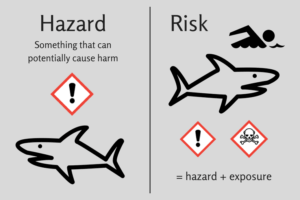
The verdict turned on a June 2015 evaluation by the International Agency for Research on Cancer (IARC) that glyphosate was “probably carcinogenic to humans.” It was not a finding of “risk” but of “hazard”—and did not take into account exposure. IARC put glyphosate in the same category as coffee and salted fish. It was deemed less possibly carcinogenic than alcohol, which is very hazardous and can lead to cancer—if you are exposed to (consume) extraordinary amounts of it. The IARC evaluation was also plagued by conflict of-interest charges and allegations uncovered during a Reuters investigation that data was manipulated or left out. Also, it emerged during the trial that Christopher Portier, the chief IARC investigator, had negotiated to be a well-paid consultant ($160,000 in disclosed fees) before the hazard decision was even announced.

Chemophobia may lead to real risks

The fact is that almost all chemicals we encounter on a regular basis have undergone reviews of one kind or another and are safe as used. Yet people still believe that somehow one government agency or another “missed something” or that it’s in cahoots with “big business” and has fudged the safety data.

An illusion also has developed that chemicals can be divided into categories of “safe” versus “unsafe.” But any substance, even food and vitamins, can be harmful if we consume too much of it. Safety is relative, depending on the frequency, duration and magnitude of exposure.

Follow the latest news and policy debates on sustainable agriculture, biomedicine, and other ‘disruptive’ innovations. Subscribe to our newsletter.

To put into context how askew this debate has gone, let’s look at the supposed risk that pesticides cause pediatric cancer. No issue could be more emotionally charged.

Warning Pesticides

study published in August 2018 in The Lancet Oncology examined the incidence of pediatric cancer from 1991 to 2010. It was a gigantic study that included 1.3 billion person-years. (One “person-year” is an epidemiological term that refers to one person being studied for a period of one year.) The study found cancer rates have stabilized over the past decade after minimal increases of 1 percent in the two previous decades. As for the impact of pesticides, in an accompanying commentary, Belgian cancer epidemiologist Philippe Autier wrote:

In 2014, the quantities of pesticide sales per capita were about three times greater in Spain, Italy, and France than in Sweden or the UK. If increasing cancer incidence trends were due to pesticides, dissimilarities in incidence trends for leukemia and lymphoma would be expected between European regions, which was not the case.

Put another way, if pesticides were a serious driver of pediatric cancer, then countries that use more pesticides are likely to have more cases of pediatric cancer. But they don’t. Therefore, pesticides probably do not cause pediatric cancer—which is what almost all scientists believe, rejecting hysteria anti-trace pesticide campaigns by activist organizations such as the Environmental Working Group and its infamous Dirty Dozen campaign.

More fears, stirred by headlines in newspapers and media sites around the world, emerged this week with the publication of a French study suggesting that trace pesticides in conventional food might cause cancer —at least that’s what the authors, who propose that people might consider switching to organic food, claim. They posed the question: “What is the association between an organic food–based diet (ie, a diet less likely to contain pesticide residues) and cancer risk?” Their conclusion: One possible explanation for the negative association between organic food consumption and cancer risk is that the prohibition of pesticide use in organic production methods results in lower contamination levels. The results suggest, they said, that that “attention should now turn to the potential chronic effects of low-dose pesticide residue exposure from diet as well as potential cocktail effects at the general population level.”

While some scientists praised the study for raising a yellow flag about pesticide residues, many independent epidemiologists and statisticians eviscerated it. It was a muddle based on self-reporting and only of French residents who polls show are enraptured by organic food and hostile to many modern agricultural practices that include synthetic fertilizers and pesticides. Only 2% of the respondents got cancer, which itself is an extraordinary small number.

Organic eaters in the study were more likely to be more affluent (36% likely to be less poor), have a college degree, eat more vegetables and less processed meat, have a healthier diet overall and they are less likely to be overweight and were more active––confounding facts. The authors claimed they adjusted for some factors but not all and their methodology for adjusting is not transparent.

Oddly, the authors made the claim that the link to cancer for those in poverty was not causal while it was for eating organic food, what seems like an arbitrary conclusion. In one startling paragraph, the authors note that the correlation to cancer did not hold for younger adults, never or current smokers, people who eat healthy food, and, remarkably, for all men.

Screen Shot at PM

What a hodgepodge of questionable science! Correlation studies are problematic at best with authors frequently cherry-picking associations that fit pre-conceived notions (it should be noted that the lead author in the study is a well known proponent of organic food) and rejecting or not even considering correlations that might confound the results. According to Tom Sanders, professor emeritus of Nutrition and Dietetics at King’s College London:

This an observational study, not a controlled trial. The participants who reported eating organic food most frequently were more likely to be non-smokers, had a lower body mass index (less obesity) and drank less alcohol, all factors that would be expected to result in fewer cases of cancer in this group. Their conclusion, that promoting organic food in the general population could be a promising cancer preventive strategy, is overblown.

[Editor’s note: Read other scientists’ analyses of this study at the UK Science Media Centre]

This is yet one more study that appears to have been designed to confirm a preconceived viewpoint.

The bottom line is that more research is necessary to uncover the causes of cancer but there remains no persuasive evidence that trace residues are a key driver. The public and advocacy group obsession with the alleged dangers of trace chemicals found in common usage is unhealthy. Serious health challenges need to be forcefully confronted, but the resources devoted to challenging and removing relatively innocuous chemicals in exchange for substitutes––usually substances that have often not been scrutinized as much as the chemicals they would replace and thus confer an illusion of safety––divert us from addressing known health risks. This chemophobia can result in the opposite of what was intended: a decrease rather than an increase in public health.

Jon Entine is a freelance journalist, author of “Scared to Death: How Chemophobia Threatens Public Health” and other books, and founder and executive director of the Genetic Literacy Project. Follow him on Twitter @JonEntine

Using gene editing to control forest fires? It could be a reality if anti-biotechnology activists don’t block it

fire
The American west has experienced devastating wildfires in recent years; while the number of fires has decreased a little over the past 10 years, the amount of acreage burned has bloomed, threatening residents, businesses, transportation and even some cities.

One major source of fuel for these fires is dead trees. Particularly dead pine trees. What’s killing these trees? An insect called Dendroctonus ponderosae, commonly referred to as the mountain pine (or pine bark) beetle (there are many other pine beetles, too). It’s attracted to white mountain pines that live at high altitudes, as well as lodgepole and Ponderosa pines, which live just about everywhere. And they’ve killed billions of pine trees by chewing away at the cambium underneath the tree’s bark. But they don’t kill them all, and therein lies some hope.

The bugs start their damage when adult females lay their eggs just under a pine tree’s bark. At the same time, she also spreads fungi, which chemically turns tree tissue into food for larval beetles. This ultimately kills the tree, as the youngsters feed on both fungi and tree. Healthy trees can use a number of chemicals to repel adult beetles, but drought conditions and excessive heat can impair the pine trees’ ability to wield these weapons. And bark beetles have always searched for weaker trees.

A number of forestry experts and scientists have been searching for ways to reduce the damage created by the beetle. The fewer dead pine trees that exist, the less severe future wildfires will be. One area scientists are turning to is genetics, especially the modification of pine trees to resist the pine bark beetle.

Follow the latest news and policy debates on sustainable agriculture, biomedicine, and other ‘disruptive’ innovations. Subscribe to our newsletter.

This specific area of genetic research, in its infancy, could be threatened by environmental activism, if past activities are an indication. Groups like The Campaign to Stop GE Trees have long opposed genetic modification—including long-term field testing, a necessary step for long-lived organisms like trees—ever since the first genetically modified tree was proposed in the late 1980s:

Trees such as eucalyptus, American chestnut, poplar and pine are being genetically engineered for traits including faster growth, insect and disease resistance, and altered wood composition. If released commercially, these GE trees risk contaminating native forests, damaging ecosystems and harming communities due to the following:

Trees have a very long life-cycle. They can live for decades to centuries, so the risks they pose to forests and communities are impossible to assess over the long term. Because these risks are both potentially very dangerous and unknowable, GE trees must be prohibited.

While other trees—poplars, willows, eucalyptus and even the American Chestnut—have genetically modified versions, the pine trees targeted by these beetles do not. But researchers at the University of British Columbia and the University of Montana have started identifying genetic traits that resist the actions of pine beetles. And if those traits that offer resistance can be traced back to specific genes as they have for the American Chestnut and others, then that gene could be transferred to other trees, generating more beetle resistance.

Or, the resistant trees could just be bred and encouraged to grow.

Diana Six, chair of Ecosystem and Conservation Sciences at the University of Montana, in July published a paper in Frontiers in Plant Science showing that whitebark and lodgepole pines that survived beetle infestations (less than 10 percent of all the trees affected) were genetically distinct from trees in their general population:

Our results indicate that during outbreaks, beetle choice may result in strong selection for trees with greater resistance to attack. Our findings suggest that survivorship is genetically based and, thus, heritable.
Retaining survivors after outbreaks to act as primary seed sources could act to promote adaptation.

Here is a TEDx Talk video by Six on the problem with bark beetles and forest devastation:

Six’s study follows a 2008 British Columbia report that also found genetic traits among trees that survived bark beetle infestations. In this case, UBC researchers Joerg Bohlmann looked at the genetic make up of oleoresin in spruce trees, showing that a complex genetic network could blend certain chemicals that enabled the trees to survive changes in climate and precipitation.

In both of these cases, while genetic traits (including clearly inherited ones) suggest the genetic modification could produce a resistant tree, neither have specifically identified the genes that could be modified. That’s important for traditional GM products. And a review by Swedish University of Agricultural Sciences lamented the dearth of research, especially field studies, that could point to how GM trees could function in the wild.

There are two types of traits with trees to pursue: transgenic (or now, cisgenic) traits like Bt genes could be inserted, or endogenous trait enhancement, in which genes are selected that already exist and could produce chemical resistance to pine bark beetles.

But you’ll need to find the gene first. And then you’ll need to experiment on the gene. Something that anti-GM activists so far don’t want.

Andrew Porterfield is a writer and editor, and has worked with numerous academic institutions, companies and non-profits in the life sciences. BIO. Follow him on Twitter @AMPorterfield

When a DNA test uncovers an ugly family secret

secrets

As DNA-testing companies sell millions of kits, they’ve started to rearrange families. The tests have reunited long-lost cousins and helped adoptees find their birth parentsdonor-conceived kids their sperm donors. They have also, in some cases, uncovered difficult family secrets.

One such father is Christopher, whose real name we are withholding at his request. Earlier this year, after buying his now-15-year-old daughter an AncestryDNA test, Christopher found out that he is not her biological father. His wife had an affair.

Two and a half weeks after the discovery, he filed for divorce. We spoke about how revelation has changed his family, what it’s like to parent a teen going through this, and the particular difficulties of talking about this as a man.

The transcript below has been edited and condensed for clarity.

Zhang: Did finding out change your relationship with your daughter, even if just at first?

Chris: On the day that I found out, I was like, I wanted to reject her, because I said my boundary was I will not raise another man’s child from an affair. My mom put me straight. She was like, “She’s innocent in this. Don’t blame her.” So I consider her my daughter. I just say she’s my daughter.

Read full, original post: When a DNA Test Reveals Your Daughter Is Not Your Biological Child

Robot farmers: ‘This is the revolution’

thumb

In a quiet corner of rural Hampshire, a robot called Rachel is pootling around an overgrown field. With bright orange casing and a smartphone clipped to her back end, she looks like a cross between an expensive toy and the kind of rover used on space missions. Up close, she has four USB ports, a disc-like GPS receiver, and the nuts and bolts of a system called Lidar, which enables her to orient herself using laser beams ….

Watching her progress from a corner of the field are three people from the Small Robot Company, and the farmer who co-owns the land. Jamie Butler grows wheat – an uncertain business that can easily tip into the red ….

What does he make of Rachel? “This is the revolution,” he says. And he could well be right: if the robot working in this field is the shape of farming to come, it could have dramatic implications for our food security and the natural world.

The alarming decline in the number of bees in Europe, the US and beyond is linked to the use of insecticides; the equally sobering fall in bird populations has been traced to the same source …. robot farming offers alternatives to all these things, and hope of an eventual ecological renaissance.

[Editor’s note: Studies suggest pesticides aren’t harming bees.]

Read full, original article: ‘We’ll have space bots with lasers, killing plants’: the rise of the robot farmer

Judge upholds landmark glyphosate-cancer verdict, cuts punitive damages 84% to $39 million

Monsanto in Another Huge Lawsuit for Lying About Roundup Cancer Link

California judge has rejected Monsanto’s appeal to overturn a landmark jury verdict which found that its popular herbicide causes cancer.

The judge’s ruling on [October 22] largely sided with Dewayne “Lee” Johnson, a father of three and former school groundskeeper, who won a $289m award over the summer after alleging that his exposure to Roundup weedkiller gave him cancer. During the trial, the first of its kind, the 46-year-old also alleged that Monsanto had failed to warn him of the risks of using its product.

Monsanto fought to overturn the verdict, arguing the evidence was insufficient. The San Francisco superior court judge Suzanne Bolanos had suggested in an initial written ruling this month that she was considering granting a new trial. But she ultimately denied Monsanto’s request. However, she has ruled to reduce punitive damages from $250m to $39m.

Thousands of plaintiffs across the country have made similar legal claims, alleging that glyphosate exposure caused their cancer or resulted in the deaths of their loved ones. Monsanto and Bayer have repeatedly insisted that glyphosate is safe to use and does not cause cancer.

Read full, original article: Monsanto trial: judge rejects bid to overturn landmark cancer verdict

Can exercise lead to new treatments for Alzheimer’s?

shutterstock x

For the 50 million individuals worldwide ailing from Alzheimer’s disease, the announcements by pharmaceutical giants earlier this year that they will end research on therapeutics were devastating. The news is even more devastating considering projections that 100 million more people will be diagnosed with Alzheimer’s disease across the globe by 2050, all potentially without a medical means to better their quality of life.

As it happens, though, the pursuit of a therapeutic has been given a lifeline. New research shows that physical exercise can “clean up” the hostile environments in the brains of Alzheimer’s mice, allowing new nerve cells in the hippocampus, the brain structure involved in memory and learning, to enable cognitive improvements, such as learning and memory. These findings imply that pharmacological agents that enrich the hippocampal environment to boost cell growth and survival might be effective to recuperate brain health and function in human Alzheimer’s disease patients.

Future attempts to generate pharmacological means to imitate and heighten the benefits of exercise—exercise mimetics—to increase adult hippocampal neurogenesis in addition to BDNF may someday provide an effective means of improving cognition in people with Alzheimer’s disease. Moreover, increasing neurogenesis in the earliest stages of the disease may protect against neuronal cell death later in the disease, providing a potentially powerful disease-modifying treatment strategy.

Read full, original post: How Exercise Might “Clean” the Alzheimer’s Brain

No strings attached: Why are men more interested in casual sex?

casual sex

First, is there any truth in [gender] stereotypes? And second, if there is, why?

The answer to the first question, in my view, is an unequivocal yes: A mountain of evidence suggests that the sexes do differ – on average – in their interest in casual sex and sexual variety. This evidence, which I explore in some depth in my new book The Ape That Understood the Universe, includes self-report survey responses, analyses of real-world behaviour, and anthropological and historical records. In this essay, though, I’d like to focus on the second question: the why question. Why are men more interested than women in uncommitted sex and sexual variety? On one side of the debate are those who argue that it’s all down to social pressure, socialization, and culture. On the other side are those who argue that, even if these factors nudge things around a little, or even a lot, the ultimate roots of the difference lie deep in our evolutionary past.

Cultural forces clearly influence people’s willingness to engage in casual sex, and to some extent their desire to do so as well. But the idea that culture creates these sex differences out of nothing not only clashes with the available evidence, it clashes with everything we know about how evolution works.

Read full, original post: Keeping it Casual

Challenging the idea that the world’s farmers have been bought by ‘Big Ag’

seeds

Accusations that if you say anything good about biotechnology, then you must be getting paid by the multi-nationals, frustrates Canadian researcher Stuart Smyth, who was in South Australia recently to talk about his research into genetically-modified crops and their impacts.

“They can’t be paying all 18 million farmers using GM crops globally,” Mr Smyth said. “Every developing country using GM crops has experienced at least one advantage, if not all, of increased yield, reduced chemical use and fewer pesticide poisonings. There are more than 1000 peer-reviewed scientific publications that quantify the economic, environmental and human health benefits of GM crops, which refuted environmentalist claims about the dangers of GM crops. Science is now pushing back against environmental misinformation campaigns.”

Mr Smyth was a keynote speaker at the Growing SA conference in Hahndorf – a guest of Grain Producers of SA and the Agricultural Biotechnology Council of Australia – discussing his research as Agri-Food Innovation chairman at the University of Saskatchewan, a position partially supported by industry sponsors such as Syngenta, Bayer CropScience and Monsanto.

“This is how research is done in the 21st century – a partnership between public and private sectors,” Mr Smyth said. “The private sector is interested in the research needs, but they don’t control any of the research outcomes.”

Read full, original article: Good science is ignored says researcher

‘The Tangled Tree’: Book explores what’s wrong with Darwin’s theory of evolution

darwin

Until recently, the central tenets of Darwin’s theory of evolution, from how heredity works to the gradual variation in species, had been regarded as settled and beyond challenge. But as David Quammen, a National Geographic contributing writer, explains in his new book The Tangled Tree, new discoveries in human biology in the last few decades have led scientists to radically alter the story of the origins of life.

[NG:] One of the key concepts you explore is “horizontal gene transfer.” Give us a layman’s explanation of what this is.

[Quammen:] Horizontal gene transfer is essentially sideways heredity. It’s the passage of genetic material sideways, from one creature into another, from one species into another. It can even go from one kingdom of life into another, sideways, across great barriers. That was thought to be undoable.

[NG:] Explain the issues and how the latest science is rewriting the idea of natural selection.

[Quammen:] It’s not rewriting the idea of natural selection. Rather, it’s rewriting our understanding of evolution, of which natural selection is still a very important part.

What is new, and caused New Scientist to run that over-stated and provocative headline, “Darwin Was Wrong,” is that we now understand there is another, hugely significant form of variation. It’s not just incremental mutation, but horizontal gene transfer, bringing entirely new packages of DNA into genomes.

Read full, original post: What Darwin Didn’t Know About Evolution

Fast food burgers tainted by antibiotics? Not so fast

hamburger caution gmo warning x

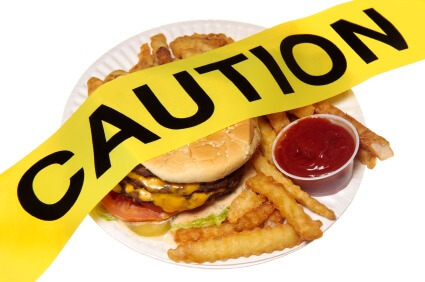
So, [October 18], millions of Americans woke up to the latest alarmist headline—that burger chains are using meat contaminated with antibiotics.

Except, that’s not at all what the reports says. In fact, the report doesn’t say much of anything about the safety of the meat being used in American fast food restaurants.

Instead, the report simply grades restaurants based on their antibiotic policies—or rather, grades them based on their adoption of antibiotic policies approved by radical green groups. In other words, the report gave a higher score to the restaurants that claim they source their meat from animals that have never (ever!!) received antibiotics.

While mainstream media stories suggest the report is from the Consumers Union, which produces Consumer Reports, the report’s authors actually have nothing to do with that publication. Instead, the authors — Matthew Wellington and Shelby Luce — both work for the U.S. Public Interest Research Group (more commonly known as U.S. PIRG) ….  The Consumers Union, which publishes Consumer Reports, has been increasingly active on and promoting of left-wing causes for years. For almost 20-years, the organization and publication has maintained a solid anti-GMO stance—promoting bad science and quackery in order to push for more restrictions on the biotech industry.

Read full, original article: No! Your Fast Food Burger Isn’t Contaminated with Antibiotics

High profile dispute over GMO safety shines spotlight on China’s biotech handwringing

chinamon

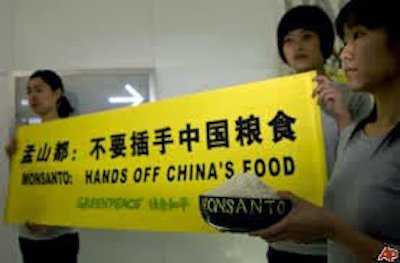
A dispute between two state-run newspapers over an interview has highlighted China’s unabated fear of genetically modified food.

Science and Technology Daily, the official newspaper of China’s Ministry of Science and Technology, has called (link in Chinese) an interview published in a provincial newspaper “seriously misleading” because of the interviewee’s opposition to genetically modified organisms (GMOs).

“In recent years, China’s top scientific, medical and military medical research institutions have reached the conclusion that genetically modified soybeans are unsafe, so we should pay attention,” Wang Xiaoyu, deputy secretary of the Heilongjiang Soybean Association, said (link in Chinese) in an interview that appeared Thursday in the Heilongjiang Daily.

But Wang’s statements are untrue, and there is no evidence that GMO products approved for sale around the world pose safety risks, the Science and Technology Daily editorial said.

The Chinese government has supported GMO development projects, producing modified strains of rice and corn. The country also imports a substantial amount of GMO soybeans each year, mostly for use in animal feed and vegetable oil. But the entry of these products into the massive Chinese market and onto Chinese farms has faced significant pushback ….

The Chinese public continues to be wary of the products, thanks to longstanding food safety fears rooted in the country’s history of food scandals. Only 11.9% of Chinese respondents to a 2018 survey had positive views of GMO food ….

Read full, original article: Chinese State Newspapers Argue Over Genetically Modified Soybeans