No country has yet approved human embryo gene editing

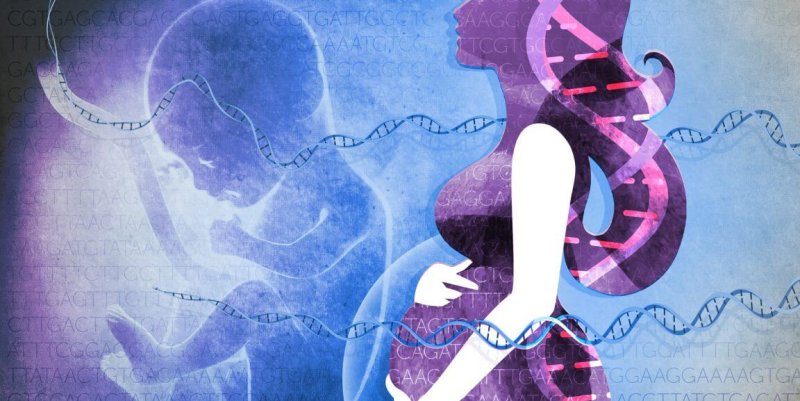
[F]our researchers reviewed policy documents from 106 countries to map out the policy landscape regarding human germline and heritable genome editing, finding that only 11 countries explicitly allow the use of genetically modified in vitro embryos in laboratory research, and that no country allows for the use of such embryos to initiate pregnancies.

The discussion around the social, ethical and policy implications of gene editing is not a new one, and in fact, spans many decades. Here, heritable genome editing refers to genetically modifying embryos, which when transferred to a uterus to initiate a pregnancy, would result in the birth of a child with a modified genome. The child’s descendants would also inherit a genetically modified genome.


Mis- and disinformation are distorting science and public policy. Subscribe to our Daily and Weekly Digests for incisive coverage of ‘disruptive’ innovations in AI, agricultural biotechnology, food, chemicals, nuclear energy, vaccines, and other disruptive innovations.

“As the authors point out, this suggests that there may be a greater agreement [and a] greater commonality in terms of approaching that topic than prior analyses have acknowledged or noticed. So when it comes to things like having an international moratorium for example, or having international prohibitions, I think many people think that there’s so much variation across countries that you really can’t develop meaningful international standards, or trans-national standards. I think their research suggests that there may be broader agreement than many commentators or many contributors to this subject have assumed in the past,” [said bioethicist Leigh Turner.]


Read the original post

Related Articles

Infographic: Global regulatory and health research agencies on whether glyphosate causes cancer

Infographic: Global regulatory and health research agencies on whether glyphosate causes cancer

Does glyphosate—the world's most heavily-used herbicide—pose serious harm to humans? Is it carcinogenic? Those issues are of both legal and ...

Most Popular

ChatGPT-Image-Mar-10-2026-01_39_01-PM
Viewpoint—“Miracle molecule” debunked: Why acemannan supplements don’t work
ChatGPT-Image-Sep-2-2026-02_03_32-PM
How much of a problem is AI’s water use?
ChatGPT-Image-Aug-26-2026-12_46_16-PM
Viewpoint: The fake controversy over whether combining childhood vaccines is dangerous— a debate science resolved 25 years ago
ChatGPT-Image-Sep-22-2026-10_32_46-AM
There has been a slew of recent reports of food recalls and foodborne outbreaks. Do we face an escalating problem?
ChatGPT-Image-Sep-10-2026-01_44_53-PM
Viewpoint: Why medical and health nonsense spreads so casually on pop culture media
ChatGPT-Image-Sep-18-2026-01_38_09-PM
Microsoft exec: AI is a ‘doom loop’ scraping the ‘largest theft of labor in human history'
Screenshot-2026-09-17-at-12.00.30-PM
Investigative group ProPublica finds links between ectopic pregnancy deaths and abortion bans
ChatGPT-Image-Sep-21-2026-03_41_02-PM
Viewpoint: Does IQ really measure intelligence? BBC gets it wrong.
ChatGPT-Image-Sep-23-2026-11_47_32-AM
Facing pressure from Trump administration, fewer hospitals offer medical treatment for transgender minors
Screenshot-2026-09-16-at-3.14.20-PM
19%: Plunging support for Trump-RFK, Jr. measles vaccine safety oversight
ChatGPT-Image-Sep-17-2026-11_03_54-AM-2
AI sparks a bioweapons race
Screenshot-2026-09-16-at-2.26.42-PM
Viewpoint: How to ecologically damage America’s forests: Ban glyphosate
ChatGPT-Image-Sep-17-2026-12_28_43-PM
Vitamin D, omega-3 fish oil and glucosamine supplements could cause brain damage 
glp menu logo outlined

Get news on human & agricultural genetics and biotechnology delivered to your inbox.