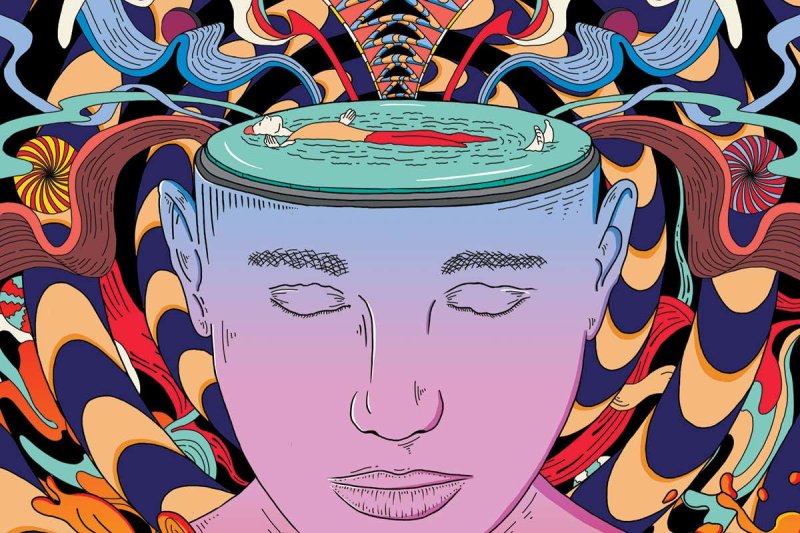
Is psychedelic-assisted group therapy the wave of the future?

Credit: Sharm Murugiah

Researchers are beginning to investigate psychedelic-assisted group therapy as a way to let patients connect more deeply, exploring the inner depths of their thoughts together, and to broaden access to the potential medical benefits of psychedelics, including an increased ability to “reset” the brain.

Though group therapy has incorporated different psychotherapeutic approaches over the years and went virtual during the pandemic, the basic tenets—adults gathering to talk and weather shared struggles, among them addiction and depression—have remained largely unchanged.

Some researchers say that by sharing potentially life-altering psychedelic experiences together, people could strengthen social connections and boost their sense of belonging, helping disenfranchised people reconnect with society. The shared experiences could also amplify accountability between members of the group. In a social context, being part of a group, being selfless and helping others triggers the reward centers of the brain, research shows.


Mis- and disinformation are distorting science and public policy. Subscribe to our Daily and Weekly Digests for incisive coverage of ‘disruptive’ innovations in AI, agricultural biotechnology, food, chemicals, nuclear energy, vaccines, and other disruptive innovations.

“The idea is you unlock people’s capacity to dive deeper into the emotional experience,” says Dr. Molyn Leszcz, a professor of psychiatry at the University of Toronto and president of the American Group Psychotherapy Association, who has reviewed the limited reports on psychedelics but doesn’t consider himself an advocate yet. “The psychedelic drugs seem to turbocharge what existential confrontation would do for many people.”


Read the original post

Related Articles

Infographic: Global regulatory and health research agencies on whether glyphosate causes cancer

Infographic: Global regulatory and health research agencies on whether glyphosate causes cancer

Does glyphosate—the world's most heavily-used herbicide—pose serious harm to humans? Is it carcinogenic? Those issues are of both legal and ...

Most Popular

ChatGPT-Image-Mar-10-2026-01_39_01-PM
Viewpoint—“Miracle molecule” debunked: Why acemannan supplements don’t work
ChatGPT-Image-Sep-2-2026-02_03_32-PM
How much of a problem is AI’s water use?
ChatGPT-Image-Sep-10-2026-01_44_53-PM
Viewpoint: Why medical and health nonsense spreads so casually on pop culture media
ChatGPT-Image-Aug-26-2026-12_46_16-PM
Viewpoint: The fake controversy over whether combining childhood vaccines is dangerous— a debate science resolved 25 years ago
ChatGPT-Image-Sep-22-2026-10_32_46-AM
There has been a slew of recent reports of food recalls and foodborne outbreaks. Do we face an escalating problem?
ChatGPT-Image-Sep-18-2026-01_38_09-PM
Microsoft exec: AI is a ‘doom loop’ scraping the ‘largest theft of labor in human history'
Screenshot-2026-09-17-at-12.00.30-PM
Investigative group ProPublica finds links between ectopic pregnancy deaths and abortion bans
Screenshot-2026-09-16-at-3.14.20-PM
19%: Plunging support for Trump-RFK, Jr. measles vaccine safety oversight
ChatGPT-Image-Sep-23-2026-11_47_32-AM
Facing pressure from Trump administration, fewer hospitals offer medical treatment for transgender minors
ChatGPT-Image-Sep-21-2026-03_41_02-PM
Viewpoint: Does IQ really measure intelligence? BBC gets it wrong.
Screenshot-2026-09-16-at-2.26.42-PM
Viewpoint: How to ecologically damage America’s forests: Ban glyphosate
ChatGPT-Image-Sep-17-2026-11_03_54-AM-2
AI sparks a bioweapons race
ChatGPT-Image-Sep-17-2026-12_28_43-PM
Vitamin D, omega-3 fish oil and glucosamine supplements could cause brain damage 
glp menu logo outlined

Get news on human & agricultural genetics and biotechnology delivered to your inbox.