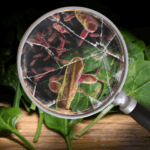
‘Smart plants’: The next generation of crops will have genetic on-off switches

Credit: Washington University School of Medicine

Climate change is going to put a severe strain on the ability of the world’s plants to survive. Entire ecosystems could collapse with the loss of key plants, and agriculture could implode as we know it. Though over time these plants might evolve and develop more robust traits to beat the heat and survive harsher weather, things may be warming too rapidly for us to simply wait for evolution to take the wheel.

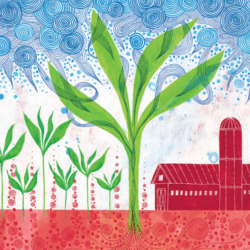
Scientists at Stanford University think they may have a solution: genetic circuits that can turn the dial on specific genes to control the root growth of plants, paving the way to developing “smart plants” that can respond to climate change. The team tested out these new circuits by applying them to tobacco leaves and arabidopsis plants, and published the results [August 11] in the journal Science.

Follow the latest news and policy debates on sustainable agriculture, biomedicine, and other ‘disruptive’ innovations. Subscribe to our newsletter.

These synthetic circuits can only turn on in the presence of these promoters, which means that the desired changes would only affect parts of the plant—not the whole. [Researcher José] Dinneny said that this degree of control over their modifications could be a benefit compared to traditional genetic modification used to make GMOs, which affect the entire crop.

This is an excerpt. Read the original post here

{{ reviewsTotal }}{{ options.labels.singularReviewCountLabel }}
{{ reviewsTotal }}{{ options.labels.pluralReviewCountLabel }}
{{ options.labels.newReviewButton }}
{{ userData.canReview.message }}

Related Articles

Infographic: Global regulatory and health research agencies on whether glyphosate causes cancer

Infographic: Global regulatory and health research agencies on whether glyphosate causes cancer

Does glyphosate—the world's most heavily-used herbicide—pose serious harm to humans? Is it carcinogenic? Those issues are of both legal and ...

Most Popular

Screenshot-2026-04-22-at-12.21.32-PM
Viewpoint: Why the retracted Monsanto glyphosate study doesn’t change the science—the world’s most popular herbicide is safe 
ChatGPT-Image-Apr-16-2026-02_56_53-PM
Financial incentives, over diagnosis, and weak oversight: Autism claims are driving up Medicare costs
Picture1
The FDA couldn’t find a vaccine safety crisis, so it buried its own research
ChatGPT-Image-May-1-2026-11_42_59-AM-2
Viewpoint: NAD is the wellness grifters latest evidence-lite longevity fad. At least the mice are impressed.
Screenshot-2026-05-21-at-12.15.17-PM
UK gene-editing milestone: Livestock barley that increases ruminant value and reduces methane emissions is first-approved CRISPR crop
global warming
‘Implausible’: Top climate scientists reject worst-case scenario—soaring temperatures and fast-rising sea levels
Screenshot-2026-05-21-at-3.15.53-PM
Chiropractors may no longer be modern-day snake oil salesmen, but the benefits of their therapy are limited–at best

Sorry. No data so far.

glp menu logo outlined

Get news on human & agricultural genetics and biotechnology delivered to your inbox.