Vaccines are under fire, accused of not being tested against a placebo. That’s wrong. Here’s how they are tested for safety

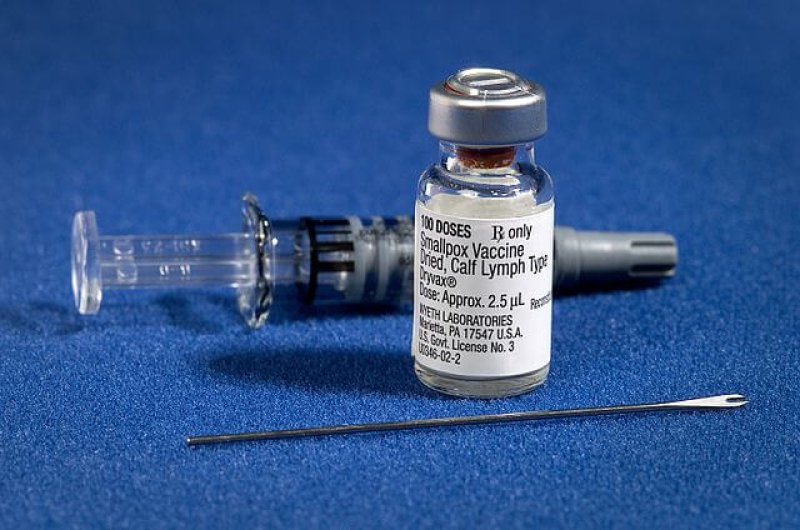
640px-Smallpox_vaccine

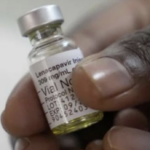
U.S. Health and Human Services Secretary Robert F. Kennedy Jr. plans to require all new vaccines be tested against a placebo in human trials, and has said that almost no shots used in the United States have undergone such rigorous testing, which is not accurate. In order to receive approval from the U.S. Food and Drug Administration, most new medical treatments must be tested in large trials to confirm their effectiveness and safety.

Follow the latest news and policy debates on sustainable agriculture, biomedicine, and other ‘disruptive’ innovations. Subscribe to our newsletter.

In many randomized trials, a new therapy is compared to an older, well established therapy. If no standard therapy already exists, the new treatment is compared to a placebo – an inert sham treatment without any therapeutic or physiological effect.

After successful testing in randomized controlled trials, all vaccines are then monitored in “real world” studies, which usually include more diverse patient populations and reflect actual use in routine healthcare settings.


This is an excerpt. Read the original post here

{{ reviewsTotal }}{{ options.labels.singularReviewCountLabel }}
{{ reviewsTotal }}{{ options.labels.pluralReviewCountLabel }}
{{ options.labels.newReviewButton }}
{{ userData.canReview.message }}

Related Articles

Infographic: Global regulatory and health research agencies on whether glyphosate causes cancer

Infographic: Global regulatory and health research agencies on whether glyphosate causes cancer

Does glyphosate—the world's most heavily-used herbicide—pose serious harm to humans? Is it carcinogenic? Those issues are of both legal and ...

Most Popular

ChatGPT-Image-May-26-2026-07_51_21-AM-2
Viewpoint: There are more than 1,000 chemicals in a cup of coffee—including many substances that can cause cancer. Why isn’t it banned?
Screenshot 2026-05-29 at 2.47
Psychological inoculation: With a vaccine to prevent HIV on the horizon, misinformation is soaring. What can be done.
Screenshot-2026-04-30-at-11.33.46-AM
Anti-seed-oil to anti-vax pipeline: MAHA movement spreads to teen influencers
ChatGPT-Image-May-28-2026-02_12_17-PM
Can ‘Social Stress Indicators’ help contain social media misfluencers?
Screenshot 2025-07-30 at 10.48
Can gene editing eliminate Down syndrome? Scientists have done it in lab-grown cells
Screenshot-2026-05-29-at-1.23.52-PM
Viewpoint: Scientists recently revised downward the likelihood of catastrophic global warming. Reassured? You shouldn't be.
Screenshot-2026-04-14-at-11.11.06-AM
‘Turbo cancer’ or mRNA cancer cure? Strategies to counter misinformation
ChatGPT-Image-May-22-2026-10_56_42-AM-2
‘It’s not super useful’: As wariness about AI grows, Trump proposes rollback of healthcare safeguards
ChatGPT Image May 28, 2026, 08_16_38 PM
Viewpoint: Why the EPA mismeasures cancer risk of chemicals and what should be done to fix it
ChatGPT-Image-Mar-10-2026-01_39_01-PM
Viewpoint—“Miracle molecule” debunked: Why acemannan supplements don’t work
downsyndrome_compilation_MID_1
CRISPR breakthrough that can remove the chromosome responsible for Down syndrome raises ethical questions
Screenshot-2026-05-27-at-10.51.25-AM
Viewpoint: ‘Monsanto’ blues—Planned Netflix movie promises yet another round of anti-glyphosate disinformation
Screenshot-2026-05-29-at-12.17.58-PM
RFK, Jr.’s delusion: Anti-depressants are not harder to quit than heroin—but that does not mean tapering off is easy
glp menu logo outlined

Get news on human & agricultural genetics and biotechnology delivered to your inbox.