Would you pay more for foods genetically engineered to benefit consumers?

peanut facebookJumbo v

Current consumer research indicates that consumers say they will pay a higher price for food with certain attributes. It has already been proven by the marketplace that shoppers will pay a higher price for organic food products, even when most have no idea what that really means. Surveys suggest that consumers say they will pay more for ethically produced foods, even they have no idea what that means. With this as a background, I feel it will not be long before consumers will be willing to pay more for genetically engineered foods.

Now, this may seem a bit of a stretch given the current consumer resistance to food items labeled with GMO. For the most part, the biotechnology in food products today benefits the producer and the processor and not the consumer. All that is about to change.

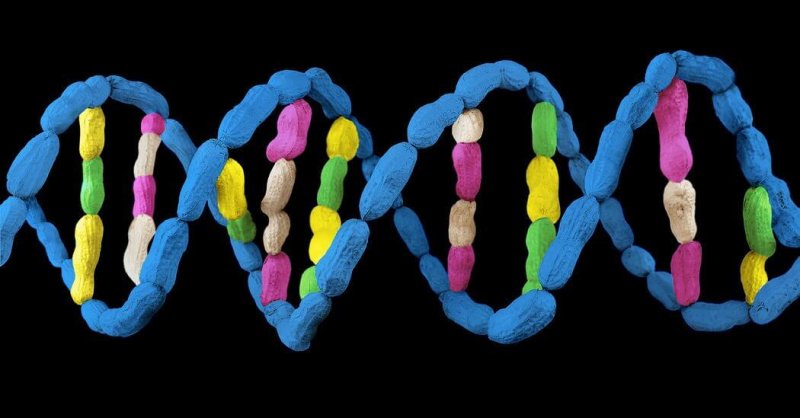
Coming very soon are food products with benefits consumers want, made possible by biotechnology, for example, peanuts that do not cause allergic reactions. This has already been accomplished. Also in the pipeline, wheat without gluten. Then there are apples that do not turn brown in your kid’s lunchbox. Next will be foods fortified with healthy attributes and, perhaps, chocolate, soda, donuts, and beer that don’t make you fat.


Read full, original post: Commentary: Will Consumers Pay More for GMO Food?

Related Articles

Infographic: Global regulatory and health research agencies on whether glyphosate causes cancer

Infographic: Global regulatory and health research agencies on whether glyphosate causes cancer

Does glyphosate—the world's most heavily-used herbicide—pose serious harm to humans? Is it carcinogenic? Those issues are of both legal and ...

Most Popular

ChatGPT-Image-Mar-10-2026-01_39_01-PM
Viewpoint—“Miracle molecule” debunked: Why acemannan supplements don’t work
ChatGPT-Image-Sep-2-2026-02_03_32-PM
How much of a problem is AI’s water use?
ChatGPT-Image-Sep-22-2026-10_32_46-AM
There has been a slew of recent reports of food recalls and foodborne outbreaks. Do we face an escalating problem?
ChatGPT-Image-Aug-26-2026-12_46_16-PM
Viewpoint: The fake controversy over whether combining childhood vaccines is dangerous— a debate science resolved 25 years ago
ChatGPT-Image-Sep-21-2026-03_41_02-PM
Viewpoint: Does IQ really measure intelligence? BBC gets it wrong.
Screenshot-2026-09-17-at-12.00.30-PM
Investigative group ProPublica finds links between ectopic pregnancy deaths and abortion bans
ChatGPT-Image-Sep-18-2026-01_38_09-PM
Microsoft exec: AI is a ‘doom loop’ scraping the ‘largest theft of labor in human history'
ChatGPT-Image-Sep-23-2026-11_47_32-AM
Facing pressure from Trump administration, fewer hospitals offer medical treatment for transgender minors
ChatGPT-Image-Sep-10-2026-01_44_53-PM
Viewpoint: Why medical and health nonsense spreads so casually on pop culture media
Screenshot-2026-09-16-at-3.14.20-PM
19%: Plunging support for Trump-RFK, Jr. measles vaccine safety oversight
Screenshot-2026-09-23-at-11.55.01-AM
How can we know if social media bans actually help teens?
Screenshot-2026-09-16-at-2.26.42-PM
Viewpoint: How to ecologically damage America’s forests: Ban glyphosate
ChatGPT-Image-Sep-17-2026-12_28_43-PM
Vitamin D, omega-3 fish oil and glucosamine supplements could cause brain damage 
glp menu logo outlined

Get news on human & agricultural genetics and biotechnology delivered to your inbox.