Next generation climate-sensitive agriculture: Slew of CRISPR crops are in development that limit buildup of carbon in the atmosphere

Credit: ISAAA
Credit: ISAAA

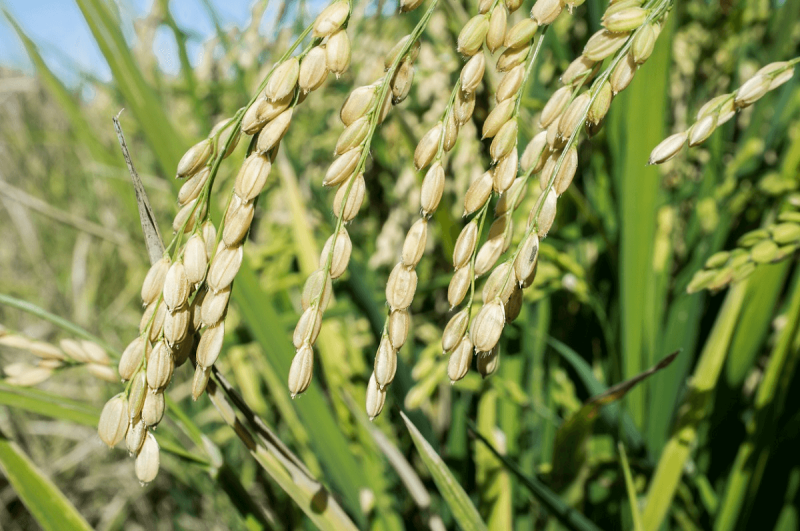
There is a push to use CRISPR to make agricultural technologies that pull carbon dioxide (CO2) out of the air and store it better in the soil. With the help of CRISPR technology, scientists are making gene edited plant varieties that are better at storing carbon and don’t have the traits of genetically modified organisms (GMOs) that are made with transgenes.

Many research projects have sprung up to enhance biological carbon sequestration and thereby help restore balance to the carbon cycle and prevent further buildup of CO2 in the atmosphere.

Mis- and disinformation are distorting science and public policy. Subscribe to our Daily and Weekly Digests for incisive coverage of ‘disruptive’ innovations in AI, agricultural biotechnology, food, chemicals, nuclear energy, vaccines, and other disruptive innovations.

The [Innovative Genomics Institute, or] IGI has started with rice as the model organism. “If we succeed in rice, there are going to be homologues in other grass varieties,” [Executive Director Bradley] Ringeisen predicts. “Simultaneously, we’re working to try to improve the genetic tractability of sorghum, a really deep-rooted crop that can be used for carbon capture and grain for livestock feed. It’s also a bioenergy crop, so you can imagine converting some of the above-ground biomass into bio-oils or other forms of bioenergy as well. We really see this potentially blooming out into a lot of different areas to really have global impact.”

This is an excerpt. Read the original post here

Related Articles

Infographic: Global regulatory and health research agencies on whether glyphosate causes cancer

Infographic: Global regulatory and health research agencies on whether glyphosate causes cancer

Does glyphosate—the world's most heavily-used herbicide—pose serious harm to humans? Is it carcinogenic? Those issues are of both legal and ...

Most Popular

ChatGPT-Image-Mar-10-2026-01_39_01-PM
Viewpoint—“Miracle molecule” debunked: Why acemannan supplements don’t work
ChatGPT-Image-Sep-2-2026-02_03_32-PM
How much of a problem is AI’s water use?
ChatGPT-Image-Sep-10-2026-01_44_53-PM
Viewpoint: Why medical and health nonsense spreads so casually on pop culture media
Screenshot-2026-09-16-at-3.14.20-PM
19%: Plunging support for Trump-RFK, Jr. measles vaccine safety oversight
ChatGPT-Image-Sep-17-2026-12_28_43-PM
Vitamin D, omega-3 fish oil and glucosamine supplements could cause brain damage 
Screenshot-2026-09-16-at-2.26.42-PM
Viewpoint: How to ecologically damage America’s forests: Ban glyphosate
ChatGPT-Image-Sep-16-2026-11_28_54-AM
Viewpoint: Study links childhood vaccination to autism!!! Here’s how anti-vaxxers twist evidence to corrupt science
ChatGPT-Image-Sep-21-2026-10_55_04-AM
Viewpoint: America’s food-safety system is being methodically dismantled by the Trump administration.
ChatGPT-Image-Sep-17-2026-11_03_54-AM-2
AI sparks a bioweapons race
ChatGPT-Image-Sep-21-2026-02_35_25-PM
22-year frozen embryo: In one of the longest delayed births ever, middle-aged Greek couple gives birth to a daughter
Screenshot-2026-09-10-at-12.20.19-PM
'Jet fuel didn't melt the steel': 9/11 conspiracy theories debunked
glp menu logo outlined

Get news on human & agricultural genetics and biotechnology delivered to your inbox.