Republican bill could force workers to involuntarily disclose sensitive DNA data to employers

genetic screening

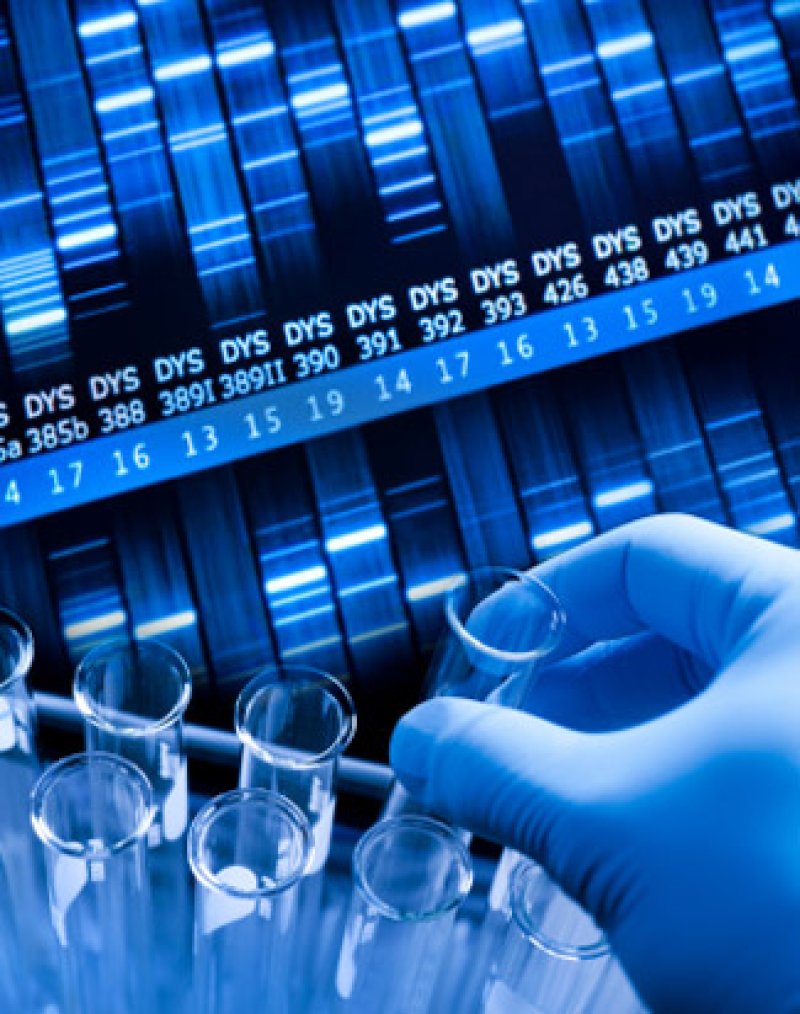
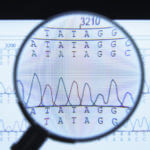
It’s hard to imagine a more sensitive type of personal information than your own genetic blueprints…[T]he four-base code can reveal bits of your family’s past, explain some of your current traits and health, and may provide a glimpse into your future with possible conditions and health problems you could face.

Most people would likely want to keep the results of genetic tests highly guarded…But, as STAT reports, a new bill that is quietly moving through the House would allow companies to strong-arm their employees into taking genetic tests [as part of the company’s wellness program] and then sharing that data with unregulated third parties as well as the employer. Employees that resist could face penalties of thousands of dollars.

[R]esearch has shown that [company wellness programs] have little effect on employee health and may actually end up costing companies. Still, they may survive as a way to push healthcare costs onto employees.


Moreover, employers tend to hire third parties to collect and manage health data. These companies are not heavily regulated and can review genetic and other health data with identifiers. Some of the companies even sell health information to advertisers, STAT notes.

The GLP aggregated and excerpted this blog/article to reflect the diversity of news, opinion, and analysis. Read full, original post: New bill would let companies force workers to get genetic tests, share results

Related Articles

Infographic: Global regulatory and health research agencies on whether glyphosate causes cancer

Infographic: Global regulatory and health research agencies on whether glyphosate causes cancer

Does glyphosate—the world's most heavily-used herbicide—pose serious harm to humans? Is it carcinogenic? Those issues are of both legal and ...

Most Popular

ChatGPT-Image-Sep-2-2026-10_30_14-PM
Zero: That is the official American measles death toll for 2026. Here is what RFK Jr.’s CDC leaves out.
ChatGPT-Image-Sep-13-2026-10_24_17-AM
Bayer urges court to approve $7.25 billion Monsanto Roundup settlement that could limit its future liabilities
Screenshot-2026-09-10-at-12.20.19-PM
'Jet fuel didn't melt the steel': 9/11 conspiracy theories debunked
screenshot at  am
‘Glyphosate is not carcinogenic’: Independent EU chemical oversight agency reaffirms—for the 3rd time in 9 years—that the herbicide is safe-as-used
ChatGPT-Image-Sep-14-2026-11_36_25-AM
How the reckless AI race among Anthropic, OpenAI and China spawned today’s safety crisis
ChatGPT-Image-Mar-10-2026-01_39_01-PM
Viewpoint—“Miracle molecule” debunked: Why acemannan supplements don’t work
ChatGPT-Image-Aug-28-2026-03_33_46-PM
Viewpoint: Bad science—Five bogus Trump administration claims about vaccines and autism
Screenshot-2026-09-14-at-3.07.56-PM
Trump EPA rolls back power-plant climate rules—and moves to block future carbon limits
ChatGPT-Image-Sep-13-2026-10_46_11-AM
“Hit the brakes”: Anthropic warns the race to superintelligence could spawn internet-seizing AI swarms—and empower authoritarians. Here’s how to stop it.
Screenshot-2026-09-14-at-10.52.30-AM
AI is being used in dangerous bioscience experiments
ChatGPT-Image-Sep-14-2026-02_57_24-PM
Viewpoint: 6 Atlantic Council expert opinions on the U.S., China and the AI safety crisis
Screenshot-2026-08-04-at-11.36.16-AM
Viewpoint: Emotion-driven stories of doctors allegedly ignoring patient concerns are driving vaccine hesitancy
ChatGPT-Image-Aug-14-2026-11_16_47-AM
Fibermaxxing: Latest Instagram diet craze raises hope that a fiber-rich diet can improve health
glp menu logo outlined

Get news on human & agricultural genetics and biotechnology delivered to your inbox.