


Chemical Controversies
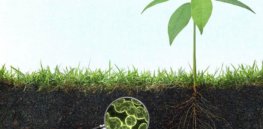
Replacing industrial produced fertilizers: Specially-bred soil-enriching bacteria poised to dramatically cut crop chemical inputs, protecting farms and the climate
[A]s the world’s demand for agricultural products has grown, the nutrients needed to grow all our crops has far outpaced ...

Viewpoint: How European ‘precautionary politics’ hobble Kenya’s attempts to embrace biotechnology
Europe has now changed the way it approves pesticides, with its decisions no longer based on science or international testing ...
‘We’re simultaneously reducing our reliance on crop-protection products and getting better at killing weeds’: Crop biotechnology and other innovations provide pesticide alternatives
Controlling weeds is all about balance: We must balance the needs of the plants we want to grow and those ...

Viewpoint: European political opposition to genetically modified crops softens while US anti-glyphosate hysteria rages
Unlike America, Europe has traditionally been highly cautious of genetically modified organisms (GMOs) – specifically, crops for animal feed and ...

Viewpoint: Organic only experiment in Sri Lanka goes awry — ‘The government would do well to listen to the country’s agricultural scientists and not to quacks masquerading as experts’
[Sri Lankan] President Rajapaksa’s ill-conceived and extremist policy, announced in April this year, of banning the import of all chemical ...

Viewpoint: Meta-review of 266 studies concludes weedkiller paraquat doesn’t cause Parkinson’s disease
In order to examine the extent to which a consensus exists in the scientific community regarding the relationship between paraquat ...

Viewpoint: Sri Lanka economic crisis deepens as recently-imposed chemical fertilizer ban stirs inflation in a country already suffering from the pandemic
An ill-advised ban on the use of chemical fertilisers and pesticides, combined with pandemic-induced contraction of the economy and decline ...
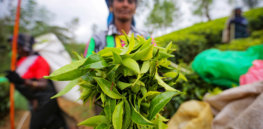
Sri Lanka’s plan to go ‘all organic’ and end use of synthetic chemicals leaves staple tea industry in ‘complete disarray’
Sri Lanka’s drive to become the world’s first 100 percent organic food producer threatens its prized tea industry and has ...

Viewpoint: ‘Neonicotinoids and other seed treatments are a precise tool and critical component of safe, integrated pest management practices’ — American Seed Association challenges ‘misunderstandings’
Treated seeds have been widely adopted by growers for two key reasons: 1. They are a highly effective tool for farmers ...
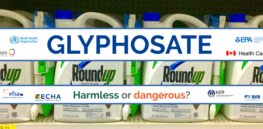
Infographic: Does consuming micro-traces of glyphosate (aka Roundup) in our food cause cancer? All 20 global regulatory and chemical oversight agencies say ‘no’, while anti-biotech activists spin the data
Glyphosate weedkiller, once marketed exclusively under the name RoundUp by its originator Monsanto, is the world's most popular herbicide, used ...

Viewpoint: Here’s how activist scientists use exaggerated fears of trace chemicals as a subterfuge to try to derail crop biotechnology
Environmental Health published on August 3, 2021 “Commentary: Novel strategies and new tools to curtail the health effects of pesticides” ...
Video: Are pesticides harmful or bad for biodiversity? Challenging 5 widely-held myths
Below, you will find five of the most common myths about pesticides, and the truth about them. MYTH: Pesticides are ...

Viewpoint: The biggest threat to our food supply is not chemicals but chemophobia
My cousin is a baking whiz, and runs her own cookie enterprise. The recipes happen to call for potato flour ...

GLP Podcast: ‘Big Fears, Little Risks’ — Documentary featuring GLP experts tackles GMO, vaccine skepticism
The evidence is in: genetic engineering promotes sustainable farming; vaccines save lives; and nuclear energy is our best hope of ...
Viewpoint: Politics — not science — driving Canadian policy decisions over glyphosate and other agricultural tools
Ahead of a federal election call, three [Canadian] federal ministers called a halt to a process that would likely have ...

First global index of pollinator population changes: Habitat loss and land management are primary drivers, with pesticides last
The top three global causes of pollinator loss are habitat destruction, followed by land management – primarily the grazing, fertilizers ...
Does paraquat cause Parkinson’s disease? An academic review of reviews says ‘no’
To examine the extent to which a consensus exists in the scientific community regarding the relationship between exposure to paraquat ...

Study: Glyphosate residues in food are not only below legal limits, they are ‘well below the amount that can be ingested daily over a lifetime with a reasonable certainty of no harm’
Glyphosate is the active ingredient in Roundup® brand nonselective herbicides, and residue testing for food has been conducted as part of ...
Montreal becomes first Canadian jurisdiction to ban glyphosate
Montreal will be the first municipality in North America to completely ban the sale of more than 100 pesticide products ...

Viewpoint: ‘The debate on glyphosate in Canada is populist, chaotic, political and simply unsettling’
Canadians had until July 20 to comment on the federal government’s proposal to increase the amount of glyphosate herbicide residue ...

California appeals court upholds $86 million dollar glyphosate cancer verdict
Bayer lost a third appeal against U.S. court verdicts that awarded damages to customers blaming their cancers on use of ...
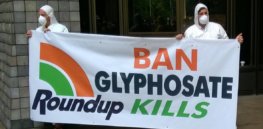
‘War on glyphosate’ and the unintended negative environmental consequences of the demonization of a safe and effective herbicide and its removal from the garden market
Across social media they celebrated. The electronic victory laps commemorated Bayer’s decision to remove the herbicide Roundup from the residential ...
Crop Chemophobia II: When activist journalists twist science in support of ideology
Attacking pesticides is sexy. Many activists, lawyers and journalists have made careers out of propagating a simple, compelling narrative about ...

Crop chemophobia I: Pesticides are vital to organic and conventional agriculture — but they can be misused. Here’s how to distinguish between legitimate concerns and anti-science propaganda
It seems not a month goes by without an “investigative reporter” somewhere on the internet warning about the dangers of ...

Nature study finds growth and body composition of Zebra finches are ‘positively impacted’ by early life exposure to low doses of neonicotinoids
Neonicotinoids are insecticides widely used as seed treatments that appear to have multiple negative effects on birds at a diversity ...
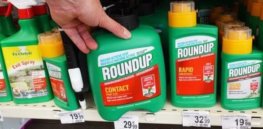
Facing 30,000 unresolved cancer claims, Bayer plans to pull glyphosate from US lawn and garden market by 2023
German drugs and chemicals giant [Bayer] has repeatedly failed to put the Roundup woes behind it. Bayer inherited the legal ...
Viewpoint: It’s time for a reassessment of the International Agency for Research on Cancer (IARC)’s role in sabotaging glyphosate, one of the world’s most popular — and safest — herbicides
As we’re in the midst of a reevaluation of whether the Virology Laboratory in Wuhan, China was the true source ...
