


Food & Ag Features

Jon Entine podcast: Corruption and secrecy behind IARC’s glyphosate cancer designation?
Glyphosate has been in the headlines for two weeks. Here's a background interview with the GLP's executive director explaining the ...

Glyphosate-gate: Policy and science implications of IARC’s ‘predetermined’ cancer finding
Where high-stakes issues involve powerful beliefs, financial reward and opportunities for advancement, neither individuals nor agencies can be assumed to ...

Glyphosate, IARC and politics: ‘We need a more honest debate’
Glyphosate is one of the most hotly-debated herbicides of the modern era. Many of the arguments against the popular weed-killer ...

There’s ‘Big Ag’ and ‘Big Organic’—How much does ‘big’ matter when it comes to sustainability?
It's the way crops are farmed not the farm's size that matters when it comes to sustainability ...

‘GMO’ petunias: Ridiculousness exposed and explained
Italian researcher offers satirical look at the story of the GMO petunias that were ordered destroyed. How would you explain ...

Genetic engineering and gene silencing could fight deadly crop mycotoxins—if not blocked by activists
Aflatoxins are responsible for hundreds of millions of dollars in crop losses annually. Farmers have struggled to control the troublesome ...

Viewpoint: Christopher Portier—well-paid activist scientist at center of the ban-glyphosate movement
Christopher Portier, special adviser to the World Health Organization's International Agency for Research on Cancer, is bringing down the reputation ...

Viewpoint: Should US be subsidizing organic farming when label seems increasingly meaningless?
Congress is considering tripling the budget for the USDA's organics program. Should we be asking for more answers from regulators ...

10 truths about GMOs, organics and modern farming
As the debate over GMOs has gone viral, city-dwellers often position themselves as experts on farming. But there's often a ...

Viewpoint: Self-interest, rather than ignorance, key driver in GMO and climate change rejectionism
GMO opponents and climate change deniers often share a common characteristic -- their actions and decisions are driven by the ...

Disease-resistant GMO tomato that could eliminate need for copper pesticides blocked by public fears
Field trials have shown that a disease-resistant GMO tomato variety eliminates the need for copper pesticides that pollute soil and ...

Conventional agriculture holds multiple ecological advantages over organic, analysis shows
Conventional farming outperforms organic in several key measures -- particularly crop yield, according to a meta analysis of 164 research ...

Kevin Folta looks back 5 years after release of controversial Séralini GMO rat study
The heavily criticized and retracted paper linked GMO consumption and glyphosate exposure to cancer in rats. The brouhaha that erupted ...

Do GMOs, pesticides cause cancer? The Amish would say ‘no’
Amish farmers may not get cancer as much, but it's not because they don't use pesticides or GMOs. In fact, ...

Guided evolution of wheat and other grains could feed growing population
Can we breed wheat and other cereal grains with the ability to fertilize themselves? Researchers report promising results that could ...

GMO seeds could be critical for extended space travel, colonization
If we hope to colonize space, scientists must figure out how to feed astronauts on journeys that could last years ...

Creating ‘super wheat’: Genetic modification supercharges photosynthesis
A growing global food demand is challenged by the problem of limited crop-growing space. Could GMO-edited wheat meet this need ...

Viewpoint: No, Big Ag doesn’t ‘control’ the world’s food supply
Is there truth to a common anti-GMO narrative that large multi-national companies seek to “control the food supply” through patents ...

GMO that’s not all GMO: Monsanto’s rootworm-fighting corn seed uses RNA interference
The EPA's relatively quick approval of a new Monsanto seed trait drew criticism from anti-GMO groups that complained about a ...
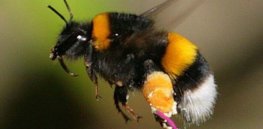
Tale of two neonicotinoid bumble bee studies—And how science can be massaged
Are neonics dangerous for bees? Two studies published on the same day reached sharply different conclusions. Guess which one got ...

Viewpoint: ‘Blistering’ USDA organic report suggests ‘movement’ needs major reforms
The USDA report detailing poor oversight by the agency’s National Organic Program challenges the belief that consumers can trust organic ...

Targeting weeds at the genetic level aids battle against herbicide resistance
Understanding how weeds evolve to become invasive and herbicide-resistant at the genetic level can help scientists design better weed controls ...

Ugandan journalist: How do you report on crop biotechnology when critics spread misinformation?
Genetic engineering could help Uganda combat some of its toughest food security challenges. But anti-GMO activists' misinformation campaigns are standing ...

Did GMO connection prompt Gates Foundation to halt support for corn-aflatoxin breakthrough?
When Gates Foundation reviewers rejected a researcher's bid for new funding, one of the reasons cited was a concern over ...

Left and right share anti-science instincts, rooted in fears of ideological misuse
Anti-science views have been increasingly embraced by political factions, left and right. Both harbor deep suspicions of government, industry and ...

9 misdirected arguments against GMOs
When discussing GMOs, many arguments are put forth on why they are “bad” and should be avoided. A molecular geneticist ...
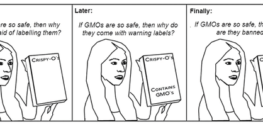
Viewpoint: Anti-GMO online series promotes fear and ‘less sustainable’ farming
Works like the recently released "GMOs Revealed" are making it more difficult for new agricultural techniques to gain widespread acceptance ...
