


Food & Ag Features
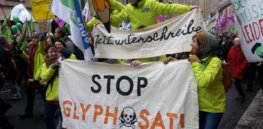
How US NGOs are exploiting Europe’s precautionary chemophobia to ban glyphosate and GMOs
Environmental NGOs have a harder time influencing the evidence-based US regulatory system, so they're taking the fight to Europe — ...

March for Science: Agony and ecstasy of a Malaysian agricultural biotechnology science communicator
In many ways, communicating science can be more difficult than scientific research. As advances in biotechnology speed up, scientists around ...

CRISPR conundrum: Is there a line between GMOs and ‘natural’ crops when genes are edited?
New gene-editing techniques like CRISPR can be detected, but can't be distinguished from "natural" genetic changes. Should regulators and the ...

Neonicotinoid fiasco: How American NGOs turn Europe against science, push EU towards insecticide ban
The current EU ban on neonics has been disastrously counterproductive, resulting in an increased use of more damaging pesticides, mainly ...
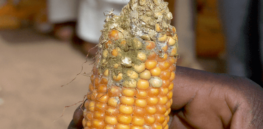
GMO corn that resists cancer-causing aflatoxin showcases biotech’s life-saving potential
The creation of GM corn that neutralizes a cancer-causing toxin is a game-changer for human health. The method could be ...
Will organic community embrace gene editing if it restores ancient crops?
Precision genetic engineering techniques could bring back beneficial genes from wild relatives of crops without using foreign genes. The concept ...

Should Trump scrap USDA’s National Organic Program?
Federal subsidizing of organics has health as well as economic consequences. Many consumers now believe that organic food is healthier, ...

Agricultural biotechnology regulations are a mess — Here’s how Trump can unshackle innovation
For ideological or political reasons unsupported by data, and drawing on risk paradigms decades out of date, the US imposes ...

How ‘human bees’, biotechnologists and Gates Foundation are rescuing the African cassava staple
Neither conventional breeding nor genetic engineering alone can solve the viruses threatening Africa's key crop. Add some Gates' funding and ...

Does National Institutes of Health fund ‘scientifically questionable’ European cancer groups?
The NIH and top official Linda Birnbaum face questions from a Congressional oversight committee about US funding of European cancer ...

Was the EPA right not to ban the crop pesticide chlorpyrifos?
The EPA decision allowing farmers to continue using the popular pesticide chlorpyrifos has drawn both praise and scorn, each side ...
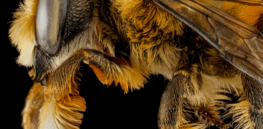
Scientists challenge Center for Biological Diversity report claiming wild bees near extinction
An environmental group's report grabbed headlines for claiming 1 in 4 wild bee species is at risk of extinction. Many ...

New York Times’ Danny Hakim claimed GMOs haven’t increased crop yields; Here’s why he’s wrong
In October 2016, Danny Hakim of the New York Times wrote that GMOs hadn't fulfilled their promise of increased yields ...

Farmer’s view: Celebrities embrace organic cotton over GMOs, but is it more sustainable?
Emma Watson wants people to buy the latest fashions made with organic cotton. Would that be more sustainable than clothes ...

Worst 10 list: Advocacy groups that put ideology ahead of science on food and farming issues
Which organizations promote ideology over science in the debate over crop biotechnology? The list includes some of the most well-known ...

Giving GM crops fair shot: Cultural cognition theory opens consumer minds
Addressing public concerns about GMOs may require a new generation of consumer-focused products and a communication strategy based more on ...

EPA deserves some respect: Environmental regulations should be refined, not dismantled
Primarily in Europe, but increasingly in the US, junk science and activist manipulation diminish the scientific integrity of the regulatory ...

Cognitive dissonance: Why some people ignore science and reject GMO safety
Logical, science-based arguments often seem to have no affect on people hardened in their opposition to GMOs. The reasons are ...

Does most public research funding come from industry?
Who funds public research? UC Davis animal geneticist Alison Van Eenennaam says a funding analysis reveals that most of it ...

Environmental Working Group’s ‘dirty’ marketing serves ‘big organic’ donors, not consumers
Environmental Working Group's list of 'chemically soaked' fruits and vegetables is unscientific and promotes the false idea that conventional foods ...

Farms are not like Eden: The case for aggressive human intervention in agriculture
Farming is controlling nature for our own purposes. There is no utopian state. We should stop trying to restore, recover, ...

Organic activists claim organic Ruby Red grapefruits and durum wheat are GMOs in disguise
Last century, a genetic innovation gave a huge boost to agricultural productivity. And, no, it wasn't recombinant DNA. And yes, ...

Glyphosate found ‘not carcinogenic’: Key European safety agency joins consensus view on herbicide’s safety
A key European safety agency says glyphosate does not cause cancer, paving the way for the herbicide to regain long-term ...

To make farming more sustainable, don’t mimic nature — do it better
Behind many efforts to make agriculture more sustainable is the idea that our farming systems need to be more like ...

UN Commission report promoting organics, critical of pesticides challenged as biased
A recent UN report grabbed headlines for dismissing as ‘myth’ the notion that pesticides are necessary to feed the world ...

Buying organic food to avoid pesticides? You may want to reconsider
Do you seek out organic fruits and vegetables to avoid those on the Environmental Working Group’s Dirty Dozen list, fearful ...

Building Trust For Food Technology Innovation Is A Long Process
Science alone will not build public support for controversial food and farming technologies. Innovation supporters need to encourage a consensus ...
