


Health & Medicine
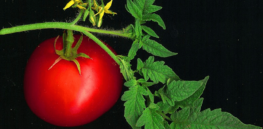
Latest CRISPR food innovation: South Korea develops tomato with enhanced levels of provitamin D3. Will it go to market?
In a new report published in GEN Biotechnology (the sister journal to GEN), researchers from Seoul National University (SNU) in South Korea have applied CRISPR ...
Craving food from morning til bedtime: Anecdotal stories reveal how weight-loss drug Ozempic quells ‘food noise’
Until she started taking the weight loss drug Wegovy, Staci Klemmer’s days revolved around food. When she woke up, she plotted ...
Scientific 180? One tech multi-millionaire’s journey from evidence-based advocate to COVID misinformation missionary
After boosting unproven covid drugs and campaigning against vaccines, Steve Kirsch was abandoned by his team of scientific advisers ...

Cutting back on alcohol and smoking can be almost impossible. In an unexpected twist, weight-loss drug Ozempic may help
Animal studies suggest GLP-1 drugs alter behaviors associated with reward and pleasure ...
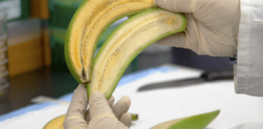
Orange ‘super banana’: Gates-funded Ugandan scientists develop vitamin A enhanced fruit that could help reduce blindness and save lives
Wilberforce Tushemereirwe holds up a genetically modified banana that took millions of dollars and 20 years to make. It contains ...

Should you get COVID and flu shots together?
Over the past several years, the medical community has learned, to its dismay, that we can experience a “twindemic” of ...

The ‘natural wine’ craze: Can naturally-fermented alcohol help you avoid headaches and hangovers?
Fewer headaches. Less severe hangovers. Better gut health. How do these health claims stack up against the science? ...

Viewpoint: Misleading guidance — Why so many nutrition studies get the basic science so wrong
How does what we eat affect our healthspan and longevity? The answer to this relatively concise question is unavoidably complex.” ...

‘Nature’s Ozempic’? How does berberine supplement compare to weight-loss drug Wegovy?
“After seeing how cheap berberine was, I figured I didn’t have anything to lose,” said 34-year-old Savannah Crosby, who has ...

25% of people who lost sense of smell and taste after COVID infection do not recover senses
Millions of Americans have been infected with COVID-19 since the pandemic of the novel coronavirus began in March 2020, and ...

Old polio vaccines can mutate into a dangerous version of the disease — but a new ‘super-engineered’ vaccine is much safer
Scientists have "super-engineered" polio vaccines to prevent them mutating into a dangerous form that can cause outbreaks and paralysis ...

‘Their prognosis has improved so much’: Majority of women diagnosed with early-stage breast cancer survive long-term, study shows
Most women diagnosed with early breast cancer will become long-term survivors, according to new research that finds a substantial reduction ...

Alcohol is good for you, alcohol is bad for you? Here’s yet another study to fuel the debate
Researchers say they may be able to explain how light drinking benefits the heart, and its main effect doesn’t stem ...

Dramatic visual evidence shows how COVID decimates the lungs and causes long-term damage
To better understand the long-term impact of Covid’s assault on the lungs, The New York Times spoke with three patients ...

This 75-year-old Scottish woman doesn’t feel any pain. Could studying her genes help us understand wound healing, depression, and more?
A Scottish woman is one of only a handful of people in the world known to have a rare genetic ...

Ticks and mosquitos are bringing Lyme disease, West Nile virus and other vectored illnesses to new places across the US
Lyme disease and West Nile virus are among the ailments that ticks and mosquitoes are spreading in more of the ...

Allergic to eggs? Here’s how tweaking chicken genes can save kids from anaphylactic shock
Egg allergies are common and may develop during early childhood, resulting in unpleasant symptoms and leading to negative health outcomes ...

Why do treatment outcomes often differ between populations? Human Pangenome Project catalogs genomes of 47 people from around the world to help science understand health disparities
The Human Pangenome Reference Consortium has made significant progress in creating a more inclusive human reference genome by assembling genomic ...

Most animals are born to walk. Why are humans so helpless at birth?
Big brains and narrow hips were long blamed for the relative helplessness of human babies at birth. But the energy ...

‘Dessert stomach effect’: Here’s why you still want sweets even after a huge meal
ASK A RESEARCHER: Jelly babies, vanilla fudge, cola bottles, or giant strawbs – most people have their favourite sweets. But ...

Magnetic brain stimulation: Patients with treatment-resistant depression may benefit from this noninvasive therapy
Patients suffering with hard-to-treat depression may get relief from noninvasive magnetic brain stimulation ...

Why carbon capture alone will not put a dent in our ballooning health crisis
Technology that captures carbon dioxide emissions from burning fossil fuels and stores them underground is being touted as necessary ...

Viewpoint: Greenpeace’s ongoing campaign against Golden Rice is taking nutritious foods from the mouths of children
Every year, hundreds of thousands of children suffer from visual impairment and health problems due to vitamin A deficiency. The ...

Pollution changes the brain: People who breathe polluted air may be at higher risk of anxiety and depression
People who breathe polluted air experience changes within the brain regions that control emotions, and as a result, they may ...
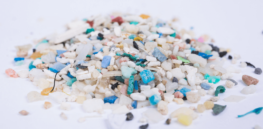
Microplastics are widespread across our food supply. Are they a health hazard?
A new study by CSIRO, Australia’s national science agency, is one of the first to analyze the available academic literature ...

Blood dinner: Why are you targeted by mosquitoes but some lucky few are spared?
Researchers built the ‘world’s largest perfumery for mosquitoes’ to test why some people get eaten alive while others do not ...
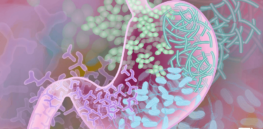
Why do people respond to diets differently? Study on a million Americans probes impact of biology, lifestyle and gut microbiome
There's plenty of one-size-fits-all nutrition advice. But there's mounting evidence that people respond differently to food, given differences in biology, ...
