


Daily Food & Ag Digest
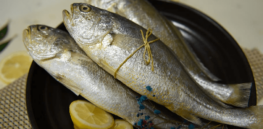
How long before lab-grown fish slows down overfishing?
A team of researchers at Zhejiang University has grown China’s first centimetre-long fish fillets in the laboratory ...

Viewpoint: ‘Rejecting the luxury green beliefs of the privileged West’ — Why developing countries are rebelling against Greenpeace’s anti-technology policies
On May 19, the Moscow Times announced the closure of Greenpeace Russia following the government authorities’ decision to label it “undesirable,” ...
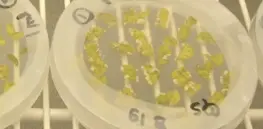
Can we create GMO crops to address climate change and enhance nutrition — yet avoid transgenic labeling and the restrictions that come with it?
Academic researchers and companies in the agricultural biotechnology sector will be able to use a patent-pending Purdue University biology innovation ...
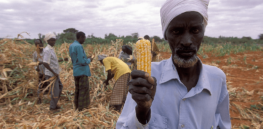
Kenya upholds ban on GMO crop importation
The Attorney General (AG9) has lost a bid to have orders stopping the importation of genetically modified foods (GMO) suspended ...
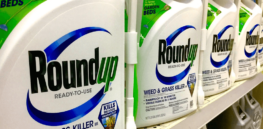
St. Louis jury hands Bayer seventh straight win in defense of Roundup, concluding weedkiller not responsible for gardener’s lymphoma
A spokesperson for Bayer said that a St. Louis County jury's ruling on May 23 in its favor was consistent ...
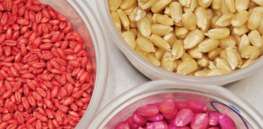
Viewpoint: Cure is worse than the alleged disease? Why New York’s proposed ban on neonicotinoid-coated seeds will lead to increased use of harmful pesticides
Farmers feed us and our families. They sustain us, and, as a crop consultant, I have the privilege of assisting ...
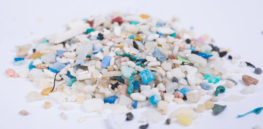
Microplastics are widespread across our food supply. Are they a health hazard?
A new study by CSIRO, Australia’s national science agency, is one of the first to analyze the available academic literature ...

Viewpoint: The politics of farming affects every American. Here’s why agriculture will be the next presidential election’s big issue
Whether it’s Mexico’s threat of banning the import of American corn, or the five-year revamp of the American Farm Bill, ...

Mythinformation: ‘Fear campaigns from anti-biotech NGOs make it a challenge to even keep products on the market let alone introduce new technologies’
Technological innovations in plant breeding can address serious issues from climate resilience to biodiversity decline to sustainable intensification to feed ...

Here’s why much-maligned glyphosate and herbicide-resistant crops are critical to sustainable farming
A newly publicized study by researchers with the University of Saskatchewan confirms what many farmers already knew ...

Cell-based meat: Why the FDA’s cultivated chicken safety clearance is only the first step in popularizing what many consumers still consider ‘just a lab experiment’
Last fall, cultivated-meat company Upside Foods became the first in the U.S. to be viewed as safe for human consumption ...

Why do people respond to diets differently? Study on a million Americans probes impact of biology, lifestyle and gut microbiome
There's plenty of one-size-fits-all nutrition advice. But there's mounting evidence that people respond differently to food, given differences in biology, ...

Baby formula shortage crisis: Lab-cultivated human breast milk could fill gaps in ‘vulnerable’ formula supply chains
In 2020, in a nondescript office building in Durham, North Carolina, a team of scientists used cells to recreate sugar and ...

Viewpoint: Less stress, more energy, better digestion? Why expensive ‘superfood powders’ aren’t better than eating your veggies
You’ve probably noticed ads for these “superfood powders” scattered across social media or on your favorite podcast ...
USDA promotes new rules to improve seed industry competition and enhance resiliency of America’s food supply chains
On March 6, 2023, the United States Department of Agriculture ("USDA") released a new report: "More and Better Choices for ...

What do ‘sustainable’ and ‘humane’ food labels mean?
Americans tend to think that the farmed animals we eat were treated better than they actually were. In one 2017 survey, ...
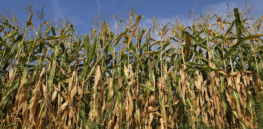
Mexican argument that corn ban does no harm meets US opposition
The Mexican government continues to minimize U.S. concerns over President Andrés Manuel López Obrador's restriction on genetically modified white corn, ...
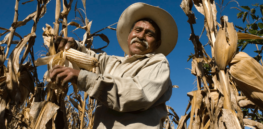
Mexico’s GM corn and glyphosate ban is not just a rejection of science — it’s about a trade pact the country perceives as unfair
In late 2020, Mexico announced its intention to ban genetically modified corn, prompting the United States to threaten a challenge ...

How industrial waste from cheese-making could reduce our dependence on fossil fuels
John Lucey, director of the University of Wisconsin-Madison’s Center for Dairy Research, wants to turn whey into the chemicals used ...

Mustard greens genetically tweaked to be less bitter will be the first CRISPR edited food available in the US when they reach supermarkets this summer
A gene-editing startup wants to help you eat healthier salads. This month, North Carolina–based Pairwise is rolling out a new ...
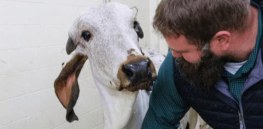
A debilitating virus has plagued the cattle industry for decades. Scientists have now gene-edited a calf resistant to the disease
Bovine viral diarrhea virus can be disastrous to pregnant cows because it can infect developing calves, causing spontaneous abortions and ...

Viewpoint: Grim consequences of Greenpeace’s war on biotechnology — Blindness, hunger, and suffering children
A genetically modified rice variety could save the lives of thousands of children. But now Greenpeace has prevented the sowing because of ...

Which diet is more likely to prolong life: Low-carb or low-fat?
When it comes to diets, every kind of eating plan boasts different benefits, whether it’s weight loss, reducing inflammation, or boosting your brain ...
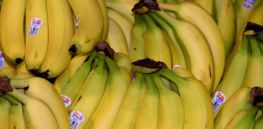
Gene-edited banana that limits Panama disease and protects against browning in development in Panama
Panama disease, also called Panama disease Tropical Race 4 (TR4), is a serious banana disease and is one of the ...
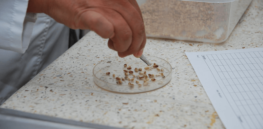
When might CRISPR gene-edited seeds become the norm in farming?
High adoption of gene-edited crop seeds is expected in the next five to ten years, a new report by Rabobank ...
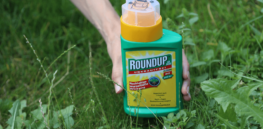
Glyphosate fact check: Micro-traces in food do not constitute a ‘dangerously high amount of weedkiller’
In an April 25 Facebook reel, a man holds a bag of Goldfish crackers and says they "contain a dangerously high ...

Viewpoint: ‘Science does not matter in Europe’ — European Chemicals Agency says weedkiller glyphosate does not cause cancer, but it will be banned nonetheless
The European Chemicals Agency (ECHA) Committee for Risk Assessment is unsurprisingly more literate than a San Francisco jury, so they ...
