


Daily Human Digest

How math skills and a love of patterns are linked to autism
[O]ur brain uses two modules to try to make sense of the world. One systemizes: it looks for patterns and ...

Fibromyalgia is a disease that eludes diagnosis: Can artificial intelligence change that?
There’s no tissue damage that explains the pain fibromyalgia patients experience all over their body, and contemporary medicine struggles to ...
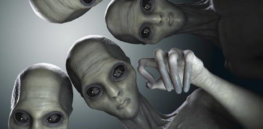
What are the odds that aliens might actually look similar to us?
In his new book, Equations of Life: How Physics Shapes Evolution, Charles Cockell from the University of Edinburgh makes the argument ...

Why microbiome tests may be promising more than they can deliver
Microbiome testing companies have become a thing, offering consumers a chance to see a snapshot of the billions of microbes ...

Why identifying suicide risk among people with autism is a challenge
Studies over the past few years hint that suicidal ideation is more common in people with autism than in the ...

No evidence of early dementia found in NFL and NHL players in small study
New University at Buffalo research is adding important information to the body of knowledge about the cognitive and behavioral status ...
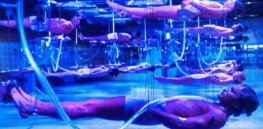
What if humans could hibernate?
Whether they are amphibians, mammals, birds, or something else, animals use metabolic depression to thrive in places where they otherwise ...

Searching for ALS genes in Appalachian Mountain family trees
With patient visits along the way, [Dr. Edward Kasarskis and Debby Taylor would] be tracing, in reverse, the path of ...

Can artificial intelligence point out employee weaknesses, training needs?
Here’s the conundrum with corporate online learning: there are so many classes available from sites like Coursera, edX, and Udacity that companies ...

Tamed foxes could help unravel complex genetics behind social behavior
[D]omestication, based purely on behavioral traits, can result in other changes — like curlier tails and changes to fur color ...
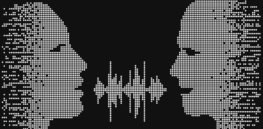
Challenging our understanding of the genetics behind the evolution of human language
The evolution of human language was once thought to have hinged on changes to a single gene that were so ...

Hospital ‘superbugs’ getting better at defeating alcohol-based hand sanitizers
Popular hand sanitizers may be heading the way of antibiotics, according to a study published this week in Science Translational Medicine ...

Searching for signs of autism in early infant behavior
Fearfulness and shyness in babies and toddlers predict features of autism at age 7, according to a new study. But ...

5 things to fear from artificial intelligence in the future
CNBC spoke with some experts to see what they think are the five scariest potential future scenarios for AI. A common ...
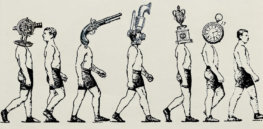
Hardwired for delusion: How our brains deceive us
[Present bias] is the tendency people have, when considering a trade-off between two future moments, to more heavily weight the ...

Viewpoint: Why we shouldn’t be deterred by CRISPR’s ‘rollercoaster year’
Despite spooking investors, new insights into DNA repair and the CRISPR gene-editing system are part and parcel of its progress ...

Searching for the origins of the ‘dark traits’ of humanity
We all know people who consistently display ethically, morally, and socially questionable behavior in everyday life. Personality psychologists refer to ...

No link found between Flores Island pygmies and ancient ‘hobbits’ in study
Geneticist Serena Tucci sat in the small Indonesian village of Rampasasa on Flores Island, the only woman in a room full of ...

Could studies on gene differences lead teachers to unfairly favor ‘more educatable’ students?
Educational paths are extremely varied, almost as unique as people themselves. They’re influenced by a complex slew of factors, and ...

Boy almost back to normal 3 years after doctors remove large section of his brain
A boy who had large parts of the right side of his brain removed due to a slow-growing tumor made ...

Could studying rare Parkinson’s mutation help treat other cases?
A handful of gene mutations are linked to inherited PD, but they account for less than 15 percent of the ...

Relationship between genes and obesity could be altered by what we eat
A correlation between obesity and genetics has been found to be modified by diet, according to a scientific paper in ...

Explaining hallucinations through math
[Researcher Heinrich Klüver] classified [hallucinogenic patterns he experienced] into four distinct types that he dubbed “form constants”: lattices (including checkerboards, ...

Rekindling the debate over using CRISPR to edit human embryos
Facing criticism from fellow scientists, the researcher behind the world’s largest effort to edit human embryos with CRISPR is vowing ...

Video: How does the brain act on what it sees?
What we see often determines how we act: We hit the brakes if a car is stopped ahead of us ...

Can success in life be predicted by our genes?
A team of researchers from the U.S., the U.K. and New Zealand has found genetic variants that appear to confer ...

Jack of all environments: Is this why Homo sapiens survived and thrived?
When paleoanthropologists and archaeologists define what makes our species unique, they usually focus on our use of symbolism and language, ...
