


Daily Human Digest
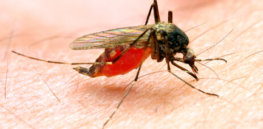
Gene research opens doors to drug treatments to confront the ‘fine-tuned’ malaria parasite
The single-cell parasite [malaria] has been estimated to have caused the death of almost half of the world’s population since ...
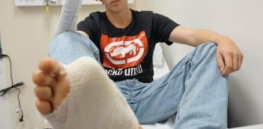
All thumbs or all toes? Man surgically has his pollex replaced by his big toe
Zac Mitchell, 20, was injured in April while working on a remote farming property in Western Australia. "A bull kicked ...

Mirroring reality: Neuron activity reflects how and what we see
Scientists are a step closer to unraveling the mystery of sight now that they have revealed part of the process ...

Telomere controversy: Could stem cell biomarkers help treat chronic diseases?
There are many questionable aging-related products on the market. One of the more recent is TeloYears, a test that supposedly ...

Why South Asia is a ‘living laboratory’ to study population genetics and disease
South Asians should be viewed not as a single population but as thousands of distinct groups reinforced by cultural practices ...
Rare genetic diseases can arise from unsuspecting carriers
Discovery of the rare disease -- marked by blindness, deafness, fragile bones and albinism -- could lead to genetic screening ...

Do you smell like rotting fish? Scents may help diagnose rare genetic disorders
A variety of methods are used to diagnose genetic diseases, including physical examination, a review of personal/family medical history, and ...

Clues to autism in how we are genetically programmed to look at faces
How we look at other people’s faces is strongly influenced by our genes, scientists have found in new research that ...
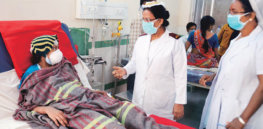
Genetics of pandemics: How can we prevent future flus?
The scientific textbook depiction of the flu virus is about to get a facelift, due to a University of Pittsburgh ...

DNA movies? Gene editor CRISPR used to store ‘movie’ in bacteria
Internet users have a variety of format options in which to store their movies, and biologists have now joined the ...

Ray of life: Did sunlight kickstart Earth’s biological transformation?
A new study suggests that the iron-and-sulfur clusters at the heart of many life-critical enzymes could have been floating around ...
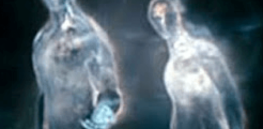
Fermi’s haunting question about alien life: Does lack of contact signal doom for humanity?
We live in a galaxy with between 100 billion and 400 billion stars, each potentially surrounded by planets...[N]ew NASA research indicates there ...
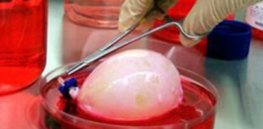
Organs from stem cells: Are we getting close?
The concept behind tissue engineering is simple: grow the patient's stem cells in the laboratory, add them to a scaffold ...

First gene-edited cloned dog may open gates to more cloning and help fight human diseases
Last week, Beijing-based biotech company Sinogene introduced Longlong to the world, a cute beagle puppy that is the first dog ...
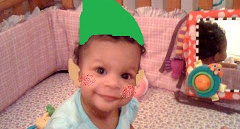
Williams syndrome: ‘Good humor’ genetic disorder may be literary basis for elves and fairy tales
For individuals with distinctive elf-like facial features, goodness of heart and vulnerability of trust are symptoms of a genetic disorder – Williams ...

Are your food choices killing you?
Scientists, the media and policymakers often make glib connections between certain foods, nutrition and disease. The links are a lot ...

Melting Greenland ice sheet could release pollution—and beneficial microbes evolved to ‘chow down’ toxins
As the Greenland ice sheet melts due to climate change, a new study in journal Environmental Letters suggests, pollution trapped inside could ooze back into ...

Reversing traumatic brain injury: Memory-enhancing drug might help
[T]raumatic brain injury can be permanent. There are no drugs to reverse the cognitive decline and memory loss, and any ...
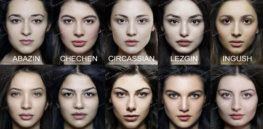
Melting pot of Eurasia genetically constant despite 8,000 years of cultural change
Alexander the Great’s army, Genghis Khan’s Mongolian hordes, and the Ottomans all moved through this hub: The Southern Caucasus. This ...
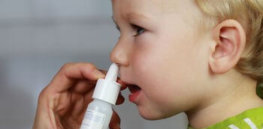
Oxytocin and autism: Could nasal spray boost social skills?
Treatment with the hormone oxytocin improves social skills in some children with autism, suggest results from a small clinical trial ...

Stem cell treatments can be dangerous: ‘Call to action’ targets ‘medical tourism’
An international team of medical experts recently published a global call to action in Science Translational Medicine in an effort to curb ...

Coffee and health: Could drinking more increase our lifespan?
Greater consumption of coffee could lead to a longer life, according to two new studies... The findings have resurfaced the ...

Fossilized child’s tooth offers rare clue about our Denisovan ancestors
Three becomes four. The extraordinarily sparse fossil record of the Denisovans – an ancient form of human – has gained ...

First US gene therapy nears: CAR-T leukemia treatment gets nod from FDA panel
Novartis AG's pioneering new cancer drug won enthusiastic support from a federal advisory panel on [July 12], paving the way for ...

To combat evolution denial, teach kids genetics first
A new study suggests teaching children genetics first may help them better understand how and why humans have evolved ...

Black Death: Was the plague actually good for the environment?
From 1347 to 1351, a nightmare disease ravaged Europe, afflicting victims with putrid black boils, fevers, vomiting, and in short order, ...
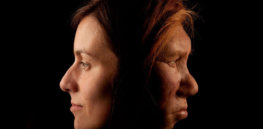
Hominids in love: Humans and Neanderthals may have mated more than 219,000 years ago
If modern humans didn’t reach Europe until about 60,000 years ago, how has DNA from them turned up in a ...
