


Science Literacy Project Daily Digest

Thank bugs for red velvet cake? How Cochineal insects became a sustainable source of food dye
A surprising amount of the food we consume contains various compounds to add color. Marshmallows look white, but they contain ...

AquaBounty identifies Kentucky location as possible site for 10,000 metric ton GMO salmon farm
[Aquabounty] announced that it has identified Mayfield, Kentucky as the potential location for its planned large-scale farm for the Company’s ...

GMOs coming to Zimbabwe? Agriculture minister says climate change has made farm technology a necessity
While farmers are gripped with the conservation farming technique that is fronted by [Zimbabwe's] government and other private organizations through ...

Picking up where GMOs left off: CRISPR leads the way to ‘greener’ food production in the 21st century
Genome editing may be one of the solutions to address climate change. A September 2020 report by the Information Technology ...

Klotho: Is prescribing a drug to supercharge the brain a good idea?
One of the most intriguing molecules out there is called Klotho. Identified in , it’s named for the Fate of ancient Greek ...

Matrix redux: It’s actually possible that we are virtual beings living in an AI computer simulation
Some have tried to identify ways in which we can discern if we are simulated beings. Others have attempted to ...

EU opposition to GM crops encourages hunger in developing nations, US trade official warns
A senior U.S. official blasted EU plans for greener farming on [October 27], accusing Brussels of risking worldwide starvation by ...

Lazy brains: How can we avoid falling for misinformation
Our brains are lazy. The more effort it takes to process information, the more uncomfortable we feel about it and ...

EPA backs Bayer appeal in glyphosate-cancer case, arguing juries shouldn’t override expert scientific judgments
The U.S. Environmental Protection Agency is backing the Monsanto Co.’s claim that federal law should have pre-empted a lawsuit alleging ...

Philippines earns an extra $972.6 million over 16 years of growing GM crops
Renowned economist Graham Brookes presented the global economic and environmental impacts of biotech crops from 1996 to 2018 for Thai ...

From disease-resistant bananas to biofortified potatoes, gene editing could make our food more plentiful and nutritious
Molecular biologists at multiple CGIAR [Consortium of International Agricultural Research] centers shared information about gene editing work underway at the ...

Viewpoint: Can you inherit anorexia and other eating disorders?
Experts have long known that eating disorders stem from a combination of hereditary and environmental factors, but no one had ever ...

De-extinction efforts are being directed at reviving lost bird species
While efforts are underway to bring back extinct mammals, such as the woolly mammoth and quagga, through cloning, artificial insemination, ...

Do psychiatric drugs do more harm than good to treat mental illness?
In the book [Anatomy of an Epidemic: Magic Bullets, Psychiatric Drugs and the Astonishing Rise of Mental Illness in America], which ...

First new human organs found in three centuries – camera-shy salivary glands in your head
A team of researchers in the Netherlands has discovered what may be a set of previously unidentified organs: a pair ...

EPA re-registers drift-prone dicamba weedkiller, relieving some farmers and frustrating others who fear crop damage
Farmers can continue to use dicamba for five years, EPA Administrator Andrew Wheeler said [October 27], offering certainty to cotton ...
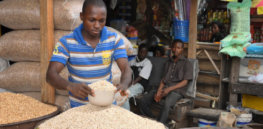
GM insect-resistant Bt cowpea could add $638 million to Nigeria’s economy over 6 years
The Open Forum on Agricultural Biotechnology (OFAB), a biotechnology informative platform, says Nigeria could rake in 638 million dollars in ...

GMOs unnatural? So are strawberries, Brussels sprouts and many other popular foods
By definition, a genetically modified organism is an organism produced through the production of heritable improvements in plants or animals ...

Why are food allergies on the rise, and what can we do about it?
More of the population has food allergies than ever before – and around the world, they are sending more and ...

Understanding COVID vaccine skepticism: It’s not all anti-science
Even though vaccines have virtually eliminated the risk of many preventable diseases, there has been an increase in refusal and ...

DNA A-to-F: Can genes predict if kids will succeed in school?
[Social scientist Ben] Domingue and his colleagues found that [a] polygenic score could help identify which groups of high schoolers ...

Can psychedelic drugs change your religious or political beliefs?
Psychotherapy assisted by psilocybin, the psychedelic compound in “magic mushrooms,” seems to be remarkably effective in treating a wide range ...
Epigenetic breeding could yield enhanced crops—and end run public’s fear of ‘GMOs’
Novel grafted plants — consisting of rootstock epigenetically modified to “believe” it has been under stress — joined to an ...

Bayer urges court to overturn $20M glyphosate-cancer verdict, objecting to ‘unreliable expert testimony’
Roundup manufacturer Monsanto urged three Ninth Circuit judges on [Ocotber 23] to overturn a jury’s verdict finding the weed killer ...
Climate conundrum: Weather changes causing more diseases in livestock that lead to methane release and higher temperatures
Climate change is affecting the spread and severity of infectious diseases around the world — and infectious diseases may in ...

‘Science diplomacy’: What the Cold War can teach Africa about battling hunger with GM crops
It can be said the main problems facing the world are international in nature. No country can stand up today ...

Toilet wisdom: Why some people never gain weight
A small group of people have been thin since birth and have always found it very difficult to gain weight ...
