In the paper, published in eNeuro, UCLA researchers Alexis Bédécarratsand collagues report that they extracted RNA from the neurons of sea slugs (Aplysia) after training them to be sensitive to touch. This RNA, when injected into untrained Aplysia, caused them to become sensitized to touch as well.
…
There’s a couple of reasons why I don’t think this is evidence of “memory transfer”.
Firstly, what was transferred here was hardly a memory in the usual sense of the word. It is simply an increase in the sensitivity of a set of neurons.
…
Secondly, the claimed transfer by RNA injection seems biologically implausible. This isn’t my field, but as far as I know from molecular biology, you can’t just inject RNA into an animal’s bloodstream (or haemocoel in this case) and expect it to enter cells.
…
I think this is interesting work that deserves further research, but I’m far from being convinced that we need to rethink conventional theories of memory. Not yet anyway.
One scientist has a promising idea to solve two major problems at once—removing carbon dioxide from the atmosphere and feeding people and animals—by breeding a “super plant.” But her project, urgent though it is, might be unnecessarily slow for political reasons. Due to concerns about political opposition to genetically modified organisms (GMOs), she has chosen to genetically alter plants the old-fashioned way, through selective breeding, rather than through a newer, faster technology, the gene-editing tool CRISPR.
Joanne Chory, a plant biologist and geneticist, is director of the Plant Molecular and Cellular Biology laboratory at the Salk Institute for Biological Sciences and a Breakthrough Prize recipient. She created an initiative called “Harnessing Plants for the Future” to develop a super plant that will both provide food and store carbon dioxide in its roots.
…
Since major breakthroughs earlier this decade, CRISPR has become relatively cheap and easy for labs to deploy. So why isn’t Chory using it? In order to avoid political opposition from activists opposed to GMOs….
…
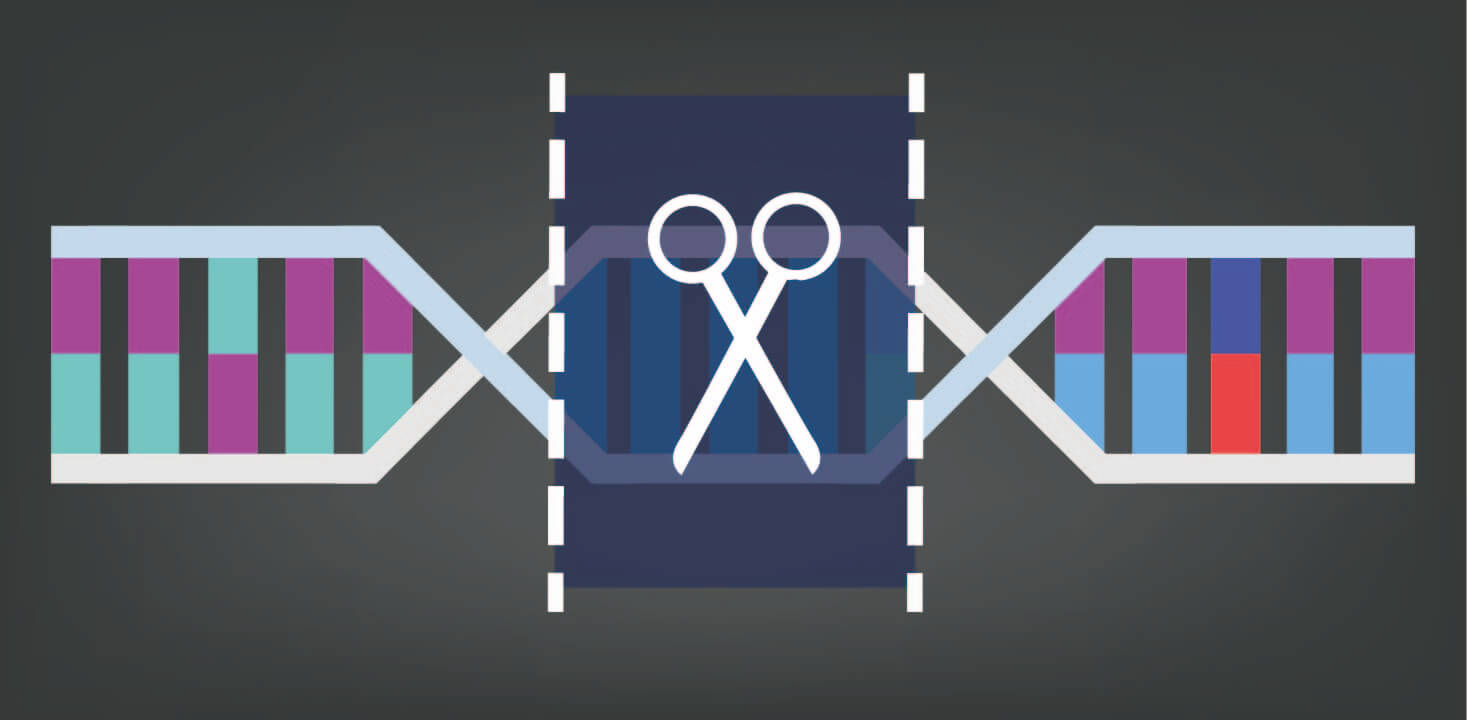
A gene-editing tool like CRISPR allows for much faster cross-breeding than once was possible, transferring special characteristics such as enhanced suberin production from one plant to another. Yes, the resulting organism would be genetically modified, but so are virtually all the other organisms we consume.
The remains of a 6-inch long mummy from Chile are not those of a space alien, according to recently reported research. The tiny body with its strange features – a pointed head, elongated bones – had been the subject of fierce debate over whether a UFO might have left it behind. The scientists gained access to the body, which is now in a private collection, and their DNA testing proved the remains are those of a human fetus. The undeveloped girl suffered from a bone disease and was the child of an unknown local Atacama woman.
This study was supposed to end the mummy’s controversy. Instead, it ignited another one.
Authorities in Chile have denounced the research. They believe a looter plundered the girl from her grave and illegally took her from the country. The Chilean Society of Biological Anthropology issued a damning statement. It asked, “Could you imagine the same study carried out using the corpse of someone’s miscarried baby in Europe or America?”
As an archaeologist, I share in the excitement around how technology and techniques to study DNA are leaping ahead. As never before, the mysteries of our bodies and histories are finding exciting answers – from the revelation that humans interbred with Neanderthals, to how Britain was populated, to the enigma of a decapitated Egyptian mummy.
But, I have also closely studied the history of collecting human remains for science. I am gravely concerned that the current “bone rush” to make new genetic discoveries has set off an ethical crisis.
Plundering skulls for science
We have seen a rush for human remains before. More than a century ago, anthropologists were eager to assemble collections of skeletons. They were building a science of humanity and needed samples of skulls and bones to determine evolutionary history and define the characteristics of human races.
Museums were mad for skeletons around the turn of the 20th century. Image credit: Tyne & Wear Archives & Museums
Researchers emptied cemeteries and excavated ancient tombs. They took skulls from massacre sites. “It is most unpleasant work to steal bones from a grave,” the father of anthropology, Franz Boas, once grumbled, “but what is the use, someone has to do it.”
The case of Qisuk, an Inuit man, provides an especially egregious example. In 1897, the explorer Robert Peary brought Qisuk and five others to New York from Greenland, so anthropologists could more easily study their culture. Four of them, including Qisuk, soon died of tuberculosis.
Anthropologists and doctors conspired to fake Qisuk’s burial to trick his surviving 8-year-old son, then dissected the body and defleshed the bones. Qisuk’s skeleton was mounted and hung at the American Museum of Natural History. (It is still disputed today whether Qisuk was only stored at the museum or put on public display.)
By the end of the 20th century, U.S. museums held the remains of some 200,000 Native American skeletons.
These skeletons helped write the American continent’s history and foster an appreciation for Native cultures. Yet the insights gleaned from these gathered remains came at a steep price: Native Americans’ religious freedoms and human rights were systematically violated. Many Native Americans believe their ancestors’ spirits have been left to wander. Others insist that all ancestors should be afforded honor and their graves should be protected.
Even nondestructive research methods – like the CT scan about to be performed on this 550-year-old Peruvian child mummy – raise ethical questions. Image credit: Samantha A. Lewis, US Navy
Today, a U.S. federal law provides for the return of stolen skeletons. Still, the legacy of these collections will haunt us for generations. Many Native Americans are profoundly distrustful of archaeologists. And even after nearly 30 years of active repatriation of human remains, there are still more than 100,000 skeletons in U.S. museums. By my estimation, it will take 238 years to return these remains at this rate – if they are ever even returned at all.
Seeking consent
For too long scientists failed to ask basic ethical questions: Who should control collections of human remains? What are the positive and negative consequences of studies based on skeletons? And how can scientists work to enhance, rather than undermine, the rights of the people they study?
One place to look for answers is the Belmont Report. Published in 1979, this was the scientific community’s response to the Tuskegee Study. Over the course of 40 years, the U.S. government denied medical treatment to more than 400 black men infected with syphilis, to watch the disease’s evolution. In the aftermath of the resulting scandal, the Belmont Report insisted that biomedical researchers must have respect for people, try to do good as well as avoid harm, and fairly distribute the burdens and benefits of research.
Although these guidelines were intended for living subjects, they provide a framework to consider research on the dead. After all, research on the dead ultimately affects the living. One way to ensure these protections is to seek informed consent from individuals, kin, communities or legal authorities before conducting studies.
In some cases consultation may be unwarranted. A skeleton of our earliest human ancestor, at 300,000 years old, is a patrimony which all of us could claim. However, a fetus with birth defects that is 40 years old – even one sensationalized as a space alien – likely has kin and community that should be considered. Between these two extremes lies DNA research’s future of ethical engagement.
Are humans specimens?
In its defense, the journal Genome Research, which published the analysis of the Chilean mummy, stated that the “specimen” – the girl – did not require special ethical consideration. She does not legally qualify as a “human subject” because she is not living. So disregarding the rights of descendants, the editors only concluded that the controversy “highlights the evolving nature of this field of research, and has prompted our commitment to initiate community discussions.”
To be sure, such discussions are desperately needed. In the same week that the mummy story hit the news, The New York Times published a profile of Harvard geneticist David Reich. The article celebrates how the jump forward in DNA research has led to sudden, luminous advances in our understanding of humanity’s evolution and history. Reich said his dream is “to find ancient DNA from every culture known to archaeology everywhere in the world.”
It is a beautiful aspiration. But both scientists and society now know to ask: Where will this DNA come from? Who will give their consent?
Chip Colwell is a lecturer on Anthropology at the University of Colorado Denver. Follow him on Twitter @drchipcolwell
This is part three of a four-part series attempting to separate fact from fiction regarding pesticide use on organic farms. In the first installment, we looked at the common claim that organic farms actually use more pesticides and more dangerous pesticides than convention farms through the lens of a few simple observations and talking to actual organic farmers. In the second installment, we looked at the factoids that have been taken out of context and twisted into a dishonest narrative. In this installment, we look at the special cases of pest control in organic orchards and vineyards. Finally, in part four, we take a critical look at a widely circulated article purportedly busting myths about organic farming that managed to create a few myths.
In part one of this series, I kicked the tires of the all too common trope that organic farmers are using more pesticides and more dangerous pesticides compared to conventional farmers in ways that consumers and environmentalists should find alarming (or at least concerning). One of the ways I kicked the tires was an informal survey of organic farmers in a Facebook group I founded. Among the takeaways from their answers about their own pesticide use was that it’s not uncommon for organic farmers to forego pesticides completely. However, those were farmers growing mostly row crops in Canada and the upper Midwest. The crops are hardier and the pest pressures are lower. It’s easier to get away with zero pesticide use in a cooler climate, with crop rotations and cold winters to break up pest cycles. (A cold winter is a helluva natural pesticide.)
What the survey did not give us any insight into the types of farms I was most interested in: the large corporate produce farms in California’s Central Valley, organic vineyards, and organic orchards, which I will cover in some detail in this post.
As I was researching for this series, Civil Eats published an interesting piece by an organic farmer in California’s Sacramento Valley going over, line by line, the “Profit and Loss from Farming” form he fills out for his IRS tax return. Mike Madison operates a 21-acre farm, the majority of which is planted to orchards, mainly olive trees. He also grows fresh fruit, vegetables, and flowers. He markets his products locally, mainly at farmer’s markets. Owing to my focus at the time, I was struck to see that on Line 11: Chemicals he entered a goose egg. This was before I’d done my survey, so I was surprised to see that. At the time, I really hadn’t realized how common zero pesticides was.
This farm is an example of more pest vulnerable crops, grown in a warmer California climate, but this is a small farm with a farmer committed by his values to zero pesticide use, selling into a market that gladly compensates him for that.
I still wanted to know more about the industrial organic producers selling into the mass grocery chain produce market with razor-thin profit margins and zero ideological commitment to absolutely parsimonious pesticide use. The big growers have organic and conventional operations and are making pest control decisions solely on what’s best for their financial bottom line. Selling into the grocery market means that the produce must be absolutely perfect, uniform, free from blemishes or any sign of pest damage.
So I called Grimmway Farms (Cal-Organic Farms, Bunny-Luv, and Bunny-Luv Organic) with over 57,000 acres, Earthbound Farms over 50,000 solely organic acres Nunes/Foxy Fresh Produce with 20,000 acres, Mission Acres – 15,000 acres, and American Farms – 7,000 acres. I called them all two or three times and left messages. Nobody got back to me.
I ended up talking with a friend who advises in that sector and was willing to speak on background, but couldn’t go on the record for professional reasons. We spoke for a while in pretty fine detail until I’d run out of questions.
Some of the main things I wanted to understand:
Does having deeper pockets and longer planning horizons allow for greater integrated pest management (IPM)?
How deep is the commitment to robust IPM?
How much are stuff like traps, beneficial predator insects, and new biologicals being used in both systems?
To what degree could the more complete pest control in the surrounding conventional acres provide a “halo effect” by reducing local pest pressures on the organic acres?
How would you characterize the difference in organic and conventional pest control programs within these companies? There were very few clear takeaways. There is a lot of overlap, more than you might think. The traps, beneficials, and new biologicals are used in both, but my impression was that the traps and biologicals were somewhat marginal, but beneficial insects were more important than I’d expected. The ability to do robust IPM is greater on these big corporate farms than on smaller, owner-operator farms, but selling fresh produce to grocery chains with a zero tolerance for any cosmetic defect means the commitment to IPM is strong until it’s not. Or rather, what are called economic thresholds are just wildly different. Economic threshold refers to a level of presence and damage from a pest you can absorb until spending money on fuel, labor, and pesticide is worth expending to stop the pest. In soybeans, you can tolerate a lot more aphids eating the leaves than you can in lettuce because you aren’t selling the soybean leaves. So, when you have a crop worth hundreds of thousands of dollars and it’s under attack, you spray twice a week until you get it out of the ground if necessary. That’s true for both the organic and conventional parts of these operations. The use of softer chemicals in the organic parts generally meant more frequent applications. On the question of “halo” or refuge effects, their “Yes and No” answer surprised me. If not quite surprised, I found it really interesting. Here are some snippets:
Clearly if organic was a larger percentage of the acreage then spraying such a large amount of crops with such a limited rotation of effective materials would speed up the process of resistance.
But often the problem is the reverse. For instance with organic berries I see more problems with mites if they are planted near conventional fields that are struggling to control their mite problems. Or the conventional grower finishes the season with heavy populations of a pest like mites or lygus with low predator populations due to spraying conventional materials. So the pest moves in with huge numbers and there is no immediate spray or biocontrol to knock it down.
One strategy organic berry growers use is to try and get isolated fields on the other side of the county mixed in between the avocado and lemon orchards. This way they do not inherit the pest problems of their conventional neighbors since orchard pests are not typically berry pests.
Another example is having organic spring plantings of spinach, beets, celery or another crop that is a magnet for leafminer next to conventional celery. A conventional celery grower or growers may have something like 500 acres near their field in successive plantings. As the conventional grower harvests proceed, the population of leafminer explodes in this time of year naturally, and blows up in the harvested areas in the untreated crop residues left behind. And so there is a huge movement of these leafminer adults into the organic fields where they sting up the leaves and lay their eggs.
Sadly, the late season leafminer sprays conventionally are often the same spinosyn family of chemicals as are used organically as Entrust, so you can develop resistance issues that are passed on to the organic fields. Entrust is an incredible organic pesticide that the entire organic industry relies on heavily. If we ever lose it to resistance issues, life in organic production is going to be tough. It controls worms, thrips, leafminer and fruit flies. Using it on the organic and the conventional on the same population is bad.
Another really interesting insight was the idea that it would be even harder to tabulate head to head comparisons on pesticide use, because organic production uses a number of different products for pest control that well known as pesticides and aren’t tracked by the National Agricultural Statistics Service in the same databases, most notably new biocides for insect, fungus, and mildew control.
What really surprised me was a comment about feeling more comfortable walking in organic fields. After decades in the industry, they feel a little niggling sense of unease in the conventional fields, not alarm, but that sense of chemicals getting on your pants, and knowing the increased risks of cancer and other health issues is non-zero. On the other hand, the worry about residues and long-term chronic exposure to the Bt, the Spinosad, and horticultural oils didn’t trigger those worries. And this is not someone prone to chemophobia. A few years back in a conversation where I was in support of the Obama administration’s move to ban chlorpyrifos, this person pushed back, saying that chlorpyrifos was already tightly regulated and a crucial, if parsimoniously used, mode of action where no other good options exist.
Vineyards
Here I started with a call to an organic wine vineyard in Oregon. Bill Holloran of Holloran Vineyards, a producer of small batch natural wines was generous enough to take my call. They have 47 acres of vineyards on a 130-acre property, with cows and sheep grazing the rest of the land. They produce 3,000 – 4,000 cases a year of pinot noir.
Bill pointed out right away that he’s advantaged over his colleagues in California in terms of pest pressures. The colder climate in the Willamette Valley compared to Napa or Sonoma means he can get away with using less insecticide. He stressed right away that IPM is the order of the day and they work hard to change up modes of action. To control weeds they use mechanical cultivation with an implement that gets in between the vines as it works the rows. The main pest pressures are mites and mildew. Sulfur, stylet oil, and a range of biological controls are used, with one to two sprays a year around the wooly bud break stage of the fruit’s development. Stylet oil is a horticultural oil that is used to control both mildew and a number of insects. It degrades mostly into water and CO2.
Pest management in California vineyards
For more of a view from 20,000 feet, I turned to Steve Savage, a plant pathologist and agricultural consultant who has been working in California agriculture, with a focus on grapes, for decades. This is what he told me.
Both organic and conventional growers use a great deal of sulfur and paraffinic oils, but organic growers are more dependent on those for mildew and mite control. The conventional growers can use several families of synthetic fungicides for mildew – triazoles, strobilurins, SDHI inhibitors. Those are used at ounces per acre versus the 6-8 pounds per acre for sulfur. They also don’t have to spray as often, while sulfur applications have to be every 7-10 days. The synthetics can be applied at intervals of two weeks to even three weeks.
Sulfur dust is the cheapest alternative because it is cheap, it controls fungus, mildew, and insects – something that you can’t get from a single synthetic product, which is why conventional growers like it too. It’s also valuable as a rotational alternative to prevent resistance development to the more potent synthetics. The synthetic fungicides inhibit pathways that don’t even occur in animals so they have very low mammalian toxicity. A dust rig can travel through the vineyard much faster, saving on labor costs. In California, you can’t use any dusts anywhere close to a school or daycare, so they would have to use the wettable sulfurs which is slower going, thus more expensive.
Vineyard workers using copper sulfate in 1920s Hungary.
Sulfur isn’t toxic for ingestion, but it is the most common cause of complaints of skin and eye irritation for those who have to work in treated vineyards. For other fungi that cause bunch rot or leaf diseases in the East, the organic grower really only has the copper options (various salts). A conventional grower might use a bit of copper for resistance management but has many synthetic options that are much lower rate (coppers are in the several pounds per acre range) and again with virtually no mammalian toxicity. Copper can accumulate in soil and if it gets into water it’s very toxic to invertebrate species. Copper sulfate is fairly toxic to people and has been linked to cancer for workers in the European vineyards where it has historically been used extensively. The mineral oils have very low toxicity but are used at very high rates.
He also sent me a spreadsheet of application rates (Google spreadsheet) for pesticides in California with 2015 data.
Pest management in orchards
For a 20,000 foot overview of pest management in conventional and organic orchards, I turned to professor Terence Bradshaw director of the UVMApple and Grape Program and Horticulture Research and Education Center at the University of Vermont. Bradshaw has a career working in vegetable, vineyard, and mainly orchards on both conventional and organic farms going back over two decades, and is someone I know to be a straight shooter without any particular ax to grind.
This is what he told me about pest management in orchards.
THE MAIN PESTS that drive pesticide use in orchards are the diseases apple scab (hands down, #1), fire blight, and a handful of other less insidious but occasionally serious diseases. The main insect pressure comes from the codling moth, plum curculio, apple maggot, and a handful of other second-tier critters that can be serious in the right orchard and the right year. Whether organic or not, these critters are all here and need to be managed.
Vermont and the northeastern U.S., in general, have a very low percentage of certified organic apple acreage, something on the order of 1% or less of the total. That’s because you can’t rotate crops to break up disease and insect pressure in perennial crops like apples, peaches, or grapes. Certain diseases and pests are ubiquitous every year, meaning input-replacement organic systems are less sustainable than a well-managed IPM (Integrated Pest Management) system.
Copper is commonly used as the first spray of the season in both organic and conventional orchards. In fact, I always get one of the OMRI-approved coppers just so I don’t have to manage separate inventories and so I can use the same sprayer in both orchards if necessary. This is targeted mainly at reducing overwintering inoculum of fire blight bacteria, but also provides some protection against apple scab. Specific type varies: copper sulfate, hydroxide, octanoate. For all intents and purposes for this spray, they’re pretty similar, as long as the copper ion concentration is kept constant. This is applied at delayed-dormant bud stage. If too much tissue has opened, we run the risk of foliar damage or fruit finish damage (russeting) that makes fruit unmarketable. After this spray and for that reason, copper is usually put away until next year. One shot per year, ~2-6 pounds actual copper per acre (remember an acre of soil 6” deep is ~2 million pounds), and I’ve not seen an increase in soil copper content.
Early spring until all overwintering fungal spores in leaf litter have discharged, growers maintain fungicide coverage to prevent apple scab. If we prevent it early in the season, we’re done. If it gets established, we fight secondary infections all season, right into harvest. Non-organic, we use a wide range of materials, depending on certain characteristics and our resistance management strategy. Sprays are applied every 7-10 days from mid to late April until mid-June.
We time the release and maturity using development models which we’ve been running in real-time in many orchards through a collaboration with colleagues at Cornell. Total, six to eight fungicides against scab if we nip it in the bud, maybe another two in summer against other diseases. Retail and pick-your-own growers with greater tolerance for cosmetic issues tend to skip those summer fungicides unless it’s very wet.
When it comes to organic scab management: get used to the stink of sulfur. Elemental sulfur is applied every 5-7 days during that same window, as it washes off more easily and isn’t as effective as the synthetics. If you miss a period of coverage and get infection, you can ‘burn out’ with lime sulfur, which is the filthiest material I’ve ever used and I’ve used most everything available in the past twenty years. Most organic growers using this input replacement strategy make 8-12 applications, and sometimes many more applications in a season. One large organic grower told me he sprayed 30 times against scab a few years ago in a wet summer.
Sulfur and lime sulfur have substantial phytotoxic effects – they directly burn leaf and fruit tissue; kill beneficials, especially predacious mites; and suppress photosynthesis. That last one is critical, sulfur-treated trees tend to have smaller crops of smaller fruit. Lime sulfur is so bad in this regard that it’s used (off-label) as a thinner to remove excess fruit. I’ve not seen a sulfur-sprayed organic orchard in the Northeast that is anywhere near as productive as an IPM-managed one, and usually, the scab breaks through anyway. My current organic orchard consists of all Vf-gene scab-resistant cultivars, which gets away from the scab issue but still require management for other pests and diseases. I have a couple of papers worth of data to write up on that work, but it’s not like the industry is pounding down my door to get it. Fungicides (non-organic) are cheap, effective, sustainable, and our industry prefers them to replanting entire orchards to unproven cultivars.
As far as insects are concerned, there’s a fair number of options available to organic growers, but they all cost through the nose. IPM insect management is getting more expensive too, as the old organophosphates that covered most target pests cheaply are largely gone, and we’re using much more selective chemistries and needing to use more careful resistance management strategies. I’ve never known an organic grower to use rotenone in my time; a predecessor of mine here at UVM was doing an organic project assessing it against phosmet (and organophosphate) in the late 80s but that was a lifetime ago – pre-NOP. Most organic growers use kaolin clay between bloom and late June, it deters plum curculio oviposition as well as imidan but costs a lot and is a bitch to work with. Summer insecticides include Entrust, Bt, codling moth granulosis virus (a biocide that kills codling moth), and spot-sprays of pyrethrum. There are others, but these are the main ones. Aside from kaolin, which requires frequent reapplication, I wouldn’t say organic requires any more sprays than non-organic to manage insects. Then again, you also have to plan to tolerate substantially more pest damage as the organic controls aren’t as effective as non-organic. You can see the general guidelines for New England Tree Fruit here.
As for the ‘organic island’ orchards, where a large organic block is managed within the center of a non-organic orchard, I have seen that before, and I understand it’s not uncommon in Washington. The idea is to create a protective zone around the organic orchard that makes management easier. But the scale to make that happen is pretty big, especially factoring in the necessary buffers. Also, that strategy only affects the pests that come in from outside of the orchard. Is something gets established in the orchard, like apple scab, codling moth, even a local apple maggot population, then management outside the organic zone won’t affect that endemic population. Talking to the grower that I know who used this strategy for a while, he said the organic premium wasn’t worth the management hassle.
In vegetables, I’d say that pesticide use is far lower in both organic and non-organic compared to apples. Most organic vegetable growers in Vermont farm at smaller scales where crop rotation and cultural controls are enough to manage pests. Some copper is used against late blight, and Bt and Entrust are the main insecticides. But I would never suggest that organic crops are dripping in copper sulfate, and even then, it’s really just tomatoes and potatoes that get the bulk of that and only in wet years when the disease models predict infection.
Putting it all together
In researching and putting this series together there were a number of things that surprised me and a few things that confirmed what I’d long suspected.
As I’ve said, I was pleasantly surprised that, while organic growers DO use pesticides – despite the popular perception that they don’t, cynically encouraged by marketers and not a few farmers themselves, many organic farmers actually DON’T use any pesticides. If that works for them, more power to them, I think that’s great.
I expected to be slightly horrified by organic pest management in vineyards and orchards. Instead, I was surprised to find out how much coppers and sulfurs were used in conventional farming. Don’t get me wrong. I find it incredibly frustrating that the organic marketing premium incentivizes growers to farm in ways that are often less sustainable than their conventional neighbors. But I can’t say that pest management in organic vineyards and orchards strikes me as an ecological disaster.
As I said at the beginning of the series, I don’t consider pesticide use to be one of the most important environmental impacts in agriculture. But I do consider it a serious worker’s safety issue. What I learned in putting this together confirmed what I’d long suspected. If I was a farm worker in California, I’d rather work on organic fresh produce farms than conventional vegetable farms and I’d rather work in convention vineyards than organic vineyards.
One thing that we haven’t discussed that I think is important to touch on, is the trade-offs organic farmers make in avoiding synthetic pesticides. Nowhere is the trade-off bigger than in avoiding herbicides. As we observed at the beginning, weeds are the most common, most widespread pest competing for resources with the crop. While when you remove herbicides from the equation, that drastically cuts pesticide use in organic production relative to conventional. But organic farmers still need to deal with weeds, and the ways they do are not particularly environmentally friendly. The main tool is tillage, and while plenty of conventional farmers use full tillage, organic farmers have to lean on it to a greater degree. That results in substantial emissions of CO2into the atmosphere. It’s one of the reasons why organics fare more poorly in comparisons on eutrophication and acidification risk.
Another not so sustainable method of weed control is plastic “mulches”, where long strips of black plastic are used to cover acres and acres of field so that weeds can’t grow. How anyone can think that is more sustainable than spraying a pound or so of glyphosate on an acre boggles the mind – whether it’s biodegradable plastic or not.
In the overall scheme of things, the amount of organic acreage is so small, it’s essentially a rounding error, so you can’t get that worked up about the environmental excesses. The larger problem is the monopoly the organic label has on the concept of sustainable farming.
That wraps up this installment. We’ll close out tomorrow looking at the article that is patient zero for the myth that organic farming uses MORE!!! and MORE DANGEROUS!!! pesticides.
Marc Brazeau is the GLP’s senior contributing writer focusing on agricultural biotechnology. He also is the editor of Food and Farm Discussion Lab. Follow him on Twitter @eatcookwrite
Memory transfer has been at the heart of science fiction for decades, but it’s becoming more like science fact. A team successfully transplanted memories by transferring a form of genetic information called RNA from one snail into another.
…
The scientists gave mild electric shocks to the tails of a species of marine snail called Aplysia californica. After these shocks were administered, the snails’ defensive withdrawal reflex – where the snails contract in order to protect themselves from harm – became more pronounced.
…
Scientists extracted RNA from the nervous systems of the snails that received the shocks and injected it into a small number of marine snails that had not been sensitised in this way. The non-sensitised snails injected with the RNA from the shocked animals behaved as if they had themselves received the tail shocks.
…
Prof David Glanzman, one of the authors, from the University of California, Los Angeles (UCLA), said the result was “as though we transferred the memory”.
…
When asked if this process would be conducive to the transplant of memories laid down through life experiences, Prof Glanzman was uncertain, but he expressed optimism that the greater understanding of memory storage would lead to a greater opportunity to explore different aspects of memory.
A team of scientists from Purdue University and the Chinese Academy of Sciences has used CRISPR/Cas9 gene-editing technology to develop a variety of rice that produces 25-31 percent more grain and would have been virtually impossible to create through traditional breeding methods.
The team, led by Jian-Kang Zhu, a distinguished professor in the Department of Horticulture and Landscape Architecture at Purdue and director of the Shanghai Center for Plant Stress Biology at the Chinese Academy of Sciences, made mutations to 13 genes associated with the phytohormone abscisic acid, known to play roles in plant stress tolerance and suppression of growth. Of several varieties created, one produced a plant that had little change in stress tolerance but produced 25 percent more grain in a field test in Shanghai, China, and 31 percent more in a field test conducted on China’s Hainan Island.
“You couldn’t do targeted mutations like that with traditional plant breeding. You’d do random mutations and try to screen out the ones you don’t want,” [Purdue’s Ray A. Bressan] said. “It would have taken millions of plants. Basically, it’s not feasible. This is a real accomplishment that could not have been done without CRISPR.”
Much of the world’s earliest great art is likely to have been created by gifted early humans on the autism spectrum, new research by British scientists suggests.
Archaeologists working in conjunction with autism experts have concluded that humans were able to produce the first realistic art some 33,000 years ago because ice age conditions drove the selection of particular combinations of genes.
Harsh conditions favoured the natural selection of genes which predisposed some humans to develop abilities to focus on tasks in great detail for long periods; to perceive their environments in three-dimensional terms in an enhanced way; to develop greater image retention abilities; and to develop greater aptitudes to identify and analyse patterns of geography and movement.
…
But these same newly evolved abilities also made it possible to produce realistic art – dramatic and dynamic images of animals from memory and to draw them in perspective (to mimic 3D reality) in artistic compositions reflecting the patterns of nature.
…
“We suspect that the early development of inherited autism was in part an evolutionary response to ultra-harsh climatic conditions at the height of the last Ice Age. Without the development of autism-related abilities in some people, it is conceivable that humans would not have been able to survive in a freezing environment in which finding food required enhanced skills”, [researcher Penny Spikins] said.
In an email to suppliers on Friday [May 18], Whole Foods President and Chief Operations Officer A.C. Gallo announced the company would pause its genetically modified (GMO) food labeling requirements, which were scheduled to take full effect on September 1. The rules, first announced five years ago, require that suppliers disclose the presence of genetically modified ingredients on all packaging.
In a copy of the announcement obtained by The New Food Economy, Gallo and two vice presidents write that the pause is a response to suppliers’ concerns about having to comply with two competing sets of rules: Whole Foods’ own GMO labeling requirements, and rules newly proposed by the United States Department of Agriculture (USDA), which are currently open for public comment.
“As the USDA finalizes the federal regulation in the coming months and the food industry assesses the impact, we do not want our Policy to pose further challenges for you and your business,” the letter reads.
…
Whole Foods now faces a choice: It can move forward with its original plan, or defer to the government’s less comprehensive new rules.
…
All this begs a question: is Whole Foods softening its commitment to GMO-labeling transparency?
LifeDNA purports to take your DNA data from companies like 23andMe, and, relying on findings from “over 1,100 peer-reviewed studies,” determine the best ingredients for you skin. Based on your DNA and answers to an online lifestyle questionnaire, the company ships you a box of its own branded skincare products. They aren’t cheap. The Deluxe Beauty Box will set you back $289.
…
My Deluxe Beauty Box contained a cleanser, a toner, a moisturizer, and a serum that I was supposed to use twice a day, plus a weekly mask. The Dynamic Wellness Box included five daily supplements.
…
Immediately after my first morning of cleansing and toning and moisturizing and seruming, my skin felt greasy, as if there was a thin layer of oil on top of it. It was also somewhat itchy.
…
After the third week, my skin was no longer itchy and red. But it was dryer and seemed slightly more prone to pimples. The supplements seemed to have no discernable effect.
…
My dermatologist told me that it would be virtually impossible to isolate what I was having an allergic reaction to, since the way different ingredients interact with each other is complex.
…
As it turns out, I might know my own skin better than an algorithm trying to decipher the many mysteries of my DNA.
In a field of sugar beet in Switzerland, a solar-powered robot that looks like a table on wheels scans the rows of crops with its camera, identifies weeds and zaps them with jets of blue liquid from its mechanical tentacles.
Undergoing final tests before the liquid is replaced with weedkiller, the Swiss robot is one of new breed of AI weeders that investors say could disrupt the $100 billion pesticides and seeds industry by reducing the need for universal herbicides and the genetically modified (GM) crops that tolerate them.
Dominated by companies such as Bayer, DowDuPont, BASF and Syngenta, the industry is bracing for the impact of digital agricultural technology and some firms are already adapting their business models.
The stakes are high. Herbicide sales are worth $26 billion a year and account for 46 percent of pesticides revenue overall while 90 percent of GM seeds have some herbicide tolerance built in, according to market researcher Phillips McDougall.
…
[E]coRobotix, developer of the Swiss weeder, believes its design could reduce the amount of herbicide farmers use by 20 times. The company said it is close to signing a financing round with investors and is due to go on the market by early 2019.
GMO crops have extra layers of government regulation beyond what “conventionally” bred plants have to deal with. But this year, the USDA decreed that CRISPR’d crops will not count as GMOs if they don’t contain foreign DNA. So, for example, if you take a corn plant and add a gene from another living thing, that could be considered a GMO. But if you just use CRISPR to delete a gene, without adding anything new, the law considers that equivalent to breeding a new corn variety the old-fashioned way.
If all goes according to plan, the annual flu shot protects about 60 percent of vaccinated people. This year’s inoculation, of course, fell far short of such expectations, safeguarding only one in four vaccinated people who encountered the dominant H3N2 strain. This shortfall injected further momentum into the push to create a universal vaccine that protects against many flu types over time.
…
“It’s a scientific challenge because there are still so many things we don’t know,” says Anthony Fauci, director of the NIAID. And even if such a vaccine were developed, a perfect inoculation that protects against all flu types, is “unattainable,” he says.
…
[O]ne experimental vaccine, M-001, is headed into phase II clinical trials. Investigators will monitor its safety among adults as they assess whether it also appears to help them mount a clear defense against the flu virus.
…
M-001 does not contain a whole inactivated flu virus like the current seasonal flu shot. It is also not an attenuated live virus vaccine (which is another experimental approach that has shown promise in lab animals). Instead, M-001 consists of nine epitopes—short stretches of viral protein—that were carefully selected because they are shared across many different influenza strains. The epitope-laden shot primes the body to recognize sites on flu viral proteins that do not change much across flu strains, so it can theoretically respond more effectively.
Genebanks – repositories of genetic material (germplasm) of plants or animals – play a critical role towards a two-pronged goal: i) making the germplasm available for researchers, plant breeders and farmers in the short term and ii) ensuring that the genetic material for future food supply are preserved in the long term.
In other words, genebanks play a pivotal part in maintaining biological diversity, especially with the looming threat of climate change and other factors. The United Nations International Day for Biological Diversity is celebrated on 22 May as a reminder to everyone that biological diversity is a global asset that is fast depleting, and itsconservation, sustainable use and equitable sharing could not be overemphasized. The year 2018 marks the 25th anniversary of the Convention on Biological Diversity.
Over seven million plant germplasm accessions are currently conserved in 1750 genebanks around the world, and about two million are expected to be unique.
…
With climate change threatening crop diversity across the globe, genebanks cease to be mere repositories of germplasm and take on the imperative role of being the source of biological genetic diversity; providing enhanced seeds that can stand up to disease, pests and a changing environment; and protecting the native agricultural heritage of farmers across the world.
Editor’s note: Rajani Kumar is a communication officer at the International Crops Research Institute for the Semi-Arid Tropics (ICRISAT)
[W]ho first domesticated horses is a hotly debated question. One leading hypothesis suggests Bronze Age pastoralists called the Yamnaya were the first to saddle up, using their fleet transport to sweep out from the Eurasian steppe and spread their culture—and their genes—far and wide. But a new study of ancient DNA suggests that wasn’t the case in Asia, and that another culture, the Botai, domesticated the horse first.
…
The first signs of horse domestication—pottery containing traces of mares’ milk and horse teeth with telltale wear from a riding bit—come from the Botai hunter-gatherers who lived in what is now Kazakhstan from about 3700 B.C.E. to 3100 B.C.E.
…
To explore the Yamnaya’s legacy in Asia, a team led by geneticist Eske Willerslev of the University of Copenhagen and the University of Cambridge in the United Kingdom sequenced the whole genomes of 74 ancient Eurasians.
…
Surprisingly, the team found no Yamnaya DNA in the three Botai individuals, suggesting the two groups hadn’t mixed, the team reports today in Science. That implies the Botai may have tamed horses on their own, following something called the “prey path” to domestication: hunting, then managing herds for food, and finally—riding. “It’s an extremely important achievement from a group of people we all think of as being pretty simple,” Willerslev says.
That the responsibility for preventing unintended pregnancy still lies almost exclusively with women remains one of the world’s great health inequities. Beyond condom use, vasectomy, and withdrawal, there are no other male-controlled methods of contraception, even though it’s an entirely feasible option.
…
[New male birth control options] include implants, gels, pills, and injections. A large Phase 2b efficacy and safety study will begin this summer on a promising option: a transparent gel a man applies once a day to his shoulders and upper arms. The gel is designed to decrease a man’s sperm production without reducing his sexual drive or enjoyment.
…
Today, this work struggles forward with little or no support from the pharmaceutical industry. That needs to change. Oft-cited and assumed perceptions that men would be unwilling to use male contraception or that the field would prove to be unprofitable are not borne out by the data. If a male method managed to be approved by the Food and Drug Administration in the next five years, market projections predict a market of $1 billion by 2024 with annual growth of 6 percent over the following 10 years.
Bringing safe and effective male contraception options to market could revolutionize the global contraception paradigm, attract millions more customers, and prevent untold numbers of unintended pregnancies, helping couples decide whether and when to have children, and how many.
1. Genetic engineering can be good for farmers.“GE crops are cultivated to help food grow better,” says [Dr. Tamika Sims, director of food technology communications at the International Food Information Council Foundation]. The benefits vary from crop to crop, but as Dr. Sims explains, these might include protection from pests and disease, the ability to use fewer resources (e.g., saving on water) and enhanced productivity (e.g., growing more food in less space).
…
2. It’s also good for the environment — probably. “GE crops have notably increased crop yields and simultaneously decreased pesticide use,” says Dr. Sims. While different studies make different claims about how much pesticide use has declined — and some claim that it hasn’t — the overall impact on the environment seems positive.
3. It could be *really* good for communities. “GE crops can also be enhanced with nutrients, which can help people with limited access to nutritious foods,” says Dr. Sims. “Inventions such as golden rice, a GMO rice crop (developed to have an enhanced amount pro-vitamin A), and the GMO Cavendish bananas (made to be resistant to Fusarium wilt disease) are helping provide nutritious foods to people who lack access these essential nutrients.” She also points out that increased crop yields support sustained access to fruits and vegetables for more people.
One day in early spring, I received a unique email. Would I accept an invitation from Oxford University’s student debate society, the Oxford Union, to participate in a debate on human genetic engineering? I was to argue in opposition to the proposition: “This House Believes that Genetic Engineering Undermines the Nature of Humanity.” I accepted this invitation, and prepared to engage in this important scholastic tradition with all the gravity fitting of such an occasion; the opportunity for thought leadership in the field of genetic modification, for which I have been a science communicator for over five years. I felt like I’ve been preparing my whole life for this moment.
Founded in 1823, the Oxford Union is the largest society at the University of Oxford and one of the most famous student societies in the world. In the past they have hosted Presidents Reagan, Nixon and Carter to the Dali Lama, Albert Einstein and many other political dignitaries and men and women of the arts, sciences, and letters. The student members are the beneficiaries of knowledge that these esteemed guests can bestow from their professional experience, in a way that cannot be taught or learned in a classroom.
The night of the debate, the students, mainly “PPE” (philosophy, politics and economics) majors, were jocular but well-prepared in their speeches. These students will go on to form the future body politic of Great Britain and perhaps elsewhere throughout the world. Even though the atmosphere was light, almost one of play, the work we were doing there was very serious. Policy-makers the world over typically do not have a background in medical sciences, genetics, or medical ethics but they are tasked with making the policy that governs these concerns. Often, science moves more quickly than policy and it is up to the scientific societies to display a modicum of self-governance, as with the voluntary, worldwide moratorium first on transgenic organisms, then later on human cloning.
Mis- and disinformation are distorting science and public policy. Subscribe to our Daily and Weekly Digests for incisive coverage of ‘disruptive’ innovations in AI, agricultural biotechnology, food, chemicals, nuclear energy, vaccines, and other disruptive innovations.
Lastly, Rodolphe Barrangou, one of the scientists credited with discovering CRISPR/Cas9. Barrangou and his collaborators’ discovery that bacteria have adaptive immune systems have provided the mechanism by which manipulation of the CRISPR-Cas9 pathway can be used for genome engineering. He is now the Editor in Chief of the CRISPR Journal, and found out just days before the debate that he has been inducted into the National Academy of Sciences.
During the reception just prior to the dinner I spoke with many students who were in favor of the House proposition. I knew we would need to educate and argue passionately in order to make their feet walk through the “Nay” door. Each side argued well, and the full speeches will be found on YouTube in the near future.
My arguments for the Opposition centered on a few simple ideas: there is nothing special or unique about human DNA. We share 98% of our DNA with chimpanzees, and over 50% with chickens, fruit flies, and bananas… some regions of our genomes are ultra conserved and not a single letter is different from primitive bacteria. All of us alive today share one unbroken genetic lineage with our single cell ancestors from billions of years ago.
There is no specific immutable property to human DNA. Our DNA mutates in response to the sun, our environment, from the simple act of replication itself during cell division. If you have ever had a cold, the flu, chickenpox- than your genome has been modified by the viral syringe that injected its DNA into your cells to be replicated. If you have ever been pregnant, undoubtedly the signature of the DNA of the child you carried can now be found throughout your body, even in your brain. A static, unchanging genome is not part of human nature.
Additionally, complex human traits are not defined by our genes, or the arrangement of our nucleotides, and I even argued that genetic engineering should not be limited, for example to curing a defined set of diseases that some council deems morally worthy of curing. But that it could be applied without reproach even to frivolous causes. Is there any reason to infringe the freedom of consenting adults to do what they want with their own genome?
The arguments for the Proposition (against genetic engineering of humans) mainly focused on the worries inherent in commoditizing genes and people, consent and the use of the technology potentially for harm. All of these worries are the true for genetic engineering, any technology really. Would a child still be loved if parents paid for a trait that did not manifest fully in the child as it was expressed and developed in a particular environment? Embryos cannot consent to these medical procedures. Would this deepen inequality among people, perhaps even enough to create a new subspecies of human? Previously, I made ten other arguments in favor of human genetic engineering in Who’s Afraid of Human Genetic Engineering with CRISPR/Cas9, where I addressed many of these questions.
In the end, students chose to walk through the “Nay” door by a margin of 2:1 and I felt confident that the Union’s bright, young class of 2018 had received not just a night of entertainment, but a theoretical and philosophical underpinning in human genome editing from the scientists, professors, philosophers and men and women of letters that they welcomed into their House.
Carol Lynn Curchoe is a reproductive biologist at the San Diego Fertility Center specializing in molecular and cellular biology and biotechnology. She has a Ph.D. in physiology of reproduction from the University of Connecticut, and writes often about clean energy, genetics and health issues. Follow her on Twitter at @32ATPs.
Those that live in the affluent countries of the West have little clue of the challenges of farming in the Developing World. In this special episode, Alison Van Eenennaam of the University of California Davis interviews three experts that understand food security in their respective countries. Emma Naluyima of Entebbe, Uganda is a veterinarian that feeds an extended family from one acre of land. She shares her innovative methods and experiences. Nassib Mugwanya of Kampala, Uganda works with the Uganda Bioscience Information Center as an outreach officer. Marlene Ortiz Berrocal is a researcher in the Centre for Genomic Sciences, Universidad Nacional Autónoma de México. These three experts share their thoughts on biotech innovation and how it relates to food security in their respective nations and worldwide.
Scientists are preparing to create “miniature brains” that have been genetically engineered to contain Neanderthal DNA, in an unprecedented attempt to understand how humans differ from our closest relatives.
…
The lentil-sized organoids, which are incapable of thoughts or feelings, replicate some of the basic structures of an adult brain. They could demonstrate for the first time if there were meaningful differences between human and Neanderthal brain biology.
“Neanderthals are the closest relatives to everyday humans, so if we should define ourselves as a group or a species it is really them that we should compare ourselves to,” said Prof Svante Pääbo.
…
The latest work focuses on differences in three genes known to be crucial for brain development. Using the editing technique Crispr, changes have been introduced into human stem cells to make them closer to Neanderthal versions.
…
The scientists will compare the Neanderthalised organoids and the fully human ones to assess the speed at which the stem cells divide, develop and organise into three-dimensional brain structures.
…
The work won’t reveal which species is “smarter”, but could hint at differences in the ability to plan, socialise and use language.





 It is a beautiful aspiration. But both scientists and society now know to ask: Where will this DNA come from? Who will give their consent?