Gene editing can speed up plant domestication, taming wild vines, bushes and grasses and turning them into new crops.
Editing just two genes in ground cherries (Physalis pruinosa) produced plants that yielded more and bigger fruit, researchers report October 1 in Nature Plants. Those edits mimic changes that occurred in tomato plants during domestication …. says study coauthor Zachary Lippman, a plant biologist at Cold Spring Harbor Laboratory in New York.
Ground cherries and their close relatives Cape gooseberries or golden berries (Physalis peruviana L.) are grown in many parts of the world, but have traits — such as dropping their fruit on the ground — that make them unattractive for large-scale agriculture.
…
[Researchers] deciphered the ground cherry’s …. genome, and looked for genes that give domestic tomatoes some of their characteristics. Cutting one gene …. with the gene editor CRISPR/Cas9 created a mutation that caused the plants to …. produce …. 50 percent more fruit on each shoot than unaltered ground cherries. Snipping a second gene, CLV1, caused the fruit to grow 24 percent heavier.
Breeders might make mutations in the same genes by irradiating seeds or treating them with chemicals, but it would take decades, says Lippman …. Gene editing accelerated the process …. to just a couple of years. The berries aren’t yet fully domesticated — they still drop fruit on the ground — but the researchers plan to make other modifications.
A group called the Information Technology and Innovation Foundation has petitioned the [FDA] to prohibit use of the term “Non-GMO” on food …. [T]he Non-GMO Project …. [created] a standard definition for foods that don’t contain GMOs. The initialism “GMO” stands for genetically modified organisms ….
…
In its petition, ITIF makes the definitional argument, questioning why the “apparently allowable ‘traditional cross-breeding methods’—are these ‘natural’ or not? If not, why are they not? …. why are they acceptable and the methods used to bioengineer ‘GMOs’ are not?” ….
…
With gene editing and other forms of genetic engineering now capturing the public’s attention, companies in the biotech space have an opportunity to clear up consumer confusion and provide some much needed context. Regulators are also grappling with definitions. As Mike Miille, CEO of the synthetic biology company Joyn Bio put it, “the semantics around some of this [language] is…evolving in real time.”
Most people who carry genes that raise their risk of developing certain forms of cancer are unaware of it, according to research.
Scientists at Geisinger Medical Center mapped the genes of 50,726 adults and found more than 80 percent had a heightened risk of breast, ovarian, pancreatic and prostate cancer because of their genes but were unaware of their risk.
…
Researchers documented the mutations of the BRCA1 and BRAC2 genes in the participants. Of the total number of volunteers, 267 had a variant of BRCA1 and BRCA2 gene mutations. But slightly less than a fifth knew of their risk for cancer before they entered the study.
When the BRCA genes work correctly, they produce tumor suppressor proteins that help to repair damaged DNA. But if they are faulty, the body can struggle to fix DNA, therefore making it more likely for cells to become cancerous.
These mutations can significantly increase an individual’s risk of developing cancer. For instance, a woman with the BRCA1 or BRCA2 mutation has a 72 percent and 69 percent greater risk of developing breast cancer by the age of 80, respectively, compared with the baseline of 12 percent for the average woman.
…
The authors wrote that their results suggest current screening methods used to identify these genes may not be sufficient to prevent cancer in the general population.
Calling Monsanto’s efforts to hide the alleged carcinogenicity of its Roundup weed killer “reprehensible,” attorneys for a school groundskeeper dying of cancer urged a San Francisco judge …. to keep intact a $289 million jury verdict for their client.
Curtis Hoke, an attorney with The Miller Firm who represents Dewayne Johnson, argued in court filings [October 1] that “…. an independent assessment by a remarkable jury …. unanimously found ample evidence that plaintiff proved all elements of his case.”
…
Monsanto, which German pharmaceutical giant Bayer bought this year for $63 billion, accused another of Johnson’s attorneys of manipulating the jury into awarding excessive damages, despite a purported lack of scientific evidence that Roundup caused his cancer.
That attorney, Brent Wisner …. compared Monsanto with tobacco companies, asked the jury to visualize unscrupulous Monsanto executives toasting a small damages award with Champagne, and implored them to “change the world” by awarding punitive damages to deter unethical conduct by Monsanto.
…
Monsanto tried to show that Roundup could not have triggered Johnson’s …. non-Hodgkin’s lymphoma because cancer takes nearly three years to develop, and Johnson used Roundup for just one summer …. before developing symptoms.
“While we are sympathetic to Mr. Johnson and his family, glyphosate is not responsible for his illness, and the verdict in this case should be reversed or set aside,” Bayer said in an emailed statement.
For many patients, total lower limb paralysis caused by spinal cord damage means a lifetime in a wheelchair. But a new treatment might mean the diagnosis isn’t so permanent: A 29-year-old man paralyzed by a snowmobile accident in 2013 is walking again, according to a new paper, thanks to a device that delivers electrical stimulation to his spine.
…
It started with 22 weeks of physical therapy for the patient, to ensure that he wouldn’t be able to regain his ability to walk on his own, [researcher Kendall] Lee told reporters during a press briefing.
Then a neurosurgery team at the Mayo clinic implanted an electrode, approved by the Food and Drug Administration (FDA) for pain relief, in the man’s back. Using a wireless controller, they could direct the device to provide pulses of electrical current straight to his spine.
…
Eventually, the man was able to take 331 steps using a front-wheeled walker and occasional assistance from trainers. This was the equivalent of 111 yards, or more than the length of a football field. Turning off the device halted the man’s ability to walk, meaning the electrical stimulation was almost certainly the cause of his regained mobility.
This isn’t the first time electrical stimulation has helped a person walk, but the new study confirms that that first example was no fluke.
I have never understood why anybody would think humans are by nature violent, warlike creatures. True, we have all surely had arguments turn sour and go off the rails—arguments sometimes so extreme, or even deadly, that we later wish we could take back what we have said and undo what has happened. So yes, we humans do have the physical and emotional capacity to be nasty and even violent creatures when we feel threatened or frightened. Yet if there is anything about being human written in our genes by evolution, it’s not that we are dangerous animals. Instead, it’s that we are one of Earth’s strongly social life forms. Some of us may not be as social as others. Yet most of us know that the words “gosh, I need a hug” are about more than just a sudden call for physical contact. Most of us not only want to be around others, we also need to be. That’s just being human.
If I am right that our kind of animal not only likes but needs to feel connected with others of our kind, then perhaps this human trait may explain in part why many people today are sending off some of their spit or a used buccal swab to a for-profit genotyping service, such as AncestryDNA and 23andMe. People may have many different reasons—perhaps quite personal—but they may include discovering new relatives to connect with, perhaps even folks to invite for dinner next Thanksgiving or Christmas.
Whatever the motivations, the current popularity of commercial genetic profiling worries me for two reasons. One is that these companies may be promising results they can’t actually deliver. The notion, for example, that our genes can be used to trace our personal ancestry far back into the past—say, to Genghis Khan, the Emperor Charlemagne, or one of the pharaohs of ancient Egypt—makes little statistical sense. You may disagree, but to me this comes across as selling something more akin to snake oil than science.
What worries me most, however, is that companies offering personal genetic testing customarily seem to report back to those sending along a sample of their spit that they are a mix of different “ethnicities.” This is more than simply statistical nonsense. I fear doing this can also be dangerous. Claiming that it is possible to map ancestry in this fashion may be giving new visibility to discredited old ideas about ethnicity and race.
Before tackling my second concern, however, let’s first talk about everyone’s least favorite topic, namely statistics.
To weigh the pros and cons of commercial genetic testing, it is worth working through the numbers.
Despite the wars, border tensions, and other types of violence that stem from perceptions of human difference, we are approximately 99.9 percent identical to every other human on Earth in terms of our genetics. In short, we are all cousins. Even when you drill into the specifics of the remaining 0.1 percent to learn something more detailed about your biological ties, don’t get your hopes up that you can identify real ancestors very far back in time.
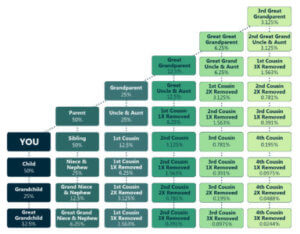
This chart shows what percentage of a person’s genetic makeup comes from a variety of biological relatives. Cay Leytham-Powell/SAPIENS
Here’s the basic math. We inherit roughly half our genes from our mothers and half from our fathers. If one or both of them should be unknown to you, it is a safe bet gene profiling may help you track them down. But how far back across the generations can you go and have similarly assured success? Go back, say, five more generations to your great, great, great, great grandparents. Assuming there hasn’t been a lot of inbreeding in your ancestry (the further you go back in time, by the way, the more likely it occurred), you should have 64 of them. Only about 1.56 percent of your genes may come down to you from any one of these 64 ancestors. Good luck should you go looking for them many generations back—or their living descendants.
Now go even further back in time to the 17th or 18th century. The number of folks on average living then who could have contributed to your genetic endowment is so large (more than 1,000), and their possible genetic contribution so small (about 0.098 percent for 10 generations back), it would be smoke and mirrors to assert claims about who they were in person. In fact, most of these people left no trace of themselves in your genome.
In short, while it can be hard to get your head around the statistics involved, go back more than a few thousand years and you are genealogically related to almost everyone on Earth. Genetically speaking, however, very few of these very distant ancestors contributed something of themselves biologically to your genome.
Given all this, it is hard for me to understand why the results sent back to clients by commercial genetics laboratories are commonly reported as “ethnicity estimates” expressed as percentages adding up to 100 percent. For example, you might be told you are something like: 48 percent West European, 27 percent Scandinavian, 9 percent Irish/Scottish/Welsh, 7 percent Finnish/Russian, 4 percent British, 3 percent East European, and 2 percent other.
These figures are derived by statistical comparison with the genetic profiles of “reference” samples of individuals thought (by those in the laboratory working on your spit or swab) to be “native” to this or that region of the world. However, and here is the main point, you can be native to a place (in the sense that you and your relatives have lived there for a long time) without being genetically typical or “representative” of that place. One reason is the geographic mobility of people throughout human history. Another, and perhaps less obvious, reason is the mobility of our genes. Thanks to the time-honored practice of sexual intercourse, genes can spread far and wide, even if the individuals involved don’t. Given enough (generational) time, as well as the pleasurable human motivations involved, genes can travel the globe.
Follow the latest news and policy debates on sustainable agriculture, biomedicine, and other ‘disruptive’ innovations. Subscribe to our newsletter.
At this point I suspect you may be saying to yourself something like: “But wait a minute, isn’t it true that until recently humankind was subdivided into separate tribes, populations, races, or subspecies that only began to meet and mix after Columbus found the New World in 1492?”
If that is what you are thinking, here’s my answer: No, it isn’t true, even if lots of people nowadays continue to believe that once upon a time human beings existed on Earth in different varieties generically called “races.”
People don’t live in cages. As an anthropologist who has worked in the South Pacific for more than half a century, I know firsthand that all of us are linked with one another far and wide in enduring social networks that—more often than not—pay scant attention to even seemingly insurmountable differences in language, wealth, social standing, and the like. When it comes to having friends and making love, there has always been a will and a way, regardless of any borders or boundaries.
This is why I worry that by reporting their laboratory results as “ethnicity estimates,” companies may be giving their clients misleading fuel for potentially harmful racial (and racist) beliefs.
Consumer DNA tests have been used by some white supremacists in attempts to fuel perceptions of their own “racial purity.” In this photo, members of the Ku Klux Klan yell as they fly Confederate flags during a rally at the statehouse in Columbia, South Carolina, on July 18, 2015. Image credit: Reuters
Are commercial laboratories trying to foster racism and racist beliefs? I doubt it. In any case, a common defense of commercial DNA testing is that what they are selling us is just playful fun, a kind of trendy popular entertainment. As one commentator observed: “We once looked to the stars to amuse, enlighten, and guide us; now we can look to DNA.” The implication is that we would be fools to take commercial DNA testing any more seriously than astrology.
But here’s the rub. Even if people don’t take commercial genetic testing seriously, they risk internalizing the outdated social and scientific assumptions hidden behind these reported results. As an anthropologist, I may be overly sensitive to the potential here for psychological, social, and political harm. Yet I cannot get away from the worry that having our genes profiled in this cavalier fashion can all too easily play into popular notions—and prejudices—that aren’t based on science but instead are grounded on Western assumptions about race and what it means to be a human being.
Human races are inventions of the human mind. Substituting words like “ancestry” or “heritage” for the disreputable old term “race” may sound like progress, but it isn’t. These tests are about more than just having fun with expensive laboratory equipment. By encouraging us to see ourselves as a mix of allegedly different ethnic groups, populations, races, and the like rather than as a mix of genes, commercial DNA tests may lend seeming scientific credence to ideas that by now ought to have been long dead and buried—enduring assumptions about human diversity that have ripped the world apart for far too long.
There is much to think about before signing up and sending off your spittle or swab. If you are like me, perhaps you are content with the number of relatives you now have, and you have no pressing need to add genetics data to your curriculum vitae or insurance records. Alternatively, if you do want to have more relatives around your table at Thanksgiving or Christmas than you have now, don’t waste your spit or the time it takes to collect it. You are 99.9 percent related to everyone else on Earth. There is no need to send anything off to anybody. Just look next door and down the street. Open your eyes and your heart. You can have all the cousins you want.
John Edward Terrell is the Regenstein Curator of Pacific Anthropology at the Field Museum in Chicago; a professor of anthropology at the University of Illinois, Chicago; an adjunct professor of anthropology at Northwestern University; and an honorary fellow in anthropology at the University of Wisconsin, Madison. His most recent book isA Talent for Friendship: Rediscovery of a Remarkable Trait(2014).
Canada’s PMRA—its environmental regulatory agency, part of HealthCanada—rolled out for public comment its tentative decision to phase out almost all outdoor uses of neonicotinoid pesticides over the next 3-5 years. Neonicotiniods, or neonics, are crop protection products that have become the world’s most widely used pesticide class thanks to their ability to selectively control pests that destroy crops, while also being human- and animal-safe.
However, neonics have become embroiled in a multi-year controversy in Europe and North America over whether they hurt beneficial species, specifically honeybees and wild bees. For years, advocacy groups critical of conventional agriculture, relying almost entirely on laboratory studies, have argued that the pesticide weakens or kills honeybees. Field studies contradict the lab reports, and now even the most ferocious anti-neonic advocacy groups, such as the Sierra Club, have recently reversed course, saying the latest evidence does not support an impending ‘bee apocalypse’.
Some of these groups have raised questions about the health of wild bees, which are more difficult to monitor and for which very little data exist. There are genuine concerns about how healthy bees, which face a range of challenges, from deadly mites and the chemicals used to control them to climate change to urbanization. But no clear link has been made to neonicotinoids.
EU bans neonics
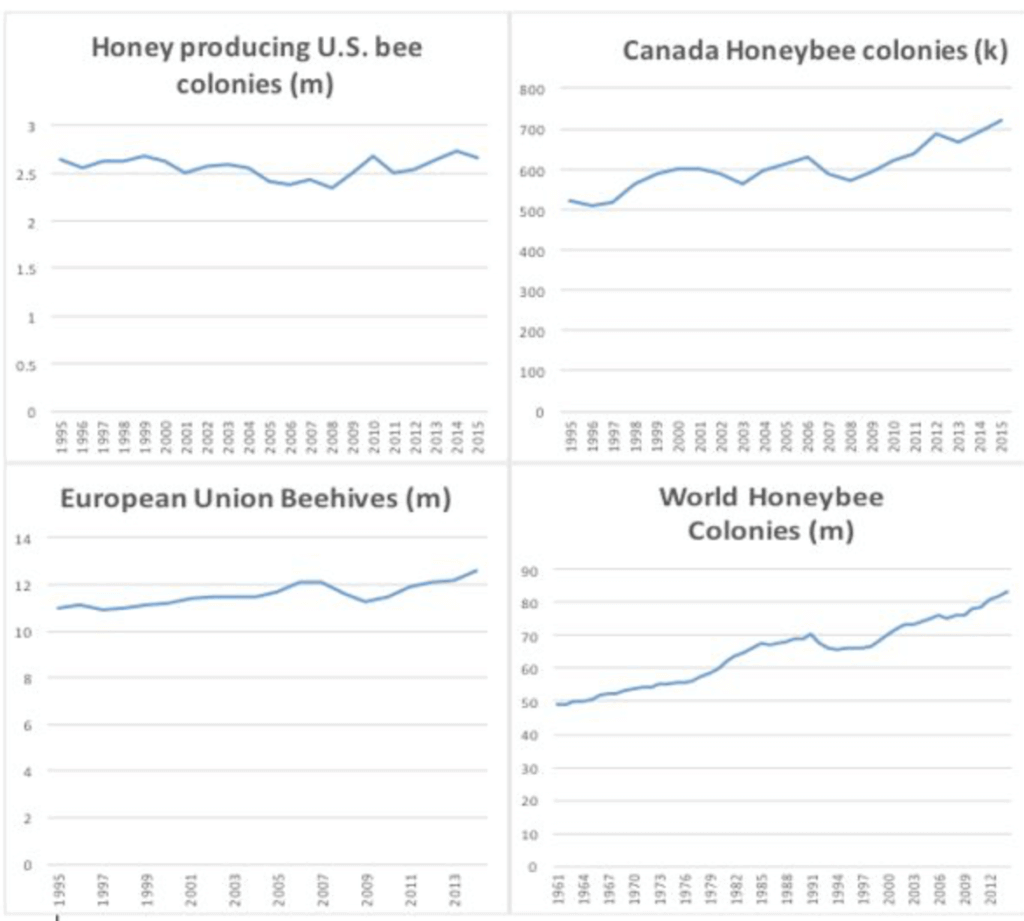
Canada’s move comes about five months after the European Union announced its decision to ban all outdoor uses of neonic pesticides after December, 2018—making permanent and expanding what was originally a two-year moratorium (imposed five years ago) on the use of these pesticides on flowering crops. The EU ban—a years-long objective of anti-pesticide campaigners—was based on claims that neonics pose a threat to honeybees, wild bees and other pollinators. This despite the fact that honey bee populations have been steady or rising in Europe and North America during the entirety of the two decades since neonics were introduced
and have been rising worldwide for over a half-century. The position also ignores the fact that the 2 percent of wild bee species responsible for 80 percent of crop pollination—putting them into greatest contact with neonics—appear to be under no threat of population decline.
The EU reached its decision after years of prodding by activist beekeepers—mostly small hobby owners—and pesticide opponents. There have been dozens of mostly laboratory studies and reports exploring every conceivable mechanism through which neonics could harm bees. But full-scale field studies—the most realistic metrics—have consistently contradicted the lab research.
Inexplicably, the EU ‘Bee Guidance Document’ (BGD)—used as the basis by which politicians made the decision to extend the moratorium—excluded most field studies, raising accusations that the process was rigged. For instance, it specified that bees used in the field tests could not show a mortality rate greater than seven percent when the natural fluctuation of honey bee colony populations is three times higher—up to 21 percent—making it impossible to demonstrate that pesticide-related mortality did not exceed the determined threshold.
Just as impossible was the BGD’s spatial separation requirements for field test fields, which required an area of 173 square miles—seven times the size of Manhattan or four times the size of Paris—for a single full-scale test. It was generally agreed that such a requirement simply couldn’t be met in the European landscape.
The result was that the EU did not evaluate the most powerful evidence, which made a persuasive case that real-world hive activity appears to neutralize the impact of the tiny amount of neonics bees were exposed to. They instead based their evaluation almost exclusively on laboratory studies that consistently overdosed honeybees while ignoring real world circumstances.
Canadian switch
In aligning Canada with the EU’s neonic ban decision, PMRA took a stunningly different tack as it was well aware that the field data on honeybees and wild bees did not support a ban. The agency turned to a ‘special review’ of the neonicotinoid pesticides Thiamethoxam and Clothianidin begun in November, 2016 (coinciding with PMRA’s decision to phase out the oldest, and arguably most redundant neonic compound, Imidacloprid). It concluded that these two neonics did pose a threat—but not to bees and pollinators! Rather to aquatic invertebrates, specifically midges and mayflies.
What? It’s fair to say this curve ball took almost all observers by surprise. After all the arguments—based on roughly a decade of studies, claims and counter-claims—about the supposed neonic threat to honeybees and other pollinators, PMRA took 18 months to pull a completely new rabbit out of the regulatory hat.
PMRA’s analysis and conclusions were considered odd by expert scientists in the field. The document alleged potential harm to midges and mayflies across Canada’s 4 million square miles. But the data was scant
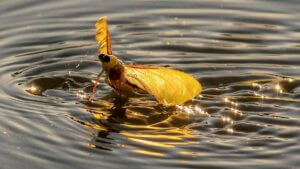
Mayfly. Image credit: Janos Bugany/MTI
to say the least. Beyond a couple of ‘mesocosm’ experiments (in artificially constructed aquatic micro-environments testing effects on the species placed in them), no one has direct evidence of diminished midge and mayfly populations. PMRA admitted this in an early September webinar explaining its proposal. That’s because no one knows for sure what these populations are, or how they fluctuate, in the first place.
In the absence of evidence of direct harm to midges and mayflies (or other aquatic invertebrates), PMRA fell back on judging whether measured concentrations of these neonics in water monitoring data exceeded their ‘thresholds of concern’ for aquatic invertebrate safety, as PMRA explained in its initial August technical briefing on its assessment and its September webinar. But PMRA concedes that its data on detected concentrations of neonics in freshwater samples is incomplete and inconsistent: robust, they claim, for Ontario and Quebec; limited and partial for the western provinces.
The west, however, comprises the bulk of Canada’s land area producing as much as 63 million acres of row crops, and using more neonic pesticides by volume than elsewhere in Canada. Despite information collection limitations, PMRA says that what water data it has from ‘out west’ reveals neonic concentrations that regularly exceed their ‘thresholds of concern’ for adverse effects on aquatic invertebrates.
Which brings us to those thresholds of concern—or of ‘acceptable risk’—and how they are established. It turns out that the key to PMRA’s regulatory conclusion is the radically conservative threshold it chose to set for ‘acceptable risk’—PMRA’s statutory criterion—to aquatic invertebrates. PMRA chose 1.5 parts per billion (ppb) for acute exposure of aquatic invertebrates to the Bayer Corporation’s neonic Clothianidin—and 1.5 parts per trillion(ppt) for chronic (long-term) exposure of aquatic invertebrates. At these concentrations, PMRA judges that 95 percent of aquatic invertebrates would be safe from any harmful effects.
Follow the latest news and policy debates on sustainable agriculture, biomedicine, and other ‘disruptive’ innovations. Subscribe to our newsletter.
But the US EPA’s preliminary aquatic invertebrate assessment for Clothianidin adopted an acceptable risk threshold (that it considered reasonable and conservative) of 50 ppt for chronic exposure—more than an order of magnitude higher than PMRA’s number! To put that in context, Christy Morrissey, the neonic critic at the University of Saskatchewan, adopts an acceptable chronic exposure threshold to Clothianidin of 35 ppt for aquatic invertebrates. (Bayer says its research shows that Clothianidin concentrations of 100–200 ppt are safe when aquatic invertebrates are exposed to them long-term.) The PMRA figure appears specifically designed to ensure that neonics would be found at ‘dangerous levels’.
Curiously, according to PMRA’s toxicity data, as presented in its September webinar, Syngenta’s Thiametoxam was shown to be significantly less toxic to aquatic invertebrates. Yet PMRA judges that it nevertheless merits precisely the same 3-5 year phase out as Clothianidin.
Here are the suspicious decisions PMRA made as it evaluated these pesticides: Its seeming ‘rush to judgement’ on the basis of aquatic effects, only recently and briefly examined; the ultra-conservative ‘acceptable risk’ threshold that is exclusively PMRA’s prerogative to establish; prescribing precisely the same phase-out for two pesticide products with strikingly differential environmental toxicities.
Just last week, Canada’s Canola Council urged for a slow down in the decision process, arguing that most of the data was based on fragmentary modeling and not on hard evidence.
All this looks even more inexplicable based on PMRA’s 2017 review of these two neonics’ effects on pollinators. Those green-light reviews led to the re-registering of these products with relatively minor adjustments in their permitted uses and required mitigation measures.
Canada’s western farmers, who have seen no signs of the issues PMRA is basing its decision on, are baffled and angered. To them, PMRA seems to be imposing a drastic step on the strength of an 18-month review of incomplete and inconsistent water sampling data, applying an unrealistically conservative standard of ‘acceptable risk’ in the absence of any actually demonstrated ecological harm. Faulty and biased as it is on the science, even the EU’s neonic ban, justified by supposed harm to bees, at least had the appearance of greater robustness since for years it has been in vogue in the scientific community to study every conceivable effect of neonics on bees.
Aquatic invertebrates? Barely.
Farmers’ dilemmas
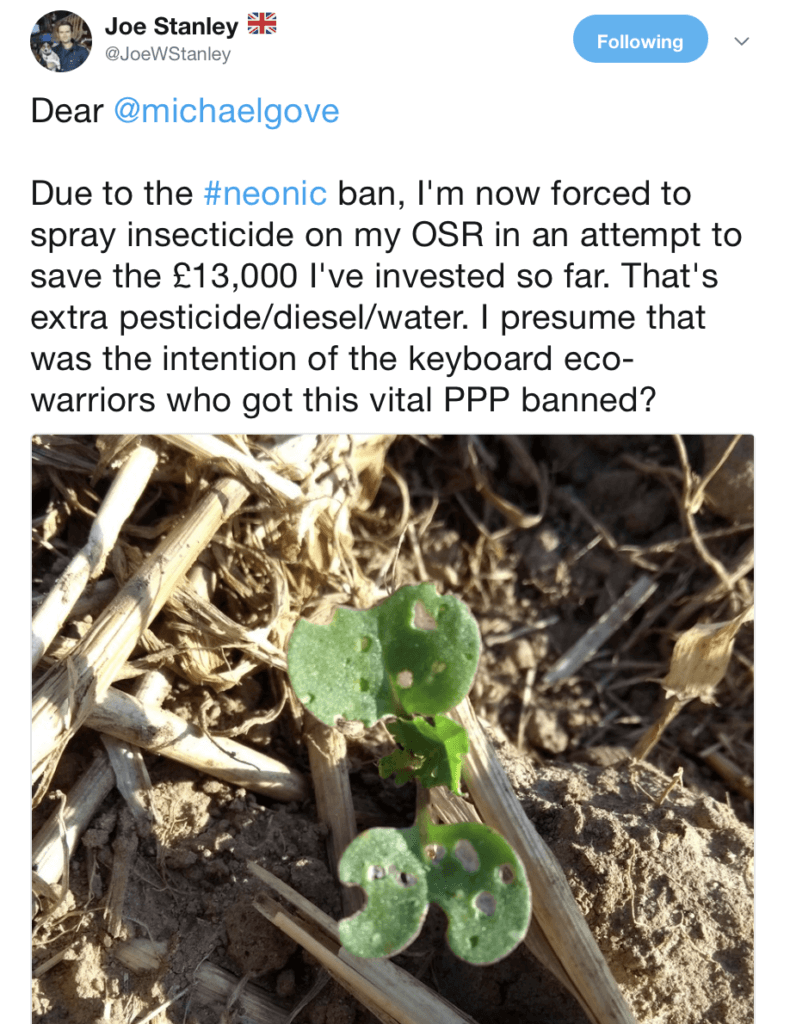
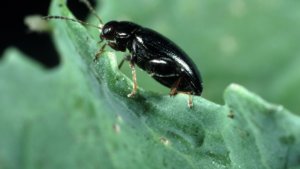
Farmers risk losing an essential tool—neonic seed treatments—for protecting their crops, notably, Canada’s lucrative 23-million-acre canola harvest. For instance, flea beetles can completely destroy a newly planted, untreated canola field in a matter of days. That’s faster than a Canadian farmer can scout the damage and organize a spraying operation with remaining available pesticides., Substitutes are less effective, more toxic to the environment and more costly. PMRA acknowledges that they do not compare the environmental toxicity of the replacement spraying to the neonic seed treatments they propose to phase out. All of this is a ‘big hit’ for Canada’s farmers to absorb on the strength of PMRA’s evidence so far.
What’s more, since it typically takes 11 years and an investment of $286 million to register a new pesticide for the marketplace, PMRA’s extra two-year grace period for phasing out neonics in applications for which there is no currently available alternative is wishful thinking. If the new alternative doesn’t exist now or isn’t in the final stages of regulatory approval, it will never be ready in time.
A recently released study by scientists at the UK’s University of Newcastle on the effects of the EU’s neonic ban on oil seed rape (a relative of Canada’s canola) production may offer a foreshadowing of what PMRA’s phase-out recommendation portends for Canadian agriculture. The survey of more than 200 UK farms documents a roughly 24 percent reduction in the area of growth in the UK from its pre-ban peak in 2012. Crop losses to the cabbage stem flea beetle, owing to the loss of neonic seed-treatment, were shown to exacerbate economic and agronomic factors.
As one UK farmer tweeted, ‘Due to the #neonic ban, I’m now forced to spray insecticide on my OSR in an attempt to save the £13,000 I’ve invested so far. That’s extra pesticide/diesel/water. I presume that was the intention of the keyboard eco-warriors who got this vital PPP banned?’
Just last month, UK officials reported that “swarms” of the cabbage stem flea beetles devastated oil rapeseed crops across the country, sometimes consuming entire fields within 48 hours. To make matters worse, experts in Britain are warning that pests that target other crops have developed resistance to the key alternative pesticide to neonicotinoids. The National Farmers’ Union says that about 60 percent of flea beetles are resistant to pyrethroids, the highly toxic and environmentally unfriendly alternative to neonics.
With Canada’s canola production area roughly 20 times larger than the UK’s OSR cultivation, losses on a UK scale for Canada’s farmers would be a major blow.
Obviously, banning anything can be rationalized if you set the standard of safety too low — in this case, unreasonably low. To all appearances, it would seem that Canada’s PMRA, under pressure from the Trudeau government and its environmentalist supporters in Ontario and Quebec, has grasped for an excuse to ban neonics. PMRA’s three- to five-year phase out plan may be a ‘split the baby’ compromise to soften the blow for Canada’s western farmers, whose economic interests are being, typically, sold out to satisfy Canada’s urban centers ‘out east.’
What’s going to happen next in the US is clear: Based on these recent announced bans, the EPA is about to come under tremendous pressure from advocacy groups to copy-cat the neonicotinoid restrictions in Canada.
Jon Entine, executive director of the Genetic Literacy Project, has been a journalist for more than 40 years, as a writer, network television news producer and author of seven books, four on genetics and risk. BIO. Follow him on Twitter @JonEntine
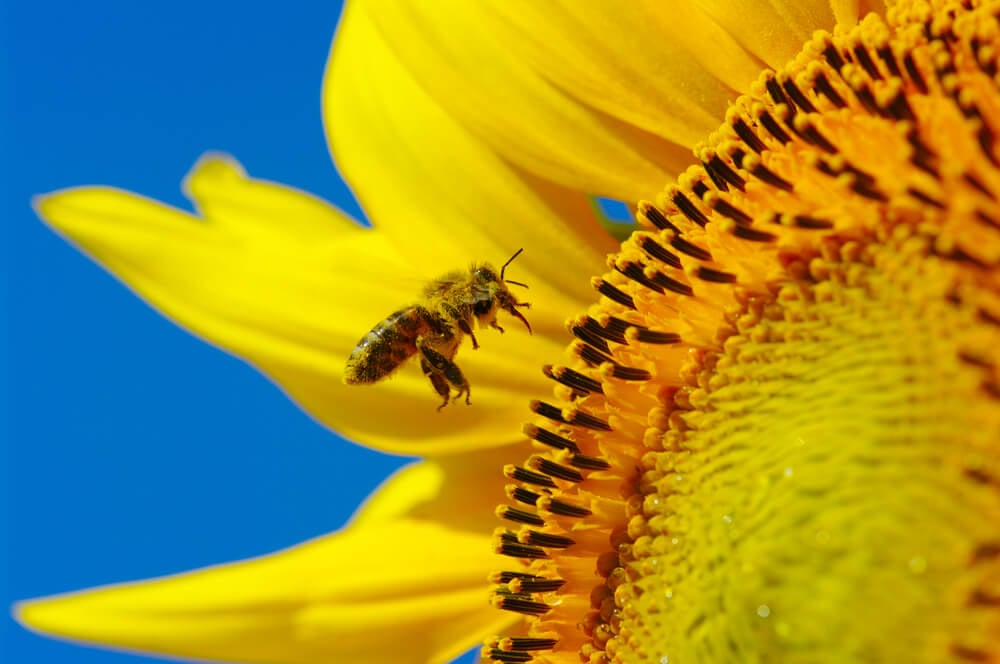
[A] new study offers hope for a relatively simple mechanism to promote bee health and well-being: providing bees access to sunflowers.
The study, conducted by researchers at North Carolina State University and the University of Massachusetts Amherst, showed that two different species of bees fed a diet of sunflower pollen had dramatically lower rates of infection by specific pathogens. Bumble bees on the sunflower diet also had generally better colony health than bees fed on diets of other flower pollens.
The study showed that sunflower pollen reduced infection by a particular pathogen (Crithidia bombi) in bumble bees (Bombus impatiens). Sunflower pollen also protected European honey bees (Apis mellifera) from a different pathogen (Nosema ceranae). These pathogens have been implicated in slowing bee colony growth rates and increasing bee death.
…
“We’ve tried other monofloral pollens, or pollens coming from one flower, but we seem to have hit the jackpot with sunflower pollen,” said co-senior author Rebecca Irwin, a professor of applied ecology at NC State. “None of the others we’ve studied have had this consistent positive effect on bumble bee health.”
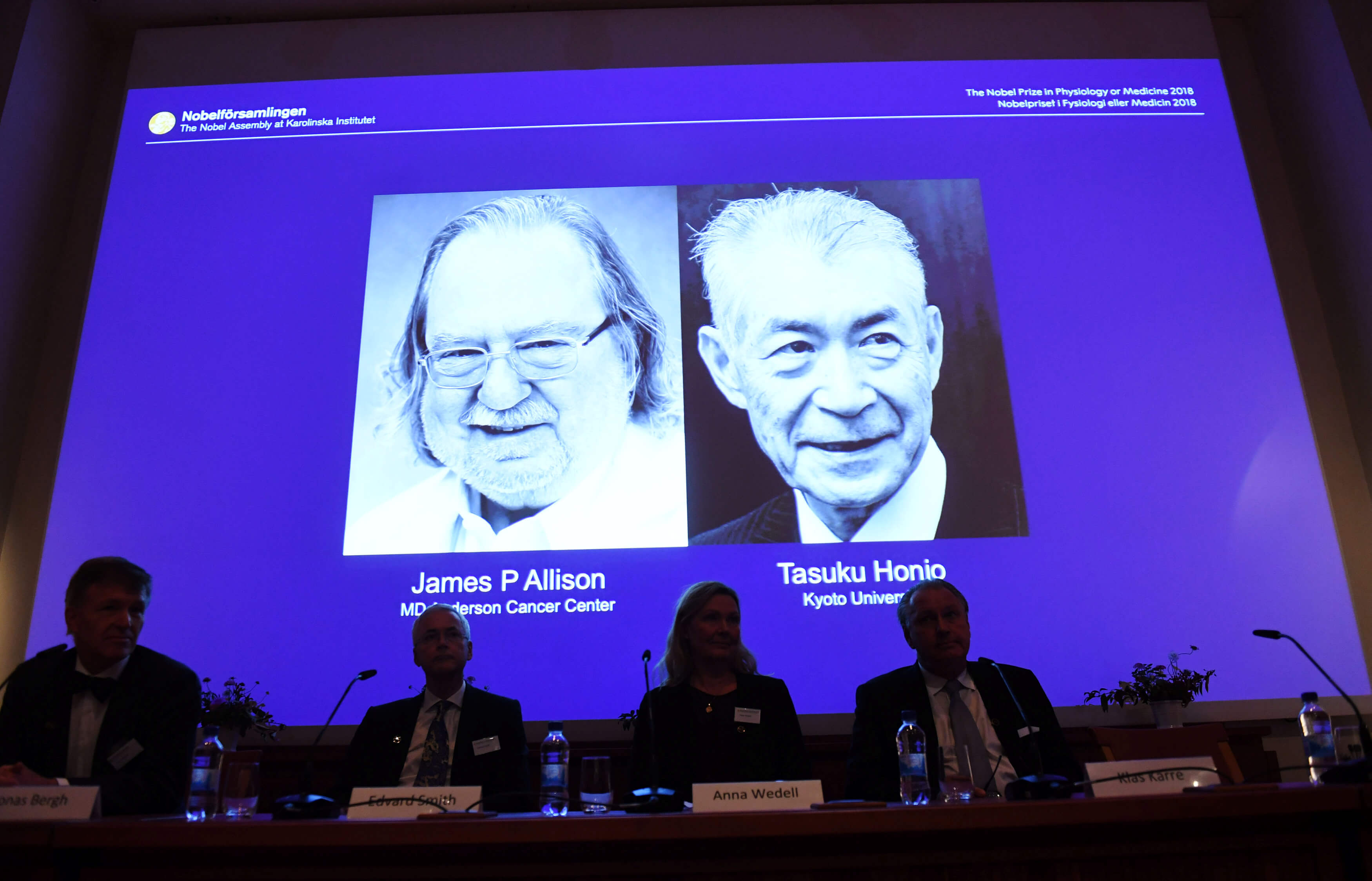
The Nobel Prize in physiology or medicine was awarded Monday [Oct. 1, 2018] to cancer researchers James P. Allison and Tasuku Honjo, whose studies led to the development of drugs that unleash the human immune system against the deadly disease.
The American and Japanese researchers discovered methods of removing the brakes on the immune system to fight cancer, paving the way for groundbreaking treatments called immunotherapy. The drugs have joined surgery, radiation and chemotherapy as a major weapon in the battle against cancer.
…
Allison figured out how to block a protein, called CTLA-4, that holds back the immune system. He developed an antibody to inhibit the protein — research that eventually led to the 2011 Food and Drug Administration approval of ipilimumab, also known as Yervoy, for advanced melanoma. It was the first of a drug class called checkpoint inhibitors that free the immune system to attack malignant tumors.
Checkpoint inhibitors have proved successful for some patients with deadly and advanced melanoma, bladder and lung cancers, sparking a revolution in oncology and a billion-dollar market for the drugs.
…
The approach has been less successful against other cancers, such as prostate and pancreatic cancers, and can cause serious side effects for some people.
A new gene-editing technology known as CRISPR could soon be used to alter the crops producing the food we eat — making tomatoes sweeter, for example, or vegetables more resistant to disease.
…
Larry Gilbertson, a longtime scientist with Monsanto, believes some of the controversy surrounding GMOs stemmed from the giant agriculture company’s lack of direct engagement with the public. Monsanto — now known as Bayer Crop Science after Bayer bought Monsanto for $63 billion this year — plans to do better with products made with CRISPR technology ….
Gilbertson was in Chicago …. at the Foodscape conference on emerging food trends. The following interview has been edited for length and clarity.
…
Q: Consumers who don’t like GMOs might not like gene editing either. How is Bayer planning to address their concerns?
A: First, we want to be part of the conversation …. We’re very proud of our GMO technology and we continue to support that. But we are engaging more with the public …. As a scientist, I wish I could just explain how it works and everyone would just be OK with it. But we know it’s more than just understanding. Food is emotional and I understand that …. The coolest science in the world doesn’t matter if the world isn’t ready for it.”
Read full, original article: Move over, GMOs: More precise form of genetic engineering could make tomatoes sweeter, corn bigger
FDA testing of glyphosate residues in food found no detectable amounts of the herbicide in over half of commodities tested and minimal amounts in corn and soybean samples, the agency said [October 1].
“The findings in this report demonstrate that overall levels of pesticide chemical residues measured by the FDA are below EPA’s tolerances and …. not concerning for public health,” the agency said in a news release.
Those results were included in the FDA’s 2016 Pesticide Residue Monitoring Program, which tested for 711 pesticides across 7,413 samples. The annual survey found that more than 99 percent of domestic and 90 percent of imported food samples were in compliance with federal pesticide standards, which the agency said “were consistent with previous years’ findings.”
…
The study marked the first time [the herbicides] glyphosate and glufosinate were tested by the FDA. Researchers examined the presence of the chemical in corn, soybeans, milk and eggs. The agency discovered that more than 53 percent of samples had no detectable pesticide residues, and all the residues found in the corn and soybean samples were below the tolerance levels set by EPA. No amounts of glyphosate or glufosinate were found in milk or eggs.
Crucially, every single [Carrington’s featherwort] plant found in this secluded Caledonian enclave is male.
…
But hope is at hand for Scotland’s lonely gentlemen featherworts. Next week, [Wellcome Sanger] scientists will announce that they have sequenced the plant’s entire genome, allowing them to assess the genetic health of its colonies and even consider cross-breeding programmes to reinvigorate them.
…
Wellcome Sanger scientists will also declare that they have unravelled the entire complements of genes belonging to a further 24 specimens of British wildlife. These include the golden eagle, the turtle dove and the king scallop, as well as lesser-known species such as the Roesel’s bush cricket and the northern February red stonefly.
Cutting-edge science should bring significant benefits to these species which in many cases are under threat from climate change, invading predators and loss of habitat. An example is provided by information about the golden eagle’s genome, which should help conservationists pick healthy pairs when planning reintroductions of birds – as in a programme being considered for southern Scotland.
“We started the 25 Genomes Project as part of our celebrations for the Sanger centre’s 25th birthday, which is later this year,” said Julia Wilson, the institute’s associate director. “We decided to show what sequencing could do, not just for human health, but for the wellbeing of wildlife across the country.”
The public debate over the costs and benefits of organic and conventional farming continues unabated. But what exactly separates them? And is one somehow better than the other? In this video, Know Ideas Media founder Nick Saik explores the differences between these two farming systems to see how they stack up—and if we have to choose one over the over. Perhaps, Saik argues, the divide between organic and conventional is more political than scientific.
In a new case report, Turkish doctors from Dokuz Eylul University present a curious case of drug intoxication mimicking brain death. Their account is published in Acta Neurologica Belgica.
At an unstated date, a 15-year-old female was discovered unresponsive surrounded by various empty bottles of pharmaceuticals, including aspirin, acetominaphen, and the migraine drug diclofenac sodium. Upon arrival at the emergency room, she was apparently in a deep coma.
…
She was intubated and given activated charcoal to hopefully prevent further absorption of the drugs she had consumed. Doctors tried additional measures to revive the girl and prevent bodily damage, but she was apparently brain dead.
…
On her second day in intensive care, the girl dramatically regained consciousness and could follow commands. So rapid was her recovery that she was discharged in “perfect neurological condition” the following day.
Searching for an explanation for what had happened, the doctors zeroed in on one particular drug the girl had consumed: baclofen. Exploring the scientific literature, they found that baclofen, a central nervous system depressant and muscle relaxant, can in high doses rapidly penetrate the blood-brain barrier and drastically slow the central nervous system to a near standstill. However, once the drug is eliminated from the body, consciousness returns with no lingering harmful effects.
…
As the drug grows more widespread, doctors must be on the lookout for cases of baclofen intoxication masquerading as brain death.
Read full, original post: A Drug Intoxication Mimics Brain Death
It’s never a good time for another bout of genetic determinism, but it’s hard to imagine a worse one than this. Social inequality gapes, exacerbated by climate change, driving hostility towards immigrants and flares of militant racism. At such a juncture, yet another expression of the discredited, simplistic idea that genes alone control human nature seems particularly insidious.
And yet, here we are again with Blueprint, by educational psychologist Robert Plomin. Although Plomin frequently uses more civil, progressive language than did his predecessors, the book’s message is vintage genetic determinism: “DNA isn’t all that matters but it matters more than everything else put together”.
…
Plomin likes to say that various components of nurture “matter, but they don’t make a difference”. But the benefits of good teaching, of school lunches and breakfasts, of having textbooks and air-conditioning and heating and plumbing have been established irrefutably
…
Plomin’s argument provides live ammunition for those who would abandon proven methods of improving academic achievement among socio-economically deprived children. His utopia is a forensic world, dictated by polygenic algorithms and the whims of those who know how to use them. People would be defined at birth by their DNA. Expectations would be set, and opportunities, resources and experiences would be doled out — and withheld — a priori, before anyone has had a chance to show their mettle.
Michael Hansen is a senior scientist for Consumers Union, the consumer advocacy group that publishes Consumer Reports. He has also been fighting against the use of biotechnology in agriculture for more than twenty years.
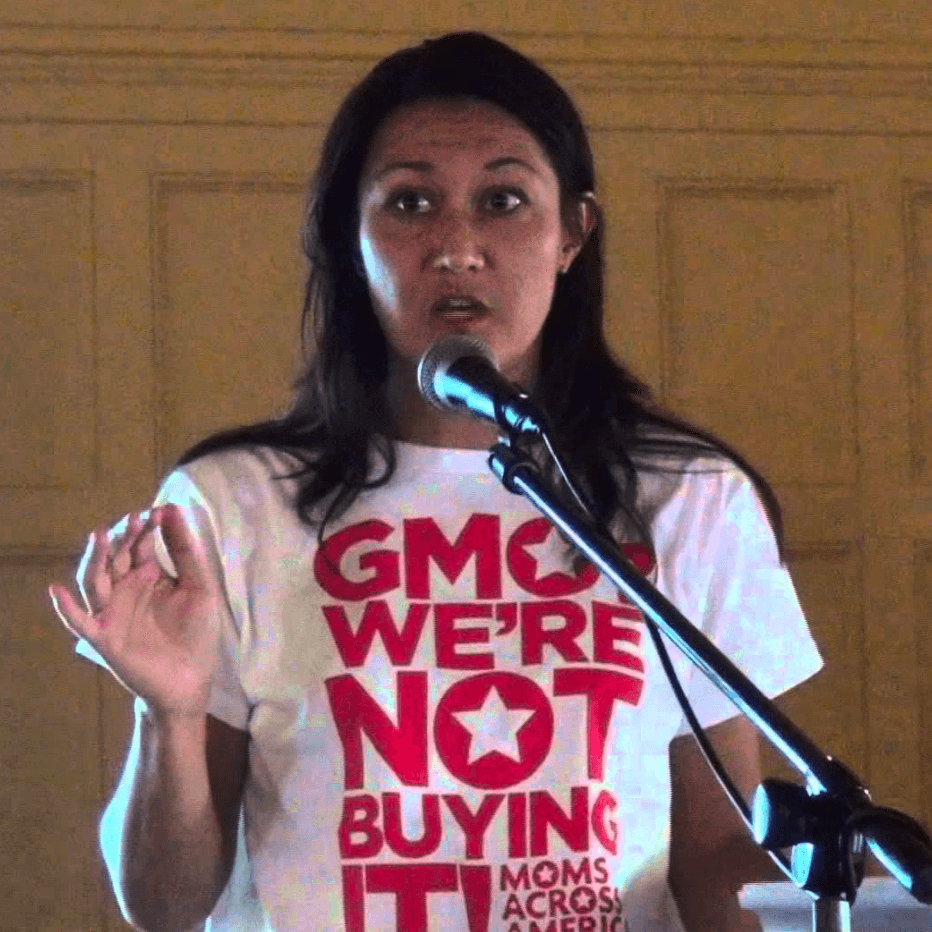
An email from Hansen …. details his encounter with Moms Across America founder Zen Honeycutt. On May 27, 2014 Hansen went with Honeycutt to the EPA to discuss her organization’s concerns with glyphosate.
…
According to Hansen’s email, he is well aware that Honeycutt is not only wrong about glyphosate in breast milk but goes on to refer to her and those like her as “loons”.
While I normally ignore such loons, they are very dangerous since significant portions of the grass roots activists buy into their nonsense. One of them is Zen Honeycutt, founder of Moms Across America, a big anti-GE group.
…
Yet Michael Hansen didn’t take his own advice. According to Honeycutt …. Hansen would again assist her in a meeting three years later with the California Office of Health Hazard Assessment …. he helped her work out the math used to manipulate OEHHA into thinking glyphosate exposure in food was some type of health concern.
How can Consumers Union be trusted on anything when one of their senior scientists knowingly assists a “loon” in the propagation of misinformation to consumers? ….
Read full, original article: Consumers Union knows this anti GMO activist is a “loon”, but keeps helping her
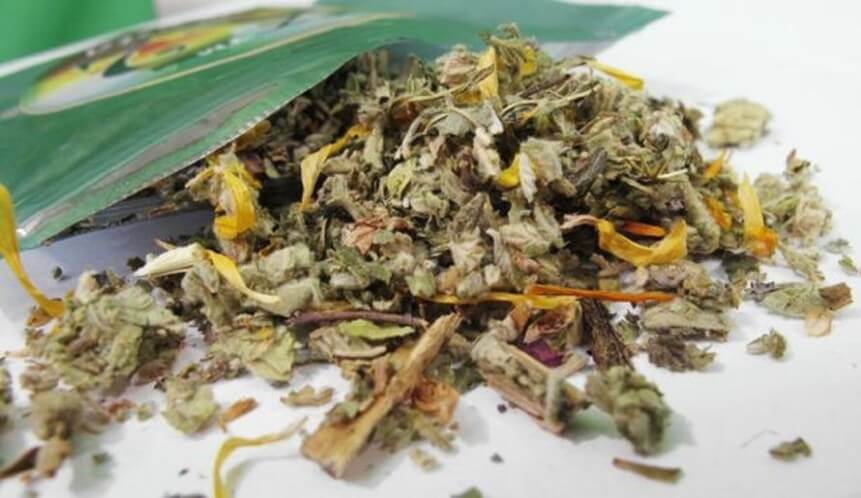
Since March, hundreds of people in the U.S. have come down with horrific, Ebola-like symptoms of bleeding. The initially mysterious cases are now thought to have been caused by synthetic cannabinoid products that were laced with rat poison. And a new report published Thursday in the New England Journal of Medicine details some of the first cases at the epicenter of the outbreak.
…
The study looked at 34 patients who were admitted to the Saint Francis Medical Center in Peoria [Illinois] from late March to April. The patients arrived at the hospital with common symptoms of blood in their urine, internal bleeding, and crippling stomach pain. Others showed up bleeding from their ears, eyes, or nose.
…
While synthetic cannabinoids have been known to cause psychosis, breathing problem and even strokes, though, these sorts of symptoms were unheard of. But they can be caused by ingredients found in certain rat poison products, particularly the chemical brodifacoum, a potent blood thinner.
…
The Food and Drug Administration has previously admitted to the possibility that manufacturers purposefully added rat poison to their supply, hoping to boost the drug’s intoxicating effect. That said, given the black box nature of manufacturing synthetic cannabinoids and other designer drugs (usually in China), there’s also no excluding the possibility of inadvertent contamination.
Some 196 countries may decide to limit access to the benefits of pioneering new biotechnological applications at an upcoming international conference on biodiversity.
Though the prospect runs counter to the idea that science and innovation are essential to conserving the world’s biodiversity, it is expected to dominate discussions at the Nov. 17-29 United Nations Biodiversity Conference in Sharm El-Sheikh, Egypt.
If the countries adopt overly stringent new regulations for synthetic biology applications, genetic engineering techniques and digital sequence information on genetic resources, it could prevent these techniques from joining the biodiversity conversation and possibly result in a de-facto moratorium.
The parties to the Convention on Biological Diversity (CBD) have convened periodically since …. 1999 …. The goals of the CBD are a) conservation of biological diversity; b) the sustainable use of the natural world’s components, and c) the fair and equitable sharing of benefits arising from the use of genetic resources.
The Subsidiary Body on Scientific, Technical and Technological Advice (SBSTTA) is established by the Convention on Biological Diversity with the mandate to provide fact-based advice on key issues to be addressed at the upcoming conference in Egypt.
…
An excessive precautionary mind-set resulting …. could impede …. modern biotechnology [that] has contributed to high yields that helped reduce pressure to use more land for farming. It also has the potential to restore deteriorating environments ….
Half of the vegetables grown in the United States are from California. “California is famous for three things: “Hollywood, Silicon Valley and vegetables,” says John Purcell, Monsanto’s global vegetables R&D lead. There’s more similarity between those last two than you might think.
The Central Valley of California stretches about 450 miles, running parallel to the Pacific Ocean and encompassing an area the size of a small country. The sun shines three hundred days a year and the hot summers and cool winters are ideal for growing crops. Over two hundred fruits and vegetables thrive — fields of tomatoes, carrots, lettuce, broccoli and watermelon are spread across the valley like a rainbow tapestry.
The big players in vegetable technology — agribusinesses such as Dow, Syngenta and Monsanto (now merged with Bayer) — all have a presence. Monsanto’s Woodland vegetable research facility is the largest seed research center in the world. On its 212 acres sit offices, a seed library, greenhouses, a genetic marker lab and fields upon fields of fruits and vegetables. Last year, Monsanto brought me to Woodland at their expense to gather with a group of reporters to “gain an inside look at where agricultural technology (AgTech) is today, and where it’s heading in the not-so-distant future,” per the email invite.
Most of the fresh vegetables at my local California supermarket come from the Central Valley. Here the idea of “agricultural technology” has plausible deniability. Browsing the produce section, the most common word I see on packages is some version of “natural”: There’s NatureFresh peppers, Naturipe strawberries and NatureSweet tomatoes, to name a few. There’s no hint that technology has been involved in creating any of these.
A packaged medley of colorful cherry tomatoes advertises itself as “Wild Wonders.” What passes for a “Wild Wonder”? The brown tomato in the bunch is the mini Kumato, a patented plant with a thirteen-page dossier. Every tomato in the package is a trademarked variety, grown inside sophisticated hydroponic greenhouses that firmly keep out the wilderness.
Real, wild tomatoes are pea-sized and “aren’t very good,” according to Mark Oppenhuizen, Monsanto vegetable R&D strategy and operations lead. These domesticated beauties have been radically transformed by a multitude of human decisions, starting in Mexico during pre-Columbian times. These are tomatoes nature had never generated. The flavors are wonderful, but there’s nothing wild about them. It’s a complete fiction.
These tomatoes remind me of a headline I ran across a couple of years ago: “A tomato contains more technology than an iPhone.” That headline is a metaphor that perfectly encapsulates the point that every modern crop is the result of mankind taking the given in nature and transforming it into something radically different.
And it’s not just tomatoes — examples of this are all over the place. Corn began as a grass-like plant with tiny cob-like fruits. It wasn’t very nutritious and was completely unrecognizable (without a biology degree, anyway) as the precursor of corn. Wild bananas are tiny, with pulpy flesh, riddled with seeds and encased in a tough peel. Before domestication, they were lean and mean. Kale, cauliflower, cabbage and broccoli all come from the same wild mustard plant, which more closely resembles an old stick than any of these modern vegetables.
Each vegetable that we enjoy has been transformed through thousands of human decisions into highly advanced products. In other words, into pieces of technology, much like an iPhone. But this isn’t something we celebrate, let alone acknowledge. In the grocery store, natural mythology reigns supreme. And anything that upsets that narrative is likely to be passed over by customers.
When we see a smartphone or a computer, the curved lines of metal bezels and high-gloss black plastic immediately signal that this is something created by humans for humans. But with food it’s different. When we see the succulent curves of a tomato or the cheery and convenient yellow peel of a banana, we give the credit for these attractive qualities to the wrong thing entirely. We pluck them from plastic boxes in air-conditioned grocery stores underneath signs that crow “all natural” with nary a thought of how unjust that is to the human beings who created them.
According to the makers of the Wild Wonder tomatoes, customers shouldn’t be turned off by the deep brown color of the Kumato since “the brown tone is not due to genetically modified whatevers.” “We don’t do that,” they assure customers without a hint of self-consciousness.
It’s not Mother Nature we should be thanking — it’s mankind and its scientists.
As I step through the black security fence that encloses Woodland, I’m reminded of the controversy that surrounds Monsanto. Environmentalist groups, such as Millions Against Monsanto and Greenpeace, have made careers out of demonizing and attacking this agricultural company. Just typing the word “Monsanto” into an internet search spits back a list of millions of headlines, rife with conspiracy theories about the allegedly dangerous “unnatural” foods this “evil” company is creating.
Its very existence of pushes against a food mythology that most people hold dear: the idea that when it comes to food, natural is better. What I found behind the security gate wasn’t mustache-twirling scientists making food worse through technology, but food entrepreneurs using the latest technology to improve food: in ways both big and small.
Consider the tomato
The great thing about the capitalist grocery store is that shoppers don’t have to be too concerned about where their food comes from in order to fill their carts. Tomatoes almost always make it onto my grocery list, and I don’t often stop to consider them when unceremoniously placing them into my basket. But for those who stop to consider the tomato, the experience is fantastic. And it has the mark of humanity all over it.
While in Woodland, I found myself sitting at a table about to do just that.
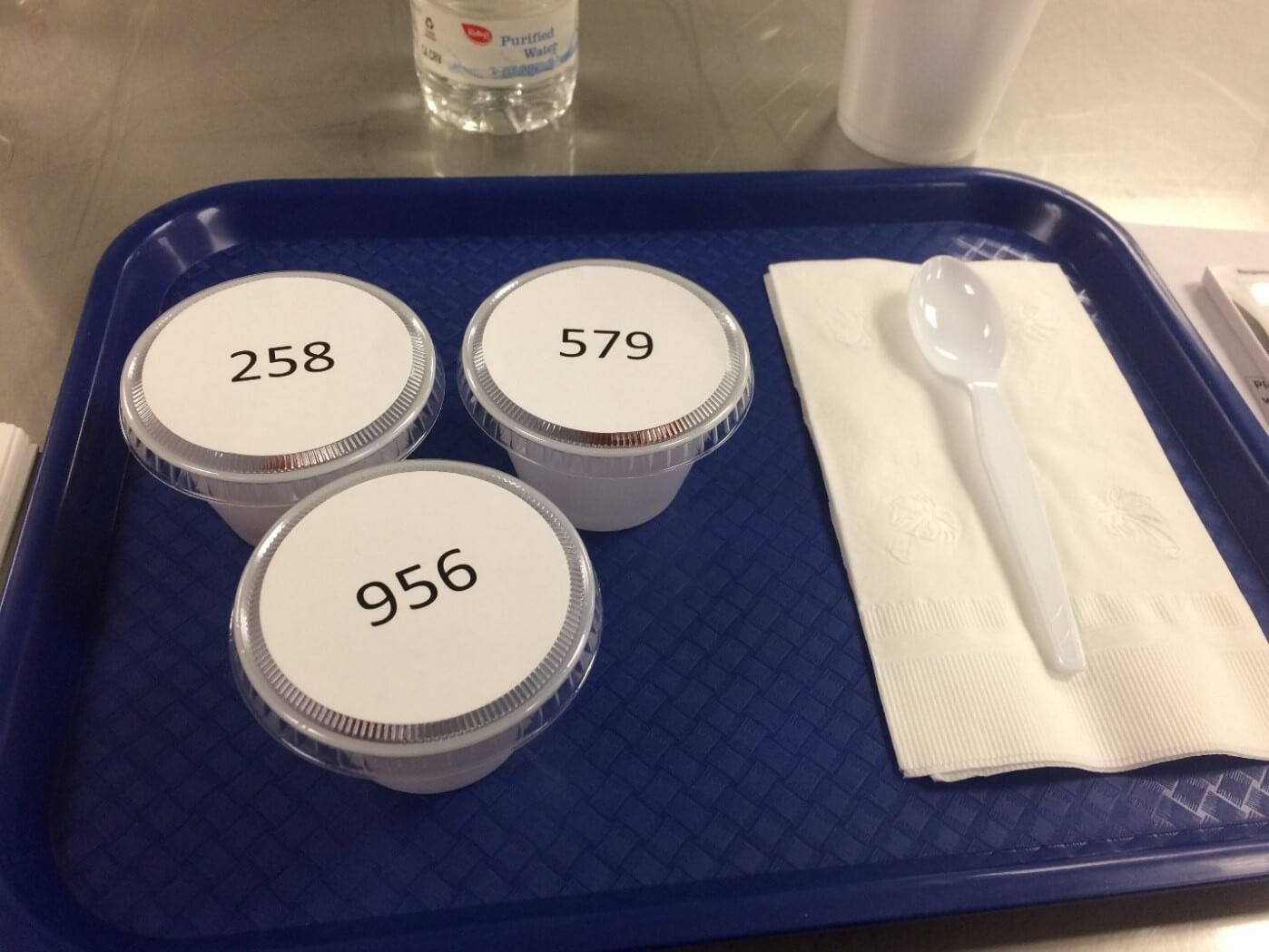
The mock taste test is about to begin. Inside each cup hides a single cherry tomato.
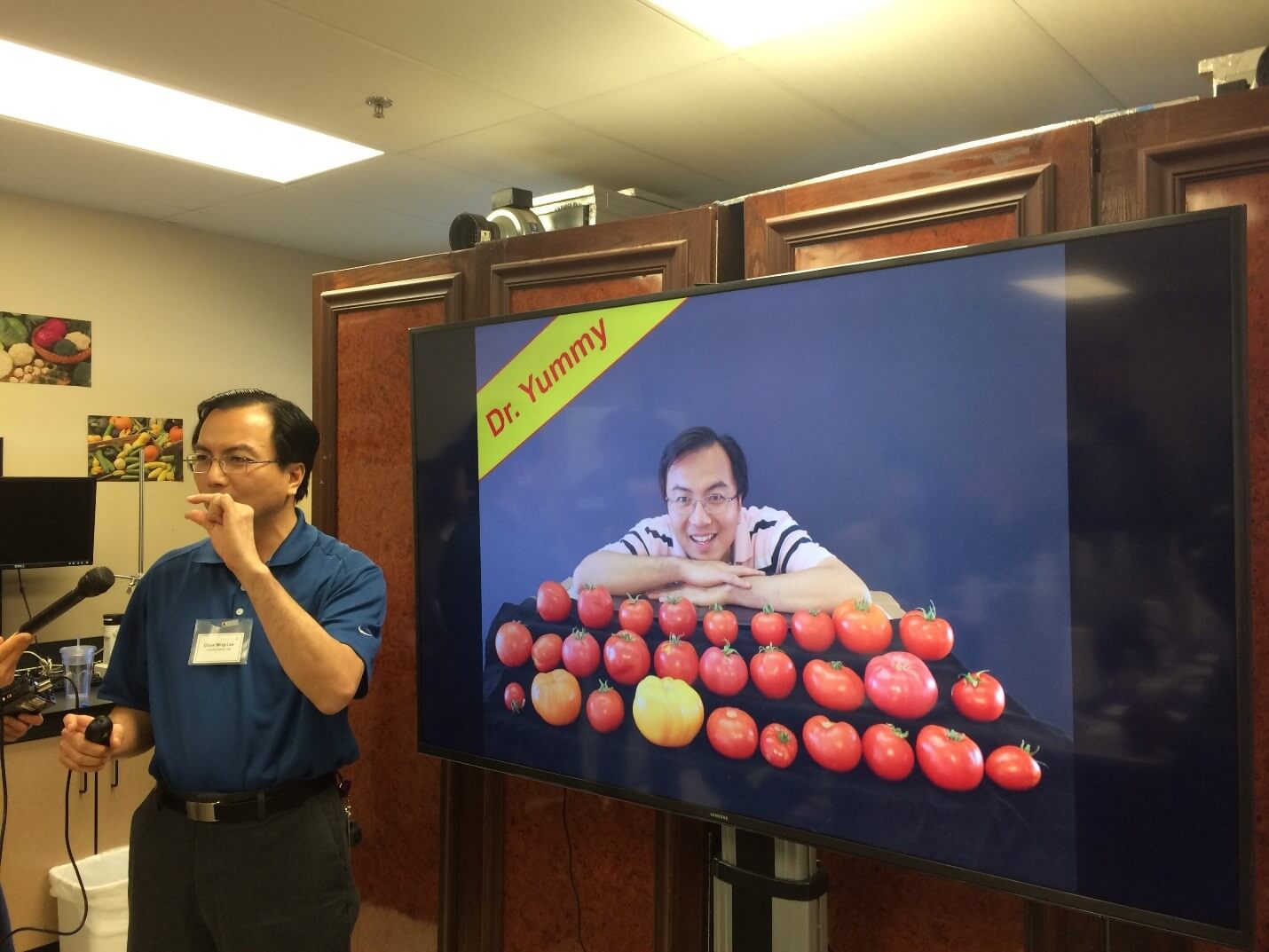
In front of me sits a clean, blue plastic tray set with numbered cups, a plain white napkin and plastic utensil, all neatly arranged. As I sit and begin to fiddle with what’s in front of me, I hear a voice from the front that chides, “Leave the cups in the order you found them.” That’s Chow-Ming Lee, consumer sensory lead at Monsanto. Later I’ll learn why — everything in front of me has been placed there purposefully. I’m there with a group of reporters, participating in a mock taste test. This is how Lee sets up to gather data on his favorite fruit: tomatoes.
Lee is obsessed with every detail of tomatoes and engrossed by how consumers experience them. Using the data he gathers in taste tests like this one, he can direct breeders to create better-tasting, higher-quality tomatoes that are ever more tempting. For Lee, finely dialing in each aspect of the tomato adds up to “product advancement.” Like all science, it’s serious business.
The samples in front of me are labeled clearly with three-digit numbers — not one or two digits, which testers might subconsciously identify with their personal favorite numbers. Three digits are anonymous enough, but not so lengthy as to be overwhelming. Even the one-through-nine scale we will use to rate the tomatoes has been studied. “The data set is challenging,” says Lee. To get good data, you must be fastidious, doing everything possible to minimize the “noise.”
I open sample 956. There’s a cherry tomato staring back up at me. I focus. In a moment, I’m going to have to rate it. Isolated in this way, it occurs to me that I’ve never really considered a tomato before.
It’s incredible.
It’s a swirl of perfect tomato red in deepening shades, more oblong than spherical. It’s firm, yet it springs back when I squeeze it between my fingers. Lee directs us to pop it into our mouths whole, so as not to “weaponize it.” I oblige. As I bite, there’s a pleasing crunch as the flavor bursts out of a void I didn’t even know existed. I experience it in waves as I chew. A bite of acid is balanced, then overtaken by a note of sweetness. It finishes with a lingering cadence that I can only name as “tomato.” I don’t even have the vocabulary to describe this.
After I’m finished, I’m left wanting another. Being able to design this kind of experience would make any smartphone engineer jealous.
Dr. Chow-Ming Lee explains how to eat a cherry tomato. Pop it into your mouth whole, so as not to “weaponize it.”
According to Lee, consumers use all of their senses “to come up with one simple conclusion: I like it.” And if they don’t like it, it can send breeders back to the drawing board. In iPhone engineering, this would be called “usability,” or “focus group testing.” And Lee is “serious about getting good data.” Lee envisions a day when his data could help taste-testing robots “estimate consumers” and predict which varieties are likely to succeed in actual consumer testing.
All this so that shoppers like me can pick up delicious tomatoes from grocery stores without having to think too much about it.
As for tomato 956, I gave it a six. As good as it was, I can somehow imagine even better. Lee says that a six is pretty good for a tomato. After all, he says, “it’s not chocolate.”
The seed library at Monsanto Woodland. This gene bank contains millions of seeds, says Mark Oppenhuizen.
Match.com for lettuce
When growing the hardiest and best-tasting vegetables, it all comes down to having the right seeds. Just as a golfer brings all of his clubs to the course, not knowing which type of shot he will need to make, breeders need a diversity of seeds if they are going to create the next generation of plants.
Wild tomatoes, for example, may not be all that appetizing but they are adapted to grow in a variety of climes in their native South America. That means wild tomato seeds could offer breeders valuable traits, like disease resistance, ability to survive in a drought or even striped skin, if you are into that kind of thing. But Mother Nature’s gene pool is useless without a great deal of work — it must be turned into a resource. Nature doesn’t catalog, collect and systematize genes for human use. That’s what a seed library is for.
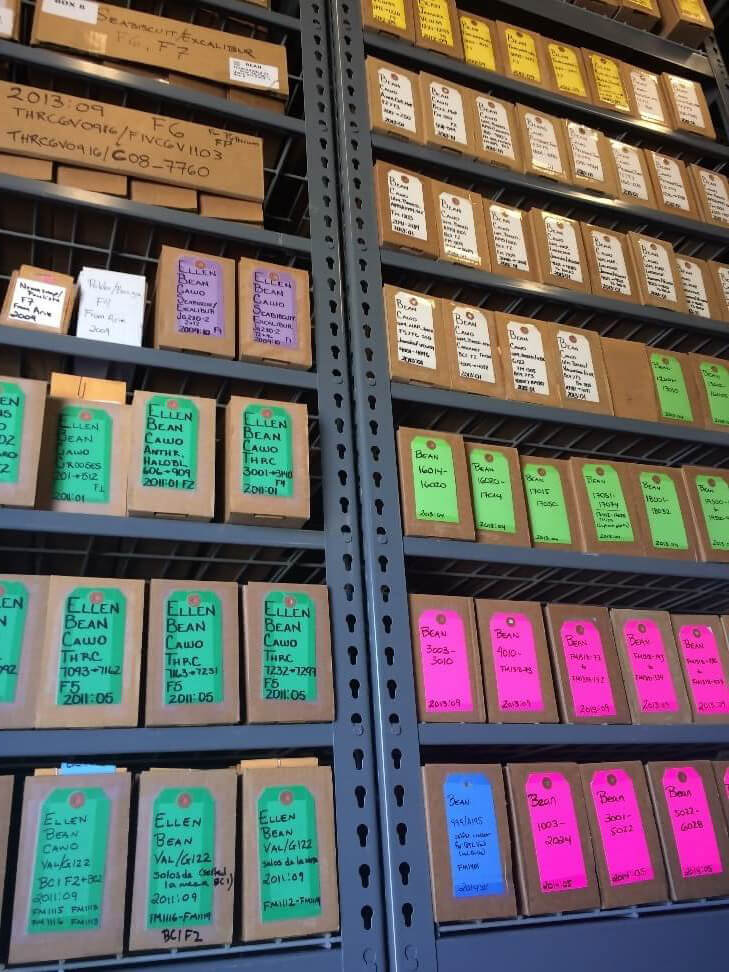
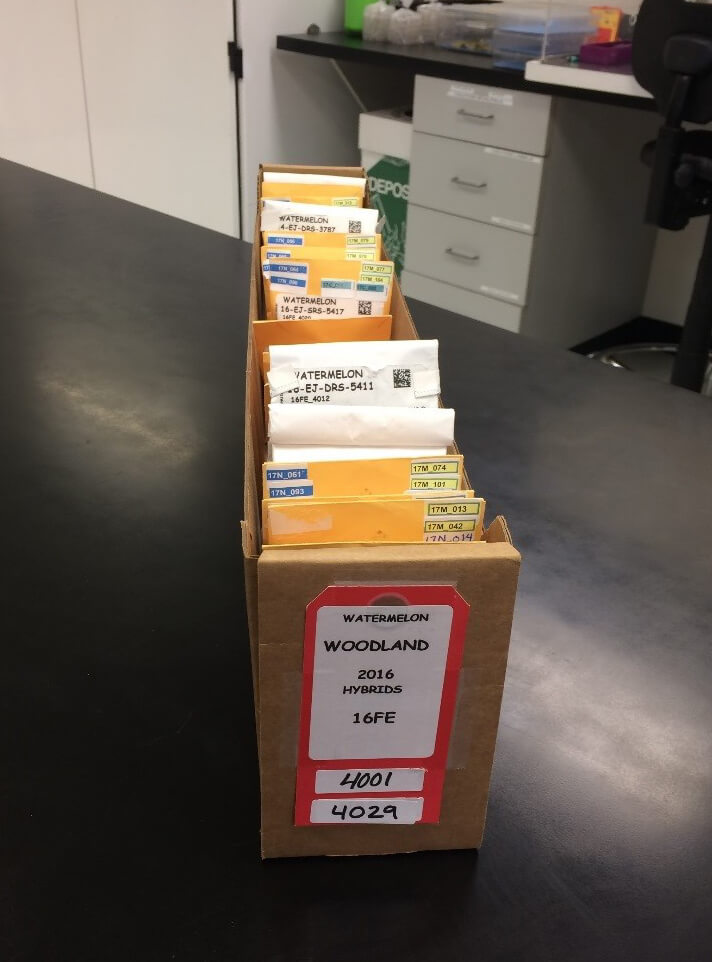
In refrigerated rooms at Woodland stand row upon row of shelves, lined with boxes of seeds stacked twice the height of a man. There are millions of seeds in the library, and each packet has a story. Some contain seeds that breeders created last year, others were collected from the wild in seed expeditions in the 1940s and 50s, while others contain varieties popular in gardens in the 1800s. “Our seed companies go back over a hundred years,” says Oppenhuizen.
Each packet has a scannable QR code that calls up all known information about the variety in the library database, from disease susceptibility to morphology. Information is constantly being added. But seeds aren’t kept here as museum marvels — one of those seeds might hold the key to solving a problem. Using modern technology, seed librarians aid farmers in their quest to render harmless the chaos and unpredictability of nature.
This is what is known as a “working library,” says Oppenhuizen, and in plant problem-solving, “having a diversity of seed is really critical.” For example, if farmers report a fungus sickening their lettuce crop, researchers like Staci Rosenberger, a plant pathologist at Monsanto, get hold of a sample, implant it on a live host to keep it alive and hunt through the library to find a lettuce equipped with genes that would give it some measure of immunity.
A diversity of seed in the library means a better chance that she’ll be able to find a lettuce that could help. “It’s like Match.com for lettuce,” says Purcell, the R&D lead.
A box of watermelon seeds, pulled from the library.
When the right lettuce is found, it is bred with the affected variety. But there is no guarantee that the seeds from this cross will grow into varieties that are both disease-resistant and appetizing. It will take many generations of selective breeding to create just the right lettuce. And it is impossible to tell by looking which seed might be an offspring headed in the right direction. “Marker-assisted breeding” makes that job fast and predictable. Before this technology existed, even a dedicated farmer with careful notes could spend a lifetime breeding generation after generation of plants, one per season, with only a hope that the right lettuce would eventually emerge.
Today, offspring lettuce seeds can be sent not into the ground but into Woodland’s genetic marker lab, where a “seed chipper” takes tiny DNA samples.
The genetic marker lab is the most high-tech part of the facility. Once inside we are not allowed to photograph the machines — the competition could figure out exactly how they function. Marker-testing machines here look at millions of DNA samples a year to help breeders determine which genes should make it into the ground. Marker-assisted breeding is like the artificial selection our ancestors practiced for ages, only this isn’t blind. By peeking at the genes within the seed, researchers can help determine which seeds will contain desirable traits, without having to “plant and check.”
Genes are like recipes in an organism’s cook book — they determine what traits the plant will have, from the shape of a leaf to the color of a fruit. Lab technicians prepare tiny, pinhead-sized DNA samples by the thousands and feed them through a machine that determines what those traits are.
A tomato, for example, has approximately 31,000 genes, more than a human. Along those long and winding roads of DNA, about a hundred regions have been “flagged” or matched to the traits they produce in the plant, including regions that control disease resistance, color and flavor.
Researchers in this part of the facility act like the Lewis and Clark of the plant genome. They explore uncharted DNA, creating maps and flagging genes that will help breeders decide which seeds should be planted. Instead of canoes and pencils, they use molecular biology, statistics, information technology and precisely engineered machines to complete their expeditions. All this to help breeders upgrade lettuce, melons and tomatoes.
And it’s not only positive traits that marker-assisted breeding can screen for. In potatoes, for example, breeders must keep a close eye on the glycoalkaloid production. Glycoalkaloid is a natural substance potatoes produce in defense against insects and fungus, but potatoes that produce too much can be toxic to humans. Monsanto scientists don’t concentrate on potatoes, but elsewhere, potato scientists are working to flag genes that control this trait to help avoid accidentally breeding toxic tubers.
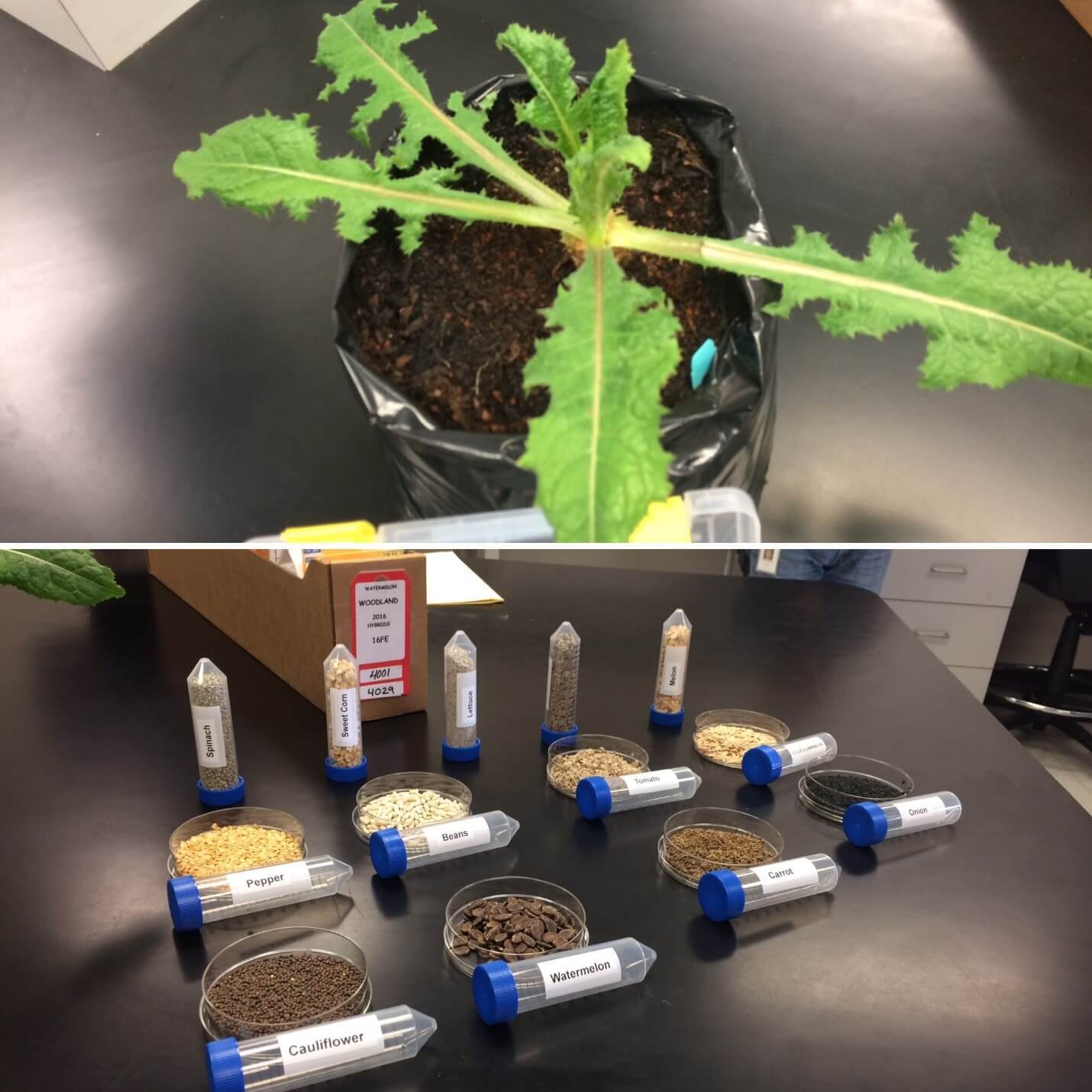
Top: An unappetizing lettuce grows from library seeds. Bottom: Various seeds in dishes.
Marker-assisted breeding is not considered “genetic engineering,” although in terms of the goal of creating superior plants, there is little difference between the two methods. DNA is the software of the plant — it tells the hardware how to grow. Marker-assisted breeding screens for the seeds with the best operating systems, created in the random happenstance of sexual propagation; genetic engineering, on the other hand, changes the code directly. In genetic engineering, single genes that produce desirable traits are transferred one at a time from one plant into another before breeding.
Each technology has its advantages. Genetic engineering is the clear winner when desired genes are known or when the gene that is key to creating a superior vegetable comes from a different species. For example, Golden Rice borrows genes from corn and a common soil microorganism. These additional genes give rice the power to produce pro-Vitamin A, the same nutrient, found in carrots and spinach, that helps to prevent blindness. A rice-only mating program could not possibly create it. Conventional marker-assisted breeding is the winner when a trait is controlled by many genes, or when the genes that code for the trait you are looking for aren’t precisely known.
Genetic engineering is a relatively new technology, emerging in the last thirty years, but in terms of the goal of food improvement, it is not different in kind from older technologies involving cruder forms of genetic modification such as artificial selection. It is interesting to note that the most precise tools, transgenics (GMOs) and more recent advances in new breeding techniques such as gene editing, are also the ones most viciously attacked by environmentalists. They work tirelessly to shut down any attempt to use genetic engineering, whereas messy marker-assisted breeding, in all its technical glory, somehow escapes their ire.
enetic engineering is considered impious because it isn’t “natural,” or as one prominent anti-GMO activist puts it, because it is “pollution” of the genome. In truth, the foods we enjoy today are the product of thousands of years of human-influenced changes. Genetic modification that did not — could not — have occurred ‘naturally’. Thankfully, the abundant foods now available have been radically altered from their natural states; improving food is a distinctly human activity, and an intensely moral one, no matter the tool we reach for.
Prepare for change
In Silicon Valley, an entrepreneurial attitude is part of its identity That attitude is called “crushing it” or “changing the world.” Changing the world can mean engineering a new app that everyone wants or writing code that controls a fleet of self-driving cars.
I found the same entrepreneurial attitude alive in “Vegetable Valley.” In Vegetable Valley, changing the world could mean you uncovered a disease-resistant strain of romaine or cherry tomatoes have a smoother finish this year thanks to your data. And what goes into “changing the world” this year may not be good enough to do it next year.
Back at the mock taste test, Lee notes that this changeability is one of the exciting challenges in the science of consumer preference testing. A tomato that has done well one year may not the next — trends change, as well as consumer expectations. Once they have tasted better, they will expect it again the next season. “It’s not stagnant,” he says. “You have to be prepared for change.”
The grocery store is full of change, if you stop to notice. Miniature watermelons are now available. So are tiny peppers and carrots cut baby-sized. Garlic on the other hand, is grown colossal-sized and strawberries seem huge compared to what I used to get as a child. I experienced a jolt of delight earlier this year when heads of neon purple and orange cauliflower showed up next to the plain white variety. I buy them just for the fun of it. Hopefully, genetically engineered apples that don’t brown when sliced will soon be available. I’ll even buy Kumatoes as a thank-you to some anonymous food innovator who thought that I would find a deep-chocolate-colored tomato intriguing.
It’s only through human technology that we have access to a cornucopia of ever-improving produce.
Follow the latest news and policy debates on sustainable agriculture, biomedicine, and other ‘disruptive’ innovations. Subscribe to our newsletter.
But there’s no indication that the natural food myth is changing. Organic foods, an entire segment of food production, philosophically opposed to any sort of technology in food, swells every year. Although it only represents about 4 percent of the market, Americans spent $45 billion on organic foods last year. Labels that advertise food as “not genetically engineered” are ubiquitous. Even Monsanto, with its technologically advanced Woodland facility, doesn’t do much to dispel the myth beyond the fence surrounding the research center. They tell us on their website that agriculture’s success is attributed to farmers working in “harmony with nature.”
It’s time to ditch the mythology.
When it comes to growing food, nature is the wild we tame, the chaos and disease that we keep out of the greenhouse and the raw genetic materials we transform into seed resources. The real story of agriculture is the transformation of the rare, inefficient and scarce into the common, plentiful and cheap. It’s the story of creating living technology to solve problems that have plagued generations before us. It’s the entrepreneurial quest for the best, even in the face of the pretty good. Agricultural technology is something to celebrate, not shun.
Philosopher Ayn Rand said that a scientist “is a man whose mind does not stand still.” And if it is to make our lives better, the technology created by scientists can’t stand still either. That’s true for both smartphones and tomatoes.
“I live and eat and breathe tomato,” says Lee. “Why tomatoes?” I ask him. “It’s complex,” he says. “Tomatoes are challenging.”
Meeting the challenge is what it means to be human.
Some of the intellectual content in this article was developed as work-for-hire at the Ayn Rand Institute (ARI) and fundamentally impacted by contributions from ARI staff members. ARI has agreed to give me full permission to use this content. Any errors in this work are my own.
Amanda Maxham, PhD, is a science writer with a background in high energy astrophysics. She defends mankind’s moral right to create and use technology and the industrial capitalism that makes it possible. Follow her on Twitter @DrMaxham