GMO plants could boost production of earth-friendly biofuels

biofuels

A study at the U.S. Department of Energy’s Brookhaven National Laboratory identifies new details of how a sugar-signaling molecule helps regulate oil production in plant cells. As described in a paper appearing in the journal The Plant Cell, the work could point to new ways to engineer plants to produce substantial amounts of oil for use as biofuels or in the production of other oil-based products.

The study builds on previous research led by Brookhaven Lab biochemist John Shanklin that established clear links between a protein complex that senses sugar levels in plant cells …. and another protein that serves as the “on switch” for oil production …. Using this knowledge, Shanklin’s team recently demonstrated that they could use combinations of genetic variants that increase sugar accumulation in plant leaves to drive up oil production.

“Making oil is demanding,” [Shanklin said,] you want to make it when you have lots of energy — which in cells is measured by the amount of sugar available. By understanding how the availability of sugar drives oil production, we hope to find ways to get plants to boost the priority of making oil.”

Read full, original article: How a molecular signal helps plant cells decide when to make oil

Viewpoint: We need to push artificial intelligence beyond ‘spying, brainwashing, or killing’

ai

We are facing a future with great uncertainty and tremendous promise, and the best we can do is to confront it with a combination of heart and mind, of common sense and rigorous science. In the realm of AI, what this means is, we need to do our best to guide the AI minds we are creating to embody the values we cherish: love, compassion, creativity, and respect.

Currently, most AI development occurs under the aegis of military organizations or large corporations oriented heavily toward advertising and marketing. Put crudely, an awful lot of AI today is about “spying, brainwashing, or killing.”

[W]e face a situation where AI tends to exacerbate global wealth inequality and class divisions. This has the potential to lead to various civilization-scale failure modes involving the intersection of geopolitics, AI, cyberterrorism, and so forth. Part of my motivation for founding the decentralized AI project SingularityNET was to create an alternative mode of dissemination and utilization of both narrow AI and AGI—one that operates in a self-organizing way, outside of the direct grip of conventional corporate and governmental structures.

In the end, though, I worry that radical material abundance and novel political and economic structures may fail to create a positive future, unless they are coupled with advances in consciousness and compassion.

Read full, original post: Instilling the Best of Human Values in AI

Scientists engineer bacteria-hunting virus to kill E. coli in drinking water

children drinking water

To rapidly detect the presence of E. coli in drinking water, Cornell University food scientists now can employ a bacteriophage — a genetically engineered virus — in a test used in hard-to-reach areas around the world.

“Drinking water contaminated with E. coli is a major public health concern,” said Sam Nugen, Ph.D., Cornell associate professor of food science. “These phages can detect their host bacteria in sensitive situations, which means we can provide low-cost bacteria detection assays for field use — like food safety, animal health, bio-threat detection and medical diagnostics.”

The [virus] carries a gene for an enzyme NLuc luciferase, similar to the protein that gives fireflies radiance …. when the bacteriophage finds the E. coli in water, an infection starts …. After the [virus] binds to the E. coli, it shoots its DNA into the bacteria. “That is the beginning of the end for the E. coli,” said Nugen. The [virus] then ….breaks open the bacterium, releasing the [radiance] enzyme as well as additional [viruses] to attack other E. coli.

Describing the importance of phage-based detection technology, [First author Troy Hinkley, a Cornell doctoral candidate in the field of food science] said, “Global Good invents and implements technologies to improve the lives of people in the developing world. Unfortunately, improper sanitation of drinking water leads to a large number of preventable diseases worldwide.

Read full, original article: Genetically engineered viruses discern, destroy E. coli in drinking water

Creating a safer CRISPR by targeting RNA instead of DNA

rna

Researchers at the prestigious Salk Institute are reporting that they have managed to map the molecular structure of a CRISPR enzyme that could allow scientists to more precisely manipulate functions within cells.

The new findings from the Salk Institute, published in the journal Cell, provide the detailed molecular structure of CRISPR-Cas13d, an enzyme that can target RNA instead of DNA.

[H]aving editing tools can allow scientists to modify a gene’s activity without making permanent — and potentially dangerous — changes to the gene itself seems like a good option to explore.

“DNA is constant, but what’s always changing are the RNA messages that are copied from the DNA,” says Salk Research Associate Silvana Konermann, a Howard Hughes Medical Institute Hanna Gray Fellow and one of the study’s first authors, in a statement. “Being able to modulate those messages by directly controlling the RNA has important implications for influencing a cell’s fate.”

Researchers at Salk first identified the family of enzymes they’re calling CRISPR-Cas13d earlier this year and suggested that this alternate system could recognize and cut RNA. Their first work was around dementia treatment, and the team showed that the tool could be used to correct protein imbalances in cells of dementia patients.

Read full, original post: Scientists have moved one step closer to RNA editing, which could be the next stage of CRISPR

Monitoring blood pressure with a wearable ‘stick-on patch’

patch

The last time you had your blood pressure checked, it was probably at a doctor’s office with a bulky cuff wrapped around your arm. One day soon, perhaps, you will just need a simple stick-on patch on your neck, no bigger than a postage stamp.

That’s the goal of Sheng Xu and his team at the University of California, San Diego, who are working on a patch that can continuously measure someone’s central blood pressure—the pressure of blood coursing beyond your aorta, the artery in your heart that delivers blood to all the different parts of the body. It could make it a lot easier to monitor heart conditions and keep an eye on other vital organs like the liver, lungs, and brain.

The silicon elastomer patch works by sending out ultrasonic waves that penetrate the skin and reflect off the wearer’s tissues and blood. Those reflections are sent back to the sensor, and then to a laptop that processes the blood pressure data (for now, at least, the patch must be wired to a laptop and a power source, too). It is the first known wearable device that can sense deep below the surface of the skin.

In theory, the patch could be used at home to monitor patients over time.

Read full, original post: A stretchy stick-on patch can take blood pressure readings from deep inside your body

Will lab-grown burgers succeed where ethical arguments against meat eating failed?

poster p the lab grown hamburger now costs less than
[O]ne-sixth of the world’s greenhouse gas emissions are directly attributable to raising livestock, and the figure is rising as more countries enter the global middle class. For most Americans, cutting meat out of their diets would reduce global warming more than giving up driving …. But …. Americans don’t really care about all that. Or, perhaps more subtly, many of them do care. But weighed against the panoply of meat-related rewards …. the moral and environmental costs of meat register as real, yet ignorable.

[T]oday, there are a number of promising plant-based food companies, like Impossible Foods, that have made promising strides toward excellent meat-like alternatives. But to satisfy people’s lust for actual meat, scientists may have to achieve the paradoxical: produce animal meat that didn’t technically come from an animal.

Mark Post, a Dutch scientist who designed and tasted the first ever lab-grown burger from stem cells [said] “It wasn’t even that good,” invoking the first pancake rule that governs all human experience.) Post says that scientists’ ability to control the fat and protein density of lab-grown meat could lead to a future where millions of people prefer the consistency and taste of meat that didn’t come from a messy, bloody, imperfect mammal ….

Read full, original article: Will We Ever Stop Eating Animal Meat?

Seeking to expand the role of ‘electroceutical’ therapies

nerve stim x

Electroceuticals—devices that treat ailments with electrical impulses—have a long history in medicine. Think pacemakers for the heart, cochlear implants for the ears and deep-brain stimulation for Parkinson’s disease. One of these approaches is poised to become more versatile, dramatically improving care for a host of conditions. It involves delivering signals to the vagus nerve, which sends impulses from the brain stem to most organs and back again.

So far studies of inflammation-related applications are encouraging. VNS devices developed by SetPoint Medical [have] proved safe in early human trials for rheumatoid arthritis, which causes painful, disfiguring inflammation of joints, and for Crohn’s disease, which involves inflammation of the intestines.

The electroceutical approach is also being considered for other maladies that have an inflammatory component, such as cardiovascular disease, metabolic dysregulation and dementia, as well as for autoimmune disorders such as lupus, in which the vagal nerve itself becomes underactive.

Researchers still need to know more about how VNS produces its effects in each condition and how best to determine the optimal patterns of stimulation for individual patients.

Nevertheless, as more studies and trials examine the mechanisms and effects, VNS and other electroceuticals may ultimately be able to better manage a wide range of chronic conditions, potentially reducing the need to take medicine for millions of patients.

Read full, original post: Electroceuticals

Biotech firm Calyxt strikes deal with non-GMO food processor to release gene-edited soybeans

illinois soybean high yield value

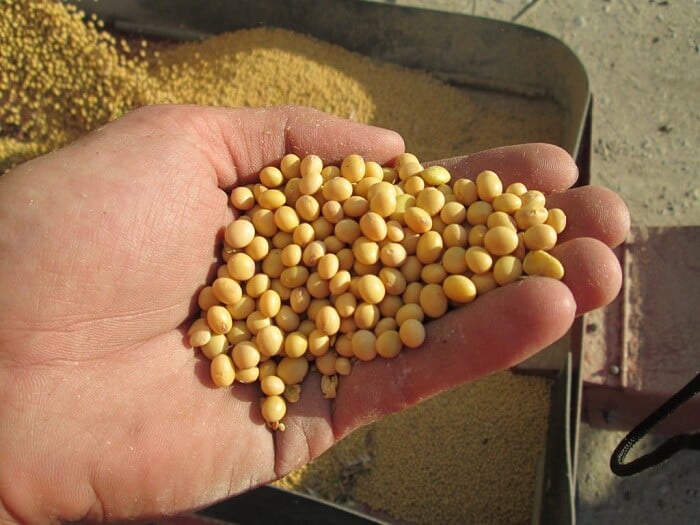
Minnesota-based gene-editing firm Calyxt has found a market for its new, healthier type of soybean, announcing a deal with a soybean processor in Iowa.

The agreement …. with American Natural Processors, a non-GMO processor of oils, flours and meals based in Cherokee, Iowa, means that products made with Calyxt’s high-tech soybeans could start hitting the market this year or by early 2019.

“With this collaboration, Calyxt has taken an important step toward the commercialization of our high-oleic soybean oil by contracting with a processor with a strong track record of food quality and safety, and that is committed to the non-GMO and organic industries,” Manoj Sahoo, Calyxt’s chief commercial officer, said in a statement.

The company’s technology — known as TALEN — uses “molecular scissors” to create desirable traits and does not add foreign DNA during the process, so its plants are not considered to be genetically modified organisms (GMO).

The company says it can use the innovation to remove the genes that are responsible for trans fats in soybean oil. The oil from this new variety of soybeans is designed to eliminate the need for hydrogenation, a process that improves heat stability and shelf life of conventional soybean oil.

Read full, original article: Roseville gene-editing firm Calyxt announces deal with soybean processor

Why are most human genes ignored by researchers?

genetic testing

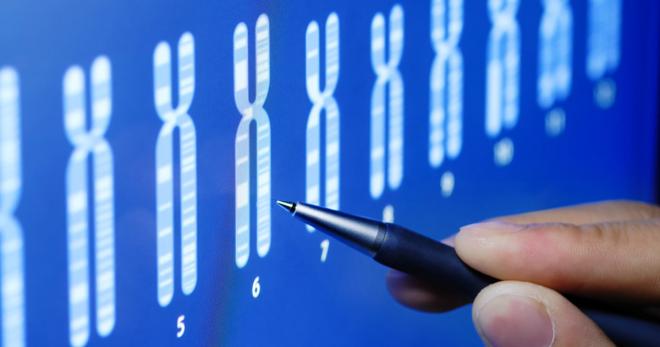
There are around 20,000 human protein-coding genes, but recent studies have suggested scientists actively study only about 2,000 of them. New research investigates why some genes are studied over and over again, while others are neglected. Its authors found that a genes’ medical significance—how likely it is they play a role in human disease—doesn’t explain the discrepancy. Instead, while many researchers are interested in understudied genes, career incentives encourage scientists to focus on genes that are already better understood.

We spoke with one of the study’s authors, Thomas Stoeger of Northwestern University, to learn more.

RG: What are the main reasons researchers prefer looking at some genes over others?

Stoeger: Several mechanisms make researches look at the same genes over and over again. Many of those involve the ease of justifying future studies and being productive within the time frames given to young researchers. Besides the access to prior literature and reagents and scientific communities, we also observe that junior scientists that study little-studied biology have a lower chance to become a principal investigator, while grants dedicated to the training of future scientists and exploratory science end up supporting research on the same kind of genes as other grant categories.

Based on personal experience and discussions, it would seem that many researchers would actually prefer to study the less explored aspects of biology.

Read full, original post: Most of the human genome isn’t being actively studied

Hybrid corn could eradicate harvest-destroying disease in Africa

African farmer

A centralized maize lethal necrosis disease screening facility established in [Kenya] five years ago has released 15 disease-resistant hybrid maize varieties in Kenya, Tanzania and Uganda. After screening more than 150,000 maize germplasms, the team [confirmed several genes] in maize confer resistance to maize lethal necrosis disease (MLND). They then transferred the resistant genes to 30 varieties adapted for Africa.

MLND is a viral maize disease caused by co-infection with ….  other viruses such as the sugarcane mosaic virus …. The disease can destroy entire harvests of maize and is thus a severe food security risk in East Africa …. It also threatens the livelihoods of millions of farmers.

MLND resistant varieties will cushion farmers against massive losses attributed to the disease not just in Kenya, but all over Africa with the exception of Southern Africa ….With the adoption of resistant varieties, it is hoped that the disease will soon be eliminated.

Read full, original article: Hybrid maize resists lethal necrosis

Documenting the rise and fall of populations through human poop

ancient

The city that vanished about 700 years ago presents a captivating question for archaeologists: What happened to the Mississippian people who built Cahokia?

Researchers can survey the domestic architecture and estimate the number of people living in houses, or look at the density of artifacts like pottery fragments, or even count burials in cemeteries (when they exist). But these methods are proxy measurements that rely on estimation. What scientists really need is a compound left behind by humans living on the landscape, something that could reflect the size of the population as it rose and fell.

Something like a special molecule found in human poop.

Just such a biomarker is the subject of a recent paper authored by White and colleagues and published in the Journal of Archaeological Science. The researchers looked at the effectiveness of measuring coprostanol—a molecule of partially digested cholesterol produced in the human gut—as a way to measure the changing population of Cahokia. To their delight, the amount of coprostanol extracted from sediment cores taken from nearby Horseshoe Lake closely tracked with the population trends indicated by the archaeological record.

[A]s the catalogue of fecal remnants grows, perhaps the byproducts of human waste will tell us as much about historic populations as buried houses and potsherds.

Read full, original post: How the Remnants of Human Poop Could Help Archaeologists Study Ancient Populations

Viewpoint: New glyphosate study suggesting danger to honeybee microbiota is detailed, sophisticated—and wrong

MRJZSR Z RULKZTLSZ LRZ LSZ HSZSHPRZHQRJZHZ L ZULXRCZSR LKROZYL LSZ LXZTL RLHIZ LERLHKR L R

Erick Motta and colleagues at the University of Hawaii just published a paper in PNAS entitled “Glyphosate perturbs the gut microbiota of honey bees.” in which they claim that the herbicide is harming bees ….

The paper is long, detailed, and contains five rather complex figures …. Rather than evaluate the biology, I picked out some questionable data, explanations, and conclusions. If the study behind the paper is flawed then it doesn’t matter how complex or sophisticated the biology is ….

  1. Glyphosate dose

What does a dose of 5-10 mg have to do with the amount of glyphosate that would be found in, or consumed by, a bee foraging in weeds that contain a similar concentration? What is the relevance of this dose to real life? How much glyphosate is found in a bee that has not been fed glyphosate?

      2. Lack of dose response

When lower doses of a chemical or drug produce more of an effect than higher doses, this is a screaming red flag. While the authors speculate that “The relative lack of effects of the G-10 treatment on the microbiota composition at day 3 posttreatment is unexplained, but may reflect other effects of glyphosate on bees,” a more credible explanation is that there is nothing real going on, just statistical wobble.

Read full, original article: Glyphosate Bee Death Story Is Bee-S

Rewiring the brain and what’s happening when we’re ‘thinking ourselves better’

brain wires x
I‘m not the kind of girl who jumps into a strange man’s car and hopes for the best. Especially when a quick Google stalk reveals him to be recovering from an addiction to methamphetamine. But having been assured by someone I trust that he was “one of the good guys,” I accepted his offer of a ride to the airport and … hoped for the best.

In hindsight I’m glad I did. After many months talking to scientists about brain change, it was this journey that prompted me to think more deeply about what that actually meant.

I was in Lawrence, Kansas, researching a book that I hoped would apply the latest science to make real, measurable, and lasting changes to my brain. I wanted to learn, among other things, how to concentrate better and to overcome my irrational anxieties about life. I was in Kansas to try to boost my powers of creativity.

I had begun my journey several months earlier, after becoming frustrated with the quality of advice available in the self-help section of the bookstore. They all made it sound so easy: Draw a line in the sand, change the way you think, and hey presto, you can become a different person. Surely it can’t be that easy, I thought. Some things are so deeply embedded into the wiring of the brain that you can’t unravel them just because you feel like it.

Yet here was a walking, talking advertisement for DIY brain change. As we journeyed across the plains he told me about his early life — a chaotic childhood in foster care, anger issues, failed relationships, and a spiral into addiction. The future did not look good. Then, in his 40s, he decided to change his life. A couple at his church offered to “re-parent” him, providing the kind of stability and unconditional love he never had as a child. He put them through hell, he told me, but they refused to give up. Now he’s been sober for more than a decade, has reconciled with family, and is happy in his own skin for the first time — proof, he told me, that anyone can change their brain.

It was a powerful story, and it made me rethink my assumptions about the power of the mind. It was a subject that had made me uncomfortable, bordering on dismissive because for every person with an inspirational tale, there are many more struggling to live with mental ill health, addiction, or the aftereffects of trauma. To invoke the power of the mind as a cure-all felt like an insult to people battling just to get through the day. It felt like accusing them all of doing it wrong — as if they were weak, lazy, or too stubborn to ask loved ones for help.

I also know from experience that when it comes to the brain, understanding the problem is only half the battle. Knowing that your emotional reaction to a situation isn’t rational or helpful doesn’t necessarily make that feeling go away. And when depression closes in, no amount of happy thoughts will make it lift.

On the other hand, it is well documented that the mind is incredibly powerful. Take the placebo effect. In clinical trials for new medicines, a sugar pill can reduce pain as much as an actual analgesic. In some studies, a placebo has been found to work even when a patient is told the pill contains no medicine. Since there is no active drug in the treatment, the improvements can only come from patients’ own minds. They are, somehow, literally thinking themselves better.

The placebo effect may also work in subtler ways. In one experiment, people were asked how much they expected a session of brain training to improve their cognitive skills. Afterward, the changes in their scores almost exactly matched the improvements they expected to make, as if they had subconsciously willed themselves to do better. On the flip side, it also meant that if people had no confidence that they would improve, they didn’t.

think 8 22 18 2

Then there is the nocebo effect, the dark side of placebo — in which believing something is going to harm you can make you physically ill. People in clinical trials who are warned about possible side effects from a drug often suffer them, even when they are given a placebo rather than the active drug. In experiments, volunteers who were asked to inhale a harmless gas, then told it might make them sick, suffered physical side effects such as nausea and headaches. There have even been reports of people dying of what they have been told is terminal cancer, only for an autopsy to show that they had been misdiagnosed.

This all seems to back up the self-help mantra that thinking positive is the way to happiness, and negativity only brings bad things your way. But it turns out not to be quite that simple. In one psychology study, researchers set out to test the idea — so often touted by self-help gurus — that repeating positive affirmations makes people feel better about themselves. They asked a group of people to repeat the phrase “I am a lovable person” 16 times. While it had a marginally positive effect on people with high levels of self-esteem, for those with low self-esteem it backfired completely, making them feel even worse about themselves afterward.

The explanation is that according to a psychological theory called “latitudes of acceptance,” messages that are close to our own opinions are more believable than those that contradict us. When we come up against something that contradicts our beliefs we tend to resist it, hardening our point of view. It’s hardly surprising that constantly telling yourself you are happy, when you feel anything but, makes matters worse.

Using visualizations to picture a future in which you are fitter, happier, and more productive is similarly unhelpful, because it can backfire, making it less likely that you will reach your goals. This may be because seeing success in your mind’s eye, without also visualizing the effort it will take, makes it seem easier to achieve than it really is, robbing you of the motivation you will need to get there. And when you’ve made your goal seem easy and yet still failed, you feel even more of a loser than you did in the first place. Studies suggest that this effect is particularly strong in people who are more prone to rumination — the repetitive negative thinking that is a common feature of depression. In short, people who already feel bad about themselves are the last people who should be trying to think positive.

So what to do if you have low opinion of yourself, yet want to escape the clutches of the nocebo effect?

Follow the latest news and policy debates on sustainable agriculture, biomedicine, and other ‘disruptive’ innovations. Subscribe to our newsletter.

One option is to use negative thoughts as a source of motivation, to make a change. While people with high self-esteem and buckets of optimism might benefit from thinking happy, positive thoughts, those without it might be better off spending a little time focusing on the worst-case scenario and using that as a way to steel themselves into action. This is known as “defensive pessimism,” and while it may be a recipe for anxiety in the short term, it seems to work. In research dating to the 1980s, Julie Norem of Wellesley College in Massachusetts found that people who used anxiety as a motivator performed better when they were allowed to stew for a while before a challenge. If someone comes along and cheers you up, it interferes with your coping strategy and you do worse work. If you have a presentation to give, visualizing yourself making a fool of yourself in front of a large group of people can provide the motivation to practice until it is flawless.

A potentially healthier way to do something similar is to change your unconscious beliefs so the positive things that you or others tell you start to line up with how you see yourself. This isn’t easy: By definition, unconscious thoughts are ones that you aren’t aware you’re having, which makes them tricky to access and even more difficult to change.

But it is possible. In my Kansas friend’s case, the change seemingly came from his new “parents,” who refused to believe he was a bad person no matter how hard he tried to push them away. Luckily for both parties, the message eventually sank in, until he was finally able to believe it.

Another option makes use of a fairly new branch of science that is showing some promise for depression and anxiety. It is based on the fact that while we tend to assume that we all have the same window on the world, our conscious perceptions are built upon the way our brains unconsciously prioritize what is coming in through our senses.
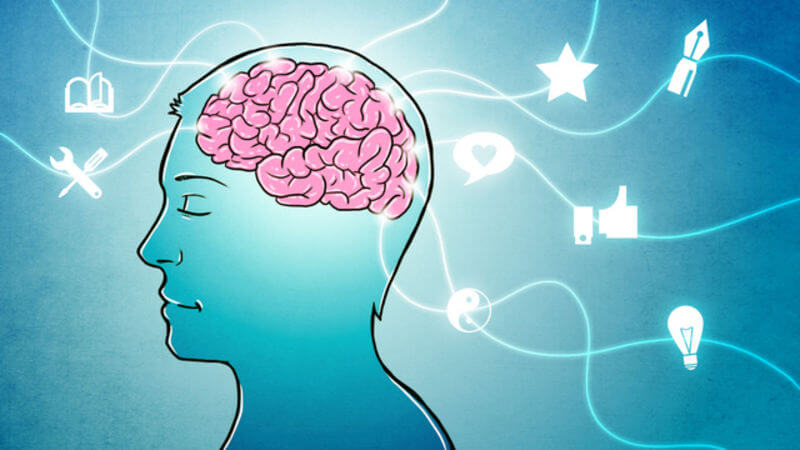
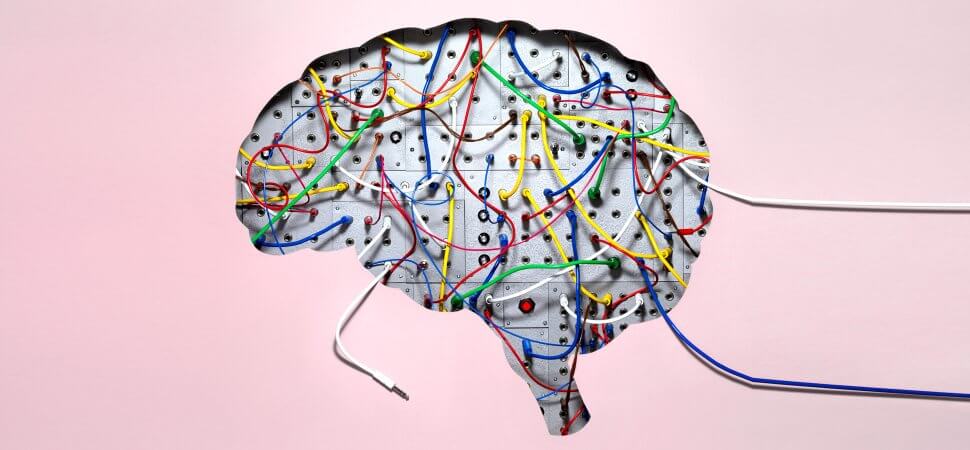
think 8 22 18 3According to this theory, differences in our perception of the world — whether it is dangerous and foreboding or full of exciting opportunities — comes down to the balance between two of the most ancient circuits in the brain, one responsible for seeking out danger and the other for finding rewards. If your brain is wired to favor one circuit over another, the result is a cognitive bias toward the positive or negative aspects of the world around us. These biases operate at lightning speed and, crucially, outside of our conscious awareness, and they give us a fundamentally skewed version of reality.

Negative cognitive biases have been found to have a hand in depression and anxiety, explaining why many people can’t articulate why they are feeling so awful. It could be that their brains are showing them only the bad stuff and filtering out the good; they literally don’t see the upside of life.

Measuring your own cognitive bias is easy, and takes only a few minutes. The good news, for those who come out with a negative bias, is that there is some evidence that this can be changed through a type of cognitive training designed to force your brain to pick out smiling faces from a crowd. Over time, the theory goes, it becomes an unconscious mental habit that changes the assumptions you don’t even know you are making about yourself and the world around you.

After a year of experimenting on my own brain, and challenging the assumptions I didn’t know I was making, I conceded that it is indeed more powerful than many of us realize. Given the complexities of how our brains work, though, I am even more wary of anyone selling a simple way to free troubled minds from their woes. As one neuroscientist told me, “For better or worse, we are very complex beings.” And that, I would argue, only makes us more interesting.

Caroline Williams is a freelance science writer and editor, and a consultant to New Scientist magazine. She writes for the BBC and has contributed to The Guardian, among other outlets. Follow her on Twitter @ScienceCaroline  

A version of this article was originally published on Undark’s website asCan You Rewire Your Brain? Maybe. (It’s Tricky. Be Careful.) and has been republished here with permission.

Talking Biotech: Thalidomide once caused birth defects—now it treats cancer

thalidomide

The drug thalidomide was developed with tremendous promise in managing a variety of disorders, such as anxiety and morning sickness. However, a few years after its common use, it became linked to a suite of birth defects, primarily defects in limb development. For almost sixty years scientists have tried to unravel the molecular basis of its action.

Dr. Katherine Donovan, a postdoctoral researcher at the Dana Farber Cancer Institute at Harvard University, was the primary author on recent work that describes the molecular basis of thalidomide-based disorders. Ironically, understanding its roles in developmental disorders also illuminates possible roles in disease treatment, as it is used in treatment of some cancers and may find wider application in the future.

Dr. Katherine Donovan’s website
Follow her on Twitter @kdonovan1008

Like the podcast? Please subscribe and write a review! Stitcher iTunes Player FM Pod Directory TuneIn

Visit the Talking Biotech website

Follow Talking Biotech on Twitter @TalkingBiotech

Follow Kevin Folta on Twitter @kevinfolta | Facebook: Facebook.com/kmfolta/ | Lab website: Arabidopsisthaliana.com | All funding: Kevinfolta.com/transparency

Follow Paul Vincelli on Twitter @Pvincell | University of Kentucky webpage 

Sustainability advantage: ‘High-yield’ intensive agriculture outpaces organic farming, large study shows

farming
Opposition to “high-yield” agriculture has taken many forms: Accusations of corporate takeover of the idealized family farm; preference for organic systems which don’t produce as much per acre but don’t allow certain pesticides and fertilizers; and of course, avoidance of genetic modifications such as pest-repelling Bt corn or glyphosate-resistant crops.

The assumption behind this opposition is that alternatives to high-yield farming are somehow better for the environment, reducing greenhouse gas emissions, soil erosion, as well as fertilizer inputs. Some activists, like Claire Kremen of the Berkeley Food Institute, even equate organic farming directly with biodiversity:

Increasing the proportion of agriculture that uses sustainable, organic methods of farming is not a choice, it’s a necessity. We simply can’t continue to produce food far into the future without taking care of our soils, water and biodiversity.

However, a new study published in Nature Sustainability turns that assumption on its ear—mostly.

The international study, headed by Andrew Balmford at Cambridge University, involved a review of existing research evaluating the relationships between yields and five side effects of higher yields: greenhouse gases, water use, nitrogen, phosphorus and soil loss. They looked at four agricultural types: Asian rice paddies, European wheat, Latin American beef and European dairies.

Instead of what was expected—the higher the yield, the more impact from these five effects—the researchers found that a number of high-yield practices were quite positive, reducing greenhouse gases, water use, soil loss and nitrogen and phosphorus levels. But—and this was a very important “but”—these benefits only worked if the higher yields resulted in land being set aside for nature.

“Agriculture already covers around 40 percent of Earth’s ice- and desert-free land,” the authors wrote. “How we cope with very marked increases in demand for farm products will have profound consequences for the future of global biodiversity.”

But, the researchers also warned, “Pursuing promising high-yield systems is clearly not the same as encouraging business-as-usual industrial agriculture.” Using higher yields to extract greater profit from the same area of land will not help preserve biodiversity and natural areas, they said.

Other biologists, notably the renowned Edward O. Wilson of Harvard, have stated that in order to truly preserve planetary biodiversity, about half of the planet’s surface must be set aside for pure nature. To help get there, researchers cite two key needs:

  • Demand—cutting food loss and waste and reducing over-consumption of foods (in industrialized countries).
  • Supply—Increasing production per area unit (high yield), sparing natural habitat.
Follow the latest news and policy debates on sustainable agriculture, biomedicine, and other ‘disruptive’ innovations. Subscribe to our newsletter.

Not a lot of numbers

One major finding the researchers made was that precious little data exists comparing yields with what they call “externalities” (greenhouse gases, water use, and other side effects of farming). In addition, many studies didn’t report levels of these effects completely enough to use and compare with other studies. So, sample sizes were far less than ideal.

Nonetheless, the researchers were able to apply a novel way to measure the effects of high-yield farming that they argued was more accurate than previous work. This involved measuring the impact per unit of crop (or cow or milk) produced, instead of measuring the impact per unit of land used. And this change in measurement, changed everything.

Actually measuring the yield in the four agricultural environments produced surprising results:

  • Paddy rice—high-yield farming reduced water use, while applying nitrogen boosted yield without significantly affects greenhouse gas levels (per unit of crop produced).
  • European wheat—adding nitrogen reduced land use but raised greenhouse gases, while adding urea also reduced land use without raising GHGs.
  • Latin American beef—larger pastures meant more greenhouse gases, but land use and gas emissions could be reduced by specific pasture and grazing changes.
  • European dairy—less grazing and more concentrate feed reduced land use and GHG emissions, as well as lower losses of nitrogen, phosphorus and soil.

carbonemissions
The research, while on the surface countering anti-GMO advocates and supporters of supposedly “natural” and organic farming techniques, is backed by other scientists’ work. Alison van Eenennaam, an animal geneticist at University of California, Davis, has long criticized studies for only weighing comparisons with greenhouse gases. The Nature Sustainability study also addressed gases and noted that the dearth of data forced a gas-only comparison in certain areas, like European dairy.

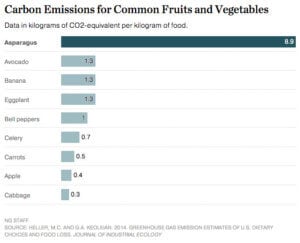
Van Eenennaam also has maintained that “sustainability” means making choices—compromises—among three pillars: animal welfare and “natural” environments, product safety, and decreased environmental impact. This study did not measure other variables, such as energy use or carbon dioxide production, which can come from transporting seemingly innocuous products like asparagus, which under current techniques creates a great deal of carbon dioxide.

A Genetic Literacy Project FAQ about sustainability, conventional and organic farming practices underscores the differences in perspectives:

Among scientists, there are fierce differences of opinion over whether conventional or organic farming has a larger environmental footprint. Organic farmers generally use less toxic chemicals and pay closer attention to soil health–organic matter, nutrients and microbial activity. Conventional agricultural intensification has a historically notorious record of wasting water, overusing fertilizers and pesticides, and polluting habitats. That’s changing as conventional farmers focus more on best practices. Multiple studies show that non-organic farming yields considerably more food with lower costs and in some cases lower inputs per acre. It often uses less water; and some GM crops, such as insect resistant Bt corn, soybean, cotton and eggplant, require less chemical pesticides than their organic counterparts.

So, what technique is the most sustainable of all? The answer is, it’ll depend. And yes, it is a lot about yield. Green and greed may not mix, but high-yield isn’t inherently evil if it results in less use of arable land and protecting existing forestry.

Andrew Porterfield is a writer and editor, and has worked with numerous academic institutions, companies and non-profits in the life sciences. BIO. Follow him on Twitter @AMPorterfield

Puzzling out how the brain turns electrical pulses into ‘thoughts, actions and emotions’

MIT Brain Rhythms

Neuroscientists have tried for decades to observe the swift electrical signals that are a major component of the brain’s language. Although electrodes, the workhorse for measuring voltage, can reliably record the activity of individual neurons, they struggle to capture the signals of many, particularly for prolonged periods. But in the past two decades, scientists have found a way to embed fluorescent, voltage-indicating proteins right into the cell membranes of neurons.

As these proteins improve, and advances in microscopy make it easier to see them, scientists hope to illuminate neuroscience’s biggest puzzle: how the brain’s cells work together to transform a system of electrical pulses into thoughts, actions and emotions.

In the past year, [Biophysicist Adam] Cohen and his colleagues developed new [genetically encoded voltage indicators] and improved microscopy techniques to record such sub-threshold voltage changes from many neurons at once, including in the mouse brain.

The ability to know exactly which neurons are being recorded and to keep track of them over time allows researchers to look at the wiring between those neurons, says Ed Boyden, a neuroscientist at the Massachusetts Institute of Technology in Cambridge. By doing so, “you can link the structure of the brain with its function”, he says. “That’s one of the core questions in all neuroscience.”

Read full, original post: A new way to capture the brain’s electrical symphony

Climate change could accelerate demand for robot farmers

Vinobot NEWweb

It’s harvest season in the Northern hemisphere, so farmers head into the fields to gather the fruit of their hard labor ….

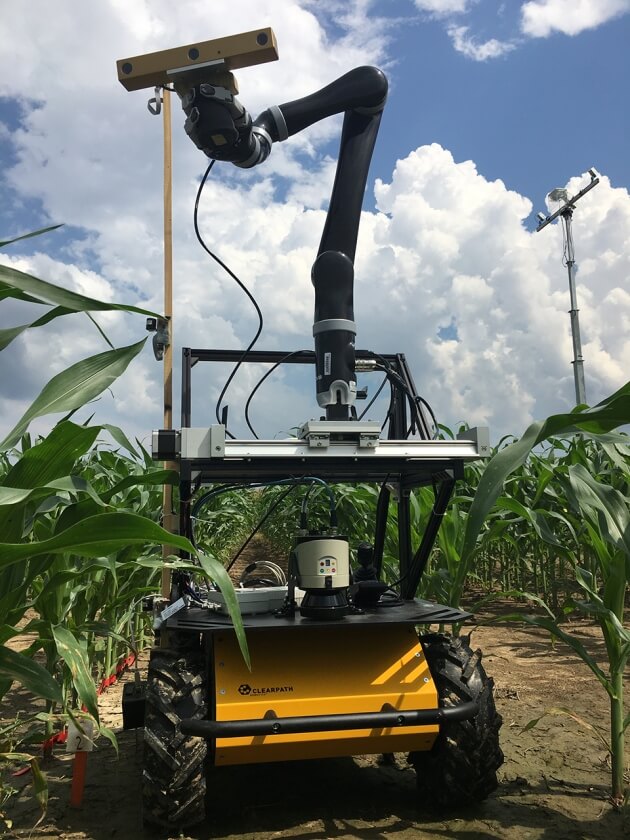
A few days ago, a boxy yellow robot rolled through the rows of yellow pepper patches in a Belgian greenhouse, spotting and picking the ripened fruit …. Named SWEEPER, the robot is a result of a collaboration between Israeli, Dutch, Swedish, and Belgian scientists—a complex piece of equipment aimed to help farmers and agricultural workers in the harvesting process ….

As the climate changes, heat waves intensify, and humidity increases, working long hours in the field is becoming more unhealthy, and in some cases dangerous, for humans. Even greenhouse conditions, tailored to the plants’ needs, may in some cases be too hot or humid for people. According to reported data, from 1992 to 2006, 68 crop workers in the United States died from exposure to environmental heat.

In essence, toiling in the fields …. humans will likely have to rely on robots to do some farming. “We don’t expect these robots to replace people,” says Yael Edan, professor of Agricultural, Biological and Cognitive (ABC) Robotics at Ben-Gurion University in Israel …. “We think they would help with tasks that are difficult for people to do.”

Read full, original article: Do We Really Need Robot Farmers?

Hope and hype: What ketamine can and can’t do for depression

gallery xlarge

Starting with just one office 19 months ago, [Kalypso Wellness Center] has expanded rapidly to meet surging patient demand for ketamine and now oversees two other Texas clinics and offices in North Carolina and New York. It recruits customers through online ads and radio spots, and even by visiting support groups for pain patients, people with depression, first responders, and grieving parents who have lost children.

Kalypso’s sweeping claims are hardly uncommon in the booming ketamine treatment business. Dozens of free-standing clinics have opened across the U.S. in recent years to provide the drug to patients who are desperate for an effective therapy and hopeful ketamine can help. But the investigation found wide-ranging inconsistencies among clinics, from the screening of patients to the dose and frequency of infusions to the coordination with patients’ mental health providers.

[E]xperts worry they’re offering the drug to anyone who can afford it. Clinics can charge anywhere from $350 to close to $1,000 per infusion.

There’s a clear need for new treatments for major depressive disorder, and experts agree that ketamine holds potential to rapidly treat depression and possibly other mental health conditions in some — though nowhere near all — patients. Drug companies are testing similar medications for depression, suicidality, and bipolar disorder, but it hasn’t yet been approved for these conditions.

Read full, original post: Ketamine gives hope to patients with severe depression. But some clinics stray from the science and hype its benefits

$5 lab-grown burger could be ready by 2021

lab grown meat

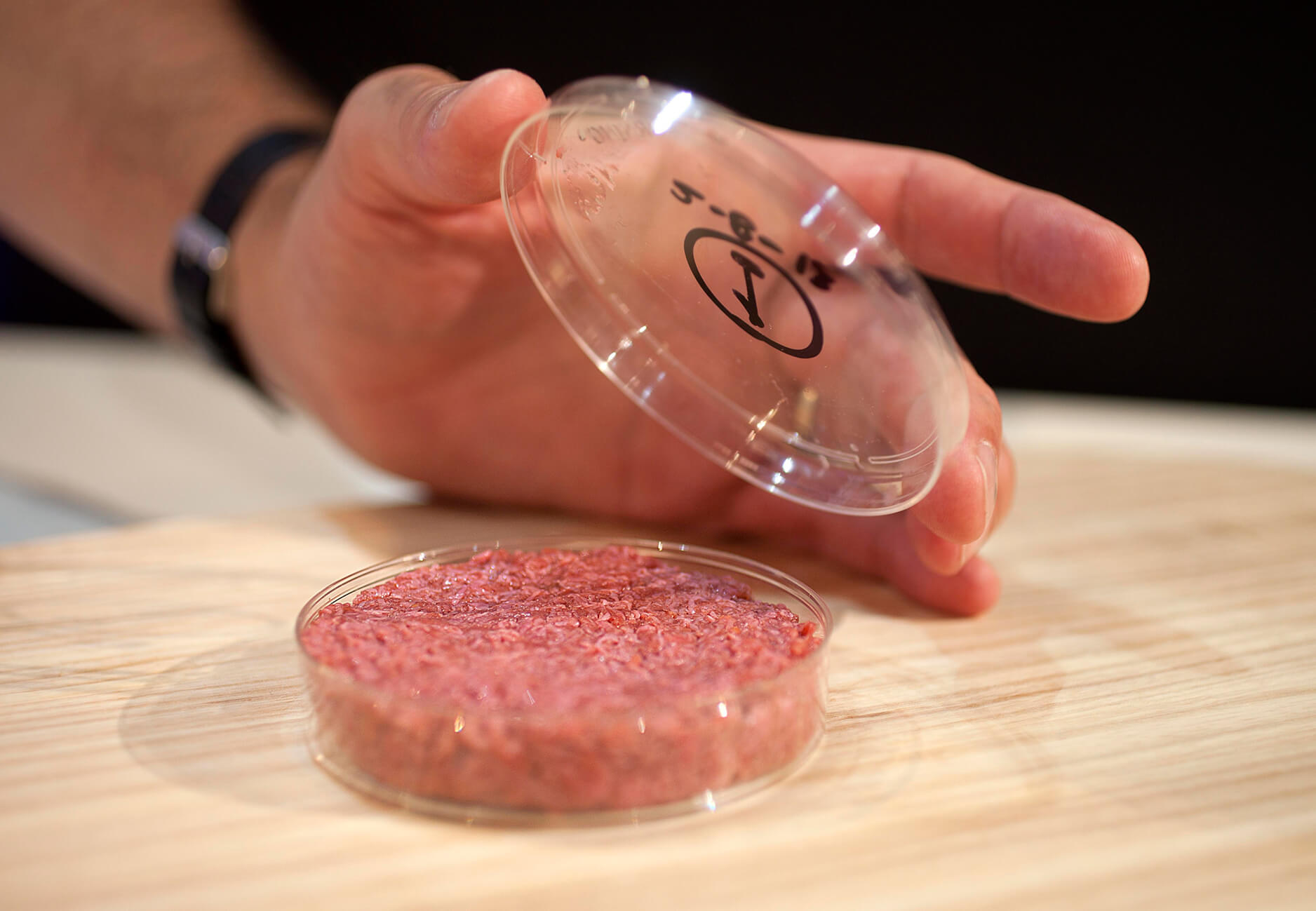
Back in 2013, the emerging biotech field of lab-grown meat products held a tasting of a lab-grown burger which cost a staggering $330,000 dollars. The lab-grown burger was made out of genuine animal cells, yet it didn’t come directly from an animal, being cultured and grown in a lab.

While many people were skeptical that industries pursuing the development of cell-cultured meat would create an affordable product anytime soon, researchers and biotech companies say that they are approaching an affordable product.

Currently, a pound of lab-grown meat produced by the company Memphis Meats costs approximately 2400 dollars to make, and while this still seems expensive it’s a massive reduction from the over $300,000 that the meat cost only five years ago. Memphis Meats is hoping to have the cost of a lab-grown burger down to around $5 within a few years. Meanwhile, a startup called Future Meat Technologies, based in Israel currently produces around a pound of meat for approximately $360 and believes that they can reduce the cost down to somewhere between $2.30 to $4.50 by the end of the decade.

Lab-grown meat becoming affordable is a long-anticipated event by environmentalists and animal rights activists, as well as consumers looking for healthier/guilt-free options. Proponents of cultured meat argue that it mainly avoids the ethical and environmental impacts of regular meat ….

Read full, original article: Lab Grown Meat May Soon Be Available To General Public