An international team of researchers is claiming to have discovered traces of cholesterol on a fossil of Dickinsonia—a mysterious creature that lived during the primordial Ediacaran Period. This evidence, the researchers say, makes Dickinsonia the oldest known animal in the fossil record. But the discovery is not without its critics, who say the new work is unconvincing.
Is it or is it not an animal?
…
New research published [September 20] in Science suggests Dickinsoniawas a true animal, and not a fungus, plant, or protozoa (single-celled organisms) as previously suggested. The evidence used to support this claim is nothing short of extraordinary: cholesterol molecules found within a 558-million-year old Dickinsonia fossil from near the White Sea in northwest Russia. The researchers, led by Ilya Bobrovskiy from the Australian National University, believe the cholesterol, a type of fat, was produced by the individual when it was alive, and because cholesterol can only be produced by animals, Dickinsonia is thus deserving of the animal designation.
…
Other organisms, such as choanoflagellates and filastereans (simple, amoeba-like organisms), were unlikely to produce the biomarkers seen in the fossil, the researchers say.
“Our results make these iconic members of the Ediacara biota the oldest confirmed macroscopic animals in the rock record.” [said researchers.]
Bayer AG’s defense of Roundup weed killer may take a hit after an academic journal [Critical Reviews in Toxicology] said Monsanto Co. didn’t fully disclose its involvement in published research finding the herbicide safe.
…
[T]he journal isn’t changing the papers’ scientific findings. But the journal’s publisher said [September 26] it’s issuing an “Expression of Concern”…. because the authors “have been unable to provide an adequate explanation to why the required level of transparency was not met on first submission.”
…
The correction stems from the journal’s requirement that any potential author conflicts must be disclosed. The initial disclosure statement indicated Monsanto’s involvement was limited to paying a consulting firm to develop the journal supplement entitled “An Independent Review of the Carcinogenic Potential of Glyphosate.” It declared that no Monsanto employees or attorneys reviewed manuscripts submitted to the journal.
…
Monsanto spokesman Sam Murphy wrote in an email that …. The company’s influence on the articles was “non-substantive,” such as providing formatting assistance and giving a history of regulatory overview, Murphy said. “The scientific conclusions are those of the authors and the authors alone.”
The European Food Safety Authority (EFSA) has released fresh data which re-confirms the toxicity of copper compounds, pesticides that are used in organic farming …. particularly for potato, grape, tomato and apple production systems.
…
The EU food watchdog has now analysed fresh data, so-called “confirmatory data”, and concluded that nothing changed its previous assessments.
“Considering the information available in the framework of the confirmatory data, the risk assessment remains unchanged, and therefore the new information provided does not change the overall conclusion drawn during the renewal assessment of copper compounds,” the report noted.
EFSA’s new report will put Eric Andrieu, an MEP from the Group of the Progressive Alliance of Socialists and Democrats (S&D group) and the chief of the PEST committee, in a difficult position. The committee was created to monitor the transparency of pesticide authorization in the EU.
Andrieu has insisted that public health should be prioritized against economic interests when it comes to pesticides’ authorization. But in the case of copper, he has called for policy-makers to show flexibility.
“Alternatives to copper remain very limited and currently do not meet the demand of 500 million consumers. In the short term, the survival of a large part of European winery, in particular, the organic winery is at stake …. ,” he told EURACTIV.com in June 2018.
[Marine animal] DNA is included among thousands of patents owned by BASF, which calls itself “the largest chemical producer in the world.” The German company has acquired nearly half of the 13,000 patents derived from 862 marine organisms genetic sequences.
…
Whether a single private entity should be able to set the direction of how the genes of so many living things are used was a piece of a broader debate at the United Nations this month.
…
Most are looking for organisms with exceptional traits that might offer the missing piece in their new product. That is why patents are filled with “extremophiles,” known for doing well in extreme darkness, cold, acidity and other harsh environments, said Robert Blasiak, a researcher from the Stockholm Resilience Centre who was involved in the patent study.
But how can multiple entities patent the same worm — or snail?
In most countries it’s not possible to patent “a product of nature.” But what companies and research institutions can do is patent a novel application of a given organism, or more specifically, its genes.
…
Among patent applications that have gotten somewhere: a sea slug contributed to a lymphoma treatment, a sea squirt’s genes helped in a chemotherapy drug and a marine snail’s DNA were used to formulate a pain medication, Mr. Blasiak said. But most don’t ever make it to market.
While proposals like cognitive or moral enhancements to help create a less doomsday-prone population are quite speculative (and on occasion, a little trollish), they’re beginning to gain actual ground in the field of existential-risk study.
…
One such intervention that has gained the attention of existential-risk scholars is iterated embryo selection. This process involves collecting embryonic stem cells from donor embryos, then making the stem cells differentiate into sperm and ovum (egg) cells. When a sperm and ovum combine during fertilization, the result is a single cell with a full set of genes, called the zygote. Scientists could then select the zygotes with the most desirable genomes and discard the rest.
…
The result would be rapid increases in IQ, a kind of eugenics but without the profoundly immoral consequences of violating people’s autonomy.
…
[T]he positive effects of cognitive enhancements on agential error may be especially pronounced as the world becomes more socially, politically, and technologically complex. Although cognitive enhancements could worsen some types of terror agents, the evidence—albeit indirect—suggests that a population of cognitively enhanced cyborgs would be less susceptible to accidents, mistakes, and errors, and therefore less likely to inadvertently self-destruct in the presence of weapons of total destruction.
More broadly, it seems plausible to say that a smarter overall population would increase humanity’s ability to solve a wide range of global problems
Nutrition, the environment and worker’s wellbeing are the banners of the green crusade. But, with organics charging an average of 50% more for food and 30% more for clothes, do those reasons justify the costs and more importantly, are the claimed benefits proven facts or simply clever marketing?
Data from the USDA reveals that the average organic farm under produces by 20% and that [organic] wheat yields are lagging half a century behind normal farms. Consequently, organic farms require 16-33% more land than usual, land that cannot be spared. In fact, if it wasn’t for neighboring conventional growers curbing the spread of pests and disease (much like vaccines protect non-vaccinated individuals) then [organic] farms would be even more inefficient.
…
Despite claims that “natural” fertilizers are more energy efficient because they do not make direct use of fuels, it has been calculated that roughly half of organic fertilizer requirements are met— through a round about, conventionally fertilized corn-cow-organic compost, cycle which is both wasteful and illogical— by the haber-bosch process.
…
The insecticide Rotenone, which is prohibited in the EU and US because of its extreme toxicity to fish, and Copper Sulphate— a fungicide which is linked to liver disease in workers, bioaccumulates in the soil and is also deadly to fish— are both approved [for organic farming], even though there are much safer synthetics available.
A citizen petition filed on September 24, 2018 by the Information Technology & Innovation Foundation (ITIF) asked FDA to prohibit “non-GMO” food labeling claims, including the Non-GMO Project butterfly logo and label. ITIF argues in the petition that such claims mislead and deceive consumers about foods, food ingredients, and their characteristics related to health and safety.
…
The Non-GMO Project is a third-party certifying body for non-genetically modified food and products ….They do not expect the petition to gain traction with the FDA because the petition is “factually inaccurate and fundamentally biased,” and prohibiting such claims would be likely challenged on Constitutional First Amendment grounds.
…
FDA must respond to citizen petitions …. by March 2019. However, that response may not be substantive and may just indicate that FDA is further reviewing the matter …. it is unlikely the FDA will respond to ITIF’s citizen petition favorably, especially in light of the fact that many consumers are accustomed to seeing non-GMO claims on their food products ….
We’ve all had nights where we struggle to fall asleep, but imagine being trapped in a cycle of insomnia that gets progressively worse until you cannot get a single second of shuteye – and then, you die.
That is exactly what happened to Silvano, an Italian man described as having firecracker red hair and an impeccable dress sense. In 1984, Silvano was holidaying aboard a cruise ship when he noticed a strange assortment of symptoms, starting with a severe case of the sweats and pupils that had shriveled to the size of pinpricks. The illness worsened. He couldn’t sleep, he developed tremors, and he was dead within months.
This is fatal familial insomnia (FFI) – an extremely rare and extremely harrowing condition that is, in almost all cases, passed down the generations by a faulty gene. There have been just 24 reported cases.
…
In Silvano’s story, the gene mutation could be traced back to a doctor living in late-18th century Venice. The doctor’s nephew, an Italian aristocrat called Giuseppe, also fell ill. Then, his sons, Angelo and Vincenzo, and so on down the bloodline until it reached Silvano in the 1980s.
There are at least 28 families around the world inflicted with the gene. Most, like Silvano’s, have a tragic history involving an unknown but deadly disease that strikes in middle age.
Read full, original post: This Terrifying Genetic Mutation Causes The Most Frightening Disorder We Have Ever Heard Of
The recurring topic of conflict of interest draws its share of headlines. The National Academies of Science, Engineering, and Medicine has revised its conflict of interest guidelines following questions about whether members of an expert panel on GMOs had industry ties or other financial conflicts that were not disclosed in the panel’s final report.
Our own research speaks to how hard it may be for the public to see research as useful when produced with an industry partner, even when that company is just one of several collaborators.
What people think of funding sources
We asked our study volunteers what they thought about a proposed research partnership to study the potential risks related to either genetically modified foods or trans fats.
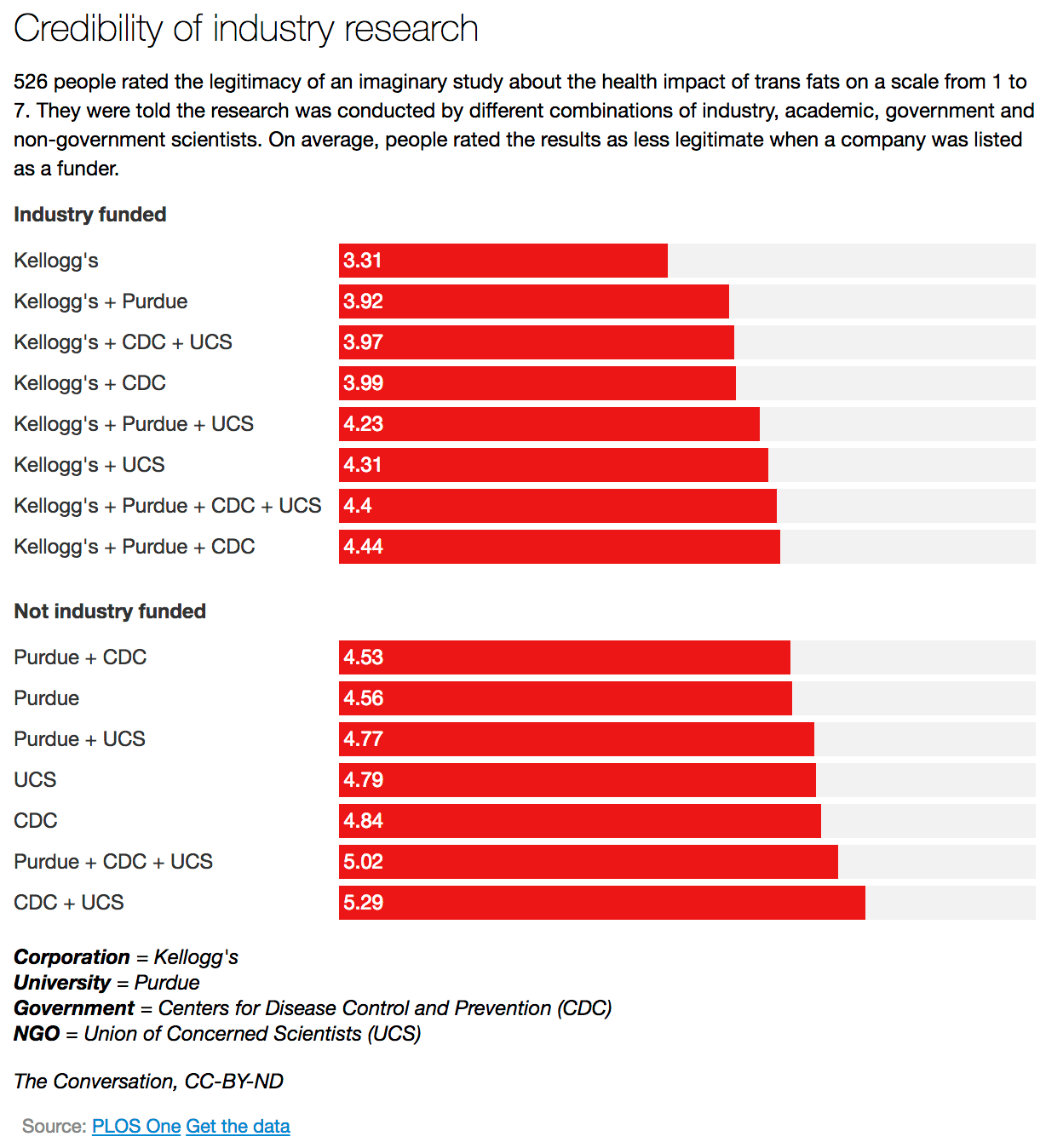
We randomly assigned participants to each evaluate one of 15 different research partnership arrangements – various combinations of scientists from a university, a government agency, a nongovernmental organization and a large food company.
For example, 1/15th of participants were asked to consider a research collaboration that included only university researchers. Another 1/15th of participants considered a research partnership that included both university and government scientists, and so on. In total we presented four conditions where there was a single type of researcher, another six collaborations with two partners, four with three partners and one with all four partners.
When a research team included an industry partner, our participants were generally less likely to think the scientists would consider a full range of evidence and listen to different voices. An industry partner also reduced how much participants believed any resulting data would provide meaningful guidance for making decisions.
At the outset of our work, we thought including a diverse array of partners in a research collaboration might mitigate the negative perceptions that come with industry involvement. But, while including scientists from a nonindustry organization (particularly a nongovernmental organization) made some difference, the effect was small. Adding a government partner provided no substantive additional benefit.
When we asked participants to describe what they thought about the research partnership in their own words, they were skeptical whether an industry partner could ever be trusted to release information that might hurt its profits.
Our results may be even more troubling because we chose a company with a good reputation. We used pretests to select particular examples – of a corporation, as well as a university, government agency and nongovernmental organization – that had relatively high positive ratings and relatively low negative ratings in a test sample.
Follow the latest news and policy debates on sustainable agriculture, biomedicine, and other ‘disruptive’ innovations. Subscribe to our newsletter.
You don’t have to look far for real-life examples of poorly conducted or intentionally misleading industry research. The pharmaceutical, chemical, nutrition and petroleum industries have all weathered criticism of their research integrity, and for good reason. These ethically questionable episodes no doubt fuel public skepticism of industry research. Stories of pharmaceutical companies conducting less than rigorous clinical trials for the benefit of their marketing departments, or the tobacco industry steadfastly denying the connection between smoking and cancer in the face of mounting evidence, help explain public concern about industry-funded science.
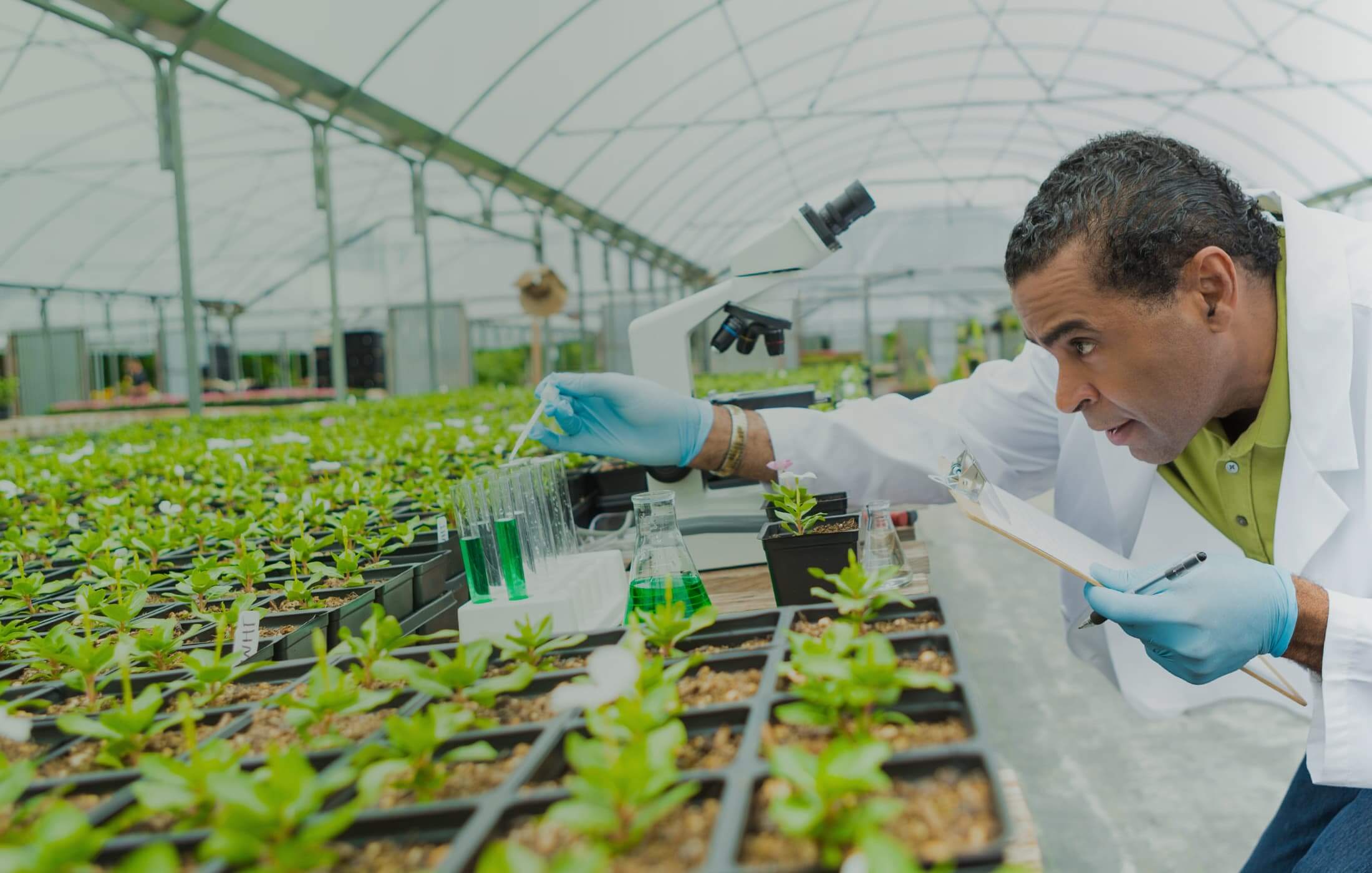
Does it matter within what kind of institution a researcher hangs her lab coat? Image credit: Vivien Rolfe, CC BY-SA)
Can this lack of trust be overcome? Moving forward, it will be essential to address incentives such as short-term profit or individual recognition that can encourage poor research – in any institutional context. By showing how quickly people may judge industry-funded research, our work indicates that it’s critical to think about how the results of that research can be communicated effectively.
Our results should worry those who want research to be evaluated largely on its scientific merits, rather than based upon the affiliations of those involved.
Although relatively little previous scholarship has investigated this topic, we expected to find that including multiple, nonindustry organizations in a scientific partnership might, at least partly, assuage participants’ concerns about industry involvement. This reflects our initial tentative belief that, given the resources and expertise within industry, there must be some way to create public-private partnerships that produce high-quality research which is perceived widely as such.
Our interdisciplinary team – a risk communication scholar, a sociologist, a philosopher of science, a historian of science and a toxicologist – is also examining philosophical arguments and historical precedents for guidance on these issues.
Philosophy can tell us a great deal about how the values of investigators can influence their results. And history shows that not so long ago, up until a few decades after World War II, many considered industry support a way to uphold research integrity by protecting it from government secrecy regimes.
Looking forward, we are planning additional social scientific experiments to examine how specific procedures that research partnerships sometimes use may affect public views about collaborations with industry partners. For example, perhaps open-data policies, transparency initiatives or external reviewer processes may alleviate bias concerns.
Given the central role that industry plays in scientific research and development, it is important to explore strategies for designing multi-sector research collaborations that can generate legitimate, high-quality results while being perceived as legitimate by the public.
John Besley is a professor of advertising and public relations at Michigan State University. Follow him on Twitter @JohnBesley. Aaron McCright, Joseph Martin, Kevin Elliot, and Nagwan Zahry are co-authors of this article
An Asian American born in Connecticut in 2009 could expect to live 89.1 years. An African American, on the other hand, could expect to live 77.8 years. It’s seldom surprising to see large discrepancies when comparing life expectancies in developed and developing nations, considering the vast differences in available health care. But how do we explain such a wide variance between two populations or ethnic groups living in the same region?
The complicated relationship between population, ethnicity and ‘race’–and how it impacts our health –involves a complex equation of factors, including medicine, economics, psychology, anthropology, sociology and geography. But it also seems clear that there are so-called race-related genetic factors in play .
Cultures and health behaviors
At this point in the history of medicine, there are a handful of behaviors with well-established impacts on our health. Among this is tobacco smoking, which has been linked unequivocally to lung cancer and chronic obstructive pulmonary disease (COPD). It’s also associated with cardiovascular and cerebrovascular conditions (leading to high blood pressure, atherosclerosis, heart disease, and strokes), and a host of non-pulmonary cancers. Yet different ethnic groups react differently to prolonged exposure.
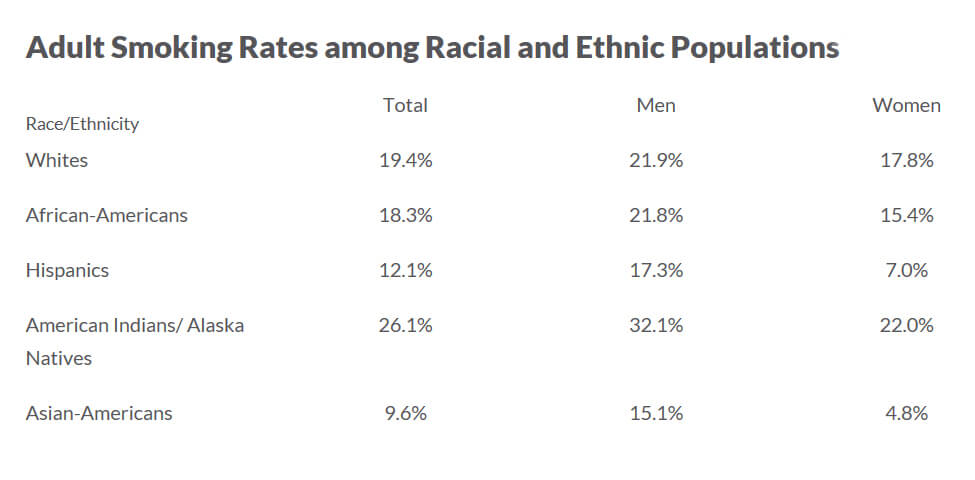
Consider that the rate of smoking among Native Americans is higher than for any other group in North America, at 26.1 percent, according to American Lung Association. At the other end of the smoking spectrum are Asian Americans, at 9.6 percent, and Hispanics at 12.1 percent. In the middle are African Americans, 18.3 percent, and Caucasians, 19.4 percent.
Source: American Lung Association
Based on smoking rates alone, you’d expect Asians and Latinos to have lower lung cancer rates, and they do. However, you’d also expect Native Americans to have higher lung cancer rates. Yet their lung cancer rates are only slightly worse than those of Latinos. Strikingly, the ethnic group with the highest lung cancer rate is African Americans, according to the Center for Disease Control (CDC).
A similar phenomenon is seen in alcohol use. According to the National Institute of Alcohol Abuse and Alcoholism (NIAAA), the most common drinkers are white males, 74.27 percent, while Asian-American women were the least common, at 36.11 percent. In terms of “daily heavy drinking,” the highest rates were recorded among Hispanic males, at 40.48 percent, while Asian American men had the lowest rate, at 18.84 percent. Alcohol abuse relates to liver disease, nutritional disorders, and various cancers, but as with smoking the disease rates among ethnic groups do not correlate precisely with consumption.
Black men (25.81 percent) and women (19.02 percent), for example, reported lower rates of daily heavy drinking, when compared to white men and women. Yet, African Americans have a higher risk of developing alcohol-related liver disease, according to the National Institutes of Health.
Health genetics
With major killers like heart disease and stroke, there are a multitude of genetic factors, making for complex relationships between genetics and disease. For example, despite having a relatively high risk of developing cardiovascular disease, Latinos have a lower risk of actually dying from the disease. Thus, studies are constantly underway to examine genetic risk factors and markers. African Americans have a notoriously high rate of high blood pressure compared with other ethnic groups, and for decades there has been a debate regarding whether genetic factors or environmental factors are more important.
Follow the latest news and policy debates on sustainable agriculture, biomedicine, and other ‘disruptive’ innovations. Subscribe to our newsletter.
A potentially troubling possibility emerged from a University of Florida study published in December 2016 in the journal PLOS ONE. By interviewing 157 African American subjects in creative ways, researchers were able to show a relationship between the feeling of discrimination and high blood pressure. The study pointed to eight genetic variants of five genes previously known to be associated with cardiovascular disease. The cause of high blood pressure is complex, given that it’s related both to physical phenomena such as factors controlling how tightly blood vessels squeeze, as well as psychological factors, since blood pressure rises in nearly everyone when they become anxious or stressed.
Putting all of these factors into a coherent picture of how diseases are generated appears to be a daunting task. Year by year, month by month, the science community is inundated with new data, especially from genomic studies. Various new instruments are in use too, and yet, when the goal is to assess anything related to ethnicity or race, the task grows progressively more difficult.
A version of this article originally appeared on the GLP on Feb. 16, 2017.
David Warmflash is an astrobiologist, physician and science writer. BIO. Follow him on Twitter @CosmicEvolution
A new study by a team from Johns Hopkins University appears to have identified a region of the brain that plays a critical role in risky decisions. Published September 20 in Current Biology, the authors analyzed the behavior of rhesus monkeys, who share similar brain structure and function to our own. And like us, they are risk-takers, too.
First the authors trained two monkeys to “gamble” against a computer to win drinks of water. Then they had to choose between a 20 percent chance of receiving 10 milliliters of water versus a far more reliable 80 percent chance of getting only three milliliters. The monkeys overwhelmingly took the gamble.
…
Previous work has shown a brain region called the supplementary eye field (SEF) is, along with regulating eye movements, also involved in decision-making. When the authors suppressed SEF activity by cooling the region with an external metal plate—a process that is harmless and reversible—the monkeys were 30 to 40 percent less likely to make risky bets.
…
“We do not understand the risk-taking network in the brain well enough to think about therapeutic implications,” [co-author Veit Stuphorn] says. “But as our understanding increases, there is hope for better behavioral interventions based on a better understanding of the factors that drive risky decisions. And in the long run possibly direct interventions in the form of brain stimulation.”
In July, [the alternative-meat] movement passed a new milestone: In a packed auditorium in suburban Maryland, the FDA convened the first public hearing (the U.S. Department of Agriculture is jumping in too) to discuss federal regulation of food grown from cells — no hooves or fins or feathers in sight.
…
The first lab-cultured burger publicly unveiled, in 2013, required hand assembly of some 20,000 individual muscle cells at Maastricht University in the Netherlands ….
…
Custom-making bits of living animal tissue for biology has been flourishing for decades. Medical teams have implanted lab-cultured bladders in people, and experimental lung tissue has survived several weeks in pigs ….These approaches, however, are very different from churning out gastronomically pleasing hamburger meat by the pound. Changing science experiments into food production takes so much more than just nicking a tiny pip of cells from a cow’s muscle and dropping them into a sciencey soup.
A muscle fiber cell that has matured into its full elongated glory can’t divide into two fibers. To grow muscles, researchers need to start with cells that still retain a lot of flexibility …. What are called pluripotent stem cells can turn into anything and divide many times, yet they can be trickier to control than cells already on their way to becoming a muscle. These cells, called myoblasts, naturally appear in animal muscles ready to repair damage ….
In 2014, Ralph Taylor applied to have his insurance company in Washington State certified as a “disadvantaged business enterprise.” The DBE program at the U.S. Department of Transportation was originally designed to help minority- and woman-owned businesses win government contracts. So as proof of his minority status, Taylor submitted the results of a DNA test, estimating his ancestry to be 90 percent European, 6 percent indigenous American, and 4 percent sub-Saharan African.
Government officials reviewing Taylor’s application were not convinced. They saw that he looked white. They noted that he was unable to directly document any nonwhite ancestors. They doubted the underlying validity of the DNA test. And, most relevant to the purpose of the program, they found “little to no persuasive evidence that Mr. Taylor has personally suffered social and economic disadvantage by virtue of being a Black American.”
…
So Taylor decided to sue—out of principle, he says, because other business owners who look white have won DBE certification.
…
Genetic variation is real, but the boundaries of racial categories are socially determined and have constantly shifted over the course of American history. “You cannot rely on DNA evidence alone to decide what is really a socially constructed concept,” says [professor] Sheryll Cashin.
…
The latest disparity study, from 2017, concluded that minority and female business owners continue to face stereotypes, discriminatory attitudes, negative perceptions of competence, and exclusion.
On August 21, 2018, Bayer Crop Science …. kicked off a process to integrate the global seed behemoth Monsanto into its fold across geographies …. All eyes are on Liam Condon, president, Bayer Crop Science …. Condon took time out to speak to E Kumar Sharma of Business Today …. He discusses where India fits into his global scheme of things ….
Bayer and Monsanto have begun the integration globally …. Where do you see India in the global scheme of things for Bayer?
…. Our focus in India is different from that in other countries mainly because there are small holding farmers here. Therefore, practices that we develop in India can be brought to other geographies like Africa or Latin America. We like to test new ideas in India and bring solutions to farmers, but we are also looking to export these ideas to rest of the world ….
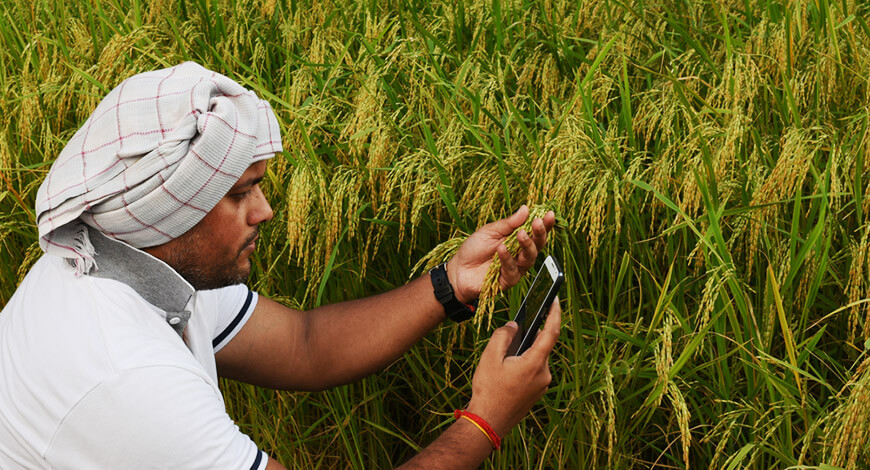
[T]he classical example would be digital technology. A Bayer subsidiary Climate Corporation is working on a platform called FarmRise, a special digital platform, tailored for small holder needs. It has been piloted in India …. After we gain more experience, we shall roll it out in other geographies like Africa, South East Asia and Latin America.
Depression is more than three times as common among adults with autism as it is in the general population, according to new work. And those with average or above intelligence are more likely to be depressed than those with low intellectual ability.
The study found that about 20 percent of autistic people have a diagnosis of depression, compared with 6 percent of the general population.
The findings are based on data from a large Swedish cohort, but they are likely to apply more broadly. A large 2015 study in the United States likewise reported that 26 percent of people with autism have a depression diagnosis, compared with 10 percent in the general population. A smaller study that same year estimated that 43 percent of autistic people have depression.
“It highlights that we need to do much more work in this area,” says Dheeraj Rai, lead researcher and consultant senior lecturer in psychiatry at the University of Bristol in the United Kingdom. “Many people tell us the problems they have in relation to depression and anxiety and other common mental health problems can be even more disabling than the core features of autism.”
…
The reason for depression’s high prevalence in people with autism is unclear, but it is likely to include genetic and environmental factors.
Colin Carter and Aleks Schaefer just published an interesting new study in the American Journal of Agricultural Economics, which powerfully shows that mandatory GMO labels are already having significant market impacts.
They found a creative way to explore this issue by focusing on the market for sugar …. This summary data they provide on prices of sugar from cane and beet sources suggests “something” change around the same time as the Vermont mandatory GMO labeling law.
…
Indeed, the data suggest consumers will still want to avoid products with GMO labels, which provides incentives for food retailers and manufacturers to find ways to avoid GMO ingredients.
…
Here are the main findings.
“Our analysis supports the explanation that the divergence in U.S. prices for refined cane and beet sugar was the result of Vermont’s mandatory GE labeling. The divergence occurred on or around July 2016— the month the Vermont Act took effect.
Counterfactual price estimates generated by a regression model suggest that GE food labeling initiatives generated a small premium for cane sugar and a price discount for beet sugar of approximately 13% relative to what prices would have been in the absence of such legislation.”
These changes in raw ingredient prices will ultimately have impacts on retail food prices. All this suggests that mandatory labels aren’t a free lunch.
What AI needs, [said Dr. Jun Wang at University College London] is a type of deep communication skill that stems from a critical human cognitive ability: theory of mind.
…
By allowing us to roughly grasp other peoples’ minds, theory of mind is essential for human cognition and social interactions. It’s behind our ability to communicate effectively and collaborate towards common goals. It’s even the driving force behind false beliefs—ideas that people form even though they deviate from the objective truth.
…
To Dr. Alan [Winston], a professor in robotic ethics at the University of West England, theory of mind is the secret sauce that will eventually let AI “understand” the needs of people, things, and other robots.
…
In a paper published early this year, Winston showed a prototype robot that could in fact achieve this goal. By anticipating the behavior of others around it, a robot successfully navigated a corridor without collisions. This isn’t anything new—in fact, the “mindful” robot took over 50 percent longer to complete its journey than without the simulation.
But to Winston, the study is a proof-of-concept that his internal simulation works: [it’s] “a powerful and interesting starting point in the development of artificial theory of mind,” he concluded.
The Australian Pesticides and Veterinary Medicines Authority (APVMA) is aware of the August 2018 decision in the Californian Superior Court concerning glyphosate.
…
As the national regulator for agricultural chemicals, we continue to track and consider any new scientific information associated with safety and effectiveness of glyphosate, including the information available from other regulators.
…
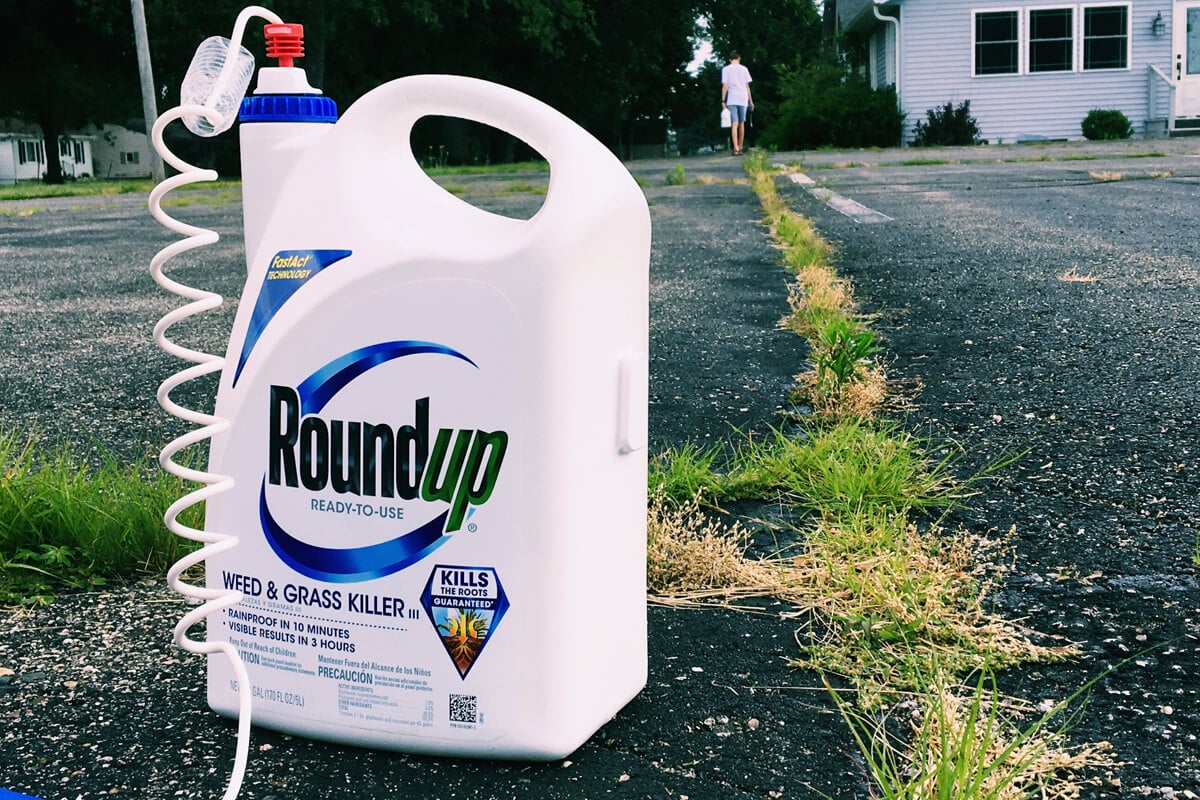
Concerns have been raised about human exposure to the common herbicide glyphosate, after a 2015 International Agency for Research on Cancer (IARC) assessment, which has classified glyphosate in a group of chemicals that is ‘probably carcinogenic to humans’ …. In 2016, following the IARC assessment, the APVMA considered glyphosate and found no grounds to place it under formal reconsideration.
…
The APVMA conducted a weight-of-evidence evaluation that included a commissioned review of the IARC monograph by the Department of Health, and risk assessments undertaken by expert international bodies and regulatory agencies …. The APVMA has concluded that glyphosate does not pose a carcinogenic risk to humans and that there are no grounds to place it under formal reconsideration.
Humans have been breeding plants for millennia. Our ancestors began to domesticate plants (and animals) at least 10,000 years ago, allowing nomadic tribes to become stationary and form communities as they no longer had to pursue their food.
…
The origins of improving plants by selection can be traced back to about 1700. Perhaps the most famously know botanist was Mendel for his 1865 published research on how plant genetics were passed as traits from one generation to the next. However, it wasn’t until 1900 that his discoveries were widely recognized and adopted.
The main technology used today in plant breeding is known as mutagenesis, which dates back to the 1930s. There are two main forms of breeding new lines though mutagenesis: chemical and radiation.
…
While the observed traits from mutagenesis are random as a result of their treatment, plants observed with preferable traits are further bred for their seeds and have been the staples of plant breeding for over 80 years ….[I]nstead of random, untargeted effects, scientists [now] can [breed] plants with the precise knowledge of what is being changed allow for the more rapid development of new crop varieties.
…
The [European] decision to classify future plant breeding techniques as …. GMO matters …. Genome editing is a scientific extension of mutagenic technology that’s been employed in new plant variety development for over 80 years. [It] is the future of plant breeding. The question is where and who will be allowed to develop crops using these technologies.