Twenty-two years after Monsanto introduced its Roundup-resistant soybeans, the debate over genetic modification is far from over …. in the U.S., where more than 90 percent of our corn and soybeans are genetically modified, polls show that between two-fifths and half of Americans think the technology is unsafe.
It’s as if the people producing new crop varieties and the people who will consume them aren’t speaking the same language ….
Sydney Scott, an assistant professor of marketing at Washington University’s Olin Business School, explores those moral dimensions in a paper she recently co-authored for the Annual Review of Nutrition, a scientific journal.
Scott, whose research is based on consumer surveys, says people seem to be grossed out by the technology. Humans operate under a “law of contagion” and become disgusted by, for instance, a single insect leg in a large kettle of soup.
People exhibit the same instinct when they know that a corn plant contains a tiny amount of bacteria DNA. Anti-GMO folks may argue about safety, but deep down they just think it’s yucky.
When the next deadly pandemic flu hits, the first challenge will be to develop a vaccine. But looming behind that obstacle is another: How to get an inoculation to millions of people without inadvertently exacerbating the crisis.
After all, droves of people — some who might already be sickened — who flock to health centers for a shot could be a potent way for the infection to spread.
…
A new study provides proof of concept for a solution that could upend the traditional centralized model, in which health professionals give injections at clinics.
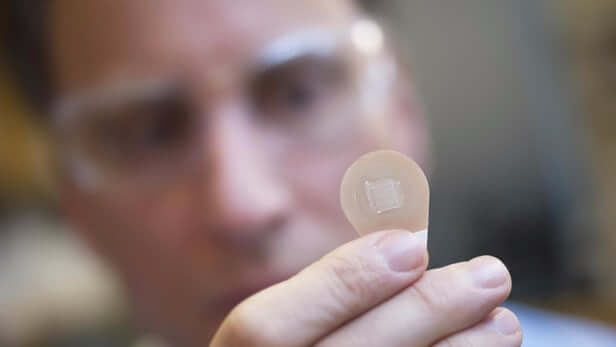
Researchers created an H5N1 vaccine, boosted by a special ingredient that primes the body’s immune system to respond. Then, they administered it through a microneedle that only penetrates the upper layer of the skin. They see this prototype technology as a platform that could lead to novel vaccine patches that can be distributed rapidly and administered without a nurse. People would simply have to stick a bandage-like strip, lined with microscopic needles, onto their skin.
…
Because public health officials seeking to prepare for a pandemic flu won’t know the exact strain in advance and the virus could change during an outbreak, vaccines that could be made more broadly effective with an adjuvant are exciting to researchers.
The first dance at my wedding lasted exactly four minutes and 52 seconds, but I’ll probably remember it for decades. Neuroscientists still don’t entirely understand this: How was my brain able to translate this less-than-five-minute experience into a lifelong memory? Part of the puzzle is that there’s a gap between experience and memory: our experiences are fleeting, but it takes hours to form a long-term memory.
In recent work published in the journal Neuron, my colleagues andI figured out how the brain keeps temporary molecular records of transient experiences. Our finding not only helps to explain how the brain bridges the gap between experience and memory. It also allows us to read the brain’s short-term records, raising the possibility that we may one day be able to infer a person’s, or at least a laboratory mouse’s, past experience – what they saw, thought, felt – just by looking at the molecules in their brain.
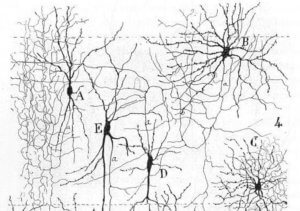
Electrical pulses carry signals along the branches of neurons. Image credit: Santiago Ramón y Cajal, CC BY
Electrifying experience
To uncover how the brain keeps track of an animal’s experience, we started by asking how the brain records its electrical activity. Every experience you have, from chatting with a friend to smelling french fries, corresponds to its own unique pattern of electrical activity in the nervous system and brain. These activity patterns are defined by which neurons are active and in what way they’re active.
For example, say you’re at the gym lifting weights. Which neurons are active is fairly straightforward: If you’re lifting with your right arm, different neurons will be active than if you’re lifting with your left arm because different neurons are connected to the muscles of each arm.
The way in which a neuron is active, on the other hand, encompasses an infinite number of possibilities. Neuronal activity consists of pulses of electricity that can occur in pretty much any pattern over time that you can imagine. Electrical activity can vary in duration, or whether the pulses occur in clumps or steadily. In this case, lifting a heavier weight will lead to more pulses per minute.
So, it’s a combination of which neurons are active and how frequently they’re pulsing that makes your experience of lifting a 10-pound weight with your right hand different from that of lifting a 5-pound weight with your left hand.
Activated neurons activate genes
In our experiments, we couldn’t test every possible pattern of electrical activity, so we focused just on the way neurons record how long they are active.
We predicted they’d keep these records by turning on genes. All the cells in your body have pretty much the same genes encoded in their DNA. But different genes turn on depending on the type of cell and what it’s encountered in its life. Which genes are activated in a particular cell are what makes it different from other cells.
For about 30 years, researchers have known that neurons turn on certain genes when they’re electrically active. When a gene in a neuron is turned on, the cell sends a molecular Xerox machine to that gene’s place in the DNA. The molecular Xerox makes lots of copies of the gene in the form of new molecules. These new molecules aren’t made of DNA, but rather the closely-related RNA. These RNA molecules remain in the cell for hours to days and serve as the brain’s record of which neurons were active.
But we wanted to know whether the genes that are on in neurons can record not just that they’ve been at all active but also the way they’ve been active. That is, do neurons that are activated differently – for longer or shorter time periods, for instance – turn on different genes?
We thought they would: Long-term memories are stored in physical changes to the neurons themselves, and the type of change is determined by the pattern of electrical activity the neuron experiences. So we predicted that the brain would need to keep track not only of which neurons were active, but also the way those neurons were active in order to make those lasting changes.
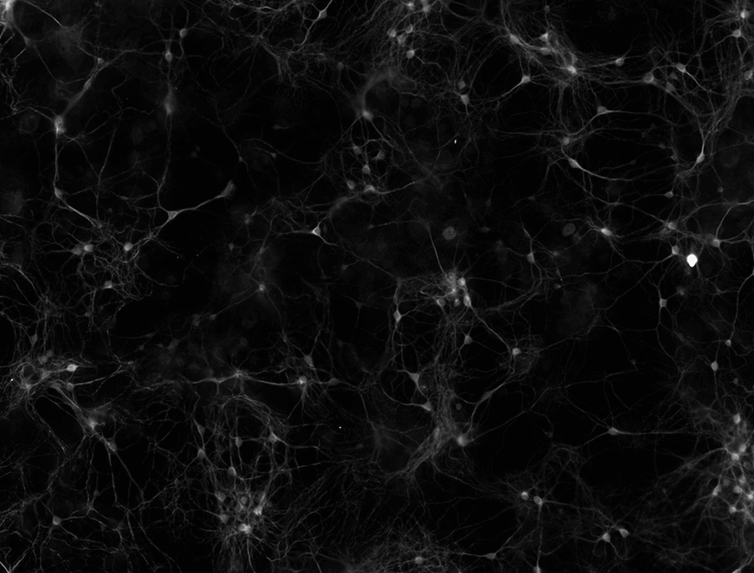
Researchers activated mouse neurons growing in a dish. Image credit: Kelsey Tyssowski, CC BY-ND
In our experiments, we activated mouse neurons growing in a dish by exposing them to a chemical that turned them on. As long as the chemical was there, the neurons were active, allowing us to keep them turned on for various lengths of time.
We found that, indeed, neurons in a dish that are activated for different lengths of time turn on different genes. And this genetic record-keeping is unexpectedly simple: The longer neurons are active, the more genes they turn on.
This turned out to be true not only in neurons growing in a dish, but also in the brains of living mice. By exposing mice to bright lights, we were able to activate the neurons in the vision center of their brains for as long as the lights were on. The longer the lights shone, the more different genes turned on, their RNA copies building up in the cell. This means that the set of molecules found in a briefly active neuron is different from that found in a neuron that was active for a long time.
That this simple record-keeping was present in the brains of living mice suggests it’s likely also in the brains of humans.
Each neuron contains a metaphorical machine that translates its electrical activity into molecular records. Image credit: Anastasia Nizhnik and Kelsey Tyssowski, CC BY-ND
Temporary records of breaking news
Our work only explains how neurons keep track of how long they were active, but we think neurons may well keep track of all aspects of their activity in the same way. But why would the brain keep this molecular record of an animal’s experiences?
I think of these molecular records as being like a newspaper. The brain writes an article about each experience by turning on a specific set of genes in a specific set of neurons. These articles – in the form of RNA molecules – will remain around for hours to days. But just as days-old newspapers are usually tossed out, the copies of the activated genes are not how the brain stories memories for decades.
Instead, the brain reads its temporary newspaper-like records to write its history books: long-term memories. When your brain stores a memory of an experience, it physically changes the connections between the neurons that the experience activated. Those changes can last a lifetime – like my wedding memories. Our group thinks the genes that are on in a neuron probably tell it what kinds of changes to make, like the articles in a newspaper tell scholars what to write in history books.
Follow the latest news and policy debates on sustainable agriculture, biomedicine, and other ‘disruptive’ innovations. Subscribe to our newsletter.
My colleagues and I thought that if the brain is able to read these molecular records when writing its long-term memories, we should be able to read them, too. Like any reliable record, the genes that turned on in response to short versus long activity were predictable. They were actually so predictable that we were able to figure out if a group of neurons had been activated for a long time or a short time just by looking at which genes they had turned on.
So far we can only read how long a neuron’s been active, but if we could fully read the brain’s records, we might be able to infer someone’s experience of their day just by looking at the RNA molecules present in their brain. We could look at the genes that are on in your neurons and figure out that in your workout this morning you lifted a 5-, not 10-, pound weight with your right, not left, hand. And we could tell that you were daydreaming about your date tonight while you did it.
Unfortunately for aspiring mind-readers who are willing to put aside any ethical qualms, it’s not actually possible to look at the molecules present in the brain of a living person and probably won’t be in the foreseeable future. Furthermore, we don’t entirely understand which brain activity patterns correspond to which experiences. So even if we could read these records fluently, we wouldn’t be able to infer experience.
Instead, we hope that understanding the brain’s record-keeping will provide an easier way to measure brain activity in lab animals for researchers trying to figure out the correspondence between experience and brain activity. Current technologies are somewhat inefficient and can only measure activity in real time, so reading the brain’s genetic records could make these experiments more feasible.
So while molecular mind-reading in humans stays relegated to science fiction for now, our work begins to allow scientists to read the records in the brains of lab mice. It’s a step toward understanding how the brain converts experience to electrical activity to memory.
Kelsey Tyssowski is a current PhD candidate in the Biological and Biomedical Science program at Harvard University. She currently works in the Gray Lab studying neurogenetics. Follow her on Twitter @kelseytyss
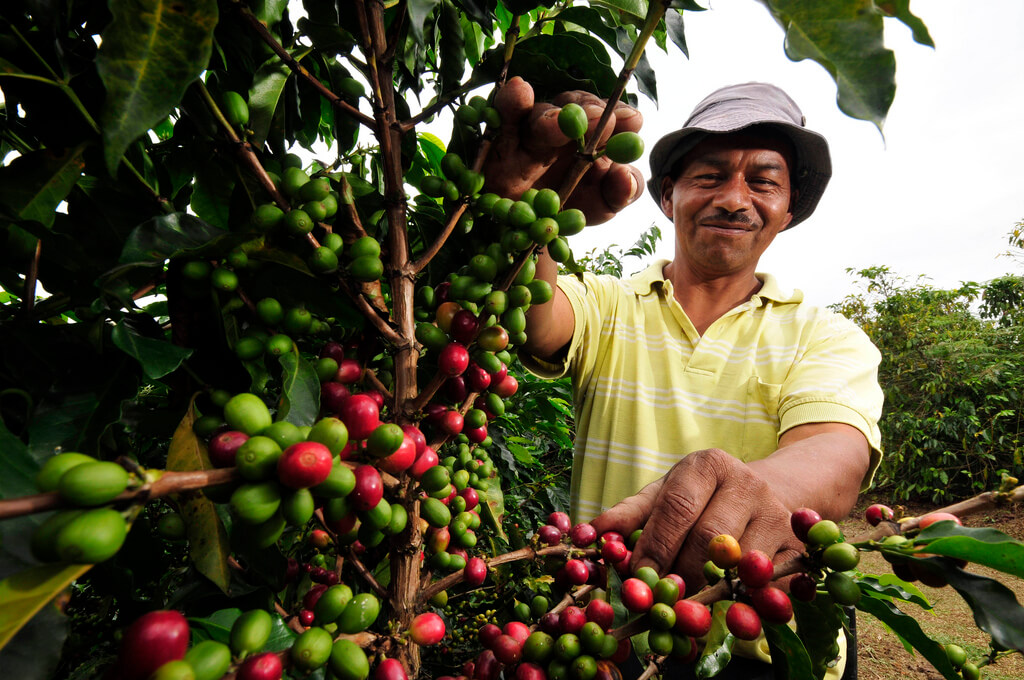
For roughly the last two years, the media has been warning us that climate change is threatening the world’s supply of coffee beans.
According to the hypothesis, growing conditions for coffee will no longer be suitable in many places, and plagues and pestilences will destroy the crops. If that doesn’t kill off coffee, then the lack of pollinators will.
…. The New York Times bluntly stated “Climate Change Threatens World’s Coffee Supply, Report Says ….” Even Popular Science got in on the action: “Climate change will make your coffee cost more and taste worse.” …. The world has been getting warmer over at least the past few decades, so coffee production should be decreasing, and coffee prices should be going up. Are they?
Coffee Prices Collapse, so Some Farmers Turn to Cocaine
Nope. According to a new report by the Financial Times, prices for coffee beans have hit a 12-year low …. If we look all the way back to …. the 1970’s, we see that the highest coffee prices, just under $3.40 per pound, occurred in April 1977. Today, the coffee price is about 93 cents per pound.
…
The reason behind the current collapse in prices is because Brazil produced a record crop. Once again, this is the exact opposite of the wide-eyed speculation the media had been cramming down our throats over the past two years.
Despite its promise, the growing field of Artificial Intelligence (AI) is experiencing a variety of growing pains. In addition to the problem of bias I discussed in a previous article, there is also the ‘black box’ problem: if people don’t know how AI comes up with its decisions, they won’t trust it.
In fact, this lack of trust was at the heart of many failures of one of the best-known AI efforts: IBM Watson – in particular, Watson for Oncology.
…
If oncologists had understood how Watson had come up with its [diagnoses] – what the industry refers to as ‘explainability’ – their trust level may have been higher.
…
“The more complex a system is, the less explainable it will be,” says John Zerilli, postdoctoral fellow at University of Otago and researcher into explainable AI. “If you want your system to be explainable, you’re going to have to make do with a simpler system that isn’t as powerful or accurate.”
The $2 billion that DARPA is investing in what it calls ‘third-wave AI systems,’ however, may very well be sufficient to resolve this tradeoff. “[Explainable AI] is one of a handful of current DARPA programs expected to enable ‘third-wave AI systems,’ where machines understand the context and environment in which they operate, and over time build underlying explanatory models that allow them to characterize real world phenomena,” DARPA’s [David] Gunning [says].
I’ve lived in four states on the East Coast and Gulf, and I’ve never found myself wanting come harvest time …. I’m consistently awed at what this season has to offer.
…
Untold hours of expertise (and trial and error experimentation) have allowed farmer Joe/Jane to hone their craft. Hardship and conflict — but also success and boastful pride — is embedded in every grain of corn or head of lettuce …. And then someone has to ruin the (still budding) nostalgia and say X is just a “factory farm.”
What does that imply? Based on campaigns I’ve seen, it suggests …. ecological permissiveness and profiteering. All orchestrated by scheming corporations that oversee “mega-farms” …. Tank the environment long-term for short-term profits. We report to the shareholders. Take the money and run!
Thinking about all of the steps leading to harvest, here are some common factors to consider — and why “factory farm” is one of the most disingenuous phrases in the playbook …. Most farms use technology to streamline their operations, from preparation to seeding to harvest.
…
Pests and diseases are always eyeballing their next meal ticket …. pesticides are still a necessity …. GMOs ….Definitely corporate supplied, but is it much different from procuring supplies from a local cooperative? And organic fertilizer and pesticides are just as corporate as any other ….
[T]he desire to give [ALS] patients hope has often outstripped good scientific sense. “Many drugs that have gone into ALS clinical trials shouldn’t have, because the preclinical data package didn’t support it,” says [ALS Therapy Department Institute CEO] Steve Perrin.
…
Progress has been hindered by three main challenges. First, the disease’s causal mechanisms are poorly understood.
…
Second, ALS is a highly heterogeneous disease in terms of origin (90 percent to 95 percent of cases are sporadic rather than inherited), initial symptoms (patients may report limb weakness or difficulty in speaking or swallowing), and speed of progression (some patients live months, others decades, after diagnosis). This has made it tricky to model the disease.
…
Finally, there are no quantitative biomarkers to track disease progression or serve as clinical endpoints for trials.
…
[H]owever, the explosion of biological and technical advances in the ALS therapy field—as well as growing connections between the players—have led to general optimism that future drug development might finally be able to avoid past pitfalls.
“ALS has been labeled incurable, but I think it will be curable with the right strategy,” says the University of Arkansas’s [pharmacologist Mahmoud] Kiaei. Steve Perrin agrees: “Many of the things that are in clinical development today are better shots on goal than they were a decade ago.”
A new study in Nature Sustainability reports that “[e]xtensive field data suggest that impacts on wild populations would be greatly reduced through boosting yields on existing farmland so as to spare remaining wild habitats.” Basically, producing more food on less land is really good for the environment because farmers will plow up fewer forests and prairies, thus leaving more land for nature.
…
The Nature Sustainability study bolsters the analysis of Connecticut Agricultural Experiment Station agronomist Paul Waggoner in his brilliantly perspicacious 1997 article, “How Much Land Can Ten Billion People Spare for Nature?” Waggoner concluded, “If during the next sixty to seventy years the world farmer reaches the average yield of today’s U.S. corn grower, the ten billion will need only half of today’s cropland while they eat today’s American calories.”
…
One can hope that this Nature Sustainability article will help to persuade at least some ideological environmentalists who claim that they want to protect and preserve the natural world to drop their opposition to the use of modern farming technologies to produce more food on less land.
Technological advances are helping to shed more and more insight on, as the University of Washington professor of early-childhood learning Patricia Kuhl has put it, “the infinite number of secrets” contained in babies’ brains.
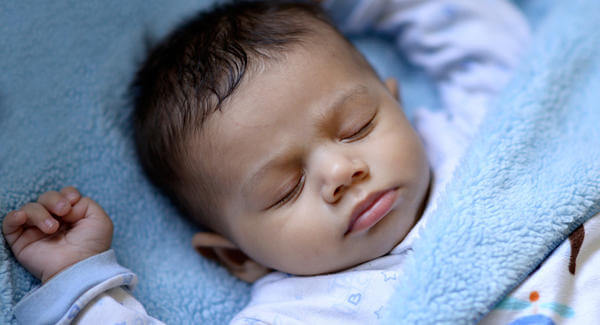
One secret that those advances have yet to uncover: whether babies dream—and, if they do, what they dream about. “Getting inside the head of a baby,” wrote the science journalist Angela Saini in a 2013 piece for The Guardian, “is like deciphering the thoughts of a kitten.” Brains are composed of so many intangible phenomena, and the technologies used to measure the stuff that is tangible (like brain-scanning machines) are difficult to use on babies.
…
Research dating back to the 1960s on the purpose of REM sleep for babies in particular has found that it supports brain development, helping infants to convert their experiences and observations during conscious hours into lasting memories and skills. Perhaps that’s why babies experience much more REM sleep than adults do—about half of babies’ sleeping hours are spent in REM sleep, compared with about 20 to 25 percent for older humans. “The commonsense view,” as a result, “is that yes, babies are dreaming—they just don’t have language to be able to communicate that,” [psychologist Kelly] Bulkeley says.
[A] small but growing group of innovators is turning to the genius of nature in an attempt to put wastefulness and pollution in the apparel industry out of fashion, right at the source: They are using live organisms to grow pieces of biodegradable textiles.
…
[T]hese researchers think some of tomorrow’s apparel could potentially be bioengineered—that is, made from living bacteria, algae, yeast, animal cells or fungi—which would break down into nontoxic substances when eventually thrown away.
…
[Professor Theanne] Schiros’s organism of choice is algae. With it, she and a team of F.I.T. students and faculty have created a yarnlike fiber that can be dyed with nonchemical pigments such as crushed insect shells and knitted into apparel. There are three steps in making alga-based yarn, Schiros says: First, a sugar called alginate is derived from kelp—a multicellular algal seaweed—and powdered. Next the alginate powder is turned into a water-based gel, to which plant-based color (such as carrot juice) is added. Finally, the gel is extruded into long strands of fiber that can be woven into a fabric.
…
These ecologically benign textiles are so far limited mostly to the realms of the laboratory, science competitions and high-fashion runways. But researchers who promote them say it is just a matter of time before such innovations are rolled out in some form for consumer markets.
Consumers today have more food choices available than at any other time in human history …. but the terms and labels that communicate differences in food production and preparation are all too often more confusing than helpful. The word “organic” is one of these.
Many people believe that something labeled organic means the product is healthier than a non-organic version. That’s the impression organic growers and manufacturers have tried to create ….
…
Organic marketers understood that the higher price tag of their products would deter customers unless they made them afraid to use the cheaper alternatives. So in addition to touting non-existent health benefits, organic marketers embarked on a campaign to make consumers believe they would be harmed and their health undermined if they bought conventional food.
…
In making these pesticide-free and natural claims, they count on consumer ignorance of the fact that organic food can have synthetic ingredients, over 50 of them, all determined by organic farmers and lobbyists appointed to an industry panel within the U.S. Department of Agriculture.
…
These tactics have been wildly successful.
In the 18 years since the USDA organic label was created, organic food has become a $124 billion industry based on claims that the government specifically said were false.
“We should all be doing less. We all need to chill.” It wasn’t an obvious rallying cry for delegates at the second Global Bioeconomy Summit in Berlin [the week of September 17], but it was a reasonable summary, albeit a light-hearted one, of the underlying sentiment of the two-day meeting organized by the German Bioeconomy Council.
John Schramski, associate professor of engineering at the University of Georgia, did not mince his words in his talk to delegates. His message? …. civilisation’s dominant conflict with nature is energy consumption …. we are discharging the Earth’s battery and need to re-charge.
Christine Lang, the council’s co-chair [said]: “Throughout the world, we are already seeing the development of new medicines, climate-compatible and resilient crops, health-promoting foodstuffs and environmentally friendly production methods using CRISPR and the like.” Her co-chair on the council, Joachim von Braun, adds: “The bioeconomy can and must make a significant contribution to the Sustainable Development Goals.” …. But if the bioeconomy is going to fix anything, it will need to be communicated much more simply and clearly to the wider public ….
Here are three of [DARPA’s] research programs that are showing promise in early human testing:
1) A NEURAL IMPLANT [TO] HELP MANAGE PSYCHIATRIC ILLNESS
More than 2.2 million veterans and 44 million civilians are living with some form of psychiatric illness, and medications don’t work for everyone. DARPA set out to create new options for people living with debilitating anxiety, depression, and PTSD.
“We can get somebody back to normal. It’s a whole new set of tools for physicians,” said Justin Sanchez, Director of the Biological Technologies Office at DARPA.
…
2) A NEURAL IMPLANT TO HELP IMPROVE MEMORY
“We are right at the cusp” of improving memory recall with direct neural interfaces, Sanchez said.
All day long, our brains shift between poor and good memory states. A brain-computer interface can read the signals of populations of neurons in the lateral temporal cortex. The device continuously monitors the state of the brain and delivers stimulation within a fraction of a second after detecting a poor memory state, to improve the person’s memory performance.
…
3) A NEURAL IMPLANT TO REVOLUTIONIZE PROSTHETICS FOR WARFIGHTERS AND VETERANS
Since 2006, DARPA has run a program to revolutionize prosthetics. The latest advances allow amputees to actually feel again with their bionic limbs.
Sensors in a prosthetic hand relay information to an interface in the brain that allows the person to detect which of their “fingers” are being touched.
Delivering his fifth Independence Day speech on August 15, 2018, Prime Minister Narendra Modi said that he wanted to add value to each stage of agriculture, from the seeds that are planted to the produce that reaches the market …. At the same time, his government …. is stifling the growth of the most successful commercial crop in recent years – cotton.
[R]ather than freeing the entrepreneurial spirit, the government has continued to tie the farmers up with regulatory red tape, while claiming to be their savior …. The plethora of …. schemes are all reinforcing the notion that the “value addition” that the PM mentioned in his I-Day speech can only be undertaken by the government ….
…
The plight of cotton farmers best illustrates the state of Indian agriculture today. Instead of celebrating the potential of GM cotton in transforming the lives of Indian farmers, new generation technologies are being denied to them making their future insecure ….
…
[A] seed company in Gujarat released [an] unauthorized Bt cotton seed in the late 1990s …. the success of the new seed spread like wildfire. Farmers …. traveled to Gujarat to pluck a few bolls of cotton in order to extract the seed to plant it themselves …. India, which was barely self-sufficient in cotton in 2002, has now outpaced China to become the world’s largest producer of cotton ….
You don’t have to be Jewish to inherit one of the BRCA gene mutations. But these mutations, which increase the risk of adult-onset breast, ovarian, prostate and other cancers, disproportionately injure Jewish people.
…
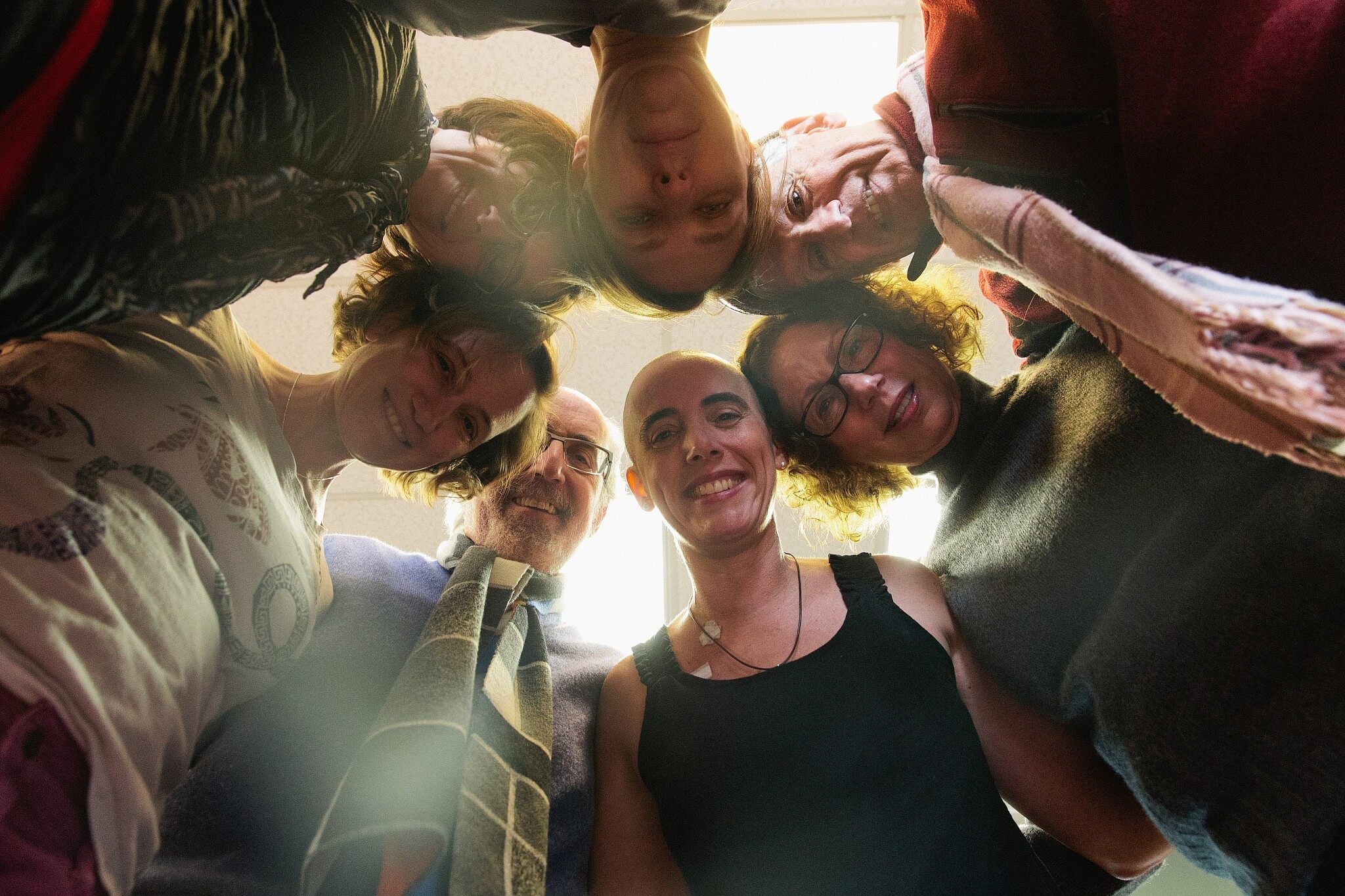
[Lauren Corduck] quickly learned that she had a risky mutation and Stage 4 ovarian cancer, prompting rigorous treatment, terror and anger.
Despite her ethnic background, as well as incidents of breast cancer on her father’s side of the family, none of Ms. Corduck’s physicians had mentioned her high risk. If they had, she could have learned of the mutation earlier.
…
[A]t 46 years old she was tackling metastases as far away from her abdomen as a lymph node near her collarbone.
Channeling her anger into activism, Ms. Corduck established the nonprofit organization Oneinforty. Through its awareness campaign, symposia, medical professional development sessions and the provision of emotional support, Oneinforty informs the public of the relatively high risk for Jews and encourages people with at least one Ashkenazi grandparent to consider genetic counseling and, when appropriate, testing — either through a blood test or a newer saliva home testing kit.
“Half of the people with a BRCA mutation have no known family history of the BRCA cancers,” Ms. Corduck said. “Physicians who are not offering testing to patients need to be educated and patients should be proactive on their own behalf.”
It has been more than two decades since the commercial introduction of GMO crops. They have delivered a range of benefits – including stronger yields, better weed control and the ability to fight off pests – to the farmers in the nations that have adopted them.
Uganda is not one of those. And failure to do so, in the eyes of many of its scientists, represents a lost opportunity for the African nation, which is still struggling internally with how to handle GMOs and other new breeding technologies.
The nation’s economy, still heavily dependent on agriculture, would fare much better if its farmers were allowed access to GMO crops designed to cope with regional agricultural issues, said Arthur Makara, executive director for Science Foundation for Livelihoods and Development.
He argues that the growth of GM cassava would allow farmers the opportunity provide raw materials for the pharmaceutical industry through the processing of starch, which also can be used to produce paper and glue.
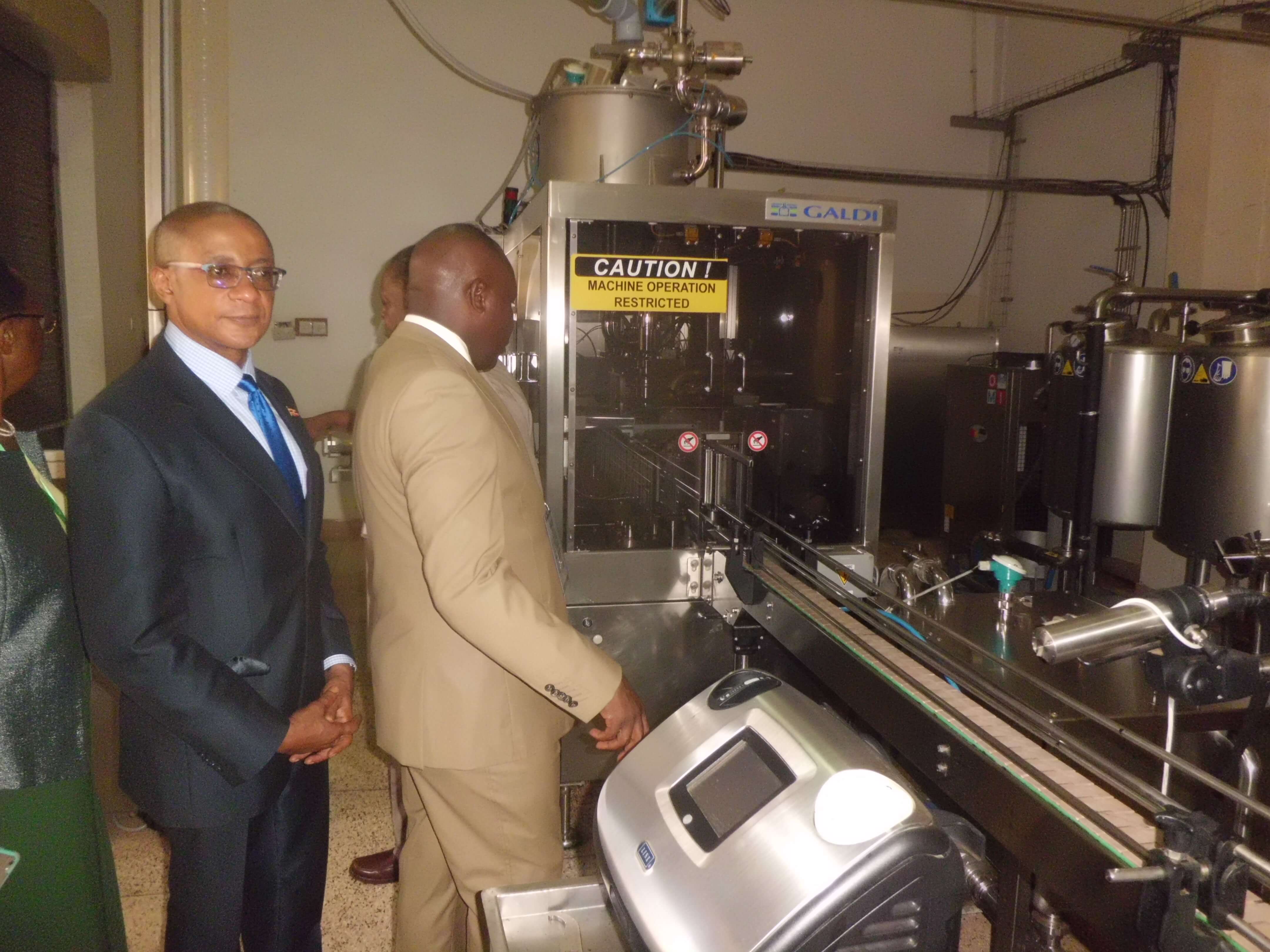
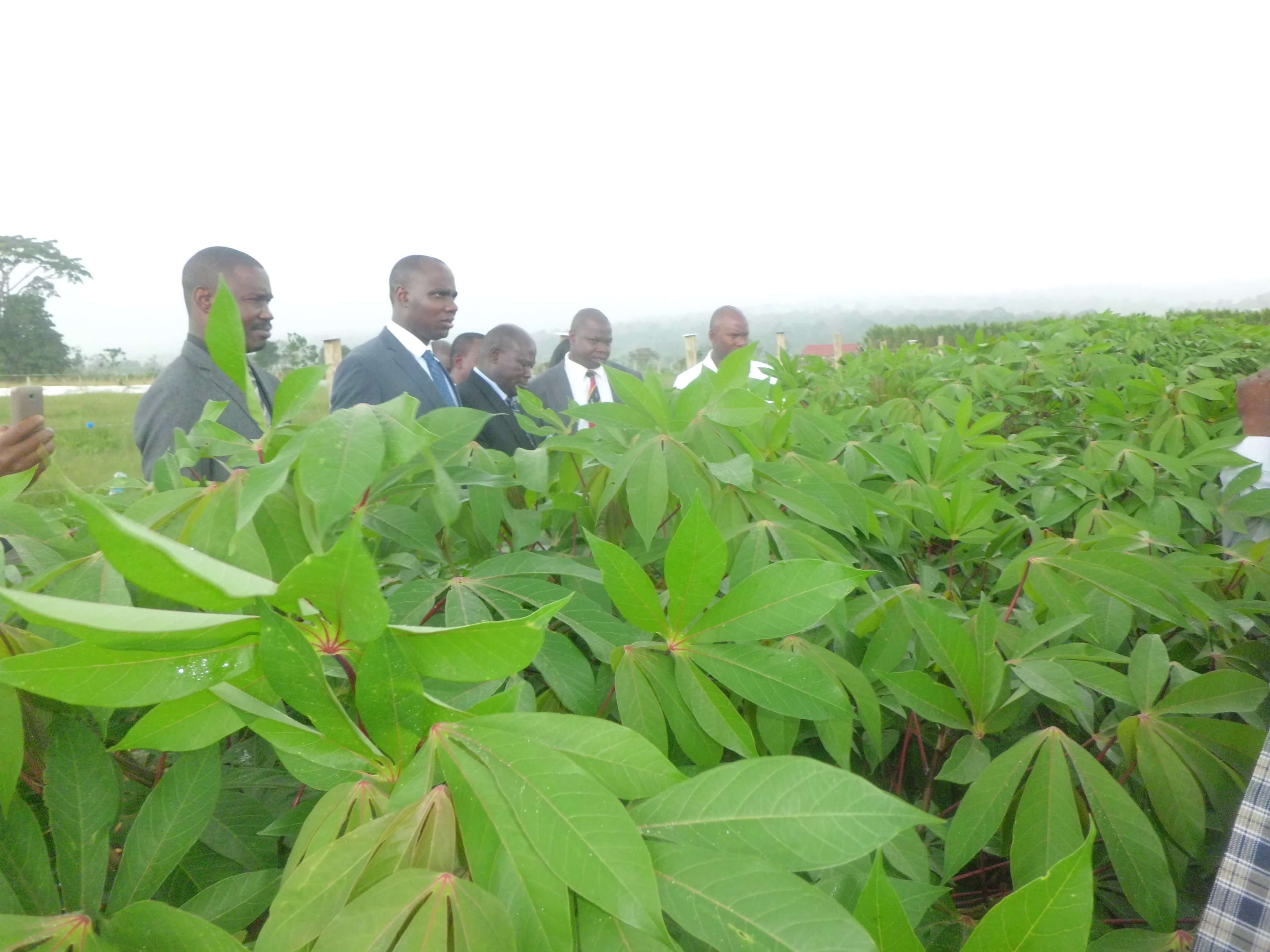
Legislators in Uganda’s parliament tour laboratories at the Uganda Industrial Research Institute where cassava starch is extracted to process paper. Image credit: Lominda Afedraru
“Instead of importing these materials, we can process them locally from cassava starch and this is how critical application of modern biotechnology can bring about in terms of economic gain to the country,” Makara said.
GMO crops also could aid then nation’s struggling textile industry, which is dwindling because farmers are no longer growing cotton due to the challenge of the bollworm. Research already is underway on a GMO cotton seed resistant to the devastating worm.
A GMO banana also would offer the potential to open new growth opportunities through the processing of vinegar and wine from bananas and banana peels. Its fiber also can be used to make environmentally friendly packaging materials. But the nation’s banana harvests are threatened by bacterial wilt. Researchers are working on bananas resistant to the disease.
Animal scientists are also developing vaccines using biotech materials to combat tick borne disease, this will require massive production of the material which is possible using modern biotechnology.
None of these advances, however, will be possible if the nation continues to deny Ugandans access to biotechnology advances, he said.
Room for growth
The nation’s economic picture shows there is substantial room for growth in the agricultural sector.
Uganda’s Industry sector accounts for 21 percent of Uganda’s GDP and employs about 7 percent of its labor force, according to a 2017 report by Economies Africaines.
The authors argue that manufacturing allows the country to yield more benefits from its agricultural production.
The agro-food sector is processing coffee, tea, nuts, dairy products, fruit and vegetables, canning of animal products and forage production.
In addition, the industry focuses on the production of fertilizers and the processing of skins into leather, silk and cotton textiles.
Follow the latest news and policy debates on sustainable agriculture, biomedicine, and other ‘disruptive’ innovations. Subscribe to our newsletter.
However, the textile sector is negligible compared to the regional giants Kenya and Ethiopia and only 5 percent of the cotton produced in Uganda is subsequently used by local factories.
The Industrial sector is more active in mining yet processing agricultural produce would give a greater stride in the country’s economy.
Global status of GM crops
The International Service for the Acquisition of Agri- Biotech Applications publishes an annual look at the global status of commercialized GM crops.
In 2017 biotech crops reached a new record of 189.8 million hectares worldwide, representing $186.1 billion. Uganda is missing out on this movement while its government continues to take no action on biotech legislation.
Dr. Babra Zawedde, of the National Agriculture Research Organization (Naro), offers this assessment:
“If the biotechnology and biosafety framework of Uganda had been finalized, the country’s industrial sector will have a chance to gain economically from the global proceeds because this sum of money was realized from farmers growing and marketing GM crops such as corn, soybean and cotton among others which Ugandan scientists have developed and are ready to be released for commercialization.”
Further statistics show that in 2017, there were 24 countries growing 189.8 million hectares – an increase of 3 percent over the previous year. In addition to the 24 nations growing GMO crops, another 43 countries were importing them.
Developing countries grew 100.6 million hectares while industrial countries planted 89.2 million hectares. The US still leads in adoption, followed by Brazil, Argentina, Canada and India. The crops grown in the various countries include maize, soybeans, cotton, canola, sugar beets, alfalfa, papaya, squash and potatoes.
GM cassava and banana in confined field trials at the research institute in Uganda. Image credit: Lominda Afedraru
In Africa there are 12 Biotech crops existing with 13 countries involved in research work, including South Africa and Sudan, where crops are being grown.
Uganda, at this point, is limited to confined field trials, while researcher await government approval to move into farmers’ fields.
Among the crops being tested in Uganda are GM banana designed to fight bacterial wilt; a vitamin-rich banana; cassava engineered to resist mosaic virus and brown streak virus; drought-tolerant maize; and a potato designed to fight off blight.
Dr. Zawedde argues that industries in Uganda are suffering because they have been denied access to the biotech advances, which have been hindered an unpredictable political environment, restrictive regulatory process and misinformation campaigns by anti-GMO critics.
These new GMO crops are particularly important for developing nations such as Uganda, where farmers cannot afford the expenses associated with better irrigation that might help stave off the effects of drought, said Dr. Fred Muhumuza, from Makerere University.
He called upon policy makers not to deny small holder farmers the opportunity to utilize products developed using this scientific knowledge for them to reap a better output.
Lominda Afedraru is a freelance science journalist in Uganda who specializes in agriculture, health, environment, climate change and marine science. Follow her on the Daily Monitor web site www.monitor.co.ug, Facebook or Twitter @lominda25
Imagine life without odors. Food tastes the same regardless of how congested your nasal passages are or how damaged your nose is. Perfume and other fragrances simply do not exist. There are no mouthwatering aromas, no bad breath or body odor, and no subconscious sense that someone is scared or sick.
A missing sense of smell is called anosmia. It can occur as a result of trauma or illness, as described in books like “Remembering Smell: A Memoir of Losing—And Discovering—The Primal Sense” or “Season to Taste: How I Lost my Sense of Smell and Found My Way”.
But sometimes the cause is genetic and starts at birth. Affected people simply never smell anything, a condition known as congenital anosmia. Not surprisingly, sense of taste is severely impacted, to such an extent that food is mostly about texture. Other effects include missing “emotional connections associated with smell and cannot enjoy the pleasurable aspects of smell, from the scent of lilacs in the spring to the smell of babies’ heads.”
Congenital anosmia is a rare disorder, thought to affect 1 in 5,000 to 1 in 10,000 people. It was previously believed to primarily be a result of genetic disorders like Kallmann syndrome, a form of hypogonadotrophic hypogonadism in which puberty is delayed or absent.
Image credit: Regis Duvignau/Reuters
But recent research has shown that congenital anosmia has a complex molecular basis. In particular, congenital anosmia that occurs in otherwise healthy individuals is known as “isolated congenital anosmia” and is extremely rare. In some cases, brain MRIs of affected individuals show an absence or severe hypoplasia of the olfactory bulb, but in others, olfactory structures are largely intact. The genetic basis of this disorder is becoming better understood.
A study in the European Journal of Human Genetics from late in 2017 involving next-generation sequencing of patients with congenital anosmia found “involvement of 6 syndromic Kallmann genes in isolated anosmia.” This suggests that the gene defects in Kallmann syndrome may also play a role in isolated congenital anosmia because some of the genes that cause Kallmann are involved in the development of olfactory neurons, nerve cells specialized to handle the sense of smell.
A separate study in Clinical Genetics looking specifically at congenital general anosmia found a “rare X-linked missense mutation in the TENM1 (teneurin 1) gene.” This combined with work in Drosophila melanogaster and in mice points to loss-of-function mutations in TENM1 as a possible sole cause of congenital general anosmia. Research in Drosophila shows that TENM1 “functions in synaptic-partner-matching between axons of olfactory sensory neurons and target projection neurons and is involved in synapse organization in the olfactory system.”
The NaV1.7 sodium channel gene SCN9A implicated. In the book “Chasing Men on Fire: The Story of a Search for a Pain Gene”, neuroscientist Stephen Waxman, PhD, writes “NaV1.7 was known to be present in olfactory sensory neurons which are essential for our sense of smell, and, consistent with this, anosmia—loss of the sense of smell—was also observed in these loss-of-function patients” who have a mutation in the SCN9A gene that causes hereditary small fiber neuropathy.
Whole exome sequencing has added important information, too. A 2017 study in Nature found that a stop gain mutation in CNGA2 as the cause of isolated congenital anosmia in a large Iranian family. This built on earlier work published in Clinical Genetics in 2015, finding a novel X-linked stop mutation in CNGA2 in two brothers with isolated congenital anosmia. The gene CNGA2 encodes the alpha subunit of a cyclic nucleotide-gated olfactory channel, though its exact role in olfaction remains to be clarified.
Follow the latest news and policy debates on sustainable agriculture, biomedicine, and other ‘disruptive’ innovations. Subscribe to our newsletter.
The above genetics demonstrates how complex the sense of smell is. Genes are involved in the formation and function of the olfactory bulb in the brain and sensory neurons in the nose. Mutations in any of these genes are now thought to be possible explanations for congenital anosmia.
This presents a challenge in clinical medicine. After more probable causes of apparent congenital anosmia are eliminated, in particular early-life trauma or illness, the list of possible genetic causes is still long. Ruling out disorders like Kallmann syndrome is important, but that still leaves distinguishing between isolated congenital anosmia and various rare disorders that are more complicated.
For instance, Refsum disease presents with anosmia, but also includes retinitis pigmentosa, progressive muscle wasting, arrhythmias, and neurological manifestations. Refsum disease is an inborn error of metabolism that causes an over-accumulation of phytanic acid, leading to a variety of progressively severe neurological manifestations. Treatment involves a phytanic acid-restricted diet and possibly plasmapheresis. Although this does not restore sense of smell, it does greatly improve quality of life, making early diagnosis important.
Thus, anosmia is about far more than not being able to smell the roses. An absent sense of smell from birth is almost always genetic and can be an early sign of a serious disorder. Or it can be isolated, a result of a single failure in a complex system that is more vulnerable than generally recognized.
Roger Chriss is a technical consultant in Washington state, where he specializes in mathematics and research
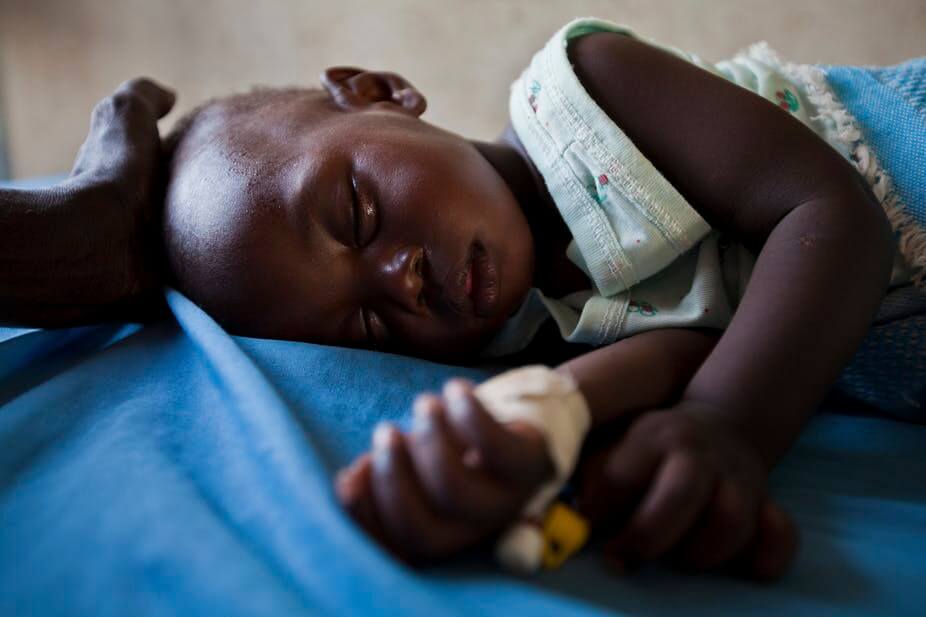
Malaria is among the world’s worst scourges. In 2016 the disease, which is caused by a parasite and transmitted by mosquitoes, infected 194 million people in Africa and caused 445,000 deaths.
But biologists now have developed a way of manipulating mosquito genetics that forces whole populations of the insect to self-destruct. The technique has proved so successful in laboratory tests that its authors envisage malaria could be eliminated from large regions of Africa within two decades.
A team led by Andrea Crisanti, a biologist at Imperial College, London, altered a gene that disrupts the mosquito’s sexual development; the females become infertile but the males remain able to spread the debilitating gene to an ever-dwindling number of progeny. Dr. Crisanti found that laboratory populations of mosquitoes can be driven to extinction within 11 generations, he and colleagues report in Monday’s issue of Nature Biotechnology. Wild populations could be made to crash in about four years, according to computer models.
…Genes carried by a gene drive therefore can spread very rapidly through a population, which makes the technique both powerful and potentially dangerous. No gene drive has yet been released in the wild.
…
Launching a gene drive into the wild is risky. Once released, it can’t be recalled or easily disabled should anything go awry. In 2016, the National Academy of Sciences called for extensive tests and public consultation before any gene drive is released.
A new approach in the fight against American foulbrood – a disease effecting beehives across the world – is the topic of a New Zealand-made film shortlisted in the International Jackson Hole Science Media Awards being held in Boston, USA, this week (26-28 September NZT).
University of Otago Master of Science Communication graduate Sarah Hight’s film, A Million Dollar Nose? examines the novel approach of using sniffer-dogs to detect American foulbrood in beehives. American foulbrood disease is caused by a bacterium which contaminates honey bee larvae and pupae, and is widely considered the most serious disease effecting bees in New Zealand. Contaminated hives and their tens of thousands of bees are often destroyed, costing the honey/beekeeping industry millions of dollars a year.
…
The film features a Canterbury beehive operation which employs …. a detector dog trainer who believes you can train a dog to detect anything. With sniffer-dogs unproven on a scientific level as a tool against American foulbrood, Ms Hight wanted to create discussion and draw attention to their use.
…
“My intention with A Million Dollar Nose? was to educate people about one of the many threats facing honeybees around the world. On a broader scale, I wanted to encourage people to be open minded towards creative and innovative agricultural tools ….” Ms Hight says.