Human eggs from blood cells? New technique could ‘transform reproduction’

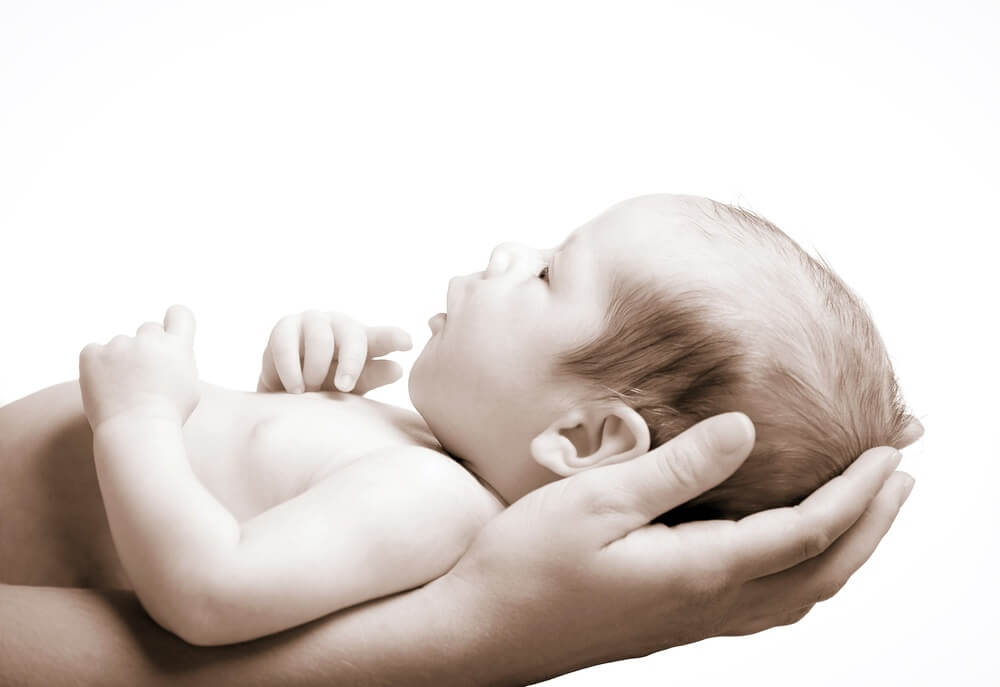
baby

Scientists in Japan made progress recently in the quest to combat infertility, creating the precursor to a human egg cell in a dish from nothing but a woman’s blood cells. The research is an important step toward what scientists call a “game-changing” technology that has the potential to transform reproduction.

In the new experiment, [researcher Mitinori Saitou] created stem cells from human blood cells and then guided them to develop into “primordial” reproductive cells at a very early stage of egg development. His team was able to keep the cells alive for four months by incubating them in a dish with mouse ovary cells. The cells developed into oogonia, precursors of mature egg cells that appear during the first trimester of pregnancy.

[T]he societal and ethical questions begin to multiply. Could someone unknowingly be made a parent without their permission, if someone creates reproductive cells from a cheek smear? Could women’s biological clocks be turned back or eliminated if the need for egg harvesting ends? Would the ease of creating many eggs make in vitro fertilization far more routine? And could the ease of creating eggs, in turn, allow parents to more routinely screen out genetic diseases?

Scientists say the time to start deliberating about those scenarios, educating the public and talking about oversight is now.

Read full, original post: The ‘game-changing’ technique to create babies from skin cells just stepped forward

Should you disclose your autism diagnosis at work?

gettyimages

One central question those of us with jobs face is: Do I disclose my autism diagnosis to my boss and coworkers?

Some research suggests that disclosing autism is helpful in forming social bonds. For example, a study last year revealed that neurotypical students form more positive impressions of characters in stories who engage in unusual behavior, such as insisting on the location of a couch, when these characters are described as autistic.

In my experience, however, disclosure has been a double-edged sword.

Disclosing an autism diagnosis at work can hinder advancement. People’s low expectations of me were noticeable. I felt stuck. After asking for a promotion after some major achievements, I was denied. Then, after further achievements, I was given a title change but no pay raise, despite the existence of pay bands. I made $5,000 less than the low end of the pay band for my new job title.

It was disheartening to be outwardly liked and praised but to never receive a real promotion.

I have no idea where I might be working in 5 years, let alone 10. We need more research on long-term outcomes for autistic employees. As an autistic person, uncertainty is objectively terrifying to me, but I think it would be at least moderately terrifying for anyone to not have a vision for their future.

Read full, original post: Disclosure of autism at work holds risks and benefits

Biotech researchers petition FDA to ban ‘deceptive’ Non-GMO Project butterfly logo

Non GMO Labelling

The most authoritative science and technology think tank in the United States has filed a petition against the Non-GMO Project’s butterfly campaign in the hopes of getting the label banned from food packaging. The Information Technology and Innovation Foundation said that its effort is being done to combat the false claims and allegations against biotechnology made by the Non-GMO Project.

The label is widely despised in the agricultural sector as unscientific and intentionally deceitful and divisive.

Specifically, the science foundation is calling on the the FDA commissioner to issue a regulation prohibiting the use of the term “Non-GMO” on consumer foods and goods and requiring distributors to omit any “Non-GMO” term or claims on their labeling.

“The ‘Non-GMO’ Project butterfly campaign deceives consumers through false and misleading claims about foods, food ingredients and their health and safety characteristics,” said ITIF Senior Fellow Val Giddings, who is leading the petition. “The campaign constitutes misbranding under the law, and the FDA should act in the best interest of consumers and protect them, as the law demands, against the confusion spread by these false claims.”

Read full, original article: Petition filed against Non-GMO Project over its false claims

Anti-GMO activists can’t be allowed to ‘have their way,’ African farmer warns

foodfear

When I was a little boy, what I feared most were the masqueraders …. human beings wearing masks or …. costumed in scary materials, sometimes walking on stilts …. Thanks to the work of anti-science groups, a lot of people in Africa today see GMOs as scarecrows and masqueraders when in fact the opposite is true.

The age-old saying that it’s easier to build than to destroy has proven to be true in the case of GMOs. And so is the popular saying that bad news travels fast. Despite all evidence that GMOs are safe, as has been confirmed by a countless number of renowned world science institutions, the activities of anti-GMO groups continue to create doubts in the minds of people.

If you were a farmer like me and you knew the risks …. associated with the over-use of chemicals …. and if you were personally impacted by the destruction that pests and diseases can cause to crops …. you would agree with me that there is no way that anti-science activists should be allowed to have their way.

Read full, original article: GMOs: Scarecrow or heaven-sent dove?

Transforming treatment of diabetes with insulin-producing cellular implants

blood

Many people with diabetes prick their fingers several times a day to measure blood sugar levels and decide on the insulin doses they need. Implants of pancreatic cells that normally make insulin in the body— so-called islet cells—can render this cumbersome process unnecessary. Likewise, cellular implants could transform treatment of other disorders, including cancer, heart failure, hemophilia, glaucoma and Parkinson’s disease. But cellular implants have a major drawback: recipients must take immunosuppressants indefinitely to prevent rejection by the immune system.

[I]n 2016 a team at the Massachusetts Institute of Technology published a way to make implants invisible to the immune system. After producing and screening hundreds of materials, the researchers settled on a chemically altered version of a gel called alginate, which has a long history of safe use in the body. When they implanted islet cells encapsulated in this gel into diabetic mice, the cells immediately produced insulin in response to changing blood sugar levels—keeping them under control over the course of a six-month study.

Today the cells being incorporated into capsules are drawn from animals or human cadavers or are derived from human stem cells. One day implantable cell therapies may include a broader array of cell types, including some engineered through synthetic biology—which reprograms a cell’s genetics to make it perform novel functions, such as controlled, on-demand release of specified drug molecules into a tissue.

Read full, original post: Implantable Drug-Making Cells

Mushroom-based biopesticides could cut environmental damage from synthetic chemicals

unnamed file

…. In the year 2012 — the last time the U.S. Environmental Protection Agency’s (EPA) published a report on the subject — chemical pesticide sales in the United States amounted to nearly $14 billion …. But let’s face it: We wouldn’t have a robust agricultural system we have if it weren’t for pesticides killing unwanted critters.

Imagine a pesticide that could fend off unwanted insects while leaving everybody else alone. It’s possible! The technology exists, it just requires approval by the EPA — and that we become OK with the idea of weaponizing parasitic fungi to feed on the innards of insects for our own agricultural gain.

Some downsides of mushroom-based pesticides are price and finickiness: They could easily cost farmers 20 times more than they’re used to paying for pesticides, and like other living things, they’re sensitive to environmental conditions like temperature and humidity.

Mycologist Paul Stamets has patented two fungus-based insecticides — one that’s targeted toward fire ants, carpenter ants and termites, and the other toward a more general audience of around 200,000 insect species. These pesticides seem delicious enough to lure insects to them, and once the bugs have eaten them, the fungi sporulates and sprouts inside them, feeding on their internal tissue until they die and a tiny mushroom sprouts from their heads ….

Read full, original article: Fungus-based Pesticides Might Be the Green Solution of the Future

E-tattoos? 3D printable electronics could make them possible

In April [2018], Michael McAlpine, a mechanical engineering professor at the University of Minnesota, published a study in the journal Advanced Materials in which he demonstrated a way to print electronics directly onto the skin. The device — cheap, accessible, and compact — already offers groundbreaking applications for the military and medicine. In the future, it could completely change how we interact with the world around us.

Futurism recently spoke with Alpine about his research, and the future of printable electronics and e-tattoos.

Futurism: I want to start by talking about the 3D printing technology at the center of this study. What’s so special about it?

[MM]: We’re expanding the capabilities of 3D printing beyond hard plastic, and toward what we call “functional materials.” That means printing materials that have some practical use — electronic materials, soft polymers, and even biological materials like cells — all on a single platform.

[MM]: For our most recent paper, in addition to printing electronics on the back of the hand, we also printed cells onto the wound of a mouse. We collaborated with the dean of the medical school here, Jajub Tolar, who works on a rare skin disease where the epidermal layer flakes off as a result of a genetic disease. We were able to print regenerative cells onto the mouse’s wound while the mouse was moving.

Read full, original post: Glimpse: How Electronic Tattoos Will Change The World — And Ourselves

France’s neonicotinoid ban a ‘dead end’ for farmers who need to fight pests

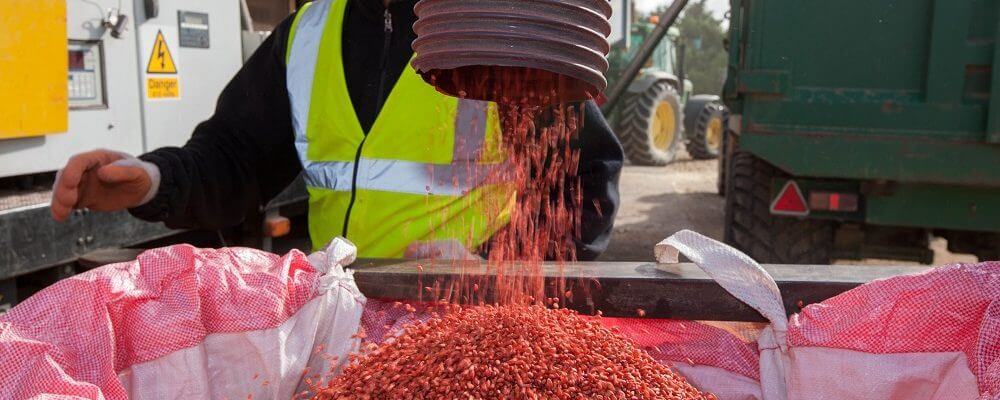
Seed treating x

The ban on the use of neonicotinoids as of September 1, 2018 is leading to agronomic dead ends for many farmers. These agronomic tools help to fight insect pests, but there are still no effective alternatives today. This is one of biggest issues facing stakeholders in the agricultural world.

…. Since 1 September, the use of …. active substances of the neonicotinoid family is prohibited. This is not without consequences for farmers, who must control pests.

According to a recent ANSES report, ” biological control, physical control by application of a protective layer (paraffin oil, clay …), and sexual confusion control” represent alternatives to this family of insecticides …. ” These agronomic tools can contribute to the fight against pests, but there is no real alternative to neonicotinoids. The subject is vast and difficult, “says Aurélien Dubos, cultural advisor of the Chamber of Agriculture of Eure.

Editor’s note: This article was originally published in French. This summary was prepared with Google Translate and edited for clarity. 

Read full, original article: To date, “there is no real alternative to neonicotinoids”

Why the fossil record may be misleading when explaining mass extinctions

a ff z

Paleontologists are able to determine when a species went extinct based on its last appearance in the fossil record. Any variations in the fossil record had been assumed to be down to either random chance, or the incompleteness of that record.

However, previous computer models have suggested that this might not be the case, and that a species’ ecological preference – what kind of habitat it prospers in – could affect their placement in the fossil record, not because they died off, but because climatic change had altered their environment.

To put this to the test, researchers from the Florida Museum of Natural History, writing in Proceedings of the Royal Society B, analyzed 130-foot (39.6-meter) deep cores drilled in Po Plain, which is a large river valley that runs into the Adriatic Sea off the east coast of Italy. The scientists, led by Michal Kowalewski and Rafal Nawrot, searched for mollusks.

Because the various species of mollusk have not gone extinct yet, their fossils should be found in the uppermost layers of the cores, where they would have been recently deposited. However, they were instead found to be more widely spread throughout the cores, giving the impression that there had been multiple mass extinctions over time.

This was incorrect; those species of sea life still exist in the Adriatic today, but what has changed is their local environment.

Read full, original post: Does the fossil record tell the true story about mass extinctions?

Low yields, high costs stop India from embracing organic agriculture

Nearly 25 years ago, an event held at the American Center Auditorium in Chennai on the topic of the Green Revolution witnessed a lively debate on the merits and demerits of organic farming and “conventional farming,” a euphemism for chemical-based cultivation practices which came into vogue in the country in the mid-1960s.

Despite the passage of time and the concept of organic farming gradually taking root in the country, the core characteristics of the debate do not seem to have changed. Farmers constantly discuss whether the idea makes sense from the point of view of economic dividends.

“It is utopian to think that organic farming could completely replace chemical farming. It is only one of several technologies available to the farming community …. You cannot do agriculture without chemical fertilizers,” asserts C. Ramasamy, who was the Vice-Chancellor of the Tamil Nadu Agricultural University (TNAU) from 2002 to 2008 ….

Madhu Ramakrishnan, a farmer with 50 acres in Narikkalpathy village, [says] the government [should] support farmers for at least the first three years after they migrate to organic farming …. as low yield is expected during this period …. the organic certification process ….. involves registration, inspection, review, evaluation and issuance of certificate. “Each process involves a good amount of manpower and dedicated work,” says [K.K. Krishanmurthi, president, Indian Society for Certification of Organic Products.]

Read full, original article: Why organic farming is yet to bear fruit

Video: How the Environmental Working Group manipulated the math on glyphosate safety levels to create ‘Roundup in Cheerios’ scare

cheerios

The weed killer glyphosate (aka Roundup in patented form) is lauded by farmers as a safe, effective herbicide. However, there are few chemicals more distrusted by the public. The Environmental Working Group (EWG), a Washington DC-based public health nonprofit, recently claimed there are dangerous levels of glyphosate in breakfast cereal, which only added to the controversy and unnecessarily frightened consumers.

As the GLP reported on August 17:

The fundamental, consensus conclusion: A bowl of cheerios, or a daily bowl over months or even many years won’t endanger your health. Why? Because we are talking about minuscule amounts of glyphosate—well below the levels that would be considered dangerous.

In this video, Know Ideas Media founder and filmmaker Nick Saik does the math, and shows how EWG likely came up with its safety cut off limit to generate the media firestorm that accompanied the scare report. He uses EWG’s own figures on glyphosate residue to show exactly how many bowls of Cheerios you’d need to eat in order to consume an unsafe amount of the weed killer

Bottom line: Even using EWG’s scientifically unsupportable safety limit, glyphosate residues are harmless, which is exactly what the Environmental Protection Agency, Health Canada, European Food Safety Committee and dozens of other regulatory and advisory  organizations have determined. Saik also discusses how regulatory agencies like the EPA keep pesticides out of our food. Our food supply is the safest it’s ever been, while fear of food is simultaneously at an all-time high.

Nick Saik is a filmmaker and the founder of Know Ideas Media, a company that aims to entertain and inform audiences by presenting rationally optimistic, scientifically-based solutions to highly controversial subjects. Follow him on Twitter @nick_saik

Can a skin patch thwart cocaine overdoses?

skin graft cocaine addiction

There are nicotine patches to help quit smoking, and then there’s this: patches of actual skin, genetically engineered to produce an enzyme that digests cocaine, and, when transplanted onto mice, arms them against otherwise-lethal doses of the drug. A study on the skin-patch strategy, which the authors hope could one day lead to a means of treating addiction and preventing overdoses in humans, appears [September 17] in Nature Biomedical Engineering.

Humans naturally make an enzyme, butyrylcholinesterase, that breaks down cocaine, but the research team wanted something more powerful for their skin grafts. So they used an enhanced form of the protein that another group had designed, which has 4,400 times the cocaine-hydrolyzing activity as the original. The University of Chicago researchers used CRISPR to insert a gene for the souped-up protein into skin epidermal stem cells from mice, seeded the cells onto circular, 1-centimeter-across patches of scaffolding, and then transplanted the tissue onto mice addicted to cocaine.

[A] likely issue with translating the treatment to humans is that if patients “do not get high from cocaine, they probably will go take something else,” says Jianguo Cheng, a physician and pain management researcher at Cleveland Clinic who was not involved in the study. “For the science aspect it’s really impressive and encouraging.”

Read full, original post: Gene-Edited Skin Patch Prevents Cocaine Overdose in Mice

Patent war may stop Bayer from selling new GMO Bt insecticide cotton in India

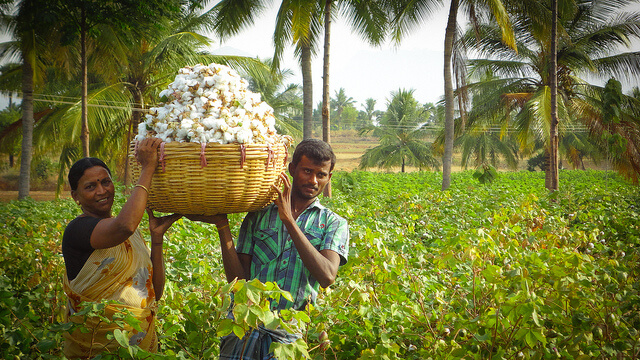
cotton farmer

German chemical and pharma major Bayer AG, which has acquired biotech company Monsanto …. said it cannot introduce new Bt cotton seed technology in India as it has become difficult to make money in the south Asian nation because of royalty issues.

Monsanto has been selling genetically modified (GM) cotton seeds in India for more than a decade through its joint venture Mahyco Monsanto Biotech that has sub-licensed Bt cotton seed technology to various domestic seed companies. However, the company is now involved in a legal case where it has appealed against the Indian government’s decision to fix the cotton price along with trait value (royalty) under the Cotton Seed Price Control Order.

…. Bob Reiter, Global head of R&D, Crop Science Division of Bayer, emphasized that the company needs to be compensated for investment made in R&D to come up with innovative products.

“The issue around Bt cotton in reality is that as a company we cannot serve a market if that market does not pay for the invention we are trying to bring in. The challenge in India has been that the government has stepped into, I would say, a conflict that started between licensees and [has] become more complex,” Reiter said.

Read full, original article: Can’t introduce Bt cotton tech in India due to royalty issues: Bayer AG

How do we persuade relatives of cancer patients to seek genetic testing?

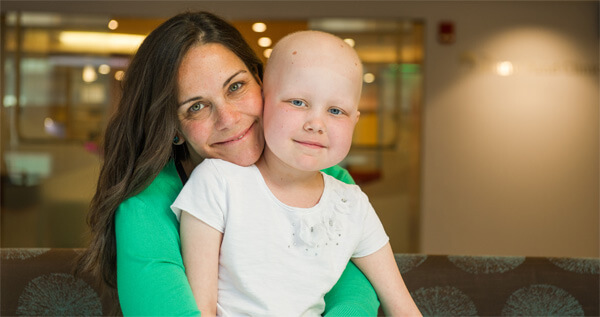
mother and daughter patients

Cancer patients’ close relatives might be willing to get tests to see if they share genetic mutations that put them at risk for tumors, too, if testing were accessible and affordable, a U.S. experiment suggests.

Researchers asked 741 people with one of 30 cancer-associated mutations and 360 of their “first degree” relatives – a parent, sibling or child – to invite other close relatives to get their genes sequenced for about $50 – about one tenth of the standard cost.

Altogether, these individuals invited 2,280 first-degree relatives to get the genetic tests.

Over the first year of the discount testing program, 48 percent of the invited relatives agreed to testing. About 48 percent of these first-degree relatives tested positive for the same genetic mutation linked to cancer in their family member, and about five percent had a different variant also associated with tumors, the study found.

Then, 12 percent of these relatives who tested positive kept the “cascade” testing going by inviting additional family members to get tests.

Although not everyone with a cancer-associated mutation will go on to develop the disease, the knowledge that one is a carrier can help people and their doctors make informed health care decisions while they are still healthy.

Read full, original post: Many cancer patients’ relatives might get gene tests if price is right

Educating farmers key to biotech crop success in developing world

Nigerian Farmers

African countries and the Philippines have made significant progress in developing genetically modified (GMO) crops, adding impetus to the drive to adopt biotechnology as a tool for fighting food insecurity.

These international strides in conducting research and experimental field trials of GM crops emerged in the fourth week of the Global Leadership Fellowship Program at Cornell University during presentations on the status of biotech in participating countries.

Louis Baraka, an agriculture officer from the Kagera region in Tanzania and one of the 2018 Fellows, said there is an urgent need to create awareness of the improved crops among farmers as the various countries move through different stages of research in biotech.

“There is no doubt that there is a positive move towards adoption of biotech crops, not only in Tanzania but also other African nations,” Baraka said. “However, there is a need to incorporate farmers in every step of research so that they are not left behind.”

Tanzania is currently conducting confined field trials on drought-tolerant and insect-resistant maize. That process is expected to come to an end in the next two years, followed by applying for a National Performance Trials (NPTs) permit.

Read full, original article: Africa, Philippines make major strides in crop biotechnology

GMO controversy is a political debate, not a food safety issue, farmers say

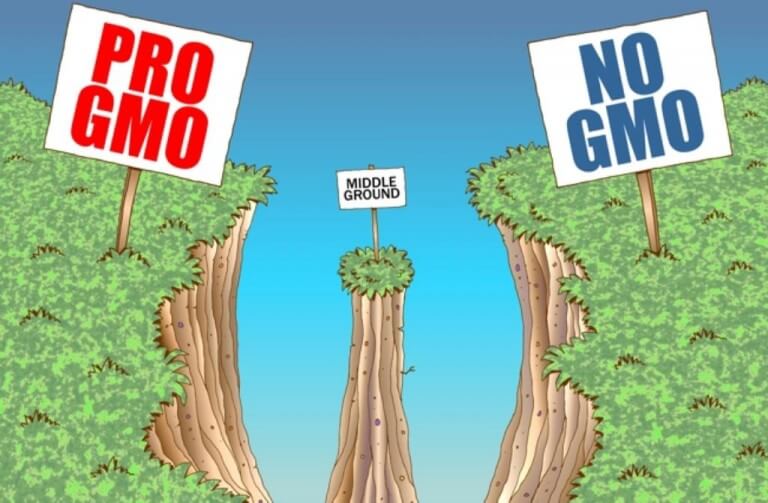
gmodivide

According to a recent article in the New York Times, most consumers don’t know or realize that for decades they have been consuming foods that have been developed through bioengineering including crossbreeding, irradiating, and chemically inducing gene mutations to achieve desired characteristics.

According to the Pew Research Center, nearly 40 percent of Americans believe GMOs are bad for their health although this assertion is not supported by scientific research. The data has overwhelmingly concluded that the genetically modified crops on the market are safe for consumption.

Laura Rutherford, a Grafton farm wife who speaks on behalf of GMO sugar beets, said that the bottom line is American food — organic, conventional or GMO — is all safe, and Americans should have confidence in it.

She said that farmers don’t want the products they work so hard to produce to be unfairly vilified. She noted the GMO issue sometimes is used as a non-tariff trade barrier by the European Union, as it strives to keep its farmers competitive. It’s billed as a food safety issue.

“A lot of times, it’s a fight for market share and a marketing tactic,” she said.

Read full, original article: GMOs are declared safe for consumers in multiple studies

Ancient Italian cemeteries tell tales of barbarian migration

alboin entering pavia

We know very little of [Longobards] or any of the other barbarian tribes that roared through Western Europe other than roughly contemporary descriptions of where they came from. But a study of the DNA left behind in the cemeteries of the Longobards provides some indication of their origins and how they interacted with the Europeans they encountered.

[M]any of the individuals had a significant contribution from Southern Europeans in their ancestry—in one case, a female skeleton looks like it’s French, in genetic terms. One of the families was largely a mix of Southern European with contributions from the Iberian Peninsula—only a few of the family members have significant Longobard contributions.

All of this paints a picture that’s consistent with the spotty historical record. The Longobards arrived in the area of what is now Hungary from Northern Europe and then moved into Italy, where they remained and buried several generations of their family members. In both locations, however, there are signs of the turmoil gripping Europe at the time. Several families show indications of marrying people from outside the Longobard culture, and at least one family in each location appears to have been from Southern Europe.

This suggests a degree of cultural mixing, given that both groups appear to have buried their dead in the same location.

Read full, original post: Using Medieval DNA to track the barbarian spread into Italy

Famous chemist Bruce Ames a chemical ‘industry apologist,’ anti-GMO group claims

ames
[The] Ames test …. is literally textbook science that is taught to students all over the world. …. It was designed to assess how mutagenic (and therefore, potentially carcinogenic) a chemical might be.

In the Ames test, [the] natural background rate of mutation is compared to what happens in the presence of a specific chemical. If the chemical is a mutagen, it will increase the rate of mutation; if it is not, the mutation rate will not change. And it’s easy to see if a chemical is a mutagen: More bacteria will grow.

The inventor, biochemist Bruce Ames …. is a world-famous and award-winning scientist who helped lay the groundwork for modern carcinogenicity studies. As a result, he is one of the most cited scientists in the world ….

GMO Free USA Attacks Bruce Ames

None of that matters to the anti-GMO crowd, however. A man who is internationally lauded for his contributions to science is entirely written off. “We aren’t impressed by industry apologists,” GMO Free USA said.

Industry apologist? What did Dr. Ames do to deserve that smear? …. He once wrote a paper underscoring this: 99.99% of the pesticides we eat are made by the plants themselves. For the crime of using evidence-based science …. he’s been painted as a villain by the anti-GMO movement.

Read full, original article: GMO Free USA Attacks World Famous Biochemist Bruce Ames

What happens if we make AI more humanlike?

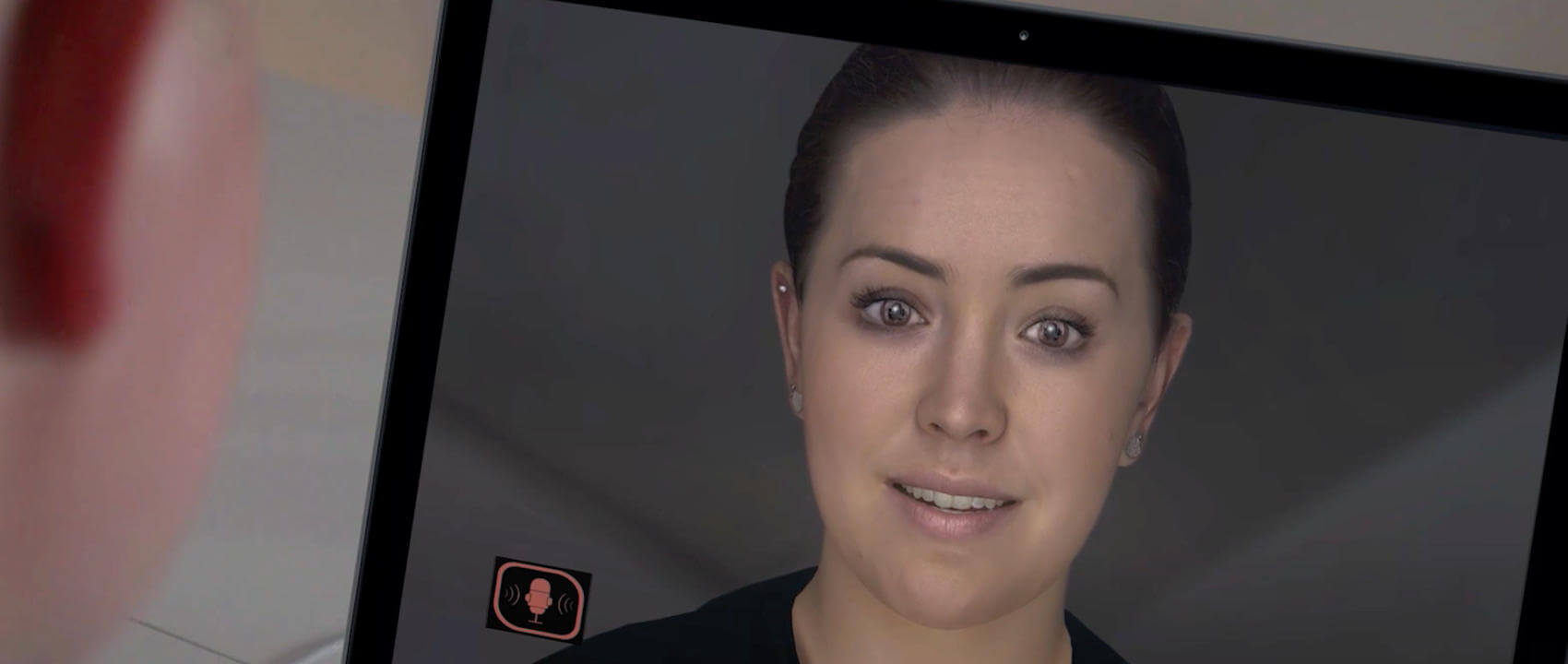
mercedes benz mwc barcelona avatar sarah dfs x

When people interact with each other face to face, emotional and intellectual engagement both heavily influence the interaction. What would it look like for machines to bring those same emotional and intellectual capacities to our interactions with them, and how would this type of interaction affect the way we use, relate to, and feel about AI?

[Greg] Cross [chief business officer of New Zealand-based AI company Soul Machines] and his colleagues believe that humanizing artificial intelligence will make the technology more useful to humanity, and prompt people to use AI in more beneficial ways.

“What we think is a very important view as we move forward is that these machines can be more helpful to us. They can be more useful to us. They can be more interesting to us if they’re actually more like us,” Cross said.

It is an approach that seems to resonate with companies and organizations. For example, in the UK, where NatWest Bank is testing out Cora as a digital employee to help answer customer queries. In Germany, Daimler Financial Group plans to employ [humanized avatar] Sarah as something “similar to a personal concierge” for its customers. According to Cross, Daimler is looking at other ways it could deploy digital humans across the organization, from building digital service people, digital sales people, and maybe in the future, digital chauffeurs.

Read full, original post: What We Have to Gain From Making Machines More Human