[T]ech-savvy and college-educated young professionals are driving growing demand for genetic testing in China, 23Mofang’s CEO, Zhou Kun, told STAT. As living standards rise, people are increasingly prioritizing their personal health and livelihood. Health care spending increased more than fourfold in the last decade.
Much of Chinese consumers’ interest in genetic testing though, is rooted in a strong belief that genetics can explain their identity — not only their risk of disease or ancestral origins, but also their personality, their likes and dislikes, and their future. The rhetoric compelling consumers to sequence their genomes sounds like astrology, but with the veneer of science.
The 23Mofang website appeals directly to the Chinese customer’s desire to understand their destiny and identity. “Who am I?” the bold letters at the top of the homepage read.
…
“I wanted to be able to more objectively understand my own body through numbers and data,” said Samantha Wang, 29, who works in finance in Wuhan, in central China. “And I found that the information was definitely helpful. For example, the results said that I metabolize caffeine slowly, and so since then, I’ve tried to lower my caffeine intake.”
…
When 23Mofang launched in 2015, it sold 1,500 testing kits. This year, with the largest gene database in the country, it has already sold 156,000.
[With] gene-editing scissors, or the CRISPR-Cas method …. DNA sequences can be removed from or added to cells. The target gene in the cell can easily be cut with a specifically pinpointed enzyme.
…
“In the case of plant breeding, we are speaking specifically of the type of gene-editing that can also occur and indeed does occur in nature – such modifications can be found in a 10-hectare barley field that comprises some billion individual grains ….” says Teemu Teeri, professor of plant breeding at the …. University of Helsinki.
…
In July 2018, the Court of Justice of the European Union decided that genome-edited varieties are considered GMO varieties in EU legislation. This means that the same type of risk assessment is expected for them as is for transgenic varieties …. Determining the degree of naturalness in plant varieties resulting from various breeding methods is complicated …. by the fact that [plant] varieties [produced] with gene-editing scissors …. [contain] no foreign genes.
…
[T]he United States [classifies] genome editing as a traditional plant breeding method. [Plant] varieties will arrive from the United States to European markets that …. are “illegal” in the EU, yet it is impossible to prove their illegal nature.
“European plant breeders will …. without knowing use prohibited gene-edited plants …. when producing new varieties for European fields,” Teeri surmises.
Yes, birds are technically modern dinosaurs. But sometimes it’s tough to tell where the non-avian dino ends and the bird begins. As John Pickrell at National Geographic reports, scientists have now discovered a 127-million-year-old fossil that blends its avian features with some pretty prehistoric quirks, shedding new light on the evolution of flying birds.
…
[T]he newly-named Jinguofortis perplexus was kind of a hot mess. In fact, it derives the latter half of its name from its perplexing occupancy of a sort of dino-bird uncanny valley, according to new the paper published in the journal Proceedings of the National Academy of Sciences. As it turns out, J. perplexus may have been bafflingly ill-adapted at flying—due mostly to growing pains as it transitioned away from its dinosaur relatives.
For one, J. perplexus sported some features we don’t typically see on today’s chickens and crows, like a toothy jaw in place of a beak.
…
The bird’s wonky wings illustrate that the the evolution of avian flight “was not one direct path,” [says paleontologist Dennis Voeten] “Dinosaurs may have ‘experimented’ with different flight styles”
…
Study author [Min] Wang agrees—and isn’t one to mince words. As he explains it to Pickrell at National Geographic, “This new bird fossil shows that [this evolutionary path] was much more messy [than we once thought].”
Since 1961, the Codex Alimentarius has provided a common set of standards for food safety, ranging from nutrition labeling to maximum residue limits (MRLs) for pesticides.
Scientists and officials from 185 member countries, as well as one member organization (the European Union), contribute to the development of these standards …. However, in recent years, some countries have been rapidly developing their own separate standards. In the most recent example of this, China notified the World Trade Organization (WTO) in February that it had developed draft standards on MRLs for 107 pesticides ….
The development of national lists is not on its own a concern …. What is concerning, however, is the degree to which some national lists are being developed independently from the work of the Codex Alimentarius Commission (CAC) ….
…
[T]he proliferation of various MRLs for different markets will make pesticide use extremely complicated over time. This is especially true of those markets where a national list is used but the regulatory system is less sophisticated than that seen in China. In such scenarios, the MRL often defaults to 0.01 parts per million (ppm), effectively zero tolerance.
…
Canada should encourage partners to …. [base their pesticide] …. guidelines in the Codex …. This would ensure consistent rules to which farmers globally can adhere when applying pesticides …. to crops. This would have the additional benefit of …. resolving disputes within the WTO regarding food safety and consumer protection.
Read full, original article: For farmers, the Codex is crucial
The allegations of sexual assault against Judge Brett M. Kavanaugh have a common element of binge drinking, and highlight the powerful effects alcohol can have on adolescents and their still-developing brains. Alcohol not only changes behavior — sometimes with disastrous consequences — it can also interfere with memory formation, creating gaps that experts refer to as blackouts.
…
Alcohol impairs memory formation, but not in a simple or easily anticipated way, researchers say. There’s no clear cutoff point at which memory will be suppressed. David J. Nutt, a psychiatrist and alcohol expert at Imperial College London, said alcohol blocks the neurotransmitter glutamate, which is essential to memory formation. That typically happens when people are “very, very drunk,” he said.
Adolescents are at risk of getting very drunk, in part because they are less sensitive to sedative effects, such as sleepiness or stumbling, that tell adults they’ve had too much, according to Marisa Silveri, director of the Neurodevelopmental Laboratory on Addictions and Mental Health at McLean Hospital.
At the same time, they are more vulnerable to the effects of alcohol on memory. Studies suggest that alcohol has a more pronounced negative effect on memory formation in the immature brain. And the kind of drinking teens are likely to engage in at weekend house parties are a particular risk factor for memory impairment.
The organic food lobby has been successfully demonizing safe and effective biotechnology for the last two decades. Part of their strategy is to create a false dichotomy between GMO (genetically modified organisms) and non-GMO …. There are real differences among these various techniques, but they do not divide cleanly into two categories ….
…
[A]lmost nothing you eat [looks] anything like [its] evolved ancestors. The simplest technique for altering plants is …. saving seeds from plants with the most favorable characteristics. This is a powerful technique, but takes a lot of time.
…
In the last century the technique of hybridization became popular. This involves pollinating one cultivar …. with a related one …. Breeders looking to speed up the process turned to [chemicals] or radiation to speed up the mutation rate …. hoping to find a “[helpful] monster.”
…
Then there are a variety of new techniques that …. alter a specific gene, or silence a gene that is already present in a cultivar. Or you can insert a new gene, and that gene can come from any species …. So, using radioactivity to mutate a plant is non-GMO, and using a precise technique to silence a gene already present in a plant is GMO.
This is arbitrary nonsense. There is also no inherent objective difference among these techniques in terms of safety, either for health or the environment.
When somebody falls into a coma, they lose all motor functions. Brain activity slows significantly. In most cases, no external stimuli, like light or movement, can wake them up. It’s notoriously difficult to determine their future state — will they ever wake up again?
Chinese neurologists at the Academy of Sciences and the PLA General Hospital in Beijing are working hard to develop a tool that can help doctors assess exactly that. But they’ve got a technological advantage generations of doctors before them didn’t: machine learning. Algorithms like this one are part of a growing arsenal of data-driven tools that can help emotional family members and doctors make difficult decisions about a patient’s treatment, or help determine when it’s time to say goodbye.
…
As it turns out, the results are very promising: “We have successfully predicted a number of patients who regained consciousness after being initially determined to have no hope of recovery,” the researchers told the South China Morning Post.
The algorithm was 90 percent accurate, the researchers found. And they have already used the technique on more than 300 hundred patients from all over China. They hope the same technology could help more of the estimated 50,000 “patients with chronic disturbance of consciousness” in China.
Imagine the following transformation. A pea-sized chunk of your skin breaks apart in a dish of salts and serums. The mixture is infected with viruses that make some cells smaller, more circular, and clump together. They’ve turned into stem cells. Then, a bath of other salts, serums, and factors coax them into becoming mature neurons. The neurons divide and organize themselves into three dimensional spheres. Inside the spheres, the neurons layer themselves like the neurons in your cerebral cortex.
…
This may seem like a perverse form of human cloning carried out by a neuroscientist turned witch-doctor. But it’s real: an emerging laboratory model system that might one day help treat you or a loved one’s debilitating neurological disorder.
They are called brain spheroids (or three-dimensional brain cultures or cerebral organoids) and are a relatively new creation. They were first described in a splashy study published in Nature in 2013 and are one of the most technically impressive forms of tissue culture.
What brain spheroids are not, however, is as important as what they are. They’re not ‘mini-brains’. They’re not generating thoughts and emotions. Without any sensory input they lack grounding in the physical world.
…
[B]rain spheroids make a new type of personalized medicine feel closer to being achievable in neurology.
A joke that is going around refers to non-governmental organizations (NGOs) as “nothing going on.”
My experience over a 15-year period of studying, interacting with and experiencing NGO activities in my country, Uganda, has proven the joke to be spot-on, apart from those genuinely fighting or advocating for the protection of human and child rights. The NGOs that have emerged to fight against the transformation of agriculture are really up to the nasty mission of stagnating agricultural development in Africa, and developing countries in general.
Why? Because a focus on these NGOs …. are hell-bent on selfishly opposing application of advanced scientific techniques or better methods of breeding crops/plants — particularly modern biotechnology …. aimed at introducing drought-tolerant, disease- and pest-resistant and biofortified crops to our countries.
…
If I may ask: are the challenges the breeders advance real or imagined? If they are real, should they be solved? If yes, who should solve them, scientists or NGO activists? And when these challenges are solved via genetic engineering (GE), does the product honestly become synthetic, unnatural or inorganic?
…
Because the NGOs provide no alternative, science must pro-actively, unwaveringly and solidly move forward. For instance, the genetically modified Bt maize and Bt cotton enables farmers to reduce the spray of pesticides by close to 40 percent. In Uganda, both technologies have been successfully developed ….
Read full, original article: NGOs Are Causing Africa’s Agriculture To Stagnate
Doctors selling dubious stem cell treatments isn’t just a problem in the U.S., suggests a new study published in Regenerative Medicine. Clinics in Canada are also marketing these treatments directly to consumers, the study found, and seemingly misleading them about their benefits and risks.
…
For his latest study, [bioethicist Leigh] Turner conducted an internet search of Canadian businesses directly marketing and providing stem cell treatments to online consumers within the country.
…
On the websites of these 30 stem cell businesses, 26 promised to help people with muscular and skeletal problems; 23 promoted stem cells for pain relief, and 14 said they would help with sports-related injuries, according to the study. Turner also found these businesses often claim that their treatments can regenerate people’s damaged tissues, joints and bones, provide years of or even permanent pain relief, and treat otherwise incurable health problems. But few, if any, of these claims, are backed up by clinical data.
…
Turner found no evidence that counterpart agencies such as Health Canada have taken any disciplinary actions against these businesses or doctors employed at their clinics.
“I do not know why Canadian federal and provincial regulatory bodies have not taken a more aggressive response to businesses marketing unlicensed and unproven stem cell products,” he said. “However, I would like to see them engage in more robust regulatory activity.”
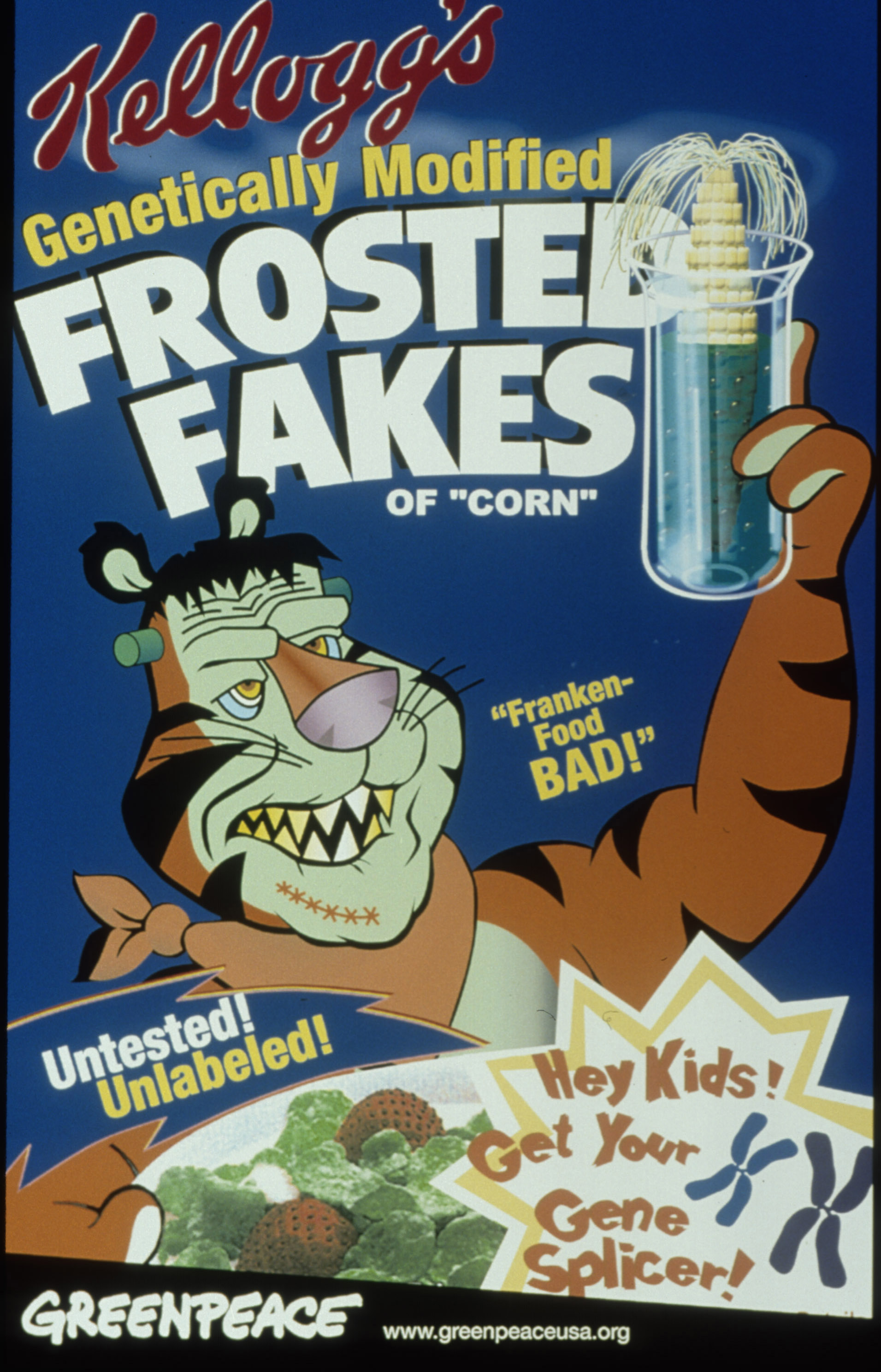
In 1992, when I was just two years old, a commentator (a professor of English, appropriately enough) writing to the New York Times distilled all the fear of genetic engineering rife at the time with the fear of “playing God” so popularized by Mary Shelley, into a single word: “Frankenfood”. Twenty-five years later this neologism, with all the fear and loathing it conjures, is still around, and it’s hindering the work my colleagues and I are trying to do by creating GMOs that can save lives and reform a failing food system.
Scientists like me work in publicly funded institutions all around the world genetically engineering crops like cassava, wheat, and rice, often for the poorest communities on the planet. The kind of GMO research we do has led to the development of rice varieties that can stop child-blindness andend the scourge of iron-deficiency anemia, cassava plants that can solve vitamin B6 deficiency; the creation of papaya, tomato, bean, and cassava plants that can resist viruses, and can thus lessen the use of insecticides by the farmers who can least afford them; even plants that need less water and fertilizer, and are thus prepped for the cataclysmic effects of climate change.
And yet, every day we also have to contend with a ferocious PR battle around GMOs where fear-inducing constructs like ‘Frankenfood’, demonization and personalattacks are the weapons of choice, and where the main casualty is sound science. As a result, most of us labor in the full knowledge that the fruits of our efforts (GMOs that can help alleviate starvation and suffering), may never make it to those farmers and consumers in developing countries who need them the most.
Frankenstein, 1931. Image credit: Photofest
My grouse with Frankenstein is not that the name lends itself to such easy prefixing(franken-science, –pigs, –apples, –fish etc.). It’s that the novel sparked off an almost unalloyed distrust of science that the world seems reluctant to let go of. To be fair, it’s hard to imagine that a 19-year-old Mary Shelley had any idea that 200 years after her novel was published, scientists would be cloning genes from one species into another and even editing the genetic codes of human patients. It’s also true that her message in its entirety is much more nuanced than the screed against technology that it’s made out to be. (As others have pointed out, Frankenstein has more to say about parenting and the generational gap than it does about freewheeling science.) However, in the 21st century, her doctor and his monster-creation have been firmly adopted as propagandist metaphors for genetic engineering and its alleged evils, with GMOs being the primary target. I find myself (perhaps irrationally) wishing it was never published.
Beyond a general distrust of science ‘creating’ life, Frankenstein seems to inspire a particular suspicion of scientists themselves. Victor Frankenstein is after all the stereotypical mad scientist, creating his own demons, isolated from the society around him. It’s not a stretch, then, for activist organizations to draw on this vision and whip up fears about modern scientists creating toxic food in the interest of Big-Ag. This image of rogue scientists easily bought by industry dollars is often plain wrong though.
In 2010, I spent a month interning at Monsanto’s research center in Bangalore, India. Interacting with fellow Indian scientists working for this company (the primary target of most anti-GMO activism globally), I found that they were just as passionate about improving the lives of local farmers as any publicly funded researcher. And they worked within the same parameters of teamwork, peer-review, and government oversight that characterize most modern science. That same passion for science that can make an impact is what animates colleagues at my current position as a PhD student in a publicly funded European lab that works on creating disease-resistant and nutritionally enhanced GMOs for Asian and African countries.
Follow the latest news and policy debates on sustainable agriculture, biomedicine, and other ‘disruptive’ innovations. Subscribe to our newsletter.
On the other hand, entire movements of European and American NGOs operating in Africa and Asia hold techno-phobia, roused by narratives like Frankenstein, as their fundamental animus. It is these actors who have played a large role in festering anti-GMO regulations and policies backed by shoddy science in Africa. In a particularly distressing case, in 2002 the Zimbabwean government turned away 10,000 tons of US corn (meant for food aid) because of fears of GMO ‘contamination.’ When the shipment was redirected to nearby Zambia, intense pressure from European NGOs led to its rejection. (Overall Zambia rejected more than 60,000 tons of corn). Since then country after country in Africa and Asia (including my own, India) have shut their doors to GM technology, including that developed by indigenous scientists and institutions.
Over the last year, several countries in sub-Saharan Africa have been suffering from an epidemic of fall armyworm, destroying fields and fields of corn, the primary staple. South Africa, however, survived the effects of the disease because it allows, and as I saw first-hand, even provides farmers with GM insect-resistant corn to grow. At the same time, in November Kenyan scientists announced that they had created their own GM corn resistant to the devastating insect and pleaded with the government to allow its cultivation. However, due to a law passed in 2012 on the basis of debunked science and fear-mongering by European activists, Kenyan farmers cannot grow insect resistant maize developed by their fellow citizens, nor import it from other countries like South Africa.
It is heartbreaking that farmers and consumers in the former colonies are yet again being denied technology, and more importantly choice, this time due to ideas and imagery partly driven by a work of fiction, that in my opinion, does little to speak to real fears in these societies and more to imagined ones in wealthier countries.This apart from the fact that Frankenstein, and like expressions of the ethical quandaries of ‘playing God,’ draw from a well of Christian morality that’s alien to worldviews in other societies.
Frankenstein is obviously not the cause of all anti-science movements, but its pervasiveness in popular culture has certainly played a role in engendering an atmosphere of suspicion around any science that appears to “meddle with life.” This influence wielded by art is something that has always been recognized by civil society, industry, and politicians, who have all recruited artists to their causes, for good and evil. More recently though, scientists have begun recognizing the importance of art in research and science communication too. Researchers across the globe are now meeting with artists regularly, welcoming them into our glass-walled, HEPA-filtered laboratories and introducing them to our newest Franken-critters.
Perhaps this is a good thing, but to me the message behind Frankenstein’s recasting in the GMO debate is that art often toes perilously close to propaganda, and that line is one we all have to learn to distinguish. In the meantime though, almost a billion people in the developing world are starving, and they deserve the choice to adopt technologies that can help, free of the specter of a 200-year-old novel.
Devang Mehta has a PhD in plant biotechnology from ETH Zurich. Follow him on Twitter @_devangm
When did animals originate? Evolutionary theorist Charles Darwin may have speculated about the forms that early animals took, but our research published in the journal Palaeontology answers the animal origin question with Cambrian period fossils of a frond-like sea creature called Stromatoveris psygmoglena.
The Ediacaran Period lasted from 635 to 542m years ago. This era is key to understanding animal origins because it occurred just before the “Cambrian explosion” of 541m years ago, when many of the animal groups living today first appeared in the fossil record.
Yet when large fossils from the Ediacaran Period were first identified during the 20th century they included unique frond-like forms, which were not quite like any living animal. This prompted one of the greatest debates still raging in evolution. What exactly were these enigmatic fossils, often called the Ediacaran biota?
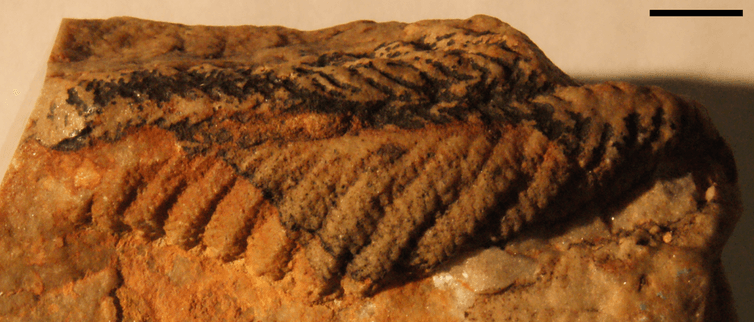
An Ediacaran fossil from the National Earth Science Museum, Namibia. Image credit: J. Hoyal Cuthill
Linking Ediacaran and Cambrian fossils
By comparing members of the Ediacaran biota to a range of other groups in a computer analysis of evolutionary relationships, we found that Stromatoveris psygmoglena provides a crucial link between the older period and the animals which appeared in startling number and diversity during the Cambrian period.
Fossils of Stromatoveris psygmoglena are found in only one place in the world: Chengjiang county, China. This region is known for exceptionally well-preserved Cambrian fossils from 518m years ago.
While the fossil record most often preserves only hard shells or bones, some special sites like Chengjiang preserve the remains of soft-bodied animals, such as Stromatoveris psygmoglena. Originally described in 2006 from eight known specimens, we examined over 200 new fossils of the organism that have since been discovered by researchers from Northwest University, China, and dated to the Cambrian period.
The way in which fossils of the Ediacaran Period were preserved has been another of their mysteries. These fossils often show signs of bending, twisting and tearing, suggesting that they preserve soft-bodied organisms without hard parts. However, there is rarely anything left of the soft tissues themselves.
Instead, they left moulds in the surrounding sediment, a little like a footprint on the beach. In contrast, the newly examined Cambrian fossils of Stromatoveris psygmoglena retain carbon-based tissue, allowing us to see the detailed and internal anatomy of the body itself.
A Cambrian fossil of Stromatoveris from Northwest University, China. Image credit: J. Hoyal Cuthill
During a research fellowship at the Tokyo Institute of Technology and the University of Cambridge, the new Cambrian period fossils of Stromatoveris psygmoglena were compared to earlier Ediacaran fossils in a computer analysis of anatomy and evolutionary relationships. This was also the first analysis to test the relationships between the Ediacaran biota and a range of other organisms, covering single-celled creatures called protozoans, algae, fungi, and nine types of animals, including Stromatoveris psygmoglena. This analysis used over 80 photographs of individual fossil specimens to compare anatomical features across these groups.
The analysis showed that Stromatoveris psygmoglena and seven key members of the Ediacaran biota share very similar anatomies, including multiple, branched fronds which radiate outwards like seaweed, uniting them all in a new group of early animals called Petalonamae. The name means “Nama Petals” and was chosen to honour biologist Hans Pflug and his work on the Ediacaran biota in Namibia, a reference to the petal-like fronds which, Pflug noted, distinguish these unusual animals.
Follow the latest news and policy debates on sustainable agriculture, biomedicine, and other ‘disruptive’ innovations. Subscribe to our newsletter.
Uniting these members of the Ediacaran biota and Stromatoveris psygmoglena in a single group of animals has major implications for animal origins. In light of this new evidence, some older ideas on early animal evolution may need to be revised.
Because members of the Ediacaran biota can now be classed as animals, we can date the origin of the animal kingdom to at least the time when these fossils appeared. The oldest members of these groups are known as “rangeomorphs” and appear in the fossil record approximately 571m years ago, in the late Ediacaran Period.
The front view of a rangeomorph fossil, the oldest of the Ediacaran biota. Jennifer Hoyal Cuthill, Author provided
This means that animal species were diversifying well before the Cambrian explosion. It may also mean that the search for animal origins should now focus on the time before this, in the early Ediacaran and even more ancient geological periods. Based on this, animals may have originated much earlier than the traditional reading of the fossil record had suggested.
This study also has key implications for the ecology and eventual extinction of the petalonamids. Many Ediacaran species have not been found in later rocks leading some researchers to think that they were a “failed experiment” in evolution, disappearing by the beginning of the Cambrian. Indeed, this was my own view until I saw the remarkable new fossils of Stromatoveris psygmoglena.
The inclusion of this Cambrian animal among the petalonamids changes the picture of the Ediacaran biota. Stromatoveris psygmoglena shows that the petalonamids were alive and well over 20m years into the Cambrian period and did not go extinct at its outset, as had been thought.
Even more intriguing, more than 200 fossils of Stromatoveris psygmoglena have now been found, despite the fact that it lacked hard parts which are usually most easily preserved. This indicates that this species was an important member of its shallow marine ecosystem rather than a rare or marginal survivor.
This could mean that the petalonamids adapted more successfully to the changes of the Cambrian period than had been thought, or that the Ediacaran period and its animals were less alien and more advanced than previously realised. We can be confident, however, that the animal kingdom we occupy is much older than we once thought.
Jennifer Hoyal Cuthill, is a visiting Researcher in Palaeobiology at the University of Cambridge
Farmers and agribusinesses welcomed the agreement on a new North American trade pact, easing fears that the Trump administration’s tough negotiating strategy could deepen economic struggles in the U.S. heartland.
The agreement …. between the U.S. and Canada, following an updated U.S.-Mexico trade deal agreed in August, is expected to preserve tens of billions of dollars in farm goods traded annually across the countries’ borders, according to U.S. Department of Agriculture estimates.
…
Beyond preserving existing food sales, the new trade pact between the U.S., Mexico and Canada includes a new “science-based” framework for food safety standards, the Farm Bureau’s Mr. [David] Salmonsen said. Reviews of new genetically engineered seeds, including those created with new gene-editing technologies, would become more standardized, he said.
Some environmental activists criticized the deal for loosening oversight of genetically engineered organisms, or GMOs, and synthetic chemical pesticides ….
…
Mexico and Canada have become critical pillars of demand and supply for the U.S. food and agriculture industry since Nafta took effect in 1994. Agricultural exports from the U.S. to Canada and Mexico have more than quadrupled in that time to $39 billion, according to the USDA ….
At kindergarten, three-year-old Seven Kong has his schoolmates to play with, but at home his best friend is a kidney-shaped, lime-coloured android named BeanQ.
…
The green android responds with similarly simple words and phrases, alongside an array of different emoji facial expressions displayed on a large screen, which serves as its face.
Recommended to the family by a friend, the android is intended to be an early educator, sharing some of the parental burden.
“When we get really busy, BeanQ can be there keeping him entertained,” said Seven’s mother Liu Qian, 33, who is a work-at-home mom living in Beijing.
…
Driven by a cluster of leading AI companies and using ad campaigns that target tech-savvy parents, early education products have taken a futuristic turn in China, where the popularity of such devices has boomed.
…
Parents say the benefits of AI gadgets extend beyond the realm of education. BeanQ, for example, also features a “remote babysitting” mode, under which it can serve as a moveable nanny, automatically taking snaps of children and uploading them online for parents to see.
…
But some experts have questioned the value of the AI education devices, dismissing them as little more than a “low-end smart phone” for overworked parents.
Others have raised darker concerns around privacy and child safety, worried that parents are putting unsecured visual and location data about the children online.
We caught up with Daniel de Boer, Chief Executive Officer at ProQR to learn more about the company’s approach to finding new treatments for rare genetic diseases.
…
Q: Could you tell us more about ProQR, the company history, mission and goals?
A: At ProQR we develop RNA medicines for rare genetic diseases. I started ProQR in 2012 because my son was diagnosed with a rare genetic disease for which there was no treatment. We now have a diversified pipeline of programs for severe genetic eye and skin disorders with the goal to have a positive impact on the lives of patients and their loved ones.
ProQR recently announced results from a planned interim analysis of its Phase 1/2 trial of QR-110 in patients with Leber congenital amaurosis 10.
…
Q: What other drug candidates are currently in development and what indications are they being investigated for?
A: We have a broad pipeline of RNA medicines targeting severe genetic rare diseases. Besides QR-110 for LCA10 we are developing several other programs for genetic eye disorders including Usher syndrome, Stargardt’s disease and Fuchs endothelial corneal dystrophy.
The ability to remember every moment of your life sounds like an amazing proposition, but for the very few people who actually have this ability, it comes at a cost.
Known as Highly Superior Autobiographical Memory (HSAM), or hyperthymesia, the condition—such that it is—was first chronicled by University of California-Irvine neurobiologist James McGaugh in 2006. In his seminal Neurocase study, McGaugh described “AJ,” a 42-year-old woman “whose remembering dominates her life.”
…
At the same time, AJ described her recall abilities as “exhausting,” saying her memory has “ruled her life.” She said she thinks about the past “all the time,” and that it’s like a “running movie that never stops.”
…
Research done by [neurobiologist Craig] Stark and his colleagues shows that neurotypical people are just as good as people with HSAM at recalling personal information after one week. After longer durations of time, such as one month or a year, HSAMs retain the ability to recall information with exquisite clarity, while the neurotypical people (the control group) most certainly cannot.
…
[T]here does appear to be some value in forgetting, whether it be autobiographical memory or the flood of information that pours into our brain on a daily basis. The human brain, it has been argued, must forget unimportant information in order to remain efficient.
The U.S. is the No. 1 producer of corn in the world. Planted on over 90 million acres, it is valued at a $47.46 billion industry ….
But why?
…
We have the perfect growing conditions for it — the right soil type, rainfall, temperature, etc. It could be similar to growing coffee in Colombia for example. They’re they leaders of coffee production, so it’s everywhere.
The shelf life [of corn] is long, and the product is inexpensive. Should we wish to feed the masses affordably …. corn plays a huge role. Want to help the hungry by donating non-perishable food items? Thank the almighty corn crop.
…
When you think of field corn, you may think of processed food like high fructose corn syrup, although only about 12 percent of field corn ends up in the “junk food” market ….
…
So besides human nutrition …. a vast majority of field corn goes to ethanol and livestock feed. Ethanol sometimes gets a bad rap from critics, but …. we actually get very useful products like pet food, dry ice, road salt, livestock feed, and most importantly alcohol! …. corn is made of different components — starch, protein, fiber, oil. All of these components play a different role in products we use everyday.
To the average person, “hazard” and “risk” may seem synonymous, both implying a threat that needs to be addressed. But they are substantively different in the food safety aspect. Hazard refers to any microbiological or chemical agent in food that may cause an adverse health effect, while risk is the probability of an adverse health effect caused by a hazard in food.
…
Safety assessments can take two forms: the hazard-based approach, and the risk-based approach. The former is a black-white approach where a food item is deemed unsafe for consumption, and therefore banned. The latter is, in contrast, graduated, and a commodity can still be allowed to enter a country even if a hazard is present, as long as the level of risk is negligible.
25 years ago, the standards [set] by the Organisation for Economic Cooperation and Development (OECD) for evaluating food safety for modern biotechnology products, defined food safety as “a reasonable certainty that no harm will result from intended uses ….”
Yet, today, hazard-based assessments are still being used in [Southeast Asia] for specific commodities …. Calibrating food safety standards and limits on a risk-based approach may …. provide more benefits, such as having greater food access, given that a larger variety of risk-free, or risk-reduced food products can be made available, at lower or more competitive prices.
Read full, original article: Asean should shift to risk-based assessments
A new study has inspired headlines claiming a cure for Alzheimer’s disease could be available within six years – but are we genuinely on the verge of an effective treatment?
…
[Many researchers], including those behind the current study, assert that [the brain’s] oligomers – even smaller molecules that occur naturally in neurons and similar – that are causing the damage, and that the tangles and [amyloid] plaques are consequences of this. Ergo, removing those larger molecular deposits is tantamount to clearing the dead fish away from the town’s water supply: they’re not helping matters, but they’re clearly not what’s poisoning it. This new study suggests we could have drugs that tackle the source, not the downstream effects.
…
There’s also the questionable use of the term “cure” in the many reports around this. Even if the drug works 100% effectively as hoped, the damage to the brain inflicted by Alzheimer’s and similar diseases is widespread.
…
Even if we could somehow replace the lost brain cells in the damaged regions (which we can’t), to claim a full “cure”, we’d need to somehow shape and connect them so they’re exactly as they were.
Still, any progress is good at this juncture. But are we close to a cure for Alzheimer’s? As trite as it may be to end on such a scientific cliche, sometimes it’s just the truth: further research is needed.