Viewpoint: ‘Organoid intelligence’?—Ethical questions arise in using organoid human brain nuggets to study disease

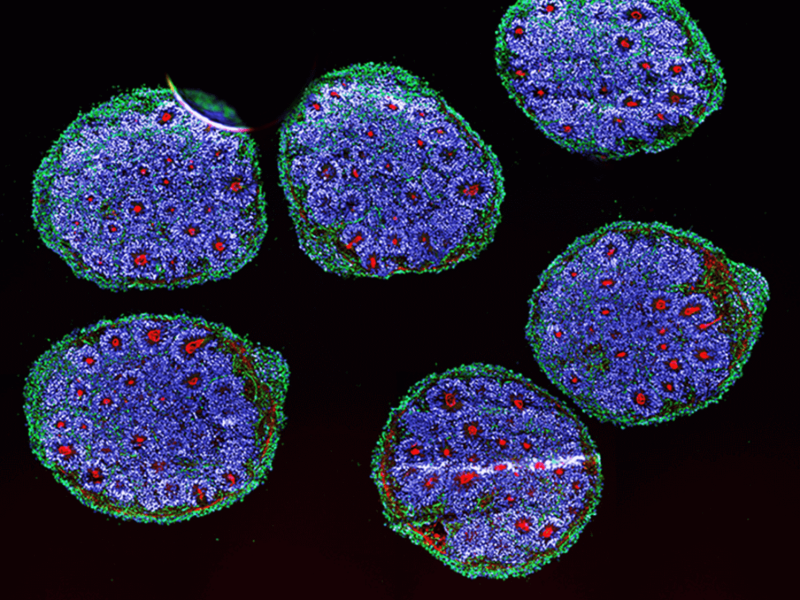
Credit: Harvard/ Noelia Anton Bolanos and Irene Faravelli

As months turned to years, Dr. Arlotta’s team set a record for the oldest documented brain organoids. “We never thought that we could go so far in time,” she said. They found that the organoids kept on maturing. The neurons in a five-year-old organoid resemble those of a kindergartner.

The entire field of brain organoid research is not much older than Dr. Arlotta’s kindergarten nuggets, but it is already exploding. … By growing brain organoids from … donated cells, they’re learning how genetic mutations alter neurons.

Follow the latest news and policy debates on sustainable agriculture, biomedicine, and other ‘disruptive’ innovations. Subscribe to our newsletter.

“It’s a whole new branch of science that was not there before,” she said. But …, she and 16 other scientists called for worldwide oversight of brain organoid research, to ensure that the field remains on safe ethical ground.

Insoo Hyun, a bioethicist … will be there. He [plans] to share his concerns about how large-scale arrays of organoids created for computers might spontaneously gain some features of the human brain.

“If anything is going to support consciousness, it’s going to be something like that,” Dr. Hyun said.
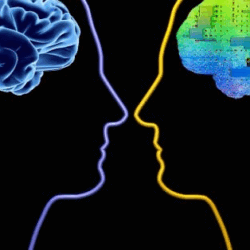
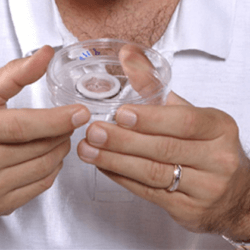
Dr. Hyun says there’s another question that’s more important to ask: Can an organoid suffer?

This is an excerpt. Read the original post here

{{ reviewsTotal }}{{ options.labels.singularReviewCountLabel }}
{{ reviewsTotal }}{{ options.labels.pluralReviewCountLabel }}
{{ options.labels.noReviewsLabel }}
{{ options.labels.newReviewButton }}
{{ userData.canReview.message }}

Related Articles

Infographic: Global regulatory and health research agencies on whether glyphosate causes cancer

Infographic: Global regulatory and health research agencies on whether glyphosate causes cancer

Does glyphosate—the world's most heavily-used herbicide—pose serious harm to humans? Is it carcinogenic? Those issues are of both legal and ...

Most Popular

ChatGPT-Image-Mar-10-2026-01_39_01-PM
Viewpoint—“Miracle molecule” debunked: Why acemannan supplements don’t work
Picture1
Hiroshima at 81: America’s new nuclear bomb, a buried Iranian target, and a question no one wants to ask
Screenshot-2026-07-09-at-1.09.25-PM
Anti-vaccine myths rattle health care
ChatGPT Image Jul 29, 2026, 06_26_01 PM 2
Facts & Fallacies podcast: Organic food myths make a comeback on Instagram, with Dr. Kevin Folta
ChatGPT-Image-Jul-10-2026-12_21_03-PM
Viewpoint: Is there new evidence that the animal deworming drug ivermectin decreases the risk of Covid and cancer? Don’t waste your money.
ChatGPT-Image-Jul-10-2026-09_42_12-AM-1
Peptides, patient autonomy, and the limits of medical freedom
ChatGPT-Image-Jun-25-2026-12_23_17-PM
No, Bill Gates did not secretly engineer ticks to promote veganism
ChatGPT-Image-Jul-22-2026-09_13_07-AM
Viewpoint—The Strategic Litigation boom: Understanding the tightening coalition among NGOs, foundations, journalists, and tort lawyers
leeteam
How Kennedy and his family could pocket millions from Merck’s $50 million vaccine injury settlement that he oversaw
organic scaled
Facts & Fallacies podcast: Organic food cuts pesticide exposure? A response to Dr. Rhonda Patrick

Sorry. No data so far.

glp menu logo outlined

Get news on human & agricultural genetics and biotechnology delivered to your inbox.