Viewpoint: Optimizing seeds — Hybrid and CRISPR gene editing technology key to addressing climate-induced food insecurity

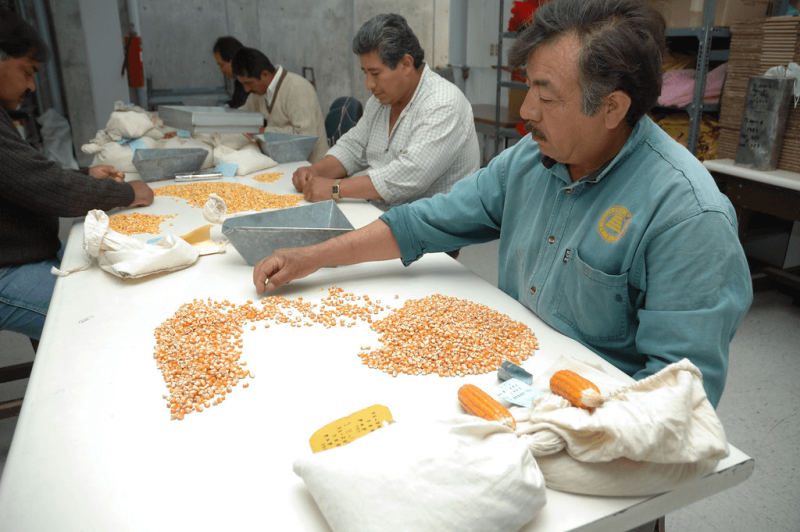
Workers carefully sort seeds to be used in annual test plots. Credit: CIMMYT via CC BY 2.0

In recent years, public investment into developing hardier crops that can withstand higher temperatures, water stress, and pests has flatlined. In countries faced with serious food security issues such as Haiti or South Sudan, only around 10% of farmers have access to the latest generation of planting material. This means 90% of farmers are very likely exposed to the threat of climate change even before the first shoots emerge.

And yet advances in science, technology, and innovation mean crop breeders are better placed today to model climate projections and fine-tune varieties of cereals, roots, and vegetables that can keep pace with rapidly changing growing conditions.

Mis- and disinformation are distorting science and public policy. Subscribe to our Daily and Weekly Digests for incisive coverage of ‘disruptive’ innovations in AI, agricultural biotechnology, food, chemicals, nuclear energy, vaccines, and other disruptive innovations.

Similarly, genome editing through CRISPR allows scientists to increase the nutritional quality of crops, reducing the pressure on food production by providing greater health and nutrition per unit of food. The ability to dial up the nutritional value of crops through improved seeds will form a vital part of our defense against climate change, which could reduce levels of protein, iron, and zinc in cereals by up to 10%.

…

With improved seeds, countries also then need streamlined, consistent, and functional seed systems across borders to ensure climate-proofed seeds reach the farmers who need them.


This is an excerpt. Read the original post here

Related Articles

Infographic: Global regulatory and health research agencies on whether glyphosate causes cancer

Infographic: Global regulatory and health research agencies on whether glyphosate causes cancer

Does glyphosate—the world's most heavily-used herbicide—pose serious harm to humans? Is it carcinogenic? Those issues are of both legal and ...

Most Popular

ChatGPT-Image-Mar-10-2026-01_39_01-PM
Viewpoint—“Miracle molecule” debunked: Why acemannan supplements don’t work
ChatGPT-Image-Sep-2-2026-02_03_32-PM
How much of a problem is AI’s water use?
ChatGPT-Image-Sep-22-2026-10_32_46-AM
There has been a slew of recent reports of food recalls and foodborne outbreaks. Do we face an escalating problem?
ChatGPT-Image-Aug-26-2026-12_46_16-PM
Viewpoint: The fake controversy over whether combining childhood vaccines is dangerous— a debate science resolved 25 years ago
ChatGPT-Image-Sep-21-2026-03_41_02-PM
Viewpoint: Does IQ really measure intelligence? BBC gets it wrong.
Screenshot-2026-09-17-at-12.00.30-PM
Investigative group ProPublica finds links between ectopic pregnancy deaths and abortion bans
ChatGPT-Image-Sep-18-2026-01_38_09-PM
Microsoft exec: AI is a ‘doom loop’ scraping the ‘largest theft of labor in human history'
ChatGPT-Image-Sep-23-2026-11_47_32-AM
Facing pressure from Trump administration, fewer hospitals offer medical treatment for transgender minors
Screenshot-2026-09-23-at-11.55.01-AM
How can we know if social media bans actually help teens?
Screenshot-2026-09-16-at-3.14.20-PM
19%: Plunging support for Trump-RFK, Jr. measles vaccine safety oversight
Screenshot-2026-09-17-at-1.07.08-PM
'We are dangerously addicted to antidepressants': Should we heed RFK Jr.’s sobering warning?
ChatGPT-Image-Sep-17-2026-12_28_43-PM
Vitamin D, omega-3 fish oil and glucosamine supplements could cause brain damage 
ChatGPT-Image-Sep-10-2026-01_44_53-PM
Viewpoint: Why medical and health nonsense spreads so casually on pop culture media
glp menu logo outlined

Get news on human & agricultural genetics and biotechnology delivered to your inbox.