‘Race is not a biological risk factor’: American Heart Association reassesses use of race in calculating risk of heart attacks and strokes

‘Race is not a biological risk factor’: Equity movement comes to the American Heart Association.
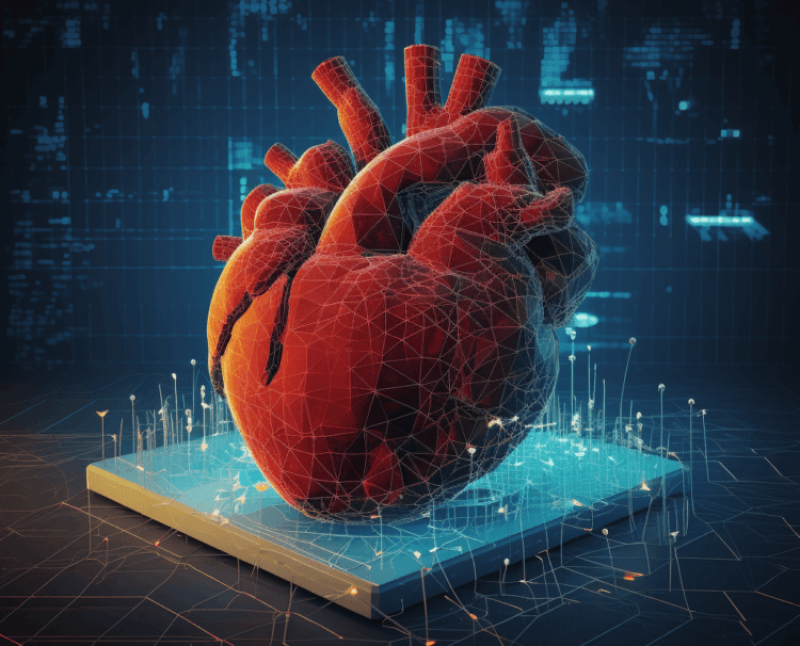
Credit: Midjourney/ Heenan

Doctors have long relied on a few key patient characteristics to assess risk of a heart attack or stroke, using a calculus that considers blood pressure, cholesterol, smoking and diabetes status, as well as demographics: age, sex and race.

Now, the American Heart Association is taking race out of the equation.

The overhaul of the widely used cardiac-risk algorithm is an acknowledgment that, unlike sex or age, race identification in and of itself is not a biological risk factor.

The scientists who modified the algorithm decided from the start that race itself did not belong in clinical tools used to guide medical decision making, even though race might serve as a proxy for certain social circumstances, genetic predispositions or environmental exposures that raise the risk of cardiovascular disease.
Mis- and disinformation are distorting science and public policy. Subscribe to our Daily and Weekly Digests for incisive coverage of ‘disruptive’ innovations in AI, agricultural biotechnology, food, chemicals, nuclear energy, vaccines, and other disruptive innovations.

But race has been used in algorithms as a stand-in for a range of factors that are working against Black Americans, [cardiologist Dr. Sadiya] Khan said. It’s not clear to scientists what all of those risks are. If they were better understood, “we could address them and work to modify them,” she said.


This is an excerpt. Read the full article here

Related Articles

Infographic: Global regulatory and health research agencies on whether glyphosate causes cancer

Infographic: Global regulatory and health research agencies on whether glyphosate causes cancer

Does glyphosate—the world's most heavily-used herbicide—pose serious harm to humans? Is it carcinogenic? Those issues are of both legal and ...

Most Popular

ChatGPT-Image-Sep-2-2026-02_03_32-PM
AI data centers and water usage: It’s a genuine and growing problem
ChatGPT-Image-Mar-10-2026-01_39_01-PM
Viewpoint—“Miracle molecule” debunked: Why acemannan supplements don’t work
Screenshot-2026-09-16-at-3.14.20-PM
19%: Plunging support for Trump-RFK, Jr. measles vaccine safety oversight
ChatGPT-Image-Sep-10-2026-01_44_53-PM
Viewpoint: Why medical and health nonsense spreads so casually on pop culture media
ChatGPT-Image-Sep-17-2026-12_28_43-PM
Vitamin D, omega-3 fish oil and glucosamine supplements could cause brain damage 
Screenshot-2026-09-16-at-2.26.42-PM
Viewpoint: How to ecologically damage America’s forests: Ban glyphosate
ChatGPT-Image-Sep-16-2026-11_28_54-AM
Viewpoint: Study links childhood vaccination to autism!!! Here’s how anti-vaxxers twist evidence to corrupt science
ChatGPT-Image-Sep-21-2026-10_55_04-AM
Viewpoint: America’s food-safety system is being methodically dismantled by the Trump administration.
ChatGPT-Image-Sep-21-2026-10_18_59-AM-2
Viewpoint: Is corporate embrace of regenerative agriculture greenwashing?
ChatGPT-Image-Sep-17-2026-11_03_54-AM-2
AI sparks a bioweapons race
ChatGPT-Image-Sep-21-2026-02_35_25-PM
22-year frozen embryo: In one of the longest delayed births ever, middle-aged Greek couple gives birth to a daughter
glp menu logo outlined

Get news on human & agricultural genetics and biotechnology delivered to your inbox.