



Chemical Controversies
Worst 10 list: Advocacy groups that put ideology ahead of science on food and farming issues
Which organizations promote ideology over science in the debate over crop biotechnology? The list includes some of the most well-known ...
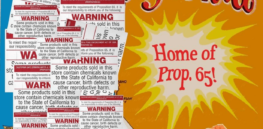
Herbicide glyphosate now labeled ‘carcinogenic’ under CA’s Prop 65—Law that some say ‘only benefits lawyers’
The state of California can now require Roundup to have a label on it stating that it is a possible ...

Ripen on demand? New generation of GMO crops could dramatically increase yield
Farmers could one day control when their crops ripen after the development of modified rice that flowers on demand. Despite ...

Extreme Green hypocrisy? Center for Biological Diversity, other anti-GMO groups partner on March for Science
[Editor's note: The following is an open letter to the Center for Biological Diversity regarding their participation in the "March ...

Is post-Brexit Britain poised to embrace less political, more science-based approach to regulating pesticides?
[Editor's note: The following is a briefing paper on bees and neonicotinoids by the House of Commons Library, a library ...

Monsanto, corporations accused of ‘buying scientists’ to place fake news in academic journals
[Editor's note: Paul Thacker is a consultant to nonprofits critical of GM technology. He is well known for his personal attacks on ...

How Republicans and Democrats could work together to streamline biotech regulations
[Editor's note: Greg Jaffe is director of the Project on Biotechnology at the Center for Science in the Public Interest.] On ...

Dow, DuPont merger clears hurdle with approval by European Union
The European Commission has given the go-ahead to the merger of US chemical giants Dow Chemical and DuPont. The deal ...

UK farmer: Here’s how the herbicide glyphosate helps me farm sustainably
[Editor's note: Ian Pigott is a farmer in Harpenden, UK. Located just 20 miles from the center of London, he grows ...
EU leaning toward permanent ban of neonicotinoid insecticides, citing ‘acute risk to bees’
The world’s most widely used insecticides would be banned from all fields across Europe under draft regulations from the European ...

Talking Biotech: Should consumers fear use of hormones, antibiotics, trace chemicals and GMOs in our food?
From marketers to activists, there is an effort to shame consumers over the use of modern technologies, such as genetic ...
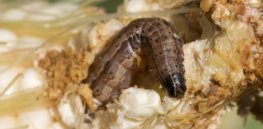
Field trial shows insect-resistant GMO corn could help African countries fend off armyworm outbreak
Scientists have warned that the armyworm currently ravaging parts of Uganda could enter Kenya anytime, spelling doom for its stressed ...

EPA deserves some respect: Environmental regulations should be refined, not dismantled
Primarily in Europe, but increasingly in the US, junk science and activist manipulation diminish the scientific integrity of the regulatory ...

Did Cargill ruin its reputation with scientists, farmers with one #NonGMO tweet?
[Read the GLP profile of the Non-GMO project here.] Reputations are a funny thing. It takes years to build them ...
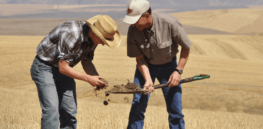
Why it’s time to end the ‘farmers versus environmentalists’ fight and work together
[Editor's note: Suzy Friedman is the senior director of agricultural sustainability at the Environmental Defense Fund.] On paper, I appear ...
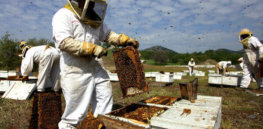
Canadian farmers, beekeepers: Neonicotinoid replacement ineffective, bad for bees
A proposed replacement for a key neonicotinoid pesticide is proving unpopular with everyone — including farmers and beekeepers. Farmers adopted ...
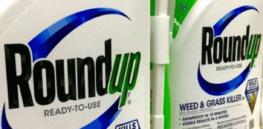
Medical school investigation finds ‘no evidence’ Monsanto ghostwrote paper on safety of herbicide glyphosate
After a quick investigation, officials at a medical school in New York State say they have found "no evidence" that ...

Afraid of burnt toast? Food expert says it’s dangerous to fear modern food
Many foods contain acrylamide, so the chemical can't be avoided, [Joe] Schwarcz [of the Office for Science and Society at McGill University in Montreal] said ...

Environmental Working Group must turn to sound science to address public fear created by ‘dirty dozen’ list
There are now two peer-reviewed studies from respected academic institutions (Johns Hopkins and Illinois Institute of Technology) with similar conclusions ...

Canadian farmers poised to plant GM potatoes for first time
In 2016, no acres in Canada were seeded to J.R. Simplot Company’s genetically engineered first-generation Innate potato lines. But industry ...

Infographic: Explore the future of genetic engineering and food
The first genetically engineered apple, Arctic Apple, a modified variety of Golden Delicious, hit stores in test markets in the ...

Rusty patched bumblebee officially added to endangered species list
[Editor’s note: Read the GLP’s coverage of pollinators here.] The rusty patched bumblebee on Tuesday [March 21, 2017] became the ...

‘Save the Bees?’ General Mills campaign perpetuates myths about GMOs, pesticides
Watch out – Buzz, the iconic mascot for General Mills’ Honey Nut Cheerios, is going to be missing in action ...
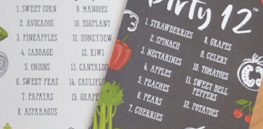
Environmental Working Group’s ‘dirty’ marketing serves ‘big organic’ donors, not consumers
Environmental Working Group's list of 'chemically soaked' fruits and vegetables is unscientific and promotes the false idea that conventional foods ...

Which GM crops might be embraced by the organic movement — if sustainability matters
[Editor's note: Gerhart Ryffel is a professor at the Institute of Cell Biology, Essen University Hospital in Germany.] Several years ago, I ...

Farms are not like Eden: The case for aggressive human intervention in agriculture
Farming is controlling nature for our own purposes. There is no utopian state. We should stop trying to restore, recover, ...

Is your sperm being zapped by chemicals in the environment?
Nick Kristof is an accomplished reporter...[but] when he ventures into issues relating to environmental exposures and their putative health effects, ...
