


Chemical Controversies
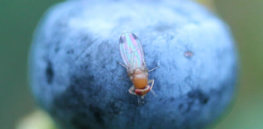
First gene drive developed for crop pest targets invasive fruit fly that damages berries
Biologists at the University of California San Diego have developed a method of manipulating the genes of an agricultural pest ...

Germany planning ‘massive restrictions’ on glyphosate herbicide use in agriculture
German Agriculture Minister Julia Kloeckner on [April 17] said she was finalizing a draft regulation to end use of the ...
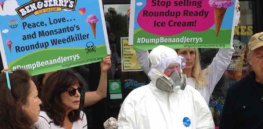
Viewpoint: Organic Consumers Association promotes conspiracy theory blaming farm pesticides for school shootings
A crackpot named E. G. Vallianatos has written a blog post that links pesticides to school shootings. He says, "[Pesticides] may have ...

Video: Genetic Literacy Project founder Jon Entine on GMOs and ‘chemophobia’
In this episode of The Dissenter, Ricardo Lopes interviews Genetic Literacy Project founder Jon Entine about bioengineering, GMOs and "chemophobia." Ricardo ...
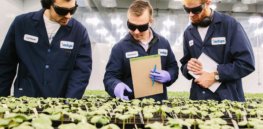
Agricultural tech startup Indigo uses microbes to improve crops
In humans, a healthy microbiome—the universe of bacteria, fungi, and viruses that lives inside all of us—is increasingly recognized as critical ...

Not just pesticides: Honeybee health impacted by habitat loss, nutrition, pathogens and more
Around 2006, beekeepers and scientists started talking about something called colony collapse disorder. CCD at that time was a new phenomenon; suddenly whole hives of ...
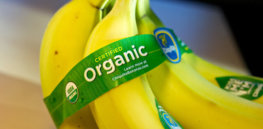
Viewpoint: Why ‘organic’ should be redefined to include GMOs
The challenges of sustainable food production without damaging the environment for a growing human population have increased considerably. The current ...

Video: John Franz invented the herbicide glyphosate—is he a farming hero or villain?
Who's the man behind Glyphosate, and why is he winning some of the highest honors in science if his invention ...

30% of the world’s rice supply is lost to rice blast fungus—this chemical genetic treatment could halt it
Scientists have found a way to stop the spread of rice blast, a fungus that destroys up to 30% of ...

Viewpoint: 6 reasons to reject the Environmental Working Group’s misinformation on food and pesticides
1. It creates a false sense of food risk where next to none exists. They are not a testing organization. They ...
Neonicotinoids, glyphosate may impact honeybees’ ability to taste and learn, ‘field realistic’ lab study claims
Hive-bound young honey bees (Apis mellifera) are being poisoned by insecticide and weed killer gathered by their foraging hive mates, ...

Viewpoint: EWG’s Dirty Dozen foods and pesticides list scares people away from healthy eating
The Environmental Working Group (EWG) on [April 10] released its 2018 “Dirty Dozen” list to showcase the top pesticide-riddled fruits and vegetables. But some argue ...
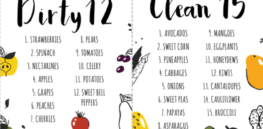
Viewpoint: Environmental Working Group’s Dirty Dozen list highlights ‘meaningless distinctions’ between organic and conventional foods
On April 10, the Environmental Working Group – an NGO funded by big organic marketers – released its annual “Dirty Dozen List” ...

Large-scale switch to organic farming would imperil natural habitats, study finds
Organic agriculture is not as good for the environment as commonly believed, according to a new scientific study reviewing multiple lines of ...

‘Well Fed’: Dutch documentary challenges rich countries’ anti-GMO views
A trip to Bangladesh with your friends might be a great idea, but that won’t be possible for everyone. But ...

US tentatively approves Bayer’s $62.5 billion takeover of Monsanto
The Justice Department has decided to allow BayerAG’s megadeal to acquire Monsanto Co., valued at more than $60 billion, after the ...
Vaccines for plants? RNA spray could help protect crops from pests and disease
Novel technologies are being sought to replace the traditional pesticides used to protect plants, particularly edible plants such as cereals ...
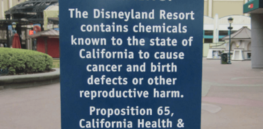
Viewpoint: Why California labels everything a carcinogen—and why it should stop
You may have heard that coffee gives you cancer. Or that everything gives you cancer—if you live in California. The reason: Proposition 65. It’s ...
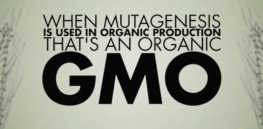
Video: Does ‘organic’ mean GMO-free?
The definition of what "GMO" means is most important in the context of organic production, because they’ve been the champions ...

Viewpoint: JAMA falls short in ‘correction’ of research letter reporting glyphosate in urine
In October 2017, the Journal of the American Medical Association (JAMA) added to the weight of evidence they care more about media ...

Strange bedfellows: American Academy of Pediatrics allies with Environmental Working Group, known for anti-science messages
On the subjects of organics and pesticides, the American Academy of Pediatrics finds itself supporting the Environmental Working Group, an ...
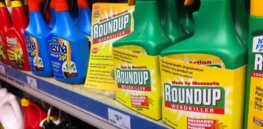
‘Junk science’? Judge and UCLA scientist square off in glyphosate-cancer lawsuit
Returning to the witness stand, a scientist on Wednesday [April 4] defended her opinion that Monsanto’s popular weed killer Roundup ...

Sri Lankan chemistry professor: Lift the glyphosate ban, which was based on pseudoscience
As a Professor of Chemistry and University President who in a small way pioneered environmental science and food technology in the 1970s ...
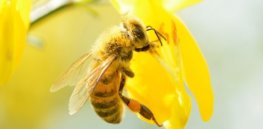
Field study finds no negative impact on bees from neonicotinoid insecticide
In the last decade, the use of neonicotinoid insecticides increased significantly in the agricultural landscape and meanwhile considered a risk ...

Viewpoint: Chemical-free gardening is a myth
So-called “nature” is teeming with chemicals, in soil, in plants, in rain and not only in nettles. Chemical-free gardening is ...
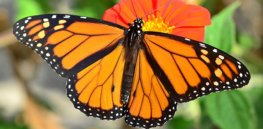
Scientists challenge Center for Biological Diversity report claiming monarch butterflies threatened by dicamba herbicide
Dicamba drifts. Apparently, more than expected by a lot of farmers, agriculture officials and manufacturers. But does that mean, as ...

Genetically modified weeds could usher in new era of ‘genetic control’
The USDA’s National Institute of Food and Agriculture has announced a $500,000 grant to University of Illinois researchers in the ...
