


Featured in Weekly Newsletter

‘We humans might never have evolved’: Chance is the central narrative of human evolution
Prince Hamlet spent a lot of time pondering the nature of chance and probability in William Shakespeare’s tragedy. In the ...
Cloned ferret Elizabeth Ann and the future of conservation: The promises and perils of biotechnology
From Borneo to Britain, it’s the scientific breakthrough that captured the world’s attention. No, not the Perseverance rover landing on ...
Anxious about getting a COVID vaccine because you don’t know what’s in it? We know a lot more about it than the safety of hot dogs
“So, you’ve been eatin’ hot dogs and chicken nuggets all your life and you don’t want the vaccine ‘cuz you ...

8 advocacy organizations and websites spreading misinformation about technology, chemicals, food and environmental risk
Are you worried about the environment and the 'proliferation of unnecessary chemicals'? Concerned that CRISPR and other forms of genetic ...

Earth-friendly beef: How sustainable grazing practices can protect soil, water, and biodiversity
I wasn’t one of the lucky kids who got to grow up on a ranch. No one back then would ...

Fighting the next pandemic: Antibiotic resistance
If a two-year-old child living in poverty in India or Bangladesh gets sick with a common bacterial infection, there is ...

Viewpoint: Free speech vs science—Should colleges invite anti-GMO speakers they ‘know’ spread misinformation?
In the face of climate change, the expectation for evidence is doubled because of the dramatic implications ...
Cloned animals: A safe, sustainable source of food and medicine?
It's now possible to clone animals and use them to produce a wide variety of valuable products, including staple foods ...

Podcast: Dogology—The science of our four-legged friends
Geneticist Kat Arney brings you some scientific tails as we explore the genetics of dog breeds and behaviour ...

Part 2: Why is Africa the global COVID-19 ‘cold spot’? — The historical challenge of disentangling genes and environment
Does greater prior exposure to pathogens, including other recent coronaviruses, help explain why Africa is a COVID-19 cold spot, despite ...

Podcast: Sierra Club endorses biotech chestnut tree; GM salmon coming this April? Downside of genetic engineering
Historically a vocal opponent of genetically engineered crops, the Sierra Club has endorsed the release of a disease-resistant, genetically modified ...

Climate change vs agriculture: Can one farming method—conventional, organic or agroecology—help slow global warming?
Climate change and agriculture appear joined at the hip. Agriculture—through methane, carbon dioxide, and land use—has had an impact on ...

Part 1: Defying all predictions, Africa is the global COVID-19 ‘cold spot’. How come health officials and the media are not honestly exploring why?
The first confirmed COVID-19 case in Africa was on February 14, 2020 in Egypt. The first in sub-Saharan Africa appeared ...

Viewpoint: FDA’s burdensome animal gene-editing rules hinder innovation. USDA takeover could spur progress
Over the last two months, USDA made two revolutionary moves regarding the regulation of genetically engineered (GE) animals: to take ...

Viewpoint: New York Times’ Nicholas Kristof echoes scientifically dubious fears about falling sperm counts and ‘endocrine disrupting’ chemicals
The New York Times' Nicholas Kristof has shown an admirable commitment over the years towards highlighting under-reported stories. He fights ...
‘Clean’ seafood? The global struggle to make aquaculture a sustainable source of protein
Surprising to many, over half of the fish we eat comes from fish farms. But some farms, particularly from parts ...

Human evolutionary timeline: Key moments in the emergence of our species
The long evolutionary journey that created modern humans began with a single step—or more accurately—with the ability to walk on ...

Podcast: GMO ‘terminator’ seeds debunked; ‘Alternative medicine’ harms women; Cancer-fighting CRISPR beer?
Anti-GMO advocates have for years warned about the dangers of genetically modified, sterile "terminator" seeds. But there's a problem: these ...
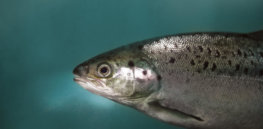
GMO salmon two months from introduction: AquaBounty fights anti-biotechnology misinformation as it gears up for April launch of fast-growing, sustainable AquAdvantage salmon
AquaBounty's genetically engineered, fast-growing salmon could be sold at US restaurants and grocery stores as soon as this April. The ...

Coffee reduces risk of heart failure? What are we to make of a new study based on artificial intelligence (AI)
When I was starting out in epidemiology in the early 1980’s I attended a lecture by Thomas Pearson, a cardiologist, ...

Viewpoint: Eco-hypocrisy—Mexico bans GM corn and glyphosate to promote sustainability while subsidizing fossil fuels
Imagine for a moment that the US government banned smart phones and tablets and forced everyone to use home telephones ...

Catching COVID from food: A year’s worth of research dispels panic
When the COVID-19 pandemic began, not much was known about SARS-CoV-2 (the coronavirus) and its survival in food, on various materials ...

Can anything be done to counter anti-vaccination activists?
Recently, anti-vaxxers protests shut down the mass vaccination program underway at Dodger Stadium in Los Angeles. In Israel, the global poster child ...

Viewpoint: Challenging organic myths — Big Ag doesn’t ‘control the food supply’ with patented GMO seeds, patented seeds are planted on organic farms, too
GMO critics demonize the concept of seed patents, equating it with 'Big Ag' and what they see as a takeover ...

Farm fraud: Consumers spend billions on food that might not be organic
Organic food sales are growing rapidly, with an estimated worth of $272.18 billion by 2027. The premium prices paid for ‘organics’ ...

Podcast: When science and politics collide: How JBS Haldane’s radical views clouded his scientific mind
Dr Kat Arney explores the life and complex legacy of JBS Haldane, whose work, writing and dominant personality made him ...

Reversing aging: We can turn back cognitive decline in mice. Will the same techniques work on humans?
The ageing global population is the greatest challenge faced by 21st-century healthcare systems. Even COVID-19 is, in a sense, a ...
