


Featured in Weekly Newsletter

Podcast: Farm Aid concert meant to support US agriculture spreads GMO, ‘factory farming’ myths
In recent years, Farm Aid's laudable effort to support US agriculture has morphed into a promotional event for organic food ...

How a ‘dubious’ 50-year-old study fuels marijuana use by pregnant women—against the advice of health experts
Social media users extol — and health experts decry — a study from Jamaica suggesting cannabis use poses no harm ...
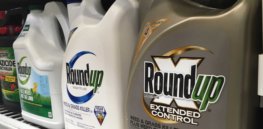
Trials should be settled by ‘scientific evidence, not speculation and emotion’: In unusual twist, California medical groups join appeal of jury verdict finding Monsanto’s Roundup causes cancer
Medical professionals in California have stepped into the ongoing courtroom fight over glyphosate ...

Viewpoint: Don’t expect synthetic biology to reverse climate change. But it could help, if we use it correctly.
There are several ways in which synthetic biology may have a positive contribution to our carbon footprint ...
Experts ‘overwhelmingly’ endorse CRISPR-edited crop safety, but politics could stifle technology’s progress
Genome edited crops pose marginal risk, yet regulations tend to discourage their use ...

‘Every sneeze, kiss, or slap on the back could be part of a larger story’: How the microbiome affects our social lives
Research confirms that who you spend time with is a powerful predictor of the microbes you carry. But these tiny ...

Do vaccines contain glyphosate? Anti-GMO claim requires ‘very unlikely scenario’
Many GMO critics believe that vaccines are contaminated with glyphosate. A look at how vaccines are made and how glyphosate ...

Hemophilia B—the blood disease that plagued Europe’s royal families—might be treatable using gene editing
Researchers are hoping to use gene editing to create more effective and less expensive treatment options--compared to gene therapy--for people ...
Podcast: Obesity, cancer and gut bacteria—how the microbiome impacts your health
Get your hands dirty by delving into the microbiome - the trillions of bacteria that live inside our guts ...
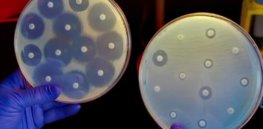
Viewpoint: ‘Superbugs’ are here to stay. That doesn’t mean scientists are powerless to fight back.
Although it sometimes seems hopeless, there are ways to put the brakes on antibiotic resistance ...

4 things to know about epigenetics, including that most changes are not passed on to offspring
Far more is unknown about epigenetics than is known. Let’s have a look at what we do know ...

Viewpoint: Don’t buy organic food if you want to increase farm yields or seriously address climate change
As consumers, our most climate-responsible buying behavior should be to reject organic and its false narratives ...

‘Next industrial revolution’: How synthetic biology will transform manufacturing and improve sustainability
To create sustainable cities, we need to use synthetic biology ...

Infographic: USDA bioengineered food label makes grocery store debut on GMO Impossible Burger
Impossible Foods has enthusiastically defended its use of genetic engineering to produce meat substitutes ...

Chasing origins of anorexia: Are there genetic links to the complicated disorder?
Anorexia has long been treated as a psychological condition. But recent research, including a landmark genome-wide association study, are prompting scientists ...

Raging debate: Ghana’s move to commercialize its first GMO cowpea met with mix of optimism and fear
The country plans to release the modified seeds this year or next. Will they benefit the small farmers they were ...

Evolution doesn’t want you to be happy or satisfied. We’re supposed to ‘survive and reproduce.’
While the pursuit of happiness seems like a worthwhile goal, evolution thinks otherwise ...
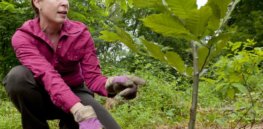
Controversial GMO American chestnut could provide blueprint for saving endangered species
To those who are fearful of GMOs, it is the most dangerous tree in the world. To the rest of ...
Baby’s death spurs search for answers: Genetic testing, counseling offer insights, warnings for couple’s future
The effort to get genetic counseling where it needs to be is still an uphill battle ...

What sperm banks could learn from Fox’s ‘Almost Family’ and ‘The Handmaid’s Tale’ sequel ‘The Testaments’
It’s time for tighter regulation of assisted reproductive technologies ...

Probiotics as ‘living medicine’: Synthetic biology takes on gut diseases, metabolic syndromes
Engineered probiotics could relieve patients of metabolic diseases ...

Infographic: Eliminating synthetic fertilizer won’t solve agriculture’s nitrogen pollution problem
The proposed solution is worse than the problem it hopes to solve ...

Viewpoint: ‘Big Ag’ owns scientists who endorse safety of GMOs? Busting the anti-biotech movement’s favorite myth
Scientists are generally inclined to dislike big companies--but they know that biotechnology has made our food supply safer and more ...
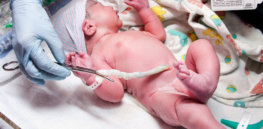
Could blood from babies’ umbilical cords rejuvenate our grandparents’ brains?
Protein in umbilical cord blood rejuvenates cells in the brain’s memory center, improving learning and memory in aging mice. Could ...

Chasing freedom from food allergies through controversial oral immunotherapy treatments
An idea based on a century-old concept could soon receive FDA approval. But will it cause more anxiety than relief? ...

Podcast: Farming without chemicals: Pesticide-carrying bees poised to revolutionize agriculture?
While the GMO controversy rages, a handful of companies are taking another innovative approach to crop protection ...

Experimental blood tests for Alzheimer’s could boost research, treatment of the disease
Narrowing in on diagnostic biomarkers could make an illusive disease easier to catch early ...
