


Featured in Weekly Newsletter

DNA databases as crime deterrent: As more ‘cold cases’ are solved, are would-be criminals growing wary?
Some research suggests the mere existence of DNA databases may now be helping to prevent crime. But even if that’s ...

Kim Kardashian West’s battle with psoriatic arthritis: Will understanding the genetics of the autoimmune disorder point to a cure?
While there is no cure, appropriate and early treatment can help prevent major damage to affected parts of the body ...

Is there a place for CRISPR gene editing in organic farming? Many farmers say ‘yes’
Denying ourselves these benefits to protect distorted ideas about what's 'natural' is nonsensical ...

Why the quest to ‘cure’ cancer may be destined to fail
Many of the risk factors to do with cancer are related to lifestyle, so there is concrete action people can ...
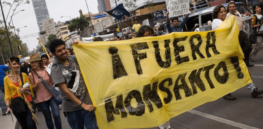
Viewpoint: How international anti-biotech activists manipulate year-old Mexican government to block crop GMO innovations
Mexico's leadership should not restrict crop biotechnology based on personal beliefs or scientific misinformation ...

Has modern agriculture ‘tainted’ your Thanksgiving dinner?
The Environmental Working Group knows how to grab headlines with ominous claims about America's food supply. In 2018, the Washington, ...

Religious beliefs shape our thinking on cloning, stem cells and gene editing
Christianity, Judaism, Hinduism, Buddhism and Islam react to new technologies in their own ways ...

Is ‘natural’ better than ‘artificial’? Skincare products underscore why that view is wrongheaded
Synthetic and 'chemical-sounding' preservatives in cosmetics are safer than the alternatives that are marketed as 'natural' ...

Viewpoint: Generation Z to environmentalists: If you care about sustainability, embrace GMOs and gene edited crops
It is important that this new generation follow the facts, not just rigid environmental orthodoxy ...

Treating ‘suicidality’ as its own medical condition could spur research, better treatment options
There is no established method of identifying patients in immediate danger of attempting suicide. Some researchers are trying to change ...

GMOs are ‘substantially equivalent’ to conventional foods. Should they face reduced regulations?
There really is no tension between patenting plants that are also found by the FDA to be substantially equivalent ...
Our brains as hard drives—could we delete, modify or add memories and skills?
Research suggests it might one day be possible to tweak our brains -- eliminating traumatic memories or granting new skills, ...

Podcast: From Jurassic Park to woolly mammoths – is it right to bring back extinct species?
Geneticist Kat Arney takes a look at the science of de-extinction, asking whether it's feasible - or even ethical - ...

If Africa adopts biotech crops, will anti-GMO Europe retaliate against the continent’s most important trading partner?
How would Europe react if GMO crops became commonplace in Africa? ...
Expensive CAR-T therapy raises difficult question: ‘What is the price of a human life?’
A new type of therapy for certain blood cancers is ingenious but it raises important questions about its cost, both ...

Can we find the keys to drug abuse, opioid addiction in our genes?
We still have much to learn about genetics, addiction, and even the brain itself ...

Challenging media narrative about the ‘birds and the bees’—neither faces serious threats from neonicotinoids or other crop chemicals
Discarding this valuable crop protection tool is a questionable strategy ...
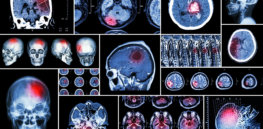
Our brains on trial: How new imaging technology could alter the way courts view ‘neurolaw’ defenses when determining guilt
States of mind that the legal system cares about — memory, responsibility and mental maturity — have long been difficult ...

Podcast: Epidemiologist Geoffrey Kabat explains how junk science gets published—and how to spot it in the headlines
Bad research can put people's lives at risk, so addressing problems with peer review is essential ...

Anti-GMO forces target New Breeding Techniques (NBTs) despite similarities to conventional crops
The same meritless arguments leveled against GMOs resurface for New Breeding Techniques (NBTs) ...

Can genetic screening help identify soldiers less likely to suffer post-traumatic stress disorder?
Research offers new support for the idea that genetics can play a key role in determining why some people develop ...

Why it’s so challenging to determine ‘how and when’ humans first set foot in the Americas
A deluge of new findings are challenging long-held scientific narratives of how humans came to North and South America ...
Podcast: How food bullying spreads unjustified fears about GMOs, animal welfare and food safety
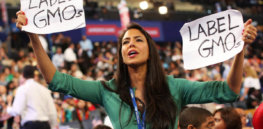
We've heard a lot in recent years about the harmful impacts of bullying, especially cyber-bullying aimed at children. But rarely ...

Genetically modified mosquitoes are a small price to pay for malaria eradication
Will opponents of gene engineering deny prevention to suffering families? ...

Will CRISPR’s promise force the organic industry to reconsider its opposition to gene-edited crops?
In addition to better nutrition, CRISPR can produce foods with fewer 'inputs' than conventional and organic foods ...

How the pursuit of better education, career opportunities may be creating regional genetic inequalities
Highlighting non-ancestral genetic differences could be an important step in alleviating the harmful results of social stratification ...

Viewpoint: Intensive ‘industrial’ agriculture boosts farm productivity, promotes environmental sustainability
It's important to be honest about the benefits of farm consolidation if we value keeping food prices low, combating climate ...
