


Food & Ag Features

Science communication 101: Being strategic isn’t unethical
Scientists interested in educating the public about controversial issues—such as GMOs—should focus on communication goals and strategies backed by social ...

US funding for cancer agency threatened over handling of controversial glyphosate report
US congressional committee members want to hear testimony from representatives of the International Agency for Research on Cancer regarding its ...

Calestous Juma: Africa needs its own Green Revolution based on science and technology
Africa can learn from the Green Revolution model—which saved up to one billion people from starvation—by bringing together government, academia, ...

To protect vineyards from pests and reduce pesticide use, CRISPR could be the answer
The powdery mildew fungus decimates vineyards around the globe. As pesticides become less effective, some scientists are turning to gene ...

Canola oil causes Alzheimer’s? How the media mis-covers science, feeds NGO misinformation and scares the public
Sensationalist press coverage fueled by a poorly written university press release misled the public about a recent study on mice—a ...

Viewpoint: If your interest is sustainability, organic and GMO labels won’t inform you
Focusing on tools and technologies—such as genetic engineering—can reduce agriculture's environmental footprint and promote sustainability, writes geneticist Maria Trainer ...

Double standard? Facing FOIA demand, California sides with anti-chemical professor, blocking email release
Why did the University of California reject a Freedom of Information request for an "anti-chemical" professor's emails, while handing over ...

Organic movement schism? Fight over hydroponics puts $50 billion industry in limbo
The USDA's ruling that crops grown using hydroponics and aquaculture can be labeled organic set off a heated debate over ...

‘Big Ag’ may resonate with activists, but what does it really mean?
For some, GMOs are synonymous with 'Big Ag'? For others, 'Big Ag' means something entirely different. Does 'Big Ag' even ...

Viewpoint: Anti-GMO scare tactics show need for scientific literacy
Many of the arguments made by organic supporters and GMO critics aren't supported by science. That combination can have harmful ...
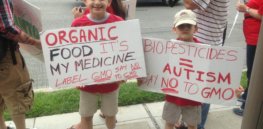
Viewpoint: 12 ways organic activists mislead consumers
Does the organic food industry use deceptive marketing practices to scare wealthy customers away from conventional agriculture and GMOs? The ...

How anti-biotech environmental groups are trying to kill roll-out of AquaBounty’s sustainable salmon
If you love Atlantic salmon, what you are eating is almost certainly farm-raised, despite what the label might say. The ...
What foods have pesticide residues? When do the chemical traces pose dangers?
Dosage and length of exposure determines whether a compound actually produces toxic effects and could lead to such diseases as ...

Viewpoint: Zen Honeycutt’s ‘inexcusable’ attack on orange growers betrays science
Activist group Moms Across America, run by someone with zero scientific training, makes a living attacking farmers and scientists that ...

Viewpoint: Anti-biotech groups’ master plan substitutes ‘citizen science’ for data in quest to get glyphosate banned
The European Union resisted the lobbying of organic and anti-biotech groups to renew authorization of glyphosate, although only for five ...

EU re-approval of glyphosate herbicide dodges farming economic woes—for now
If the European Union eventually phases out all the popular glyphosate herbicide, the loss of farm productivity could cost Europe ...

French scientist calls for inquiry into IARC’s ‘misbehavior’ on glyphosate cancer study
Following revelations that IARC withheld data showing the herbicide glyphosate does not cause cancer, French molecular geneticist Marcel Kuntz calls ...

Myth busting: Are natural pesticides really safer than synthetic ones?
Both organic and conventional farmers use pesticides, but these chemicals are rampant in nature and many natural ones are more ...

Viewpoint: FDA regulations ‘a disaster’ for genetically modified animal research
The Trump Administration and Congress should rein in the FDA's regulatory overreach on genetically engineered animals, which is stifling important ...
How the tomato lost its flavor––and the way biotech could bring it back
Supermarket tomatoes have a sorry reputation for looking great but tasting like cardboard. Short of growing only heirloom tomatoes, the ...

Nanotechnology might help farmers fight climate change, pests and disease–and boost yields
Researchers are exploring the impact of using nanoscale nutrients––including copper––on eggplants and other crops. While early results have shown substantial ...
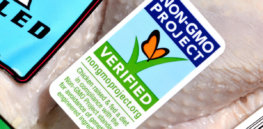
Viewpoint: From Non-GMO to gluten-free, ‘fake transparency’ in food labeling offers little but higher prices
At what point does food labeling become less about transparency and more about marketing strategy? A new federal law mandating ...

European farmers: Finding replacement for glyphosate is no easy task
As European politicians move toward blocking the use of glyphosate, farmers there are facing the prospect of using less-effective replacements ...
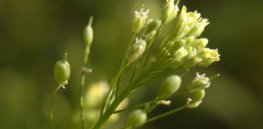
Omega-3 fish oil from a plant? GMO camelina could offer sustainable alternative
The distant relative of rapeseed could solve one of the problems faced by fish farms -- growing fish with the ...

Organic farmer’s plea for a better relationship between organic, conventional farming
An organic farmer speaks out on the similarities between conventional and organic--and the benefits farmers can receive from using both ...

Viewpoint: Taxpayer-funded Canadian news agency promotes ‘fake news’ about glyphosate herbicide’s health risks
The Canadian Broadcasting Corporation interviewed anti-GMO activist scientist Theirry Vrain and published an article featuring several false and misleading claims ...

Viewpoint: After Christopher Wild departure, next IARC chief must fix ‘beleaguered’ agency
With the sudden departure of IARC head Christopher Wild, here's a wish list put together by David Zaruk, who offers ...
