


Daily Human Digest

7 things we learned about human evolution in the past decade, including that we are older than we thought
To mark the 10th anniversary of the Smithsonian’s “David H. Koch Hall of Human Origins,” here are some of the ...

Can CRISPR gene editing give us an allergy-free cat?
If you’re among the 10% of people who are allergic to cats, you can blame a protein found in cat ...
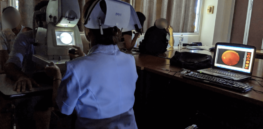
Can Google’s medical AI improve our medical system? Laboratory results and real life offer different answers
[A] study from Google Health—the first to look at the impact of a deep-learning tool in real clinical settings—reveals that ...

‘Genetic scrambling’ over millions of years makes it difficult to understand Earth’s earliest life
Biologists have long hoped to understand the nature of the earliest living organisms on Earth. If they could, they might ...
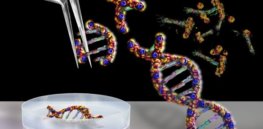
11 things to know about genetic engineering, including how it’s helping us fight disease
What are some interesting facts about genetic engineering, and why it is important? … Genetically engineered things are actually all ...

Do rising carbon dioxide levels dampen our ability to think and make decisions?
As the 21st century progresses, rising atmospheric carbon dioxide (CO2) concentrations will cause urban and indoor levels of the gas ...

Is life worth living after 75? Why this medical ethicist isn’t a fan of extending the human life span
In October 2014, [physician and medical ethicist] Ezekiel Emanuel published an essay in the Atlantic called “Why I Hope to ...

‘Overly simplistic’: Women may have been more than just ‘gatherers’ in ancient times, studies suggest
Sexual divisions of labor characterized ancient societies, but were not as rigidly enforced as has often been assumed, [two] new ...

How to use your brain to keep food cravings from turning into eating
Many believe that cravings are caused by low blood sugar, or that the body lacks certain other nutrients. In the ...

Seeking the ‘secret ingredient’ that led to life on Earth. Researchers may have discovered it
Think of the RNA world as a pot of gazpacho. We prepare ingredients and then stir them into a single ...

Is there a difference in the way men and women perceive and react to emotions?
Social cognition includes the ability to represent other people's intentions and beliefs, and the ability to share and recognise the ...

Reversing diabetes in mice with CRISPR-edited stem cells
Insulin injections can control diabetes, but patients still experience serious complications such as kidney disease and skin infections. Transplanting pancreatic ...

Why do people trust ‘gut instinct’ even when it’s not the smart choice?
When faced with a decision, people may know which choice gives them the best chance of success, but still take ...
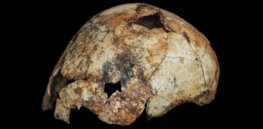
‘Not alone’: 3 different human ancestors may have lived together in South Africa 2 million years ago
An international team, including Arizona State University researcher Gary Schwartz, have unearthed the earliest known skull of Homo erectus, the ...

Puzzling over the mysteries of human pregnancy: Why is labor so long and dangerous?
From an evolutionary perspective, human pregnancy is quite strange, says University at Buffalo biologist Vincent Lynch. "For example, we don't ...
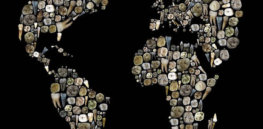
Part of the forensic ‘jigsaw puzzle’: Tooth shape offers insights into a deceased person’s genetic makeup
A study found that some characteristics of dental remains — such as crown groove patterns, cusp size, number of roots, ...

Why ‘beauty’ is an evolutionary conundrum that even Darwin couldn’t solve
The genius of evolution is its brutal pragmatism; do whatever is needed to pass your genes onto the next generation ...
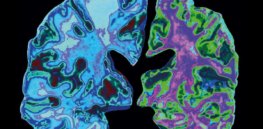
Alzheimer’s research is at a dead end. Here are 5 unexplored treatment routes
It is time to go back to basics. I have been a scientist involved in Alzheimer's research for three decades, ...

Infants with ‘insecure attachments’ to parents may be at higher risk of autism
Younger siblings of children with autism who have insecure attachments to their caregivers are more likely to be diagnosed with ...
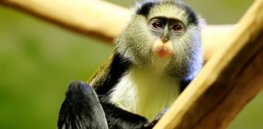
Language evolved 25 million years ago, monkey brain study suggests
Curious about how people started talking, researchers from the UK scanned the monkey species and the brains of the people ...

‘Dogs are still the best’: But can a machine be taught to detect ovarian cancer with a ‘sniff’?
The ultimate goal was to develop an instrument that mimicked the abilities of a dog’s nose—a tool to detect the ...

‘The Idea of the Brain’: Book explores the struggle to understand the human brain
Neuroscientists love a good metaphor. Through the years, plumbing, telegraph wires and computers have all been enlisted to help explain ...

Searching for genetic fountain of youth? Study suggests we’ll never find a ‘longevity gene’
What do naked mole rats, elephants, bats and whales have in common? They are all exceptionally long-lived mammals, and recent ...

If we have difficulty defining ‘life’ on earth, how will we identify it on other planets?
What does it mean to be alive? Science, shockingly, still doesn’t have a consensus. For example, is it fair to ...
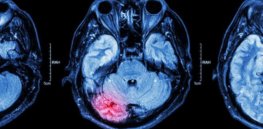
After injury, the adult brain attempts to repair itself with cells that revert to an embryonic state
When adult brain cells are injured, they revert to an embryonic state, according to new findings published in the April ...

Early sleep problems for autistic children may predict repetitive behaviors later
Early sleep problems predict repetitive behaviors later in childhood. And toddlers who overreact or underreact to sensory stimuli have more ...

Searching for a genetic ‘tattletale’ for heart attack risk
If you want a sneak peek into your risk of heart disease, here are your options: Your doctor can measure ...
