


Daily Human Digest

What we know about Elon Musk’s ‘dramatic’ plan to link human brains to computers through implants
[July 16], fans and haters of Elon Musk turned out by the thousands to watch an internet live-stream of the ...

‘Do not waste your money’: Most heart-healthy supplements won’t cut your disease risk, study shows
There are lots of things you can do to keep your heart healthy and hopefully live longer. But a new ...
We may soon have a routine blood test for Alzheimer’s risk
Scientists are closing in on a long-sought goal — a blood test to screen people for possible signs of Alzheimer’s ...

Can DNA-based dating apps help you find a love connection? Don’t count on it, scientists say
With the direct-to-consumer genetic testing market booming, more and more companies are looking to capitalize on the promise of DNA-based ...

Elon Musk developing brain implant that would control computers, smartphones with our thoughts
His [Elon Musk] startup Neuralink has developed technology meant to be implanted into the brain that’s designed to allow people ...

UK pushes to cut cancer rates by expanding HPV vaccinations to preteen boys
From September 2019, boys in school year 8 will be offered the free Human Papilloma Virus (HPV) vaccine for the ...

Autism-linked mutation may also play role in gastrointestinal problems
Mutations in the gene NLGN3, found in some people with autism, alter mice’s gut nervous system, two new studies suggest ...
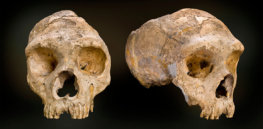
DNA testing of ancient Gibraltar Neanderthal remains reveals sex, relationship with other European Neanderthals
Two skulls from Gibraltar were among the first Neanderthal remains ever found, and have since become some of the best-studied ...
Nootropics and the quest to improve our brains through ‘barely regulated’ dietary supplements
It helped too that, as vague as the term “smart” is, “nootropics” is equally broad. It was coined by Romanian ...

What happens when DNA tests show that white nationalists aren’t as ‘pure’ as they thought?
On the hate site Stormfront, one of the largest online discussion forums dedicated to “white pride,” sharing DNA results with ...

Why comatose infants make ideal test subjects for brain-reviving technology
A recent Nature paper describing an artificial blood perfusion used in an attempt to restore brain function after pigs were ...

Herbal remedy kratom linked to seizures, addiction and deaths
The herbal remedy kratom, often touted as an alternative treatment for opioid withdrawal or chronic pain, is in for more ...

Treating food allergies by tweaking the microbiome? Trials offer ‘promising but mixed results’
These days, there is little doubt that the body’s resident bacteria have a big say in how the immune system ...
Where is China’s third CRISPR baby and what does it mean for the genetics revolution?
Last November, Chinese biophysicist He Jiankui shocked the world by announcing that the word’s first gene edited human babies, two ...

Creating a synthetic version of the Ebola virus to help fight the real thing
Scientists at the Centers from Disease Control and Prevention have created a synthetic version of the Ebola virus circulating in ...
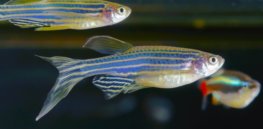
Sleep may have originated underwater 450 million years ago
No one should have to sleep with the fishes, but new research on zebrafish suggests that we sleep like them. ...

Whole-genome sequencing now costs less than a smart phone. But how much do people want to know about their disease risks?
Veritas Genetics is making a big bet that people want to know what’s in their genome. The Boston-based company, which ...

Will we ever know if our computers gain consciousness?
The question of whether machines can have consciousness is not new, with proponents of strong artificial intelligence (strong AI) and ...

Predicting IQ potential of human embryos may be possible with machine learning, genetic data
[T]he diseases that are most likely to shadow the average person’s life — cancer, heart disease, diabetes — are polygenic, ...
Directed evolution tool could force viruses to churn out new drugs ‘in a matter of days’
Evolution is one of nature's most impressive forces, allowing organisms to adapt to changing environments to survive. By harnessing and ...

Viewpoint: Why the New York Times failed with its coverage of overhyped probiotics obesity treatment
Adding to the steaming pile of unsubstantiated hype over probiotics, the New York Times ran an uncritical article ... suggesting ...
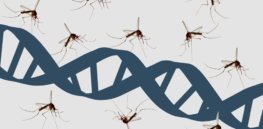
Infographic: Here’s how gene drives would fight mosquitos, malaria
Gene drives have rapidly become a routine technology in some laboratories; scientists can now whip up a drive in months ...

How a combination of rare mutations created devastating heart problems for this family
Heritable diseases — say Huntington’s, sickle cell anemia, or cystic fibrosis — are typically thought of as the result of ...
Chasing links between mental illness and microbes living in our guts
“If you would have asked a neuroscientist 10 years ago whether they thought the gut microbiota could be linked to ...

Acne’s Wonder Drug Is a Mental-Health Puzzle
In 2002, a family filed a lawsuit alleging that an acne drug made their teenage son suicidal. Accutane, a since-discontinued ...
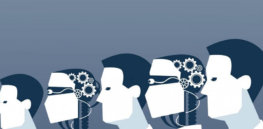
Artificial intelligence doesn’t ‘think’ like we do. How can we ever trust it?
Today, digital information technology has redefined how people interact with each other socially, and even how some find their partners ...

CRISPR used to cure HIV in mice. Will it lead to new treatments for humans?
Researchers say they have removed HIV from the DNA of mice, an achievement the scientists say could be an early ...
