


Science Literacy Project Daily Digest

Viewpoint: Here’s why we have to harness gene editing to promote global food security
There is an urgent need to develop crop varieties which tolerate adverse growth conditions while requiring fewer inputs. Plant breeding ...
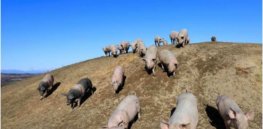
CRISPR food in Japan: Consumers more skeptical of gene-edited livestock than crops, survey shows
Because humans tend to feel closer to animals than plants, and commonly express feelings regarding animal welfare but not plant ...

Agroecology in Africa: Silver bullet or pathway to poverty?
A model of agroecology that limits farming inputs in Africa to solely indigenous materials is meeting resistance from farmers and ...

‘Broken heart syndrome’: High stress, emotional situations can kill you
[Takotsubo syndrome, or TTS,] is characterised by a sudden temporary weakening of the heart muscles that causes the left ventricle ...

1 percent of European couples are at risk of having a child with a severe recessive genetic disorder
Based on 6,447 exome sequences of healthy, genetically unrelated Europeans of two distinct ancestries... researchers calculated that each individual is ...

Viewpoint: Uganda’s ‘mistrust of science’ threatens local farming innovation and economic growth
Uganda is merely watching as other countries embrace technologies such as biotechnology that are transforming agriculture and earning them huge ...
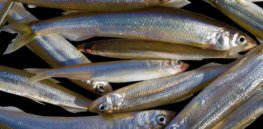
Skeptical of AquaBounty’s salmon? Nature makes GM fish, too
A new study by Queen's University researchers Laurie Graham and Peter Davies finds "conclusive" evidence for the controversial idea that ...

How the evolution of an ancient fish gave humans the ability to speak
[E]very voice (barks, whinnies, whines, chirps, squeals, meows, ribbits, roars, the State of the Union address) derives from a common ...

Workout junkie? Daily high-intensity workouts might be problematic to your health
Consisting of repeated, brief spurts of hard exercise interspersed with a few minutes of rest, [high-intensity interval training, or] HIIT ...
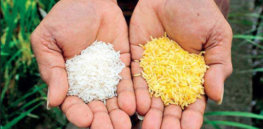
GM Golden Rice yield and grain quality comparable to conventional counterparts, field studies show
The first series of peer-reviewed publications on the GR2E Golden Rice field trial data are now available in Nature Scientific ...

Opening the door to understanding infertility: Skin cells reprogrammed into a model human embryo
[Scientists have made a] significant breakthrough for the future study of early human development and infertility. To date, the only ...

Gene editing could help Kenya’s valuable tea crop retain its competitive edge
Genome editing may help protect Kenya’s most important cash crop — tea grown in the country’s prime highlands — from ...

‘Meat: It’s still what’s for dinner.’ Can popular plant-based burgers really displace beef?
Walmart now peddles house-brand vegan “chick’n patties,” and KFC is trialing not-chicken nuggets developed by Beyond Meat. But here’s a ...

Changing course, Health Canada finds neonicotinoid pesticides ‘not a threat’ to aquatic insects
In 2018, Health Canada proposed to phase out all agricultural uses of thiamethoxam, a Syngenta product, and clothianidin, a Bayer ...

Do omega-3 fatty acid fish oil supplements lower heart disease risk? Only for people with specific genes, researchers find
[N]ew research from a team led by a University of Georgia scientist indicates that taking fish oil only provides health ...

Cure for sickle cell diseases inches closer with launch of gene therapy trial
For 65 years, scientists have known the cause of sickle cell disease but have been unable to cure it without ...

Why do we find puppies more adorable than babies? The neuroscience of cuteness
[W]hat exactly happens in the brain when we gaze at a baby? And why do we respond the same way ...

While COVID held our attention in a vice grip, 2020 brought some major crop biotech breakthroughs
This month marked one year since the COVID-19 pandemic turned life upside down around the world. The anniversary wasn’t exactly ...

Engineered tomatoes kill whiteflies by ‘silencing’ gene that protects them from pesticides
A pernicious agricultural pest owes some of its success to a gene pilfered from its plant host millions of years ...

Central Uganda’s new leadership pledges support for GM crops: ‘We have a cardinal role to ensure food security’
Newly elected leaders from Wakiso district in central Uganda pledged support for genetically modified (GM) crops during a sensitization workshop ...

Concussions may soon be diagnosable with a simple saliva test
A team of scientists and doctors studied more than 150 rugby players at England’s highest level between 2017 and 2019, ...

Cilantro is one of the most loved — and hated — herbs. Why does it taste like soap to some people?
Coriander, also known as cilantro, is one of the most commonly used herbs in the world, but a preference for ...

If we ever encounter extraterrestrial life, here’s why they might not seem so alien
[University of Cambridge Professor Arik Kershenbaum] argues that evolution is a universal law of nature, like gravity — and that ...
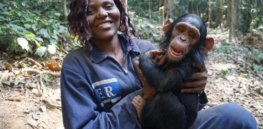
Why do humans suffer from more diseases than other animals?
[C]ompared to chimpanzees, what makes us special is apparently our outsized capacity for serious mental illnesses and weird facial shapes, ...
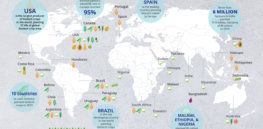
Infographic: Here’s where GM crops are grown around the world today
Do you know where biotech crops are grown in the world? This updated ISAAA infographics show where biotech crops were ...

Processed food doesn’t necessarily equal unhealthy food, study finds
Classification systems that categorise foods according to their ‘level of processing’ have been used to predict diet quality and health ...

Gene-edited crops ‘safe for human consumption and the environment,’ Health Canada finds
Health Canada is proposing new rules to deal with plant breeding innovation, including gene-edited crops. To develop the new guidelines, ...
