


cancer
Podcast: How ‘activist science’ behind IARC’s glyphosate assessment fuels unjustified cancer lawsuits
In 2015, the International Agency for Research on Cancer (IARC) published a monograph concluding that glyphosate, the active ingredient in ...

Ticking time bomb: Being obese ‘more than doubles’ risk of common forms of cancer
Being overweight or obese has been linked to at least 13 types of cancer. Obesity more than doubles the risk ...

Should we eat less red meat? There’s no solid evidence behind that advice, dietary expert panel says
Public health officials for years have urged Americans to limit consumption of red meat and processed meats because of concerns ...
Turkish scientist gets 15-month prison sentence after publishing study that links chemicals in food and water in western Turkey to cancer
A Turkish food engineer and human rights activist was sentenced .... to 15 months in jail after publishing the results ...

Using CRISPR to improve accuracy of cancer-fighting drugs
Cancer drug developers may be missing their molecular targets—and never knowing it. Many recent drugs take aim at specific cell ...
Podcast: Recent study poses new glyphosate-cancer link. Plant geneticist Kevin Folta breaks down the data
Despite the endless stream of dramatic headlines and warnings from environmental activist groups, an overwhelming number of studies indicate that ...
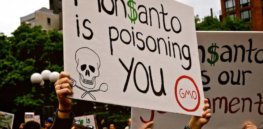
Viewpoint: ‘Roundup game plan’—How ‘environmental’ activists, IARC’s Chris Portier plotted attacks on Monsanto-Bayer to get glyphosate banned and cripple ag biotechnology
The failure to retract the monograph despite overwhelming rejections from the scientific community points to a Glyphosate Gameplan at IARC ...
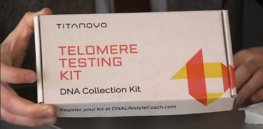
Length matters? DNA testing companies claim to assess stress, health and aging by measuring your telomeres
By determining length of your chromosome tips - also known as telomeres - testing companies claim to offer an insight ...

Processed foods key factor in uptick in colorectal cancer among young adults?
Although still rare, affecting roughly 4 percent of adults over their lifetimes, according to the National Cancer Institute, colorectal cancer is becoming ...
Farmers, anti-glyphosate activists lobby EPA as agency mulls herbicide’s future in US
Pro- and anti-glyphosate companies and organizations lined up to praise — or bash — the active ingredient in the most ...
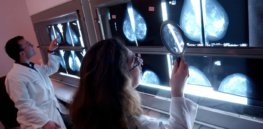
Podcast: Medical scans boost your cancer risk? Recent research raises troubling questions
We explore the latest findings suggesting that low doses of radiation from medical scans may enhance the growth of cancer ...
Viewpoint: Hidden conflicts of interest cripple IARC’s biased glyphosate-cancer evaluation
IARC has no clear understanding of what a conflict of interest is (or doesn’t care) ...

NY Times’ Eric Lipton defends anti-biotech, anti-vax Moms Across America, which harasses scientists
Journalists like Eric Lipton need to recognize where the real danger lies ...

How biotech gets potentially harmful chemical acrylamide out of fries, crackers and other popular foods
The discovery of [the carcinogenic chemical] acrylamide in foods like crackers, cookies, potato chips, and french fries rattled food makers ...
Viewpoint: France commissions new glyphosate-cancer study to justify more weed killer regulations
After reading this article, I relay the following comment from the collective Science-Technologies-Action (STA): “At the request of the [French] ...
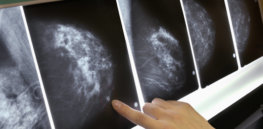
Menopausal hormone therapy linked to breast cancer risk—even after patients stop taking drugs
A sweeping new analysis adds to the evidence that many women who take hormone therapy during menopause are more likely ...
Nitrates in deli meat dangerous? Food labels and cancer claims don’t tell the whole story
NPR just ran a scare piece called "Duped In The Deli Aisle? 'No Nitrates Added' Labels Are Often Misleading," which ...

Viewpoint: How trial lawyers rigged IARC’s cancer monograph program to fuel lawsuits targeting glyphosate, other chemicals
IARC is a troubling example of a UN agency used for personal profit ...

A third of cancer drug clinical trials don’t report on race. Here’s why that matters
One-third of the clinical trials that led to new cancer drugs approved between 2008 and 2018 didn’t report on the ...

Video: Does eating red meat increase cancer risk? Here’s what’s wrong with a recent study.
The old chestnut that eating red meat leads to cancer is back. A [recent] study claimed that eating red meat ...
‘Wild theory’: Can aggressive cancers evolve into new species?
Aggressive cancers can spread so fiercely that they seem less like tissues gone wrong and more like invasive parasites looking ...
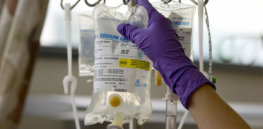
How our bodies protect cancer and why this could be key to better chemotherapy treatments
Tumors resist chemotherapy with help from a surprising source: nearby normal cells. Researchers are developing workarounds ...
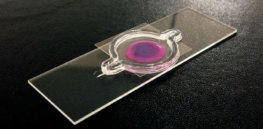
Infographic: ‘Why not print cancer?’ Here’s what we learn from building glioblastoma on a chip
If arranging cells in a particular formation was a good way to build cancer models that mimic what’s going on ...

Game of chance: What role does pure ‘bad luck’ play in developing cancer?
Two-thirds of the gene mutations that cause cancer are due to random chance, according to a new study. But environmental ...

Electrical stimulation can ‘starve’ brain cancers, early study shows
Researchers have shown that electrical stimulation to the skull can starve brain cancers of vital nutrient-rich blood, opening the door ...
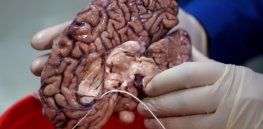
‘It’s very encouraging’: Experimental gene therapy shows promise for glioblastoma patients in clinical trial
An inducible, tumor-localized gene therapy has been tested for the first time in glioblastoma patients. The two-part approach, which involves ...
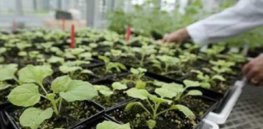
Viewpoint: Plants could give us new treatments for cancer, HIV and other diseases if we had better ‘pharming’ regulations
Study suggests that proteins could be obtained from genetically engineered tobacco plants at 1/1,000th the cost of current methods ...
