‘Well Fed’: Dutch documentary challenges rich countries’ anti-GMO views

Well Fed FB

A trip to Bangladesh with your friends might be a great idea, but that won’t be possible for everyone. But you can certainly sit with them and watch this film about how a pair of Dutch urbanites examine the issues surrounding GMOs.

The film is free to watch on Vimeo, and will take just an hour of your time.

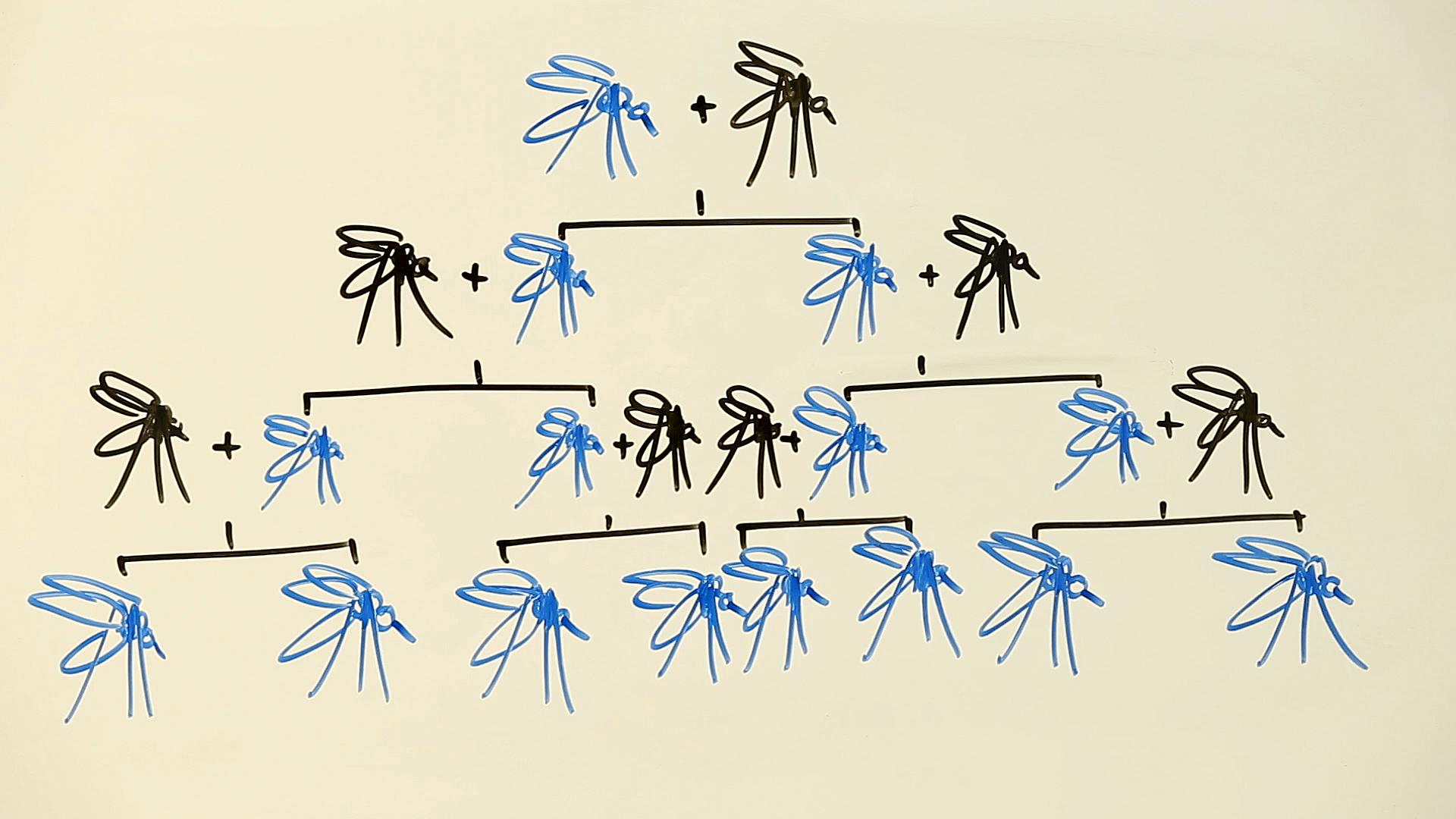
The tale begins with an exploration of the objections that many well-fed Westerners have about genetically engineered foods. About how unnatural it is to mess with the genes in plants — and Hidde Boersma asks his friend if he’s ever seen a broccoli in the forest. That’s just one of the clever ways that Hidde (who has science training) illustrates some of the scientific concepts around the modifications of the foods we think of as “natural”.

…

The film does an excellent job of walking through the dubious objections and claims by the “Well Fed” about GMOs and illustrating why spreading them actually harms people who could benefit from biotechnology.

Two green thumbs up.

Read full, original post: How to convince your “Well Fed” friends about GMO benefits

Pursuing ‘organic gene therapy’ for sickle cell anemia and beta thalassemia

f image

Scientists in Australia have solved a 50-year-old mystery that could lead to the development of new gene therapies for blood disorders such as sickle cell anemia and β-thalassemia. The team, led by University of New South Wales (UNSW) professor Merlin Crossley, Ph.D., has identified the gene-control mechanism that allows some individuals with these blood disorders to keep producing a fetal form of human hemoglobin, which naturally compensates for the lack of adult hemoglobin and so reduces disease severity. The researchers also used CRISPR/Cas9 gene editing to introduce these naturally beneficial mutations into cultured blood cells and boost production of fetal hemoglobin directly.

“Our new approach can be seen as a forerunner to ‘organic gene therapy’ for a range of common inherited blood disorders including β-thalassemia and sickle cell anemia,” says Dr. Crossley, who is UNSW deputy vice-chancellor academic. “It is organic because no new DNA is introduced into the cells; rather we engineer in naturally occurring, benign mutations that are known to be beneficial to people with these conditions. It should prove to be a safe and effective therapy, although more research would be needed to scale the processes up into effective treatments.”

The team reports its findings in a paper published [April 2] in Nature Genetics, which is entitled  “Natural Regulatory Mutations Elevate the Fetal Globin Gene via Disruption of BCL11A and ZBTB7A Binding.”

Read full, original post: CRISPR Use Could Lead to “Organic” Gene Therapies for Blood Disorders

Potential of GMOs to combat crop diseases converting skeptical Ugandan politicians

sydya bbumba

Ugandan banana breeders at Kawanda have improved local banana varieties to resist the devastating banana bacterial wilt.

…

Potato breeders at Kachwekano in partnership with International Centre for Potato have improved the locally grown Victoria Potato variety to resist late blight disease so that potato farmers will not have to buy fungicides.

…

Cassava breeders under the national cassava programme in Namulonge has improved farmer preferred cassava varieties like TME 204, grown widely in Uganda to resist cassava brown streak disease that is causing havoc in Ngora district and other cassava growing areas.

…

The cereals programme at Namulonge is improving the Longe maize varieties that farmers already grow, to resist maize stalk borer and the recent fall armyworm.

…

With all these challenges being addressed through genetic engineering technique, it is understandable for [Member of Paliament Syda] Bbumba to choose to support the “demon” for the sake of ensuring a food secure Uganda. This so called “demon” has been grown in Brazil, Argentina, US, Canada, South Africa and exported to Europe that prefers to consume without growing.

I hope when Bbumba’s farmers begin to grow a genetically modified “Mpologoma” banana that is resistant to bacterial wilt, she will make another statement, “The Angel is indeed here with us”.

Read full, original post: Why is Syda Bbumba pledging to support the GMO?

US tentatively approves Bayer’s $62.5 billion takeover of Monsanto

Bayer Monsanto Merger

The Justice Department has decided to allow BayerAG’s megadeal to acquire Monsanto Co., valued at more than $60 billion, after the companies pledged to sell off additional assets to secure government antitrust approval, according to people familiar with the matter.

An agreement in principle between the companies and the department, brokered in recent days, marked a breakthrough in the U.S. merger review process, which had remained in limbo because of Justice Department concerns about the deal.

…

Germany’s Bayer, a pharmaceutical and chemical conglomerate, is a leading player in the pesticide industry, while Monsanto, based in St. Louis, is a market leader on seeds and crop genes. The deal, which was announced in September 2016, would make Bayer the world’s biggest supplier of pesticides and seeds for farmers.

The European Union last month conditionally approved the deal after Bayer agreed to sell off more than $7 billion worth of assets to rival BASF SE. The sales include Bayer’s soybean and cottonseed businesses, as well as Bayer’s glufosinate weedkiller, which competes against Monsanto’s Roundup.

…

As part of an agreement with U.S. antitrust enforcers, people familiar with the matter said Bayer will divest additional seed and seed-treatment assets and will make concessions related to its digital agriculture business, which provides data-driven farming advice and services. BASF will also acquire those assets, the people said.

Read full, original post: U.S. to Allow Bayer’s Monsanto Takeover

How Rev. Thomas Bayes’ faith helped us understand how the brain works

thomas bayes

It all began in 1748, when the philosopher David Hume published An Enquiry Concerning Human Understanding, calling into question, among other things, the existence of miracles.

…

Inspired to prove Hume wrong, [Presbyterian reverend Thomas] Bayes tried to quantify the probability of an event.

…

Bayes tried to quantify the probability of an event. He came up with a simple fictional scenario to start: Consider a ball thrown onto a flat table behind your back.

…

[H]ave a colleague throw another ball onto the table and tell you whether it landed to the right or left of the first ball. If it landed to the right, for example, the first ball is more likely to be on the left side of the table (such an assumption leaves more space to the ball’s right for the second ball to land). With each new ball your colleague throws, you can update your guess to better model the location of the original ball.

…

The brain makes a “best guess” according to the rules of Bayesian inference—one that ends up being incorrect because the visual system fills in missing details by sampling from an internal model that doesn’t apply. Two squares on a chess board appear to be different shades of gray, for example, or a circle seems concave at first but becomes convex when flipped 180 degrees, because the brain makes a wrong initial assumption about something as simple as lighting.

Read full, original post: How a Defense of Christianity Revolutionized Brain Science

Autism treatment could be found through cancer drug

autism e

A low dose of a drug used to treat lymphoma may ease social problems in some forms of autism, a mouse study suggests.

Specifically, the drug might be beneficial for children with autism who carry mutations that affect chromatin, the coiled complex of DNA and protein.

The mice in the study lack part of SHANK3, a gene mutated in up to 2 percent of people with autism. The mice have several features reminiscent of autism, including anxiety, repetitive behaviors and social problems.

A low dose of the drug, romidepsin, alters chromatin and normalizes social behavior in young SHANK3 mutants for at least three weeks, says lead researcher Zhen Yan, professor of physiology and biophysics at the State University of New York in Buffalo.

…

Untreated SHANK3 mice show less of a preference for another mouse over an object, compared with controls; romidepsin normalizes this preference.

…

Romidepsin does not improve motor skills or ease anxiety in the mice, however. It also has a smaller and shorter-lived effect on social behavior in adult mice than in the juveniles. This finding suggests the drug might work only in children, Yan says.

…

The researchers are screening other compounds that alter histones in mouse models of autism. They hope to find a drug that works as well in adult animals as it does in juvenile.

Read full, original post: Cancer drug shows promise for treating some forms of autism

Vaccines for plants? RNA spray could help protect crops from pests and disease

fe b e

Novel technologies are being sought to replace the traditional pesticides used to protect plants, particularly edible plants such as cereals. A new collaborative project between the University of Helsinki and the French National Centre for Scientific Research (CNRS) is shedding light on the efficacy of environmentally friendly RNA-based vaccines that protect plants from diseases and pests.

Plant diseases and pests cause considerable crop losses and threaten global food security. The diseases and pests have traditionally been fought with chemical pesticides, which spread throughout our environment and may be hazardous to human health, beneficial organisms and the environment.

“A new approach to plant protection involves vaccinating plants against pathogens with double-stranded RNA molecules that can be sprayed directly on the leaves,” explains Minna Poranen of the Molecular and Integrative Biosciences Research Programme at the University of Helsinki’s Faculty of Biological and Environmental Sciences.

The vaccine triggers a mechanism known as RNA interference, which is an innate defence mechanism of plants, animals and other eukaryotic organisms against pathogens. The vaccine can be targeted to the chosen pathogen by using RNA molecules which share sequence identity with the pest’s genes and prevents their expression.

Editor’s note: Read the full study

Read full, original post: A vac­cine for ed­ible plants? A new plant pro­tec­tion method on the ho­ri­zon

Precision education: DNA test for intelligence could be on the horizon

intell

Ready for a world in which a $50 DNA test can predict your odds of earning a PhD or forecast which toddler gets into a selective preschool? Robert Plomin, a behavioral geneticist, says that’s exactly what’s coming.

For decades genetic researchers have sought the hereditary factors behind intelligence, with little luck. But now gene studies have finally gotten big enough—and hence powerful enough—to zero in on genetic differences linked to IQ.

…

Plomin outlined the DNA IQ test scenario in January in a paper titled “The New Genetics of Intelligence,” making a case that parents will use direct-to-consumer tests to predict kids’ mental abilities and make schooling choices, a concept he calls precision education.

…

Others say the great question will be when it is acceptable to prejudge people from DNA profiles. We’d probably want to tell people if their DNA says they are at risk for addiction, for example. Maybe they won’t pick up that first cigarette. But what does it mean to tell parents their kid is at risk of being smart or dumb?

He says polygenic scores for IQ will further reveal the role of intelligence in determining people’s salaries, their choice of partners, and even the structure of society. People will want to know.

Read full, original post:DNA tests for IQ are coming, but it might not be smart to take one

Making sense of the patchwork US regulatory system for genetically engineered crops and animals

rube goldberg
The faster-growing genetically engineered AquaAdvantage Salmon took 20 years of regulatory scrutiny to gain approval, while the non-browning gene-silenced Arctic Apple took a relatively brisk 5 years. A new CRISPR-edited non-browning mushroom appears to have been cleared over a cup of coffee (okay, six months). All of these products were created using genetic engineering—so why were they regulated differently?

[Editor’s note: This is the first of a multi-part series on US biotech regulations and potential reform. In future installments, we’ll look at biotech animal breeding, New Breeding Techniques (NBTs), biotech pharmaceutical and industrial products, and international comparisons and regulatory reform.]

The first thing to understand about biotech regulation in the US is that it was not established through legislation, but rather through executive branch rulemaking under existing laws. In a series of cludge maneuvers, some more arbitrary than others as we’ll see, various categories of products and potential risks were assigned to be regulated under laws already on the books.

In doing the research for this series, I started with a decent sense of how biotech is regulated, but in trying to get a better, more granular view of the nuts and bolts of real-world processes, I’ve been surprised by how well the patchwork quilt covers what you would want it to cover and how much more sense the patchwork system makes than a unified, rationalized system. One criticism of the system is that it’s a Rube Goldberg contraption with too many moving parts. I’d say, to my pleasant surprise, that’s a feature, not a bug. We’ll circle back around to this point as we wrap up.

The most common critique of reformers of the current status quo is that regulation of products should be done by relative, credible risks rather than arbitrarily by process. I think that’s correct, but within that arbitrary divide it’s very much true that the biotech approval process is risk-based, with products that present little relative risks moving through the approval process more briskly and those that raise real questions being subjected to more scrutiny.

Reasonable people can disagree about whether the process is too onerous, insufficiently onerous or just right in the degree of onerousness. As the above comparison of the AquaAdvantage Salmon, the Arctic Apple, and the non-browning mushrooms shows, it is undeniably true that some products are subject to more scrutiny than others.

Coordinated Framework for the Regulation of Biotechnology

Established as a formal policy in 1986, the Coordinated Framework for Regulation of Biotechnology describes the Federal system for evaluating products developed using modern biotechnology. The three main federal agencies responsible for regulating the safe use of genetically engineered organisms are the Department of Agriculture (USDA), the Environmental Protection Agency (EPA), and the Food and Drug Administration (FDA).

The USDA’s duties are carried out by the Animal and Plant Health Inspection Service (APHIS), under the Plant Protection Act. The EPA’s come from the Federal Insecticide, Fungicide, and Rodenticide Act (FIFRA) and the Toxic Substances Control Act (TSCA). All three agencies are responsible for compliance with the National Environmental Policy Act of 1969 (NEPA).

For plant foods, the FDA reviews genetically modified crops if the new trait’s properties are already understood. If not, the applicant is required to submit data proving that the food additive does not “adulterate” the food — in other words, that the additive is not injurious to human health.

Genetically modified animals are considered “animal drugs”. Thus, a New Animal Drug Application (NADA) must be submitted to the Center for Veterinary Medicine (CVM), which conducts an Environmental Assessment (EA) of potential environmental impacts and determines whether the animal presents any credible risk to human health.

Environmental Protection Agency

Under FIFRA, genetically modified pest control traits are regulated by the EPA as a pesticide. Traits related to pest control, known as Plant-Incorporated Protectants (PIPs) — i.e. insect resistance (IR) and disease resistance require serious demonstrations of relatively low risk of serious environmental or health risks under FIFRA.

px Environmental Protection Agency logo svgThe best known PIP is the use of the Bt trait first commercialized in corn and cotton in the mid-1990s to control corn rootworm, cotton borers and initially boll weevils in cotton. The trait is named for the soil bacterium Bacillus thuringiensis, which produces Cry proteins toxic to those pests. Bt has been used for decades, mostly in organic farming as a pesticide spray, to control those pests. Several companies, including Monsanto, transferred a Bt gene into corn and cotton and other crops.

A Bt potato was also developed and approved for use to control the Colorado potato beetle. It was brought to market but quickly withdrawn due to the pressure from what are ostensibly environmental groups. Food and Water Watch and the Center for Food Safety petitioned McDonald’s, THE market maker in potato production, to commit to avoid Bt potatoes.

Rather than having to explain to a dubious public why lowering insecticide use in potatoes was worth doing and that there were no health concerns with the potatoes, the company bowed to pressure. Potatoes are a crop with a fairly high level of insecticide use. You can’t break up pest cycles easily with crop rotations in potato production. Why supposed environmental groups would oppose a technology that would lower insecticide use in potatoes continues to baffle actual environmentalists to this day.

Microbial pest control agents (MPCA), another form of biocides, are also regulated under FIFRA as pesticides, and by the FDA under the Federal Food, Drug, and Cosmetic Act (FFDCA).

NEPA provides an umbrella framework for assessing environmental risks, while TSCA applies to biotech microbes — single-celled organisms bred for production of industrial enzymes and other chemicals, algaes engineered for biofuel production or microbes engineered for use in ocean oil spills. Another example might be RNAi used to restore vulnerability to herbicides in resistant weeds.

The first biotech product to be approved for food production was a yeast to produce chymosin, the enzyme in rennet that causes milk to coagulate into cheese. Microbes engineered for the production of synthetic vitamins like vitamin C for food fortification and nutritional supplements are another common form of biotech microbials regulated under TSCA.

Food and Drug Administration

The FDA primarily regulates biotech products under the Federal Food, Drug, and Cosmetic Act (FFDCA). In a 1992 guidance document, the FDA explained that genetic modification referred to ALL modifications to the genetics of a food plant varieties (meat and animals are regulated under the USDA).

“Genetic modification” means the alteration of the genotype of a plant using any technique, new or traditional. “Modification” is used in a broad context to mean the alteration in the composition of food that results from adding, deleting, or changing hereditary traits, irrespective of the method. Modifications may be minor, such as a single mutation that affects one gene, or major alterations of genetic material that affect many genes. Most, if not all, cultivated food crops have been genetically modified.
imagesWhat they are interested in is determining if the modification, genetically engineered or brought about by traditional breeding, combines properties that are well understood or if it introduces some new uncertainty. This means that if the new trait or traits produce proteins that are not known allergens and are produced in other food products that are well understood, then the new product is cleared under FFDCA with minimal fuss. If it comes with some unknowns, then they will ask for a greater range of evaluations and testing to answer questions about potential risks.

Crops are assessed along a number of variables:

The assessment scheme focuses on characteristics of the new plant variety, based on characteristics of the host and donor species, the nature of the genetic change, the identity and function of newly introduced substances, and unexpected or unintended effects that accompany the genetic change. The assessment focuses on the following considerations:

  1. Toxins known to be characteristic of the host and donor species;
  2. The potential that food allergens will be transferred from one food source to another;
  3. The concentration and bioavailability of important nutrients for which a food crop is ordinarily consumed;
  4. The safety and nutritional value of newly introduced proteins; and
  5. The identity, composition and nutritional value of modified carbohydrates, or fats and oils.

First, they are looking at things that are known about the properties of the host plant and the donor plant through their history of use and compositional analysis. Are both plants considered safe for consumption? Does the new plant have substantially different values for nutrients that the food is counted on providing?

Has the breeding process caused increased production of known toxins, naturally present in the host plant, but produced at sub-toxic levels? (i.e. Lectins and cyanogenic glycosides in legumes. Glucosinolates which may impair thyroid function in cruciferous vegetables. Cucurbiticin, an acute toxin, in squash and cucumber. Neurotoxic lathyrogens in chickpeas). Plants, like other organisms, can have metabolic pathways that are no longer active due to evolutionary changes. The breeding process can, in rare cases, reactivate silent pathways. In some small subset of those rare cases, the reactivated metabolic pathway could produce an allergen or toxin.

When the effects of a new crop can’t be confidently predicted by compositional analysis, the FDA will require toxicological feeding studies. Insect resistance conferred by the Bt trait was an example of a type of trait that required animal feeding studies.

Areas of concern with microbial pesticides are addressed under the Federal Food, Drug, and Cosmetic Act (FFDCA) are acute, subchronic and chronic dietary risks, occupational exposures, drinking water exposures, effects to the immune and endocrine systems, any dose response related information, exposures associated with daycares, residences and schools, exposure of sensitive populations, such as infants or children, aggregate effects for multiple exposures, and cumulative effects. For example, while the EPA would look at how a biological pest control will affect the environment, the FDA would look at potential harms from residues on crops to human health.

Department of Agriculture

The USDA’s involvement in regulating biotech in crop breeding is carried out by Animal and Plant Health Inspection Service (APHIS) under the Plant Protection Act (PPA). The PPA tasks APHIS with preventing the introduction of plant pests into the United States. The goal is to minimize the exposure of crops to disease and noxious weeds. Of the different ways that existing laws were interpreted in novel and extended ways in order to create oversight for biotech in breeding, this is the most kludgy. The trigger for regulatory oversight in this case is the use of plant pathogens in the introduction of novel genes into crops.

px APHIS svgAgrobacterium tumefaciens and cauliflower mosaic virus promoter (CaMV 35S) are two examples of plant pathogens used as vectors for gene transfer. Because they are harmful to certain plants in the wild, transferring their genetic material into crops for breeding purposes is what gives APHIS authority to regulate the new crop. Other vectors of gene transfer, biolistics (gene gun) for example, do not trigger USDA’s authority to regulate new crops.

Once the authority is established though, APHIS is concerned with a wide variety of potential risks. There are lots of ways that a crop can become a plant pest. APHIS will look at “disease and pest susceptibilities; the expression of gene products, new enzymes, or changes to plant metabolism; weediness and impact on sexually compatible plants; agricultural or cultivation practices; effects on non-target organisms; and the potential for gene transfer to other types of organisms.”

Potential weediness is a clear example of how a new problem can arise through breeding. While corn is a crop that has been bred for the full suite of pampering by modern agriculture — it’s not going to thrive outside of cultivation — a crop like canola does pretty well on its own. A new herbicide-tolerant canola that ends up somewhere that it isn’t wanted goes from crop to weed pretty easily:

Canola shatters badly during harvest. University of California Cooperative Extension farm advisors Doug Munier in Glenn County and Kent Brittan in Yolo County knew that when they became part of team testing RR canola as a possible oil crop for biofuel. Munier, Brittan and others found yields too low to make canola a profitable irrigated California crop at current prices. They gave up on canola, but canola did not give up on California. It is still around in many fields, three or four years after it was grown as a commercial crop.

Canola shattering losses can potentially be huge.

However, there is far more to it than that.

“What makes canola a different critter is that a significant percentage of this shattered seed does not germinate the following year, which is very different from other California field crops,” Munier explained. “When the shattered seed is incorporated into dry soil, it creates what is called secondary (seed) dormancy.” This is a common genetic trait for canola.

A canola crop that yields 1,400 pounds per acre would produce the equivalent of 182 million seeds per acre or 4,177 seeds per square foot, according to one Canadian researcher. Irrigated California canola has yielded 3,000 pounds per acre. A little shatter goes a long way. From a 5 to 10 pounds per acre crop seeding rate, Munier said, shatter at harvest can produce up to 10 times the initial seeding rate to fall on the soil to germinate for years to come.

In canola growing areas, the shatter issue has created the axiom, “Once a canola grower, always a canola grower,” because the shattered seeds remain viable and dormant in the soil for years.

Compounding the problem is the fact this secondary dormancy seed may germinate year-round in climates like California. That can be a nettlesome problem, but it is made far worse when it is herbicide resistant canola.

This became evident in a Sacramento Valley Roundup Ready alfalfa field recently.

“The grower sprayed his Roundup Ready alfalfa and got beautiful weed control except for what he thought was mustard. The herbicide did not touch it. His PCA looked closer and discovered it was Roundup Ready canola. Recognizing the problem, he rogued out the canola,” he said.

With canola’s secondary dormancy, had the grower let the canola go to seed, the problem would only have magnified for years.

In a trial planted by Munier in the Chico area, he planted RR canola in the fall of 2006. Harvested the next summer, the field was summer fallowed in 2007 followed by fall-planted wheat. RR canola volunteers from the 2007 harvest are still sprouting in 2010. “This is not just a weed, but one totally resistant to Roundup, a herbicide that is intensely used in a wide variety of high value crops in California,” Munier said.

The potential weediness of RR canola had to be balanced against the benefits of the crop, as well as the existence of management solutions. This is a pretty striking example, but here it’s a problem for a farmer using a RoundUp Ready weed control system, so it’s more or less kept in the family. For county roadside weed control or orchards, as the article lays out, there are reasonable management solutions. But problems can arise.

The issue here is that these kinds of problems are not confined to biotech crops. I’m reminded of the story of the cotton breeder who was growing organic blue cotton. This was driving all her neighbors crazy, because the pollen from her fields was blowing into their standard cotton fields. As far as they were concerned, her blue cotton wasn’t a differentiated, value-added product, it was a pathogen ruining their crops.

A few parting thoughts

One criticism of the system is that it’s a Rube Goldberg contraption with too many moving parts. I’d say, to my pleasant surprise in looking more closely at the system, that the Goldberginess is a feature, not a bug.  The weakness of the system, beyond the kludginess of how it was glommed on to existing statutes and institutions, is that it regulates first by the breeding process, and only then by credible, relative risk. We’ll talk more about regulating strictly by properties and risk rather than by process when we get to regulatory reform, but it’s worth noting that it would still be an ad hoc process. That is, even if you were to create a single inter-agency office as a point of entry to shepherd a new crop through the process, and regulate all novel crops by their properties and credible risks rather than the process they were created with, the process would still have a loose, improvisational aspect to it.

Each crop and new genetic trait or set of traits will be in different environments, where they present different potential risks. Not every new trait warrants a feeding study because the changes don’t impact the composition of the edible crop in any way that might credibly change the nutrition or toxicity. Nor does every new crop require a battery of environmental impact evaluations the way a new trait for insect resistance might. Nor do the same traits in new crops or similar traits in old crops require the same level of scrutiny now that their predecessors did two decades ago.

In putting together this piece, I asked Alan McHughen, a geneticist at UC Riverside who has been involved in shaping regulation in the US and Canada and has written extensively about it (he literally wrote the book on the subject), to take a look at an early draft of this piece and offer some feedback. He was generous enough to offer some important corrections (and copy edits! – like I said, generous). In a phone conversation in follow up he stressed to me that the process is iterative, it’s based on what has come before.

When I asked why something as simple and seemingly risk-free as the non-browning trait in the Arctic Apple took a full five years of review to be deregulated, he pointed out that it was the first apple, so there were no relevant comparators. Nor was there institutional knowledge on what to assess, what tires to kick when it comes to managing risk in apples. There is lots of experience with corn and soybeans, so regulators know what questions they want answers to. Likewise, a new Bt trait with a new Cry protein isn’t going to need the same kind of scrutiny that it did twenty years ago, because we know a lot about how Cry proteins work in the crops they’ve been used for the last twenty years.

He also stressed that the review under the FDA’s banner was voluntary. This is something anti-GMO activists seize on to question the integrity and rigor of the regulatory process. But it’s not an argument that holds much water. When Grist journalist Nathanael Johnson looked into the question in 2013, he concluded that it’s voluntary in name only because the FDA can pull a food off the market. McHughen had a different take. The FDA would only pull the product off the market if there was evidence that it wasn’t safe. What he pointed out was that, though it’s perfectly legal to bring a crop to market with only approvals from the EPA and the USDA and bypassing the FDA, nobody has done that. And the reason for this is that the company would get spit-roasted, either by anti-GMO groups or by their competitors for putting a product on the market without the FDA signing off on its safety.

In a sense, I can see the voluntary aspect actually giving the FDA license to be more rigorous, because there is that escape valve that the company can always just go to market if they don’t want to keep jumping over hurdles. If the company was required to keep jumping over hurdles, the pressure to show a little bureaucratic mercy (if there is such a thing) might take its toll. Likewise, complaints to legislators or top administration officials over being put through the wringer sounds a little whiny.

Either way, in digging into the nuts and bolts of how the system works, the process for crops is more rational than I expected and has improved over time. Where it really hasn’t found its footing yet is in regulating biotech animals, and that’s what we’ll cover next.

Marc Brazeau is the editor of Food and Farm Discussion Lab. Follow him on Twitter @eatcookwrite.

Money magnets: Wall Street enamored by promise of human gene editing, gene therapies

Screen Shot at AM
Venture capitalists and investors are pouring money into the genomics sector, seeking to capitalize on breakthroughs in CRISPR gene editing and gene therapies that could revolutionize the treatment of serious diseases, including cancer. Last year the sector attracted about $3.2 billion in funding, double the amount collected the previous year.

Interest remains strong in 2018. In January, TMunity, which is involved in cancer immunotherapy, raised $100 million from investors that included the Parker Institute for Cancer Immunotherapy, Gilead Sciences and Ping An Ventures, the venture capital division of China’s largest insurance company. The money will be used to fund two clinical trials—one for genetically modified T-Cells and the other using CRISPR to edit human cells.

And on Monday [April 9], Novartis announced plans to pay $8.7 billion for a little-known Illinois-based company, AveXis, that’s developing a gene therapy for spinal muscular atrophy.

Despite the euphoria over genomic bio-medical companies, the technology is in its infancy and has a long way to go before it becomes a common means of treating serious diseases including cancer. Most companies in pursuing CRISPR solutions are losing large amounts of money on possible treatments that have yet to be tested on humans. And even the cases with limited trials, positive results may not be statistically significant when extrapolated to a larger group. AVEXis, a gene therapy company, for example, was given FDA approval for a Phase 3 trial of its treatment for spinal muscular atrophy—but for only 15 patients.

Another potential stumbling block is the fact that we still don’t know whether gene therapy and gene-editing treatments will prove to be effective over the course of a lifetime or whether they will only be effective for a period of time. If the treatments cease working, it might be difficult to re-treat a patient with the same therapy because of the possible buildup of immunity.

That factor also plays a role in the one of the more significant issues facing this realm of medicine—the eye-popping price tags for these one-time treatments.

  • Spark Therapeutics’ treatment for an inherited eye disease was approved by the FDA in December. In March, a legally blind 9-year-old boy in Florida was the first person to receive Luxturna, with an estimate price of $850,000, after the FDA approval.
  • Kymriah, a gene-therapy treatment developed by Novartis for a form of leukemia, has been estimated to cost $450,000.
  • Yescarta, a gene-based treatment for a form of non-Hodgkin lymphoma which was greenlighted in October by the FDA, has a $373,000 price tag.
wall street 4 2 18 2
Dr. Jason Comander performs a Luxturna gene therapy treatment on the eye of a 13-year-old boy at Massachusetts Eye and Ear, on March 20, 2018.

The developers argue that these costs are justified to recoup investments with large upfront payments. And while some of these costs sound high, they actually represent a savings when compared against the lifetime costs of treating some of chronic conditions being targeted. Still, the industry, along with health insurance firms, will have to deal with these prickly issues as treatments become more widely available.

“The last thing that we want to see happen is to solve incredible scientific challenges and fail to figure out a way to get patients access to them,” said Matthew Patterson, the CEO of Audentes, which is working on treatments for several rare diseases.

Besides attracting the attention of investors, medical genomic companies, particularly those involved in developing treatments for cancer, have also garnered the interest of other major pharmaceutical and biotechnology firms seeking to acquire access to and the commercialization of gene-editing technologies.

The largest such partnership involves Bristol Myers and its $3.6 billion deal with Nektar Therapeutics to secure the rights to a new cancer treatment. Bristol Myers paid Nektar an upfront fee of $1.85 billion and took an $850 million stake in the company. Nektar stands to gain another $1.78 billion if the medicine proves successful in trials and in commercial production. In return, Bristol Myers will receive 35 percent of the profits of the cancer drug. The upfront fee to Nektar was the largest such payment for a biotech licensing agreement.

Other major partnerships and acquisitions include:

  • In 2016, Pfizer purchased Bamboo Therapeutics, a privately held company, for $150 million. It had already owned 22 percent of the firm. Bamboo Therapeutics develops gene therapies for rare diseases related to neuromuscular conditions and those affecting the central nervous system.
  • Gilead, a major biotechnology company, announced last August it was buying Kite Pharmaceuticals for $180 a share. The total value of the transaction was $11.9 billion, a lot to pay for a company projected to lose money in 2018. But what Gilead was buying was the future potential of Yescarta, which is produced by Kite.
  • In January, Celgene, another biotechnology company, announced it was paying $9 billion in cash to buy Juno Therapeutics. It had previously held a 7 percent stake in the company. Juno is involved in manufacturing gene therapies for cancer treatments. It has not received approval by the FDA to commercialize any treatments, but it is working on a treatment for blood cancer.
  • Sangamo Therapeutics, one of the best performing stocks in 2017, has partnered withBioverative, which was recently purchased by French pharmaceutical giant Sanofi, for a gene-editing therapy targeting treatment of beta-thalassemia (a blood disorder that reduces the production of hemoglobin).

wall street 4 2 18 3Although utilizing gene-based treatments is clearly in its early stages, its promise and potential is widely recognized.

“I believe gene therapy will become a mainstay in treating, and maybe curing, many of our most devastating and intractable illness,” said Scott Gottlieb, the FDA commissioner.

In an interview with The Verge in 2016, Jenifer Doudna, the co-discoverer of CRISPR outlined the potential for genomic based therapies and expressed optimism that we will see trial for many different types of diseases in the near future:

Right now, the trials that are approved are all for cancer. They’re doing a particular type of editing that might be impactful in treating cancer — namely being able to program a patient’s own immune cells to target and destroy their cancer cells. That’s an exciting opportunity, but going forward we will see increasing efforts, and I hope clinical trials, to address genetic diseases of the blood, of the eye, of the liver. Then probably farther down the road, diseases that affect other tissue. I’m thinking Duchenne muscular dystrophy is one that people talk about a lot. Cystic fibrosis is another that’s discussed a lot.

Steven E. Cerier is a freelance International Economist and a frequent contributor to the Genetic Literacy Project.

Talking Biotech: How do we decide whether to use gene drives?

Gene Editing

Jennifer Kuzma received her training in biochemistry, and then later found herself working in social sciences. She is now the Co-Director of the Genetic Engineering and Society program at North Carolina State University. Kuzma speaks with Paul Vincelli about the social and political considerations of gene drives. She discusses ethics, policy and regulation, as well as surprising imperatives where gene drives may be necessary for conservation or human health. This is part 2 of the series. Part 1 discusses the technology and its ecological implications.

Jennifer Kuzma’s bio

See the papers associated with the following: A Roadmap to Gene Drives: A Deliberative Workshop to Develop Frameworks for Research and Governance

Visit the Talking Biotech website

Follow Talking Biotech on Twitter @TalkingBiotech

Follow Kevin Folta on Twitter @kevinfolta | Facebook: Facebook.com/kmfolta/ | Lab website: Arabidopsisthaliana.com | All funding: Kevinfolta.com/transparency

Follow Paul Vincelli on Twitter @Pvincell | University of Kentucky webpage 

Viewpoint: Why California labels everything a carcinogen—and why it should stop

Screen Shot at AM

You may have heard that coffee gives you cancer. Or that everything gives you cancer—if you live in California.

The reason: Proposition 65. It’s a California state law that requires businesses with 10 or more employees to provide reasonable warning about the use of any chemicals the state has decided could cause cancer, birth defects, or other reproductive harm. One of these chemicals is acrylamide, which a rodent study pinned as a possible carcinogen.

…

The problem, of course, is that coffee doesn’t cause cancer. Acrylamide might cause cancer at very high doses, but the amount that you’ll find in your food is harmless.

…

[California’s] Department of Public Health also warned parents about the radiation from cell phones causing cancer, even though countless international public health institutions say that it doesn’t. The same thing happened with glyphosate, a popular herbicide, which they thought was carcinogenic even though thorough reports suggest it’s safe. The state has a history of taking one or two studies to inform their better-safe-than-sorry stance, even if the overall body of evidence contradicts those reports.

By California’s logic, all sorts of things should have warning labels.

Read full, original post: California needs to stop saying everything causes cancer

Viewpoint: Time to reassess Nazi Hans Asperger’s role in study of autism

c c cbbe

I have spent the past seven years researching the Nazi past of Dr. Hans Asperger. Asperger is credited with shaping our ideas of autism and Asperger syndrome, diagnoses given to people believed to have limited social skills and narrow interests.

…

Most of us never think about the man behind the name. But we should.

…

Asperger at first warned against classifying children, writing in 1937 that “it is impossible to establish a rigid set of criteria for a diagnosis.” But right after the Nazi annexation of Austria in 1938 — and the purge of his Jewish and liberal associates from the University of Vienna — Asperger introduced his own diagnosis of social detachment: “autistic psychopathy.”

As Asperger sought promotion to associate professor, his writings about the diagnosis grew harsher. He stressed the “cruelty” and “sadistic traits” of the children he studied, itemizing their “autistic acts of malice.” He also called autistic psychopaths “intelligent automata.”

…

Words such as these could be a death sentence in the Third Reich. And in fact, dozens of children whom Asperger evaluated were killed.

…

Does the man behind the name matter? To medical ethics, it does. Naming a disorder after someone is meant to credit and commend, and Asperger merited neither. His definition of “autistic psychopaths” is antithetical to understandings of autism today, and he sent dozens of children to their deaths.

Editor’s note: Edith Sheffer is a senior fellow at the Institute of European Studies at the University of California, Berkeley

Read full, original post: The Nazi History Behind ‘Asperger’

Kenya approves field trials of bollworm-resistant GMO cotton

Screen Shot at AM

The National Environment Management Authority [of Kenya] will approve performance trials for genetically modified cotton by [May].

Chief compliance officer Margaret Njuki … said they are waiting for feedback from the public before they can give a go-ahead.

…

The sites proposed for the field test include Mwea, Katumani, Kampi ya Mawe, Bura, Perkerra, Kibos, Alupe, Barwessa and Matuga. The GM cotton variety is resistant to the bollworm, which lowers the crop’s productivity by 50 to 90 percent.

…

Rajeev Arora, an adviser on textile value chain at the ministry of Industry and Trade said a cotton task force was formed last year to ensure the implementation of a roadmap that will be in operation for the next five years.

“The plan is to initially develop cotton using hybrids and conventional seeds and, by 2019, to grow Bt cotton after its commercialisation, which will have three times production yield compared to present conventional varieties,” he said.

Arora said production will take place in more than 494,210 acres in the five years. Last year, cotton production stood at about 30,000 bales of lint against a potential of 368,000.

Read full, original post: Nema to approve trials of GM cotton by next month

CRISPR crops in India? USDA decision could open the floodgates for gene-edited food

Roadside vendor

The US Department of Agriculture (USDA) confirmed on March 28 2018, that some plants whose genes have been edited can be designed, cultivated, and sold in the market. The crops will not be subject to any kind of regulation.

The USDA is of the opinion that as long as any type of genetic alteration can be bred in a plant, it need not require any regulation. The recent order may just have opened up the floodgates for genome editing in India as well.

…

With genome editing underway in several parts of America, scientists are using CRISPR-Cas9 to make crops resilient to any climate, to treat genetic diseases, and to develop designer foods and drugs.

…

CRISPR-Cas9 is fast, cheap, and simple.

…

In January 2018, a team of Indian scientists used CRISPR-Cas9 technology in the Rasthali variety of bananas.

Siddharth Tiwari, who led the research team, told India Science Wire: “We would like to exploit the genome editing tool for development of nutritionally improved transgene-free Indian banana variety. The selected events of the biofortified banana crop would be analyzed for nutritional, bioavailability and agronomical performance with the appropriate collaborative efforts.”

According to Tiwari, using the CRISPR-Cas9 techonolgy could develop a non-transgenic variety of banana. This new variety could be more beneficial in considering biosafety challenges for commercial cultivation of the improved crop.

Read full, original post: Genetically modified CRISPR’d food is now a reality; what does this mean for India?

Recording brain activity gets easier with novel device

MzAzNTkxNw

An improved method for recording brain activity could prove a major asset to neuroscience, according to a Nature paper just out: Moving magnetoencephalography towards real-world applications with a wearable system

The new device is an improved version of an existing technique, called magnetoencephalography (MEG). MEG scanners detect magnetic fluctuations caused by the brain’s electrical activity. Existing MEG devices, however, are bulky, expensive installations, because they rely on liquid-helium-cooled sensors, called SQUIDS.

The Nature paper introduces a MEG scanner based on sensors called OPMs – optically pumped magnetometers. The key advantage of OPMs over SQUIDs is that they don’t need to be supercooled, so there is no need for (expensive) liquid helium.

Eliminating the liquid helium also means that the new MEG scanner is much more portable. It can be worn a bit like a helmet (the head cast being 3D-printed), permitting head movement. This makes the system more comfortable and allows participants greater freedom, compared to the old-style MEG.

In terms of data quality, the Nature paper shows that the new system measures up well against conventional MEG, even in the presence of head movement. Thus, the new system could allow researchers to measure brain activity while participants perform realistic movements and actions/

…

If the cost of MEG does come down in the future, it might help the technique to achieve greater use within neuroscience.

Read full, original post: Mobile MEG: Will New Technology Change Neuroscience?

Permanent cure? CRISPR combined with deactivated virus could solve ‘short-lived fix’ problem

crispr cas explainer natpkg full

Gene therapy has shown promise in treating inherited genetic diseases, but a major issue that has frustrated scientists remains: Replacing a “bad” gene with a healthy one often is a short-lived fix. Typically, the healthy replacement gene works for just a few weeks. Now, scientists at Washington University School of Medicine in St. Louis have combined the gene-editing tool CRISPR with a deactivated virus.

…

The researchers ended the experiment at the six-month mark to study the mice, but said the length of sustained gene expression was equivalent to a fix that would last the lifespan of the mice.

…

[H]emophilia patients lack a gene that orchestrates blood clotting, leaving them at high risk of dangerous bleeding. A recent study of 10 patients showed that a virus (without CRISPR) was successful in delivering the missing gene and helping mitigate the patients’ symptoms.

…

Scientists have no control over where the virus inserts the gene into the cell’s DNA code, raising the risk of undesirable mutations. But the advent of CRISPR gene-editing technology has changed that. While not perfect, CRISPR is a precise method to edit the genome and is user-friendly compared with other precision gene-editing techniques.

…

[Researcher David] Curiel and his team are further investigating the safety and efficacy of the combined adenovirus and CRISPR techniques, first in improving gene therapy for hemophilia.

Editor’s note: Read the full study

Read full, original post: CRISPR enhances gene therapy to fight inherited diseases

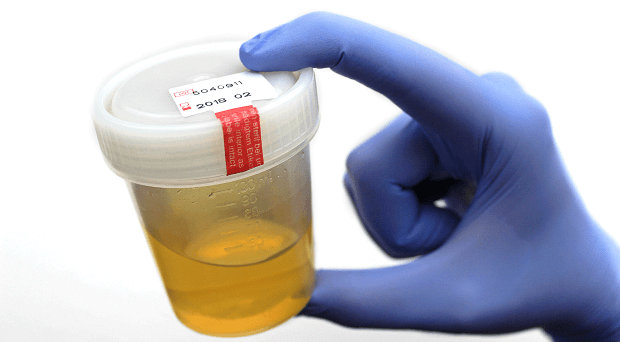
Viewpoint: JAMA falls short in ‘correction’ of research letter reporting glyphosate in urine

urine

In October 2017, the Journal of the American Medical Association (JAMA) added to the weight of evidence they care more about media attention than science by publishing a “Letter” claiming that glyphosate was detected in urine. Their media bait worked. For example, a journalist at TIME rewrote the press release and used Paul Mills, the lead author and adjunct at a California university for a quote, without bothering to use Google for five seconds and learn his degree came from Maharishi University of Management in Iowa, which teaches transcendental meditation and yoga and is not a legitimate school for anything scientific.

To help TIME out with future articles, I wrote about other similarly cosmic papers by Mills they could cover but that is not the point here. The point is that they dismiss conflicts of interest when the entire paper was rubbish – and that they engaged in conflicts of interest and used JAMA to sell their products are more weight of evidence they are suffering from an existential threat to their credibility.

Only [April 3rd] did JAMA finally correct the record, burying it way over in one of the tabs.

…

[H]ere is how JAMA soft-pedals a CoI disclosure that would be a full-on retraction at a quality journal. Bold mine.

Screen Shot at AM

Read full, original post: Urine, Glyphosate And JAMA: Conflicts Of Interest Bordering On Fraud Should Be Retracted