Review: Is evolution ‘God’s Word or Human Reason?’

darren naish

Is there a contradiction between religion and an evolutionary, Old Earth view of the natural world? While this varies from one religion to the next, scarcely any religion is specific enough to contradict, in detail, our scientific understanding of life, history, Earth and the universe as it has developed over recent centuries. Jonathan Kane et al.’s 2016 God’s Word or Human Reason? An Inside Perspective on Creationism had its beginnings in the 2007 opening of the Answers in Genesis (AiG) Creation Museum of Petersburg, Kentucky.

…

The title of this book – God’s Word or Human Reason? – is a response to AiG’s opening gambit: that the evolutionary, Old Earth view of science is merely the product of ‘human reason’ (AiG’s specific term), and that we do better to reject it in favour of accepting ‘God’s word.’

…

[A] religious Christian view would be that human reason is a gift from God, that God has left copious data by which we can evaluate the formation of the universe, the Earth, and the living things upon it.

…

While an atheist or non-Christian of any sort will find the book good and useful, it is predominantly written for Christians such that they appreciate the lack of contradiction between Christian faith and scientific knowledge.

Read full, original post: Book Review: God’s Word or Human Reason? An Inside Perspective on Creationism

Can CRISPR be used safely in humans? ‘It’s still an open question’

DSC CR

Biotech has been betting big on Crispr, the gene-editing technique that promises to snip away some of humanity’s worst diseases. But last May, a small case study suggested the much-hyped technology might actually be quite dangerous—and pop went the Crispr bubble, briefly tanking shares of Crispr companies like Editas Medicine, Intellia Therapeutics, and Crispr Therapeutics.

…

The now-retracted paper claimed that Crispr caused nearly 2,000 unexpected mutations—ten times previously observed off-target rates—in two mice that it cured of blindness. But just as that evidence should never have been enough to squash Crispr’s clinical potential, neither does retracting said paper prove it. If anything, the kerfuffle just proves how young the field is. There’s so little published data about the potential for Crispr’s unintended cuts that this single, flawed paper had an outsized effect on perception of the field. Can Crispr be safely used in humans? Retraction or not, it’s still an open question.

Not that scientists haven’t been trying to answer it. But developing trustworthy methods to detect off-target mutations has proven challenging. So far, they’ve come with about a half-dozen approaches; the fastest and most economical is something called targeted sequencing, where researchers look for rogue snips in areas an algorithm suspects they might show up. But that method won’t detect mutations that pop up in utterly unexpected places.

Read full, original post: A flawed study shows how little we understand about CRISPR’s effects

Viewpoint: Health Canada right to approve GMO Golden Rice as ‘safe for sale’

greenpeace activity do not approve golden rice x x

Health Canada’s decision to approve Golden Rice as safe for sale in Canada is the right move, despite complaints by some who are questioning why the government department is even looking at the genetically modified food.

The announcement came [in March], after Heath Canada concluded that Golden Rice “did not pose a greater risk to human health than rice varieties currently available on the Canadian market.”

[Editor’s note: Read the GLP’s fact sheet on Golden Rice]

…

The real issue with Golden Rice is that it’s a GMO, which Greenpeace and other opponents despise so much that they are willing to watch millions of people suffer and die rather than give an inch to science.

…

The opposition to Golden Rice has fomented political unwillingness to accept it in developing countries, so it appears that supporters are now turning to developed countries, whose food security system is well established. Canada is one of those countries. Australia and New Zealand have also approved Golden Rice.

Health Canada’s decision is a responsible humanitarian gesture that should be applauded.

Greenpeace and others who deny those suffering from vitamin A deficiency a chance to live in health and dignity are engaged in a cruel idealistic folly.

Editor’s note: This Western Producer editorial was written in collaboration by Karen Briere, Bruce Dyck, Barb Glen, Brian MacLeod and Michael Raine

Read full, original post: Health Canada is obligated to approve Golden Rice

Regulating fast-moving consumer genetic testing industry is no small challenge

genetics
Recently, Senate Minority Leader Chuck Schumer took a break from the tax bill debate to talk with reporters about genetics.

In a press conference, the New York senator criticized how direct-to-consumer genetic testing companies — outfits like 23andMe and AncestryDNA — discuss and handle users’ genetic information. “What those companies can do with all that data — your most sensitive and deepest info, your genetics — is not clear, and in some cases not fair and not right,” said Schumer.

“It shouldn’t be that they can sell it and the consumer doesn’t know,” he added.

Schumer called on the Federal Trade Commission to launch an investigation into genetic testing companies’ privacy and disclosure practices, though the commercial and regulatory tides seem — at least for now — to be going in the other direction. Discounted prices for 23andMe dropped below $50 earlier this year, and sales of AncestryDNA kits are breaking records: In the weekend after Thanksgiving, the company said it had sold around 1.5 million genetic tests. That’s more units than 23andMe sold in its first eight years on the market.

Last spring, for the first time, the Food and Drug Administration approved an over-the-counter test that tells consumers their genetic risk for a variety of conditions, from Parkinson’s and Alzheimer’s to Celiac disease and numerous blood diseases. And a new FDA policy announced at the beginning of November is likely to allow a wave of new, health-oriented genetic screening products to enter the market.

undark logoThe question looming over this exploding marketplace, of course, is whether consumer protections can keep up — and more pointedly, what fair, effective protections would even look like.

There’s a basic asymmetry at work in genetic testing: it takes just a few minutes to put some spit into a vial, sign a few disclosure forms, and pop your saliva in the mail. But that little bit of spit can yield volumes of deeply intimate data about your body. As Undark has reported in the past, that information can last for decades. It can be subpoenaed in court. It can be stolen. And it can be bundled and sold as a commodity.

And those data sales aren’t incidental: For direct-to-consumer companies, selling access to genetic information is a major source of profit. As a 23andMe board member told Fast Company in 2013, “The long game here is not to make money selling kits … Once you have the data, [the company] does actually become the Google of personalized health care.”

To adapt an adage about Facebook, when you use a genetic kit test, you are not just the customer — you are also the product.

Unlike genetic data collected in a hospital, the information that direct-to-consumer tests gather about you is not subject to the Health Insurance Portability and Accountability Act, or HIPAA, which places restrictions on how health care providers can share information about patients. State laws offer some regulations, but they vary widely from state to state.

Do consumers actually realize any of this? It’s all laid out in disclosures and consent forms, of course. But those forms are lengthy and technical, and, unless you’re a lawyer, they probably do not make much sense.

As a result, AncestryDNA’s 1.5 million new users might not realize that they have agreed to “grant AncestryDNA and the Ancestry Group Companies a royalty-free, worldwide, sublicensable, transferable license to host, transfer, process, analyze, distribute, and communicate your Genetic Information.”

genetics 1 16 18 2Asked whether most customers actually understand that part of the agreement, Eric Heath, Ancestry’s chief privacy officer, told me in an email that the statement should be read in its full context — among other things, customers retain ownership rights to their genetic information, and they can delete it from company databases. Heath added that the company would soon be updating its official privacy statement and terms, as well as the company’s “customer-friendly Privacy Center.”

Genetic data can also be subject to the whims of the market. Family Tree DNA’s eight-page-long privacy policy informs users that if the company is sold or dismantled, “Personal Information including test results will, as a matter of course, be one of the transferred assets.”

Some companies make an effort to provide more straightforward, user-friendly pages explaining what happens to all that genetic data. “I think that currently 23andMe is the standard bearer in terms of both transparency and disclosure,” said Kayte Spector-Bagdady, a bioethicist at the University of Michigan and a former associate director of the Presidential Commission for the Study of Bioethical Issues, echoing a point I heard from other experts. The company has a special page, with clear graphics and bright colors, that walks users through many of the ways their data will be used.

Still, as we talked, Spector-Bagdady started counting all the pages of forms that 23andMe customers still have to wade through. According to her, this includes 12 pages for the privacy policy, plus five more for the consent form. A few more pages lay out the terms and conditions. “And they all need to be read in conjunction to fully understand the scope of each individual document,” Spector-Bagdady said. “Transparency, of course, is not the same thing as informed consent.”

Not everyone feels protective of their genetic data. “I think for a lot of people, they just don’t really care. They just don’t necessarily consider their genetic data something they need to watch out for,” said Linnea Laestadius, a professor at the University of Wisconsin-Milwaukee who specializes in intersections of public health and data. She pointed out that having massive pools of genetic data is also necessary for a lot of research. It can be a rewarding experience for people to contribute to that kind of work. “The only bad thing is if people are doing it without fully realizing what they’re signing up for.”

Caveat emptor, perhaps. Regardless, there are troubling privacy-related scenarios. One would be some kind of security breach, in which hackers take large amounts of genetic information from a company. Unlike a credit card number, you can’t change your genome after the data has been stolen. Privacy policies aren’t always very comforting on this score: Family Tree DNA, for example, only assures users that “we use commercially reasonable efforts to prevent this.”

Another longstanding fear is that insurance companies will use genetic information to assess risk and penalize people with certain high-risk genetic markers. While the Genetic Information Nondiscrimination Act of 2008 blocks much of that kind of behavior, it has gaps that consumers may not be aware of, especially with respect to life insurance.

genetics 1 16 18 3And, finally, there are the questions — familiar from debates over internet privacy — of what exactly could happen when a handful of corporations, with limited public accountability, come to manage huge amounts of intensely personal, revealing data.

“We’ve had so many data breaches, and people just have this learned hopelessness about their ability to control their information,” said Pam Dixon, the founder and executive director of the World Privacy Forum, an advocacy organization. “So you get this sense of, ‘Oh well, my information is all over anyhow, so what difference does this make?’ Well, actually, this data is a little different.”

Privacy concerns affect different groups in different ways, too. “When it comes to communities of color, they’re disproportionately impacted by the lack of privacy, the lack of protection of their data,” said Christy Gamble, the director of health policy and legislative affairs for the Black Women’s Health Imperative. Gamble, who is working on a study of how communities of color perceive genetic privacy, expressed concern that long-standing fears about medical abuse, combined with concerns about privacy, may make it more challenging for people of color to take advantage of the benefits that these technologies offer.

Should the government take action on all of this? Will that simply involve pushing companies to make their practices clearer to consumers? Or does it require legislation that puts more restrictions on the sale of personal data?

Not everyone is convinced that the issue merits a significant government intervention. “We haven’t seen the harms come to fruition,” said Jennifer Wagner, a bioethicist at Geisinger Health System Research who has training in law and anthropology. If individuals want to give broad consent for the use of their data, Wagner added, “quite frankly, my personal opinion is that individuals should have the ability to do that, and that that’s not necessarily something that we need to be overly paternalistic about.”

Other scholars are more concerned — and more interested in regulatory remedies. “The problem Senator Schumer highlights is a very real problem, but it is not limited to direct-to-consumer genetic data,” wrote Barbara Evans, a scholar of biotechnology and law at the University of Houston, in an email to me. “It also affects, for example, data about your health that FDA-approved medical devices beam back to the device manufacturer, personal data stored by companies that sell fitness tracking devices or at-home sensors, personal data held by non-HIPAA-covered research laboratories and health IT providers, and many others.”

Few people question the idea that massive stores of genetic data have the potential to help scientists tackle all sorts of diseases. As these stores grow, after all, so too does the ability for researchers to spot telling patterns that would otherwise remain hidden in the tangled code of the genome. But that promise comes with sobering questions rooted very much in the here-and-now, and in the lives of ordinary consumers who may or may not know precisely what they are signing up for.

What does it even mean to give informed consent, for example, when your genetic contribution becomes part of a research continuum stretching far into the future? “It’s like an experiment, in that we learn more about genetics every day,” said George Annas, a legal scholar and bioethicist at Boston University who is known for his work on informed consent. “And so your consent is going to be more complicated tomorrow than it is today, just because there’s more known about genetics.”

When I brought this issue up with Spector-Bagdady, the Michigan bioethicist, she told me a story. In the 1980s, sperm donors would often sign consent forms that, among other things, promised them perpetual anonymity: They would give sperm, the sperm bank would seal their information, and their offspring would never be able to track them down.

A few decades later, genetic ancestry tests began to hit the market, and people started using them to find long-lost relatives. Any sperm donor, of course, could choose not to take the test. But as long as one of his known biological relatives (a sibling, a child) took the test, his sperm-bank-conceived offspring could discover the connection.

The consent forms in the 1980s weren’t wrong, exactly — indeed, they were “very honest at the time,” Spector-Bagdady said. They just couldn’t predict the future, so that just a few decades later, informed consent “has been rendered void by the advancement of science.”

Michael Schulson is an American freelance writer covering science, religion, technology, and ethics. His work has been published by Pacific Standard magazine, Aeon, New York magazine, and The Washington Post, among other outlets, and he writes the Matters of Fact and Tracker columns for Undark.

This article was originally published on Undark as The Present and Future Asymmetry of Consumer Genetic Testing and has been republished here with permission.


Strange bedfellows: American Academy of Pediatrics allies with Environmental Working Group, known for anti-science messages

academy png
Usually, when a major medical society makes a health-related statement, it’s trusted to have been vetted for scientific and clinical credibility. However, the American Academy of Pediatrics has, in some eyes, fallen short of duty by allying with a non-government organization known for opposing genetic modification and pesticides, and for its strong support of organic crops — all without much scientific support.

The organization, which is the main medical body for the country’s 66,000 pediatricians, has openly allied with the Environmental Working Group (EWG), perhaps most famous for its infamous list of “dirty dozen” pesticides found on foods. It’s a list that a number of reviews and studies have found to be grounded more in spreading fear of conventionally grown food than in science. The EWG also is known for its opposition to GMOs and conventional agricultural, and for a board that includes prominent members of the organic and natural food industries.

[More information on the EWG can be found in the Genetic Literacy Project’s profile here.]

The EWG and the pediatrics group have co-signed a letter to the US Environmental Protection Agency, questioning the agency’s approval of the pesticide chlorpyrifos (Dursban), and instead asking for a ban on the pesticide. The reason? EWG’s claim the pesticide can cause neurological problems in fetuses, infants and children. According to the letter, cosigned by both organizations:

We are deeply alarmed by EPA’s decision not to finalize the proposed rule to end chlorpyrifos uses on food – a decision that was premised on the need for further study on the effects of chlorpyrifos on children before finalizing a rule. We urge EPA to rely on the established science and to take action to revoke all tolerances for chlorpyrifos, as proposed in 2015. America’s children today and in the future deserve and demand no less.

At the medical association’s most recent annual conference, members heard from Philip Landrigan, who argued the “organophosphate pesticide, chlorpyrifos is now understood to be a potent cause of brain damage in children. Epidemiological and clinical studies show that exposure in utero is particularly hazardous.” Unfortunately, there are no studies that firmly establish this relationship, particularly in larger in vitro studies.

academy 1 10 18 3

The medical group also is following EWG’s lead in proposing that parents (and their doctors) choose organic foods over conventional ones. This, despite a 2012 report, in which the group concluded:

AAP has conducted an extensive analysis of scientific evidence surrounding organic produce, dairy products and meat. The conclusion is mixed: While organic foods have the same vitamins, minerals, antioxidants, proteins, lipids and other nutrients as conventional foods, they also have lower pesticide levels, which may be significant for children.

However, in the long term, there is currently no direct evidence that consuming an organic diet leads to improved health or lower risk of disease. However, no large studies in humans have been performed that specifically address this issue.

The organization was correct in that no study has found any significant nutritional or health advantage from organic foods. However, since that 2012 report, the agency has disseminated, by a number of means, more open support for organics, despite little to no change in the science underlying the debate.

Even in the report, the AAP advises doctors to steer patients to two groups known for their opposition to conventional agriculture: Consumer Reports, and the EWG:

When advice is sought by families concerned with the potential health impact of pesticide residues in food, direct them toward reliable resources that provide information on the relative pesticide content of various fruits and vegetables. Two such examples include:

a. Consumer Reports article (September 2008) “Fruits and Vegetables, When to Buy Organic” (http://www.consumerreports.org/health/healthy-living/diet-nutrition/healthy-foods/organic-foods/overview/when-to-buy-organic.htm) and

b. Environmental Working Group’s “Shopper’s Guide to Pesticides” (http://www.foodnews.org).

Dr. Nicole Keller, a pediatrician, AAP member and wife of an Illinois farmer, recalled a speaker touting organic food at the AAP’s latest national meeting:

academy 1 10 18 2“The speaker tried to educate me that Roundup was causing plant resistance and we needed to be careful with our overuse of that, too.” In addition, AAP speakers and reports have intimated that patients and families should be looking at organic foods in general, especially with regard to avoiding pesticide exposure.

Of course, resistance to Roundup is not a unique Roundup issue, but a popular one among anti-GMO activists. And organic farms also use pesticides, just different ones from conventional agriculture, and they’re not all free of toxicity.

Medical professionals are free to practice as they wish (within legal and ethical limits of course), but societies like AAP do govern practice parameters, and can lead discussions in specific directions. In this case, Keller said, discussions about organic food are taking a definitive turn. “The pro-organic mindset in medicine is very strong. People quote the dirty dozen all the time. Because doctors can afford the organic option, they figure why not decrease chemical exposure.”

One major problem with this mindset is the dearth of evidence showing organic food is healthier. The other problem is patients and families who can’t afford much organic food may skip fruits and vegetables all together, simply because of a fear of pesticides. Which is much more harmful than eating non-organic food.

Andrew Porterfield is a writer and editor, and has worked with numerous academic institutions, companies and non-profits in the life sciences. BIO. Follow him on Twitter @AMPorterfield.

Non-GMO Project label doesn’t mean product is non-GMO, Canadian Food Inspection Agency says

Non GMO Labelling

After forcing some companies to change their labels over complaints of the Non-GMO Project Verified seal, the Canadian Food Inspection Agency (CFIA) now says the “butterfly” label does not imply a non-GMO claim.

The regulatory enforcement change came last year, after complaints poured in from across the country regarding products that featured the Non-GMO Project Verified label, but didn’t meet the Canadian definition of a genetically modified organism (GMO). Some complaints were also filed when the label appeared on products where there are no genetically modified or engineered options on the market.

cfia logo…

It all comes down to a national standard in Canada that says if there aren’t genetically-engineered varieties available for a product’s ingredient(s), you can’t label it as non-GMO without a descriptor. For example, since there are no GMO oranges on the market, a non-GMO claim would have to state something along the lines of “like all oranges, these oranges are not a product of genetic engineering.”

…

University of Waterloo microbiologist and professor Trevor Charles made the original complaint against the company for the grape tomatoes label. He says the company’s claims are false and the label is just a marketing tactic. “The CFIA should have an issue with this label,” Charles says. “The marketers want to differentiate themselves when there is no difference at all.”

Read full, original post: CFIA now says Non-GMO Project Verified doesn’t mean non-GMO

Tracking the role of tau protein in Alzheimer’s

ht tau protein x jpg e

Jhon Kennedy’s relatives understood the illness they faced. For more than three decades, researchers there have been tracking a genetic mutation — common in the region — that causes Alzheimer’s to strike people in their 40s and 50s.

…

[New imaging procedures] will allow the researchers to track a protein called tau, which accumulates rapidly in the brains of people with the disease as symptoms begin to emerge. Watching tau form in real time could reveal the role it plays in Alzheimer’s, says Francisco Lopera, the neurologist who is leading the research.

…

The genetic mutation that affected Jhon Kennedy’s father and uncles is famous in the field of Alzheimer’s research. It probably arrived in South America with Spanish conquerors 375 years ago, and now affects 25 extended families in Antioquia with more than 5,000 members. Researchers have published dozens of papers about this group, including some of the clearest proof that amyloid plaques can accumulate in the brain decades before symptoms of Alzheimer’s appear.

..

Lopera and his colleagues want to determine how tau spreads through the brains of young people with Alzheimer’s, and whether that pattern mirrors the distribution of tau seen in elderly people with the disease. They hope to compare their results with data from two clinical trials of anti-amyloid drugs in the United States that have begun scanning participants’ brains for tau.

Read full, original post: Pioneering Alzheimer’s study in Colombia zeroes in on enigmatic protein

Viewpoint: 10 things everyone should know about autism

Tips Parenting Child Autism

I offer 10 things I wish everyone knew about autism. I’m a developmental and behavioral pediatrician specializing in autism spectrum disorder.

…

1. If you’ve seen one child with autism, you’ve seen just that: one child with autism.

…

2. We can often diagnose autism reliably by 2 years of age.

…

3. Autism is not caused by bad parenting.

…

4. So what causes autism? Many things: infections (e.g. congenital rubella, herpes), metabolic problems (like those tested on the newborn screen – low thyroid, PKU), substances/medications that a mother takes during pregnancy (e.g. alcohol, certain seizure medications), brain abnormalities (impacting the structure of the brain or the function of the brain, like infantile spasms), and many genetic abnormalities and syndromes.

…

5. Better outcomes are associated with earlier diagnosis.

…

6. At present, the evidence-based treatments for autism are educational/therapy related and not medical.

…

7. There are no biomedical treatments for the primary social impairment of autism.

8. There are other conditions that go along with autism. These include early loss of social and language skills, toe walking, intellectual disability, ADHD, sleep problems, gastrointestinal problems and wandering.

9. Above all else, children with autism are children.

…

10. What does the future hold for an individual child with ASD? […]Some remain minimally verbal and can’t live independently, while others are college students, young adults living independently and holding down jobs.

Editor’s note: Lisa Shulman, M.D., is a neurodevelopmental pediatrician at Albert Einstein College of Medicine

Read full, original post: 10 Things Everyone Should Know About Autism

Video: How CRISPR can help us feed the world

wheat harvest

Bread and chocolate are staples of the American diet. And a scientific team in California is working hard to make sure the plants they’re made from are as robust as possible. They’re using a recently discovered bacterial gene-editing tool called CRISPR to create more pest-resistant crops.

CRISPR is a feature of the bacterial defense system. The microbes use it like a molecular pair of scissors, to precisely snip out viral infections in their DNA.

Scientists at the Innovative Genomics Institute in Berkeley, California, are using CRISPR to manipulate plant DNA. Managing director, Susan Jenkins, says the technique is so much faster and precise than other plant transformation methods, it will likely increase the speed of creating new plant varieties by years, if not decades. “What CRISPR is going to allow,” she explains, “is for us to go in and make these changes, and then within one generation of the plant actually have the trait we want.”

Read full, original post: New Gene Editing Tool May Yield Bigger Harvests

Faulty wiring? Tracing damaged circuits linked to autism, schizophrenia

wiring

Neuroscientists today know a lot about how individual neurons operate but remarkably little about how large numbers of them work together to produce thoughts, feelings and behavior. What is needed is a wiring diagram for the brain—known as a connectome—to identify the circuits that underlie brain functions.

…

[I]n a paper published March 28 in Nature, an innovative brain-mapping technique developed at Cold Spring Harbor Laboratory (CSHL) has been used to trace the connections emanating from hundreds of neurons in the main visual area of the mouse cortex, the brain’s outer layer. The technique, which exploits the advancing speed and plummeting cost of genetic sequencing, is more efficient than current methods, allowing the team to produce a more detailed picture than previously possible at unprecedented speed.

…

The method, called MAPseq (Multiplexed Analysis of Projections by Sequencing), works by tagging cells with genetic “bar codes.”

…

One possibility is that the huge diversity of autism-linked mutations may all point to common wiring defects. “If we could find that, we might have a handle to understand the condition and maybe do something about it genetically,” [researcher Justus] Kebschull says. “We’re starting to work on that in the lab now.”

Read full, original post: “Bar Codes” Could Trace Errant Brain Wiring in Autism and Schizophrenia

Caught stealing GMO seeds, Chinese scientist gets 10 years in US prison

Screen Shot at AM

A Chinese scientist in Kansas was sentenced on Wednesday [April 4] to more than 10 years in a federal prison for conspiring to steal samples of a variety of genetically engineered rice seeds from a U.S. research facility, the U.S. Justice Department said.

U.S. District Court Judge Carlos Murguia in the District of Kansas sentenced Weiqiang Zhang, 51, a Chinese national living in Manhattan, Kansas, to 121 months in prison.

Zhang was convicted in February 2017 on three counts, including conspiracy to steal trade secrets and interstate transportation of stolen property, the department said in a statement.

“Today’s sentence demonstrates the significant consequences awaiting those who would steal trade secrets from American companies,” said John P. Cronan, DOJ’s acting assistant attorney general.

…

Zhang, who holds a doctorate from Louisiana State University, worked as a rice breeder for Kansas-based Ventria Bioscience Inc, which develops genetically programmed rice used in the therapeutic and medical fields. He stole hundreds of rice seeds produced by Ventria and stored them at his Manhattan residence, the statement said.

Read full, original post: Chinese scientist gets 10 years in U.S. prison over theft of GMO rice

No chemotherapy: Attacking cancer with immunotherapy ‘vaccine’

shutterstock e

A recent Stanford cancer study that cured 97 percent of mice from tumors has now moved on to soliciting human volunteers for a new cutting-edge medical trial. The trial is part of a gathering wave of research into immunotherapy, a type of treatment that fights cancer by using the body’s immune system to attack tumors. “Getting the immune system to fight cancer is one of the most recent developments in cancer,” [said] Dr. Ronald Levy, a Stanford oncology professor.

…

The treatment is not a true vaccine that creates lasting immunity, but it does feature a vaccine-like injection carrying two immune stimulators that activate the immune system’s T cells to eliminate tumors throughout the body. Each test subject receives a low dose of radiation plus two rounds of the injected agents, Levy said. No chemotherapy is involved. The treatment does not work on all types of cancer, Levy said, because each type of cancer has a different set of rules regarding how it can be affected by the immune system.

…

Side effects at this point include fever and soreness at the injection site but no vomiting, Levy said. He said if the FDA does end up granting final approval, he wouldn’t expect it any sooner than a year or two from now.

Read full, original post: Chemotherapy-free ‘cancer vaccine’ moves from mice to human trials at Stanford

‘Junk science’? Judge and UCLA scientist square off in glyphosate-cancer lawsuit

Returning to the witness stand, a scientist on Wednesday [April 4] defended her opinion that Monsanto’s popular weed killer Roundup causes cancer.

UCLA epidemiologist Dr. Beate Ritz was invited back to court after she and other scientists spent a week testifying in March about whether glyphosate, the active ingredient in the world’s most popular weed killer, causes Non-Hodgkin’s Lymphoma in humans.

Beate Ritz
Beate Ritz

Ritz’ testimony could advance more than 300 lawsuits filed against Monsanto and consolidated in a multidistrict case in San Francisco. The suits were filed by farmers and landscapers who say exposure to Roundup’s active ingredient caused them to develop cancer of the lymph nodes, organs crucial for a properly functioning immune system.

U.S. District Judge Vince Chhabria must decide whether there is adequate scientific evidence to support the plaintiffs’ claims against Monsanto.

Dismissing arguments that she failed to consider exposure to other pesticides in her analysis, Ritz told Chhabria … that “over-adjusting” the numbers can bias the results.

…

Ritz was responding to criticism from Monsanto and Chhabria, who last month dismissed some of her opinions as “junk science” because she failed to account for exposure to carcinogenic pesticides in her analysis.

Read full, original post: Scientist Defends Opinion That Roundup Causes Cancer

Rewriting life’s code: Researchers want to synthesize the entire human genome

R ZN RKQm RpA gyrAhRw
[Researcher George] Church is one of the leaders of an initiative called the Genome Project-­Write, or GP-Write, which is organizing the efforts of hundreds of scientists around the world who are working to synthesize the DNA of a variety of organisms.

…

Church and others who are working to synthesize human DNA have created their own effort…and its prospects for success have biologists abuzz over the potential for treating diseases and for creating bioengineered cells and possibly even organs. Critics, though, are scratching their heads over the technical challenges, high costs, and practicality…


…

Theoretically, scientists could one day manufacture genomes, human or otherwise, almost as easily as writing code on a computer, transforming digital DNA on someone’s laptop into living cells.

…

Church and his team are forging ahead. “We want to start with a human Y,” he says, referring to the male sex chromosome, which he explains has the fewest genes of a person’s 23 chromo­somes and is thus easier to build.

…

How this will play out in future years and decades is anyone’s guess. But the tools are being forged right now that might make it possible to do far more than add a few improvements, says bioengineer Pam Silver of Harvard: “The driver is your imagination.”

Read full, original post: The next best version of me: How to live forever

Should we use gene editing to save obscure tree ‘with no commercial value’?

c e

The growing forest health crisis is forcing scientists, conservationists, and the public to answer some of conservation biology’s thorniest questions. Will we be able to use biotechnologies on the frontier of plant science to rescue imperiled species? Should we? And when so many species are at risk, does it make sense to go to extraordinary lengths to save a tree like the Florida torreya that has a tiny historical range and no commercial value?

…

Safeguarding the torreya has been staggeringly complex. Unlike most plants, the tree has so-called recalcitrant seeds, which cannot be preserved in conventional seed banks because they can’t survive drying.

…

[T]he public is still jittery about genetic engineering. An impartial committee has been convened by the National Academy of Sciences to study “the potential of biotechnology to address forest health.” Its report is expected at the end of this year.

In part to sidestep the controversy, [researcher Jason] Smith is hoping to use CRISPR to, in his words, “toggle up” disease resistance in the Florida torreya’s own genes. Given the tree’s imminent extinction along the Apalachicola, he says, “regular breeding is too slow.”

…

[A]n easy techno-fix for Florida torreya is unlikely anytime soon.

…

What’s more, CRISPR has never before been used to restore a tree species’ fitness for life in the forest. “This would require more research,” [John Davis] says.

Read full, original post: For Endangered Florida Tree, How Far to Go to Save a Species?

Anti-GMO network protests Golden Rice commercialization in Philippines

orig

More than two dozen anti-GMO groups are meeting in the Philippines in a last-ditch attempt to stop the deployment of Golden Rice, long proposed as a way to combat potentially life-threatening vitamin A deficiency among young children in developing Asian nations, such as Bangladesh, the Philippines and Indonesia.

[Editor’s note: Read the GLP’s fact sheet on Golden Rice]

Gathering for a three-day conference at the luxury Madison 101 Hotel and Tower in Manila – advertised on the Internet as an “upscale hotel with a sleek contemporary vibe” and rooms offering flat-screen TVs and whirlpool tubs – about 100 members of the various NGOs comprising the Stop Golden Rice! Network held a protest [April 3] outside the Philippines Department of Agriculture. More activities were planned today.

Many of the groups involved receive funding from official European overseas aid sources to promote “peasant-based” and “ecological” agriculture. However, much of their activity seems to be opposing genetic engineering specifically and also trying to prevent a more general modernization of farming that could allow higher crop productivity, increased food security and decreased use of chemicals.

Read full, original post: Anti-GMO activists convene to target Golden Rice

25 years of GMO crops: Economic, environmental and human health benefits

Commercially Available GMOs Horiz

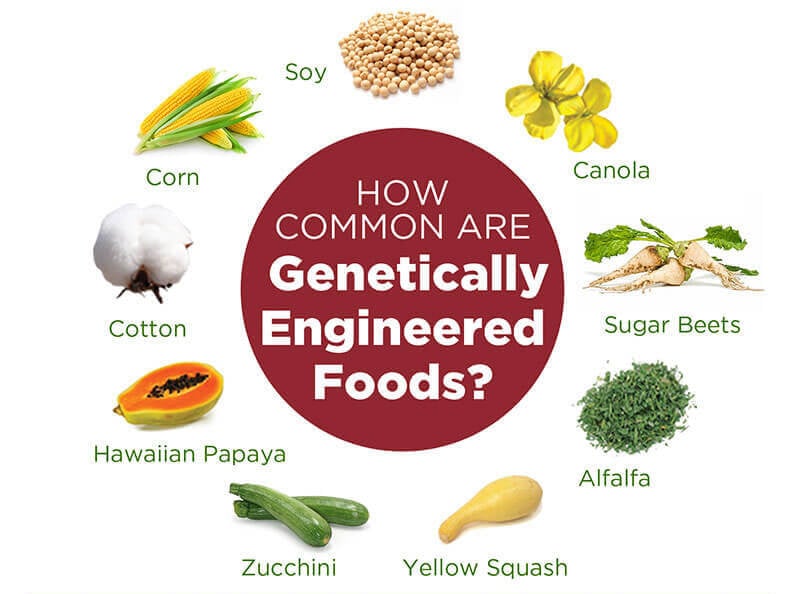
1994 is generally regarded as the first year of genetically modified crop production, the first being the GM Flavr Savr tomato in the US. The crops that will be planted in 2018 represent the 25th year of GM crop production. While many eNGOs of social media ‘celebrity’ rant, rave and troll that GM crops are the cause of every leading social, medical and environmental misfortune in existence, this could not be further from the truth. While GM crops celebrate their 25th production anniversary, these technologies have been researched for a decade longer. During this time, they have been proven safe countless times and will continue to offer more benefits as future technologies are commercialized. This blog summarizes and celebrates the global economic, environmental and human health benefits of GM crops over the past 25 years.

social e

Economic benefits

With the adoption of GM crops rapidly expanding, the benefits from the technology must be significant otherwise farmers would begin to return to previous crop options. Such economic benefits include:

  • Brookes and Barfoot estimated for2014, that the global economic benefits of GM crops exceeded US$17 billion, cumulatively reaching US$150 billion between 1996 and 2014.
  • Production increases have also improved global food security. Brookes and Barfoot estimate that leading up to 2014 an additional 158 million tonnes of soybeans and 322 million tonnes of corn have been produced.
  • In a meta-analysis of 147 studies on GM crop impacts, Klümper and Qaim found pesticide use has decreased 37%, yields increased 22% and farmer profits increased 68%.
  • Subramanian and Qaim found Bt cotton adoption in India raised vulnerable household incomes (those defined as living on less than $2/day) by 134%.
  • In the USA, Hutchinson and his group found GM corn adoption created an additional $6.8 billion in value, of which 60% went to non-adopters due to lower insect pressures.
  • According to researchers at the University of Saskatchewan, Western Canada experiences $350 – $400 million in annual benefits from the production of GM canola.
  • Yorobe and Smale found that the adoption of GM corn in the Philippines increased household income from $400/year to $600/year, that’s a 50% increase.
  • Vitale and colleagues calculated that Bt cotton adoption in Burkina Faso resulted in a profit of $150/ha versus $70/ha for conventional cotton.

Environmental benefits

GM crops have not just been about profits and yield growth, agronomic improvements have driven GM development, resulting in environmental benefits. The improved weed and insect control from GM crops has resulted in substantial environmental benefits through fewer chemical applications. Evidence of the environmental benefits of GM crops include:

  • Pray and colleagues found that Bt cotton adoption in China allowed farmers to spray less frequently, in some instances dropping from 30 applications per season to 3 but more commonly from 12 to 3-4.
  • Huang and colleagues observed that Chinese Bt cotton farmers had reduced insecticide applications by 71% from 14kg/ha to 4kg/ha. The spillover of environmental benefits from lengthy Bt cotton adoption found that in some non-Bt cotton fields the amount of insecticide used dropped from in excess of 40kg/ha to less than 10kg/ha.
  • Benefits of Bt cotton adoption in India were quantified by Subramanian and Qaim, reduced pesticide use by 41%.
  • In Western Canada, Smyth and colleagues found the environmental impact of chemicals applied to GM canola dropped by 53% when compared to the chemicals previously used on non-GM canola.
  • Globally, Brookes and Barfoot calculated that CO2 emission reductions from GM crops were equal to removing 10 million cars from the road for one year.
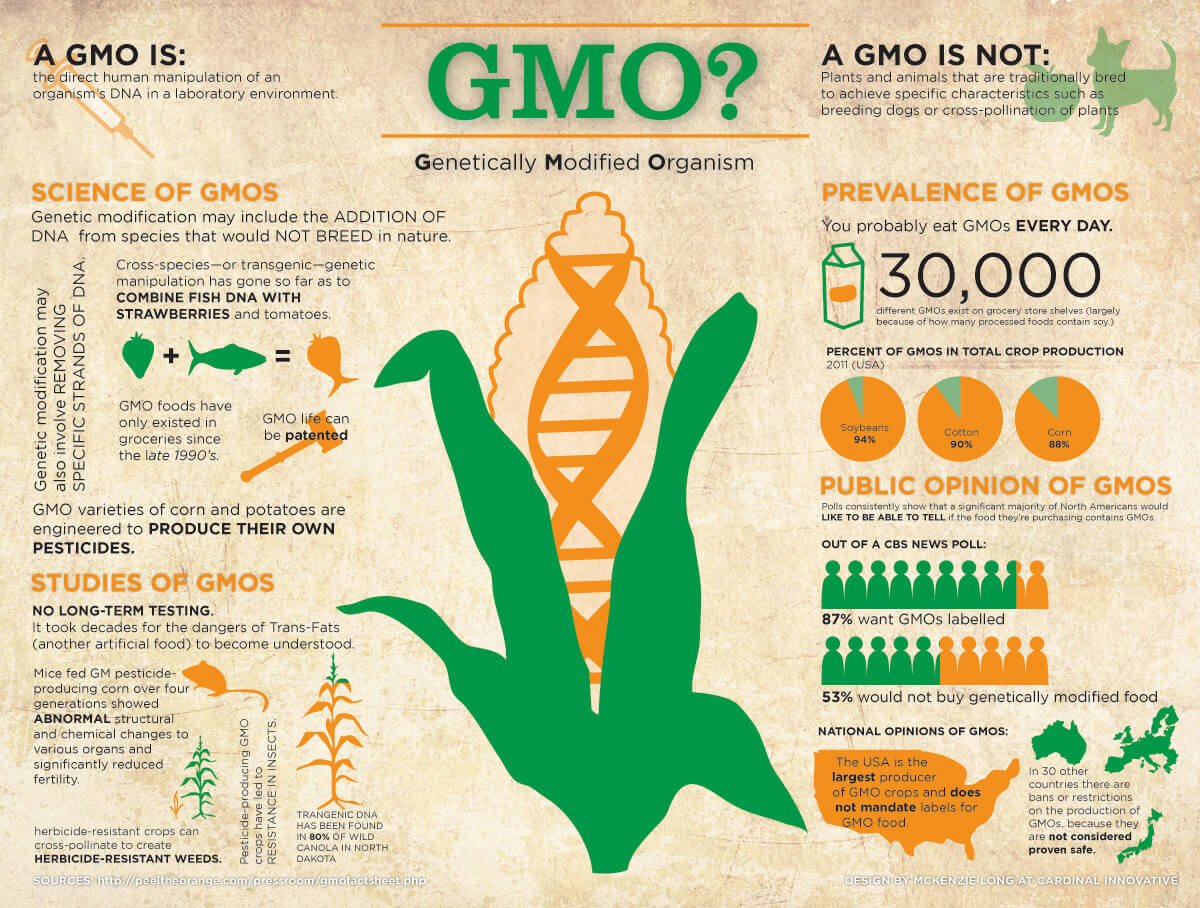
what are gmos
Click image to enlarge

Human health

Some of the most significant benefits from GM crops, yet least recognized, are the health and lifestyle benefits. Identified benefits in this area range from:

While those opposed to GM innovation in agriculture continue to advocate there have been no benefits from GM crops, the above evidence totally refutes these claims. The adoption of GM crops has resulted in economic benefits for farmers, reduced chemical use in the environment and most importantly a reduction of millions of cases of pesticide poisoning. Not to mention, these benefits are not only gained by developed nations but have had significant impacts in developing nations, helping agricultural regions leap from agrarian to modern practices. The time has come to stop denying there are no benefits from GM crops or to be called out a lack of ethics and morals.

Stuart Smyth is an assistant professor in the department of agricultural and resource economics at the University of Saskatchewan. Follow him on Twitter @stuartsmyth66

This article was originally published at Sustainable Agricultural Innovations & Food as “Twenty-Five Years of GM Crop Benefits” and has been republished here with permission.

We know the placebo effect is biological. Is it also genetic?

Screen Shot at AM
Observed since the start of medical practice in ancient history, the placebo effect refers to the response people have to being treated — even though the ‘treatment’ in the placebo sense is a sham (in most cases dummy tablets, capsules, and the like made to look like an actual drug therapy).

It was first formally identified in 1955, in an article by Henry Beecher, “The Powerful Placebo”, in the Journal of the American Medical Association. According to an article by medical writer Susan Perry:

While treating wounded American soldiers during World War II, Henry Beecher ran out of pain-killing morphine. Desperate, he decided to continue telling the soldiers that he was giving them morphine, although he was actually infusing them with a saline solution. Amazingly, 40 percent of the soldiers reported that the saline treatment eased their pain.

What’s been incredibly interesting in clinical trials over the last several years and captured in excellent and groundbreaking works by Irving Kirsch and Ted Kaptchuk, is that the placebo effect has appeared to get ‘stronger,’ meaning that the magnitude of its effect has increased. What this looks like in practice is that the response of the group of subjects in a clinical trial which receives the placebo compared to the actual drug looks remarkably similar to the treatment group (getting the actual drug). This makes it very difficult in some cases to advance new drug therapies, because if the placebo ‘arm’ of the clinical trial performs so well, then the actual drug therapy has a harder time meeting the criteria for statistical significance in doing better than the placebo—which is a requirement for approval to market the drug.

As Perry explains it, the placebo effect appears to depend on a combination of verbal suggestions, observational cues and conditioning which together create expectations that activate the brain’s reward system. When people believe that a placebo is a real drug, brains produce more dopamine, a -Miracle_Cure!-_Health_Fraud_Scams_(8528312890)brain chemical strongly associated with reward and pleasure. So the biological effects of a placebo are similar to those of other pleasurable experiences, such as eating when hungry or drinking when thirsty.
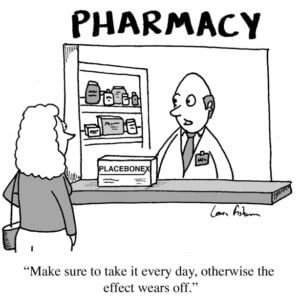
Some new research shows an association that at least part suggests the placebo effect has a basis in human genetics as well as human biology. The researchers looked at different gene variants of a gene called ‘COMT’ which regulates the level of dopamine in the brain. They found a correlation between higher-dopamine variants of the gene and likelihood to report a placebo response. The trial groups were split in the following way:

Trial group 1: No treatment; The subjects were told that they couldn’t get treated anytime soon and were put on a waiting list

Trial group 2: Fake acupuncture was administered by an unfriendly participant

Trials group 3: Fake acupuncture was administered by a compassionate participant

The design of clinical trials is such that a drug treatment is measured against a placebo, or sometimes a comparator drug. But the placebo effect itself is very powerful–the placebo group in a trial isn’t receiving ‘no treatment,’ it’s receiving a ‘placebo treatment.’placebo-effect-one-a-day

By the very etymology of the word, placebo means ‘I shall please’ in Latin. The treatment is itself the
administration of care, of listening, of the so-called ‘bedside manner’ in some cases. What clinical trials aren’t robustly measuring is the effect of drug and sham (dummy treatment) against a third baseline: no treatment. The assumption is that placebo represents the lack of treatment, but the placebo group is still receiving treatment, sham pills, check-ups, observation, etc. All of this creates something of an observer effect that changes behavior and expectancy of symptom resolution. Additionally, and not of minor importance, are the ethical practice considerations surrounding placebo and sham treatments.

This is hardly an open-and-shut topic, as finding a few genetic correlates does not tell us about the underlying causal mechanism or if the detected effect works in the same way via the same gene for any drug (though this does continue the discussion about progressing genetic screening to identify differential drug effects, placebo response, and overall better personalized medicine). Also, many tests of the power of placebo are run in non-standard ways and with ‘no treatment’ groups, and comparing results meta-analytically against actual drug clinical trials is very difficult to do–at least to draw reliable conclusions from.

To add additional gravity to the topic, it should also be mentioned that the placebo effect isn’t necessarily ‘just in the mind’; A review of arthroscopic partial meniscectomy (knee surgery) vs. sham surgery in the New England Journal of Medicine concluded that “The outcomes after arthroscopic partial meniscectomy were no better than those after a sham surgical procedure.”

Ben Locwin is a behavioral neuroscientist and astrophysicist with a masters in business, and a researcher on the genetics of human disease. BIO. Follow him on Twitter @BenLocwin.

Gene-edited crops vs GMOs: What’s the difference—and why does it matter?

gene editing plants

Gene editing has an advantage over genetic modification for several reasons. It’s more precise than GMO processes, and technology keeps getting more reliable. It’s also relatively cost-effective compared to other methods, meaning more scientists could gain access to it. All of these advantages mean more potential innovation.

How successful gene editing is, though, will also depend in large on how it’s perceived. Some of the public is still resistant to GMOs, and genetically edited crops (GECs) could face some of those same problems.

They do have one advantage over GMOs in this department though. Because they don’t introduce foreign genes to the crop, consumers might view them as more natural and therefore more appealing. However, there will still be some who will take issue with this so-called “Franken-food.”

Gene editing has several potential uses, but the most impactful and most soon-to-be-realized will likely be in the agricultural space. It will have many of the same applications as GMOs but hopefully with broader acceptance.

Scientists could potentially create GECs that stay fresh longer, are resistant to drought, insects, and disease, grow bigger and taste better, among other things.

Read full, original post: Will gene editing be suitable for agriculture?