[A controversial op-ed] by David Reich, a professor of genetics at Harvard, […] carefully advanced the case that there are genetic variations between subpopulations of humans, that these are caused, as in every other species, by natural selection, and that some of these variations are not entirely superficial and do indeed overlap with our idea of race. This argument should not be so controversial — every species is subject to these variations — and yet it is.
…
The danger in actively suppressing and stigmatizing this inconvenient truth, he maintains, is that a responsible treatment of these genetic influences will be siloed in the academic field of genetics, will be rendered too toxic for public debate, and will thereby only leak out to people in the outside world via the worst kind of racists and bigots who will distort these truths to their own ends.
…
[In a response, Ezra Klein] argued that, given rising levels of IQ, and given how brutal the history of racism against African-Americans has been, we should nonetheless assume “right now” that genes are irrelevant.
…
[I]f we assume genetics play no role, and base our policy prescriptions on something untrue, we are likely to overshoot and over-promise in social policy, and see our rhetoric on race become ever more extreme and divisive.
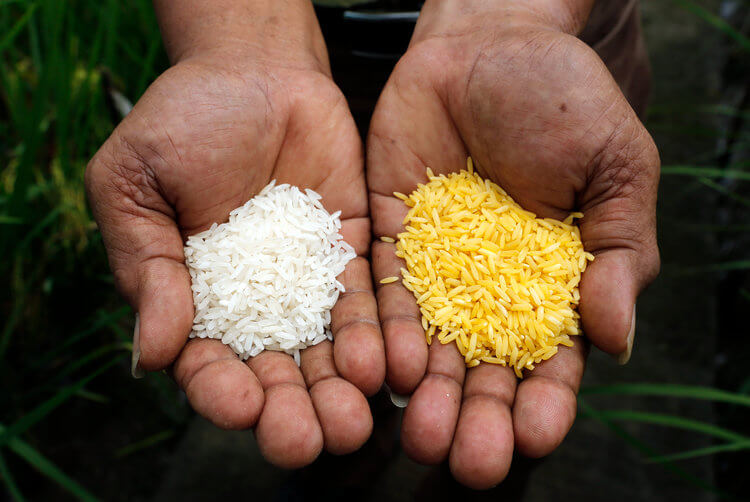
The genetically-modified organism (GMO) known as “golden rice” will not significantly address hunger or Vitamin A deficiency (VAD) in the country, according to a government agency.
During the ongoing Stop Golden Rice! Network (SGRN) International Conference, the National Anti-Poverty Commission (NAPC) has joined a regional coalition of farmers, consumers, and environment activists from different countries in rejecting the impending commercialization of golden rice in the Philippines.
The groups opposed the use of genetic modification, which generally meant altering the natural gene pool, until there are enough studies that could disprove its risks to human safety and biodiversity.
“There was no comparative studies between GR2E (golden rice) and other varieties to see if it can lessen Vitamin A deficiency, the reason why the golden rice variety was made,” NAPC secretariat Liza Maza said.
Based on reports collated by the agency in a dialogue with basic sectors, it showed that the controversial crop “poses health risks and threatens the livelihood of peasant communities.”
…
[T]he crop’s initial field testing in 2013 was turned into a fiasco after farmer groups forced their way into DA’s experiment plot and uprooted the crops that were being tested.
Read full, original post: ‘Golden rice’ will not address Vitamin A deficiency, hunger—anti-GMO coalition
Through an emerging technology called in vitro gametogenesis (or IVG), scientists are learning how to convert adult human cells—taken perhaps from the inside of a cheek or from a piece of skin on the arm—into artificial gametes, lab-made eggs and sperm, that could be combined to create an embryo and then be implanted in a womb. For the infertile or people having trouble conceiving, it would be a huge breakthrough.
…
[M]odern gene-editing technologies such as Crispr-Cas9 would make it relatively easy to repair, add, or remove genes during the IVG process, eliminating diseases or conferring advantages that would ripple through a child’s genome. This all may sound like science fiction, but to those following the research, the combination of IVG and gene editing appears highly likely, if not inevitable.
…
Used together, we can imagine would-be parents who have genetic diseases, or are infertile, or want to confer various genetic advantages on their children going to a clinic and swabbing their cheeks or losing a little piece of skin.
…
[H]ow can we know for sure that children born using IVG and gene editing won’t get sick later in life, or that their descendants won’t lack an important adaptation?
…
“Fear of the unknown and unquantifiable risks shouldn’t absolutely prohibit us from making interventions that could have great benefits,” [says Harvard Medical School dean George Daly.]
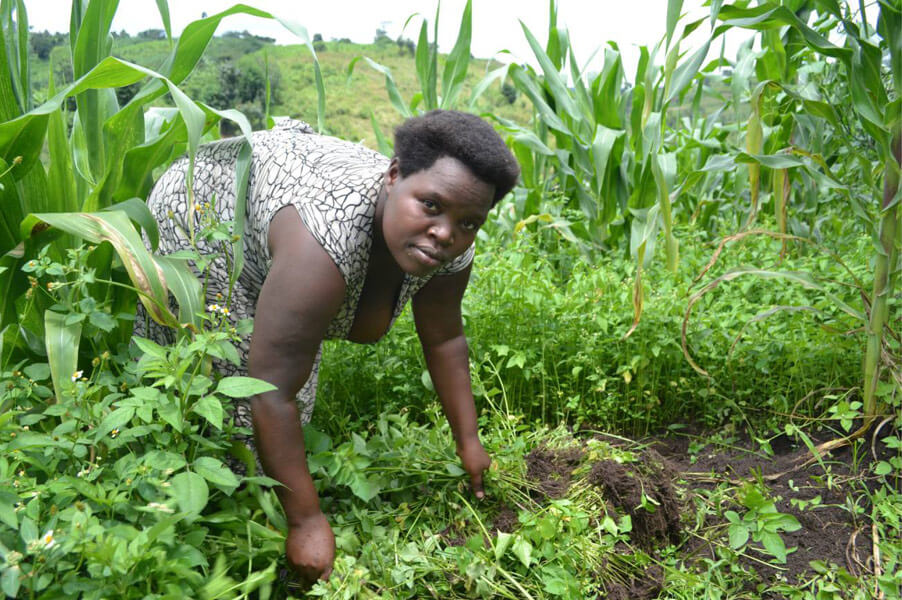
Efforts to get products of modern agricultural technologies, such as GM crops, into the hands of farmers have so far been stymied by the absence of an enabling national policy. Uganda’s National Biosafety Act, passed by Parliament in October 2017, was referred back to lawmakers by President Museveni, who cited concerns that he felt needed to be addressed.
Such political deadlocks only serve to accentuate the quandaries faced by small-holder farmers, the majority of whom are women, in developing the country’s agriculture. By blocking or limiting access to innovative agricultural technologies, not only is the government of Uganda stifling agricultural progress but also going against contemporary efforts aimed at gender equality, inclusion and social justice.
Female farmers … cannot achieve gender parity on their own. Uganda and other sub-Saharan African governments need to reaffirm their commitment to empower the female face of agriculture. Facilitating equitable access to agricultural technologies is a key component of the growing global momentum toward gender equality and its associated benefits. For small-holder farmers … this access also could mean the difference between food security and hunger.
Editor’s note: Joshua Raymond Muhumuza is a research assistant with Uganda Biosciences Information Center
[T]he first analyses of Neanderthal DNA seemed to indicate that Neanderthals and modern humans did not interbreed. But this popular idea is in need of revision, particularly given the number of important findings across Asia over the past few decades.
…
What happened when different hominin populations in Asia actually met? We can glean some clues through genetics, archaeology, and the fossils themselves. Several recent studies show conclusively that modern humans, Neanderthals and Denisovans regularly interbred, and that a ghost lineage (maybe H erectus) might have also contributed DNA too. Generally the percentage of Neanderthal DNA in modern humans is fairly low, in the range of 1-4 per cent, which seems to suggest that humans and Neanderthals interbred as far back as 270,000 years ago
…
What else might be exchanged besides genes when different hominin populations meet? Here is where the archaeological record might be able to contribute. Symbolic behaviour appears through ochre pigments, perforated shells, stones, pendants and much else besides – they are signs that hominins were using and manipulating symbols. It’s long been thought that these are solely the products of modern humans, and are not a core part of other hominins’ behavioural repertoire.
…
There is still a tremendous amount of research to do in Asian palaeoanthropology. The increasing number of contributions coming out of Asia is forcing scholars to rethink how they view various modern human origin models.
Editor’s note: Christopher Bae is a professor of anthropology at the University of Hawai’i at Mānoa
As a Professor of Chemistry and University Presidentwho in a small waypioneered environmental science and food technology in the 1970s at the J’pura university, and as a supporter of scientific agriculture, I wish the Minister success in re-approving … glyphosate….
…
The farmer has to control weeds and pests. … The herbicide has a safe track record of over fourdecades in all advanced farming countries, with some countries using almost a thousand times Sri Lanka’sannual usage per hectare of agrochemicals and pesticides.Nevertheless, large amounts of fake “research” news against these pesticides reside in the internet.Individuals selling their products claiming to “detoxify” and “rejuvenate” clientssellalternative dietsto “save the earth, save the environment, and “fight agro-business”. Even the GMOA [Government Medical Officers’ Association] has fallen for this, and some medicsare undoubtedly avid readers of questionable Internet “Gurus” like Dr. Mercola or Dr. Stephanie Seneff. The latter has spun theories “proving the toxicity of glyphosate”and sells a program that guarantees a life span of 110 years (free of glyphosate!) if you adhere to it, for a fee.
…
Given this political backdrop, the ban on glyphosate was effectively based on pseudo-science and political propaganda.
In humans, the profound biological differences that exist between the sexes mean that a single male is physically capable of having far more children than is a single female…So it is that, as measured by the contribution to the next generation, powerful men have the potential to have a far greater impact than powerful women, and we can see this in genetic data.
…
[B]y searching for genomic signatures of past variability in the number of children men have had, we can obtain genetic insights into the degree of social inequality in society as a whole, and not just between males and females. An extraordinary example of this is provided by the inequality in the number of male offspring that seems to have characterized the empire established by Genghis Khan.
…
A 2003 study led by Chris Tyler-Smith showed how a relatively small number of powerful males living during the Mongol period succeeded in having an outsize impact on the billions of people living in East Eurasia today. His study of Y chromosomes suggested that one single male who lived around the time of the Mongols left many tens of millions of direct male-line descendants.
…
Tyler-Smith and his colleagues called this a “Star Cluster” to reflect the idea of a single ancestor with many descendants…The date coincides with that of Genghis Khan, suggesting that this single successful Y chromosome may have been his.
…
Star Cluster analysis provides insights about shifts in social structure that occurred in the deep past that are difficult to get information about in other ways.
Editor’s note: David Reich is a professor of genetics at Harvard Medical School
Alan Kemper, a farmer from Lafayette, Indiana, and former president of both the American Soybean Association and National Corn Growers Association, woke up early Wednesday [April 4] to see soybeans down 40 cents. He said he thinks it could get worse if China moves ahead with its announcement to slap a 25% higher tariff on soybeans.
[Editor’s note: 94 percent of soybeans grown in the US are genetically modified.]
Chinese officials responded quickly Wednesday [April 4] to the Trump administration’s proposed 25% tariffs on $50 billion in Chinese imports by announcing higher tariffs on 106 more U.S. commodities, including soybeans.
The new reciprocal tariffs will be on products including soybeans, automobiles and chemical products, worth a total of $50 billion. Soybeans are at the top of the list.
The Chinese Ministry of Commerce did not indicate when the tariffs would take effect. If the tariffs do go into effect, the tariffs on soybeans would go from 3% to 28%, according to the USDA Foreign Agricultural Service.
The new battles over trade seem to dial back decades of work by commodity groups to build demand.
“We’re not helping our farmers at all right now,” Kemper said, pointing to the immediate price decline overnight. “It just kind of burns me that one person’s voice can overstep all of our gains in a breath or two.”
That many forests in the United States are suffering health crises is not in question. Much of this troubling condition, however, has come as a result of human activities. The global trade in wood chips, raw logs and live trees has imported invasive plants, disease and insects. Over-logging and soil compaction make natural forest regeneration difficult. And acid rain from Midwest smokestacks kills off the mountaintop forests of the Northeast.
…
The use of biotechnology in forests, as the National Academies is examining, is yet another ill-conceived human intervention likely to add to, not alleviate, forest health crises. The body is debating the intentional release of trees genetically engineered in ways that could never occur in nature, with no knowledge of the long-term social or ecological risks.
…
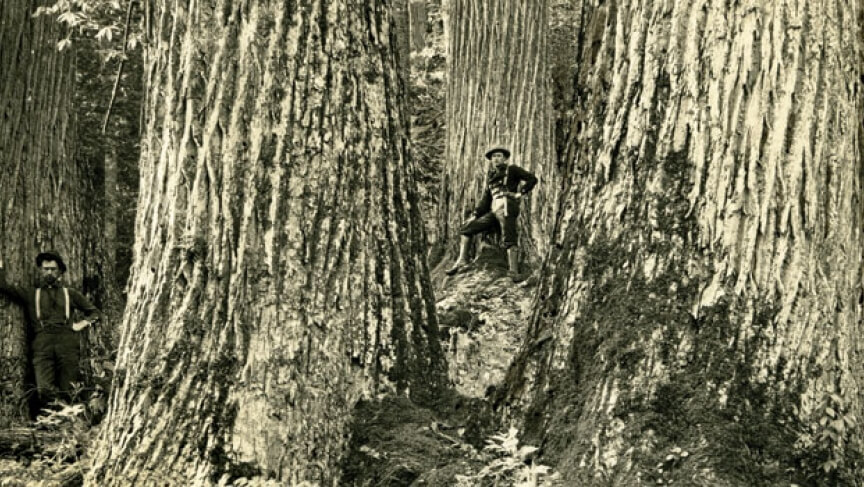
The risks of tampering with the genes of trees are unknown and unknowable. Yet the GE American chestnut is planned for release into forests with the intention of contaminating wild trees with their engineered pollen. The goal: replace wild American chestnuts with engineered ones.
…
Attempts to promote forest health by circumventing evolution and genetically engineering trees, however, is bound to fail, with potentially irreversible impacts on the very ecosystems they ostensibly are intended to help. Any real strategy to address forest health crises must confront the underlying causes and include impacted communities in the decision-making process.
Editor’s note: Rachel Smolker is a co-director of Biofuelwatch and is on the board of Global Forest Coalition. Anne Petermann is executive director of Global Justice Ecology Project and coordinator of the Campaign to STOP GE Trees. Rachel Kijewski is a GE trees campaigner for Global Justice Ecology Project and a member of the Campaign to Stop GE Trees Steering Committee.
On 28 March, USDA Secretary Sonny Perdue announced that “USDA does not regulate or have any plans to regulate plants that could otherwise have been developed through traditional breeding techniques as long as they are not plant pests or developed using plant pests.”
This is a big deal and a very good thing. While it doesn’t go far enough, it promises to help protect the powerful new tool of “gene editing,” from being smothered in its cradle by the irrational fears that have hobbled traditional “GMOs” over the past three decades. Many of the improvements to plants and animals being done through gene editing could be accomplished with traditional breeding, albeit more slowly, with less precision, and at greater cost. And innovators have been worried they might be stifled as “GMOs” have been. For no legitimate reason, “GMOs” (a meaningless and misleading term) have been discriminated against by governments around the world who have caved in to luddites and special interests pushing fear campaigns favoring obsolete and unsustainable (organic) approaches to agriculture. In spite of this, “GMOs” have still managed to create hundreds of billions of dollars in economic value and deliver enormous benefits to consumers, farmers and ranchers, and the environment. But this past is merely prologue.
Current rapid advances in gene editing have expanded our understanding and appreciation of the living world in a way that beggars anything that came before. There are many developing applications of “gene editing,” of which there are several siblings (zinc finger nucleases, TALENs, meganucleases…) but among whom the tall poppy is something known as CRISPR.
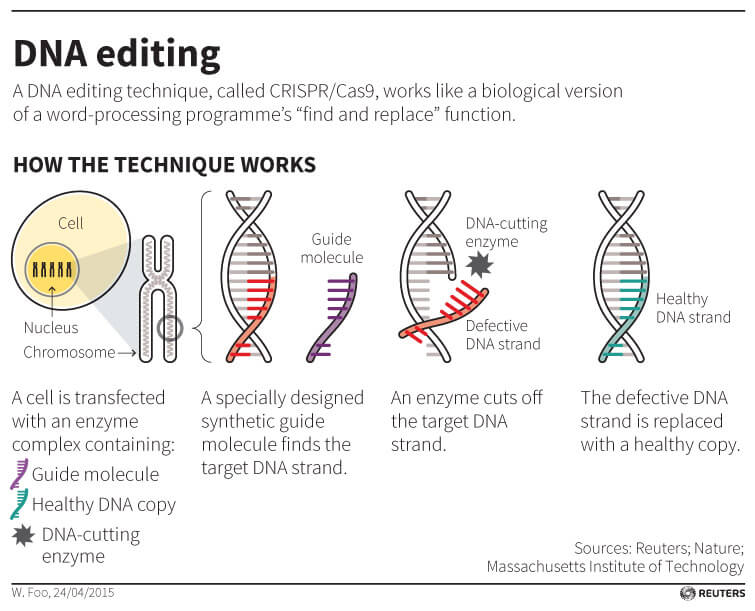
So what is CRISPR? We all know what word processing is: using software developed for the purpose allows us to compose text, and revise it at will by changing one letter in one word at a time, duplicating or deleting text chunks of any size, or by cutting and pasting letters, words, paragraphs or pages from anyplace we find them to any place we want to put them. Substitute “gene” for word in the above paragraph, and “letter” for “nucleotide base pair” and that’s gene editing.
CRISPR is something scientists discovered widely distributed in nature. It is effectively a bacterial immune system, a process that evolved to help bacteria protect themselves against the constant threat from viruses. It allows bacteria to recognize hostile viruses and disable them before they can take over the bacterium, use it to make myriad more viruses, and then discard the bacterium once it’s been used up. Scientists have found such systems throughout nature, and in seeking to understand, and then to harness its capabilities, have given us now the power to copy edit the book of life to solve problems we face.
With these new tools, some important questions loom. What should “the authorities” do to make sure that good stewardship of these developments allows us to reap their benefits without creating undue risks? What kinds of risks do they actually carry, and how might those be managed and mitigated? In other words, how should this stuff be regulated? USDA has signaled their intent not to over-react, breaking the pattern set by too many governments in the past, and many folks are presently grappling with these questions, on which reasonable people have room to disagree.
But note that asking “How should these things be regulated?” leapfrogs the prior question of whether, in fact, these things need to be regulated at all. What, in other words, is the purpose of regulation?
We don’t regulate products to eliminate risk. Zero risk is not an achievable objective. But we can and do regulate to eliminate “unreasonable risk” and manage and mitigate to ensure potential risks do not become unreasonable. Avoiding unreasonable risk has been the explicit objective of US agricultural biotechnology policy since its inception in 1986.
Closer examination of the potential for risk should clarify how it ought to be managed or mitigated. What novel risks, if any, do the products of gene editing present to humans or the environment? If there are no novel risks here, if the kinds of risks (i.e., exposures to a hazard) that will come with these products are familiar to us from our past experience, then the question becomes “Are our means for managing/mitigating these familiar risks adequate to deal with any from these new products?” If the answer is “yes” we’re home free; existing laws are sufficient to enable regulators to prevent unreasonable risks. But if there are novel risks, new hazards and exposure pathways we have not seen before, then exactly what are they? And what level of risk do they entail? In other words, how much regulation do they need if we are to prevent unreasonable risks?
This ground has been plowed before. In the 1980s, an explosion in new capabilities thanks to genetic engineering prompted the same kinds of questions: How should things made with “recombinant DNA techniques” (i.e., “GMOs”) be regulated? Should they be regulated at all? Do they present novel risks? How can we manage any risks to avoid unreasonable risks? Years of workshops, symposia, studies by the National Academies of Science and similar bodies, the former Congressional Office of Technology Assessment, and numerous Congressional hearings laid the groundwork for U.S. policy which was set forth in 1986, known then and today as the “Coordinated Framework.” It was grounded in the global scientific consensus that genetic engineering does not present any novel risks.
Scientists around the world agreed that despite the power of the emerging technologies, anything produced with them would still be defined by its own characteristics. Whatever hazards they might carry are irrelevant unless they lead to exposure, and all the hazards scientists and regulators and the public have imagined are familiar: increased resistance or susceptibility to diseases, pests, environmental constraints, potential changes in toxicity or allergenicity, non-target impacts. All these are familiar and were and remain covered by existing regulatory authorities. Hence, experts in the past agreed that while there might be a need for a traffic cop to disentangle overlapping or competing jurisdictions, there didn’t and don’t appear to be any risks that fall between the cracks, nor any obvious or apparent pathways to unpleasant surprises. And so events have borne out, as the National Academy of Sciences recently reaffirmed for the eleventh time.
So we have a proven model – regulate things according to their own properties, which are the vehicles that convey risks or benefits, and not by the manner in which they were developed, which is opaque and irrelevant to the end user. This contrasts with the process-focused precautionary approach taken by Europe and some other countries. This counterintuitively imposes, in the name of “precaution,” the highest level of scrutiny on products derived from the most modern, precise, and predictable methods. This has stifled agricultural innovation in those countries and led to massive flight of talent and capital to the United States. And it is clear most of those countriesdesperately want to avoid making the same mistakes with gene editing, for they do not want to be left behind, either in the development or use of these technologies.
CRISPR was used to develop non-browning mushrooms, which the USDA said they would not regulate as a GMO.
What could go wrong? Any tool can be misused by someone with ill intent, and regulation will not stop such misuse as any such misuse is already against the law. The use of this technology in agriculture generally comes down to improvements in plant or animal breeding, which means improved seeds or livestock. If there is ever a risk, those would be the primary vectors. So let us consider some concrete examples. What are the likely products of gene editing closest to the market?
Dairy cattle. Unlike most beef cattle, dairy cattle usually have horns. And since each and every (horned) dairy cow interacts with humans frequently, often several times a day, horns present a non-trivial risk. Consequently, most dairy cattle are dehorned as calves. This is not a pleasant procedure, for either the calf or the human performing it. But researchers at the University of California, Davis, have found a better way. Using gene editing they have shut down the gene in dairy cattle that encodes for the growth of horns. And better yet, this phenotype replicates something that happens naturally, and with which we are already very familiar through other cattle. So it should be no big deal, right?
Sadly, it’s been made into a big deal. Through a rigid interpretation of their legal authority under the federal Food Drug and Cosmetic Act (FDCA) the FDA has decided they want to treat this and other gene edited animals as if the edited gene is a new animal drug, and must be subjected to the years of scrutiny and expense drug approval entails. The foolishness of this has been well described, as well as the policy failure in FDA’s inability to find a way to exercise the discretion Congress clearly intended them to use. But far from responding wisely to such constructive criticism FDA seems intent on moving ahead with a misguided policy that would not improve safety but will definitely crush innovation. The situation is so intolerable the livestock industry has risen in revolt, demanding Congress prohibit FDA from doing so and assign the authority to less hidebound and ideological stewards at USDA.
The story in USDA’s area of responsibility is much happier, even before Secretary Perdue’s recent announcement. Since 2011, USDA has been helping innovators determine if their products need to go through the full regulatory gauntlet or if there might be a quicker way to decide whether or not that’s really justified. Through the “Am I Regulated?” process developers can bring their improved seeds to USDA for an initial screening to determine if there’s sufficient potential for problems to call for a closer look. The process is not perfect, but is better than anything the FDA has come up with, and has established a strong track record of risk-based evaluations that have helped clear the way for innovators to innovate.
Another example of a new product developed through gene editing is the mushroom that resists browning. Researchers at Penn State used gene editing to turn off the gene in mushrooms that produces an enzyme that causes browning. This so-called “null” mutation mimics something that happens frequently in nature, in this case with completely harmless results. It is the exact same “loss of function” mutation that naturally produced golden raisins, or sultanas, that humans have been consuming for many years with no ill effects and without benefit of prior government approval. This mushroom was in fact scrutinized by USDA and found not worthy of further review –not exactly the “escape” from regulation many news items reported, which begs the reminder: the purpose of regulation is to avoid unreasonable risk, not to perpetuate and expand regulations for the sake of regulation.
So where does all this leave us? This is plant and animal breeding, not rocket science. Seeds and animals do not blow up on the launch pad once in every hundred countdowns. Until and unless it can be shown that the use of “gene editing” imparts characteristics to the final product that present novel, unfamiliar, and unreasonable risks, there is no case for regulating them differently than products derived from other methods. Regulatory scrutiny should be confined “to the novel properties of improved organisms.” Time to let a thousand flowers bloom.
Val Giddings is Senior Fellow at the Information Technology and Innovation Foundation. He previously served as vice president for Food & Agriculture of the Biotechnology Industry Organization (BIO) and at the Congressional Office of Technology Assessment and as an expert consultant to the United Nations Environment Programme, the World Bank, USDA, USAID, and companies, organizations and governments around the world. Follow him on twitter @prometheusgreen.
The question of where we humans come from is one many people ask, and the answer is getting more complicated as new evidence is emerging all the time.
For most of recorded history humankind has been placed on a metaphorical, and sometimes literal, pedestal. Sure, modern humans were flesh and blood like other animals.
But they were regarded as being so special that in the Linnaean taxonomy that prevailed well into the second half of the 20th century they were given their own family, the Hominidae.
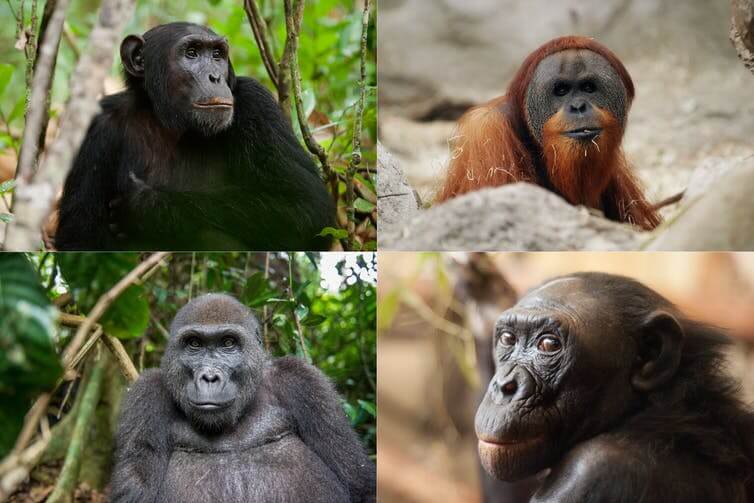
This distinguished them from the Pongidae, the separate family used for the three African great apes – the common chimpanzee, bonobo and gorilla – plus the orangutan from Southeast Asia.
We now realise that modern humans are just one of the African great apes.
So when and how did this radically changed perception come about?
Early observations
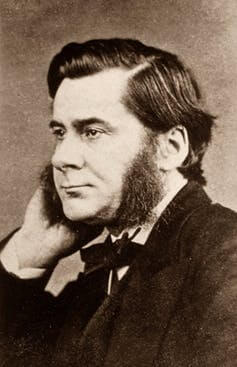
Biologist Thomas Henry Huxley (1825-1895).Wikimedia/Carte de Visite Fotografie
In the 19th century the only evidence available for determining the closeness of the relationship between any two living animals was how similar they were in terms of what the naked eye could tell from their bones, teeth, muscles and organs.
The first person to undertake a systematic comparative review of these differences between modern humans and the apes was English biologist Thomas Henry Huxley.
In the central section of a small book he published in 1863, called Evidence as to Man’s Place in Nature, Huxley concluded that the differences between modern humans and African apes were less than those between African apes and orangutans.
He speculated that because African apes were morphologically closer to modern humans than the apes from Asia, then the ancestors of modern humans were more likely to be found in Africa than elsewhere.
A closer inspection
Developments in biochemistry and immunology during the first half of the 20th century enabled the search for evidence of the relationships between modern humans and the apes to shift from macroscopic morphology to the morphology of molecules.
The results of applying a new generation of analytical methods to proteins were reported by the Austrian-born French biologist Emile Zuckerkandl and American biologist Morris Goodman in the early 1960s.
Zuckerkandl used enzymes to break up the protein component of haemoglobin into its peptide components. He showed that the patterns of the peptides from modern humans, gorilla and chimpanzee were indistinguishable.
Goodman used a different method, immunodiffusion, to study albumin, a serum protein. He showed that the patterns produced by the albumins of modern humans and the chimpanzee were identical. He concluded that this was because the albumin molecules were, to all intents and purposes, identical.
Apes and humans: related
Proteins are made up of a string of amino acids and in many instances one amino acid can be substituted for another without changing the function of the protein.
In the late 1960s, the American anthropologist Vince Sarich and New Zealand biologist Allan Wilson exploited these minor differences in protein structure and concluded that modern humans and the African apes were very closely related.
They also provided the first molecular clock estimate of modern human-African ape divergence, dating the split to only around five million years ago. This date was less than half of contemporary estimates based on fossil evidence.
In 1975 the American human geneticist Mary-Claire King and Allan Wilson showed that 99% of the amino-acid sequences of chimpanzee and modern human blood proteins were identical.
Enter DNA
The discovery by James Watson and Francis Crick, with unwitting help from Rosalind Franklin, of the basic structure of DNA, and the subsequent discovery by Crick and others of the nature of the genetic code, meant that the relationships among organisms could be pursued at the level of the genome.
How close? A chimpanzee (top left), an orangutan (top right), a gorilla (bottom left) and a bonobo (bottom right).Shutterstock/Sergey Uryadnikov/Petr Masek/Sergey Uryadnikov/Eric Gevaert
Nowadays technological advances mean that whole genomes can be sequenced. Over the past decade researchers have published good draft sequences of the nuclear genomes of the chimpanzee, orangutan, gorilla and the bonobo.
More and better data are steadily being accumulated, and in 2013 a review of ape DNA based on the genomes of 79 great apes was published.
These new ape genome sequences support the results of earlier analyses of both nuclear and mitochondrial DNA that suggested modern humans and chimpanzees are more closely related to each other than either is to the gorilla.
When DNA differences among modern humans and the great apes are calibrated using the best palaeontological evidence for the split between the apes and the old world monkeys, those differences predict that the hypothetical common ancestor of modern humans, chimpanzees and bonobos lived about 8 million years ago.
The rise of the hominins
Most researchers now recognise the modern human as hominins.
Still, the question “where do we come from” can from a scientific perspective be difficult for someone outside of the discipline to come to grips with. In part this is because the fossil record for human evolution seems to grow exponentially, with the author of each new discovery often claiming that the textbooks need to be rewritten.
The interdisciplinary nature of palaeoanthropology also means that new evidence that helps us make sense of our ancestry does not always come in the form of new fossils.
It comes from advances in a range of disciplines that include archaeology, comparative anatomy, earth sciences, evolutionary biology, genomics and primatology.
A further complicating factor is that the human fossil record does not just consist of the fossil evidence of our direct ancestors.
Many of the fossils belong to lineages that do not make it to the surface of the Tree of Life. They belong to extinct close relatives, and the task of sorting close relatives from ancestors is one with which we are only just now beginning to grapple.
There is a lineage that leads to today’s Homo sapiens, but there are also a host of side experiments that are equally important to understand. They represent some of the most interesting chapters in human evolution.
Origins of the genus Homo
Understanding the origins of our own genus Homo means establishing what fossils we recognise as being the first early humans.
Sometime before 4 million years ago we see the first evidence of the genus Australopithecus. These fossils sample the kind of creature that was most likely the ancestor to the genus Homo.
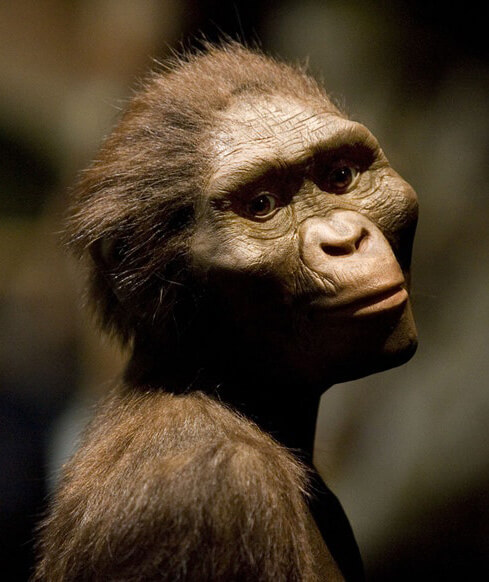
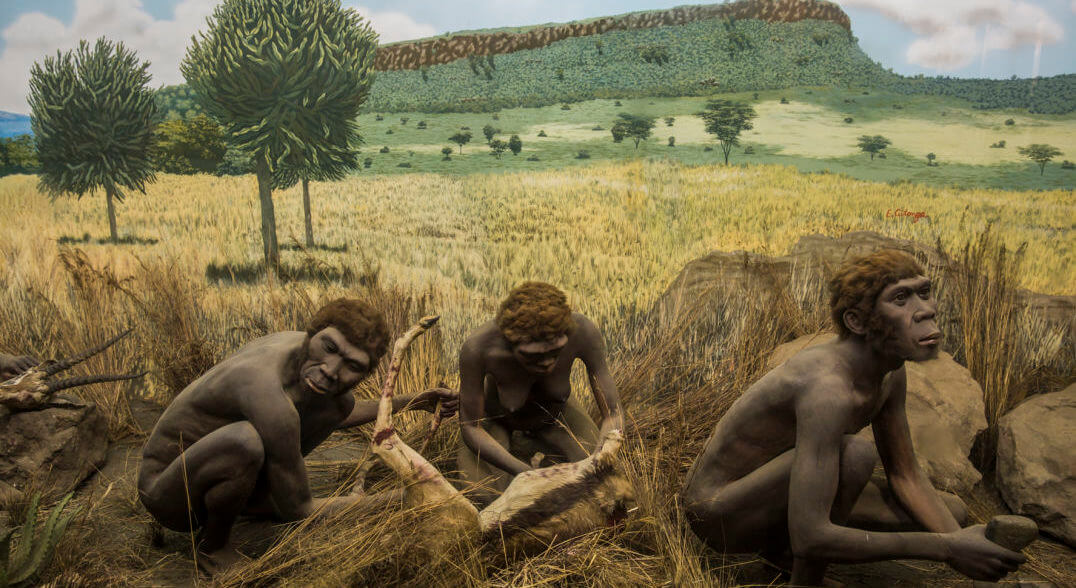
Around 2.5 million years ago we see the first fossil evidence of species in Africa that many argue belong to our own lineage. One of these, Homo habilis, almost certainly made stone tools, had a slightly larger brain than Australopithecus, stood upright and regularly walked on two legs.
Some recognise a second species, Homo rudolfensis, about which we know even less.
These possible human ancestors lived alongside close relatives that were almost certainly not our ancestors. These species are called Paranthropus or robust australopiths – they had small brains, big jaw bones, large flat faces, and huge chewing teeth.
They lasted for at least a million years, so whatever they were eating (which is still a mystery) they were successful in the sense that they lasted as long in the fossil record as the average mammal.
But some researchers think that Homo habilis and Homo rudolfensis are not different enough from the australopiths that preceded them to justify being included in the genus Homo.
They claim that the size and shape of their body and the size of their teeth and jaws was little different from that of the australopiths. This means that their locomotion and diet had not shifted far enough in the direction of pre-modern Homo species such as Homo erectus to justify inclusion in Homo.
Tool making is not enough
Also, because it is becoming evident that australopiths may have been making tools earlier than Homo habilis it means that tool-making can no longer be seen as the sole prerogative of Homo.
There is a developing consensus that the relaxation of the criteria more than 50 years ago that saw the inclusion of Homo habilis into the genus Homoneeds to be reconsidered.
Species that emerge slightly later from Africa, such as Homo ergaster, fit much more clearly within what we understand by the genus Homo. That species probably left Africa around 2 million years ago and migrated ultimately as far east as China and Indonesia where it evolved, eventually, into Homo erectus.
A number of further migrations out of Africa probably occurred after the initial Homo ergaster migration, one of which, Homo heidelbergensis, is considered by many palaeoanthropologists to be the ancestor of both Neanderthals (Homo neanderthalensis) and modern humans (Homo sapiens).
As far as we know, Neanderthals evolved outside of Africa, perhaps in response to the ice ages of Europe. Our ancestors remained in Africa where perhaps as early as 300,000 years ago, as revealed from recent redating of the Moroccan site of Jebel Irhoud, were well along in the process of evolving into modern humans.
So the origins of ‘us’
Once we get to the origins of our own species Homo sapiens we have the added advantage that we are able to now use next generation sequencing methods to recover ancient DNA (aDNA).
As geneticists recover ancient genomes from different extinct hominin species, they are generating insights that are not possible from comparing the anatomy of the fossils alone.
There is now fossil evidence from teeth to suggest that Homo sapiens may have been in China by 120,000 years ago and in South East Asia by 67,000 years.
The discovery of some distinctive modern human DNA within the DNA recovered from a Neanderthal fossil suggests that modest interbreeding was occurring between Neanderthals and modern humans in Central Asia by 100,000 years ago.
Modern humans have not shared the planet with another hominin species for several tens of thousands of years. But before that, in the past 300,000 years or so, there is fossil and DNA evidence of several hominin species, including the recently reported archaic hominin Homo naledi
First and foremost there was Homo neanderthalensis, whose range overlapped with modern humans in the Near East. Neanderthals most likely became extinct as a result of direct competition with the more technologically sophisticated Homo sapiens.
The evidence from DNA shows that there was interbreeding between our species and pre-modern humans, including the Neanderthals and the other enigmatic hominin referred to as the Denisovans.
We do not yet know how and when Homo erectus became extinct. It would appear that another unexpected side experiment in hominin evolution, known from the island of Flores and called Homo floresiensis most likely became extinct sometime after 60,000 years ago.
Indeed this hominin may represent something far more significant than simply an interesting side experiment, with many leading palaeoanthropologists arguing that the Hobbit may represent a pre-ergaster migration out of Africa.
What next?
Even though thousands of hominin fossils have now been recovered and described there is still much work to be done.
Was there a hominin that successfully migrated out of Africa prior to Homo ergaster? Did most of human evolution occur in Africa? Did some important transitions occur outside of Africa?
When did Homo erectus become extinct, and was there genetic exchange between erectus, sapiens and perhaps other hominin species?
As is often the case in science, with the recovery of additional data, in this case fossils and DNA extracted from fossils, we generate more questions than answers.
But ultimately all of this new evidence will result in a far more sophisticated appreciation of not only our evolution, but also the evolution of our extinct fossil cousins.
Michael Westaway is a biological anthropologist and archaeologist and has a strong interest in human evolution in Australia and South East Asia and zooarchaeology in Australia. Follow him on Twitter @MichaelWestaway.
Bernard Wood is a medically trained paleoanthropologist. His research interests are all related in one way or another to a long-standing pre-occupation with hominin systematics.
Synthetic biology offers a vision for the future of medicine, where cells could be re-engineered to fight diseases such as cancer and diabetes. For this to happen, scientists use viruses to infect and transfer new properties to cells so they behave in a certain way. But there hasn’t been a reliable method to ensure all cells behave in the same way, even if they are not infected uniformly—until now.
In a paper published…in the journal Nature Biotechnology, University Distinguished Professor Eduardo Sontag at Northeastern and his colleagues describe a novel synthetic biology technique they developed to give researchers more control over the process than ever before.
…
“It’s just like a thermostat,” Sontag said. “If the room is too hot, it may turn on the air conditioner. If it’s too cold, it may turn on the heating. There is a feedback mechanism that regulates the temperature. In the same way, you build circuits to try to regulate things in the cell.”
…
That’s precisely what his new method allows for. When the virus is inserted into cells, genes within the cell measure up to one another and self-regulate so the resulting behavior is the same, as if the infection had spread more evenly.
Editor’s note: Read the full study (behind paywall)
Having parents who are first cousins doubles the risk of inheriting a single-gene condition, from 2.5 percent to about 5 percent. But it’s harder to quantify risk for psychiatric illnesses because they typically arise from interactions among genes and environmental factors. But now a study from Northern Ireland published in JAMA Psychiatry shows that offspring of cousin-cousin parents are at higher risk for common mood disorders.
The study found that children from these unions face a three-fold increase in the likelihood of taking antidepressants and a two-fold increase in taking antipsychotics. For purposes of the study, taking an antidepressant or antianxiety drug was a stand-in for having a mood disorder and taking an antipsychotic represented conditions with a psychotic component, such as schizophrenia.
Shared grandparents
First cousins share a pair of grandparents, and as a result, have in common at least one-eighth of their gene variants. It’s very unlikely to inherit two copies of a recessive gene that is extremely rare in a large population – that’s why it’s extremely rare – but not so unlikely when identical mutations come from a father and mother who in turn inherited it from grandma.
A good example of the increased risk of inheriting a rare disease in an inbred family comes from one of my favorite books, the Pulitzer Prize-winning fictional novel Middlesex, by Jeffrey Eugenides. Protagonist Cal’s grandparents, who were brother and sister, wed aboard a ship fleeing the Greco-Turkish war, in 1922. Each carried a recessive mutation for 5-alpha reductase deficiency, in which XY individuals appear female from a blockage in the male sex hormone pathway. Due to a cousin-cousin marriage in the second generation, Cal inherited the condition.
A partial pedigree of Egypt’s Ptolemy dynasty is so riddled with relatives marrying relatives – called consanguinity, for “shared blood” – that it looks like a ladder. The double lines indicate relatives marrying relatives. From 323 B.C. to Cleopatra’s death in 30 B.C., the family had one pairing between cousins related through half-brothers, four brother-sister pairings, and an uncle-niece marriage. Cleopatra married her brother, Ptolemy XIII, when he was 10 years old! The inbreeding was an effort to preserve the “royal blood.”
But as mentioned earlier, inheritance of mental disorders is harder to trace than single-gene traits or diseases.
Population-wide study
Aideen Maguire, PhD, of Queen’s University in Belfast and colleagues compared prescription medication records of everyone born in Northern Ireland from 1971 through 1986 and information on whether the parents were blood relatives. They followed up on 363,960 people still in the nation in 2014, and considered prescription of psychotropic medications and use for at least three months since 2010.
Only 609, or 0.2 percent, of the parents were blood relatives, which is similar to other populations. After accounting for environmental factors associated with compromised mental health for Northern Ireland (low birth weight, birth order, parental age, social deprivation, and living in a rural area), the researchers found that children of first-cousin parents were 3.01 times as likely to take antidepressants or antianxiety meds and 2.13 times as likely to take antipsychotics compared to children whose parents weren’t related.
But the risks are relative. For example, the lifetime prevalence of schizophrenia is 0.30 percent to 0.66 percent. Doubling that for a child of cousins is still a low number. The numbers are more alarming for depression, with a 10 percent lifetime risk in the general population tripling in cousins’ kids. The researchers conclude, “A child of consanguineous parents is at increased risk of common mood disorders and psychoses.”
Consanguinity Is common
Western nations tend to take a dim view of marrying blood relatives, but it’s an accepted practice in many nations and cultures. The 2011 report from the Geneva International Consanguinity Workshop lists the percentage of consanguineous marriages in several regions: 25-30 percent in Afghanistan, 14-24 percent in Egypt, 7-42 percent in south India, and 44-49 percent in Sudan, to name a few.
Consanguineous relationships are most often between cousins or between uncles and nieces. When inbred families migrate, they bring the closed genetic community with them. For example, marriage between first cousins occurs in about a third of the Pakistani community in England, a population that researchers have been following to track birth defect rate, which is about double, but still less than 4 percent of births.
Many of the rare genetic diseases described in Online Mendelian Inheritance in Man, the “bible” of genetics, indicate inbred relationships, such as this entry for Joubert syndrome: “In the children of healthy, consanguineous Turkish parents, van Dorp et al. observed a severely retarded male child with neurologic anomalies.” Marriage among blood relatives is a question I always ask genetic counseling patients.
Sometimes blood relatives can have children together and not know they’re related. This tends to happen in “endogamous” communities in which people come from the same place. An orthopedic condition, Steel syndrome, for example, is much more common among residents of East Harlem of Puerto Rican ancestry than it is among people of other Hispanic origins. Noting the symptoms in a person of Puerto Rican ancestry can alert doctors to avoid a hip surgery that can harm someone with Steel syndrome, but help others.
Even though theoretically the sharing of 1 in 8 genes suggests that genetic disease will be more common among the consanguineous, incidence of such illnesses is lower than predicted. Some studies show that cousins tend to share different hunks of their genomes, which would counter the pairing of “identical-by-descent” pathogenic genes in offspring.
Another possible protection is that natural selection ditched dangerous gene variants by preventing sick individuals from reproducing. This may have happened to the cheetah, a highly inbred species whose numbers plummeted through population bottlenecks. About 4,000 of the animals living mostly in six southern Africa countries today seem rather healthy, despite the fact that they are so closely related that most could swap organs with nary a rejection reaction. Natural selection might have kept the healthiest genes.
Emma and Charles Darwin were first cousins.
Getting back to people, Charles Darwin studied consanguinity among inmates of lunatic asylums and found no greater representation. He was perhaps especially attuned to inbreeding because his family practiced it. He married his first cousin and his family had many other relatives-marrying-relatives. But the three of Darwin’s ten children who died young had infectious diseases – which could have reflected poor immune responses or close proximity easing transmission.
Flaws in the study
Psychotropic drugs are not exact proxies for the associated conditions – they’re often prescribed off-label. The same drug, for example, was prescribed for my father, who had severe psychotic depression, and another relative who is just sad to be in a nursing home.
A second issue is the assumption that all consanguineous relationships are equal in terms of funneling disease-causing gene variants into the same descendants. The degree of genetic uniformity is much different for a pair of cousins who fall in love and marry at a young age, the only relatives in the extended family to do so, compared to populations that arise from many generations of uncle-niece and cousin-cousin couples, tying pedigrees up in slanted steps and loops of connectivity. And the investigators didn’t consider whether or not the parents had mental illnesses – just that they were cousins.
The third and most disturbing issue to arise from the new study is the possibility of the findings fueling a self-fulfilling prophecy towards a mood disorder, anxiety, or psychosis. The situation isn’t the same as the predictable 25 percent risk of an autosomal recessive disease in a child of two carrier parents, with easy-to-identify symptoms and confirmatory genetic testing available.
Might the headlines and memes that are likely to reverberate from the new report propel someone who knows her parents are first cousins to fit how she feels into the suggested paradigm of depression, or bipolar disorder, or even schizophrenia? Genetic determinism, the idea that genes underlie nearly everything, can be helpful or harmful. I hope that the new findings lead some people to seek help, but that they don’t also induce panic in or stigmatize others.
Ricki Lewis is the GLP’s senior contributing writer focusing on gene therapy and gene editing. She has a PhD in genetics and is a genetic counselor, science writer and author of The Forever Fix: Gene Therapy and the Boy Who Saved It, the only popular book about gene therapy. BIO. Follow her at her website or Twitter @rickilewis.
Dopamine is one of the most hyped brain chemicals, supposedly linked to everything from sex to gambling. It’s common to read, as Business Insider claimed … that dopamine is “the pleasure chemical” — but that’s not true, and the idea was overturned long ago.
…
The Verge spoke to [researcher Arif] Hamid about the origins of the “pleasure chemical” myth, how it was overturned, and what dopamine actually does.
…
So what does dopamine do?
Dopamine plays a lot of roles in the brain. If you kill off the cells that produce dopamine, the animal is not motivated to go out and do things. It’ll still enjoy something — like the sucrose solution you squeeze directly into its mouth — because the pleasure systems are fine. But they won’t pursue it.
…
There are sort of two camps for how this works. One camp thinks that dopamine is a “prediction error,” meaning that you expected something from the environment, and you got something better.
…
The other camp says that dopamine is a motivational signal. It invigorates and energizes you toward a distinct goal.
…
[T]his is supported by people who take cocaine or amphetamines, which increase dopamine a lot. This motivates them to do things. Of course, later on, this can lead to the probability of repeating things and then lead to addiction and gambling and other negative behaviors.
The [USDA] says it has no plans to regulate advanced breeding techniques that achieve the same results as traditional techniques, only faster, USDA Secretary Sonny Perdue announced….
…
At least five countries—Colombia, Canada, Australia, New Zealand, and Norway—are developing policies on whether, and how, to regulate these new forms of genetic engineering, according to USDA’s Animal and Plant Health Inspection Service, which regulates biotechnology products. Argentina, Brazil, Chile, and Israel already have implemented policies.
The European Commission has avoided a clear policy to date but the European Court of Justice is considering a legal case regarding mutagenesis, a technology that modifies certain genes for a desired outcome. And, given EU’s opposition to anything including GMOs, observers suggest that it is unlikely that that organization will be thrilled by this new U.S. policy and the future pressures it implies for the EU in the future.
Clarity matters to public and private plant breeding centers that depend on international certainty to make research investment decisions, Bethany Shively, spokeswoman with the American Seed Trade Association, told Bloomberg. However, it remains to be seen what level of anxiety and activity will now emerge from anti-GMO activists in the United States—certainly, new pushback efforts to turn USDA’s new policy around can be expected.
A biotechnology company is upgrading a defunct fish farm where it plans to grow AquAdvantage Salmon — the first genetically engineered animal for human consumption as food.
…
The company is building a 250-metric ton (551,156 pounds annually) production unit in Rollo Bay, Prince Edward Island, Canada, and is upgrading the former Bell Aquaculture fish farm in Albany [Indiana] to increase production to 1,200 metric tons (2,645,547 pounds) a year.
“Both of these facilities must be approved by the FDA (U.S. Food & Drug Administration) prior to their initial stocking with AquAdvantage Salmon, but we anticipate both to be operational in 2018 with a first harvest of commercial production in late 2019,” the company reported.
…
AquAdvantage Salmon integrates a Pacific Chinook salmon growth-hormone gene into the genome of an Atlantic salmon. The Chinook gene is under the control of a “promoter” from an eel-like fish called an ocean pout.
The FDA determined in 2015 that AquAdvantage Salmon was as safe to eat as non-genetically engineered salmon….
…
AquAdvantage Salmon grow to market size faster than conventional Atlantic salmon and require less feed.
In late 2014, with fanfare and a multi-lingual press conference, a group centered in Russia hacked the food media with claims about a huge experiment that they were running. Factor GMO, “The world’s largest international study on GMO safety,” as their press release stated, was launched. Coordinated by activist Elena Sharoykina of the NGO named “National Association for Genetic Safety (NAGS)”, they would steward this $25million project….
…
Though no report or data has yet seen the light of day, and news about the project has stopped, FactorGMO did seem to press on for a while, at least.
…
However, except for one more press release later in 2015, and a final holiday tweet at the year’s end, FactorGMO’s publicity machine had gone dark
…
[W]here are the journalists?You were given clickbait by Russians that you dutifully posted and got readers, but you have not followed up at all. They used you to sow doubt. They used your logos to brag about the coverage and the publicity that they got from you. They used you to lure potential donors, presumably. Why aren’t you following up on this possible science con? Why is there no accountability?
The idea of genome editing is no longer a theoretical concept studied only within the confines of labs and scientific research institutions. In August 2017, scientists reportedly managed to successfully use the genome editing technique to correct a disease-causing mutation in viable human embryos.
CRISPR-Cas9 offers the possibility of tackling diseases that were previously thought of as incurable—in China, a significant portion of those undergoing genome editing treatment did so to combat esophageal cancer, leukemia, and HIV.
Instead of falling prey to a default mode of skepticism that undermines discovery and human achievement, we should strive to combine sensible regulations with an aspirational mindset that is open towards new technologies. Such an attitude of permissionless innovation creates social values that hold the constant strife for greater human achievement in high regard instead of dismissing it with a mindset of cynical skepticism.
Habitual behavior is routine and automatic, frequently initiated by a cue or change in a situation.Sometimes, habits don’t hold up, like the morning after you buy a new coffee maker with a new button, and have to think about where it is in order to press it. Starting the new coffee maker is a goal-directed action. Goal-directed actions, which are done to seek a reward, require decision making which takes time and energy.
The ability to flexibly switch between the two is an important response strategy, critical for behavior that adapts to situations.
The infralimbic prefrontal cortex (ifL-C) is the part of the brain involved in the regulation of flexible behavior. To demonstrate the role of the ifL-C in habitual and goal-directed actions, a group from the Medical University of South Carolina used adult male mice and asked them to change between the two types of behaviors while measuring their brain activity.
…
During goal-directed behavior, the ifL-C encodes information about outcome availability independent of reward consumption. Not only that, but the neural activity increases as the information about outcome becomes available. This encoding is absent or reduced during habitual behavior.
…
This [research] may result in new treatments for disorders where the balance between habits and goal-directed actions is disrupted, such as obsessive-compulsive disorder.