Chinese researcher’s claims of gene-edited babies prompts investigation

HE

A Chinese researcher who claims to have created the first gene-edited babies, He Jiankui of the Southern University of Science and Technology (SUST), in Shenzhen, is now facing investigation over whether the experiment broke Chinese laws or regulations.

He, who led that effort, later released a video statement in which he said that healthy twin girls, Lulu and Nana, had been born “a few weeks ago.”

On Sunday, the Shenzhen City Medical Ethics Expert Board said it would begin an investigation of He’s research and released a statement saying that HarMoniCare “according to our findings … never conducted the appropriate reporting according to requirements.”

The president of He’s university called an emergency gathering of researchers connected to the project. “This has nothing to do with SUST, the research wasn’t conducted at SUST,” said SUST president Chen Shiyi, according to Chinese media reports. …

A 2003 guidance to Chinese IVF clinics prohibits the transfer of genetically modified embryos to start a pregnancy. …

It remains unclear where He carried out his research and who paid for it. …

In his video, He presented himself as a willing martyr to some higher cause. “I understand my work should be controversial, but families need this technology, and I am willing to take the criticism,” he said.

Read full, original post: The Chinese scientist who claims he made CRISPR babies is under investigation

GMO cotton not to blame for farmer suicides in India, expert reconfirms to UN panel

cotton india b

An expert on Genetically Modified Organisms (GMOs) from India has told a UN conference on biodiversity that GMO cotton growing is not causing [suicides] in the country.

Bhagirath Choudhary, founder [and] director of South Asia Biotechnology Centre, said that the cotton variety has nothing to do with suicide cases in the country. “The deaths are …. a result of social problems linked to high cost of dowry demand by the parents of daughters,” Choudhary said.

Choudhary noted that majority of the people are unable to borrow money from the banking intuitions, forcing them to borrow from …. middlemen who end up harassing the borrowers. Some commit suicide to escape the demands.

The expert told opponents to stop misleading the people at conferences, adding that Sudan and many other countries have been growing GM cotton and no deaths have been reported in [those] countries.
He said that cotton productivity has doubled in the past years due to farmers demand and adoption of the GM cotton variety.

“India currently produces a quarter of cotton demand globally and chances are that the production rate will continue to rise in the coming seasons,’ he said.

[Editor’s note: This summary was lightly edited for clarity.]

Read full, original article: Expert says GMO cotton growing not cause of deaths in India

Kenya will push for 10-year moratorium on foods produced with synthetic biology

vanilla wide e f c d e dc a d b f

Kenya will press for a moratorium on introduction of laboratory generated foodstuffs produced through synthetic biology when the Conference of Parties to the Convention on Biological Diversity kicks-off … in Egypt.

Production of foodstuffs through chemical combination in laboratories is vastly gaining ground in the developed world threatening to disrupt the traditional agriculture production systems.

Speaking at the Kenya School of Government (KSG), Kikuyu during a forum organized by Ambero Consulting, Deputy Director Multilateral Environment Agreements Mr Parkinson Ndonye said the issue of synthetic biology is now a great concern for developing countries like Kenya that are dependent on agriculture ….

According to Mr. Ndonye, Kenya will hence be seeking to lobby African countries during the African Ministerial conference to be held before the Conference to take a common stand when the matter comes up during the deliberations.

“.… We cannot fight technology but what we want is a reasonable period to prepare and discuss on issues of benefit sharing. Crops like maize will be produced through laboratories by use of chemical composition. Who will own the rights? When this happens it will have implications (price) as this maize will be cheaper,” said Mr Ndonye.

He did not say the moratorium period needed, but other sources said a period of ten to fifteen years would suffice.

Read full, original article: Kenya to push for delayed entry of synthetic foods into African market

This tiny creature gives us a ‘completely new branch on the tree of life’

tree life evolution hemimastigotes

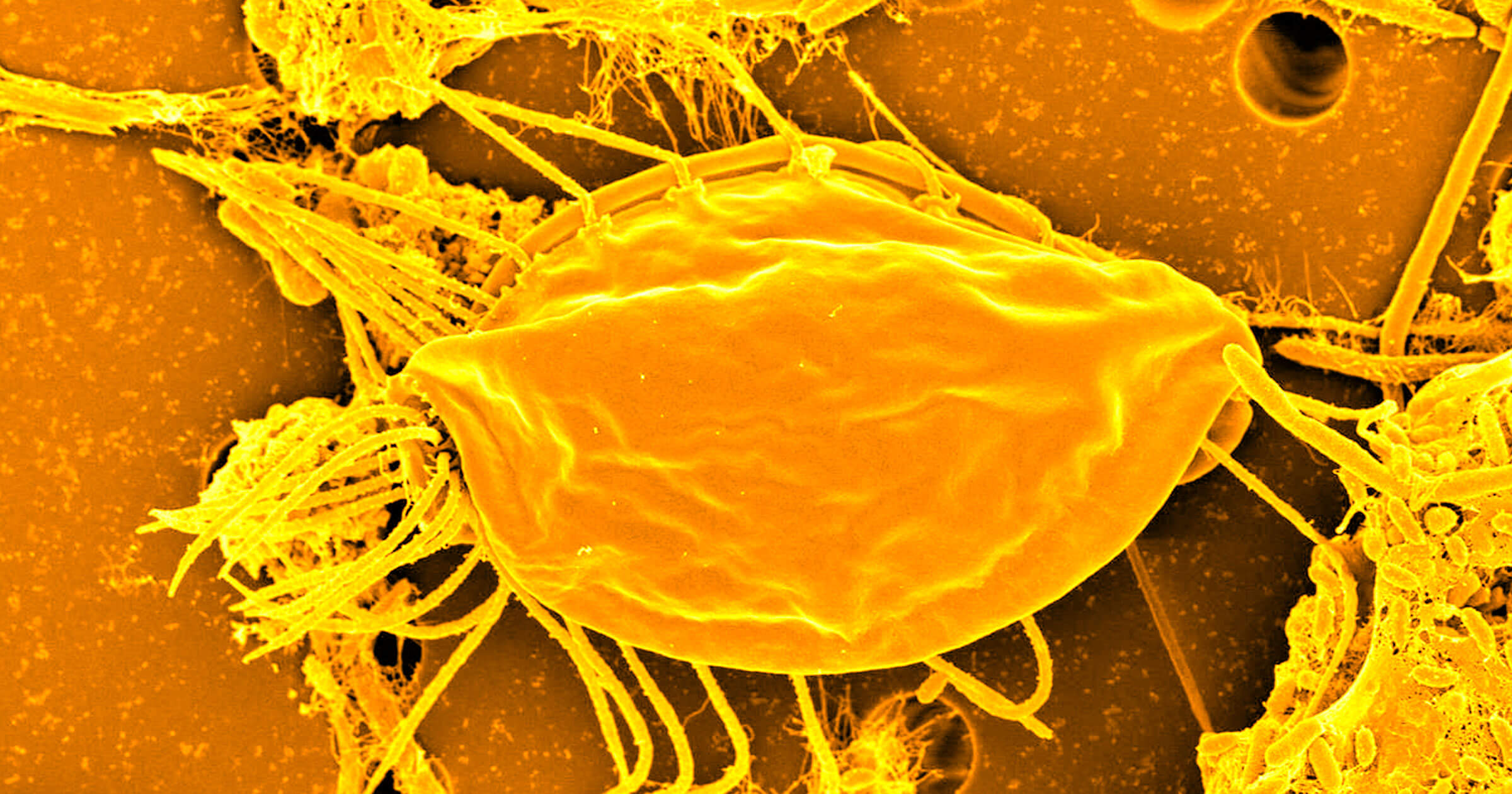
Canadian scientists have identified microscopic creatures that are so unlike anything seen before, they had to create an entirely new branch on the evolutionary tree of life to slot them in.

A new paper published [November 14] in Nature offers the first genetic analysis of hemimastigotes—a rare and poorly understood group of single-celled microorganisms. Biologists have known about these wee beasties for well over a century, but only now can hemimastigotes be officially slotted into the evolutionary tree of life, a process more formally known as phylogeny. And by doing so, scientists have stumbled upon a completely new branch on the tree of life.

Hemimastigotes cannot be classified as animal, plant, fungus, or bacteria. But they’re eukaryotes, having complex cells and a clearly defined nucleus. Eukaryotes that can’t be slotted into these conventional groupings are called protists—a kind of grab-bag grouping of sometimes unclassifiable eukaryotes.

“It was clear from our analyses that hemimastigotes didn’t belong to any known kingdom-level group, or even to a known ‘super-group’ of several kingdoms together, like the one that includes both animals and fungi,” said Simpson. “This one little collection of organisms is a whole new group at that level, all on its own.”

Read full, original post: Bizarre Microbes Represent a Major New Branch on the Evolutionary Family Tree

Low-gluten, high-fiber wheat varieties may begin to hit the market next year

wheatharvestback

Last winter, Paul Sproule read an article regarding niche wheats being developed by Arcadia Biosciences, a Davis, California, agricultural biotechnology firm.

“When I researched it, I got excited. I got on an airplane and went to California,” says the Grand Forks, North Dakota, farmer. [The trip] gave him an opportunity to check out niche non-genetically modified wheats that Arcadia BioSciences is developing under the GoodWheat brand. They include high-fiber, resistant starch wheat that boosts fiber content of food products without the bitter taste of whole wheat. Reduced-gluten wheat that diminishes allergenic gluten by 75%. Improved quality wheat that’s a step up in nutritional value and protein quality above other wheats.

“I think this is an exciting time to be farming,” [Sproule] says. “There is more technology that has happened in the last 20 years than in the previous 100, and it’s accelerated in the last five to six years. We have technologies that help increase yields and disease resistance. We are even looking at crops that can improve fiber intake in our diet.”

Products containing these flours aren’t on grocery shelves yet. Firms are now working with food manufacturers to include these flours in food products. “In the next 12 to 15 months, we should be at a point where we can commercialize the wheat flour in small quantities,” [says Raj Ketkar, president and CEO of Arcadia Biosciences].

Read full, original article: Niche Wheats Are on the Way

DNA test for your dog? Here’s what your vet thinks about it

MAIN SY V
[T]he direct-to-dog-owner market has become bigger and more crowded: Embark, DNA My Dog, and Paw Print Genetics are just a few of [the] companies eager to ship a cheek swab straight to your door. If the story sounds familiar, it’s because dog-DNA companies are following in the footsteps of 23andMe. The various dog tests offer breed mixes and, in some cases, risk estimates for more than 150 health conditions. And now, to bring it full circle, dog owners are going to vets with DNA reports in hand.

“Veterinarians, we’re not really educated in clinical genetics, because it’s a brand-new field,” says Lisa Moses, a veterinarian in Boston. Moses was especially concerned about the health-risk information. Doctors can refer human patients to genetic counselors, she points out, but veterinarians don’t have genetic counselors on call for dogs.

A typical vet isn’t likely to be familiar with the details of hundreds of mutations. And in fact, [Kari] Ekenstedt admitted that even she, a trained canine geneticist, isn’t. When I asked about a specific trait called alanine-aminotransferase activity, sometimes tested for in dog DNA, she said she wasn’t so familiar with it. “Even an expert like me can’t keep up,” she says. “No regular veterinarian has time to keep up with it. Ultimately, I think we need to have more specialists who are more visible for regular vets to reach out to.”

Read full, original post: What Vets Think of ‘23andMe for Dogs’

New biocontainment strategy could prevent spread of GMO microbes in the wild

BTRI

Hiroshima University (HU) researchers successfully developed a biocontainment strategy for …. GMOs. Their new method prevents genetically modified cyanobacteria from surviving outside of their test environment …. Their results were published in ACS Synthetic Biology.

The applications of bioengineered microbes have appeared in a number of fields, including agriculture and energy production. However, like many other GMOs, the safety of engineered microalgae is uncertain.

Biocontainment strategies seek to stop outgrowth of GMOs in a specific area, like outside of the lab environment …. By engineering a microbe to depend on a certain nutrient that does not exist outside of its home environment, it will not survive if it escapes this environment.

Phosphate is abundant in the natural world; phosphite, on the other hand, is not.
Thanks to an enzyme called phosphite dehydrogenase, a small number of microbes can metabolize phosphite into phosphate. While organisms require phosphorus, many cannot use phosphite due to lacking this enzyme. [Researchers] took advantage of this naturally occurring process to create a biocontainment process for E. coli. Last year, [they] genetically edited a phosphite dehydrogenase gene into E.coli bacteria and removed its ability to take up phosphate.

In this study, the group applied this system in microalgae, a kind of cyanobacteria that lives in water …. The viability of engineered microalgae rapidly diminished when it tried to grow without phosphite.

Read full, original article: New biocontainment strategy controls spread of escaped GMOs

Experts must counter ‘simplistic’ anti-GMO narrative with facts, says neurologist Steven Novella

eb e c b e

The Pew Research Center has recently published a large survey regarding American’s attitudes toward food, including genetic modification …. There are some interesting findings buried in the data that are worth teasing out.

They found that 49% of Americans feel that genetically modified organisms (GMOs) are bad for health, while 44% said they were neutral, and 5% said they were better. So the public is split right down the middle over the health effects of GMOs.

Even more interesting is the relationship between science knowledge and fear of GMO’s – among those with a high degree of science knowledge, 38% thought GMOs had health risks, while 52% of those with a low degree of science knowledge thought so ….

It does seem overall that attitudes about food in general and GMOs in particular are changeable. They are not tied to any particular political ideology. In other words – this is an issue where we can potentially move the needle through simple education about the facts.

We need to get the public away from this simplistic narrative to an evidence-based approach. The fact is, those who have negative attitudes toward GMOs are basing their negative opinions on misinformation and a misunderstanding of the science. The anti-GMO campaign is an anti-science movement, as much as global warming denial or the anti-vaccine movement.

Read full, original article: New Pew Survey About GMOs

There’s still much we don’t know about world’s first gene-edited babies

gene

A Chinese scientist has shocked the world with claims he used the genome editing technology CRISPR-Cas9 to manipulate the genes of two human embryos. …

No one knows exactly how He Jiankui, on leave from Southern University of Science and Technology in Shenzhen, did it. Scientists gathered in Hong Kong at an international summit on human genome editing will have to wait until Wednesday to hear He describe his work in more detail.

The claims have not been verified, but they are being taken seriously

While He has not yet released a scientific paper, his lab published five YouTube videos about its work Sunday [November 25] night. … Also: “We will publish our full data soon.”

The announcement led to an immediate outcry among other scientists

More than 120 Chinese scientists have co-signed a letter, released on China’s social media site Weibo, condemning He’s work and calling it “a strike at the reputation and development of China’s science, especially in biomedical research,” according to a translation by Quartz.

At least one scientist came to He’s defense

[Genetics pioneer George] Church told the AP that, when weighing the risks of using CRISPR against the public health threat of HIV, “I think this is justifiable.”

Read full, original post: What we know — and what we don’t — about the claim of world’s first gene-edited babies

How crop biotechnology preserves and promotes biodiversity

biodiversity

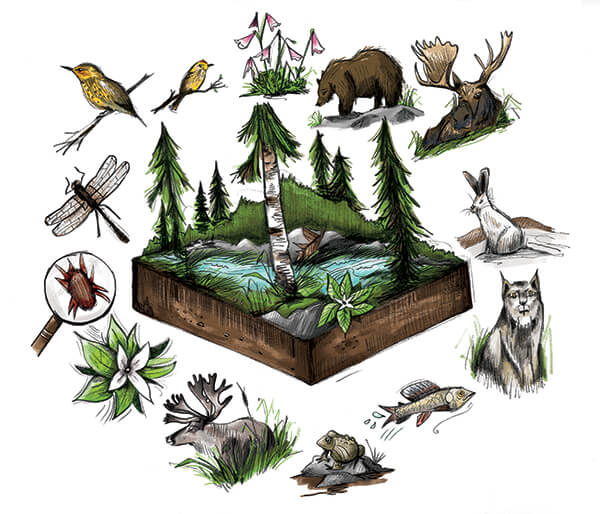
Experts attending the [recent] United Nations Biodiversity Conference in Egypt say that adopting smart agronomic practices can play a significant role in conserving the environment.

Those practices include agricultural biotechnology, which can protect diversity by making crops more efficient, reducing pesticide use and helping to prevent species extinction, they said in exclusive sideline interviews with the Alliance for Science.

Dr. Margaret Karembu, director of ISAAA AfriCenter Kenya, identified three ways that biotechnology can help conserve biodiversity:

By increasing productivity per unit of land. This means reducing the amount of land you open up for crops and so you’re able to sustain biodiversity in these regions. Secondly, when you use very selective techniques that only kill the harmful pests for your crops it means this reduces the amount of harmful chemicals you pump into the environment —especially those that are broad spectrum, killing many of the other non-target pests that help in pollination. Thirdly, when you select tools that help you grow crops in the areas that will give you the highest yield. For example, in drought then you don’t open up semi-arid land, and that also conserves very unique biodiversity.

Read full, original article: Biotechnology boosts biodiversity conservation, experts say

Like riding a bike: Why do we never forget some things?

c bb b

So how is it that we can ride a bicycle when we haven’t done so in years? As it turns out, different types of memories are stored in distinct regions of our brains. Long-term memory is divided into two types: declarative and procedural.

[D]eclarative memory content [has] one thing in common—you are aware of the knowledge and can communicate the memories to others.

Skills such as playing an instrument or riding a bicycle are, however, anchored in a separate system, called procedural memory. As its name implies, this type of memory is responsible for performance.

Even with traumatic brain injury the procedural memory system is hardly ever compromised. That’s because the basal ganglia, structures responsible for processing nondeclarative memory, are relatively protected in the brain’s center, below the cerebral cortex. However, it’s not clear, beyond brain damage, why procedural memory contents are not as easily forgotten as declarative ones are. According to one idea, in the regions where movement patterns are anchored fewer new nerve cells may be formed in adults. Without this neurogenesis, or continuous remodeling in those regions, it’s less likely for those memories to get erased.

One thing we know for sure, however, is simple sequences of movements we internalize, even far in the past, are typically preserved for a lifetime. Or as the saying goes, it’s “just like riding a bicycle.”

Read full, original post: Why Don’t We Forget How to Ride a Bike?

Can we use plants to grow human tissue and body parts?

ear
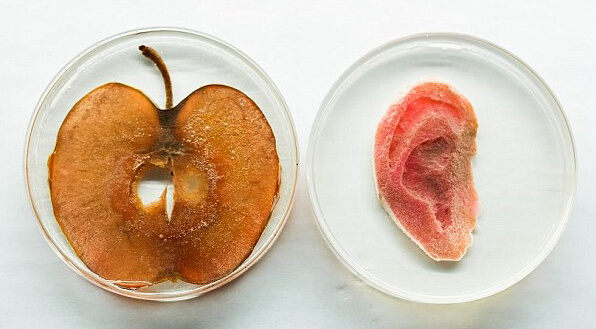
[Dr. Andrew Pelling] wanted to see whether grocery-store-bought plants can supply the necessary structure for engineering replacement human tissues.

Under the microscope, the microenvironment of an apple is on the same length scale as engineered surfaces for fabricating replacement tissues. That discovery got the team to wonder: is it possible to exploit that surface pattern of plants to grow human organs?

To test it out, they took an apple and washed away all its plant cells, DNA, and other biomolecules. This left them with a fibrous scaffold—the stuff that usually gets stuck in your teeth. When the team stuck human and animal cells inside, the cells began to grow and spread.

Encouraged, the team then hand-carved an apple into the shape of a human ear and repeated the process above. Within weeks the cells infiltrated, turning the chunk of apple into a fleshy human ear.

The team next implanted an apple-based scaffold directly under the skin of a mouse. In just eight weeks, not only had the mouse’s healthy cells invaded the matrix, the rodent’s body also produced new collagen and blood vessels that helped keep the scaffold living and healthy.

That ticks three important aspects for an engineered tissue: it’s safe, it’s biocompatible, and it comes from a sustainable, ethical source.

Read full, original post: Ears Grown From Apples? The Promise of Plants for Engineering Human Tissue

CRISPR uproar: Chinese researcher claims first gene-edited babies

designer babies

A Chinese researcher claims that he helped make the world’s first genetically edited babies — twin girls born this month whose DNA he said he altered with a powerful new tool capable of rewriting the very blueprint of life.

If true, it would be a profound leap of science and ethics.

A U.S. scientist said he took part in the work in China, but this kind of gene editing is banned in the United States because the DNA changes can pass to future generations and it risks harming other genes.

He 11 26 18
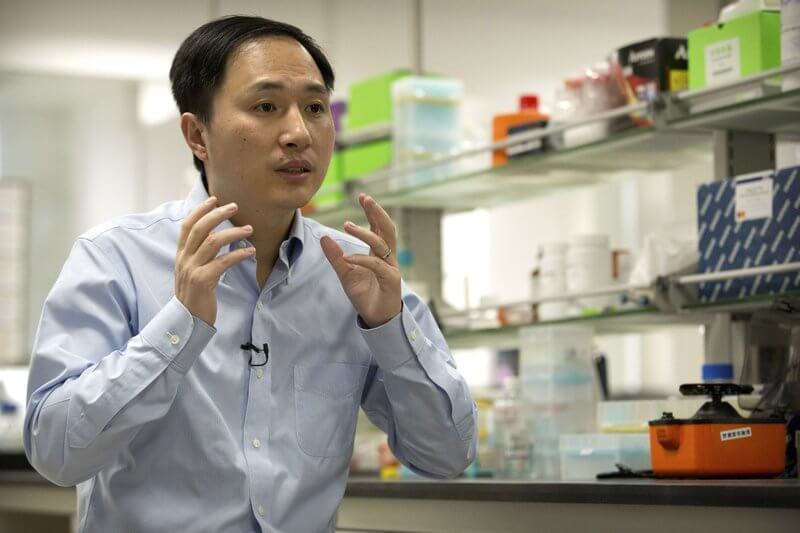
He Jiankui. Image credit: Associated Press

Many mainstream scientists think it’s too unsafe to try, and some denounced the Chinese report as human experimentation.

The researcher, He Jiankui of Shenzhen, said he altered embryos for seven couples during fertility treatments, with one pregnancy resulting thus far. He said his goal was not to cure or prevent an inherited disease, but to try to bestow a trait that few people naturally have — an ability to resist possible future infection with HIV, the AIDS virus.

There is no independent confirmation of He’s claim, and it has not been published in a journal, where it would be vetted by other experts. He revealed it Monday [November 26] in Hong Kong to one of the organizers of an international conference on gene editing that is set to begin Tuesday, and earlier in exclusive interviews with The Associated Press.

Read full, original post: First gene-edited babies claimed in China

Whether you prefer coffee or tea may depend on your DNA

coffee vs tea health benefits singapore

Whether people prefer coffee or tea may boil down to a matter of taste genetics.

People with a version of a gene that increases sensitivity to the bitter flavor of caffeine tend to be coffee drinkers, researchers report online November 15 in Scientific Reports. Tea drinkers tended to be less sensitive to caffeine’s bitter taste, but have versions of genes that increase sensitivity to the bitterness of other chemicals, the researchers found.

Researchers in Australia, the United States and England examined DNA from more than 400,000 participants in the UK Biobank, a repository of genetic data for medical research. Participants also reported other information about their health and lifestyle, including how much tea or coffee they drink each day.

The team added up each person’s variants in the taste genes, creating a genetic score for how intensely the person tastes each of the bitter chemicals. The researchers then compared those scores to the people’s reported beverage choices.

People who had the highest genetic score for detecting caffeine’s bitterness were 20 percent more likely to be heavy coffee drinkers, downing four or more cups a day, than those without the increased sensitivity.

Coffee drinkers may have learned to enjoy caffeine’s bitterness because it’s a sign of the buzz the chemical provides. But tea drinkers may not actually like the bitterness of PROP and quinine, says [epidemiologist Marilyn] Cornelis.

Read full, original post: Coffee or tea? Your preference may be written in your DNA

Bt insect-resistant crops don’t cause allergies, European safety oversight organization reaffirms

Brinjal

Following a request from the European Commission, [the European Food Safety Authority] assessed the scientific publication by Santos‐Vigil et al. (2018). The outstanding question was whether or not the [Santos‐Vigil study] contains elements that could lead the EFSA GMO Panel to reconsider the outcome of its previous risk assessments on [Bt insect-resistant] genetically modified crops ….

The EFSA GMO Panel assessed the safety of  [Bt insect-resistance] in the context of various GM plants applications (table 1) [beginning in 2010] …. the EFSA GMO Panel assessed different variants of the Cry1Ac proteins, all fully characterized in structure and function, and did not identify concerns regarding the safety of any of them.

Santos Vigil et al. (2018) report that Cry1Ac is moderately allergenic, able to
provoke intestinal lymphoid hyperplasia, and even to trigger anaphylaxis in a specific animal model
under the experimental conditions tested ….

[I]t has been experimentally shown that no [allergenic] effect is detectable when Cry proteins are expressed at the levels observed in the GM plants so far assessed by the EFSA GMO Panel …. Consequently, on the basis of available knowledge, EFSA and other risk assessment bodies conclude that there are currently no indications of safety concern …. in the context of the GM plants assessed.

Therefore, EFSA considers that the previous risk assessment conclusions on GM crops with Cry1Ac remain valid and applicable.

Read full, original article: Relevance of new scientific information (Santos‐Vigil et al., 2018*) in relation to the risk assessment of genetically modified crops with Cry1Ac

Neanderthals and humans lived equally ‘risky, stressful lives’

neanderthal

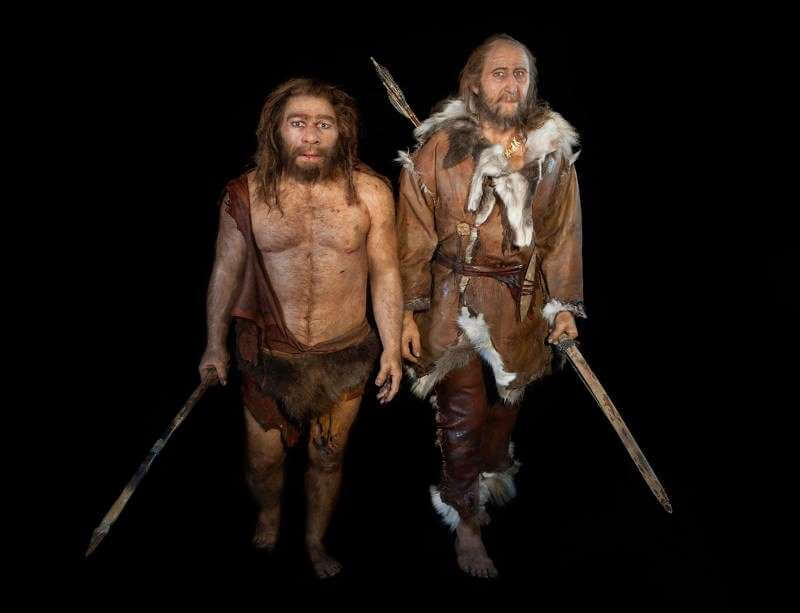
Life as a Neanderthal was no picnic, but a new analysis says it was no more dangerous than what our own species faced in ancient times.

That challenges what the authors call the prevailing view of our evolutionary cousins, that they lived risky, stressful lives. Some studies have suggested they had high injury rates, which have been blamed on things like social violence, attacks by carnivores, a hunting style that required getting close to large prey, and the hazards of extensive travel in environments full of snow and ice.

While it’s true that their lives were probably riskier than those of people in today’s industrial societies, the vastly different living conditions of those two groups mean comparing them isn’t really appropriate, said Katerina Harvati of the University of Tuebingen in Germany.

A better question is whether Neanderthals faced more danger than our species did when we shared similar environments and comparable lifestyles of mobile hunter-gatherers, she and study co-authors say in a paper released [November 14] by the journal Nature.

To study that, they focused on skull injuries. They reviewed prior studies of fossils from western Eurasia that ranged from about 80,000 to 20,000 years old. In all they assessed data on 295 skull samples from 114 individual Neanderthals, and 541 skull samples from 90 individuals of our own species, Homo sapiens.

Injury rates turned out to be about the same in both species.

Read full, original post: Skulls reveal Neanderthals, humans had similarly harsh lives

Tanzania’s ban on GMO crop trials will set biotech research back a decade, scientists say

Screen Shot at PM

An air of resignation characterized reactions …. to the government’s surprise ban on all genetically modified organism (GMO) trials in the country.

Members of the research community were in shock that the government did not only ban ongoing trials on GM seeds but also directed the Tanzania Agriculture Research Institute (Tari) to immediately destroy evidence of the research.


[N]ewly appointed Agriculture minister Japheth Hasunga told The Citizen …. that Tari had contravened government approval procedures. “They were supposed to give my ministry the findings which in turn would have consulted with other ministries to satisfy ourselves that the said GM seeds were safe …. ”

Tanzania has been carrying out GM seeds confined field trials for maize in Makutopora in [the] Dodoma Region and for cassava at the Mikocheni Agriculture Research Institute in Dar es Salaam.

[November 21’s] move by the government, the researchers argued, will set back by over a decade efforts in the country to advance …. biotechnology.

Among several groups, the Parliamentary Committee for Agriculture was the latest to tour Makutopora centre where members, including former Trade minister Mary Nagu praised the results that the research had attained …. For her part, Dr Nagu said critics of GM technology were politicizing the matter while Tari director general Godfrey Mkamilo asked the government to give a go-ahead for other GMO trials across the country.

Read full, original article: Tanzania: Shock As Government Bans GMO Trials

GMO Free label movement spins out of control—Now it’s on cat litter and condoms

BbCDbFcKL SL AC SS

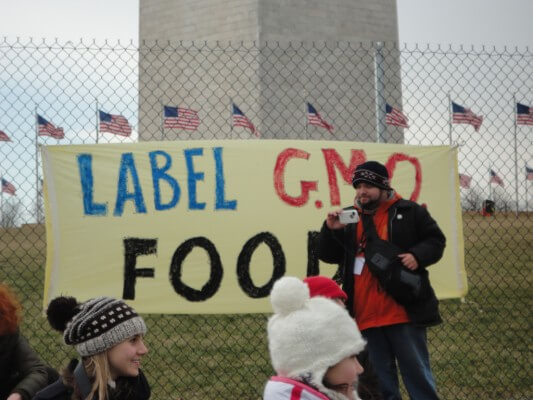
From acai to condoms, companies are capitalizing on anti-GMO fervor, with misleading labels. At bus stops all over my neighborhood are ads for Absolut vodka, touting its eco-friendly attributes — namely that it is produced with GMO-free ingredients.

This is a bit rich since Absolut is made from wheat and there is no such thing as genetically-engineered wheat, at least none that is grown commercially. It’s like a hamburger joint touting sugar-free beef. If your beef is finally there is go non gmo cat litter now your catgrassfed, or your Vodka organic, go ahead, make a sign about it. But don’t try to make headlines with gluten-free tomatoes.

A company called Sustain offers four types of GMO-free condoms. There’s certainly no such thing as genetically-engineered latex, and though condom boxes don’t list ingredients it seems safe to assume corn, soy or sugar beets are not typically among them.


These days the pet aisle is full of GMO posers, including kitty litter, dog shampoo and nutritional supplements.

Read full, original article: Absolut Vodka and other GMO-Free Posers

Video: Space-inspired ‘speed breeding’ fast tracks improvements in food crops

hunger solution scientist adapt

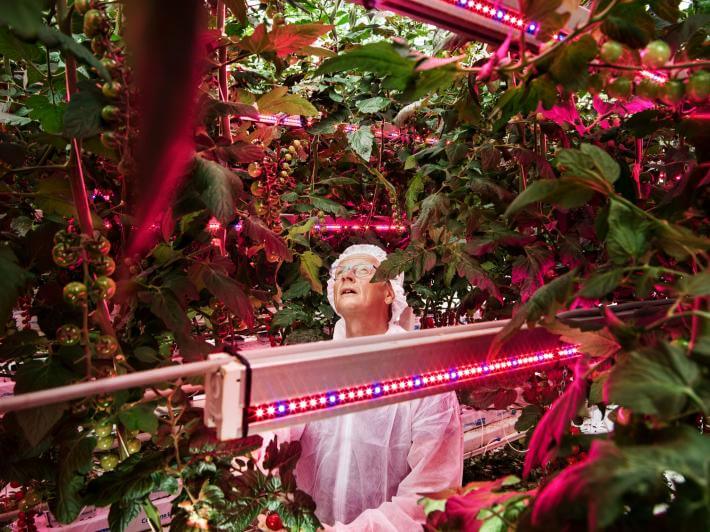
Technology first used by NASA to grow plants extra-terrestrially is fast tracking improvements in a range of crops.

Scientists at the John Innes Centre, Earlham Institute, and Quadram Institute in Norwich, UK, and the University of Queensland have improved the technique, known as speed breeding, adapting it to work in vast glasshouses and in scaled-down desktop growth chambers.

The ability to work at these scales gives scientists greater opportunities than ever before to breed disease resistant, climate resilient and nutritious crops to feed a growing global population. The research is published in the peer reviewed journal Nature Protocols.

Speed breeding uses enhanced LED lighting and day-long regimes of up to 22 hours to optimise photosynthesis and promote rapid growth of crops. It speeds up the breeding cycle of plants: for example, six generations of wheat can be grown per year, compared to two generations using traditional breeding methods.

Read full, original article: Space-inspired speed breeding for crop improvement