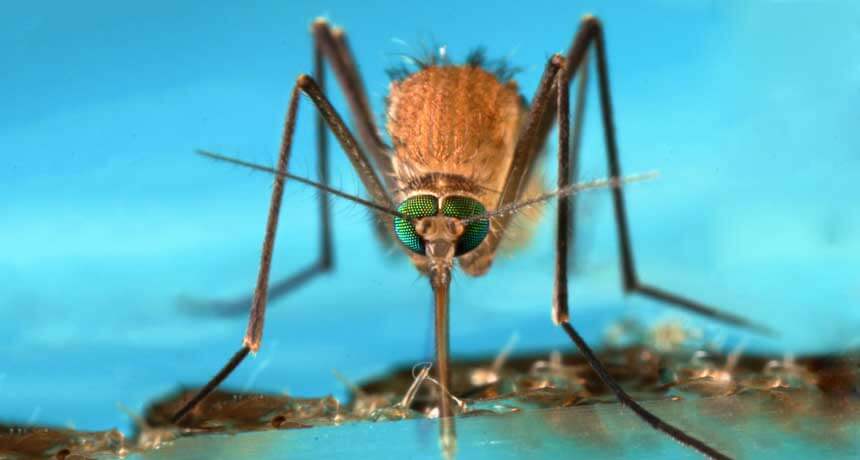
Let’s say we can force the mosquito into extinction — should we do it?

moquito
Not many people like mosquitoes. So why not eliminate them?

Newer techniques like CRISPR/Cas9 gene editing may make this possible. A new study by researchers at Imperial College London showed how CRISPR/Cas9 can generate a mutant gene that renders female mosquitos infertile, while males can spread the same mutation to offspring. Using a genetic tweak called gene drive, the scientists found they could extend the mutation in subsequent offspring at high enough rates to offset the effects of normal versions of the gene. This essentially wiped out the test population of Anopheles gambiae, a species of mosquito responsible for spreading malaria.

Malaria’s probably the last infectious scourge on earth that’s still unchecked by human efforts, killing about a half million people annually. The Imperial College study is not the first to try to eliminate the species, but so far seems to be the most effective.

That fact raises the question—if we can eliminate a species, should we?

The issue has jumped to the forefront this week at the United Nations biodiversity meeting in Sharm El-Sheikh, Egypt. Scientists supported by the Bill & Melinda Gates Foundation — which wants to use gene drives against mosquitos — warned about an effort to enact a global ban on field tests. In a Nov. 14 letter, they said:

Closing the door on research by creating arbitrary barriers, high uncertainty, and open-ended delays will significantly limit our ability to provide answers to the questions policy-makers, regulators and the public are asking. The moratorium suggested at CBD on field releases would prevent the full evaluation of the potential uses of gene drive. Instead, the feasibility and modalities of any field evaluation should be assessed on a case-by-case basis.

We have been trying to use genetics to rid ourselves of pathogen-carrying pests since the 1940s. Some have been somewhat successful, but many not. In the mid-1960s, the screwworm fly, which killed cattle, was eradicated in the United States (and later Mexico and Central America). The eradication worked by raising hundreds of millions of sterile screwworms. The males were rendered sterile by irradiation that damaged germ line chromosomes. This became known as the SIT approach, short for sterile insect technique, and it worked in California and Florida on the Mediterranean fruit fly, and in some parts of Africa, the tsetse fly, which is a vector for sleeping sickness. But breaking chromosomes was a rather crude way to introduce species-killing traits to offspring.

Now, more precise techniques like Zinc Finger Nucleases, TALENS and of course the much simpler-to-use CRISPR have opened the door to more possibilities to eliminate species.

Yet even CRISPR has run into problems. Scientists quickly discovered that evolution could thwart attempts using CRISPR, through ordinary genetic variation, new mutations, and DNA repair, ultimately resisting efforts to edit the genome. The Imperial College team’s efforts were remarkable, however, because they focused on a gene called doublesex, which determines a mosquito’s sex and doesn’t mutate in nature very much. So, when the team used CRISPR techniques to break the gene sequences in doublesex, little to no resistance arose and entire populations died by the eighth generation.

malaria 11 13 18
Image credit: Reuters/Adriane Ohanesian

Opposition to this new wave of species selection and forced extinction has arisen since CRISPR entered the gene drive arsenal. Even the developer of gene drives (in our modern sense), Harvard scientist Kevin Esvelt, has expressed reservations about using them in germ cells, or even conducting some research without public consultation — something that rarely plays a role in designing experiments.

A number of conservation groups, most notably Friends of the Earth and ETC, openly called for a moratorium on gene drive work. In 2016, 30 groups published a letter asking for such a moratorium:

We believe that a powerful and potentially dangerous technology such as gene drives, which has not been tested for unintended consequences nor fully evaluated for its ethical and social impacts, should not be promoted as a conservation tool.

Follow the latest news and policy debates on sustainable agriculture, biomedicine, and other ‘disruptive’ innovations. Subscribe to our newsletter.

The groups also have appealed to the United Nations Convention on Biological Diversity, which so far has not backed a moratorium, but is scheduled to meet on the subject in December.

Many scientists counter these objections. One defense against the objections is the deadliness of malaria itself. The disease has few effective treatments, and kills more than 400,000 people in sub-Saharan Africa and India (mainly) each year. Advocates also argue that gene drives will really work only in organisms with fast reproductive cycles, limiting it to fast-breeding invertebrates and unicellular organisms, not mammals (or people). Jonathan Pugh, a philosopher/ethicist at Oxford University, wrote in the British Medical Journal recently that:

The first objection invokes the concept of the ‘sanctity of life’ in order to claim that we should not drive an animal to extinction. In response, I follow Peter Singer in raising doubts about general appeals to the sanctity of life and argue that neither individual mosquitoes nor mosquitoes species considered holistically are appropriately described as bearing a significant degree of moral status.

The second objection claims that seeking to eradicate mosquitoes amounts to displaying unacceptable degrees of hubris. Although I argue that this objection also fails, I conclude by claiming that it raises the important point that we need to acquire more empirical data about, inter alia, the likely effects of mosquito eradication on the ecosystem, and the likelihood of gene-drive technology successfully eradicating the intended mosquito species, in order to adequately inform our moral analysis of gene-drive technologies in this context.

One of the concerns about gene drives, even among scientists stems from the fact that once a gene drive is inserted in an organism, it’s almost possible to stop using current techniques. To address this, Esvelt developed what’s been called the Daisy Drive. Esvelt’s Daisy Drive might be self-limiting enough to avoid perpetuation problems with current gene drive. With the Daisy Drive, the various components necessary for CRISPR-based perpetuation (aka, “gene drive”), isn’t in one place on the genome. Instead, the CRISPR- altered length of DNA, and guide lengths are in different places and need to be copied separately. This provides greater control than conventional gene drives. Another group, at the universities of Cardiff and Bath, also found a technique that could put brakes on gene drives, when necessary. In this case, the Cas9 protein part of CRISPR/Cas9 depends on the existence of another protein, called BOC. By controlling the presence of BOC, gene drives can also be controlled.

Which helps relieve much of the scientific doubt.

Yet the case of whether or not to eradicate an entire species of mosquito (or a species we actually like) has not yet been convincingly made.

Andrew Porterfield is a writer and editor, and has worked with numerous academic institutions, companies and non-profits in the life sciences. BIO. Follow him on Twitter @AMPorterfield
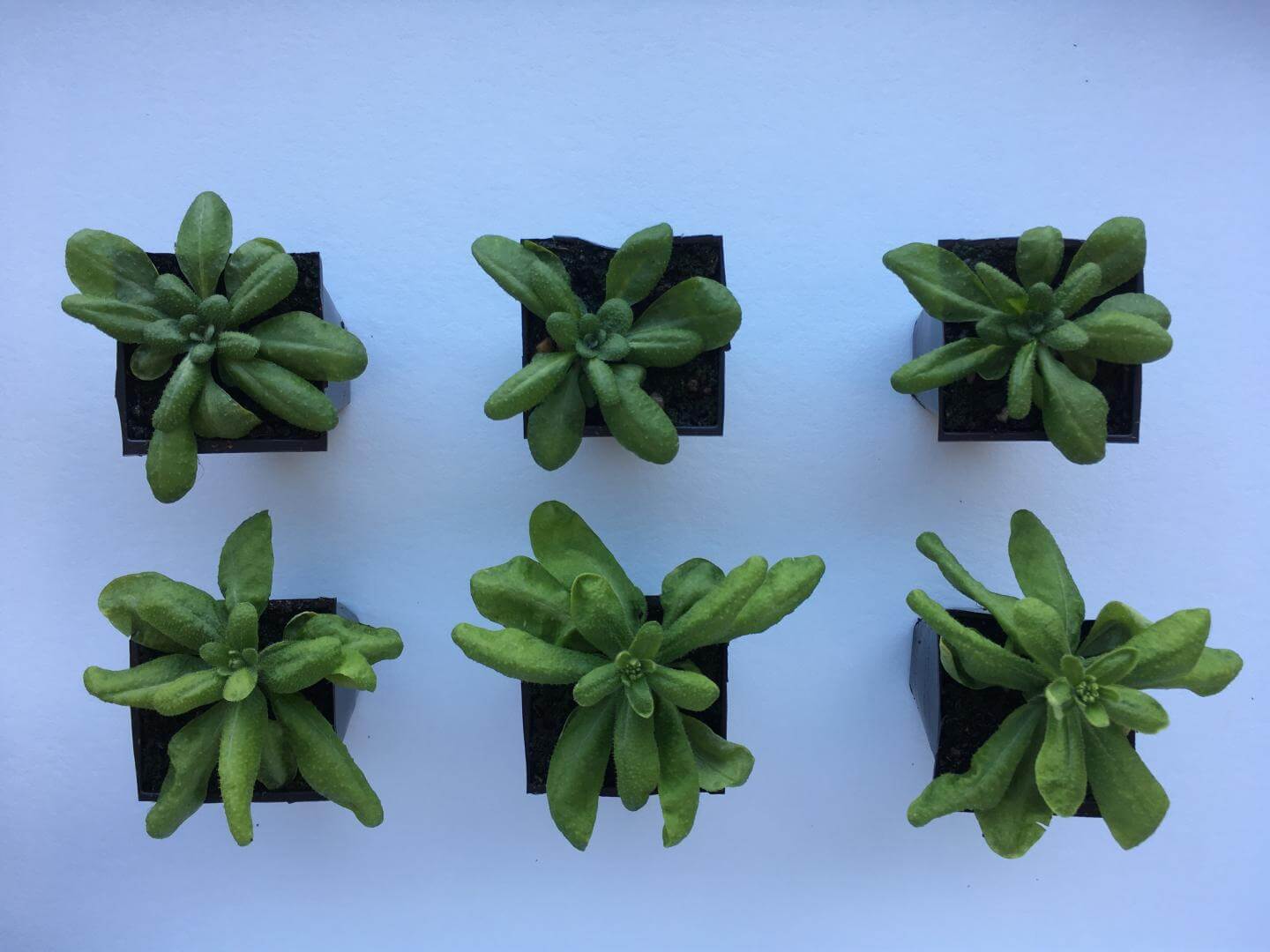
Epigenetic changes in plants could help produce food crops better suited to harsh environments

web

The sequence of genes passed on to daughter cells or offspring isn’t the only factor that determines the traits of cells and organisms. Chemical changes in the genetic material that do not alter the underlying DNA sequence also play a role in controlling which genes are active or inactive. Methylation is one such epigenetic mark, which involves the addition of small chemical groups to specific bases in the DNA.

Plant biologists at the University of Zurich have now demonstrated that naturally occurring epigenetic variation in mouse-ear cress (Arabidopsis thaliana) is subject to selection. The team of Ueli Grossniklaus at the Department of Plant and Microbial Biology also showed that newly selected traits – which are important for seed dispersal – are passed on for at least two to three generations even without selection. “Epigenetic variation thus contributes to the ability of plants to quickly adapt to changes in the environment without sequence changes in the genome,” explains Grossniklaus.

Since the genetic basis of crops is often very limited, epigenetics could be used to expand the material for plant breeding,” emphasizes Grossniklaus. Climate change is likely to alter the environmental conditions in many of the world’s regions within a short period of time. Plant species that can quickly adapt to changes are thus becoming increasingly important.

Read full, original article: Exploiting Epigenetic Variation for Plant Breeding

If aliens exist, we could signal them with a massive laser…and why that’s a bad idea

sei af e

If extraterrestrial life exists in our neck of the Milky Way, how would we make our presence known to one another? Could we just shoot a massive, unmistakable signal out into space?

As it turns out, this wild-sounding idea could actually be carried out with current and developing technologies. A new MIT study found that by shining a powerful laser through a gigantic telescope, humans could produce a beam of infrared radiation detectable from 20,000 light-years away.

But just because the technology technically exists or is in the works, doesn’t mean the project would be safe, easy, or even work. In order to shine through our thick atmosphere, the laser would need to be built in a high-altitude, easily-penetrable area, such as on top of a mountain.

And despite the beam being invisible to the naked eye, it would still emit 800 watts of power per square meter, which could cause vision damage if it’s looked at directly. It could also interfere with spacecraft cameras as they pass by the infrared signal.

Plus, there’s no guarantee that a neighboring planet would ever detect our monstrous beam. Assuming alien astronomers have comparable telescopes, they would need to be in the emission’s exact line of sight which, statistically speaking, is pretty unlikely.

Read full, original post: Infrared laser technology could attract aliens, but probably won’t

Creating life from the ‘bottom up’: Can we make cells from scratch?

cell

There were just eight ingredients: two proteins, three buffering agents, two types of fat molecule and some chemical energy. But that was enough to create a flotilla of bouncing, pulsating blobs — rudimentary cell-like structures with some of the machinery necessary to divide on their own.

To biophysicist Petra Schwille, the dancing creations in her lab represent an important step towards building a synthetic cell from the bottom up.

Synthetic cells could lead to insights about how life might look on other planets. And synthetic bioreactors under a researcher’s complete control might offer new solutions to treating cancer, tackling antibiotic resistance or cleaning up toxic sites. Releasing such an organism into the human body or the environment would be risky, but a top-down engineered organism with unknown and unpredictable behaviours might be even riskier.

[Biophysicist Marileen] Dogterom says that synthetic living cells also bring other philosophical and ethical questions: “Will this be a life? Will it be autonomous? Will we control it?”

[Meanwhile,] she and other synthetic biologists will keep pushing ahead exploring the frontiers of life. “The timing is right,” says Dogterom. “We have the genomes, the parts list. The minimal cell needs only a few hundred genes to have something that looks sort of alive. Hundreds of parts is a tremendous challenge, but it’s not thousands — that’s very exciting.”

Read full, original post: How biologists are creating life-like cells from scratch

With regulation bottlenecks surrounding biotechnology, how do gene-edited crops get from the lab to the farm?

plant

Restrictive regulation of genome-edited crops could limit the future impact of these crops on agriculture. Globally, genome-edited crops are currently regulated with either process-based or product-based approaches, although in some countries the regulatory concepts remain unclear. Process-based regulations focus on the biotechnological processes that are used to alter crop DNA. Conversely, the product-based approach regulates the resulting crop plant and its traits, not the breeding process used to create it.

Most crop biotechnology regulatory frameworks were developed or updated to regulate genetically modified organisms (GMOs). GMOs include exogenous DNA that would rarely be present through natural processes. This use of exogenous DNA has raised public and environmental health concerns, resulting in strict regulations in many countries. Many genome-editing approaches do not, however, lead to the presence of exogenous DNA in the final plant product. Indeed, genome editing …. avoids the introduction of any exogenous DNA during the breeding process.

Concerns held by the public can put pressure on government bodies to restrict the application of agricultural biotechnology and to limit scientific innovation. Therefore, scientists, the media, and regulatory bodies should place emphasis on engaging the public in factual discussions regarding the safety of genome-editing. Genome-edited crops could increase consumer acceptance of biotechnology in agriculture because of the lack of transgenes, which are the public’s primary concern.

Read full, original article: Bottlenecks for genome-edited crops on the road from lab to farm

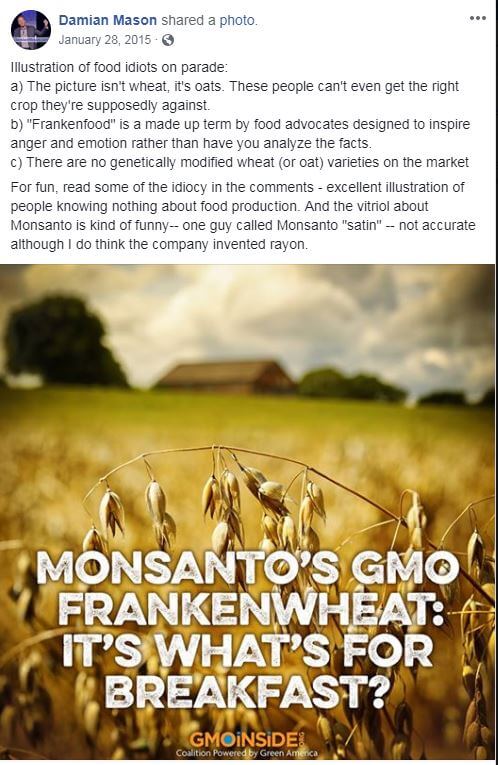
GMO ‘frankenwheat’ for breakfast? A closer look at popular but misleading food memes

images

Ever play a game of telephone when you were a kid? You start with a message, whisper it in someone’s ear, and by the time it reaches the end of the group, the message is completely distorted and oftentimes is no longer truthful.

The same can be said for learning or reading about a topic online …. Truth is so incredibly important when it comes to journalism, but sometimes the imagery associated with the points are so far off, you have to wonder how credible the source and other info is as well.

inset frankenwheat

The problem here is there’s no such thing as (commercially available) GMO wheat, and this photo isn’t even wheat … it’s oats! So if they’re going to bash a product, let’s at least make sure that product exists first and they know what a crop even looks like.

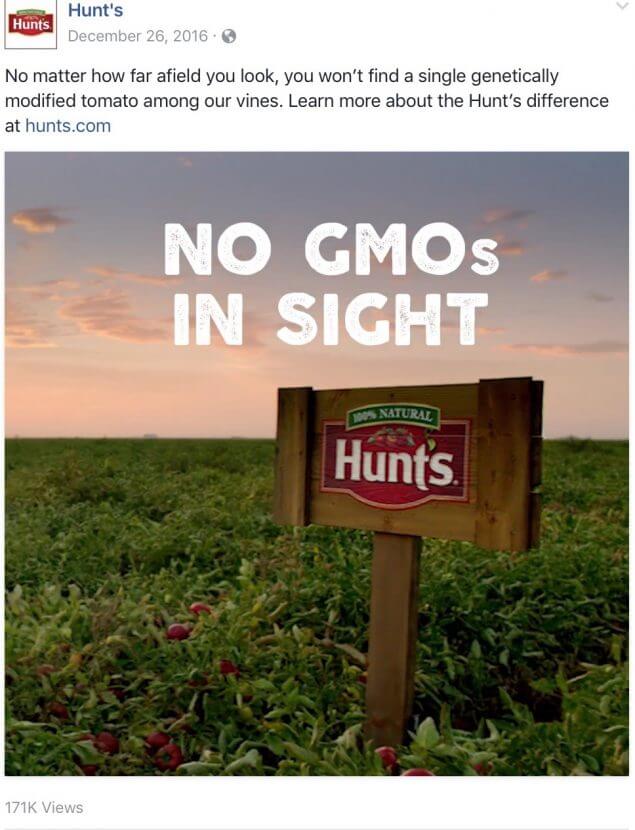
huntsnogmo x

Well Hunt’s, as your now ex-customers have pointed out, there’s no such thing as GMO tomatoes! So I hope this field of non-GMO tomatoes is shark-free as well, as something that would never exist ….  If something as basic as the use of a stock image can go so awry, where the offender won’t remove or edit the post, how can anything else they say or do be taken seriously?

Read full, original article: Activist photos and memes that fail on so many levels

‘Blinding speed’: How an ice age led to the populating of the Americas

header bluefish caves

Tens of thousands of years ago, two gigantic ice sheets smothered the northernmost parts of what has since been named North America.

Genetic studies, based on ancient remains, [suggested] that once the first American Indians got south of the ice, 14,600 to 17,500 years ago, they split into two main branches. One stayed north, giving rise to the Algonquian-speaking peoples of Canada. The other headed south, giving rise to the widespread Clovis culture, and to Central and South Americans. That’s a very rough outline, but a new study from J. Víctor Moreno-Mayar and his colleagues fleshes it out. They showed that whatever happened south of the ice, it happened fast.

They sequenced the genomes of 15 ancient humans, who came from sites ranging all the way from Alaska to Patagonia. One person from Spirit Cave in Nevada and five from Lagoa Santa in Brazil were especially instructive. They were all just over 10,000 years old, and though they lived 6,300 miles apart, they were strikingly similar in their DNA.

All this suggests that, about 14,000 years ago, the southern lineage of early American Indians spread through the continent with blinding speed.

This pattern confirms the suspicions of archaeologists, whose finds had long suggested that humans suddenly appeared throughout the Americas, from about 13,000 years ago onward. “You can now see that in the genetics,” Moreno-Mayar says.

Read full, original post: The Extremely Fast Peopling of the Americas

Growing our own bones: Another step in regenerative medicine?

bone
[Nina] Tandon is co-founder and CEO of EpiBone, a company working on custom-growing bones using patients’ own stem cells. In a talk at Singularity University’s Exponential Medicine in San Diego [November 4-7], Tandon shared some of her company’s work and her insights into regenerative medicine, a field with tremendous promise for improving human well-being.

[W]e’re learning how to fix and rebuild our own bodies using, well, our own bodies. Some examples include CAR-T therapies, which fight cancer using a patient’s own cells; regenerative medicine, which uses stem cells to repair body parts or make new ones; and microbiome analyses, which use our gut bacteria to fashion personalized dietary treatments.

Tandon’s expertise, though, is in personalized bones.

Here are some details of their method.

First, patients undergo a CT scan to determine the size and shape of the bone they need. Stem cells are extracted from the adipose (fatty) tissue in the abdomen. A scaffold model of the bone is created, as is a custom bioreactor to grow the bone in.

When they’re ready, the stem cells are infused into the bone scaffold, and a personalized bone graft grows in the bioreactor in just three weeks. When the new bone is implanted into the patient’s body, the surrounding tissue seamlessly integrates with it.

Epibone is hoping to start human clinical trials next year.

Read full, original post: Custom-Grown Bones, and Other Wild Advances in Regenerative Medicine

Gene sequencing could help researchers breed cold-resistant crops

Frostoncabbage SeattleUrbanFarmCo

When temperatures fall below 32 degrees, crops exposed to the elements undergo biochemical changes designed to protect cells from cold stress damage. Scientists identified the genes controlling this phenomena years ago, but have struggled to use the knowledge to engineer cold-resistant crops.

A new study from the University of Illinois may provide a novel approach at tackling cold-resistant crop engineering. The study, authored by Dr. Gustavo Caetano-Anolles, went beyond traditional approaches of examining a single gene, protein or biochemical pathway and instead simultaneously examined the entire collection of genes, metabolites, pathways and reactions undertaken in a plant’s cold stress response.

State-of-the-art gene sequencing provided researchers at the University of Illinois with the possibility to generate a complete list of all the genes and proteins active during the cold stress response, and, using a database, annotated the network involved.

“Our analysis revealed stress-associated metabolites in numerous pathways that we didn’t think would respond to cold stress, including amino acids, carbohydrates, lipids, hormones, photosynthesis and signaling pathways,” Caetano-Anolles said. “The study opened remarkable opportunities for genetic engineering and synthetic biology moving forward.”

Read full, original article: Snow laughing matter – New study tackles future of cold-resistant crop engineering

Audio: Greenpeace, UK farmers and chemical industry square off over neonicotinoid pesticide ban

seed neonic x

The debate over neonicotinoids continued … during a BBC Radio segment as farmers, environmentalists and the chemical industry weighed in on Europe’s controversial ban of the pesticides.

Some European governments have allowed farmers emergency exemptions to use neonics because they claim there are no viable alternatives. But the UK fears the seed treatments pose a serious threat to birds and bees and has refused to grant exemptions, a decision it reaffirmed on November 12. UK National Farmers Union deputy president Guy Smith told the BBC he uses the pesticides to protect his crops from pests, not because he likes chemicals.

Greenpeace activist Franziska Achterberg countered that some governments have not claimed there is an emergency and are refusing to enforce the EU ban because they oppose it. The chemical giant Bayer manufactures neonics, and its representative Julian Little argued that these European governments recognize the ban will harm farmers and are employing a “reasonable approach” until alternatives can be identified.

[Editor’s note: Move cursor to the 1:25:15 mark on the audio player at this link and click on it to listen to the story.]

‘Synthetic media’: How AI could make the era of ‘fake news’ far worse

Deepfakes

In the emerging world of “synthetic media,” the work of digital-image creation—once the domain of highly skilled programmers and Hollywood special-effects artists—could be automated by expert systems capable of producing realism on a vast scale.

In a media environment saturated with fake news, such technology has disturbing implications. Last fall, an anonymous Redditor with the username Deepfakes released a software tool kit that allows anyone to make synthetic videos in which a neural network substitutes one person’s face for another’s, while keeping their expressions consistent.

Around the same time, “Synthesizing Obama,” a paper published by a research group at the University of Washington, showed that a neural network could create believable videos in which the former President appeared to be saying words that were really spoken by someone else.

“Why did Stalin airbrush those people out of those photographs?” he asked. “Why go to the trouble? It’s because there is something very, very powerful about the visual image. If you change the image, you change history. We’re incredibly visual beings. We rely on vision—and, historically, it’s been very reliable. And so photos and videos still have this incredible resonance.” He paused, tilting back into the sun and raising his hands. “How much longer will that be true?”

Read full, original post: In the Age of A.I., Is Seeing Still Believing?

Can loneliness and isolation damage the brain?

lonely

Mice yanked out of their community and held in solitary isolation show signs of brain damage. After a month of being alone, the mice had smaller nerve cells in certain parts of the brain.

It’s not known whether similar damage happens in the brains of isolated humans. If so, the results have implications for the health of people who spend much of their time alone, including the estimated tens of thousands of inmates in solitary confinement in the United States and elderly people in institutionalized care facilities.

The researchers uncovered other worrisome signals, too, including reductions in a protein called BDNF, which spurs neural growth. Levels of the stress hormone cortisol changed, too. Compared with mice housed in groups, isolated mice also had more broken DNA in their neurons.

It’s also not known how the neural changes relate to mice’s behavior. In people, long-term isolation can lead to depression, anxiety and psychosis. Brainpower is affected, too. Isolated people develop problems reasoning, remembering and navigating.

[Neurobiologist Richard] Smeyne is conducting longer-term studies aimed at figuring out the effects of neuron shrinkage on thinking skills and behavior. He and his colleagues also plan to return isolated mice to their groups to see if the brain changes can be reversed.

Read full, original post: Loneliness is bad for brains

We should stop saying biotechnology can ‘change the world,’ expert argues

biolog

It is common to hear claims that biotechnology will solve many of the world’s most perplexing problems. For example, a 2014 US State Department’s online article, titled “Biotech Innovations that are changing the World,” reported on a conference sponsored by the State Department and several other government agencies on the “bioeconomy revolutions” ….

However …. sweeping claims that the biotech revolution represents human progress commit the “modernist fallacy.” It can no longer be assumed that people share a culture-forming schema for interpreting technological innovations. Technological pessimists—for example in alternative agriculture, health and environmental movements ….  would likely interpret the very same biotech innovations that are driving the “bioeconomy revolution” on display at the State Department  …. as potentially menacing threats to human health

[P]olitical efforts to develop urban water purification and chlorination systems, public sanitation systems and childhood immunization programs ….  promote equity and justice by reducing health differences between the rich and the poor. The tradition of medically sanctioned food fortification programs fits within the progressive tradition of the modern public health movement.

It seems that assertions of progress must move away from nineteenth century metaphysics and toward twenty-first century pragmatism …. Progress must be understood in more mundane and pragmatic terms. For “progress” in biotechnology to have a shared cultural interpretation it must be in a common sense understanding of the word.

Read full, original article: Reinterpreting Progress, Genetically Engineered Biofortified Crops and Technological Pragmatism

Edible cotton: How genetically modified cottonseed could revolutionize food and feed production

cotton seeds
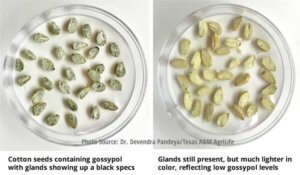
Here’s a somewhat boring fact you might already know about cotton: It doesn’t make a good food, for humans or animals. Glands throughout the plant produce a toxic pigment called gossypol that limits its use as feed stock.

For humans, we only use cottonseed oil, the processing of which negates the toxin. As a feedstock, cottonseed meal and crop residue is useful, but you have to be careful about rations to avoid toxicity. It’s safe for cattle, but not for hogs or poultry. You can let cattle graze a cotton field after harvest, but you don’t want to let your bull join in for a reason we’re about to get to. General signs of acute toxicity are similar among animal species and include respiratory distress, impaired body weight gain, anorexia, weakness, apathy, and death after several days.

But if managed well, cottonseed meal and cotton residue can help cattle farmers put the full product of a cotton harvest to use profitably. Cottonseed hulls have about 17 percent less protein than soybean hulls, but soybeans hulls cost about 25 percent more.

A Georgia study from 2000 compared the number of grazing days between standing cotton stalk residue and residue mowed prior to grazing. Savings from reduced hay feeding ranged from $0.90 per day for cows grazing standing cotton stalk residue to $0.58 per day for cows grazing mowed cotton stalk residue.

Here’s a fun fact that I’ll bet you didn’t know about gossypol: It was developed in some countries as a contraceptive for men. At the proper doses, it induces sterility, without acute toxicity. But over time the sterility becomes permanent. The long term side effects were problematic and this line of research has been abandoned.  So you can understand why cottonseeds, similar to little peanuts and chock full of fat and protein haven’t caught on the way sunflower and pumpkin seeds have a snack or the basis of a buttery spread like tahini (sesame seeds) or sunflower butter. And you can see why you wouldn’t want your bulls eating cottonseed meal.

glossypol cottonSo the fact that cotton produces gossypol reduces the value of cotton as a crop. If you could use cottonseeds as food for humans the way you can for sunflowers or use it without careful rationing as a feedstock, that would be a boon to cotton farmers. In fact, for every 1 pound of cotton fiber — the product, the plant produces 1.6 pounds of seed — the byproduct. Imagine if you were a farmer being able to produce straight up 2.6 pounds of product for sale instead.
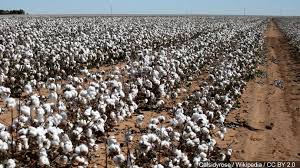

A glandless cotton plant was developed from a strain found on a Hopi Indian reservation in Arizona in the 1950’s but languished until the Rogers Delinted Cottonseed Co. of Waco, Texas started a breeding program to try to develop a commercially viable glandless cotton in 1967 in partnership with Texas A&M. Success came in the mid-1980’s. The UPI reported at the time:

The kernels would be roasted for ‘Cot-N-Nuts.’ They also can be flattened into flakes. The roasted kernels taste somewhat like sunflower seeds. They can be eaten as a snack food, ground into flour or blended to make glandless cottonseed butter similar to peanut butter, the company said.

Texas A&M University has published a 48-page ‘Cottonseed Cookery’ cook book. Recipes include everything from cotton-fried chicken and cottonseed-stuffed fish to burritos, soups, salads, breads and pralines.

Unknown
Edible cottonseed research at Texas A&M

Unfortunately, the early version of glossypol-free cotton did not catch on. Though that shouldn’t have come as a surprise. Cotton produces glossypol for a reason. It doesn’t just induce sterility in bulls and men. It produces sterility in insects that nibble on cotton. This isn’t quite the pest control strategy of producing a neurotoxin like caffeine in coffee or cacao (which also produces theobromine, the reason you don’t feed chocolate to dogs) or nicotine in tobacco, which kills those nibbling insects. But creating sterility in your predatory rivals is a pretty decent strategy to keeping infestations manageable. Cotton farmers find this useful, as you can imagine.

Then in 1995, Keerti Rathore, an Indian plant breeder with a PhD from the University of  London arrived at Texas A&M to pick up the mantle of edible cottonseed. 23 years later, he’s nearly there. Rathore’s team used RNA interference (RNAi) to silence a gene in the cotton plant to stop the plant from developing the glands that produce glossypol in the seeds, but not in the rest of the plant. In 2006 he filed and in 2011 was granted U.S. Patent #7,999,148: ‘Cotton plant with seed-specific reduction in gossypol’. The patent application characterizes the innovation in this way:.

The method generally includes selectively inducing RNA gene silencing in the seed of a transgenic cotton plant, to interfere with expression of the δ-cadinene synthase gene or the δ-cadinene-8-hydroxylase gene in the seed of the cotton plant without substantially affecting expression of that gene in the foliage, floral parts, and roots of the plant.

Once the trait had been well characterized in 2006, greenhouse work began in order to find the best plants from the many lines they have produced. Once those lines were identified, field trials began, leading up to the recent approval by the USDA’s APHIS office of the ultra-low glossypol cotton for commercialization of production. For the seeds to be sold as food or feedstock still requires approval from the FDA.

As to the potential for the project, “It’ll taste like hummus,” Rathore said. “It’s not at all unpleasant.”

It will be several years before farmers can grow it commercially, as seed supplies have to be ramped up starting next season, said Kater Hake, a vice president at Cotton Inc., which does research and marketing for growers and funded the project.

rathmore
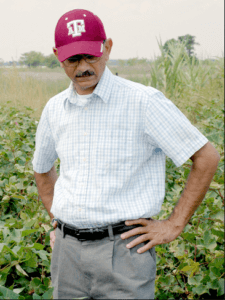
Dr. Keerti Rathore, Texas AgriLife Research scientist, examines cotton growing in a field near College Station. Rathore is breeding cotton plants that have almost no gossypol in the seed which would make them edible for humans and mono-gastric animals. (Texas AgriLife Research photo by Kathleen Phillips)

There’s a lot of protein in cottonseeds—enough to meet the daily requirements of 600 million people should all cotton in the world be replaced with edible varieties, Hake said by telephone.

As a tree nut, its nutritional value is similar to other nuts, like almonds or walnuts. Food technologists have experimented by making cottonseed milk, crackers, cookies, nut butters and chopped-nut substitutes, Hake said. The protein could also be extracted and made into a powder that can go into energy bars or flours, Rathore said.

The industry is also targeting aquaculture, according to Hake, because cottonseeds can be fed to carnivorous fish like salmon and trout that eat ground-up fish. Cotton would be a low-cost alternative that can replace up to half of all fishmeal. It’ll also help farmers, who will be able to sell the seeds, currently considered a near useless byproduct.

Rathore points out  “The world produces 44 million metric tons of cottonseed each year. Cottonseed typically contains about 22 percent protein, and it’s a very high-quality protein.”

In all, about 10 million metric tons of protein are contained in that amount of seed.

It’s no coincidence that it was an Indian born researcher who made his way to Texas A&M to pick up the mantle of the breeding work that began there in the 1970s.

Rathore’s real goal, though, is to see it growing in places like India, where he grew up; places where a lot of people aren’t eating well. “A lot of these countries that do suffer from malnutrition are also cotton producers,” he says. “So I think that those countries may benefit much more from this technology.” China and India are the world’s two top cotton-growing countries.

For India the estimate for the 2017-18 cotton crop is 6.3 billion kg of cotton fiber. If that was grown with this new cotton, that would come with an additional 10 billion kg of edible cottonseed packed with 2.2 billion kg of protein. In none of the news reports that I’ve read has anyone really pointed out how revolutionary it could be for Indian farmers if they could produce the equivalent of a harvest of cotton and sunflower seeds simultaneously in the same field, at the same time, with the same resources. It’s a big deal.

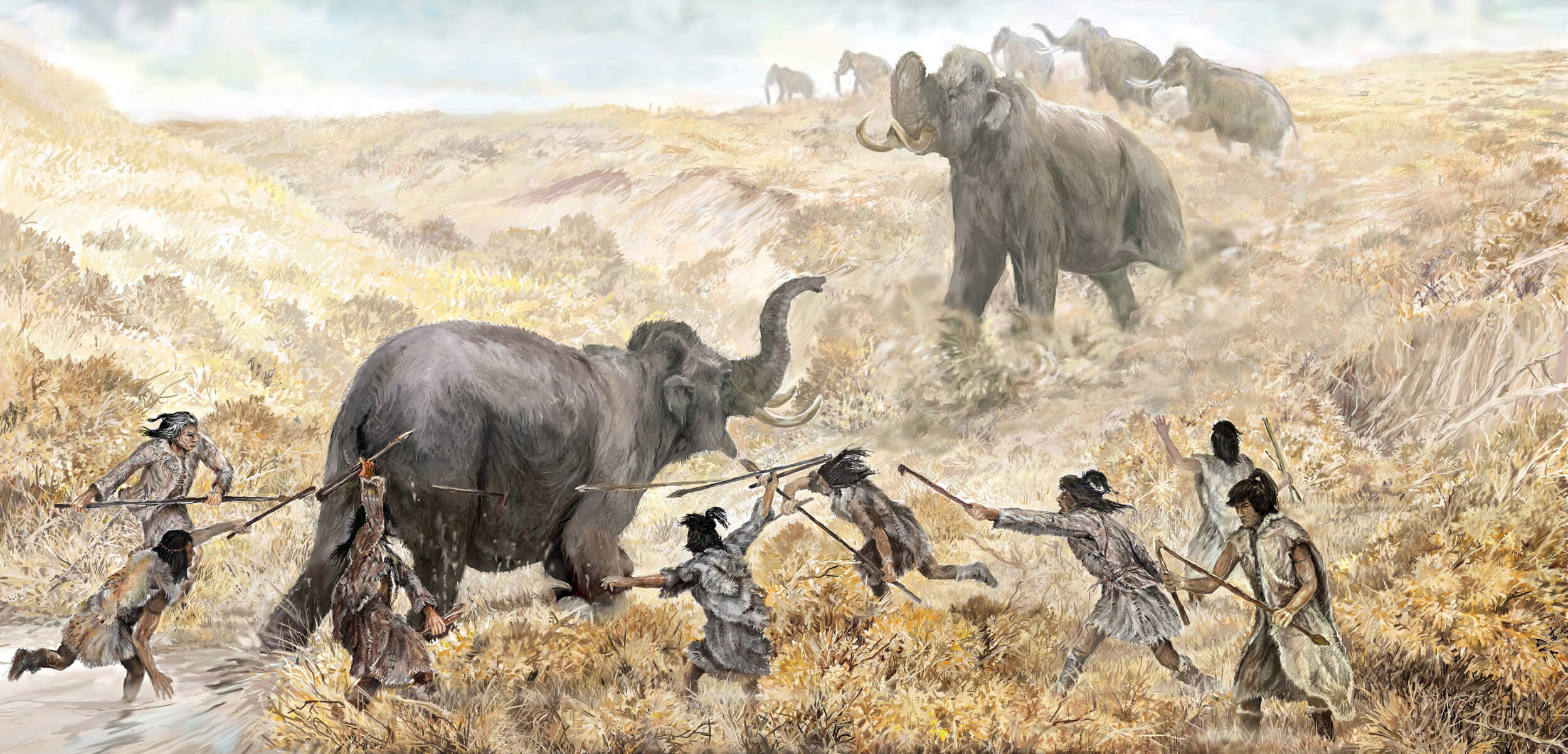
What’s striking here is that the idea of breeding cotton for edible cottonseed wasn’t some gee whiz inspiration of the biotech era; this is a project going back 70 years. It’s always worth noting that while our current technologies are producing novel solutions, the problems have been with us for a long time. We’ve been producing cotton with cottonseed packed with fat and protein that we just couldn’t fully utilize going back 7,000 years ago to the Kachi Plain of Balochistan, Pakistan, in the sixth millennium BC.

Follow the latest news and policy debates on sustainable agriculture, biomedicine, and other ‘disruptive’ innovations. Subscribe to our newsletter.

Likewise, if you thumb through a seed catalogue for organic farmers and gardeners, the characteristics they tout for their seeds address the same issues over and over: disease resistance, frost resistance, pest resistance and germination timing. Elsewhere the needs are similarly straightforward: salt tolerance, drought tolerance, flood tolerance and greater nutrition for staple crops. Of the big agronomic breeding challenges, only herbicide tolerance is a challenge novel to contemporary times. At the grandest scale, achieving the efficiency of photosynthesis in crops like corn and sugarcane for any crop and nitrogen fixation for any crop seem to verge on science fiction for their ambition, it remains the case that those dreams merely involve moving what nature already does into a wider range of crops.

Climate change and a growing, increasingly well-fed population pose novel challenges every day. It’s a bit of a paradox that meeting those challenges so often involves solving problems that have been with us for a long, long time.

Marc Brazeau is the GLP’s senior contributing writer focusing on agricultural biotechnology.  He also is the editor of Food and Farm Discussion Lab. Follow him on Twitter @eatcookwrite

Viewpoint: Why our nation needs to expand access to genetic counselors

counseling

Recently, our country saw an incredibly rare event — the introduction of a bipartisan bill.

The bill — H.R. 7083 “Access to Genetic Counselor Services Act of 2018” — would allow certified genetic counselors to be recognized as health care providers through Medicare. As we have seen with the recent controversies of genetic testing being used by Elizabeth Warren to confirm her ancestry, and by law enforcement to solve an increasing number of cold cases, genetic testing can be complicated.

This bill could not have come at a better time.

Genetic information and technology are growing so rapidly that many specialists in other fields have difficulty keeping up, much less the public.

Genetic counselors are health care professionals with specialized training in medical genetics and counseling. Genetic counselors are trained to fully explain and explore the concepts of genetic testing and genetic test results with patients, as well as potential psychosocial issues inherent in genetic diagnostic information.

Currently, Medicare patients have difficulty gaining access to the specialized services of genetic counselors and must look to other health care professionals to pursue and interpret genetic testing. If H.R. 7083 becomes law, genetic counselors would be allowed to bill Medicare for their services, increasing access for patients and helping to secure the financial viability of the profession at a time when more genetics and genomic expertise is desperately needed.

Read full, original post: Opinion: Bipartisanship in our genes

‘Transcontinental pollination’: How migrating insects enable plants to mix

x

Metabarcoding, a technique of mass DNA sequencing, allows for tracing migratory routes of insects, an understudied subject due to technical limitations. A small DNA fragment of the pollen that insects transport is used as a barcode to identify the plant species they visited previously.

[The research shows] that transcontinental pollination mediated by migrating insects is possible and, therefore, various plants located very far apart can mix. The migration of insects is a natural phenomenon, as important as it is unknown …. The reasons, in short, are the technical limitations to study this behavior.

Now, in a study published in the journal Molecular Ecology Resources, researchers …. have developed a technique that …. allows [them] to easily study the migratory movements of insects: the DNA metabarcoding analysis of the pollen transported by insects.

The results of this study represent an important discovery …. because it demonstrates for the first time that transcontinental pollination by migratory insects is possible. It is a phenomenon to be taken into account both in wild and in cultivated plants because it enables plants from very distant locations to mix.

Read full, original article: Sequencing pollen DNA to discover insect migratory routes

Meet Grunya Sukhareva, the forgotten woman who defined autism

Grunya
[In 1924,] a gifted young doctor, Grunya Efimovna Sukhareva, saw [a 12-year-old] boy. Caring and attentive, she observed him with a keen eye, noting that he was “highly intelligent” and liked to engage in philosophical discussions. By way of a diagnosis, she described him as “an introverted type, with an autistic proclivity into himself.”

‘Autistic’ was a relatively new adjective in psychiatry at the time. About a decade earlier, Swiss psychiatrist Eugen Bleuler had coined the term to describe the social withdrawal and detachment from reality often seen in children with schizophrenia. Sukhareva’s characterization came nearly two decades before Austrian doctors Leo Kanner and Hans Asperger published what have long been considered to be the first clinical accounts of autism.

In 1925, Sukhareva published a paper describing in detail the autistic features the six boys shared. Her descriptions, though simple enough for a nonspecialist to understand, were remarkably prescient. “Basically, she described the criteria in the fifth edition of the Diagnostic and Statistical Manual of Mental Disorders (DSM-5),” says [psychiatrist] Irina Manouilenko.

Sukhareva wrote that her goal was to help the children “stay connected with real life, its tempo and movement.” Given her sensitivity and intuition as a clinician, it’s unfortunate that the research community in the West was not connected with her ideas during her life.

Read full, original post: How history forgot the woman who defined autism

University students embrace biotech research as Africa gradually embraces crop biotechnology

Nigerian Farmers

Though most African nations have been slow to commercialize genetically modified crops, students across the continent remain committed to earning advanced degrees in biotechnology.

Ironically, Makerere University in Kampala, Uganda, has become a hub for such students, though the country has yet to pass its own biosafety law, leaving its publicly-developed GM crops to languish in the laboratory.

Some of these graduate students, like Frank Kumi, a principal research assistant at the University of Cape Coast in Ghana, are more hopeful about the situation in their own countries. Kumi noted that Ghana has a biosafety law and imports GM products. The nation is also moving to commercialize pest-resistant Bt cowpea, its first GM crop.

Kumi was motivated to pursue his doctorate after noticing a research gap at his university. “There is only one plant breeder in the crop science department,” he explained. “And the dilemma is that he is on post-retirement. I needed to exploit the opportunity.”

Mercy Ulemu Msiska, currently an assistant director in the Department of Crop Protection in the Ministry of Agriculture, Irrigation and Water Development in Malawi, said she’s pursuing her training as part of her country’s strategy to build capacity in biotechnology.

While her fellow students at Makekere are primarily lecturers, Msiska has been engaging farmers to help them understand the advantages of adopting GM technology ….

Read full, original article: African biotech students remain hopeful, despite obstacles

Forget Old McDonald, farmers must communicate consumer benefits of modern agriculture

blue tractor sprayer

Most farmers are reluctant to talk about modern agriculture. Our own industry advertisements promote the image of a farm with a faded red barn and a few chickens running about in a pastoral setting. That is not modern agriculture and we need to stop letting agriculture be portrayed this way.

It is not hard to understand why modern agriculture shies away from talking about what we do on the farm. Modern agriculture practices are regularly attacked by activists who want to return to the lost golden age of Old McDonald’s farm.

Today most agriculture production in Canada takes place on commercial farms that are thriving businesses. The equipment comprises combines, sprayers and tractors guided by satellites. The seeds, fertilizers and pesticides that are used are the result of years of intensive research. These tools are designed to have a minimal environmental footprint and to be safe for farmers and consumers.

I am told by professional communicators that talking about modern agriculture in this way does not effectively reach consumers and give them comfort in how their food is produced. Someone in a downtown urban center, shopping for their kids’ lunch, does not care that much about eradicating rural poverty. They just want to know that they will be giving their kids a safe and nutritious lunch.

Read full, original article: Ag must celebrate modern farming