Did Neanderthals have their own language?

Neanderthal language e

Did Neanderthals have language? Before trying to answer that, I should admit my bias: I’m team Neanderthal. As an anthropologist who studies our evolutionary cousins, I’ve seen plenty of evidence suggesting Neanderthals were competent, complex, social creatures. In light of their apparent cognitive abilities, I’m inclined to believe they had language.

The best researchers can do is to analyze Neanderthal fossils, artifacts and genes, looking for physical and cognitive traits considered necessary for language. And even after scrutinizing this same body of evidence, experts have come to different conclusions: Some say language is unique to our species, Homo sapiens; others contend Neanderthals also had the gift of gab.

[M]ost researchers agree Neanderthals were capable of emitting and hearing complex vocalizations. However, they disagree over the implications. While some consider the findings indicative of speech-based language in Neanderthals, others propose these features could have evolved for other reasons, like singing. Neanderthals may have lacked the cognitive abilities for language, but possessed the physical anatomy for musical calls to attract mates or sooth infants.

As scholar Sverker Johansson put it, “Once upon a time our ancestors had no language, and today all people do.” Determining Neanderthal language capabilities will help us understand when and how our incredible communicative abilities emerged.

Read full, original post: The Ongoing Debate Over Neanderthal Language

Claim that Monsanto ‘secretly influenced’ glyphosate research prompts Health Canada to reevaluate Roundup safety

Glyphosate x

Health Canada [is] reviewing hundreds of studies used during the approval process for glyphosate, the active ingredient in Canada’s most popular herbicide, Roundup.

The decision comes after a coalition of environmental groups claimed Health Canada relied on studies that were secretly influenced by agrochemical giant Monsanto, the maker of Roundup, when it re-approved use of glyphosate in 2015 and confirmed that decision in 2017.

The coalition, which includes Equiterre, Ecojustice, Canadian Physicians for the Environment and others, says academic papers looking at whether the herbicide causes cancer were presented to Health Canada’s Pest Management Regulatory Agency as independent, when in fact Monsanto had a hand in writing them.

“Health Canada scientists are currently reviewing hundreds of studies to assess whether the information justifies a change to the original decision, or the use of a panel of experts not affiliated with Health Canada,” the health agency told CBC-Radio Canada ….

But Sidney Ribaux, the head of Equiterre, isn’t satisfied. He says Health Canada should launch an independent review immediately and suspend use of the herbicide ….

In a statement to CBC, German-based Bayer AG which now owns Monsanto says it has an “unwavering commitment to sound science transparency” and did not try to influence scientific outcomes in any way. The company says in each case where it sponsored a scientific article, that information was disclosed.

Read full, original article: ‘Troubling allegations’ prompt Health Canada review of studies used to approve popular weed-killer

Can llamas give us a universal flu vaccine?

llama

Llama antibodies are different from ours. Our antibodies are a mix of two pairs of proteins, heavy and light, wrapped around each other. Llamas, camels, and sharks all use only a pair of heavy chains. Because they are smaller, they can wedge into molecular crevices that our larger antibodies can’t access. Perhaps that’s why scientists based at The Scripps Institute decided to use them as a basis for flu protection.

There are four types of influenza viruses, creatively termed A, B, C, and D. Influenzas A and B are responsible for seasonal epidemics in humans, and influenza A is the one that causes pandemics.

[R]esearchers immunized llamas with a flu vaccine and extra hemagglutinin molecules and isolated four antibodies the llamas made, two against influenza A and two against influenza B.

When given to mice intravenously a day before the mice were infected with flu, the fusion antibodies were protective against a panel of 60 different flu viruses. And when administered to the mice intranasally a month before infection, they were also able to confer protection.

“If the above preclinical findings translate to humans, an annual intranasal administration may provide passive protection for the entire influenza season and would be of particular benefit to the elderly and other high-risk groups,” they conclude.

Read full, original post: Llama “nanobodies” might grant universal flu protection

Activists ‘storm’ Philippine Rice Research Institute to protest field trials of vitamin-fortified Golden Rice

px Golden Rice

A group of farmers [on November 7] stormed the headquarters of the Philippine Rice Research Institute (PhilRice) to protest the scheduled field tests of the genetically engineered variety called “golden rice” ….

“We are calling on our local leaders in Muñoz and San Mateo to reconsider the field trials of golden rice until the farmers and the people have the full assurance of its safety,” said Cris Panerio, national coordinator of Magsasaka at Siyentipiko para sa Pag-unlad ng Agrikultura (Masipag), which led [the] protesters ….

The farmers said golden rice was being promoted by a multinational company that wanted to “control local food production by making farmers dependent on its seeds.”

But the PhilRice will proceed with the tests, which, Karen Eloisa Barroga, the institute’s deputy executive director for development, said were “important steps in the regulatory process to ensure the safety and bioefficacy of golden rice.”

The PhilRice, in partnership with International Rice Research Institute (IRRI), had embarked on the development of a golden rice version of local grains, among them PSB Rc82 (Peñaranda), a popular, high-yielding and widely grown rice variety.

IRRI said it believed golden rice might help address Vitamin A deficiency among Filipinos. The grain is genetically engineered with beta carotene, which can be a new food-based approach to improve the Vitamin A status of the malnourished poor, it said.

Read full, original article: Farmers protest ‘golden rice’ tests

How emigrating to another country can change our microbiome

microbiome

When people immigrate to the United States, their microbiomes quickly transition to a U.S.-associated microbiome, according to research published [November 1] in the journal Cell. Changes to their internal population of bacteria start to occur within nine months, and the longer someone lives in the U.S., the closer their microbiome is to that of a U.S.-born person.

Minnesota is home to Hmong and Karen refugees, minority ethnic groups from Southeast Asia. The research team collected stool samples from over 500 Hmong and Karen individuals, including people living in Thailand, who represented the pre-immigration cohort, people who recently moved to the U.S., and second-generation immigrants. They also took samples from 36 U.S.-born people with European-American ancestry to serve as a control.

Analysis of the stool samples showed that levels of Prevotella bacteria in the immigrant microbiomes went down, and levels of the western-associated Bacteroides bacteria went up. The ratio tipped more and more in favor of Bacteroides from the first- to second-generation of immigrants.

A different microbiome doesn’t necessarily mean a worse one, but their microbiomes didn’t just change—the mixture of bacteria that inhabited their guts became significantly less diverse.

Understanding the factors that transform the immigrant microbiome so quickly might help researchers develop ways to stave off that transition, particularly if future work shows that a changed microbiome does, in fact, have a negative health effects.

Read full, original post: Immigrants to the U.S. Rapidly Gain a New Microbiome

Should Europe’s 17-year-old GMO regulations apply to CRISPR-edited crops?

plant

Dutch Agriculture Minister Carola Schouten said recently that CRISPR gene editing is indispensable for making agriculture more sustainable. Using this new technology, scientists can modify the DNA of all kinds of organisms relatively easily.

In October last year, [the government said] “the Netherlands will commit itself in Europe to the application and admission of new breeding techniques” including CRISPR …. But this summer …. the European Court of Justice ruled on 25 July that [crop] varieties made with CRISPR technology fall under the European regulations for genetically modified organisms (GMOs).

The [government argued that the EU should] make an exception CRISPR-based techniques in European GMO legislation …. The Dutch government said that the CRISPR-Cas techniques are comparable to traditional plant breeding, but are much more precise. This means that breeders have more control over the end result and the process is therefore inherently safer than classical mutagenesis.

The question is whether the [2001 GMO] legislation still suffices with the arrival of new technologies with far greater possibilities and a different level of risk. A revision of the European GMO legislation is urgently needed …. It is not the technique that should determine whether or not there is a license obligation for genetically modified crops, but the properties of the end product ….

[Editor’s note: This article was originally published in Dutch. This summary was prepared with Google Translate and edited for clarity.]

Read full, original article: Get the crisis in the greenhouse

Viewpoint: As global honeybee population increases, activists blame neonicotinoid pesticides for ‘bird-pocalypse’ that’s not happening

Screen Shot at PM

Are we in the midst of another bout of unfounded environmentalist-fueled exaggerations—this time about birds becoming extinct because of pesticide exposure? 

We’ve seen this script most recently, with hyped fears about the demise of the honeybee. Anti-pesticide activists abetted by some mostly inexperienced bee keeper newbies, claimed that honeybee populations in Europe and North America were collapsing as a result of a mysterious condition that came to be known as ‘colony collapse disorder’. CCD, mostly concentrated in California in 2006-07, was marked by a unique condition in which worker honeybees suddenly abandoned otherwise healthy-seeming hives for no apparent reason. It remains a genuine mystery, although research has turned up similar collapses that have occurred periodically and inexplicably in Europe over the past few centuries.

CCD was followed by a series of severe winters that led to higher-than-usual overwinter bee deaths, fueling genuine concerns among scientists about bee health. The issue soon migrated into the mainstream media when anti-GMO and anti-chemical groups aligned to blame pesticides for both CCD and the overwinter losses, and by-and-large refused to recognize the complexity of bee life and bee health.

Politicization of the ‘bee crisis’

Most of the finger-pointing was initially directed at a class of pesticides developed in the 1990s—neonicotinoids—that were designed specifically to replace organophosphates, pyrethrins and pyrethroid insecticides, which are highly toxic to mammals and beneficial insects, including bees. From this sprang an entire cottage industry of (mostly laboratory) studies by some activist-oriented scientists that appeared to be designed more to prove a case than explore a mystery.

The politicization of what should have been a science-based issue culminated in the European Union’s decision earlier this year to expand its 2013 partial ban on these insecticides to cover all outdoor uses—which has led to the reintroduction of the more toxic chemicals phased out in the 1990s.

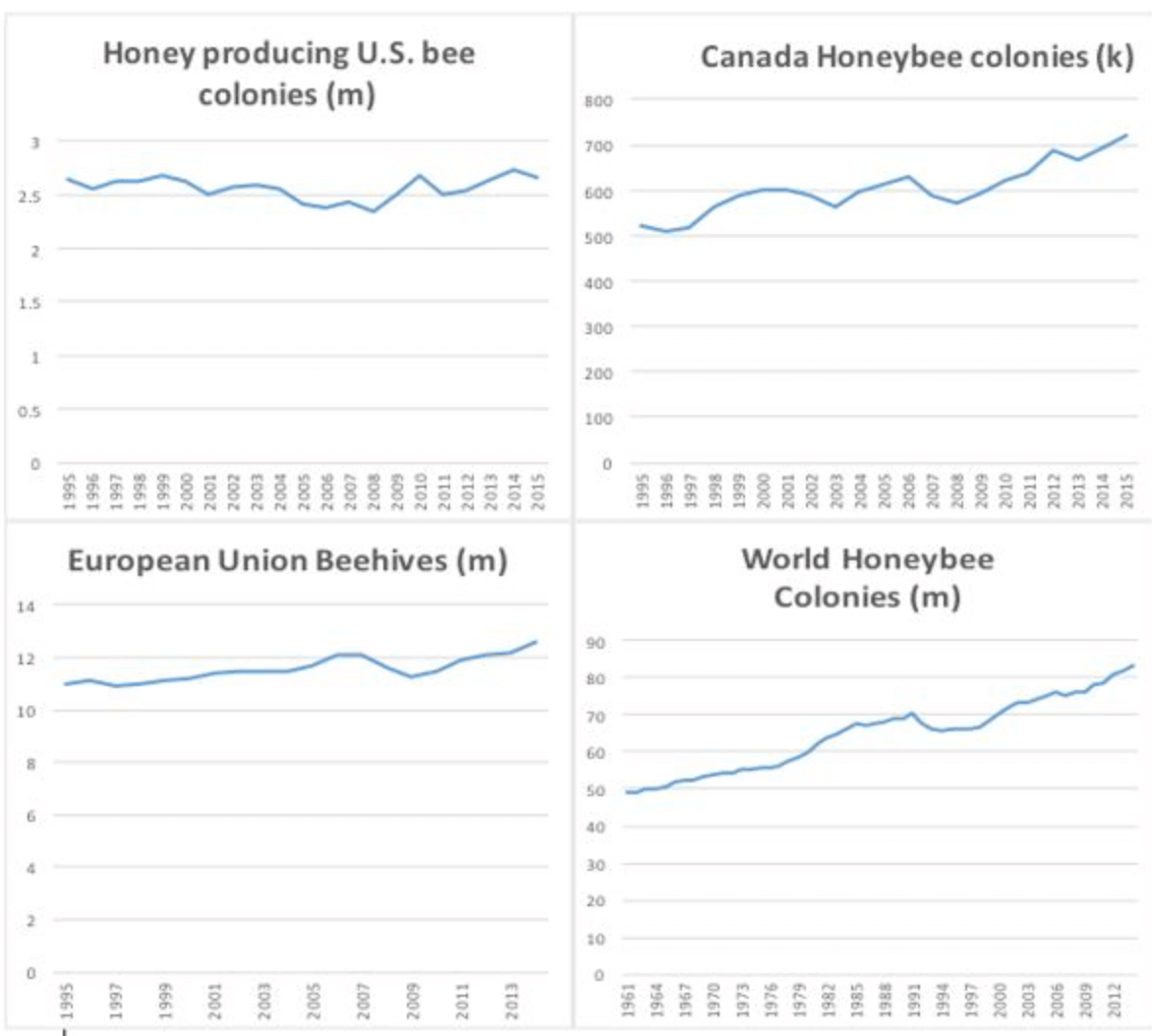
It’s now widely accepted that honeybee populations aren’t collapsing after all, with populations steady or rising in Europe and North America for the last 20 years—and rising worldwide for more than a half-century, as even the Sierra Club now grudgingly acknowledges.

…honeybees are at no risk of dying off. While disease, parasites, and other threats are certainly real problems for beekeepers, the total number of managed honeybees worldwide has risen by 45 percent over the last half centuryScreen Shot at PM
What threatens bee health?

We now have a pretty good idea of what drove the higher-than-normal health problems that existed after the CCD scare : the Varroa destructor mite infestations of hives combined with widespread prevalence of a honeybee gut fungus called nosema ceranae. It should be noted the experts agree that rising global honeybee colony numbers do not mean that bees are not struggling; in fact there is general agreement that bee health is a serious issue, but pesticides are a comparatively minor threat compared to the host of diseases and the overuse of miticides to fight some of the challenges. In Australia where neonics are widely used, and Varroa and nosema are health, bee health is not an issue.

Bees are seen by farmers and professional beekeepers as, essentially, livestock but in the wake of the extinction scares, bees have taken on almost a romantic, mythical status among the public and hobby bee keepers. That goes a long way to explaining why no activist campaign has been launched to eradicate Varroa and the nosema fungus. First, they are both extremely difficult to combat. The mites, in particular, have rapidly developed resistance to every synthetic chemical mite treatment yet devised. What’s more, poor mite-control practices by amateur beekeepers who refuse to treat their mite problems with effective chemicals has had the effect of turning their collapsing hives into escalating sources of contagious infestation for neighboring beekeepers’ hives.

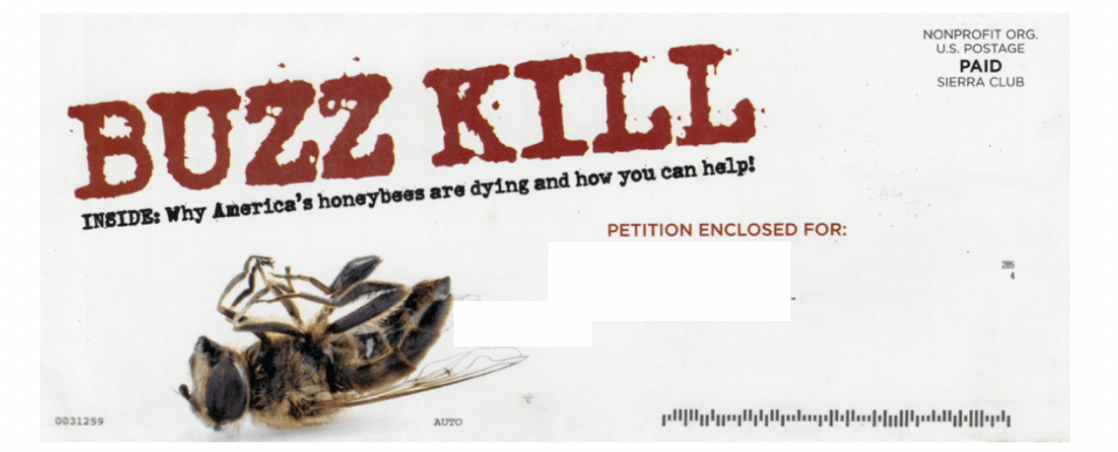
But more to the point, focusing attention on a combination of complex factors doesn’t have the pizazz of finding any easy bogeyman like pesticides. The anti-chemical hysteria also has helped fill an expanding piggybank for advocacy groups for years now. Consider the Sierra Club again. Even as it was proclaiming an end to its own bee-pocalypse hysteria, it launched a fund-raising campaign designed to raise money by scaring the public with dire warnings that pesticides were on the verge of wiping out bees. This Sierra Club fund raising flyer arrived at my house.Screen Shot at PM
Now ‘threatened’ birds provide a new scare opportunity

In April, a pair of studies from France—one regionally focused, one nationwide—claimed widespread declines in European populations of field birds. The studies, which were not yet released, reportedly attributed these declines to modern agricultural practices, specifically, the widespread use of the same neonicotinoid pesticides blamed for the non-existent ‘bee-pocalypse’.

Articles about these studies appeared widely last spring, including in the New York Times, and the spate of stories persisted for weeks. The studies, however, remain unpublished today—suggesting a novel form of advocacy for activist environmental scientists: leak or brief your sensational results to the press to generate media attention while keeping a controversial study, and the data on which the advertised findings depend, under wraps. The peer-reviewed data that led to headlines around the world might in fact never be released.

Understandably, the stories fueled a new anxiety over neonic pesticides: They threaten bird population along with the bees.

In late summer, another study from the team of Saskatchewan-based scientist Christy Morrissey, known for her anti-neonic views, sought to demonstrate that birds (in this case tree swallows) that catch their insect prey in flight were being adversely affected by a dearth of aquatic insects. Those insects, it was assumed, were being decimated by the run off of neonicotinoid pesticides from farm lands into freshwater rivers, streams, lakes and ponds.

As it happens, the study didn’t confirm this hypothesis; it actually demonstrated much the opposite: It found that tree swallows were enjoying even richer diets of aquatic insects. So, whatever was happening in all those streams and ponds, neonics weren’t affecting the abundance of aquatic insect meals for insectivorous birds.

Morrissey’s team did, however, find something else in their data that they characterized as a neonic-caused calamity: Tree swallows foraging in cropland exhibited lower body weight than those foraging in grasslands. Morrissey speculated that these birds were ‘struggling’ as neonic-treated croplands left them with a scantier insect diet. This she wrote, is what has led to a fall-off in the birds’ overall numbers.

What is the status of bird health in North America?

But there are questions as to this purely speculative conclusion. We know what the main killers of birds are, and they aren’t pesticides:

  • By far, scientists say, the greatest challenge to bird populations is habitat losswhich is mostly attributed to ‘urban sprawl’ the conversion of rural acreage, whether farm or forest, to (sub)urbanization. The parallel here to Varroa and bees is unmistakable: We know the main problem but since it’s complicated and doesn’t lend itself to a facile solution, let’s not acknowledge or analyze it.
  • Other man-made environmental challenges, such as windmills and high-voltage electric lines crisscrossing the rural landscape, kill up to a billion or more birds annually. The US Fish & Wildlife Service estimates that collisions with high-voltage electric lines alone kill 174 million birds per year. In-flight collisions with skyscrapers and other buildings kill between 97 million and 976 million birds per year in the US. Collisions with cars account for another roughly 60 million bird fatalities. The list goes on.
  • Cats have been estimated to kill an astounding 1.3 billion and 3.7 billion birds per year.  

As for the threat from neonicotinoid-treated seeds, they have been shown to have low toxicity to birds. Vertebrate nervous systems are much less susceptible to nicotine and synthetic compounds that mimic the disruptive effects on the nicotinic acetylcholine receptors essential to the functioning of insect nervous systems. Moreover, birds generally avoid the tiny fraction (1% is deemed permissible under EPA rules) of neonic-treated seeds that may remain on the ground after mechanical planting, due perhaps to their altered appearance (many are colored), smell or taste.  

The most common of these treated seeds, corn, is, in any case, too large for small and medium-sized birds to ingest and too hard for them to crack with their beaks. All of which may help explain why such research as we have seen trying to link the supposed ‘devastation’ of bird populations to pesticides hasn’t focused on the effects of direct ingestion by birds; instead, as with Christy Morrissey’s team’s most recent study, the effort appears designed to demonstrate some indirect effect on bird populations from indiscriminate adverse impacts on the birds’ insect food sources.  

How badly are birds actually fairing? Is the bird-pocalypse any more reality-based than the bee version? Ultimately, all of these claims about the supposed imminent extinction of some species or other—honeybees a few years ago; field birds today—depend on a lack of context driven, it appears, by ideology.  

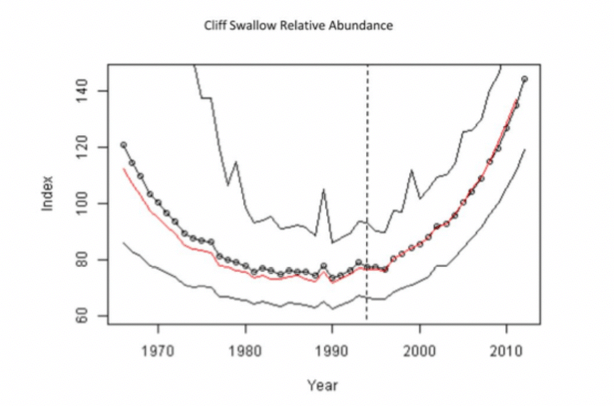
There is, in fact, a good deal of evidence that birds in general are in pretty good shape in the US. Numerous studies have documented a gradual decline of bird populations in the US and the developed world, but as in the case of bee population fall-off, these declines occurred in the decades Screen Shot at PMbefore the large-scale introduction of neonicotinoid pesticides in the late 1990s. As the Genetic Literacy Project reported some years ago, many bird populations seem to have leveled off during the last two decades and have in many cases increased since the 1990s. Bird populations don’t appear to have been impacted since their introduction.
What about other pesticides? Bird deaths directly attributable to pesticides—all pesticides, not just neonics—have been estimated to total 76 million annually. (An unknown additional number die from other indirect effects.) That’s about three-quarters of 1% of the day-to-day bird population in the US or three-eighths of 1% of the peak autumn bird population. Clearly, they are not a major driver of bird population trends, as so many other factors, including ‘natural causes’, result in far more bird fatalities annually.

Stampeding policy-makers on the basis of mischaracterized, misdiagnosed, half-understood supposed problems into adopting measures that won’t, in any case, solve them is a prescription for dreadful decisions.

Jon Entine, executive director of the Genetic Literacy Project, has been a journalist for more than 40 years as a writer, network television news producer and author of seven books, four on genetics and risk. BIO. Follow him on Twitter @JonEntine

Identifying genetic basis for plant biodiversity could help boost crop yields

Screen Shot at PM

Diverse communities of plants and animals typically perform better than monocultures. However, the mechanisms that are responsible for this have so far been a mystery to science. Biologists [from the University of Zurich] have now been able to identify the genetic cause of these effects. Their findings might help to improve crop yields.

[M]odern agricultural practice mainly relies on plant varieties that are genetically uniform …. The benefits of diverse communities therefore remain untapped, also because the underlying mechanisms are not yet fully understood.

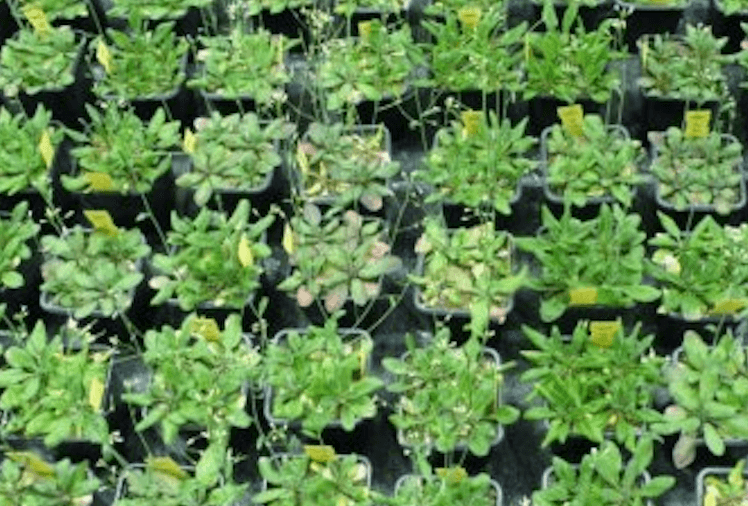
[R]esearchers addressed this question by [focusing] on common wallcress …. a small crucifer that is genetically well documented. They used systematic crosses of varieties of these plants, which were grown in pots in different combinations. After a few weeks, the researchers weighed the resulting biomass, which allowed them to compare the growth of the plants. As expected, pots with mixtures of different crosses were indeed more productive on average.

[T]he researchers then related the yield gain in mixed communities to the genetic makeup of the crosses. The genetic map they obtained in this way enabled them to identify the parts of the genome that made the combination of plants good mixed teams.

[Their method may help to breed plants that are good team players and thus yield more crops. “Our insights open up completely new avenues in agriculture,” adds [Samuel Wüst, main author of the study].

Read full, original article: Small genetic differences turn plants into better teams

How immunotherapy uses our immune system to attack cancer

Our usual defence against disease is our immune system. It does an excellent job of sorting out what doesn’t belong in the body and attacking it – except when it comes to cancer. For 100 years, the reasons behind that apparent failure were a mystery. Jim Allison’s [immunotherapy] breakthrough was the realisation that the immune system wasn’t ignoring cancer. Instead, cancer was taking advantage of tricks that shut down the immune system. But what if you could block those tricks and unleash the immune system’s killer T-cells against the disease?

The trick Allison’s immunology lab at the University of California, Berkeley, found involved a protein on the T-cell called CTLA-4. When stimulated, CTLA-4 acted like a circuit breaker on immune response. These brakes, which he called checkpoints, kept the cell killers from going out of control and trashing healthy body cells. Cancer took advantage of those brakes to survive and thrive. In 1994, the lab developed an antibody that blocked CTLA-4.

What they had found would eventually win the Nobel. It would also fly in the face of what every practising oncologist had been taught about cancer and how to fight it.

Seven years after the approval of [the] first checkpoint inhibitor, there are reportedly 940 “new” cancer immunotherapeutic drugs being tested in the clinic by more than half-a-million cancer patients in more than 3,000 clinical trials, with over 1,000 more in the preclinical phase.

Read full, original post: A cure for cancer: how to kill a killer

Cell-based, synthetic, cultured? Debate intensifies over what to call lab-grown meat

labmeat

Lab-grown. Cell-based. Clean. In vitro. Cultured. Fake. Artificial. Synthetic. Meat 2.0. These are all terms that refer to the same kind of food, one that’s not even on the market yet …. Rather than methodically slaughtering animals, this industry uses science to grow what it claims is essentially the same thing as traditional meat …. But what to name it, and getting people to eat it, is another matter altogether.

…. Originally, there was a push for the label “clean meat.” This was …. a better alternative to the more clinical “lab-grown meat,” said Bruce Friedrich, co-founder and executive director of the Good Food Institute, which lobbies for these new products. But then the traditional meat industry weighed in, saying the cellular version shouldn’t be called meat at all.

In August, cellular agriculture company Memphis Meats (which counts among its financial backers meat giants Cargill and Tyson) used the term “cell-based” in a letter sent to the White House. The co-signer of the letter was …. the Meat Institute, the meat industry’s main lobbying arm.

“I think the meat industry has done something very clever,” said Sarah Sorscher, deputy director of regulatory affairs at the Center for Science in the Public Interest …. By investing in companies such as Memphis Meats …. “They’re not up against the meat industry,” she said of meat substitute companies. “They are the meat industry.”

Read full, original article: Meat Has a Replacement But No One Knows What to Call It

Exercise as a treatment for Parkinson’s and Alzheimer’s?

brain

Researchers have long recognized that exercise sharpens certain cognitive skills. Indeed, [researcher Hiroshi] Maejima and his colleagues have found that regular physical activity improves mice’s ability to distinguish new objects from ones they’ve seen before. Over the past 20 years, researchers have begun to get at the root of these benefits, with studies pointing to increases in the volume of the hippocampus, development of new neurons, and infiltration of blood vessels into the brain. Now, Maejima and others are starting to home in on the epigenetic mechanisms that drive the neurological changes brought on by physical activity.

With a wealth of data on the benefits of working out emerging from animal and human studies, clinicians have begun prescribing exercise to patients with neurodegenerative diseases such as Parkinson’s and Alzheimer’s, as well as to people with other brain disorders, from epilepsy to anxiety. Many clinical trials of exercise interventions for neurodegenerative diseases, depression, and even aging are underway. Promising results could bolster the use of exercise as a neurotherapy.

“An active lifestyle is not going to turn a 70-year-old brain into a 30-year-old brain,” says [neuroscientist Giselle] Petzinger. “But studying exercise’s effect on the nervous system could help researchers identify the best and most efficient strategy—whether it’s activity alone or activity paired with drugs—to maintain brain health as we age.”

Read full, original post: How Exercise Reprograms the Brain

USDA denies request to import biotech blue chrysanthemums from Japan

blue custom f ab f e b ca cfe d c a e s c

Chrysanthemums genetically engineered to produce blue flowers cannot be freely imported into the U.S. and traded as non-regulated crops under a new USDA decision.

Most requests for non-regulated status for genetically-altered crops in recent years have met with approval from the agency’s Animal Plant Health Inspection Service [APHIS], so the recent rejection of Suntory Flowers Limited’s application to import cut flowers is rare.

The agency has allowed for the importation of two genetically engineered cut flowers and one fruit under its jurisdiction — baby’s breath, roses and pineapples — because the possibility for propagation in the U.S. was remote,  [said Rick Coker, public affairs specialist with APHIS].

“Put another way …. if you were to take all four of these and throw them on top of a compost pile, the only one capable of propagation is the chrysanthemum,” he said in an email.

Coker said the timing of Suntory’s inquiry was “unfortunate” because APHIS is currently considering revised rules for biotechnology under which the blue chrysanthemums “almost certainly would not be regulated.”

Suntory, which is based in Japan, is still deliberating the USDA’s response, including its offer to consider additional information that could alleviate the agency’s concerns, said Cory Sanchez, the company’s representative in the U.S.

“They did leave the door open for us,” he said.

Read full, original article: USDA rejects biotech blue chrysanthemum request

Understanding environmental risk factors for autism: What’s real and what’s not

vaccine for a pregnant woman

Here, we explain why it is difficult to link autism to environmental factors, and what scientists know about how the environment influences autism risk.

What qualifies as an environmental risk factor?

The term ‘environmental risk factor’ is usually understood to mean the chemicals or pollutants a person is exposed to. But scientists use a broader definition: An environmental risk factor is anything that alters the likelihood of having a condition and isn’t encoded in an individual’s DNA.

Environmental risk factors for autism include being born prematurelysoon after an older sibling or to a mother with diabetes, for example.

Which environmental risk factors for autism are well established?

The most widely accepted risk factors operate during gestation or around the time of birth. Various pregnancy and birth complications are associated with an increased risk of autism. These include preterm birth, low birth weight and maternal diabetes or high blood pressure during pregnancy. Scientists are not sure of the mechanisms underlying these associations.

Which proposed risk factors have been ruled out?

Despite the links between maternal immune factors and autism, routine vaccinations given during pregnancy, such as those against influenza and whooping cough, do not appear to boost autism risk.

Childhood vaccines are similarly in the clear.

Read full, original post: Environmental risk for autism, explained

Uganda’s GMO biosafety bill ensuring ‘no dangers’ likely to pass after embrace of president’s proposed changes

GM Banana greenhouse

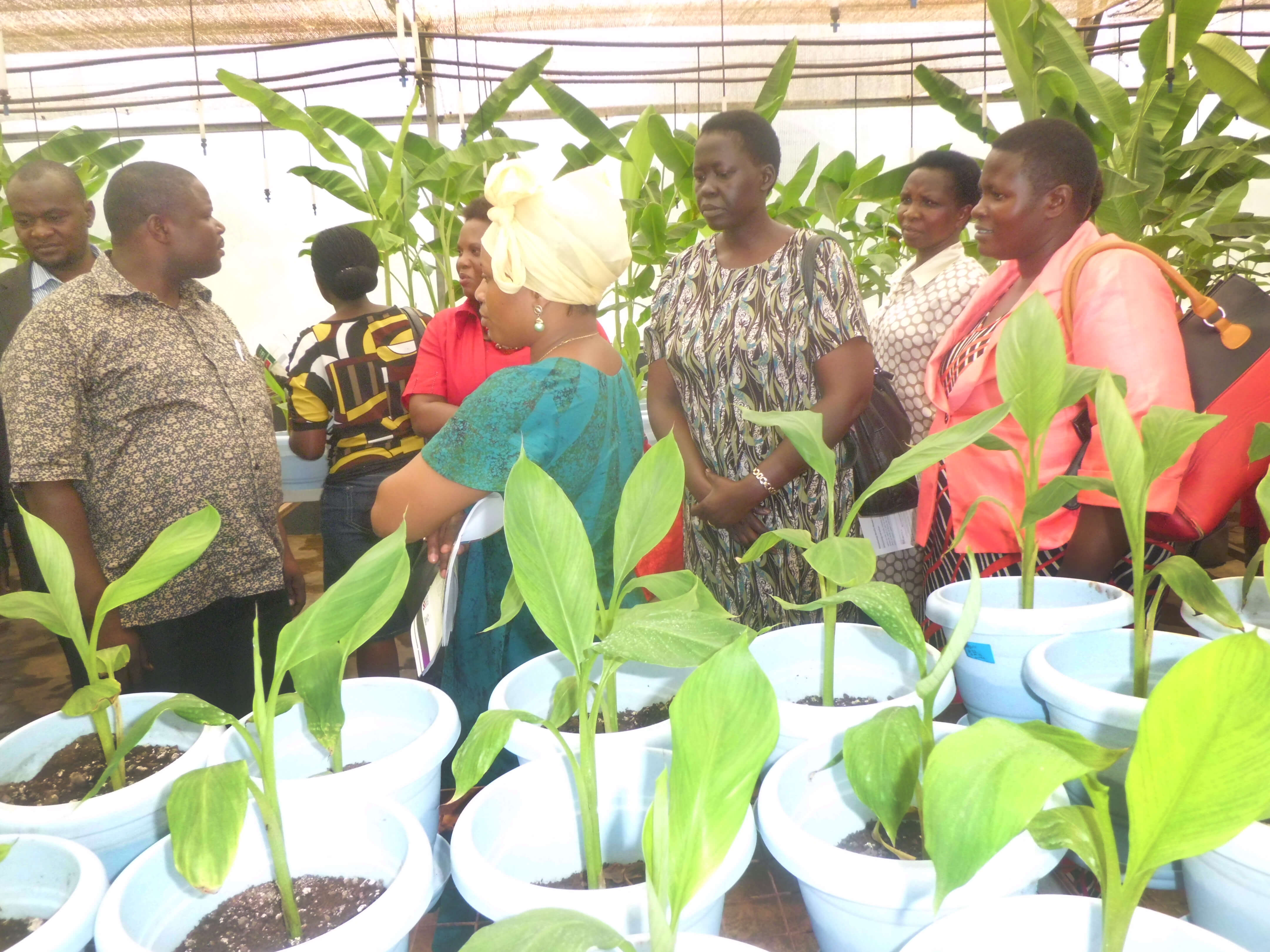
Legislators on the Parliamentary Committee on Science, Technology and Innovation have changed their positions on the GMO Bill and considered proposals suggested by President Museveni …. This comes after the President declined to sign the Bill into law in December 2017 ….

[T]he committee has accepted …. the President’s recommendations …. Regarding the name of the Bill for instance, the MPs report that “the committee …. found it necessary to align the title to the contents of the Bill.” The proposed name contained in a draft Bill is “The Genetic Engineering and Biosafety Act, 2018.”

The committee also provided for the containment of confined field trials in green houses to prevent genetically modified seeds and related materials from being randomly mixed with indigenous ones. The new Bill also prohibits human cloning from genetic engineering.

However, whereas the President advised that the use of poisonous and dangerous bacteria as inputs in genetic engineering must never be allowed, the committee emphasized that “this may not be avoided [but] safety measures have been provided for in the Bill to ensure that there is no danger to plants, humans, the environment and animals.”

If the new changes are adopted by Parliament, the President will have one more chance to sign the Bill into law and should he still decline, then Parliament will simply convene and pass it into law.

Read full, original article: MPs accept Museveni’s proposals on GMO Bill

Cataloguing brain cells to better understand how our minds work

mind

If you stumbled across a radio or a computer and had no idea how it worked, you would likely first want to find out what it was made from—what its component parts were. Your next step might be to determine what each component actually did, taking care to note which parts were connected to others.

This is the approach to understanding the brain taken in two related studies published October 31 in Nature. The first used differences in the activity of genes to identify different cell types in mouse brains, finding more distinct types than previously known. The second took a close look at a few of the identified cell types to try to work out what they do, showing they perform two quite different roles in controlling movement.

[The first study found that] cell types fall into two broad classes: One, called inhibitory neurons, communicates using the chemical messenger GABA and inhibits the activity of other, nearby cells. The other class, excitatory neurons, uses the chemical glutamate and they serve as the brain’s main cells for generating neural activity.

[The second study shows] three of the cell types identified in the first study play two quite different roles: one involved in preparing movements, the other in initiating and controlling them. “The answer’s so clear and beautiful,” [researcher Bosiljka] Tasic says.

Read full, original post: New Atlas Used to ID Brain Parts for Plans and Actions

America’s risk paradox: Flu killed 80,000 people this year, but we’re more worried about GMOs

FluVaccine

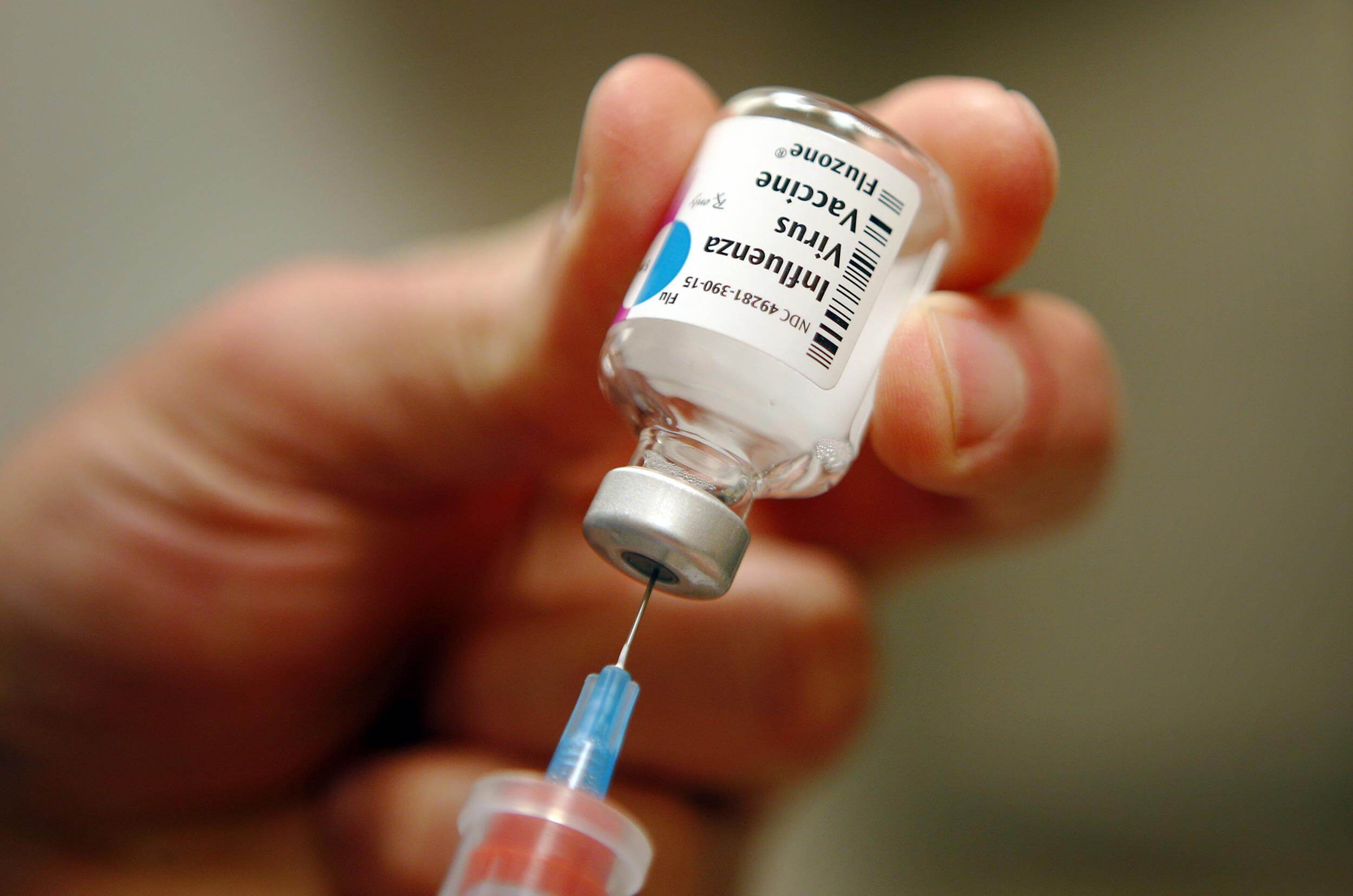
We had a really bad flu season this year. The CDC just announced that about 80,000 Americans were killed …. H3N2 strains of influenza are really bad news, and it was precisely this type of flu virus that dominated the winter of 2017-18 …. Only about 37% of American adults bothered to get a flu shot …. So even though health officials and the media warned Americans that this past flu season was going to be really bad, Americans flat-out ignored them.

We did, however, buy more organic food than ever before …. This is the great paradox of risk perception …. We know for a fact that tens of thousands of Americans will die every single year from the flu. We have a tool — albeit an imperfect one — that could help greatly reduce that number ….

On the flip side, Americans think GMOs are scary and pesticides are giving them cancer …. Consequently, the public falsely thinks that they can make themselves healthier by purchasing organic food, sales of which hit record highs year after year.

Oh, the irony. Americans prefer to avoid the …. flu shot, putting them at greater danger from the (relatively high risk) flu. Likewise, people prefer to avoid (relatively low risk) GMOs by driving in their (relatively high risk) automobiles to Whole Foods.

Read full, original article: 80,000 Died From Flu (And Still 0 From GMOs)

‘Deep learning’ sheds light on natural selection in human DNA

d z

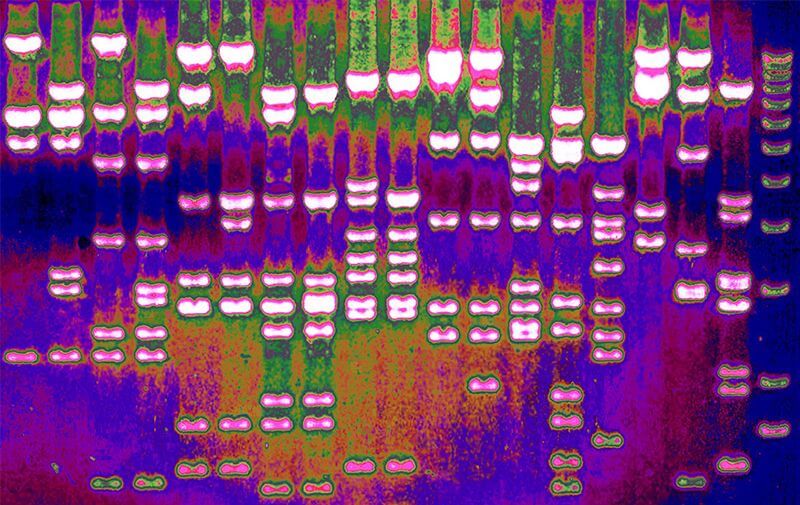
Each person’s genome contains three billion building blocks called nucleotides, and researchers must compile data from thousands of people to discover patterns that signal how genes have been shaped by evolutionary pressures. To find these patterns, a growing number of geneticists are turning to a form of machine learning called deep learning.

One deep-learning tool called ‘DeepSweep’, developed by researchers at the Broad Institute of MIT and Harvard in Cambridge, Massachusetts, has flagged 20,000 single nucleotides for further study. Some or all of these simple mutations may have helped humans survive disease, drought or what Charles Darwin called the “conditions of life.”

One example is the mutation that gives many adults the ability to drink cow’s milk. It enables the body to produce lactase, an enzyme that digests the sugar in milk, into adulthood. By analysing human genomes with statistical methods, researchers discovered that the mutation spread rapidly through communities in Europe thousands of years ago — presumably because nutrients in cow’s milk helped people to produce healthy children.

DeepSweep’s creators trained their algorithm on signatures of natural selection that they inserted into simulated genomes. When they tested it on real human-genome data, the algorithm zeroed in on the lactase mutations that allow adults to drink milk. That bolstered the team’s confidence in the tool.

Read full, original post: Machine learning spots natural selection at work in human genome

Talking Biotech: Meet the liquor store owner boycotting Smirnoff’s ‘non-GMO’ vodka

vodka

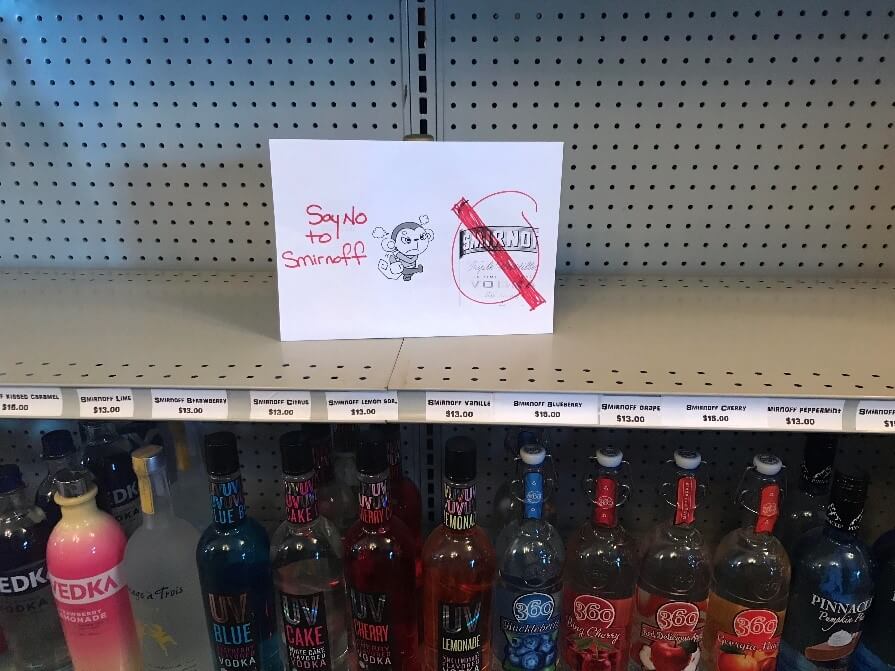
They are farmers. They also own A&C Liquid Assets, a liquor store in Hoxie, Kansas. Allison and Cole Nondorf saw the Smirnoff commercial that proudly proclaimed the company rejects “GMO” seed technology, the same seeds that the Nondorfs and most of their community use on their farms.

A&C Liquid Assets pulled all of Smirnoff’s products off its store shelves, and hopes to bring attention to how companies that support non-scientific, anti-farmer positions need to be called out.

Please be sure to “LIKE” A&C Liquid Assets on Facebook! Like the podcast?  Please subscribe and write a review!
Subscribe: Apple Podcasts | Android | Email | Google Podcasts | Stitcher | RSS


FDA reaffirms much-criticized plan to regulate genetically engineered animals as if they were a drug

PigsinBarnMain

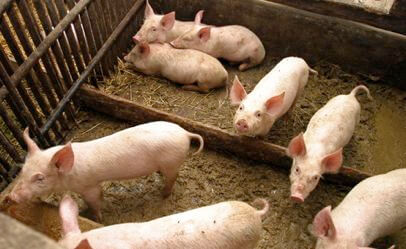
FDA Commissioner Dr. Scott Gottlieb has doubled down on his agency’s failed policy for regulating an entire sector of biotechnology — the production of genetically engineered animals.

In a May speech, he embraced the Obama administration’s proposed expansion of the agency’s ill-conceived, 2009 policy for the regulation of such animals — to include the use of the most innovative, precise and predictable gene editing techniques such as CRISPR-Cas9.

Genetically modified animals have the potential to benefit consumers and the environment; they grow faster, produce more environmentally friendly food, less toxic waste and have many other traits attractive to consumers.

Not only that, but modern genetic engineering techniques offer a more efficient and cost-effective way to improve the characteristics of animals when compared to traditional trial and error breeding, which is less able to effect predictable, stable and desired traits.

In a 2009 guidance document, FDA announced that the tiny snippet of introduced DNA used in the molecular genetic engineering of an animal would be considered a “new animal drug,” and therefore require the animal to be reviewed as such under the Federal Food, Drug, and Cosmetic (FD&C) Act — even if it was intended to be used neither as food nor as a source of a drug.

The Act requires that new animal drugs be both safe and effective before they can be approved for marketing. Therefore, the animal must undergo onerous government review and approval by the FDA’s Center for Veterinary Medicine, the same as veterinary drugs such as an antibiotic or pain reliever. The FDA, however, had never before evaluated, for example, a new variety of pig with novel traits introduced by traditional breeding.

The legal basis for the 2009 guidance is dubious. There is no hint anywhere in the FD&C Act that animals could be, in effect, regulated as a drug. Nor is such an interpretation necessary for the safe consumption of genetically engineered animals.

Thus, FDA’s 2009 guidance and its proposed expansion are based on regulatory opportunism rather than scientific or regulatory principles. In fact, for millennia farm animals and others have undergone continual genetic modification, mostly by laborious and imprecise trial-and-error breeding. For example, the dozens of varieties of cattle raised today are all derived from the now-extinct auroch, which was used both for food and as a beast of burden from ancient times until the 17th century.

cow 10 22 18
Image credit: University of California – Davis

A relatively recent (20th century) new food animal, the “beefalo,” a cow–bison (buffalo) hybrid, combines the superior hardiness, foraging ability, calving ease, and low-fat meat of the bison with the fertility, milking ability, and convenient handling of the cow.

None of these innovations has been intensively evaluated by regulators. And not only have all these imprecise genetic modifications not been associated with significant risks but they have markedly increased ranchers’ productivity and societies’ food security.

In seeking to regulate the newest, state-of-the-art techniques, Dr. Gottlieb warned stakeholders against challenging his demand that human gene therapy and genetically engineered animals be regulated similarly because both involve the same technologies:

[G]roups should be mindful that if they lobby for an exception when it comes to gene editing on the animal drug side of our house, it will inevitably undermine our regulation of these same technologies when it comes to human drugs…And if we create these dubious distinctions [between human gene therapy and animal genetic engineering], there’s a big risk that we erode confidence in these promising technologies before they have the opportunity to have their full impact on public health.

That rationale is a non-sequitur, like saying that FDA would be obligated to regulate a red food-color additive in the same way as the same dye used on a food box label because the “technology” is the same.

Instead of the 2009 guidance and Dr. Gottlieb’s just-announced plan for even more burdensome regulation of genetically engineered animals, FDA could adopt the more appropriate and less burdensome approach to food taken by another FDA component, the Center for Food Safety and Nutrition.

For certain products — “food additives,” such as preservatives, antioxidants, coloring agents and emulsifiers used to preserve or add flavor, color, or texture to food— the FDA requires premarket clearance. Otherwise, the law places the burden of ensuring the safety of foods and food ingredients on those who produce them by prohibiting the adulteration (contamination) or misbranding (mislabeling) of food — but it does not require the evaluation or inspection of all food before its sale in shops, supermarkets, or restaurants.

Rather, FDA oversight relies on market surveillance or post-marketing regulation, and the agency takes action only when there is a problem. For all animals the Department of Agriculture and states impose animal safety and health requirements.

Follow the latest news and policy debates on sustainable agriculture, biomedicine, and other ‘disruptive’ innovations. Subscribe to our newsletter.

On this issue, Gottlieb should take note of the analysis of his “senior science and regulatory advisor,” Randall Lutter. While the FDA deputy commissioner in 2009 supported the “new animal drug” guidance, he described it in June of last year — as well as the substance of Dr. Gottlieb’s proposed expansion of its scope — as a failed policy.

As Lutter stated, “FDA’s proposed guidance for genome edited animals lacks a cogent scientific basis, is inconsistent with FDA’s policies regarding genome edited plants, and is unlikely to advance FDA’s mission to protect and promote public health.”

In a June 6 blog posting, Dr. Gottlieb described FDA’s approach this way: “For genetically engineered animals, FDA evaluates not only the safety of food or drug products derived from that animal, but also the effect of the genetic alteration on the health of the animal.”

The reality is that after claiming regulatory jurisdiction over all genetically modified animals, FDA invoked “enforcement discretion” and chose not to evaluate the vast majority of them — laboratory animals, mostly rodents, created with recombinant DNA technology, which were sometimes designed to be less than healthy for research purposes; the novelty pet GloFish; and the new varieties that resulted from conventional breeding.

Also contrary to Gottlieb’s assertions, FDA has stumbled badly under its “new animal drug” policy since it was announced a decade ago. The agency took 20-plus years to review a faster-growing salmon and stalled for five years on the application for a single field trial of self-destructing, non-biting, pesticidal mosquitoes (jurisdiction over which FDA eventually had to punt to the EPA).

Now, the head of the FDA is doubling down, ensuring that new, even more stultifying regulation of genetically engineered animals will keep the entire sector moribund. Talk about “erosion of confidence” in regulators. No wonder little is happening in this once-promising sector of biotechnology.

John J. Cohrssen is an attorney who has served in the executive and legislative branches of the Federal Government, including as counsel for the House Energy and Commerce Committee

Henry I. Miller was the founding director of the FDA’s Office of Biotechnology and a Fellow at Stanford University’s Hoover Institution. Follow him on Twitter @henryimiller

This article originally ran at the Daily Caller as OPINION: THE FDA DOUBLES DOWN ON FAILED ANIMAL BIOTECHNOLOGY REGULATION and has been republished here with permission.