By examining interstellar asteroids and comets up close, argues Harvard astronomer Avi Loeb, we might be able to tell whether life exists elsewhere in the Milky Way galaxy—and we could do so without having to leave the cozy confines of our Solar System.
…
A major benefit of such a mission is that, assuming we find traces of life on an exotic object, we’d have tangible, empirical proof of alien life. This proof of life could come in three forms: microbial or animal life capable of surviving the harsh conditions of space (and possibly even re-entry through a planet’s atmosphere, spreading life elsewhere); the dead remnants of alien life (seen as chemical or biosignatures); or so-called techno-signatures, that is, the technological artifacts left by aliens.
Here’s how Loeb envisions such a project:
My dream project is to organize a space mission that will land on the surface of trapped interstellar objects within the Solar System and check whether they have signs of life.
…
Loeb’s dream experiment may be a long shot, but in many ways, it’s quite feasible. We’re actually getting really good at detecting biosignatures and biomarkers within Earth’s oldest rocks, and similar approaches could be used when exploring nearby asteroids and comets. At the same time, next-gen telescopes could be used to sniff out potential biosignatures from afar.
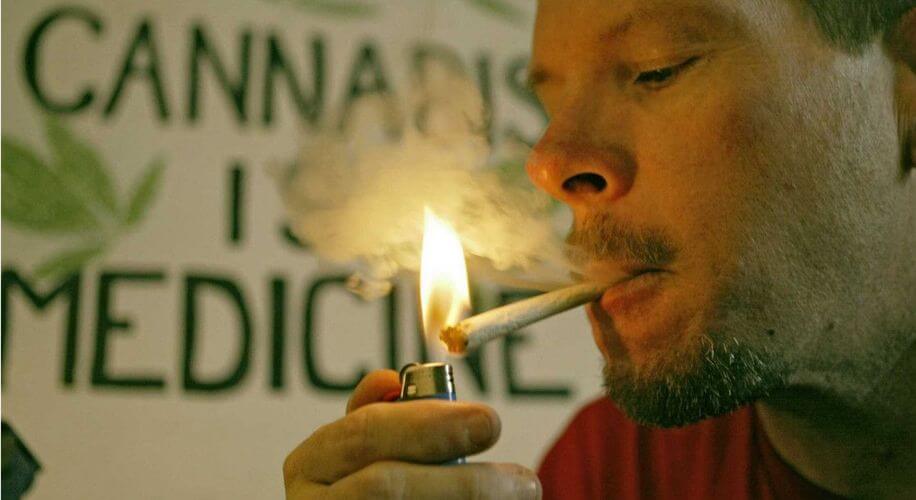
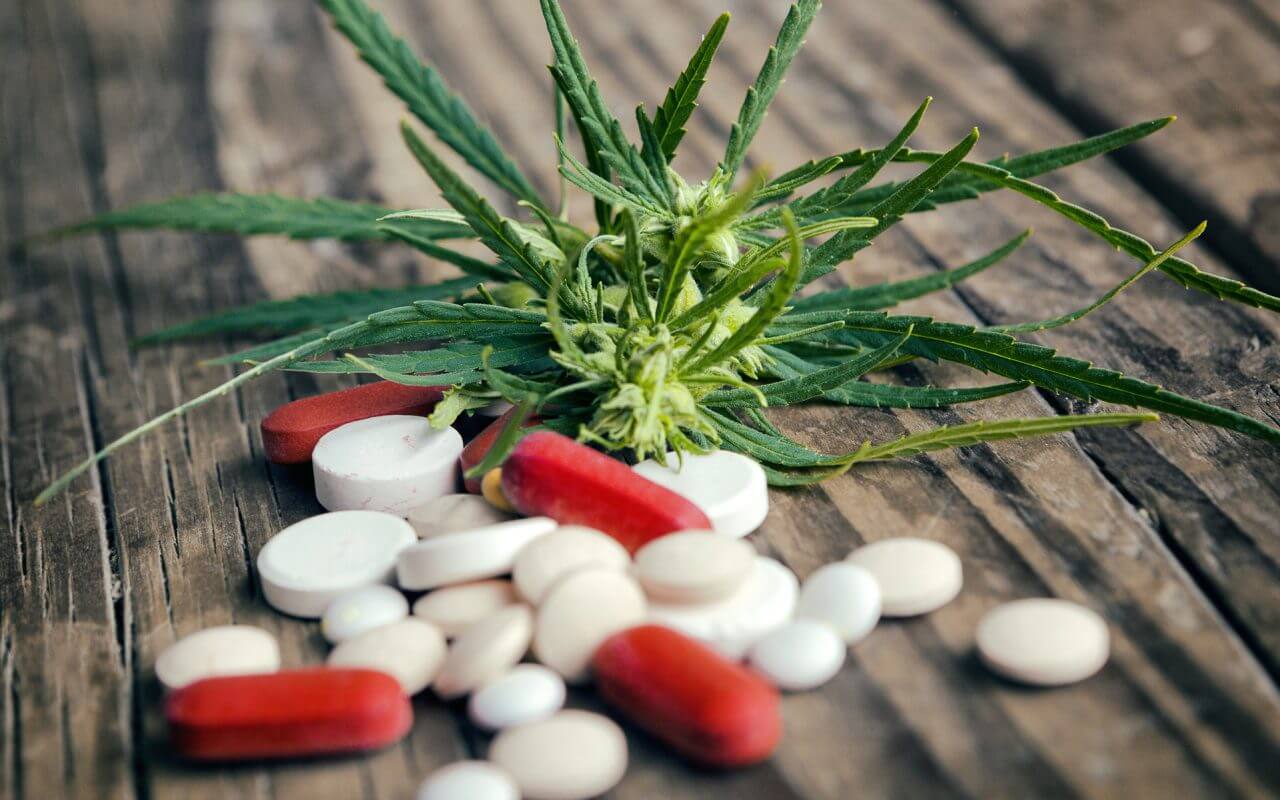
The opioid crisis is an ongoing national tragedy. One commonly suggested response is cannabis. But emerging state and national statistics as well as public health research strongly suggests that cannabis will not help the crisis and may even make it worse.
There is an ongoing push to legalize medical cannabis as an alternative to opioid analgesics. States like New York and Illinois already have cannabis as a replacement for opioids in chronic pain management and as an option for treating opioid use disorder. New Jersey is also considering “weed in the fight versus the opioid crisis.”
However, a recent analysis published in JAMA Internal Medicine found that opioid death rates rose in jurisdictions with legalized cannabis. In the analysis, Dr. Archie Bleyer and Brian Barnes compared opioid overdose rates in jurisdictions with and without legalized medical or recreational cannabis. As reported in the Bend Bulletin, “Bleyer and Barnes found that by 2016, legalizing states had 55 percent higher overdose death rates than states that had not legalized.”
This may seem to run counter to prior research. For instance, a 2014 JAMA study found that “Medical cannabis laws are associated with significantly lower state-level opioid overdose mortality rates” between 1999 and 2010. But the study authors note: “our findings apply to states that passed medical cannabis laws during the study period and the association between future laws and opioid analgesic overdose mortality may differ.”
An often-cited 2017 study from the University of New Mexico showed that people with chronic musculoskeletal pain preferentially used medical cannabis over opioid analgesics. But this result was preliminary and small-scale, suffered from selection bias, and was unrelated to opioid addiction or overdose.
In other words, prior results at most found an association that has not held up with time. And current research and statistics tend to show that cannabis isn’t helping the opioid crisis.
Recent data from Colorado shows “the number of newborns in the state addicted to opioids jumped 83 percent from 2010 to 2015,” a result that suggests rising levels of long-term opioid use. Similarly significant increases in fatal overdoses involving opioids are emerging in Washington state.
Studies on cannabis for the treatment of opioid addiction have shown little benefit. A recent study on the effect of cannabis availability for methadone treatment of opioid addiction found no benefit. Similar work from earlier this year found that cannabis was ineffective in treating pain, sleep, or anxiety issues in people undergoing medication-assisted therapy (MAT) for opioid addiction.
Large-scale reviews of levels and dosages of prescription opioids in Medicaid enrollees have shown some benefit from medical cannabis legalization, but only for Schedule III opioids. These represent about 5 percent of all opioids and include buprenorphine, which is used for MAT, and do not include Schedule II opioids like oxycodone, for which no benefit was seen.
And more recent studies are cause for concern. Keith Humphreys, PhD, writes in the Washington Post that “studies of individuals show that using medical cannabis is correlated with higher rates of using and misusing opioids.”
Follow the latest news and policy debates on sustainable agriculture, biomedicine, and other ‘disruptive’ innovations. Subscribe to our newsletter.
All of the above strongly suggests that policies using cannabis as a tool in the opioid crisis are unlikely to succeed. As Dr. Susan Weiss stated at the workshop Cannabis and the Opioid Crisis: A Multidisciplinary View: ”We need to be very circumspect in what we are expecting from cannabis with respect to the opioid epidemic.”
But this does not mean that cannabis is a causal factor. Cannabis may instead be acting as a proxy for other factors. Or there may just be an association between cannabis legalization and other issues that are having an effect on the trajectory of the opioid crisis. Nonetheless, mounting evidence shows exactly the opposite of what one would want to see if cannabis were helpful.
So while cannabis has well-established medical uses, policy is ignoring these findings. As Dr. Ziva Cooper, associate professor of clinical neurobiology and psychiatry at Columbia University and member of the National Academies committee that issued the 2017 report on cannabis, stated that “public policy is light years ahead of the science right now.”
There are effective ways to treat addiction, prevent overdose, and reduce drug abuse. But at present cannabis just doesn’t seem to be one of them. And the possibility that legalization is associated with worse outcomes should give pause to policies that promote its use in the opioid crisis.
Roger Chriss is a technical consultant in Washington state, where he specializes in mathematics and research
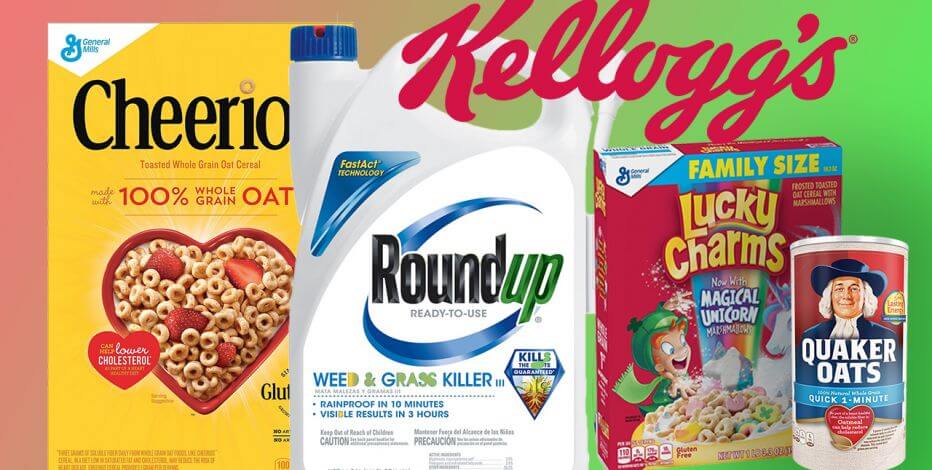
Glyphosate is the most widely used herbicide in the world and is applied to most of the U.S. corn and soybean crops. For decades, it’s been considered one of the least harmful of pesticides, with very low mammalian toxicity. Given its widespread use, it may be troubling to hear reports of glyphosate residues found in breakfast cereals, dog food or other consumer products.
…
A recent stir was caused by a report that glyphosate was detected in breakfast cereals. The Environmental Working Group (EWG), a nonprofit organization concerned with health and the environment, found glyphosate in 43 out of 45 conventional cereals, and five out of 16 organic cereals. The highest level they detected was 1.3 ppm, and most were under 0.5 ppm. All levels that EWG reported were well below the EPA’s regulatory limits (30 ppm). In essence, EWG created its own benchmark and set off alarms when it found levels that exceeded that benchmark.
…
How much good science backs the EPA’s position? The U.S. Agricultural Health Study has examined how agricultural practices affect cancer and health outcomes among licensed pesticide applicators in Iowa and North Carolina since 1993. An analysis in 2001 showed no significant associations between glyphosate and cancer. In 2018, an updated analysis of the Agricultural Health Study data was published that included 54,252 pesticide applicators and 5,779 cancer cases. Glyphosate was not associated with any solid tumors or lymphoid malignancies, including non-Hodgkin lymphoma ….
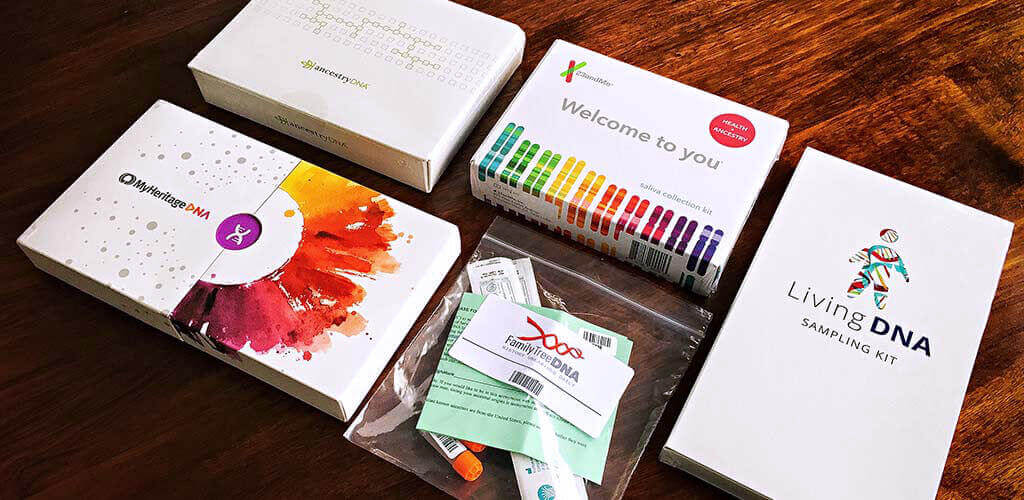
Yes, I’m the kind of person who would take a DNA test with Ancestry and then, curious about whether I’d get the same results, try Helix, another DNA-test site.
…
From Ancestry, I learned that I am a muddle of 30 percent British, 29 percent southern European, 15 percent western European and 8 percent eastern European Jewish. (“Mazel tov,” my daughter responded to this news.)
…
To get a second opinion, I spit into another tube and sent my DNA sample off to Helix, the company handling the Geno 2.0 test for National Geographic. This time, my results were 55 percent Italy and southern Europe (“Ciao, paesani!”), 32 percent northwestern Europe, 9 percent northeastern Europe and just 3 percent “Jewish diaspora.”
What gives?
Companies such as Ancestry and National Geographic are taking a snapshot of various DNA markers, said Robert Green, a geneticist at Harvard Medical School who serves as an adviser for Helix. From that snapshot comes a statistical inference, he said. In other words, “Given this pattern, it’s likely that you came from this region,” Green said. “But it’s not a certainty, and shouldn’t be read as a certainty.”
…
In the end, the DNA ethnicity tests that cost from $69.95 to $199 could be seen as a pricey way to confirm what you probably already know. It might make more sense just to look in the mirror.
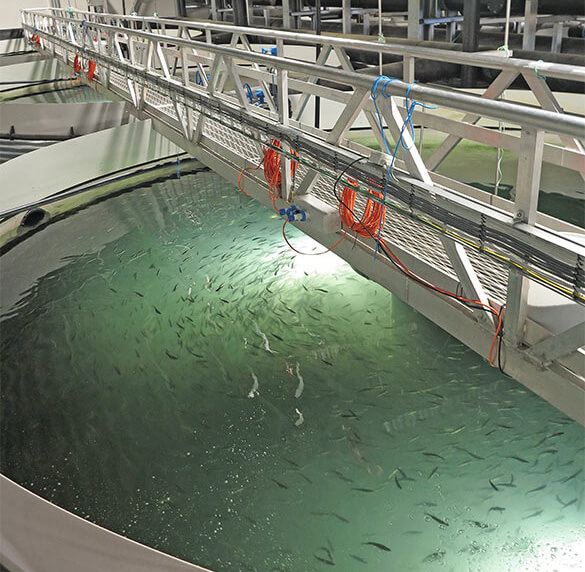
AquaBounty Farms of Indiana is a land-based fish farm designed to raise the revolutionary AquAdvantage salmon. Scientists created the fish in the 1980s by inserting a Chinook salmon growth-hormone gene into an Atlantic salmon, adding a DNA sequence from an eel-like ocean pout to activate it. The result is an Atlantic salmon that grows to market size twice as fast as a conventional one.
After a tortuous 20-year regulatory journey, the U.S. Food and Drug Administration approved the AquAdvantage salmon for human consumption in 2015, making it the first genetically modified animal ever to receive the distinction. For AquaBounty Technologies, based in Massachusetts, the approval was cause for celebration …. They purchased the Albany farm in 2017 hoping to make it a historic site: the birthplace of America’s first GMO food animal.
The champagne, however, remained corked …. not all Americans were eager to embrace a genetically engineered fish. Alaska Senator Lisa Murkowski, whose constituency includes that state’s $4 billion salmon industry, emerged as one of its most strident opponents.
…
That’s one of the most popular lines of arguments against the fish: What might happen if it escapes? …. The folks at AquaBounty think that’s absurd. At the behest of the FDA, they spent years making their Albany facility a maximum-security fish prison …. Additionally …. the FDA found the likelihood of the fish escaping and mating in the wild to be “negligibly small.”
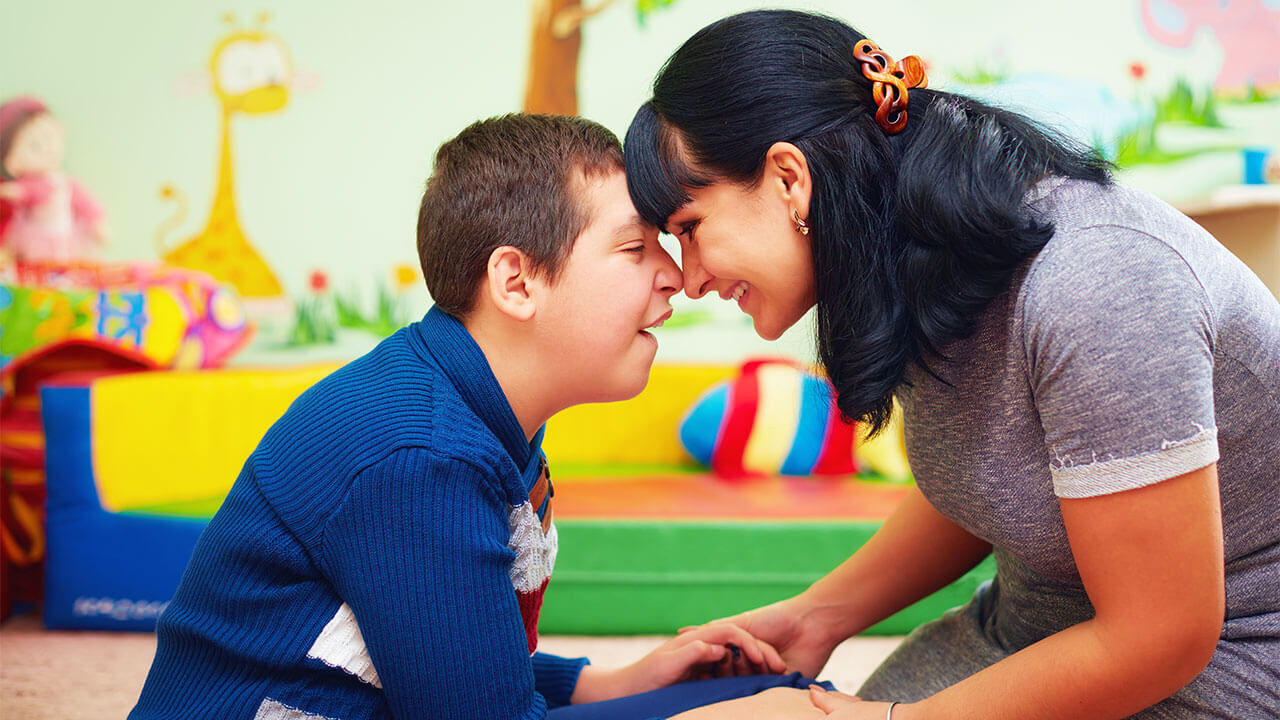
A recalibrated version of a widely used test for autism may accurately reflect autistic children’s development as they grow and become verbal, according to a new study. The revised test identifies worsening autism traits in a subgroup of children who would not otherwise have been flagged for the condition. The Autism Diagnostic Observation Schedule (ADOS) is one of the standard tests for autism.
…
But ADOS scores are not consistent across these modules because of, for example, the natural development of language. This mismatch may prevent doctors from accurately tracking children over time and cause them to miss opportunities for intervention, says So Hyun Kim.
…
Instead of using the raw ADOS scores, Kim’s team used a statistically calibrated version called Calibrated Severity Scores (CSS). This scale measures autism severity independent of characteristics that change over time, such as language and cognition; it provides standard scores from 1 to 10 for core autism features at each age and language level.
“When comparing children from one time point to another point, we are more sure the changes are not driven by changes in aging or language, but by the underlying autism,” Kim says. “It can allow more valid comparisons across modules.”
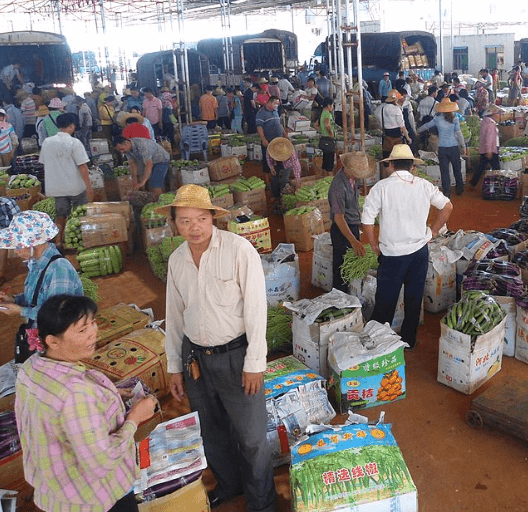
As Chinese consumers have prioritized food quality, imported organic products have soared in popularity, with some supermarkets following in the footsteps of their Western counterparts by dedicating entire sections to organic foods.
But while the boost in organic food sales should in theory be a boon to farmers, [Dr. Xia Hanbing, manager of Shanghai Tianzai Fruits and Vegetables Specialized Co-op,] laments that it’s not easy to cultivate such products in China. “It’s nearly impossible to grow organic vegetables on my farm, and it’s difficult for other farmers, too,” Xia says. “First and foremost, ‘organic’ calls for certain soil and water standards, and because vegetables are part of the food chain, they’re especially vulnerable to diseases and pests. The current eco-friendly measures to combat these problems are not yet developed enough to fully replace pesticides.”
…
China has its own standards for organic products …. but with foreign brands scrambling to enter the Chinese market, many are simply buying fake “organic” accreditation from for-profit agencies, according to a July report from state news agency Xinhua.
“Certifying and accrediting organic food has become a business,” Xia says. “With the certification process so often going through third parties with their own commercial interests, it has become a stamp of approval for the food producer itself, rather than for its products.”
As Daniel Patrick Moynihan, American politician and diplomat famously put it, “You are entitled to your opinion. But you are not entitled to your own facts.” But it seems to me that opinions …. have held sway in a series of recent decisions by Europe’s regulators and judges.
…
In July this year, judges at the European Court of Justice ruled that the new and highly controllable Crispr techniques of gene editing must be treated as if they were the equivalent of older and far less controllable genetic engineering methods …. The ruling will prevent the use of Crispr in targeted development of new crop plants with desirable traits.
…
Exposure and risk, the fruits of toxicological knowledge developed over centuries through the application of reason, are not considered …. Despite countless high quality studies demonstrating its safety, glyphosate remains under threat, following the International Agency for Research on Cancer’s deeply flawed hazard-based assessment.
…
Many observers may take the view that these decisions are simply an expression of the spirit of the European people …. The problems emerge when precautionary steps replace considered risk evaluations and the consequences of decisions are not fully considered …. It is troubling that Europe’s willingness to impair …. innovation is at least partly dependent on the assumption that …. feelings, opinions, and conjecture are of equal value with reason and knowledge.
A mission to sequence the genome of every known animal, plant, fungus and protozoan – a group of single-celled organisms – is underway. The Earth BioGenome Project (EBP) has been described as a “moonshot for biology”.
…
The main ambitions of the project are threefold:
Fundamental science: The genomes will be an inventory of knowledge about the biology of life on the planet. Drawing a parallel between the human genome project and the endeavour to have a the first human walk on the Moon, Prof [Harris] Lewin said that while the specific challenges in each were very different, they had one key thing in common: “An investment in basic science without knowing exactly where it would lead.”
Conservation: To protect endangered species from threats like climate change, scientists want to understand the genetic code that underlies their adaptations to their environment. Species of particular conservation interest, such as the golden eagle, have already been targeted for genome sequencing.
Human welfare: Pinpointing the code for “useful traits” could reveal, for example, medicinal properties embedded in an organism’s DNA or ways to protect vital crop species from drought and disease.
The price tag on an “inventory of life” is a projected US$4.7bn (£3.6bn), which, according to the project leaders, will come from charities and governments around the world. As of [November 1] 17 institutions have each committed to the common goal of completing the 1.5 million genomes.
With fearmongering headlines and the general misunderstanding of what goes into our food (hello, image of a syringe in a tomato), it is hard to sift through the noise to find the Canadians rooting for you. But don’t fret: we are here ….
[Editor’s note: this article is written as a letter to farmers.]
…. A hot topic for consumers these days is biotechnology. As we all know; GMOs, pesticides, herbicides and hormones in our meat are all safe in Canada. The science is clear on this fact.
Admittedly, it wasn’t the science that won me over. For the average Joe, pointing to studies with scientific jargon and statistics …. can often be overwhelming …. This can breed the mistrust. I learned to fully trust the food on the shelf after speaking to a farmer who said he eats and feeds his family the food that was created through use of modern agricultural practices. It was as easy as that ….
…
As someone with zero first-hand farm experience …. I have been bombarded by fearmongering marketing terms and food trends such as “non-GMO certified,” the so-called “dirty dozen” and the well-known hormone-free burgers being pushed by a certain fast-food chain.
…
The technologies you adopt, as the well-informed and modern farmer, reduce the amount of land and water required for crops, farm animals are treated better than ever before …. Those are narratives that someone without a science or farming background can really understand. These facts hold weight.
Read full, original article: Opinion: A love letter to you
You’re driving along the highway when, suddenly, a person darts out across the busy road. There’s speeding traffic all around you, and you have a split second to make the decision: do you swerve to avoid the person and risk causing an accident?
…
A human might not consciously make these decisions. It’s hard to weigh up relevant ethical systems as your car veers off the road. But, in our world, decisions are increasingly made by algorithms.
…
How can machines make moral decisions when problems of morality are not universally agreed upon, and may have no solution? Who gets to choose right and wrong for the algorithm? The crowd-sourcing approach adopted by the Moral Machine researchers is a pragmatic one.
..
The three most dominant factors, averaged across the entire population, were that everyone preferred to spare more lives than fewer, humans over pets, and the young over the elderly.
…
These rules didn’t apply universally: respondents from France, the United Kingdom, and the US had the greatest preference for youth, while respondents from China and Taiwan were more willing to spare the elderly.
…
As algorithms start to make more and more important decisions, affecting people’s lives, it’s crucial that we have a robust discussion of AI ethics. Designing an “artificial conscience” should be a process with input from everybody.
For nearly 20 years, NASA has been planning and constructing a telescope unlike any ever built before: the James Webb Space Telescope. It will change the way scientists see the most distant galaxies and intensify the hunt for extraterrestrial life; it will answer outstanding questions about the birth and death of stars and planets. It is the future of astronomy—but it’s causing trouble. JWST’s high price and decade of delays could stymie the development of future telescopes, impacting the course of astronomy for the next 30 years.
…
Looking even further ahead, NASA’s planned successor to JWST, called the Wide Field Infrared Survey Telescope (WFIRST), will observe the sky with resolution similar to Hubble’s but with a far wider field of view.
…
JWST’s price tag has increased incrementally, from hundreds of millions of dollars to $9.6 billion, some scientists working on its successors are uneasy. Where does the extra money come from to pay for JWST’s budget overruns, and how have these delays affected public perception of these large missions?
…
While Congress views astronomy research more favorably, President Trump’s 2019 budget request has already suggested scrapping WFIRST.
…
[T]he astronomers Gizmodo spoke with generally agree that JWST will be well worth the wait. But flagship telescopes are meant to advance significantly upon existing instruments—and improvement requires money. Scrapping or de-scoping WFIRST could further delay humanity’s dream to spot life on other planets.
It turns out cotton seed is a great source of protein, except it’s currently toxic for humans. Cotton naturally produces gossypol, which is essentially an insecticide. While that helps the plant fight off insects, it also makes it poisonous to humans and most animals. But scientists at Texas A&M University discovered they could “turn off” the gene causing the plant to create gossypol ….
And that means cotton could become a big component in meeting the world’s growing food demand. Protein is obviously an important part of our diet. Edible cotton has enough of it to meet the daily needs of 600 million people.
…
Edible cotton obviously is directly at odds with the non-GMO movement. It raises an interesting dichotomy though: a use of biotechnology that could help us alleviate an impending problem in a sustainable way. The alternative is to grow more protein through animals, which will take more land and resources. So there seems to be a pretty easy choice here.
So it isn’t quite cotton candy or edible unmentionables, but the new GMO cotton has a lot of potential. Oh, and reportedly it tastes a lot like hummus. Yum!
Cover crops are great. If I thought I could get away with it, I would just grow cover crops in my garden. They protect the soil, feed microbes, build soil structure, add root channels, and support beneficial insects. I think they look cool too. When cover crop mixtures got popular a few years ago, I got excited and grew a 17 species mix. It looked really cool, I mean, diverse, with all sorts of seeds that became all sorts of plants. I took pictures, showed my kids, and even had a neighborhood open garden event! (Well, maybe not that last one.) Then I grew some vegetables after the cover crop. They did OK. Just OK. I wanted it to be the best tomato/squash/cucumber/lettuce crop ever, but I could not tell the difference between these vegetables and those I had grown after many previous un-biodiverse cover crops. Recent research may explain this.
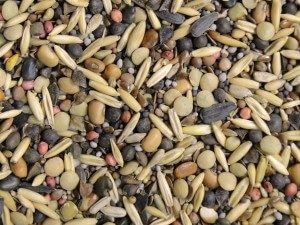
Seeds of seventeen species of cover crop. Image credit: A. McGuire.
Research thus far has consistently found that cover crop polycultures are not necessarily better than cover crop monocultures. This is now reaffirmed by a large study, done in Pennsylvania (Finney et al. 2016). The study had 18 treatments replicated four times (these studies are a lot of work). Eight species were grown as monocultures. Seven 4-species mixes and two 8-species mixes were the polyculture treatments, and they included a no cover crop check treatment. All this was planted in August, for two years (different field each year).
The big idea behind cover crop mixtures is that the increased biodiversity will result in increased productivity, increased ecosystem services, or both. The Finney group tested both hypotheses. They found that the mixtures produced less biomass than the best monocultures (here, canola and cereal rye). They also found that mixtures did not provide increased ecosystem services (here, weed control, nitrogen scavenging, nitrogen storage, and effect on following crop) over the best monocultures. These findings are related. Finney et al. found that most of the ecosystem services which we want cover crops to provide are related to biomass production. Because a few of the monocultures produced the most biomass, they also provided more services. From this, they concluded that “a mixture may not be necessary” and “a single cover crop species may be sufficient and more economical than a mixture.” (I attended several sessions on cover crop mixtures at this year’s meeting of the Agronomy, Crop Science and Soil Science Societies, and did not hear any results that went against these findings.)
Mixtures do have one advantage, they can provide more services (multifunctionality) than a monoculture. However, in mixtures, the level of individual services provided is less than with a monoculture. For example, cereal rye is a great weed suppressor, but it does not fix nitrogen. If we mix hairy vetch, which fixes nitrogen from the air (an ecosystem service), with rye, we get both services, but the added vetch dilutes the weed suppression of the rye. There is a tradeoff in using mixtures to obtain multiple services (multifunctionality). In another strike against mixtures, Finney and Kaye (2016, same study, different paper) found that this multifunctionality was only weakly related to the number of species in a mixture. Their study “does not support the hypothesis that increasing the number of species in a mix will lead to predictable increases in multifunctionality at levels that are agronomically or ecologically relevant.”
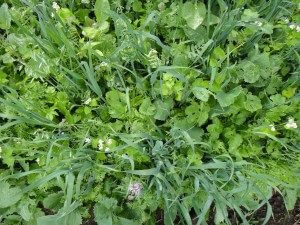
A growing cocktail of cover crop mixture. Image credit: A. McGuire.
Why don’t cover crop mixes work better than monocultures? Well, first, some ecological theory. The idea that biodiversity is better than monoculture comes from ecologists studying natural habitats. In nature, they observe niche differentiation (Connor et al. 2011). The idea is that a diverse mix of organisms can better use the available resources because of their different use characteristics. When their resource use does not overlap much, they are complementary. Take a field of wheat. If some plant species needed different resources than wheat, then we could expect that adding that species to the wheat field might result in more production in the same area. Better resource use means better productivity. That is the theory.
Niche differentiation is seen most clearly with animals, but plants are different. First, they do not move. They are stuck where chance happens to put them. Second, plants require the same resources; sunshine, CO2, water, and nutrients (nitrogen for legumes is the exception). For these reasons, plants, especially annual crops, have much less opportunity for niche differentiation. And this is what we see in cover crop research results, little evidence of complementarity. Even in more natural systems, support for complementarity in plants is rare (Cardinale et al. 2011). The authors of this paper ask, “how can species be ‘complementary’ in their use of resources and production of biomass, and yet, a diverse community not perform processes any more efficiently than its most efficient species?” The simple answer is that there is no complementarity in these diverse mixes. Cardinale and colleagues cannot go this far, but rather think it “warrants more investigation.”
.
Rather than complementarily, there are simple tradeoffs. When plant species compete for the same resources, there are winners and losers. Mixing a less productive species with a high productive species reduces total biomass production (with the exception of legumes in infertile soils). Winners dominate losers in mixed stands, to the point where the losers are suppressed by the canopy, or larger root system of the winner. This is what we see in cover crop polyculture research. Dominant species, which happen to be our most productive crops, tend to dominate. If we control them by reducing their seeding rate, the less extreme species grow better, but not enough to make up for the lower population of the dominant species.
Finney and Kaye mention possible reasons why cover crop mixtures may not live up to ecological theory. Whereas polyculture advantages have been seen mainly in perennials growing together for several years, cover crops are annuals growing for just a short time. In natural systems, the number of species present is very much greater than in agriculture where we select dominant plant species for our crops.
Follow the latest news and policy debates on sustainable agriculture, biomedicine, and other ‘disruptive’ innovations. Subscribe to our newsletter.
This demonstrates the basic problem with attempts to make agriculture more like nature; agriculture is not like nature. Whether it be crop rotation, cover crops, or the need to supply farm fields with inputs, agriculture is not like nature. Therefore, we should not be surprised when one of these principles, here the diversity-productivity relationship, does not apply.
There are other reasons not to use mixtures in cover crops. First, because monoculture powers crop rotation benefits, planting a cover crop mixture increases the risk that a pest will find something in the mix it likes. Add to this the difficulty in seeding multiple species, finding the right timing for planting a diverse mix, and the increased cost of seed blends…if these mixtures do not give extra benefits, why grow them?
Growing monoculture cover crop. Image credit: A. McGuire.
What might be a feasible and possibly beneficial option is planting multiple varieties of one species. Wenatchee ARS researcher, Mark Mazzola (2002), has found significant differences in the effects of different wheat varieties on the soil microbial community. Similar effects may occur with varieties of other cover crop species. Adding this kind of diversity to a cover crop comes without all the problems of species mixes and may prove beneficial.
I think that any cover crop can do some good. If you like planting polycultures, do it. But don’t let the appeal of the silver bullet, of the secret solution, cloud your judgement. Novelty entices the most sober-minded of us into thinking “this is it.” I still sometimes grow cover crop mixes, but also monocultures. Both are good, but as I found, and as science is confirming, cover crop mixes are not the restore-everything-to-as-it-should-be final solution we hope for.
A version of this article originally appeared on the GLP on February 1, 2017. It previouslyappeared on the Center for Sustaining Agriculture and Natural Resources website as “Cover crop best bet is monoculture, not mixture,” and was republished here with permission.
Andrew McGuire is an agronomist for Washington State University’s Center for Sustaining Agriculture and Natural Resources. He has also worked for the University of Nebraska Cooperative Extension and the Natural Resources Conservation Service in Western Colorado. Follow him on Twitter @agronomistag
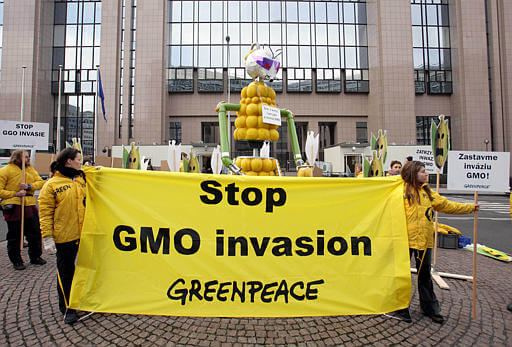
Non-GMO labels on foods are popping up on grocery store shelves all over the US. These labels are intended to send the message that these foods are safe and healthy because they do not have GMOs.
…
The Food and Drug Administration (FDA), the government body that regulates and monitors the food supply, approves all foods and ingredients made from GMOs before they can be sold in the grocery store. Since 1993, the FDA has maintained that GMO foods are safe and do not pose any risk to human health. Many other health organizations have also reviewed evidence and found that GMO foods are safe to eat.
…
Some organizations have begun to call the use of non-GMO labeling misleading and unethical. Of concern to me as a nutritionist, is that consumers with lower incomes or those on fixed budgets may believe they have to buy the higher-priced non-GMO foods and limit their intake of healthy foods.
There is overwhelming scientific evidence that GMO foods are safe and pose no risk to human health. So the next time you are in the store, do read labels to determine which foods provide the most nutritional value, but be confident that you don’t need to spend more on those non-GMO labels.
[H]uman intelligence [has increased] over time. Proposed explanations for the phenomenon, now known as the Flynn effect, include increasing education, better nutrition, greater use of technology, and reduced lead exposure, to name but four. Beginning with people born in the 1970s, the trend has reversed in some Western European countries, deepening the mystery of what’s behind the generational fluctuations. But no consensus has emerged on the underlying cause of these trends.
…
Scientists have proposed biological mechanisms for variations among individuals’ [general intelligence] levels ranging from brain size and density to the synchrony of neural activity to overall connectivity within the cortex. But the precise physiological origin of g is far from settled, and a simple explanation for differences in intelligence between individuals continues to elude researchers. A recent study of 1,475 adolescents across Europe reported that intelligence, as measured by a cognitive test, was associated with a panoply of biological features, including known genetic markers, epigenetic modifications of a gene involved in dopamine signaling, gray matter density in the striatum (a major player in motor control and reward response), and the striatum’s activation in response to a surprising reward cue.
…
While those in the field generally agree that science has a long way to go to make sense of how we think, most express cautious optimism that the coming decades will yield major insights.
Researchers have been developing virtual reality systems that help people overcome specific phobias since the 1990s. VR therapy has since expanded to address more complex anxiety disorders, such as social anxiety and post-traumatic stress, and even the anxiety associated with paranoid schizophrenia.
…
[C]onfronting fears can be easier in a virtual setting. A flight-phobic patient can take off and land many times in a single VR session without the cost and hassle of actual flights. Veterans with post-traumatic stress who can’t remember a traumatic memory in great detail can reenact a close proxy in VR for a more potent therapeutic experience. The same goes for those who repress painful memories.
Until recently, the price and complexity of VR equipment, which could run tens of thousands of dollars, limited VR therapy to a few research labs and clinics. Now, there are computer-based headsets like the Oculus Rift that cost only a few hundred dollars, as well headsets such as the Samsung Gear VR that turn smartphones into virtual reality displays for about 100 bucks.
With cheaper, more user-friendly systems poised to make virtual reality therapy available to many more patients, researchers are testing the bounds of VR’s therapeutic powers to treat a broader range of disorders or, in some cases, replace the therapist altogether.
There is a long list of global problems to combat, including hunger, drought, poverty, bad health, polluted water and poor sanitation. One that’s connected to all the others is the recent bombshell news that climate change is accelerating …. Consequently, extreme weather and natural disasters, food shortages …. will likely happen even sooner than previously anticipated.
…
There are, of course, many elements driving climate change …. Farms …. could benefit from a range of technologies, such as data analytics and artificial intelligence. As a bonus, innovating in agriculture could help feed more people.
…
Technological tools could help farmers collect and use data to [use] less fertilizer and [plant] fields more efficiently. Specifically, better data on soil and plant health could help farmers know where they need to increase or decrease irrigation or pesticide and fertilizer use ….
…
[M]aking changes in farming and food practices that enhance productivity, promote sustainable methods and reduce waste could produce commercial opportunities and new savings worth US$2.3 trillion overall worldwide annually. Our research team …. has estimated that of that $2.3 trillion a year, $250 billion could come from the application of artificial intelligence and other analytics for precision farming alone ….
Evolution is the accepted explanation for life’s diversity today, but there are still some holes in the process that we don’t understand. To peer back in time at certain key steps, scientists at the Scripps Research Institute have now engineered synthetic microorganisms designed to be similar to some that might have lived billions of years ago.
The team engineered two different types of synthetic microbes, each one designed to help them study a different stage in the evolution of life on Earth. The first is a chimera bacterium that has both RNA and DNA in its genome, to help study how life transitioned from one to the other. The second is a yeast species that’s been modified to have a symbiotic bacterium inside its cells, which should shed light on how mitochondria – the powerhouses of living cells – evolved.
“These engineered organisms will allow us to probe two key theories about major milestones in the evolution of living organisms – the transition from the RNA world to the DNA world and the transition from prokaryotes to eukaryotes with mitochondria,” says Peter Schultz, senior author on the two studies.