Why this farmer and mother changed her mind about the dangers of GMOs

maxresdefault

As a 4-H kid with Hollywood dreams, my younger self would be SHOCKED to see me now, back on a farm instead of a movie set …. I had my sights locked on the big city. So after high school I moved to Los Angeles to earn a degree in fashion and chase that Hollywood life …. but I also drifted farther than I’d ever been from the farming community I knew as a kid.

[Editor’s note: Michelle Miller is an Iowa-based farmer.]

I was super worried about pesticides, hormones and antibiotics, factory farming …. I bought into all of it. At least I did until a farmer named Doug came into my life …. and ended up trading my fashionista, city girl life for one working on his family’s fifth-generation farm in Iowa …. It was all going great until I asked if his crops were GMO. He casually and proudly said “yes.”

…um, what?! I was shocked. How could this great guy be growing something everyone knows is terrible?

But as I soon learned, my reaction said more about my media diet than his farming choices. And it set me on a journey to not only reconnect personally with farming, but to also help educate other people struggling as I had to adhere to baseless food rules and social pressures.

Read full, original article: The Facts About GMOs, From a Farmer Who Used to Oppose Them

These 12 guidelines could protect us from threats from artificial intelligence

vTqIaVaRZBHE oEt W qA

After months of work, a set of guidelines designed to protect humanity from a range of threats posed by artificial intelligence have been proposed. Now, a privacy group wants the U.S. government to adopt them too.

The set of 12 universal guidelines revealed at a meeting in Brussels [October 23] are designed to “inform and improve the design and use of AI” by maximizing the benefits while reducing the risks.

These guidelines, according to the Electronic Privacy Information Center (EPIC), are designed to be baked in to AI to ensure the protection of human rights. That includes a right to know the factors, logic and the techniques used to the outcome of a decision; a fairness obligation that removes discriminatory decision making; and an obligation to secure systems against cybersecurity threats. The principles also include a prohibition on unitary scoring — to prevent governments from using AI to score their citizens and residents — a subtle jab at China’s controversial social credit system.

[T]he 12 principles fit neatly within the seven strategies already set out by the U.S. so far — making the case for their adoption easier. More than 200 experts and 50 organizations have signed on to the guidelines — including the Federal of American Scientists and the Government Accountability Project.

Read full, original post: Privacy group calls on US government to adopt universal AI guidelines to protect safety, security and civil liberties

Viewpoint: Environmental gene editing shows promise, but requires ‘careful oversight’

gene modifying mosquito s

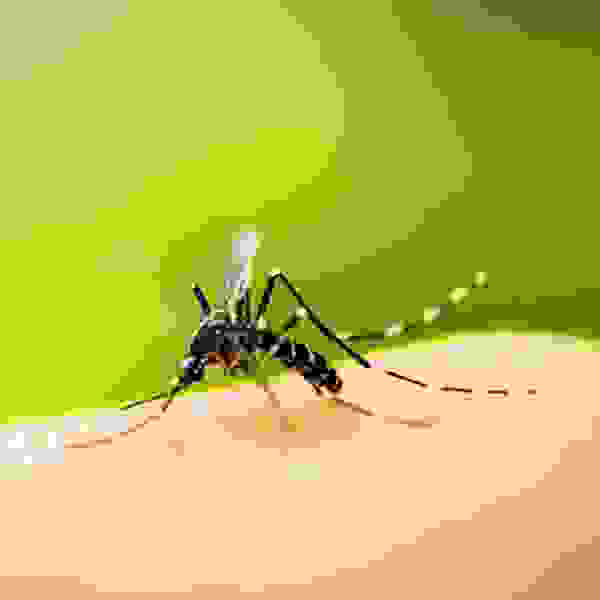
In Burkina Faso, the government is considering the use of genetically modified mosquitoes to eradicate malaria. In Nantucket, Mass., officials are looking at gene editing as a tool in the fight against Lyme disease. And scientists are using gene technology to adapt coral to changing ocean conditions from the Caribbean to the Great Barrier Reef.

Yet for all the breathtaking promise of these technologies, there remain profound concerns about the potential unintended consequences of releasing gene-edited organisms into the environment — and a lack of governance oversight.

In a new paper published in Science, an interdisciplinary group led by Yale researchers …. argue[s] that the complex nature of these technologies requires, on a case-by-case basis, careful and judicious review ….

“The biggest risk right now with this technology is the uncertainty associated with it,” said Natalie Kofler, an associate research scientist at the Yale School of Forestry & Environmental Studies (F&ES) and lead author of the paper.

“In places like Burkina Faso, for instance, it is being touted as a silver bullet to get rid of malaria. But these technologies also have the potential to forever change the genetic makeup of species, or even drive certain species to extinction. Lack of global governance puts our planet at risk.”

Read full, original article: Editing nature: A call for careful oversight of environmental gene editing

Nothing to fear from hallucinations linked to macular degeneration, study shows

EyeHealthDiesease MacularDegenerationGraphic

Hallucinations linked to vision loss from macular degeneration are caused by abnormally heightened activity in the visual cortex of the brain, according to new Australian research.

That means they are nothing to particularly worry about and do not need special treatment.

Macular degeneration causes progressive deterioration of the central region of the retina, affecting the centre of the field of vision but not peripheral vision.

Many people with this condition also develop Charles Bonnet Syndrome(CBS), in which they experience hallucinations as the brain adjusts to the significant vision loss. These range from flashes of light or simple shapes to complex visions of people, animals or entire scenes.

To test a theory that this is linked to “excitability” in the brain, a team from the Queensland Brain Institute at the University of Queensland stimulated the peripheral visual fields of study participants and found that those who suffered hallucinations showed significantly heightened activity in parts of their visual system.

They don’t yet know how or why, but they know it occurs, and straight away that could help reduce misdiagnosis.

“Once people realise it’s not a brain disorder as such, they tend to have a neutral or even positive experience of their hallucinations. Unlike the hallucinations in people with schizophrenia, for example, individuals with Charles Bonnet Syndrome are aware their hallucinations aren’t real,” [said author David Painter.]

Read full, original post: Potential mechanism for retina-linked hallucinations discovered

Video: Led by gene editing, these scientific breakthroughs are the future of agriculture

nbt

A new report from the National Academies of Sciences, Engineering, and Medicine identifies the most promising scientific breakthroughs that are possible to achieve in the next decade to increase the U.S. food and agriculture system’s sustainability, competitiveness, and resilience.

The ability to carry out routine gene editing, not GMOs, of agriculturally important organisms will allow for precise and rapid improvement of traits important for productivity and quality.

Progress, the report states, is only able to occur when the scientific community begins to more methodically integrate science, technology, human behavior, economics, policy, and regulations into biophysical and empirical models. Enticing and enabling researchers from different disciplines to work effectively together on food and ag issues is the objective, but this will require incentives in support of the collaboration.

Original Video: A Plan To Advance Agriculture And Our Food Supply

Novel therapies to combat deadly superbugs caused by antibiotic overuse

super

The overuse and misuse of antibiotics are key factors behind the evolution of so-called superbugs, multiresistant bacteria that are growing harder and harder to kill. The phenomenon has led some to declare an end to the antibiotics era, as most of the mainstream drugs in use today date back to the 1960s. But novel therapies are beginning to emerge that may help establish a new front line in the war against superbugs.

[R]esearchers are looking at how modulating, or changing, the gut microbiome could help give new life to some antibiotics. For instance, scientists at MIT released the results of a study this month showing that a combination of antibiotic drugs and probiotics, which are beneficial bacteria, could eradicate two strains of drug-resistant microbes that often infect wounds.

While progress is being made against superbugs, there is still much we don’t understand about their defenses and evolutionary pathways. For instance, researchers know that bacteriophages—viruses that infect bacteria—can transfer DNA from one microbe to another. This process, known as genetic transduction, is believed to be one of the major ways in which bacteria acquire antibiotic resistance.

Experts like [professor Kevin] Outterson, while cautiously optimistic about our ability to develop new therapies, caution that other ways to slow the spread of superbugs is simply through more judicious use of current drugs.

Read full, original post: Science vs. Superbugs: A New Wave of Solutions Is On the Way

Why the USDA is finding it hard to combat surge in fraudulent organic products

usda fraud

USDA has an organic problem. The department wants to clamp down on fraudulent products, but needs to tackle inaccurate government data on organic farmland acreage.

How many acres of organic farmland are there in the U.S.? Don’t ask the Agriculture Department. The government’s data on organic acreage is wildly inaccurate …. and USDA is now considering new reporting requirements to help it develop a better nationwide accounting of organic acreage.

Something doesn’t add up: One USDA database reports 121 million acres of organic farmland across the country. But the same database lists a global total of 13.5 million acres.

— Why it matters: Getting the numbers right isn’t just about proper bookkeeping — it’s part of an effort to crack down on fraudulent organic products …. The data problem is unique to the organics sector, which has battled for decades to share an equal footing at USDA with conventional agriculture. Responsibility for collecting organic acreage stats has passed from agency to agency in recent years. It’s now handled by the National Organic Program, which certifies products as “USDA Organic.”

Read full, original article: Inside USDA’s organic data gap

The stuff that ‘makes magic mushrooms so magic’ moves closer to FDA approval for treating depression

psilocybin magic mushrooms

The active ingredient that makes magic mushrooms so magic—the psychedelic drug psilocybin—is one step closer to becoming a legal treatment for difficult cases of depression. [October 23] the company Compass Pathways announced that it had received the Food and Drug Administration’s Breakthrough Therapy designation for its psilocybin-based treatment. The designation will fast track the FDA’s review of the treatment for possible approval.

While many people who have recreationally taken psilocybin and other mind-altering drugs can attest to the positive feelings they leave behind, research into these drugs’ possible mental health benefits has been stifled for decades.

[I]n recent years, doctors, patients, and even pharmaceutical companies have slowly begun to convince the government to reconsider its stance, aided by small pilot studies showing that these drugs, usually in “microdoses” smaller than a person would take recreationally, can help treat depression, anxiety, and even drug addiction

[S]tudies in the UK and U.S. have found that it could treat people with depression who haven’t responded well to other treatments. And Compass is set to fund the first large-scale trial of psilocybin that will run in North America and Europe over the next year, according to the company.

“We are excited to be taking this work forward with our clinical trial on psilocybin therapy for treatment-resistant depression,” said [Compass chairman] George Goldsmith.

Read full, original post: The Main Ingredient in Psychedelic Mushrooms Is Closer to Becoming an FDA-Approved Depression Treatment

Can we ‘build’ a better banana with genetic engineering?

GoldenBananas x

Reproductively, domesticated banana plants are self-copying machines …. With the emergence of the 20th century, the confluence of the Industrial Revolution with plantation agriculture led to the propagation of a single globally favored banana genet (descended from a single instance of sperm-egg fusion) for export from the tropics to waiting markets in the industrial north.

[F]rom farmer to grocer, the whole modern industrial food production and delivery stream depends on predictable uniformity.

[S]ome plant biotechnologists have argued that future crops should follow the banana, dispensing with sex entirely. Specifically, they are titillated by the idea of varieties that replicate the maternal plant via reliably uniform, asexual, apomictic seed. One proposal …. would be to genetically engineer plants to be apomictic ….

[A]sexual seed could be a real boon to farmers—or not. Some scientists see social justice in apomictic seed ….  A clonal crop is genetically very uniform. That’s both the good news and the bad news because, despite its tremendous popularity, the Gros Michel [banana variety] is nearly gone …. because, according to banana geneticist and crop evolutionist N. W. Simmonds, “bananas constitute one of the best examples in the history of agriculture of the pathological perils of monoclone culture.”

[Editor’s note: This article is an excerpt from Sex on the Kitchen Table: The Romance of Plants and Your Food by Norman C. Ellstrand.]

Read full, original article: What’s Wrong with Bananas

Rarely studied African genes fill in ‘blank canvas’ of early human history

unnamed

Humankind’s early history in Africa is coming into sharper focus with a new study of 180 genomes from a dozen ethnic groups on the continent — some of which have never before been analysed.

Together with genetic analyses of ancient human remains from Africa published [in 2017] the latest data are starting to fill in the nearly blank canvas of early human history.

Although Homo sapiens originated in Africa roughly 250,000 to 315,000 years ago, geneticists have devoted their attention almost exclusively to the small subset of Africans that migrated north to Europe tens of thousands of years later. A handful of African genomics projects are now beginning to address this imbalance.

Nearly one-fifth of the genetic variation that the team uncovered has never before been reported. Statistical models of the data indicate that the Hadza and the Sandawe people of Tanzania shared an ancestor in the past 30,000 years.

The findings also suggest that there was intermingling during that period between the Hadza, the San in southern Africa and the Baka in central Africa, all of whom were traditionally hunter-gatherers. “I think we are seeing an ancient common ancestry between the major hunter-gatherer groups in Africa,” [geneticist Sarah] Tishkoff says.

After conducting further analyses, Tishkoff plans to publish the results and share the anonymized genomes publicly, so that scientists can pool their data.

Read full, original post: Rare genetic sequences illuminate early humans’ history in Africa

Talking Biotech: How regulation threatens the future of biotechnology

gmo regulation

The future gets closer every day, and many argue that technology will radically change the world for the better in the next 20 years–if we have the courage to let it. Matt Ward is a serial entrepreneur, angel investor and host of the Fringe FM Podcast. He shares his provocative view of how technology is shifting life and priorities, and how the strangling force of regulation stands to slow progress.

Talking Biotech website, Twitter @TalkingBiotech

Kevin Folta on Twitter @kevinfolta | Facebook: Facebook.com/kmfolta/ | Lab website: Arabidopsisthaliana.com | All funding: Kevinfolta.com/transparency

Paul Vincelli on Twitter @Pvincell | University of Kentucky webpage 

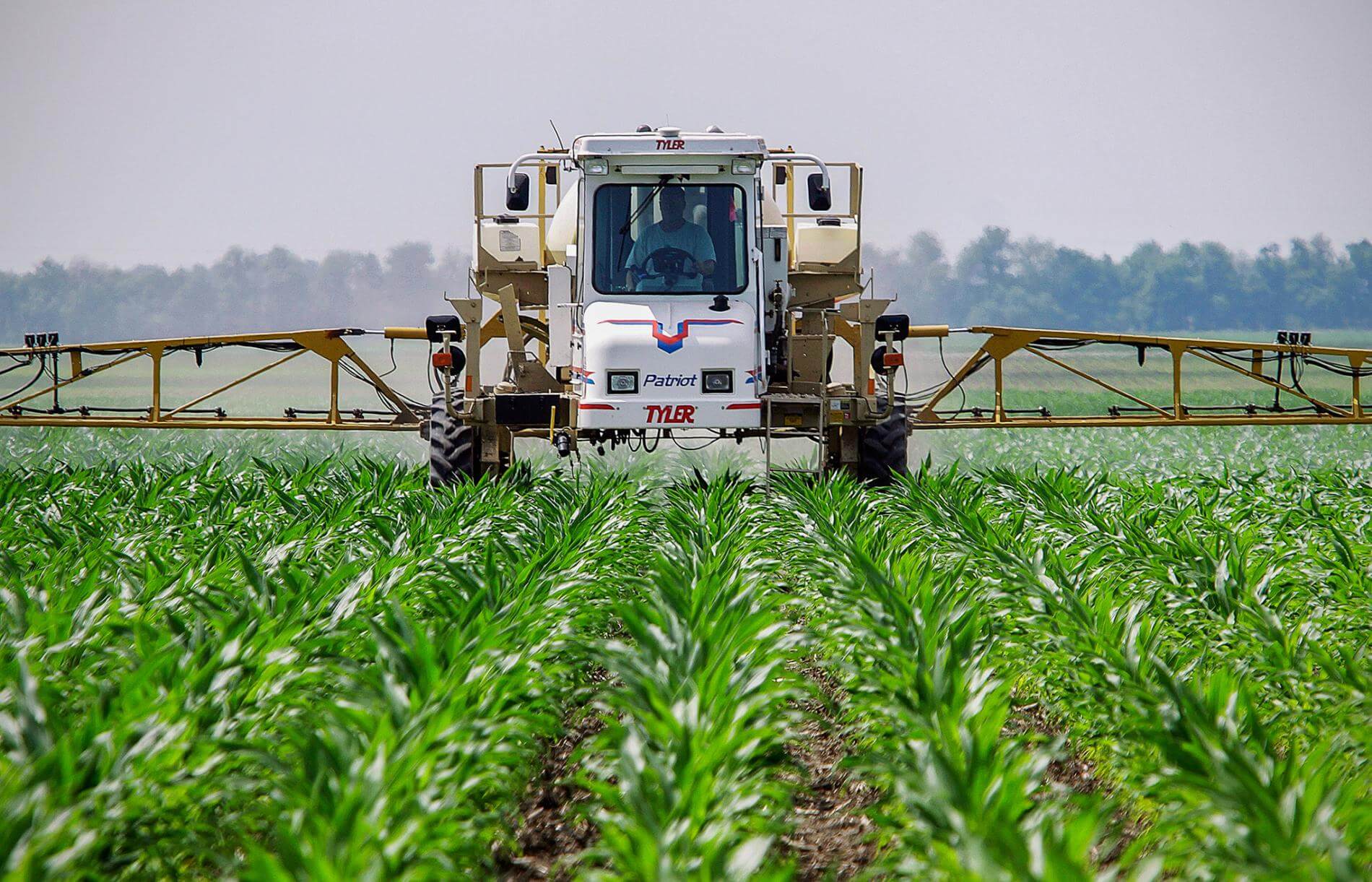
Viewpoint: Why a jury verdict against Monsanto doesn’t change anything regarding the safety of Roundup herbicide

roundup
The common weed killer Roundup (glyphosate) is back in the news after a US court ruled it contributed to a man’s terminal cancer (non-Hodgkin lymphoma). Following the court’s order for manufacturer Monsanto to compensate the former school ground’s keeper US$289 million, more than 9,000 people are reportedly also suing the company.

In light of this, Cancer Council Australia is calling for Australia to review glyphosate’s safety. And tonight’s [October 8] Four Corner’s report centers around Monsanto’s possible cover-up of the evidence for a link between glyphosate and cancer.

Juries don’t decide science, and this latest court case produced no new scientific data. Those who believe glyphosate causes cancer often refer to the 2015 report by the International Agency for Research on Cancer (IARC) that classified the herbicide as “probably carcinogenic to humans”.

IARC’s conclusion was arrived at using a narrower base of evidence than other recent peer-reviewed papers and governmental reviews. Australia’s regulator, the Australian Pesticides and Veterinary Medicines Authority (APVMA), reviewed the safety of glyphosate after IARC’s determination. It’s 2016 report concluded that

based on current risk assessment the label instructions on all glyphosate products – when followed – provides adequate protection for users.

The Agricultural Health Study, which followed more than 50,000 people in the US for over ten years, was published in 2018. This real world study in the populations with the highest exposure to glyphosate showed that if there is any risk of cancer from glyphosate preparations, it is exceedingly small.

It also showed that the risk of non-Hodgkin lymphoma is negligible. It is unclear to what extent this study was used in the recent court case.

What did the IARC and others find?

Glyphosate is one of the most used herbicides worldwide. It kills weeds by targeting a specific pathway (the shikimic acid pathway) that exists in plants and a type of bacteria (eubacteria), but not animals (or humans).

In terms of short-term exposure, glyphosate is less toxic than table salt. However, it’s chronic, or long-term, exposure to glyphosate that’s causing the controversy.

Pesticides and herbicides are periodically re-evaluated for their safety and several studies have done so for glyphosate. For instance, in 2015, Germany’s Federal Institute for Risk Assessment suggested glyphosate was neither mutagenic nor carcinogenic.

But then came the IARC’s surprising classification. And the subsequent 2015 review by the European Food Safety Authority, that concluded glyphosate was unlikely to pose a carcinogenic hazard, didn’t alleviate skeptics.

The key differences between the IARC’s and other reports revolve around the breadth of evidence considered, the weight of human studies, consideration of physiological plausibility and, most importantly, risk assessment. The IARC did not take into account the extent of exposure to glyphosate to establish its association with cancer, while the others did.

Follow the latest news and policy debates on sustainable agriculture, biomedicine, and other ‘disruptive’ innovations. Subscribe to our newsletter.

Demonstrating the mechanism

Establishing whether a chemical can cause cancer in humans involves demonstrating a mechanism in which it can do so. Typical investigations examine if the chemical causes mutations in bacteria or damage to the DNA of mammalian cells.

The studies reviewed by IARC, and the other bodies mentioned, that looked at glyphosate’s ability to produce mutations in bacteria and to mammalian cells were negative. The weight of evidence also indicated glyphosate was unlikely to cause significant DNA damage.

Animal studies

Animal studies are typically conducted in rats or mice. The rodents are given oral doses of glyphosate for up to 89% of their life spans, at concentrations much higher than humans would be exposed to.

Studies examined by the European Food Safety Authority included nine rat studies where no cancers were seen. Out of five mouse studies, three showed no cancers even at the highest doses. One study showed tumours, but these were not dose dependent (suggesting random variation, not causation) and in one study tumours were seen at highest doses in males only.

file z h sq
Glyphosate works by disrupting a pathway that exists in plants but not animals or humans. Image credit: Shutterstock.com

This led to the European Food Safety Authority’s overall conclusion that glyphosate was unlikely to be a carcinogenic hazard to humans.

The IARC evaluation included only six rat studies. In one study, cancer was seen but this wasn’t dose dependent (again suggesting random variation). They evaluated only two mouse studies, one of which was negative for cancer and that showed a statistically significant “trend” in males.

The IARC thus concluded there was sufficient evidence of carcinogenicity in animals but there was no consistency in tumour type (mouse vs rat) or location.

Human studies

This is an enormous field so I can only briefly summarize the research. The European Food Safety Authority  looked at 21 human studies and found no evidence for an association between cancer and glyphosate use. The IARC looked at 19 human trials and found no statistically significant evidence for an association with cancer. It did find three small studies that suggested an association with non-Hodgkin lymphoma (not statistically significant).

As already mentioned, the large Agricultural Health Study found no association between cancer and glyphosate in humans. And the 2016 review by Australia’s regulator concluded glyphosate was safe if used as directed.

It’s possible the animus towards Monsanto and genetically modified organisms may have influenced the recent juries’ decision far more than any science. However, these materials had no impact on the scientific findings.

Ian Musgrave is a senior lecturer in pharmacology at the University of Adelaide. Follow him on Twitter @ianfmusgrave

This article was originally published at The Conversation as Stop worrying and trust the evidence: it’s very unlikely Roundup causes cancer and has been republished here with permission.

Why you need to know about RNA therapy and its potential to revolutionize disease treatment

RNA therapy
Although you may have heard of gene therapy, you probably haven’t heard of RNA therapy. Unlike gene therapy, which provides new DNA to cells, RNA therapy modifies or provides ribonucleic acid (RNA) to patients’ cells. Despite the overwhelming popularity of gene-editing technologies like CRISPR, new advancements in RNA therapy are poised to address some of their serious limitations. RNA therapy now has the potential to treat a wide variety of diseases, including cardiovascular disease, hemophilia, and cancer.

RNA therapy and gene therapy are often lumped together, but they’re actually distinct classes of treatment known as nucleic acid therapies. They’re related through the central dogma of molecular biology, an elegantly simple foundation for all living organisms. Outlined by Francis Crick in 1953, the theory states that genetic information flows from DNA to RNA to proteins, in that order. Generally, to transfer information, DNA’s string of chemical units, known as nucleobases (adenine, thymine, cytosine, and guanine), are transcribed to RNA’s nucleobases (adenine, uracil, cytosine, and guanine). A type of RNA called messenger RNA (mRNA) is then translated into protein by a biological cipher, which converts three nucleic acids to one amino acid.

But in the last six decades, we’ve learned that this transfer of information is actually much, much more complicated. While Crick’s diagram suggested RNA’s role was limited to carrying genetic information, we now know RNA is an animated, powerful commander of our cells’ machinery. Researchers have identified types of RNA responsible for several important activities, including coding and organizing protein creation, modifying how instructions for DNA are transmitted, destroying other RNAs, and preventing rearrangement of genomes.

By focusing directly on what many refer to as the software of the cell, RNA therapies have direct biological targets: a specifically engineered strand of RNA is delivered to interact or produce specific functions within the cell. And simply tweaking the nucleobase code can adjust what the therapy impacts.

“You simply change the sequence and you’re hitting another indication,” says Professor Paula Hammond, head of MIT’s Department of Chemical Engineering and a member of the Scientific Advisory Board of Moderna Therapeutics. “If the platform works once, it multiplies.”

This makes RNA therapy more targeted and more versatile than conventional treatments, like immunotherapy, or even aspirin or insulin. (In comparison, we still don’t know how many drugs — including Tylenol — actually work.)

RNA therapy 9 24 18 2There are two main types of RNA therapy, antisense – which degrades dysfunctional or harmful proteins in the cell – and mRNA, which produces functional proteins. Currently, antisense therapy is more common, though more complicated. Numerous mechanisms and classes of RNA are considered antisense, but all focus on the complementary pairing of RNA strands. (For example, a strand of AUCG binds with a strand UAGC; A binds with U, and C binds with G.)

Several RNA antisense therapies already exist to improve kidney transplant outcomes, treat hemophilia, and lower LDL-cholesterol. One such mechanism called RNAi, was a 2006 Nobel Prize-winning discovery, and offers the basis for a plethora of exciting new therapies. RNAi employs special types of short RNA that act as specific instructions to the cell. A protein complex uses these instructions to destroy mRNA that are creating dysfunctional proteins. Alnylam Pharmaceuticals is preparing to launch the first siRNA drug this year, targeting an inherited disease called ATTR amyloidosis, and numerous other companies are racing to develop RNAi therapies.

The second kind of RNA therapy focuses on replacing mRNA. Cystic fibrosis patients, for example, fail to make a functional protein called CFTR in their cell membranes. Scientists hope to have patients inhale particles containing healthy mRNA, replacing the dysfunctional CFTR protein in the lung. Translate Bio will start selling an mRNA candidate to treat patients with cystic fibrosis within the next several months, and another company, Moderna Therapeutics, is also developing a treatment for cystic fibrosis. Despite not having a single drug on the market, Moderna is valued at over $7.5 billion –demonstrating the enthusiasm for these strategies.

A lot of this interest in RNA therapy is driven by the possibilities of better vaccines. Researchers are working on using RNA-encoding proteins from pathogens, like influenza, rabies, or Zika to develop vaccines. After receiving the new mRNA, cells translate the strands into protein, stimulating the immune system to produce a response specific to the exact strain of the pathogen.

This would eliminate current vaccines’ need for an injection of live, dead, or weakened pathogens. Some researchers are even now applying this concept to cancer. Like viruses, tumors have specific signatures, called neoepitopes, that immune cells can recognize and then fight. Initial cancer treatments using mRNA to target neoepitopes have shown some clinical success, and at least six companies have been founded to pursue this approach.

The short, specific arrangement of nucleic acids make RNAi easier to manufacture than more complicated protein-based therapies, like immunotherapies. Longer strands, like mRNA, are slightly harder, but the investment in their manufacturing is not scarce.

Follow the latest news and policy debates on sustainable agriculture, biomedicine, and other ‘disruptive’ innovations. Subscribe to our newsletter.

This means RNA therapy will likely be cheaper, more stable, and more accessible than complicated, personalized gene-based treatments.

“If we can stimulate the immune system efficiently in vivo, that would have huge value in lowering cost,” says Hammond. (And Moderna’s mRNA cancer vaccine candidates are aiming to do just that.)

Of course, there are still a few challenges to be worked out: as in gene therapy, delivery remains a primary issue. Both RNA and gene therapy need to be delivered into the cell, through one of many potential solutions. (So far, virus vectors and lipid nanoparticles — a ball of fat-like molecules – remain frontrunners.) There’s a growing variety of delivery strategies — with patent battles unfolding. For the field, this is a confident sign that profitable, proven methods will be found to deliver RNA to the cell.

“Having all of these [therapies] out in the market at once will accelerate the use of all of them. They are going to synergize each other,” says Hammond.

But after a decade of painstaking progress, RNA therapies are finally poised to become a widely-applicable approach.

“We can now move back and forth along the central dogma to tackle diseases,” says James Kaczmarek, a senior PhD candidate in the Anderson Lab at MIT who has chronicled RNA therapies extensively. “Engineering efforts over the past decade have brought the field to clinical reality.”

It’s difficult to overstate the potential impacts for medicine.

Josh Peters is a a PhD student in Biological Engineering at MIT. He looks at how both human and bacteria cells change on a genetic level in response to each other, as a member of the Blainey Lab, located in the Broad Institute, and Bryson Lab. Follow him on Twitter @joshpetepeters

A version of this article was originally published on Massive’s website asHaven’t heard of RNA therapy yet? You willand has been republished here with permission.

Autism and chemical messenger receptors: Study challenges popular theory

RPS STAR AUTISM PKG

New results from brain scans of adults with autism are at odds with the popular theory that autism involves weak brakes on brain activity. Some experts say, however, that the scans in the new study are too imprecise to cast serious doubt on this theory.

The scans show no difference from controls in the density of certain receptors for a chemical messenger that dampens brain signals.

One of the most popular theories of autism holds that too little of this chemical messenger, gamma-aminobutyric acid (GABA), results in too much excitation in the brain. In support of this, several studies have found that autism brains have less GABA or less GABA-A, the most abundant receptor for GABA, than typical brains. Because of this, several research teams and companies are testing drugs that activate GABA receptors.

Most of the studies of GABA-A levels relied on postmortem tissue, however, and included individuals with intellectual disability or epilepsy, or who had been on medications that can influence receptor levels. The new study is one of the first to measure GABA-A levels in the brains of living autistic people.

“We find no evidence for differences in this receptor within this particular subgroup of individuals,” says Declan Murphy, professor of psychiatry and brain maturation at King’s College London.

Read full, original post: Study calls into question chemical messenger’s role in autism

Teen farmer challenges myths about GMOs, ‘factory farming’

d a fc a e fe

Growing up on a production agriculture farm …. I help to produce the food that we enjoy on a daily basis. On my family’s farm, we raise yellow dent corn (the hard corn that you wouldn’t want to eat off the cob), soybeans, wheat and occasionally oats or forage crops, along with beef cattle.

[Editor’s note: Author Avery Plote is is a senior at Leland High School, a public school in Leland, Illinois]

[I]n today’s modern society, many people look at big tractors and frown, thinking of how the days of the big red barns and friendly faces have been replaced with “factory farms.” But, according to the USDA in 2015, 97 percent of farms are family owned. The truth is, most farmers have embraced new technology, because that technology allows farmers to produce more food more efficiently and …. preserve the land.

Farmers would never want to hurt what they raise, whether it be animals or crops, because that would only in turn hurt their bottom line (as well as their conscience). Farmers want to preserve the land and raise healthy plants and animals that can be used to feed people around the world …. We seem to have this notion practically forced upon us that “all-natural,” “non-GMO” and “organic” are superior products to everything else ….

All foods approved for GMO use have to go under years of testing to ensure their absolute safety, and there are only 10 crops …. that have a GMO seed option.

Read full, original article: TEENS: Behind the scenes of where food comes from

Vitamin-A fortified GMO banana may finally debut in Uganda in 2021, 16 years after research began

article ED E x

Ugandan scientists are eying a 2021 release date for genetically modified bananas fortified with vitamin A, provided the nation passes its biosafety law.

In 2005, Ugandan scientists began using the tools of biotechnology to breed bananas fortified with vitamin A. Their goal was to help rural families suffering from a deficiency of the nutrient, which is essential for proper growth, maintenance of the immune system and good vision.

To date, the 13-year research effort has shown promising results, with the genetically modified (GM) banana variety expressing 100 percent vitamin A content ….

Dr. Stephen Buah, program leader for the fortified banana research at [the National Agricultural Research Laboratories], said the breeding program began when scientists determined that a good number of rural communities, particularly in Western Uganda, are deficient in vitamin A and iron.

Some 28 percent of Uganda’s preschool age children and 23 percent of pregnant women are deficient in vitamin A and iron, according to World Bank statistics. Scientists at NaRL felt it was better to incorporate vitamin A into food …. than to encourage pregnant women and mothers to buy vitamin A and iron tablets, especially since they often do not have the resources to buy supplements.

Since banana is a dietary staple for many Ugandans, it was a likely candidate for fortification.

Read full, original article: Ugandan scientists poised to release vitamin-fortified GMO banana

Gene silencing could help boost rice yields in developing world

Scientists can examine the genetic basis for some of the changes that took place during  by comparing genes in cultivated   with those in their  relatives …. Most of these genes encode transcription factors that bind to other genes and regulate their activity.

A team of researchers from the National Centre for Biological Sciences …. in India …. wondered whether ….  microRNAs, also contributed to the domestication of rice. MicroRNAs regulate specific target genes by binding to RNA copies of the gene …. blocking their activity …. the resulting RNA fragments [can shut] down the activity of genes that are similar to the initial target gene.

The scientists showed that [the mRNA] miR397 silenced several members of the laccase gene family via a silencing cascade. Laccase genes …. encode proteins that promote woody tissue formation …. when the scientists transgenically expressed the gene encoding miR397 in domesticated rice, the resulting plants were more similar to wild rice plants than to domesticated ones …. In effect, the team partially de- by increasing the levels of a single microRNA species.

If silencing several laccase genes …. affects yield, would upregulating the expression of this same set of laccase genes boost grain production? In addition, would reducing the levels of miR397 in wild  …. improve yields, while retaining the traits that allow wild plants to thrive in harsh environments?

Read full, original article: Loss of a microRNA molecule boosts rice production

‘Cradles of diversification’: Lagoons played key role in evolution of first vertebrates

bd f d e b

Scientists have discovered that shallow, lagoon-like environments were the cradle for vertebrate evolution, giving rise to our distant ancestors.

A study led by palaeobiologist Lauren Sallan from the University of Pennsylvania, US, and [published] in the journal Science, solves one more piece in the long-standing puzzle of the evolutionary origin of vertebrates.

The very first vertebrates – fish – are thought to have evolved in the mid-Palaeozoic era around 480 million years ago, but the fossil record from this time contains only elusive fragments of these ancestral species. By 420 million years ago, the record shows a huge proliferation of fish – so what happened in the intervening 60 million?

The study by Sallan and colleagues analyses the entire early environmental record of primitive fish – comprising 2728 previously published records – to create a huge new dataset. This allowed them to reconstruct these ancestral habitats, using mathematical models to fill in the gaps.

“Our work shows that almost every major vertebrate division, from the earliest armoured jawless fish all the way up through sharks and our own ancestors, all started out right near the beach, far inshore of the reef,” Sallan says.

These fragile near-shore environments – either intertidal areas or permanently shallow lagoons – explain why so few early fish fossils are found intact: waves likely blasted them into tiny fragments.

Importantly, the study also shows that these restricted areas remained cradles of diversification for a long time.

Read full, original post: Vertebrate evolution kicked off in lagoons

Animal biotechnologist Alison Van Eenennaam questions FDA plan to classify CRISPR gene-edited animals as drugs

cow and professor

The [FDA in 2019]  will roll out several guidance documents meant to provide “intensive assistance” for navigating its guidelines for biotech, including gene-editing in animals…. The plan is to create “an efficient, science-based pathway to market for safe animal biotechnology-derived products.”

Industry insiders on both sides of the issue question whether FDA has the authority to regulate gene-edited animals. Jaydee Hanson, senior policy analyst for the Center for Food Safety, has been pushing FDA to develop regulations for decades. He said the agency is in a unique position to institute these regulations, given its previous experience overseeing genetically modified animals used in drug testing.

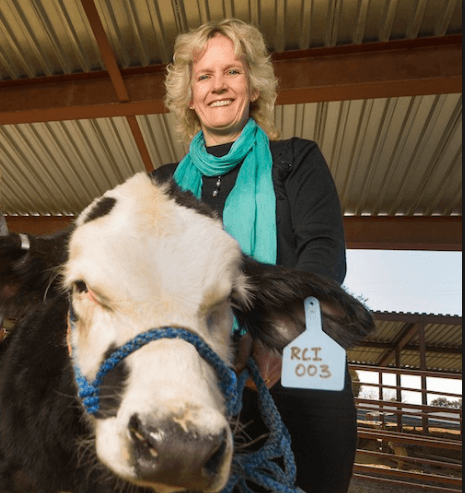
Alison Van Eenennaam, an animal biotechnology expert at the University of California, Davis, has been working to remove the part of DNA responsible for giving cows horns. Dairy producers typically prefer hornless animals as a matter of animal safety.

Under FDA’s approach, Eenennaam said, her hornless cows are considered “drugs” that need to undergo regulatory review. While she agrees that some genetically modified animals should be regulated, she argues the agency shouldn’t regulate changes to an animal’s DNA that already occur in nature ….

The agency “makes an arbitrary distinction between an intentional edit [by humans] and an unintentional edit by nature …. My cows are not drugs,” she added. “They’re cows.”

Read full, original article: FDA FORGING AHEAD ON ANIMAL BIOTECH