Directed evolution and Nobel Prize winner Frances Arnold

evolution

“Life is a tornado, and I am a leaf,” [Nobelist Frances H.] Arnold says. As the Linus Pauling Professor of Chemical Engineering, Bioengineering & Biochemistry at California Institute of Technology, Arnold’s schedule was already packed. Now she’s trying to figure out how to juggle her teaching responsibilities and the lectures she promised to give with writing her Nobel address, preparing for the trip to Stockholm, and tending to the massive influx of press interviews, invitations, congratulatory emails, and Twitter shout-outs that have come with winning the Nobel Prize.

Back in the early 1990s, Arnold became intrigued with the idea that enzymes found in nature could be tweaked to perform new tricks by altering their DNA blueprint. “Nobody knows what sequence of DNA will encode a better enzyme. It’s a very challenging problem because enzymes are complicated,” Arnold explains. “But nature has a wonderful design process for manipulating DNA to achieve useful functions, and that’s called evolution.”

Arnold recognized that she could manipulate the evolutionary process just like people have been doing for thousands of years by introducing mutations into DNA through breeding.

[T]he method has the potential to tackle many practical problems. “We’d love to have biological systems that rapidly break down plastics. We’d love to have better enzymes for conversion of sunlight and carbon dioxide to fuels and chemicals,” she says.

Read full, original post: How is directed evolution changing the world?

13 nations say it’s time to end ‘political posturing’ and embrace crop gene editing

plant roots

 Agricultural scientists have been excited about gene editing since it debuted several years ago. The technology dramatically cuts the time and expense required to develop crops with desirable traits like disease resistance and enhanced nutrition. And since it doesn’t involve moving DNA between species, researchers remain hopeful that gene editing won’t trigger a public backlash the way GMOs did in 1996. Officials in the US have set up very few regulatory hurdles for gene-edited crops, arguing that the minute changes mimic what occurs in nature. But questions remain about how other nations will regulate the technology.

Over the summer, the European Union made a controversial political decision to regulate gene editing under GMO protocols that are 17 years old, well before gene editing was even discovered. The decision all but ensured the technology will not be utilized across the EU and has outraged scientists in Europe and even some individual governments. The question soon emerged: How would the rest of the world react to the polar opposite positions established by the EU and the US.

 We are now getting some clarity. A coalition of 13 countries announced this week that it would “support policies that enable agricultural innovation, including genome editing.” They detailed their policy prescriptions in statement released at a World Trade Organization meeting in Geneva, Switzerland on November 2. Signatories include Argentina, Australia, Brazil, Canada, Colombia, the Dominican Republic, Guatemala, Honduras, Jordan, Paraguay, the United States, Uruguay, Vietnam and the Secretariat of the Economic Community of West African States.

Screen Shot at PM

“Precision biotechnology techniques, as a whole, constitute an essential tool for agricultural innovation,” the statement reads. “Their use provides farmers with access to products that increase productivity while preserving environmental sustainability.” The non-binding statement is an attempt to counter the “misinformation and political posturing” that is creating roadblocks for agricultural gene editing, USDA Secretary Sonny Perdue said.

In July, the European Court of Justice (CJEU) ruled that gene-edited crops should be regulated as GMOs, which because of Europe’s byzantine regulations all but assures that no gene-edited crops could be approved. Researchers use gene-editing techniques to add or delete genes from an organism’s genome. The process usually doesn’t involve transferring DNA between species as in classic transgenesis. Plants developed with these new breeding techniques are often called “cisgenic” as a result, and they shouldn’t be regulated like GMO crops because they mimic what occurs in nature, experts say.

“Precision biotechnology creates end products that are no different than [those created with] traditional [plant] breeding,” University of Florida horticulturalist Kevin Folta told the GLP by email. “There is no reason to regulate them with any more rigor.”

The CJEU decision sent shock waves through the scientific community and sparked a worldwide debate over agricultural gene editing. Many European plant scientists began closing their labs and leaving the continent in response to the decision, fearing EU regulations would stifle their research. Experts also worried that Europe’s precautionary approach to crop biotechnology would sway officials in the developing world to reject gene editing, where the technology could help farmers combat plant diseases that can decimate staple crops.

The US has vigorously defended agricultural gene editing in the months following the European court’s decision, led by Perdue at the USDA. In August, the Agriculture Secretary blasted the the CJEU decision as “regressive” and “outdated.” The USDA has also approved several gene-edited crops, including a high-fiber wheat variety anticipated to hit the market within the next two years. The recent North American trade deal, signed in October by Mexico, Canada and the US, similarly included “science-based” provisions designed to standardize regulation of gene-edited seeds between the three countries.

The new WTO statement aims to expand this regulatory “harmonization” beyond North America by providing the “necessary guidelines for preventing regulatory asymmetries and, in turn, potential trade disruption.” Given Europe’s response to gene editing, Perdue added that “it’s gratifying to see …. allies come together under the WTO umbrella to publicly embrace science-based regulatory systems that will allow us to unlock the huge potential of these new technologies.”

Folta added that the statement is a huge step in the right direction. “In the age where such decisions are made based on fear and misinformation, it is amazing to see the WTO basing policy on evidence. I’m glad the WTO is siding with science and getting their policy statements correct.”

Cameron J. English is the GLP’s senior agricultural genetics and special projects editor. He is a science writer and podcast host. BIO. Follow him on Twitter @camjenglish

Blasting rodents with cell phone radiation increased cancer risk. Here’s why that means nothing for humans

cell
Last week the National Toxicology Program (NTP) issued an update on the results of the largest animal experiment to assess the effects of cell phone energy. The study involved 3,000 rodents (both rats and mice) and cost $30 M. The NTP is under the auspices of the National Institute of Environmental Health Sciences (NIEHS).

The final results of the study were published last February. At that time the NTP had described the results as showing a small increase in a rare type of heart cancer in male rats, but not in female rats, and concluded that there was “some evidence” of an association with this type of cancer. In addition, the agency pointed to “equivocal evidence” regarding brain tumors in male, but, again, not female rats.

In last Thursday’s update, the agency upgraded its assessment of the heart tumors (malignant schwannomas) from “some evidence” to “clear evidence,” whereas the conclusion regarding “equivocal evidence” of brain tumors remained unchanged.

What are we to make of NTP’s strengthening of its conclusion regarding schwannomas of heart, with the implication that cell phone use may be causing cancer, even if only at much stronger exposures than those associated with normal cell phone use?

To begin with, it’s crucial to realize that this large experiment, which originated during the Clinton administration, is far from simulating normal exposure to radio-frequency (RF) energy among cell phone users.

Rodents were exposed to two different modulations of 900 megahertz RF energy for nine hours per day. This type of RF energy was characteristic of the second-generation technology of the 1990s. Exposure started in utero for rats and at 5-6 weeks in mice and lasted for up to two years. Finally, the rodents were housed in chambers and received RF energy over their entire bodies.

Thus, the exposure level, the duration, and the exposed area are far greater than is the case with human cell phone use. In addition, newer generations of cell phones (4G and 5G) deliver much less RF energy to the user.

cell 11 6 18 2

Before examining the findings regarding cancer, we need some context. In animal tumorigenicity tests like this one, pathologists examine all of the tissues in the test animals to determine whether there are signs of cancer in any organ. For understandable reasons, this is not mentioned in government summaries or in news reports. But it is important, because one needs to evaluate any findings against the background of how many tissues/organs were examined in each sex. We need to keep in mind that dozens of organs and cell types were examined in male and female rats and mice.

The most significant findings among the dozens of statistical analyses conducted were the small increases in heart schwannomas at the highest dose of RF energy in male rats at both frequency modulations.  When viewed in context, the NTP results regarding schwannomas may simply be due to chance. For an excellent article, which goes into this issue elegantly and in detail with reference to the NTP study, see here. The elevation in brain schwannoma rates at the highest exposure level for both modulations leaves open the possibility that there may be a weak association with RF energy.

One has to ask, however, if the RF energy was responsible for these slight elevations in cancers in male rats, how is one to explain that a physical agent would cause cancer only in male rats but not female rats, or in mice of either sex? Ionizing radiation and ultraviolet radiation are equally powerful carcinogens in rodents and human of both sexes.

Furthermore, the rat results for schwannomas are of interest largely because some studies have suggested that vestibular schwannomas (i.e., acoustic neuromas) may be associated in humans with cell phone exposure.  Schwann cells are located throughout the body, and the schwannoma rates for male rats in Schwann cells at locations other than the heart actually showed non-significant decreases with increasing exposure level for both types of RF energy in the NTP study.

Therefore, it needs to be explained why only Schwann cells near the heart would show a carcinogenic effect from whole body RF exposure in male rats, and, further, why the response of Schwann cells near the male rat heart is of greater relevance to human risk than the absence of a response of Schwann cells at other locations in the male rat.

Even if the effect on heart Schwann cells in male rats were real, it has no relevance in humans. In the National Cancer Institute’s SEER program data, which tracks cancer incidence in a subsample of the U.S. population, there were no schwannomas in the heart or overlapping lesions of the heart and mediastinum in the SEER18 data from 2000-2015.  It should be noted that 73% of schwannomas reported by SEER were acoustic neuromas, and that there was no evidence whatsoever of an increase in acoustic neuroma rates in SEER 18 through 2015.

Finally, there is a much stronger effect in the NTP rodent study than those tumor results highlighted in the conclusions of the report – male rats in the control group (i.e., not exposed to RF waves) had much higher mortality than those in the exposed groups. In other words, male rats exposed to RF lived significantly longer than male rats that were not exposed. Nobody has suggested that this clear differential mortality, which was only observed in male rats, is explained by the RF energy exposure.  Because the controls died early, they did not have time to develop tumors.  Thus, the fact that no tumors were found in the controls, producing a few “significant” findings, clearly biased the results.

Follow the latest news and policy debates on sustainable agriculture, biomedicine, and other ‘disruptive’ innovations. Subscribe to our newsletter.

For the NTP to upgrade the weak results concerning schwannomas to “clear evidence” is arguable, and any relevance of the alleged effect, if real, to human risk is unclear. This revision merely suggests that, given the huge expense of the study and the public interest in the question, the NTP is trying to extract some meaningful result.

It also obscures the fact that no clear association was found for gliomas in rodents, since this type of cancer has been the main concern regarding the effects of cell phones.

In contrast to the NTP’s concern that the rodent study raises safety questions for human health, the Food and Drug Administration (FDA), which oversees cell phone safety, disagrees that the NTP results provide evidence of a risk.

It is interesting to note that the dispute between NIEHS and the FDA over the NTP study results comes at a time when the same two agencies have been in sharp conflict over the question of the risks posed by BPA to the general public. For all the differences between the two exposures and how they are to be assessed scientifically, the FDA has examined the evidence on both issues and assessed the implications for human health. In both cases, FDA has concluded that the findings from large animal experiments as well as from epidemiologic studies in humans fails to provide any persuasive evidence that either exposure is likely to have a detectable effect on human health.

This article originally appeared on Forbes as What Does Bombarding Rodents With Cell Phone Radiation Tell Us About Risks To Humans? and has been republished here with permission.

Geoffrey Kabat is a cancer epidemiologist and the author, most recently of, Getting Risk Right: Understanding the Science of Elusive Health Risks. Follow him on Twitter @GeoKabat

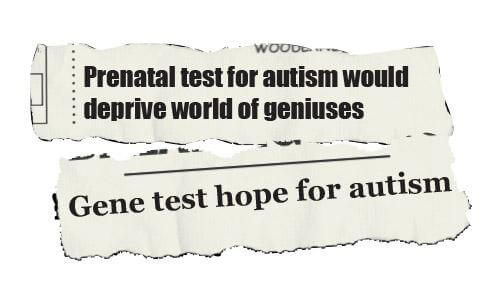
Why hyping ‘click-worthy’ autism research can do more harm than good

Genetic testing page headline

Click-worthy health and science headlines are an essential currency in today’s media world. When they pertain to autism, they might include phrases like “groundbreaking trial,” “offer hope” or “game-changer.”

This attention is a mixed blessing. It can encourage talented scientists to design research to better understand autism. It also generates support for advocacy efforts and research funding.

However, there is a dark side to this almost insatiable interest in autism science news: it has created an environment that encourages media hype of early, preliminary findings, with headlines that are tantalizing but not always accurate. The hype machine also too often promotes mediocre or even bad science, which ultimately puts people with autism at risk.

In the worst scenarios, families inspired by media coverage may pursue treatments that are both ineffective and unsafe. This has been the case with MDMA, or 3,4-methyldioxymethamphetamine, otherwise known as ecstasy, to treat social anxiety in autistic adults. Much media coverage of this experimental treatment failed to report that the drug is neurotoxic in animal models and humans.

The false hope of MDMA might have led some in the autism community to pursue an illegal—and, more importantly, potentially lethal—intervention.

Read full, original post: Hyping Autism Research “News” Is a Disservice to People with Autism

Is organic produce hazardous to your health?

organic

We’ve all heard the reports. Toxic organic pesticides cause problems for the environment. Organic pesticides are linked to Parkinson’s Disease, mass bee deaths, and the destruction of the Ozone later. Organic food often isn’t even tested for residue levels in regards to these extremely dangerous chemicals.

And while organic farming has the potential of “greater contamination of organic crops with fungal pathogens leading to the production of mycotoxins and ultimately their ingestion by humans”, how large of a risk is there?

Cases like that of an organic zucchini crop that hospitalized many in New Zealand really are sporadic. Reports of a rise in recalls of organic products due to the risk of food borne illness can probably might make you cautious, but statistics are still on your side.

So while those with an agenda to steer you towards more affordable conventional produce may be using data and science, your organic kale is ‘probably’ not going to kill you. And even if you are at risk of Hepatitis A from organic food, thanks to the marvels of biotechnology there is a vaccine for that.

Read full, original article: Organic produce ‘probably’ isn’t going to kill you

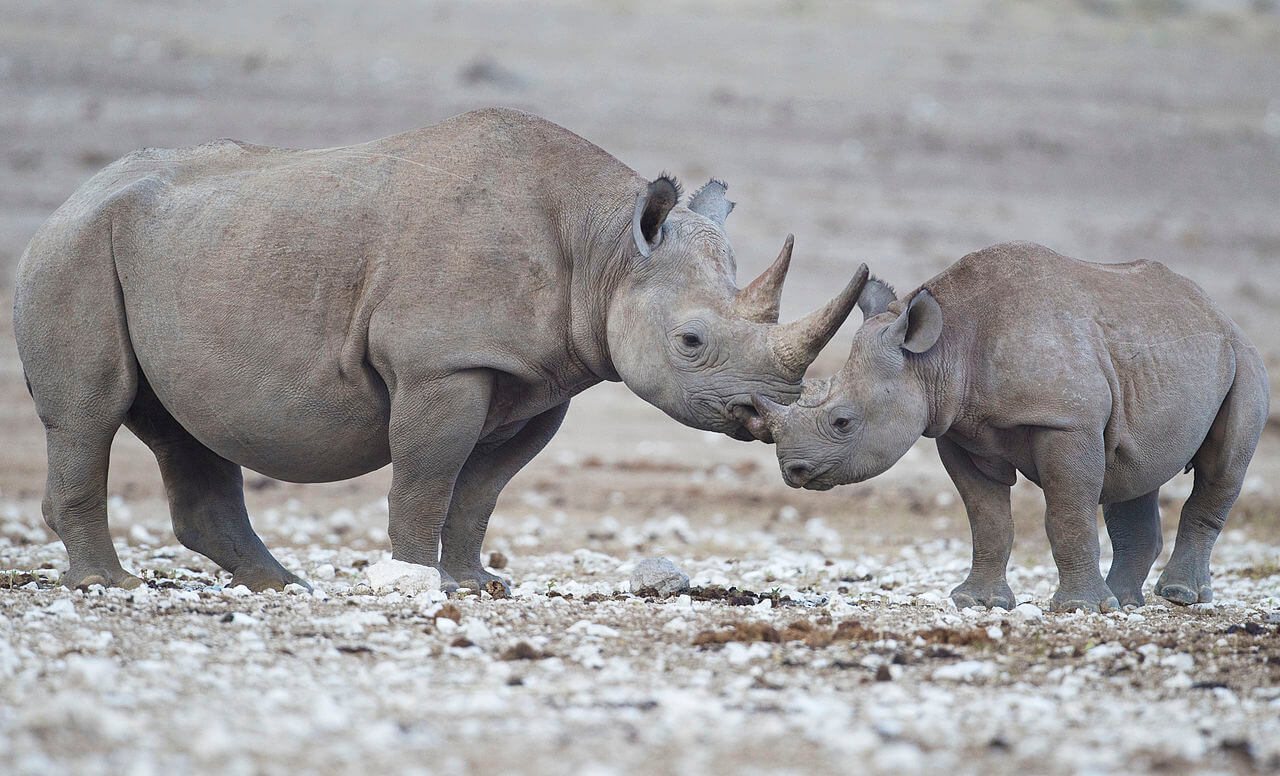
No, humans haven’t wiped out 60 percent of animals since 1970. But things still look ugly

rhino

Since [October 29], news networks and social media have been abuzz with the claim that, as The Guardian among others tweeted, “humanity has wiped out 60 percent of animals since 1970”—a stark and staggering figure based on the latest iteration of the WWF’s Living Planet report.

But that isn’t really what the report showed.

Ultimately, they found that from 1970 to 2014, the size of vertebrate populations has declined by 60 percent on average. That is absolutely not the same as saying that humans have culled 60 percent of animals—a distinction that the report’s technical supplement explicitly states. …

To understand the distinction, imagine you have three populations: 5,000 lions, 500 tigers, and 50 bears. Four decades later, you have just 4,500 lions, 100 tigers, and five bears (oh my). Those three populations have declined by 10 percent, 80 percent, and 90 percent, respectively—which means an average decline of 60 percent. But the total number of actual animals has gone down from 5,550 to 4,605, which is a decline of just 17 percent.

Bottom line: Things are bad. One could argue, then, that it is unnecessarily pedantic to correct the 60 percent figure. …

I don’t think it is. Especially now, in an era when conspiracy theories run rampant and lies flow readily from the highest seats of government, it’s more important than ever for those issuing warnings about the planet’s fate to be precise about what they mean. … If accuracy can be ignored for the sake of a gut punch, we might as well pull random numbers out of the ether.

Read full, original post: Wait, Have We Really Wiped Out 60 Percent of Animals?

‘People are primed for ET’: Why the discovery of alien life won’t frighten us

alien

On [October 30] 80 years ago, actor Orson Welles announced to audiences in a chilling radio performance that Martians were invading New Jersey, leading terrified listeners to believe that Earth was under attack by hostile aliens. But the so-called news was fake. Welles’ infamous performance was a dramatization of the H.G. Wells science-fiction classic, “The War of the Worlds.”

Thanks to decades of space research, understanding of extraterrestrial life has come a long way since Welles’ radio play, and it’s generally understood that Mars isn’t home to an advanced alien civilization with lethal weaponry and spacecraft. Public fascination with extraterrestrials still runs high; however, a modern announcement about alien creatures would likely spur a very different response today than “The War of the Worlds” did in 1938.

[O]ur first encounter with alien life will [likely] be through finding microbes from other worlds, which are far more likely to be common across all the cosmos than intelligent organisms, said [writer Michael] Wall.

Today, an announcement about discovering extraterrestrial microbes is far more likely to promote fascination than panic, he said. “With all the news about exoplanets [planets outside our solar system], people are primed for this,” Wall said.

Read full, original post: ‘Alien Invasion’ Radio Broadcast Terrified Listeners 80 Years Ago. Would E.T. Contact Cause Panic Today?

UK neonicotinoid ban invites spread of deadly virus yellows disease, sugar beet farmers warn

Screen Shot at PM

When I was elected to the role of NFU Sugar vice-chairman, it was foremost in my mind that every grower’s business is different and that, when representing growers, we can only try to achieve what is in the best interests of the majority.

[An] issue that will make it difficult for sugar beet to compete against other crops on some farms is the ban on neonicotinoids.

[Editor’s note: Simon Smith is vice-chairman of the NFU Sugar Board in the UK.]

We worked very closely with British Sugar and the British Beet Research Organisation (BBRO) to put in a strong case to [Department for Environment, Food and Rural Affairs] for an emergency use authorization for the use of neonicotinoids on the 2019 crop. Understandably, we were disappointed by the UK government’s decision to reject our application.

There are serious concerns within the industry that there is no viable solution currently available to protect the crop from the threat of virus yellows disease. The potential yield loss is significant if virus transmission is not controlled.

Read full, original article: East Anglia’s sugar industry must overcome mounting challenges, says leading beet grower

Bayer might seek settlements in some Monsanto glyphosate-cancer suits, but prepares to fight large claims

Monsanto Bayer x

Bayer AG’s chief executive said …. the company might consider settling lawsuits over Monsanto’s glyphosate-containing weed-killers depending on how high court costs rise, but stressed it remained focused on defending the combined company against claims they cause cancer.

Bayer has asked U.S. District Judge Vince Chhabria, who is overseeing the San Francisco case and some 580 others, to significantly expand the jury pool and question prospective jurors about their knowledge of the media coverage of the cases. Chhabria is expected to decide on the requests in December.

In filings …. in San Francisco federal court, where a new glyphosate trial is scheduled to begin on Feb. 25, 2019, Bayer said the “jury pool likely has grown more hostile” due to negative media coverage following the Johnson verdict.

“If we can settle nuisances at some point where the defense costs in preparing cases are higher than potential settlement amounts, we will of course consider it from an economic standpoint,” CEO Werner Baumann told reporters when asked whether there was any scenario in which Bayer would consider settling.

He added: “We will resolutely and with all means defend ourselves in this (glyphosate) litigation.”

Bayer denies that glyphosate causes cancer and says decades of scientific studies and real-world use have shown the chemical to be safe for human use. The company is appealing the findings.

Read full, original article: Bayer CEO says would consider glyphosate settlement depending on costs

Viewpoint: What ‘New Atheists’ get wrong about science and religion

atheism

New Atheism is a literary movement that sprung up in 2004, led by prominent authors like Sam Harris, Richard Dawkins, and Christopher Hitchens. Although they were right about a lot of things, the New Atheists missed something essential about the role of religion.

John Gray is a British philosopher whose latest book, Seven Types of Atheism, explores the history of atheism. It’s both an affirmation and a critique of atheism, written by an atheist who is aware of all its contradictions.

[Gray:] The New Atheists — Sam Harris, Richard Dawkins, and others — attack religions in the sublime confidence that these religions are myths and that they themselves harbor no myths, but that’s not true.

In many cases, the New Atheists are animated by 19th-century myths of various kinds: myths of human advancement, myths of what science can and cannot do, and all kinds of other myths.

Genesis is not a theory of the origins of the world. It’s not obsolete, primitive science. It’s not a solution to the problem of knowledge. Religion isn’t like that. Religion is a body of practices, of stories and images, whereby humans create or find meanings in their lives.

In other words, it’s not a search for explanation. Even if everything in the world were suddenly explained by science, we would still be asking what it all means.

Read full, original post: Why science can’t replace religion

Despite EU gene-editing restrictions, Dutch government may greenlight CRISPR crop studies

GeneEditcrispr x

Dutch agriculture minister Carola Schouten is considering allowing experiments involving a ‘light form’ of crop genetic modification even though the practice is banned by the European Commission ….

This summer the European Court ruled that the CRIPR-Cas technique for gene-editing crops should be subject to the same stringent regulations as conventional genetically modified (GM) organisms. Despite this, Schouten told the paper in an interview she wants explore the possibilities offered by CRIPR-Cas, which does not involve mixing dna from different species but speeds up the process of crop breeding by removing ‘weak’ bits of dna.

According to Greenpeace the decision of the court to categorise the method as genetic modification was the right one. It was ‘based on a risk assessment,’ spokesman Herman van Bekkem told the paper. ‘Not to have done that with a new technique whose effects on nature and health are unknown would have been very strange.’

Wageningen University plant researcher Bert Lotz [said] the minister’s move is an encouraging one. ‘National and international research has shown that if handled carefully this type of intervention can lead to great strides in sustainability,’ he said. ‘The question is: do you want potatoes that need to be sprayed 15 times or do you want potatoes that can do without this amount of spraying because of this technology?’

Read full, original article: Dutch farm minister opens door to gene-editing crops

FDA approves 23andMe’s direct-to-consumer DNA test assessing patient’s ability to respond to antidepressants

pharmacogenetics

The U.S. Food and Drug Administration (FDA) announced [October 31] that it has approved the marketing of 23andMe’s reports on pharmacogenetics, which the genetic-testing company claims are designed to assess whether genetics may affect an individual’s ability to metabolize certain drugs including antidepressants.

The company is characterizing the move as the “first authorization of a direct-to-consumer report on pharmacogenetics.” But with the approval of 23andMe’s Personal Genome Service test also come a number of caveats, the most glaring of which being that the test is meant to facilitate conversations with healthcare professionals rather than inform any kind of final word on medications or treatments.

The FDA says the tests aren’t meant to be used to inform the recommendations for treatment by a provider, assess a patient’s ability to respond to medications, or even be interpreted without additional “independent pharmacogenetic testing.”

“Even if you test negative for all known [disease] genes, your risk for that disease may still be increased based on your family history,” Mary Freivogel, president of the National Society of Genetic Counselors, told Stat [in 2017]. “A negative 23andMe test might provide false assurance.”

As appears to be the indication from the FDA, it may be best to take any genetic-testing kit with a grain of salt.

Read full, original post: FDA Approves New 23andMe Pharmacogenetic Reports, But There Are Some Caveats

FDA plan to regulate a gene-edited animal as a ‘drug’ will ‘choke’ research, experts say

sheep

Despite the Trump administration’s calls to increase innovation in biotechnology in a new draft proposal, experts say the classification of genetic editing and engineering as a drug continues to choke the industry.

[T]he federal agency that oversees genetic modification of animals announced plans to “advance an efficient, science-based pathway to market for safe animal biotechnology-derived products.” The United States Food and Drug Administration bills this “Action Plan” as a way to help scientists and start-ups bring plants and animals with edited genomes to the public, but retains some key limitations ….

The FDA has long regulated food-producing animals that have been modified with genetic material added from unrelated organisms, known [as] “transgenic” animals. The first of these—the “AquaAdvantage” salmon—took more than 20 years to be cleared for consumption in the U.S., but, so far, it’s only been sold in Canada ….

Eric Hallerman, professor of fish conservation at Virginia Tech, advised the FDA to approve the fish in 2015. Currently, genetically engineered animals must go through a rigorous regulatory approval, showing that the alteration does not harm the animal or the environment.

Read full, original article: WHY THE FDA’S PLAN TO REGULATE GENE EDITING IN ANIMALS HAS SOME SCIENTISTS WORRIED

Ancient spearheads raise new questions about North America’s first inhabitants

bd e c image
[A]rchaeologists have uncovered evidence of a human settlement stretching back as far as 15,500 years: hammer stones and broken knives, fragments of fractured tools. And now, scientists say, the Buttermilk Creek complex has offered up the oldest known spearheads in North America.

The new “projectile points,” reported [October 24] in the journal Science Advances, come in two unusual shapes — a fact that geologist Mike Waters, who oversaw the excavation, found both “bizarre” and “really exciting.” The find adds to the evidence that the first people arrived in the Americas earlier than researchers thought, even as it raises new questions about who those people were and how they made their epic migration into the continent.

[T]he archaeologists uncovered two perfectly preserved artifacts: One triangular point, which resembles a predator’s sharp tooth, and one lobe-shaped projectile with a tapered, or “stemmed,” bottom. With these whole points as models, Waters’s team was able to make sense of the 10 additional fragments they collected. They seemed subtly but significantly different from Clovis and other toolmaking traditions — neither a clear ancestor to the later technology, nor an obvious competitor.

Were the Clovis people descendants of these early inhabitants who came up with a new toolmaking technique? Or did they migrate separately into the continent before scattering their tools across the Americas?

“We’re just beginning to answer that,” Waters said.

Read full, original post: Continent’s oldest spear points provide new clues about the first Americans

Genetics and Type 2 diabetes: Why weight loss alone may not be enough for some people

diabetes
People who develop Type 2 diabetes fall into one of two categories — those whose blood sugar can be controlled with dietary and other lifestyle changes, and those whose blood sugar can only be controlled with medication. Doctors do not know which patients will respond to lifestyle interventions and which patients will not. New research could make the trial and error nature of Type 2 diabetes treatment a thing of the past.

A recent team effort by researchers based in Scotland, Sweden, the US, and Canada has led to the identification of a genomic signature in patients whose Type 2 diabetes status improved as a result of lifestyle interventions. The genomic signature was responsible for an increase in insulin sensitivity in these patients only, and not in those whose Type 2 diabetes status did not respond to lifestyle interventions.

Since the scientists were able to examine how certain genes associated with insulin resistance respond to treatment, they also “discovered a potential explanation for why not all people eliminate their Type 2 diabetes risk by following a lifestyle and exercise training program,” said Dr. Iain J. Gallagher, a member of the research team. Their findings will inspire future research and could also lead to changes in the clinical treatment of Type 2 diabetes.

Type 2 diabetes is a chronic illness that affects the way the body metabolizes glucose — the body’s main source of energy. The illness is caused by a complex combination of environmental and genetic factors, and symptoms can include low energy, increased thirst and urination, headaches, trouble concentrating, vision difficulties, and weight loss. Some individuals will not have any symptoms until the disease has significantly progressed.

diabetes 10 31 18 2

A hallmark of Type 2 diabetes is insulin resistance, when cells are not able to respond to insulin, a hormone secreted by the pancreas that enables glucose to enter cells (where it is then converted to ATP). The body’s cells can no longer easily take up glucose, which then builds up in the bloodstream — a condition known as high blood sugar or hyperglycemia. The pancreas responds by making more insulin. This can allow for just enough glucose uptake necessary for proper functioning, but eventually the individual may develop prediabetes — a stage before Type 2 diabetes that affects nearly 1 in 3 adult Americans.

When the pancreas can no longer keep up with insulin production, Type 2 diabetes develops. Some people who are on their way to developing Type 2 diabetes or have already received a formal diagnosis are able to achieve healthy blood sugar levels by making significant lifestyle changes. These lifestyle changes can include calorie restriction, changes to dietary composition, and/or increased physical activity. Others require medications like Metformin or insulin.

If left uncontrolled, Type 2 diabetes can lead to blindness, kidney failure, heart disease, nerve damage, and even the need for amputation due to tissue damage.

Though many typically presume that anyone with Type 2 diabetes can reverse their diagnosis by simply eating right and exercising — with some calling Type 2 diabetes the “fat diabetes” — science has shown that this is not always possible.

Dr. Andres Palacio, an endocrinologist with Tenet Florida Physician Services, told Genetic Literacy Project that “lifestyle interventions are the cornerstone for diabetes management, but unfortunately — as we have seen in studies and in our everyday practice — adherence to lifestyle interventions has not been an effective strategy. We continue to see a rise in diabetes and obesity.”

Additionally, Palacio added, “diabetes has a strong genetic component and having a family member with diabetes is a strong risk factor for developing it.”

In a recent clinical trial called DiRECT (the UK’s Diabetes Remission Clinical Trial), participants with Type 2 diabetes were placed on a calorie restricted diet for a year. About 46 percent of the clinical trial participants achieved remission, or non-diabetic blood sugar levels. The researchers stated that while weight loss can reverse the processes underlying Type 2 diabetes, remission of the illness depends on the beta cells’ ability to recover. Beta cells are pancreatic cells responsible for making and releasing insulin.

Follow the latest news and policy debates on sustainable agriculture, biomedicine, and other ‘disruptive’ innovations. Subscribe to our newsletter.

In the 54 percent that did not achieve remission during the clinical trial, the researchers said that some did not lose enough weight, but this explanation did not account for the full 54 percent. Others lost a significant amount of weight, but this had no effect on their Type 2 diabetes status.

Dr. Eric Sodicoff, author of “The Phoenixville Nutrition Guide,” told Healthline that “identifying such patients early is ideal, and [the DiRECT] study clearly established that the longer a patient has lived with Type 2 diabetes, the less likely they are going to respond to a calorie-restriction method.”

What is clear is that Type 2 diabetes cannot be treated with a one-size-fits-all protocol. Researchers at the Broad Institute of MIT and Harvard and Massachusetts General Hospital recently found that there are “five distinct groups of DNA sites that appear to drive distinct forms of the illness in unique ways.” This means that there appears to be five Type 2 diabetes subtypes, each with its own underlying set of cellular processes, and each with its own unique clinical presentation.

“This study has given us the most comprehensive view to date of the genetic pathways underlying [Type 2 diabetes], which if not adequately treated can lead to devastating complications,” said Miriam Udler, an endocrinologist at Massachusetts General Hospital.

Kristen Hovet is a journalist and writer who specializes in psychology, health, science and the intersection of sociology and culture. Follow her on her website,  Facebook or Twitter @kristenhovet

Absolut failure: Kansas farm family takes stand against fear-based non-GMO vodka marketing

vodka
I don’t throw the word hero around very often, but in this case the cape fits. Out on the vast plains of western Kansas in the tiny agricultural berg of Hoxie, there is a couple that is taking a great risk to stand up for science, stand up for agriculture and stand up for their fellow farmers.

Allison and Cole Nondorf grow corn, milo, soybeans and wheat on thousands of acres near Hoxie. They also operate a wine, beer and liquor retail store in town—A&C Liquid Assets. They carry a cross-section of national brands and local labels, and take great pride in being responsive to customers.

“We only sell what the customer wants,” said Allison Nondorf in a recent interview, “And we’re sensitive to which product lines support agriculture, particularly Midwestern farmers.”

Their extended family supplies seeds to the community, so they are well known in this dense agricultural area of Western Kansas, where farmer helps farmer, neighbor helps neighbor.

Which is precisely why you won’t find Smirnoff products at A&C Liquid Assets.

Smirnoff embarked on an advertising campaign last month for its No. 21 Vodka brand in which Hollywood science and agricultural “experts”—actors Jenna Fischer and Ted Danson—proudly proclaim that it is now “Non-GMO”.

“By using non-GMO corn for Smirnoff No. 21 Vodka, we’re ensuring that anyone who avoids gluten and GMO ingredients in their everyday life still has the option to enjoy a delicious Smirnoff cocktail,” said Jay Sethi, Vice President, Smirnoff, Diageo North America.

https://www.youtube.com/watch?v=EfhY6rKMUHo

The promotion is deceptive, and it is infuriating scientists and farmers.  Alcohol is classified as a Class 1 carcinogen. Apparently, Smirnoff sees value in promoting that an alcoholic drink known to cause cancer in humans is now not made from absolutely harmless ingredients—corn genetically engineered to be herbicide resistant or insect resistant, which substantially curtails the use of insecticides.

After 23 years since the introduction of genetically engineered (or “GMO”) crops to the U.S., there has not been a single case of human or animal illness attributed to their consumption.  On the other hand, it is estimated that alcohol causes more than 21,000 cancer deaths a year, almost four percent of all U.S. cancer deaths. Such deceptive  marketing  follow in the footsteps of Ketle One vodka and Wild Turkey whiskey, which embarked down a similar science-free path a few years ago.vodka 11 5 18 2

Vodka is distilled from fermenting cereal grains or potatoes. It is essentially ethyl alcohol and water, with a dissolved speck of character imparted by volatiles that hitch a ride through the distillation process. Most vodka is does not contain ingredients from genetically engineered crops, as it is made from wheat, rye or potatoes—all non-GE crops. However, some brands, like most of Smirnoff’s other labels, do include corn in the mix, and that likely originates from a plant equipped with biotech traits.

(Note that the non-GMO label is not Smirnoff’s only anti-science marketing scam. It brags that it’s No. 21 Vodka “has always been gluten-free.” That’s true but disingenuous. Smirnoff makes its vodka from corn, while gluten is only linked to wheat-based products, and there is no commercially-produced GMO wheat).

Smirnoff proudly proclaims that it refuses to use ingredients from GE crops. But why and at what consequence to American farmers?

The Nondorfs and the farmers in their community choose to grow GE crops because they are more sustainable. Smirnoff, they said, does not support the farmers that provide the grains that go into their vodka. Their store, A&C Liquid Assets, has decided it will not sell Smirnoff products. Instead, A&C Liquid Assets will offer samples of spirits produced from Kansas-grown grains. Brands like Most Wanted, and Behind Bars are made with local grains.  Milo is a popular local liquor made from locally-grown milo.

Follow the latest news and policy debates on sustainable agriculture, biomedicine, and other ‘disruptive’ innovations. Subscribe to our newsletter.

“The locally sourced brands are the same price or less, and you get the pleasure of knowing that it could be your grain and your work inside that bottle,“ Allison Nondorf explained.

It only makes sense.  Why would anyone in agriculture purchase vodka from a company that denigrates the choices that help farmers remain competitive and sustainable?

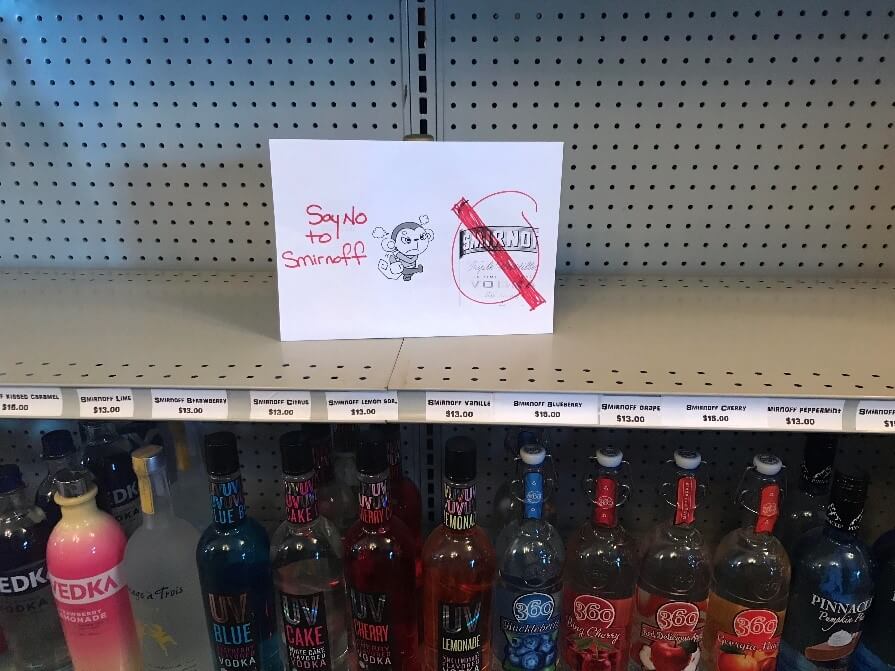
And in that spirit of support for agriculture, Allison removed the Smirnoff products from the shelves and returned them to the distributor. It is a risky move, as Smirnoff advertises heavily and is a widely-recognized name brand.

Despite a potential loss of sales and removing a brand with name recognition from the shelf, Allison feels that standing up for the science and standing up for farming is much more important.

Allison and Cole are taking a bold step that everyone in agriculture or science should follow—stop supporting companies that capitulate to fear-based marketing to sell a product.

“This community amazes me. We believe our Ag community will support our decision and stand by us in saying no to Smirnoff.  I’m excited to offer the customer a better product that may source from a farm down the street and often at a lower price.”

vodka 11 5 18 3
The Smirnoff brand has been removed from the shelves, as Kansas liquor store owners refuse to sell a product that does not support ingredients grown by local farmers.


Agricultural biotechnology has been a benefit to the farmer, the environment, the consumer, and could go a long way to helping those suffering from food insecurity. The Non-GMO Project and the non-GMO movement have concocted a brand based on fear, creating uncertainty around farmers’ safe products, and going against the grain of science.

Like A&C Liquid Assets on Facebook and share their story widely.

Dr. Kevin Folta is a Professor at the University of Florida actively involved in public education about genetics and agricultural technology.  He hosts the weekly Talking Biotech Podcast featured on the GLP. Follow him on Twitter @kevinfolta

273 Colombian farmers sue government spraying glyphosate to destroy coca plants used to make cocaine

COLOMBIA articleLarge

The Colombian government faces 273 lawsuits stemming from damages to crops, land and water caused by the spraying the herbicide glyphosate, which intended to destroy the plants harvested to manufacture cocaine.

The government has already paid out $5.6 million for 70 rulings in 116 separate lawsuits already concluded, Defense Ministry officials told the Senate, El Tiempo newspaper reported [November 1].

Aerial herbicide spraying by plane was suspended in Colombia in 2015, but the government planned last month to restart the practice using glyphosate — via drones — despite the opposition from farmers organizations through a 40-day trial program.

Read full, original article: Colombia faces 273 lawsuits for poisoning crops with herbicide

Viewpoint: Why the West should worry about losing the gene-editing race

crispr flies from indroso accelerate your research

I fear that the West is losing today’s version of the “space race” — this one to use and control gene editing. That worries me because the nations that gain control of the most effective gene-editing technologies will, quite literally, control the world.

Scientists in [East Asia] are receiving unprecedented amounts of government support. The Chinese government, for example, is rumored to be investing $300 billion in gene-editing technologies, and China’s Natural Science Foundation has funded nearly 300 projects in the past four years.

As Eastern Asian countries put the pedal to the metal with billions of dollars and an army of Ph.D. scientists, the United States is barely keeping pace in furthering gene-editing research and deploying gene editing. Europe, as usual, is seating itself on the sidelines by harshly regulating, if not outright banning, gene-editing technologies from its territory.

The pendulum will continue to swing in Asia’s direction unless the West wakes up and acknowledges that something must be done about it.

What can be done? The West’s emphasis on regulation — and overregulation — is leaving us far behind countries whose governments are more open to the idea of unrestricted or less-restricted research. We must be willing to ease up on the burdensome restrictions that make it difficult to operate clinical trials or conduct gene-editing studies.

Read full, original post: The West is losing the gene editing race. It needs to catch up