Small patient pool in Alzheimer’s drug trial casts shadow on positive results

dementia x

Facing pressing questions about its latest clinical trial in Alzheimer’s disease, Biogen may have sowed further doubt on the future of an investigational treatment on [October 25].

At a medical conference in Spain, Biogen and partner Eisai presented data on the drug, BAN2401, meant to clear up concerns that its earlier observed benefits were a mirage. But the explanation revealed that BAN2401’s glimmer of promise is based on results from a small subset of patients in an otherwise large trial, which could be difficult to replicate in later studies.

Eisai argued in favor of the drug, presenting new analysis showing that patients on placebo saw their Alzheimer’s worsen at similar rates regardless of whether they had the genetic mutation [which worsens Alzheimer’s], called APOE4. Digging into the data from the high-dose group, Eisai said patients with APOE4 actually did better on BAN2401 than those without, compared to placebo.

“Therefore we believe that the treatment effect was not due to an imbalance in subject allocation, but that it may have actually underestimated the overall BAN2401 effect,” said Chad Swanson, Eisai’s director of clinical research in neuroscience.

But that conclusion is based on an analysis of only 10 patients with APOE4 mutations who got the high dose of BAN2401, and their results are compared against 113 subjects on placebo.

Read full, original post: Biogen’s ‘positive’ Alzheimer’s trial has a problem with small numbers

Why things aren’t looking good for cryogenically frozen people

cryogenic freezing cryonics baby alcor

Corpse-freezing hasn’t exactly gone mainstream, but most people are now familiar with the concept: you lay out a ton of cash, sign some papers, and spend a couple post-death decades in a cutting-edge meat locker, calmly awaiting the conditions for your eventual revival.

For this week’s Giz Asks, we reached out to a number of neuroscientists, bioethicists, cryo advocates and skeptics to get some sense of what will happen to those frozen former consciousness-havers. Honestly it’s not looking good for them just yet.

Nick Bostrom, Professor at the University of Oxford and Director at the Future of Humanity Institute and the Governance of AI program

Technically it seems like it should probably work. The freezing (rather: vitrification or plastination) and storing we can do now. The bringing back part may however require the assistance of machine superintelligence in order to repair the extensive cellular damage that occurs during the suspension process.

Cathal O’Connell, Researcher in 3D bioprinting and biofabrication at BioFab3D, St Vincent’s Hospital, Melbourne

All signs point to no. The freezing-down process is critical. Doing this in a way that preserves cell function—especially regarding connectivity in the human brain—is way beyond our current capabilities. Unfortunately, everyone who has ever been frozen so far is essentially turned to mush. These people will never be revived.

Read full, original post: Will Cryogenically Frozen People Ever Be Revived?

‘De-extinction’ engineers dream of reviving the lost passenger pigeon

passenger pigeon

Once the dominant species in eastern North America, passenger pigeons roamed the forests in giant flocks up to several billions of individuals for tens of thousands of years before their numbers were snuffed out.

That’s why [researcher Ben] Novak, working with a Californian Institute called Revive & Restore, is aiming to bring back the species and re-introduce it into its natural habitat—with the help of common pigeons and the power of CRISPR.

Novak is among a small group of “de-extinction” engineers, a relatively fringe group of scientists that hope to use genetic engineering to protect or revive iconic animal species ravaged by human activity.

[U]nlike Jurassic Park, scientists are not trying to completely revive an animal based solely on its DNA.

Rather, the team is taking a find-and-replace approach: starting from your average scavenger pigeon on city streets, they plan to incorporate genes specific to passenger pigeons into modern-day cousins—the band-tail pigeon. By selectively breeding the gene-animals, the team hopes to concentrate the newly-incorporated genes in offspring, thus nudging these “living surrogates” toward passenger pigeons on a genetic level.

With enough generations, we may have a curious, man-made species with DNA indistinguishable from the dead animals they are modeled after.

Read full, original post: De-Extinction Is Now a Thing—Starting With Passenger Pigeons 

Legal challenges expected after EPA re-authorizes controversial weed-killing herbicide dicamba

farmers chance use dicamba

Farmers can use the pesticide dicamba to clear fields of stubborn weeds for two more growing seasons after the EPA on Oct. 31 extended the temporary approval of new versions of the chemical, which is prone to drifting off-field.

Dicamba, a 1960s-era weedkiller, was reformulated and sold under a new label by Monsanto Co., BASF SE, and DowDupont [in 2017] to help farmers fight weeds that no longer die with common herbicides.

“EPA understands that dicamba is a valuable pest control tool for America’s farmers,” Andrew Wheeler, acting administrator of the Environmental Protection Agency, said in a statement ….

The agency said it is reducing the number of applications allowed for cotton from four to two, but makes no change for dicamba’s use on soybeans. Only certified applicators may apply dicamba “over the top”—a reference to applying a chemical to growing plants, the EPA said. Buffers will also be required on all sides of fields where endangered species may exist, instead of only on the downwind side, the EPA said.

Judges are mulling a lawsuit challenging the EPA’s approval of Monsanto’s Xtendimax herbicide. Four nonprofit organizations have sued the agency for violating the Federal Insecticide, Fungicide, and Rodenticide Act and the Endangered Species Act in National Family Farm Coalition v. EPA.

Read full, original article: Farmers Can Use Dicamba At Least Two More Years, EPA Says (Behind Paywall)

Plaintiff accepts reduced damages in first glyphosate-cancer trial, Bayer to appeal verdict

Glyphosate and Cancer

A Northern California groundskeeper said [October 31] that he will accept a judge’s reduced verdict of $78 million against Monsanto after a jury found the company’s weed killer caused his cancer. DeWayne Johnson’s attorney formally informed the San Francisco Superior Court that he would not contest the judge’s decision to reduce a jury’s original $289 million award.

Johnson could have demanded a new trial.

A jury unanimously decided in August that Monsanto’s Roundup weed killer caused Johnson’s cancer. His doctor testified that the 46-year-old has less than three years to live.

Monsanto spokesman Daniel Childs did not immediately return a phone call. He previously said the company planned to appeal every adverse verdict. The company is facing 8,000 similar lawsuits across the country.

Johnson’s spokeswoman Robin McCall says his attorney disagrees with the judge’s settlement reduction, but will accept the lower amount in hopes of achieving “a final resolution within his lifetime.”

Read full, original article: Groundskeeper accepts reduced $78 million Monsanto verdict

Why it’s probably not the stress that’s shrinking your brain

stress middle age

A new study shows that people with higher levels of the “stress hormone” tend to have smaller brains — but that doesn’t mean one causes the other.

The study, published [October 24] in the journal Neurology, reports smaller brain volumes and worse memories in people with higher-than-average levels of cortisol — popularly known as the stress hormone. But any media coverage that warns stress is going to shrink your brain is premature.

[A] team of researchers led by [Sudha] Seshadri and Justin Echouffo-Tcheugui, an assistant professor at Johns Hopkins University, looked at the entire brain in more than 2,000 apparently healthy people.

The researchers took blood samples from study participants to measure their cortisol levels, and tested their memory, reasoning, and attention. The researchers also imaged the study participants’ brains to look for differences in brain volumes.

The participants fell into three different groups with cortisol levels at the low, medium, and high ends of normal. And the researchers found that the people with the highest cortisol levels tended to have poorer memories and attention, and smaller brain volumes.

[Neuroscientist Bruce] McEwen hopes that the team will continue to dig into why some people had higher cortisol levels than others, and what else might be affecting their brains — and the researchers hinted at plans to do so.

Read full, original post: Don’t stress out yet about stress shrinking your brain

Quick FDA approval of GMO human insulin 36 years ago contrasts with today’s biotechnology regulatory sclerosis

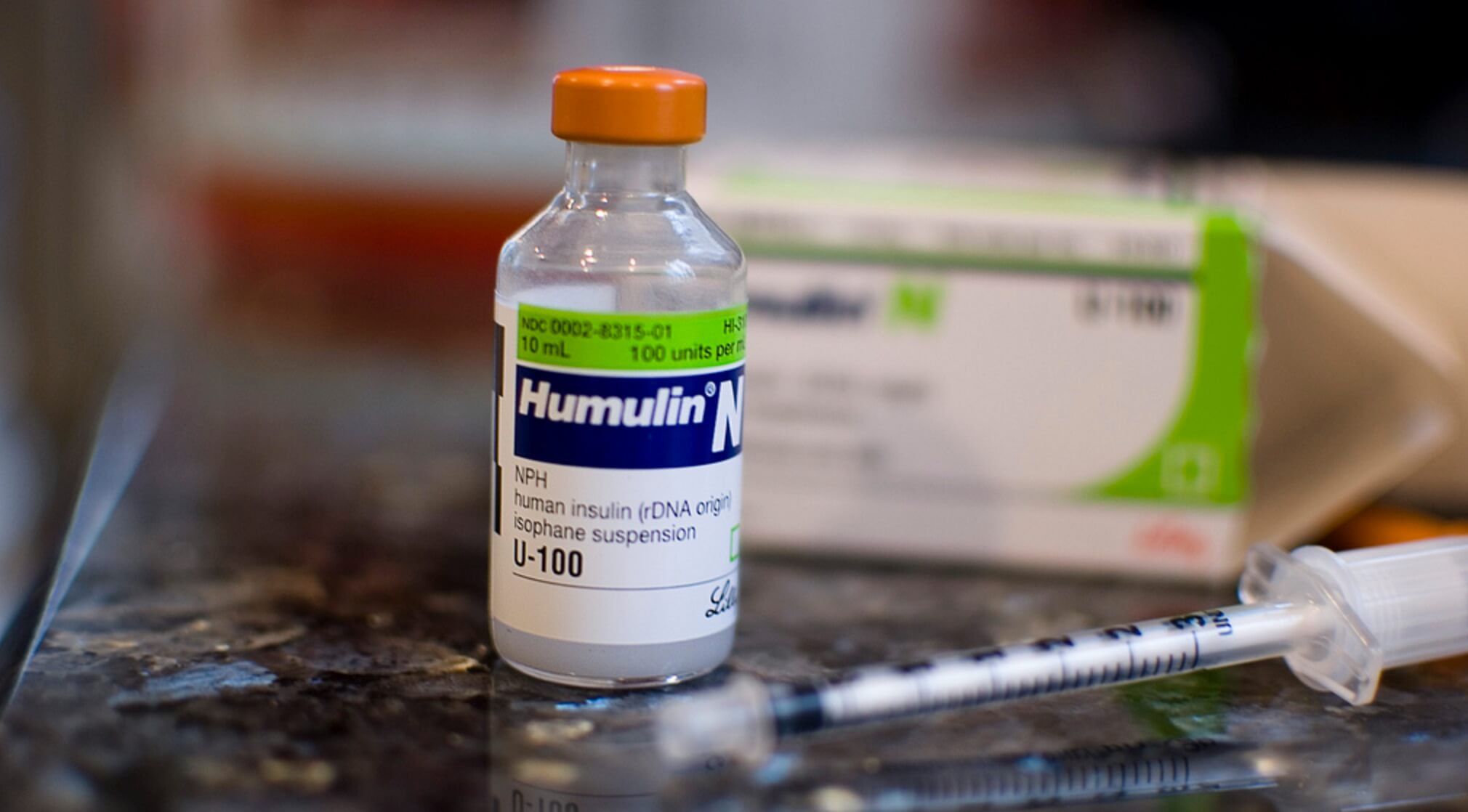
humulin
This week marked the 36th anniversary of one of biotechnology’s most significant milestones—the approval by the FDA of human insulin synthesized in genetically engineered bacteria. It launched a revolutionary new era in pharmaceutical development, and as the FDA medical reviewer of the product and the head of the evaluation team, I had a front-row seat.

The saga is remarkable in several ways, not least of which is that although both the drugmakers and regulators were exploring unknown territory, the development of the drug and its regulatory review progressed smoothly and rapidly.

Insulin in crude form was first produced in 1922 by Canadian researchers Frederick Banting and Charles Best, which lifted the death sentence that had previously been imposed on diabetics. By the end of that year drug company Eli Lilly and Company had devised a method for much higher purification. Over the next half century or so, the purified insulins obtained from pig or cow pancreases, which differ slightly in chemical composition from human insulin, were constantly improved in purity and formulated in ways that refined their performance.

During the early 1970′s, as the supply of animal pancreases declined and the prevalence of insulin-requiring diabetes grew, there were widespread fears of possible future shortages of insulin. Fortuitously, around the same time, a new and powerful tool – recombinant DNA technology, also known as “genetic engineering,” or “gene-splicing” – became available and offered the promise of unlimited amounts of insulin that was identical to the molecule produced by humans.

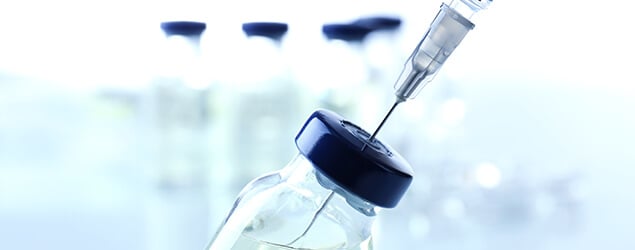
The seminal molecular genetic engineering experiment was reported in a 1973 research article by academic scientists Stanley Cohen, Herbert Boyer and their collaborators. They isolated a ringlet of DNA called a “plasmid” from a bacterium, used certain enzymes to splice a gene from another bacterium into that plasmid, and then introduced the resulting “recombinant,” or chimeric, DNA into E. coli bacteria.
insulin 10 30 18 2

When these now “recombinant” bacteria reproduced, the plasmids containing the foreign DNA were likewise propagated and produced amplified amounts of the functional recombinant DNA. And because DNA contains the genetic code that directs the synthesis of proteins, this new methodology promised the ability to induce genetically modified bacteria (or other cells) to synthesize desired proteins in large amounts.

Lilly immediately saw the promise of this technology for the production of unlimited quantities of human insulin in bacteria. After obtaining from startup Genentech, Inc., the recombinant E. coli bacteria that contained the genetic blueprint for and that synthesized human insulin, they developed processes for the large-scale cultivation of the organism (in huge fermenters similar to those that make wine or beer) and for the purification and formulation of the insulin.

Insulins had long been Lilly’s flagship products, and the company’s expertise was evident in the purification, laboratory testing and clinical trials of human insulin. The company’s scientists painstakingly verified that their product was extremely pure and identical to pancreatic human insulin (which differs slightly in chemical composition from beef and pork insulin).

Lilly began clinical trials of its human insulin in July 1980. The product performed superbly. There were no systematic problems with treating “naive” patients (who had never before received injections of insulin) or those switched from animal to human insulin. A small number of patients who had had adverse reactions of some kind to the animal insulins tolerated the human insulin well.

The dossier that provided evidence of safety and efficacy was submitted in May 1982 to the FDA, where I was the medical reviewer and head of the evaluation team. Over many years the FDA had had prodigious experience with insulins and also with drugs derived from various microorganisms, so it was decided that no fundamentally new regulatory paradigms were necessary to evaluate the recombinant human insulin.

In other words, recombinant DNA techniques were viewed as an extension, or refinement, of long-used and familiar methods for making drugs. That proved to be an historic, precedent-setting decision.

Based on my team’s exhaustive review of Lilly’s data, which were obtained from pre-clinical testing in animals and clinical trials in thousands of diabetics, FDA granted marketing approval for human insulin in October 1982. The review and approval took only five months when the agency’s average approval time for new drugs was 30.5 months.

In retrospect, that rapid approval was particularly remarkable for a drug that was produced with a revolutionary new technology, and that after approval would be available in pharmacies nationwide to millions of American diabetics.

The back story, however, is revealing. My team and I were ready to recommend approval after four months’ review. But when I took the packet to my supervisor, he said, “Four months? No way! If anything goes wrong with this product down the road, people will say we rushed it, and we’ll be toast.” That’s the bureaucratic mind-set. I don’t know how long he would have delayed it, but when he went on vacation a month later, I took the packet to his boss, the division director, and he signed off.

That anecdote is an example of Milton Friedman’s observation that to understand the motivation of an individual or organization, you need to “follow the self-interest.” A large part of regulators’ self-interest lies in staying out of trouble. One way to do that, my supervisor understood, is not to approve in record time products that might experience unanticipated problems.

Follow the latest news and policy debates on sustainable agriculture, biomedicine, and other ‘disruptive’ innovations. Subscribe to our newsletter.

The Humulin approval had significant effects. A New York Times article mentioned my prediction that the speedy approval was a major step forward in the “scientific and commercial viability” of recombinant DNA technology. “We have now come of age,” I said, and potential investors and entrepreneurs agreed. Seeing that biopharmaceuticals would compete with other medicines on a level playing field, the “biotechnology industry” was on the fast track.

The rapid human insulin approval proved to be an anomaly. Even with a toolbox of improved technologies available to both the FDA and industry, bringing a new drug to market on average now takes 10-12 years and costs, on average, over $2.5 billion. Regulators are highly risk-averse, few new drugs are approved without convening extramural advisory committees, and decisions are sometimes hijacked by political forces outside the FDA.

Other FDA-regulated biotech sectors have fared worse. Regulators have made a horrendous mess of the regulation of genetically engineered animals, which FDA chose to regulate as “new animal drugs,” including a grotesquely prolonged, 20-plus year review of a faster-growing Atlantic salmon, and genetically engineered mosquitoes to control mosquitoes that carry viral diseases. (It took FDA more than five years to realize that the latter were actually pesticides and that jurisdiction should be turfed to EPA.) As a result, the entire biotech sector of genetically engineered animals is moribund.

It’s too bad that government regulation hasn’t aged as gracefully as genetic engineering technology itself.

Henry Miller, a physician and molecular biologist, is a Senior Fellow at the Pacific Research Institute. He was the founding director of the Office of Biotechnology at the FDA. Please follow him on Twitter at @henryimiller

This article is an expanded version of one published in the Wall Street Journal on October 28, 2018 as Follow the FDA’s Self-Interest. 

Viewpoint: Challenging the hypocrisy of GMO critic Carey Gillam

nader slider

Carey Gillam is a former journalist for Reuters, and is currently the research director for US Right to Know (US RTK). Heavily funded by Organic Consumers Association, whose anti-vaccination campaigns have been tied to at least one measles outbreak, US RTK formed from the remnants of the failed GMO labeling campaign in California.

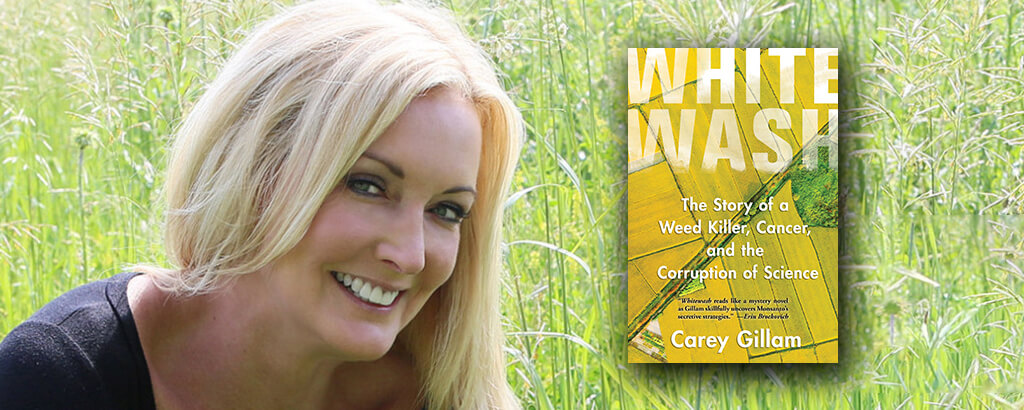
According to Carey Gillam the integrity of organizations that promote biotechnology is called into question by even the remotest of industry ties. In her book Whitewash she describes one such organization, Biofortified, as a partner of Monsanto because of a Monsanto email mentioning them as such.

In fact Monsanto put out a statement confirming that Biofortified is not a partner and has never received funding from them …. Biofortified also points out that Carey Gillam herself is called a tier II industry “contact” by Organic Valley in a similar email.

What’s worse though is that Gillam gets upset when similar accusations are used against her …. The problem is that what she says is meant to insinuate that the beliefs of those she disagrees with are shaped by industry funding. People she points fingers at literally use her same words as a defense.

Read full, original article: Are we all ‘useful idiots’? The hypocrisy of an anti-GMO smear campaign.

‘In someone else’s shoes’: How virtual reality is altering autism research, treatment

vr

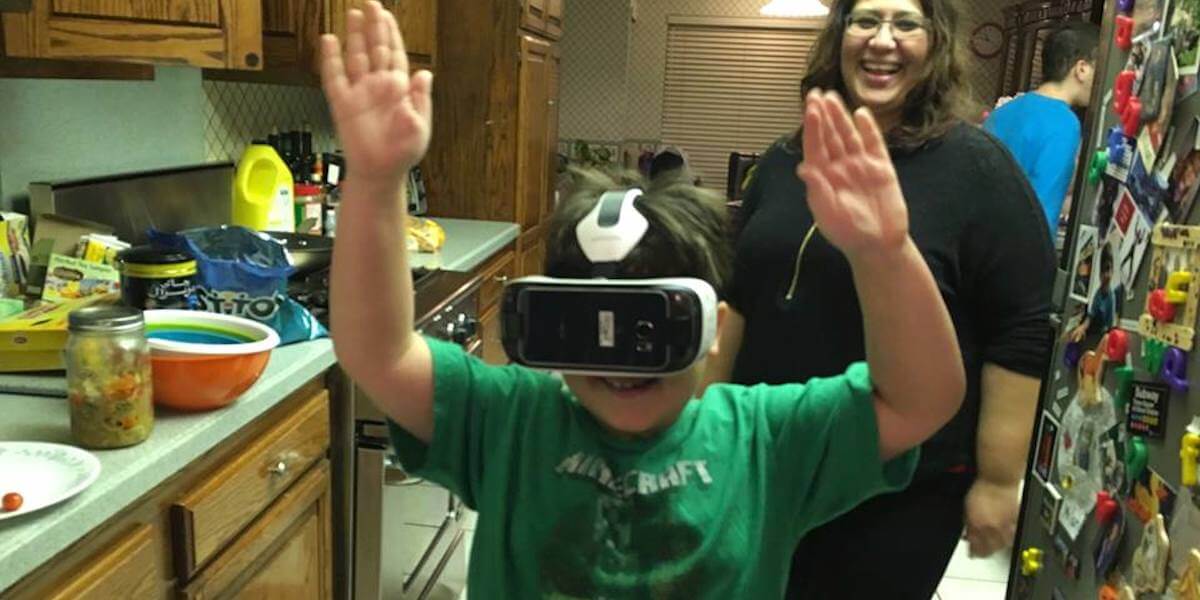
For more than two decades, scientists have experimented with [virtual reality] to set up controlled scenarios to study autistic traits. At the same time, some teams have used VR to create role-playing environments for practicing social skills. Increasingly, however, people with autism are using VR to convey their own experiences, both to raise awareness of the condition and to capture the cognitive and perceptual differences that characterize it.

Proponents of VR argue that no other medium comes as close to putting you in someone else’s shoes. “Having a perceptual experience — that’s something we haven’t been able to do without VR,” says Albert “Skip” Rizzo, research professor at the University of Southern California in Los Angeles and a pioneer of using VR in psychiatry.

Autism therapists and researchers started to use VR in the mid-1990s, not long after headsets became widely available to consumers and other forms of immersion, such as first-person shooter games, became popular. Researchers often deployed the technology to create virtual environments to help autistic people rehearse stressful encounters. For instance, Rizzo’s team built a virtual job-interview training program. In a study published last year, they recruited adults with autism or other conditions for a training regimen involving interviewers who ranged from gentle to aggressive. Rizzo says the participants with autism significantly improved in their interviewing skills, as rated by job counselors.

Read full, original post: How virtual reality is transforming autism studies

Some US towns were untouched by 1918 Spanish flu pandemic. The military wants to know why.

web unnamed
[On 4 June 1919, the Spanish flu] had finally found its way to the remote native Inuit communities that dotted the Alaskan coastline.

In just a few days nearly 200 people would die from the disease in the Bristol Bay area, leaving dozens of children orphaned. From some places, stories emerged of packs of stray dogs feasting on the bodies of the dead. In some communities, up to 90% of the population died and the mortality rates were some of the highest in the world.

Yet, just a few miles from some of the worst hit areas of Bristol Bay, one community in a tiny settlement called Egegak escaped the disease entirely.

The lessons [learned] are considered so important that the US Department of Defense’s Threat Reduction Agency investigated the handful of the places across the United States that were untouched by Spanish flu in the hope of gleaning some clues about how to keep military personnel safe in the future.

“These communities basically shut themselves down,” explains Howard Markel, an epidemiological historian at the University of Michigan who was one of the authors of the study. “No one came in and no one came out. Schools were closed and there were no public gatherings. We came up with the term ‘protective sequestration’, where a defined and healthy group of people are shielded from the risk of infection from outsiders.”

Read full, original post: The places that escaped the Spanish flu

Can biotechnology help protect the world’s chocolate supply?

cacao
[K]eeping pace with global cravings can be a tall order for chocolate producers — a challenge made even tougher as climate change and disease threaten the world’s cocoa supply. The threat has prompted major industry players like the candy bar giant, Mars — which makes Snickers, M&M’s, and Dove chocolate, among other products — to find a solution in biotechnology.

[T]he company announced that it hired Benson Hill Biosystems, a Creve Coeur [Missouri]-based biotech firm, to outfit it with computing tools to help develop more resilient cacao trees, which produce the beans used to make chocolate.

“Cacao is a pretty fragile crop …. ” said Howard Shapiro, the chief agricultural officer for Mars. “Forty percent of the crop is lost each year due to fungal, viral, and pest problems.

Benson Hill will equip the company’s cacao experts …. with a software platform that uses data on plant genetics and traits to speed up and streamline the breeding process …. the computational breeding technique uses machine learning and artificial intelligence to couple plants’ genomic information with records of their physical traits ….

“Say instead of taking 10 years, we can take 5 years. Instead of taking 10,000 options, let’s start with the best 500,” Kesler said. “We simulate those offspring with machine learning to predict the quality of those offspring ….

Read full, original article: Biotech company aims to help candy giant Mars make a more resilient cacao tree

China struggling with consumer skepticism in push to introduce GMO corn

hqdefault

China’s central government set a goal two years ago for commercializing genetically modified corn by the end of 2020, but it still has a major hurdle before companies are allowed to cultivate modified seeds: skeptical consumers.

The country has spent billions developing genetically modified crops during the past decade, including the $43 billion purchase of Syngenta AG in 2017 by state-owned China National Chemical Corporation, known as ChemChina, and those agritech companies are increasingly ready to get the approval needed to legally plant seeds in the ground.

As the European Union moves to suspend the use of GM corn, China’s agricultural ministry has been pumping funds into a media campaign during the past two years to convince skeptical consumers of the safety of genetically modified food products. But it could fall on deaf ears.

The Chinese public appears both concerned and confused about GM food products, so more effective public messaging campaigns are needed to sway them.

Currently, the only edible genetically modified crop allowed for commercial production in China is a variety of papaya. Trials of cultivation of GM corn, soybeans, canola, sugar beets, and cottons have been approved and imported GM soybeans also have been allowed for animal feed and for vegetable oil.

Read full, original article: China Sowing Seeds to Commercialize Genetically Modified Corn (Behind paywall)

One scientist’s quest for an anti-aging drug

Judith Campisi has been a leading figure in the biology of aging since the early 1990s, when her research on the basic mechanisms of cancer revealed an unexpected finding—that cells enter a phase known as senescence that prevents them from becoming cancerous. More than 25 years later, the insight has led to a new kind of drug that may slow or modestly reverse human aging.

In the past five years, this insight has led to the pursuit of a new class of drugs known as senolytics, which eliminate senescent cells.

She recently discussed her work with Stephen S. Hall.

[Hall:] How specifically does senescence contribute to aging?

[Campisi:] The correct way to think about senescence is that it’s an evolutionary balancing act. It was selected for the good purpose of preventing cancer—if [cells] don’t divide, [they] can’t form a tumor. It also optimizes tissue repair. But the downside is if these cells persist, which happens during aging, they can now become deleterious. Evolution doesn’t care what happens to you after you’ve had your babies, so after around age 50, there are no mechanisms that can effectively eliminate these cells in old age. They tend to accumulate. So the idea became popular to think about eliminating them, and seeing if we can restore tissues to a more youthful state.

Read full, original post: Finally, the drug that keeps you young

Replacing neonicotinoid pesticides is no easy task, Canadian farmers say

Seed treating x

In 2015, the Canadian province [Ontario] instituted regulations requiring farmers to prove they have soil pest populations in corn and soybean fields before they can use neonicotinoid seed treatments …. With both U.S. and Canadian regulatory agencies actively scrutinizing neonicotinoid safety, Ontario farmers’ experience is increasingly relevant for American farmers and other Canadian provinces.

So how have Ontario farmers fared? Neonicotinoid use has dropped substantially, and many farmers are turning to new, non-neonicotinoid seed treatments. But the experience has not been easy or simple ….

[N]on-neonicotinoid seed treatments are already in use in Ontario …. but given that the new seed treatments do not target as broad a range of insect pests as neonicotinoids, it could leave some growers with less protection ….

Ontario’s de facto neonicotinoid ban could soon be a reality for the rest of Canada if [the government’s] proposed bans become a reality, [said Deb Conlon, manager of government relations for the Grain Farmers of Ontario]. “It puts us at a competitive disadvantage,” she said.

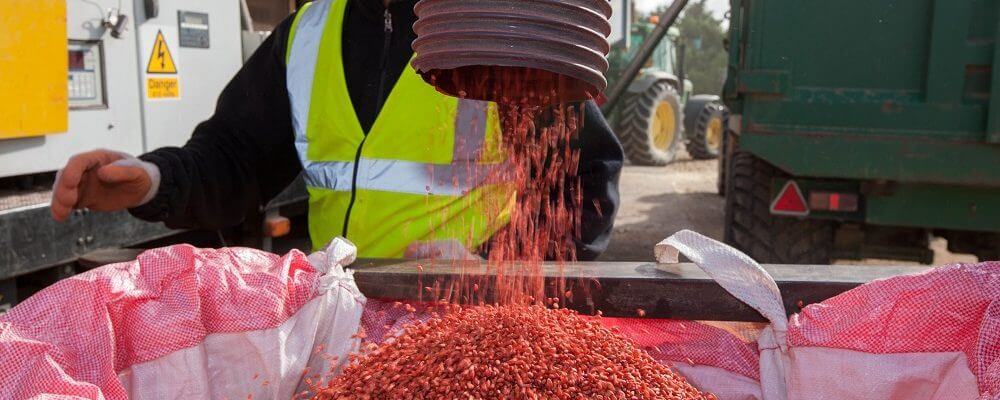
[Farmers also wonder] how long the new replacement seed treatments can last, if they become the only option for growers across Canada. In Ontario alone, nearly 100% of corn seed and 60% of soybean seed was treated with neonicotinoid insecticides before the 2015 regulations.

Read full, original article: What Happens If Neonics Get Nixed? Ask Canadian Grain Farmers

500,000-genome-strong UK Biobank offers ‘wisdom from crowds’

biobank

Precision medicine aims to improve treatments for individuals, but to do so it needs information from crowds. Only by tracking the health of large numbers of people can the influence of genetics be teased out and incorporated into future tailored treatments. Scientists now report the success of such a project, the UK Biobank, which holds genetic, physical and clinical data from a large cohort of individuals in the United Kingdom.

[T]he UK Biobank is the first project to demonstrate the successful collection and sharing of linked genetic, physical and clinical information on a population scale. All involved should thank the 500,000 volunteers across the United Kingdom who responded to their invitations and agreed to contribute their time, samples and health information.

Since the UK Biobank opened general access to its database in March 2012, there have been at least 8,294 approved registrations, and 796 formally registered projects are under way. The results of these studies have been communicated in more than 500 publications in peer-reviewed journals and in over 100 preprints on a dedicated bioRxiv channel.

Many of these studies have aggregated UK Biobank data with other data sets to enable studies on a much larger scale, some reaching more than 1 million individuals. That is the future of medicine: wisdom from crowds.

Read full, original post: UK Biobank data on 500,000 people paves way to precision medicine

Which contraceptive is best for you? Precision medicine could provide the answer

pills

Approximately 900 million women around the world use contraceptives. It’s a shame that, even with the best available evidence and resources, an unacceptable ambiguity about side effects is the standard.

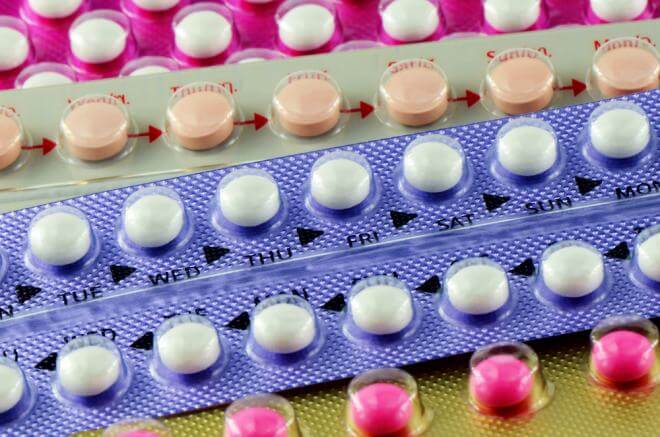
Personalized medicine could be the key. Pharmacogenomic research is starting to reveal how genetic differences influence people’s unique responses to specific medications. The FDA has assembled a list of 214 drugs with pharmacogenomic biomarkers in their labeling. While the oncology and psychiatry sections are relatively hefty (68 and 30 drugs each, respectively), there’s just one contraceptive, Yaz (drospirenone and ethinyl estradiol), on that list.

If pharmacogenomics tackles contraceptive drugs in a big way, users would be empowered to choose the right contraceptive options for them, the ones they can best tolerate. It would provide a definitive answer to “How will this play out for me?” rather than the shrug of shoulders most women receive.

Imagine hearing from your doctor or logging in to a private portal to discover that a hormonal IUD will be 99 percent effective for you, and it will increase your appetite and stop your monthly menstrual periods. And that the pill will be 91 percent effective for you, and give you clearer skin.

Greater precision won’t cure any side effects from contraceptives, but it would dispel ambiguity about them.

Read full, original post: Could precision medicine help women choose the contraceptive that works best for them?

Podcast: South Australian farmers want access to GMO crops as moratorium debate rages

GMO labeling thumb

ABC reports on debate over South Australia’s GMO moratorium. Flinders MP Peter Treloar states that he has not seen any evidence of a price premium for non-GM crops in South Australia. He believes growers should have access to the latest technologies.

Read full, original article: Does GM free mean premium price?

Are more consumers willing to pay a premium for ‘natural, ethical, enhanced’ foods?

People haven’t always thought very hard about their food. For most of human history, simply getting enough to eat was job one. This began to change with the advent of health food, as it was called, around the turn of the 20th century. The rise of organic farming soon followed. Still, it wasn’t until the early 1970s — when food prices spiked amid heightened concerns about environmental health — that natural foods started to gain traction as a cultural and commercial phenomenon.

For food and beverage producers, delivering on health and wellness claims is no small task. The good news is that consumers are ready to make it worth their while. In a significant turnabout from the previous edition of our survey, roughly 60% to 70% of respondents indicate they would pay a premium for food products in the natural, ethical, enhanced or “less of …” categories. This is an increase of at least 10 percentage points from two years ago.

[T]he degree to which consumers care about these newer claims [fair trade, local sourcing and no genetic modifications, along with claims such as antibiotic-free and cage-free] is on the rise …. Realizing this, retailers are looking to brands for products and support that keep them ahead of consumer demand. Producers have responded by introducing version 3.0 products such as Dave’s Killer Bread, an organic, non-GMO product now available in 22,000 stores. Then there’s Applegate’s line of humanely raised, antibiotic- and hormone-free, non-GMO processed meats.

Read full, original article: Consumer Health Claims 3.0: The Next Generation of Mindful Food Consumption

Chocolate labs plagued by consumer-driven ‘genetic bottleneck’

chocolate lab

New research shows that chocolate Labrador retrievers are more likely to experience health problems and die younger compared to their black and yellow canine compatriots. A likely reason, say scientists, is a tightening genetic bottleneck caused by consumer demand.

Chocolate-colored Labrador retrievers have a 10 percent shorter lifespan than black or yellow Labradors, according to research published [October 22] in Canine Genetics and Epidemiology. Chocolate Labs are also more prone to health problems, such as ear and skin infections, and joint conditions.

The gene for the chocolate color, unlike the genes for the black and yellow color, is recessive in Labradors, which means both mom and dad have to be chocolate-colored to produce the trait in pups. This dramatically narrows down the gene pool, leading to loss of genetic diversity and the onset of genetic bottlenecks.

The average lifespan of Labrador retrievers was found to be 12.1 years (which is lower than the previously estimated 12.5 years), but chocolate-colored Labradors had a 10 percent shorter lifespan than black or yellow Labs, typically living to around 10.7 years.

In terms of what can be done to remedy the situation, Labrador retrievers from other parts of the world could be introduced to diversify the gene pool. Or more practically and humanely, prospective owners and breeders should stop fixating on chocolate-colored Labs—or just forgo purebreds altogether.

Read full, original post: Demand for Chocolate Labs Is Making Them Sick and Prone to Early Death