Natural GMO: Whiteflies stole a gene from plants millions of years ago that can protect them from pesticides

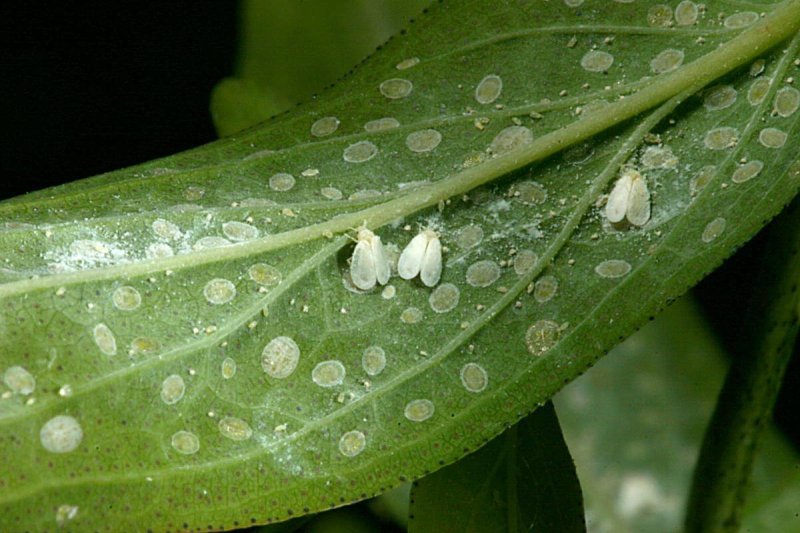
Credit:  D. Shetlar
Credit: D. Shetlar

Pale, squishy, and smaller than a sesame seed, these sap-sucking bugs terrorize more than 600 plant species, infecting them with deadly viruses and smearing their leaves with sweet, sticky liquids that encourage the growth of molds. 

Against such an enemy, plants deploy poisons powerful enough to stunt insect growth or bring about the bugs’ untimely demise. But whiteflies (which aren’t flies, but cousins of aphids) have found a work-around for this obstacle, too, through thievery.

To protect themselves against toxins called phenolic glycosides, a common botanical defense, whiteflies imported a stolen good: a gene that encodes a kind of antidote, likely pilfered from an ancient poisonous plant, according to a study published [March 25] in Cell. The plant had probably created the chemical cure to protect its own tissues. 

Mis- and disinformation are distorting science and public policy. Subscribe to our Daily and Weekly Digests for incisive coverage of ‘disruptive’ innovations in AI, agricultural biotechnology, food, chemicals, nuclear energy, vaccines, and other disruptive innovations.

It’s certainly possible that plant DNA, adrift in the whitefly’s digestive tract, somehow meandered its way over to a reproductive cell. But [chemical ecologist Ted] Turlings said he and his colleagues think the whitefly had help from a virus with privileged access to parts of the insect’s body… Perhaps what the researchers found is not a direct plant-to-insect dispatch, but a protracted relay that could have taken place over many years—a molecular drug trade, with microbes acting as the mules.


Read the original post

Related Articles

Infographic: Global regulatory and health research agencies on whether glyphosate causes cancer

Infographic: Global regulatory and health research agencies on whether glyphosate causes cancer

Does glyphosate—the world's most heavily-used herbicide—pose serious harm to humans? Is it carcinogenic? Those issues are of both legal and ...

Most Popular

ChatGPT-Image-Mar-10-2026-01_39_01-PM
Viewpoint—“Miracle molecule” debunked: Why acemannan supplements don’t work
ChatGPT-Image-Sep-2-2026-02_03_32-PM
How much of a problem is AI’s water use?
ChatGPT-Image-Sep-10-2026-01_44_53-PM
Viewpoint: Why medical and health nonsense spreads so casually on pop culture media
Screenshot-2026-09-16-at-3.14.20-PM
19%: Plunging support for Trump-RFK, Jr. measles vaccine safety oversight
ChatGPT-Image-Sep-17-2026-12_28_43-PM
Vitamin D, omega-3 fish oil and glucosamine supplements could cause brain damage 
Screenshot-2026-09-16-at-2.26.42-PM
Viewpoint: How to ecologically damage America’s forests: Ban glyphosate
ChatGPT-Image-Sep-16-2026-11_28_54-AM
Viewpoint: Study links childhood vaccination to autism!!! Here’s how anti-vaxxers twist evidence to corrupt science
ChatGPT-Image-Sep-17-2026-11_03_54-AM-2
AI sparks a bioweapons race
ChatGPT-Image-Sep-21-2026-10_55_04-AM
Viewpoint: America’s food-safety system is being methodically dismantled by the Trump administration.
ChatGPT-Image-Sep-21-2026-02_35_25-PM
22-year frozen embryo: In one of the longest delayed births ever, middle-aged Greek couple gives birth to a daughter
Screenshot-2026-09-10-at-12.20.19-PM
'Jet fuel didn't melt the steel': 9/11 conspiracy theories debunked
glp menu logo outlined

Get news on human & agricultural genetics and biotechnology delivered to your inbox.